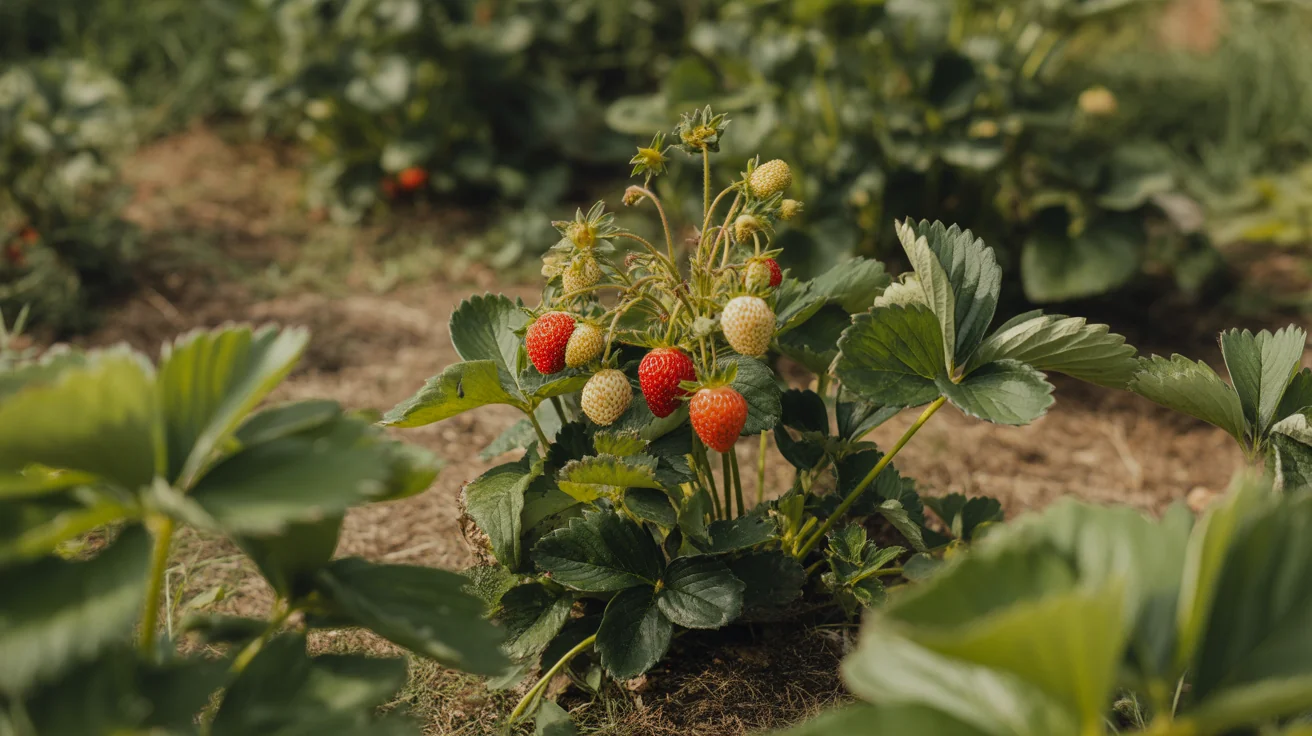
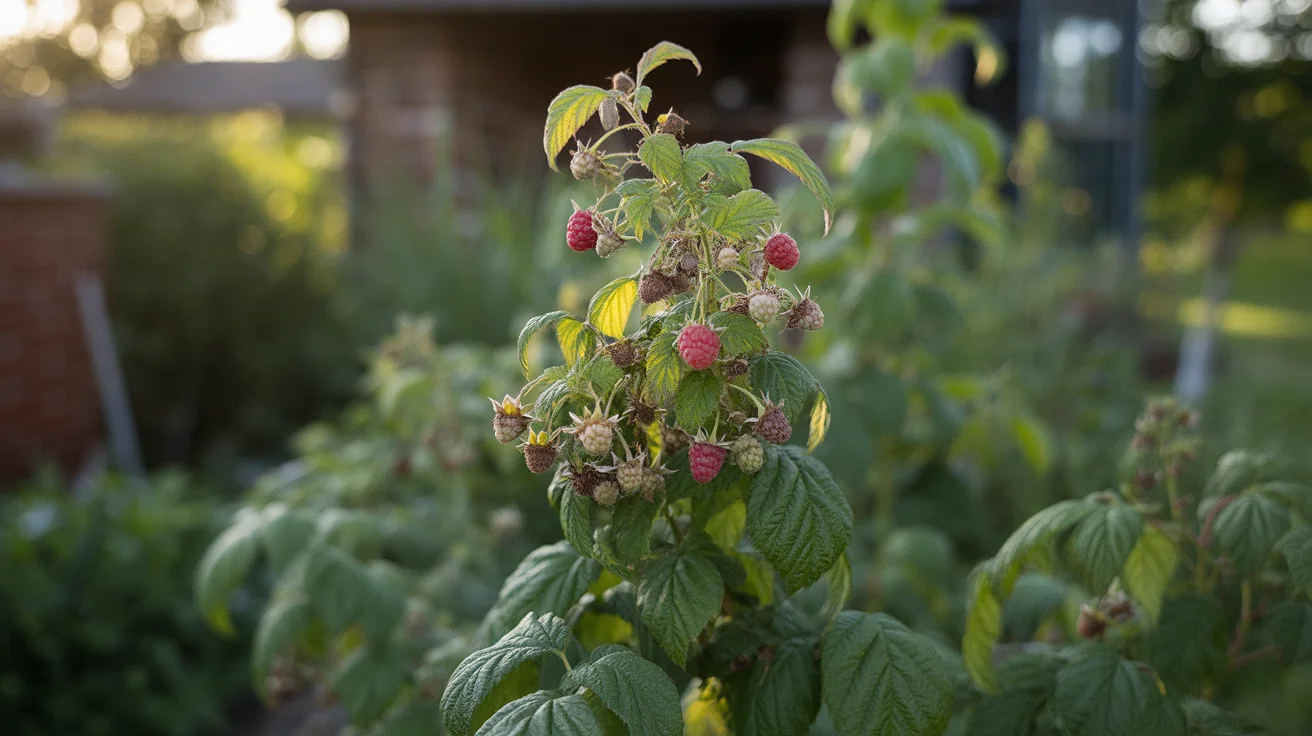
Fig vs Olive Tree
Fig suits a fresh-fruit goal; olive suits an evergreen tree in a compatible climate. Fruiting, winter protection, and processing the harvest deserve separate decisions.
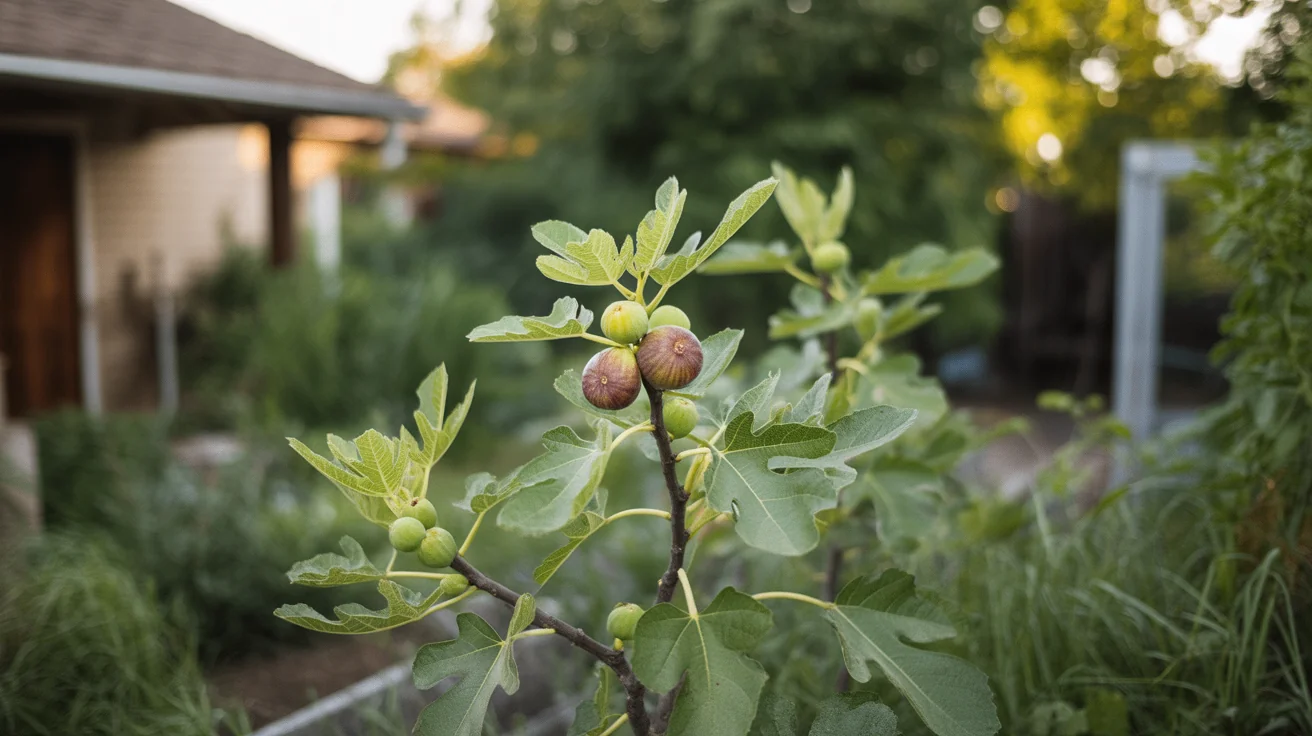
Fig
Ficus carica
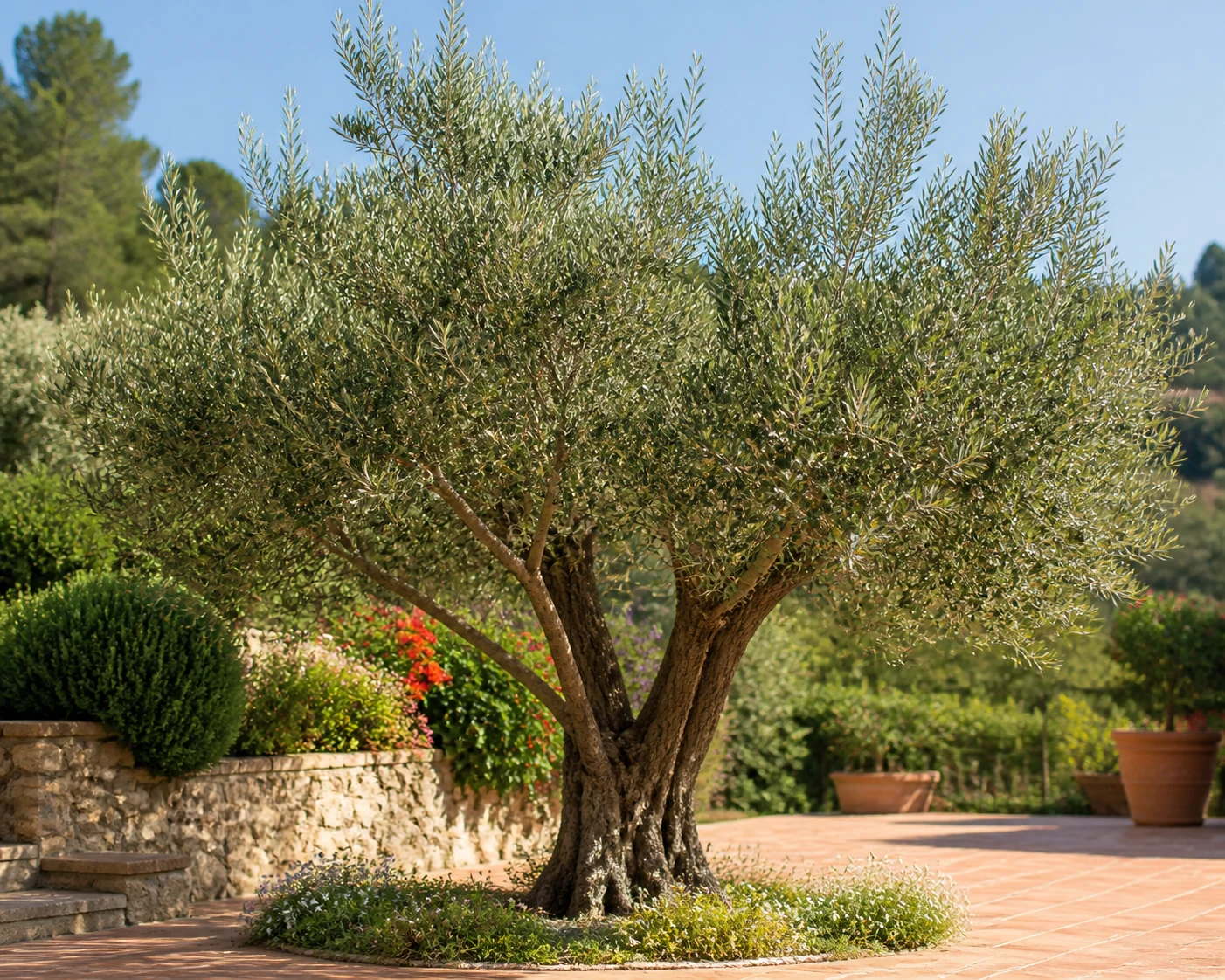
Olive Tree
Olea europaea
A fig tree and an olive tree can both grow in a sunny container, but a healthy patio tree is not automatically a productive fruit tree. Climate, cultivar, and the way you want to use the harvest change the choice.
Fig is the more direct choice when the goal is fresh fruit. An olive can provide evergreen foliage even where the owner values its appearance more than a crop.
A purchase labeled “patio tree” still needs room for roots and a workable winter location. That matters more than a promise that either tree will pay for itself within a set number of years.
Specifications
Compare the traits that change the growing decision.
| Feature | Fig | Olive Tree |
|---|---|---|
| Family | Moraceae | Oleaceae |
| USDA Zones (in-ground) | Zones 7–10 | Zones 8–10 |
| Light for outdoor fruiting | Full sun | Full sun |
| Container moisture | Monitor the root ball during growth and fruiting | Established drought tolerance does not remove a pot’s watering needs |
| Growth rate | Fast | Slow to moderate |
| Growth habit | Spreading tree or multistemmed shrub | Tree or shrub with a rounded crown |
| Soil preference | Moist, well-drained soil | Well-drained soil; avoid waterlogged roots |
The outdoor zone ranges describe winter hardiness, not indoor growing conditions or a promise of fruit. Both trees need a cultivar and a site selected for the intended job.
Cost & Value
Fig
- Compare the actual nursery price, plant size, and cultivar; a species-level price ranking is not a reliable quote.
- Include a suitable container, watering access, and winter storage in the purchase decision.
- A possible harvest is a benefit, not a guaranteed saving on grocery bills.
Olive Tree
- An ornamental olive may justify its space through year-round foliage without a harvest target.
- A fruiting choice adds cultivar, flowering, and harvest-management questions that a decorative tree does not resolve.
Sustainability
A tree that fits its site is less likely to need repeated replacement or impractical winter moves. There is no measured annual water-use or cost advantage established by this comparison.
Best Use Cases
Choose by the job the planting needs to do.
Fresh fruit or ornamental foliage
What you want from the tree
Figs can be eaten fresh when ripe. The useful question is whether the chosen cultivar can ripen its crop during your growing season, rather than how quickly a nursery tree reaches a particular height.
Olive cultivars include fruiting and fruitless selections. A harvest of table olives adds curing and storage work; it is not the same ready-to-eat crop as ripe figs. UC ANR’s home-pickling guide describes how cultivar and ripeness affect processing, so that work belongs in the buying decision.
Hot, dry patios
Ground versus container care
A container fig still needs root-zone moisture during growth. A sunny patio and a small root ball can make watering a larger part of the job than the word “tree” suggests.
Established olive trees tolerate drought, but that does not make a potted olive independent of watering. Full sun, drainage, container size, and the actual root ball matter when judging a missed watering.
Small urban yards
Mature size and access
Figs naturally form spreading trees or multistemmed shrubs. Container size and pruning affect the space they occupy, but a general species name does not promise a compact edible hedge.
Olives also develop a rounded crown; they are not inherently narrow trees. A cultivar’s mature dimensions and the width of the access route are better buying checks than the height of a young plant.
Marginal winter climates
Survival versus a dependable crop
The NC State species range for fig is Zones 7–10. A protected planting or cold-hardy cultivar can change the prospects, but surviving roots do not by themselves guarantee ripe fruit after top growth is lost.
The corresponding olive range is Zones 8–10, with cultivar exceptions. A container can be moved for protection only if you have a suitable space and can safely move the filled pot.
Year-round ornamental
Winter foliage
Fig is deciduous, so a planting planned as a year-round leafy screen will have a seasonal gap. That can be acceptable beside a patio where winter sunlight is welcome.
Olive retains its narrow, silvery foliage in suitable conditions. If the tree overwinters inside, the outdoor display still disappears for that part of the year.
Care and harvest work
What continues after purchase
Fig maintenance includes watering, managing size, and dealing with ripe or fallen fruit. Other fruit-tree options may suit the site better when protection or access would be difficult.
Olive fruiting needs appropriate flowering conditions and cultivar selection; a second compatible cultivar may improve yield. Fruiting trees can also make a mess near paving, so ornamental and harvest priorities can conflict.
Related Comparisons
Apple vs Pear Tree: Best Backyard Orchard Starter
Read Comparison
Lemon vs Lime Tree: Which Citrus Fits Your Patio
Read Comparison
Fiddle Leaf Fig vs Rubber Plant: Indoor Tree Style Choice
Read Comparison