Annual vs Perennial
Annuals finish their life cycle in one growing season. Perennials can live for multiple years, provided the plant survives your conditions.
Choose annuals for a seasonal display you can change, hardy perennials for a planting you want to keep, or a mix when you want both.
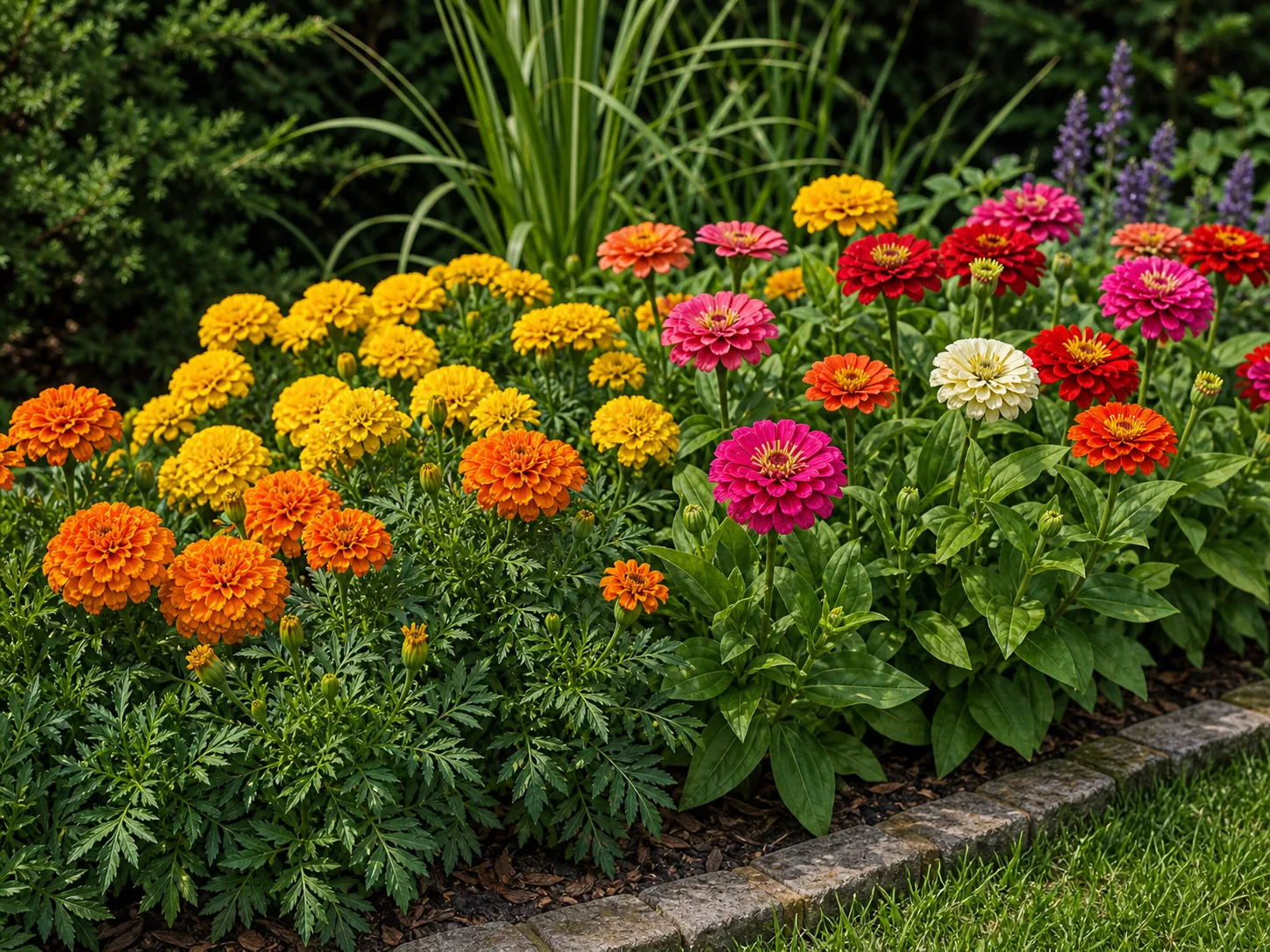
Annual
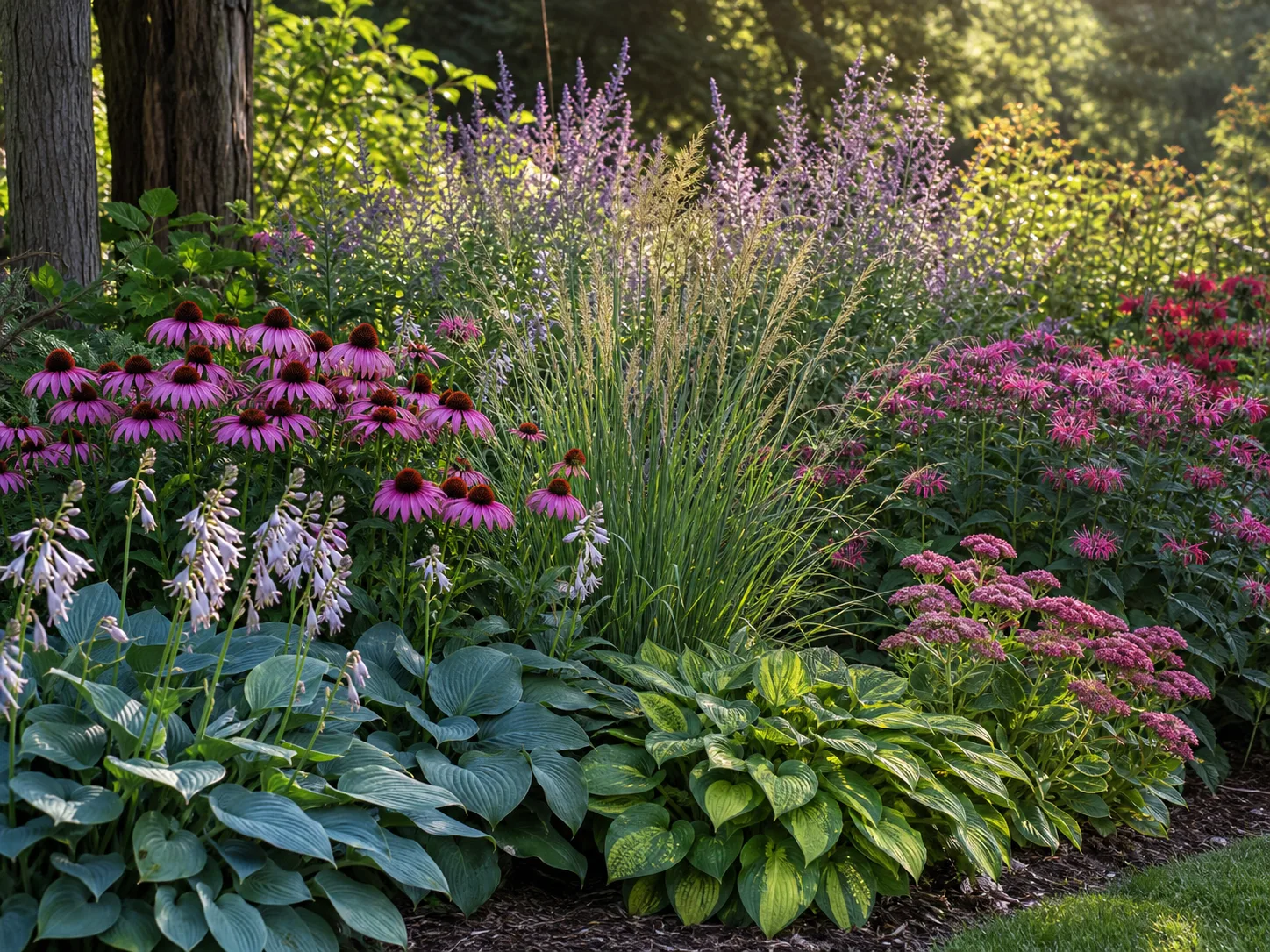
Perennial
An annual flower that appears again next year may be a new seedling. A perennial returns because part of the original plant stayed alive.
That difference determines whether you are tending an established plant or starting another generation, even when the bed looks similar each summer.
The label does not promise immediate flowers, winter survival, or easy care.
A flowering perennial bought from a nursery can give color in its first season, while an annual started too late from seed may miss the display you wanted. Start with the life cycle, then check the particular plant and your planting date.
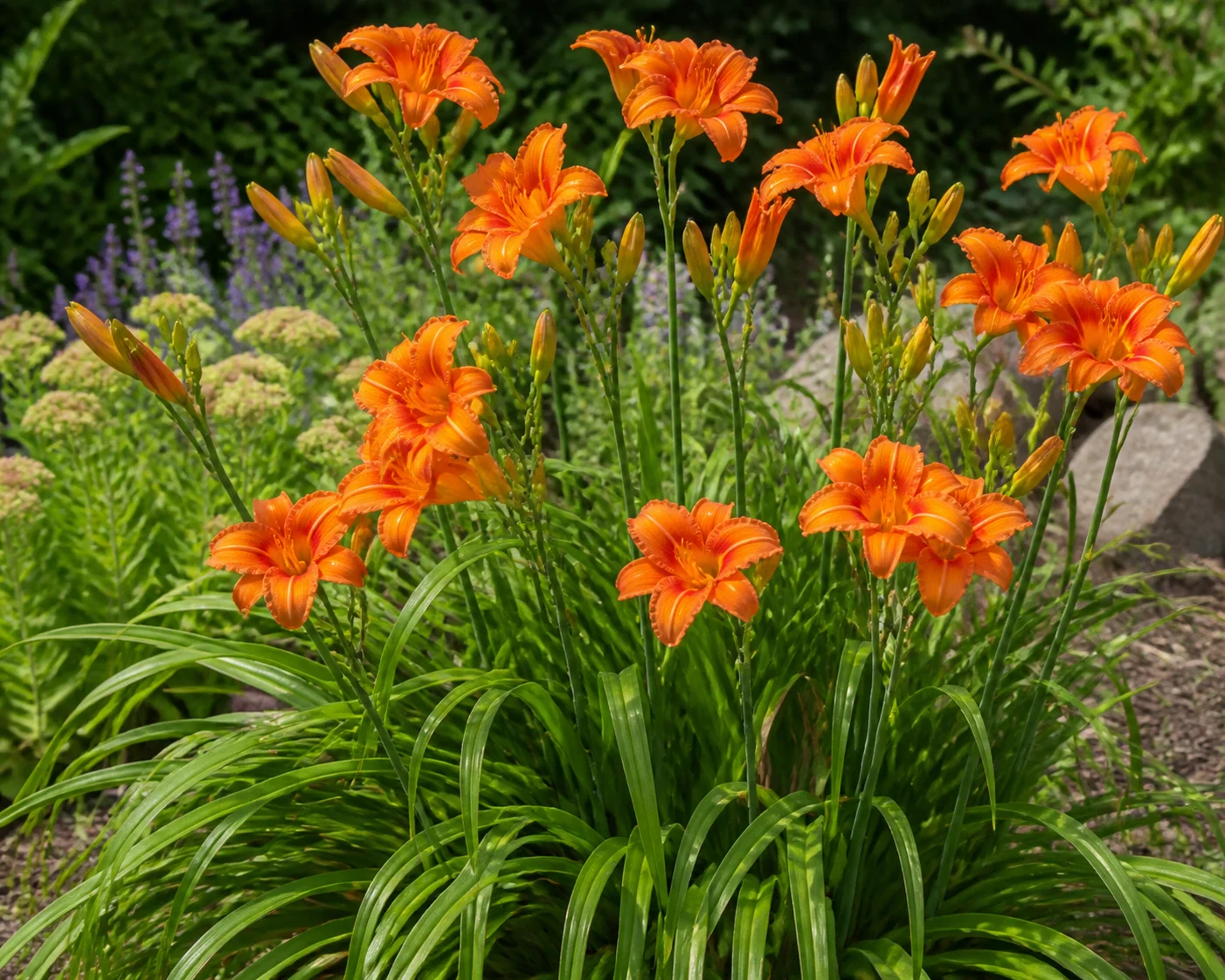
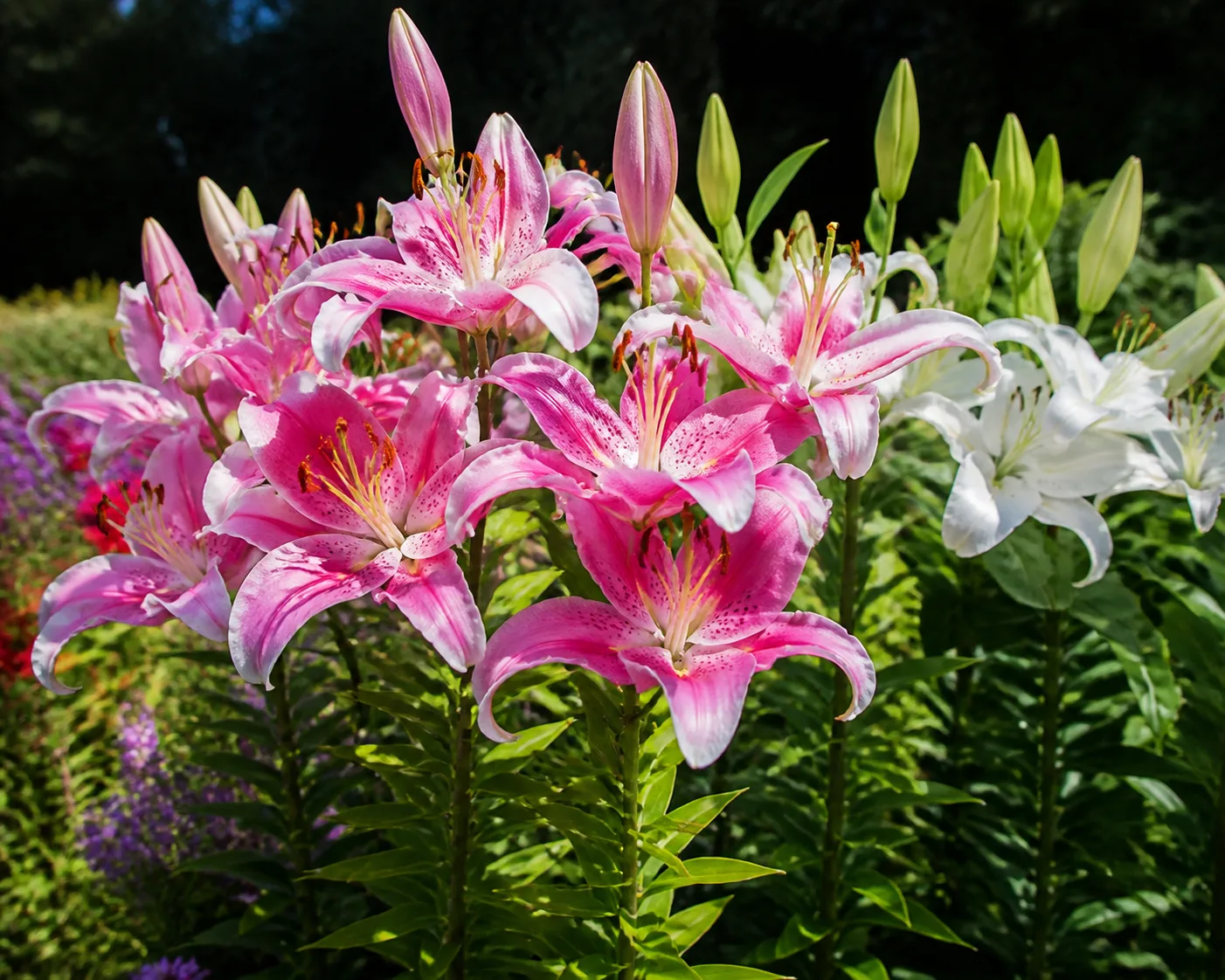
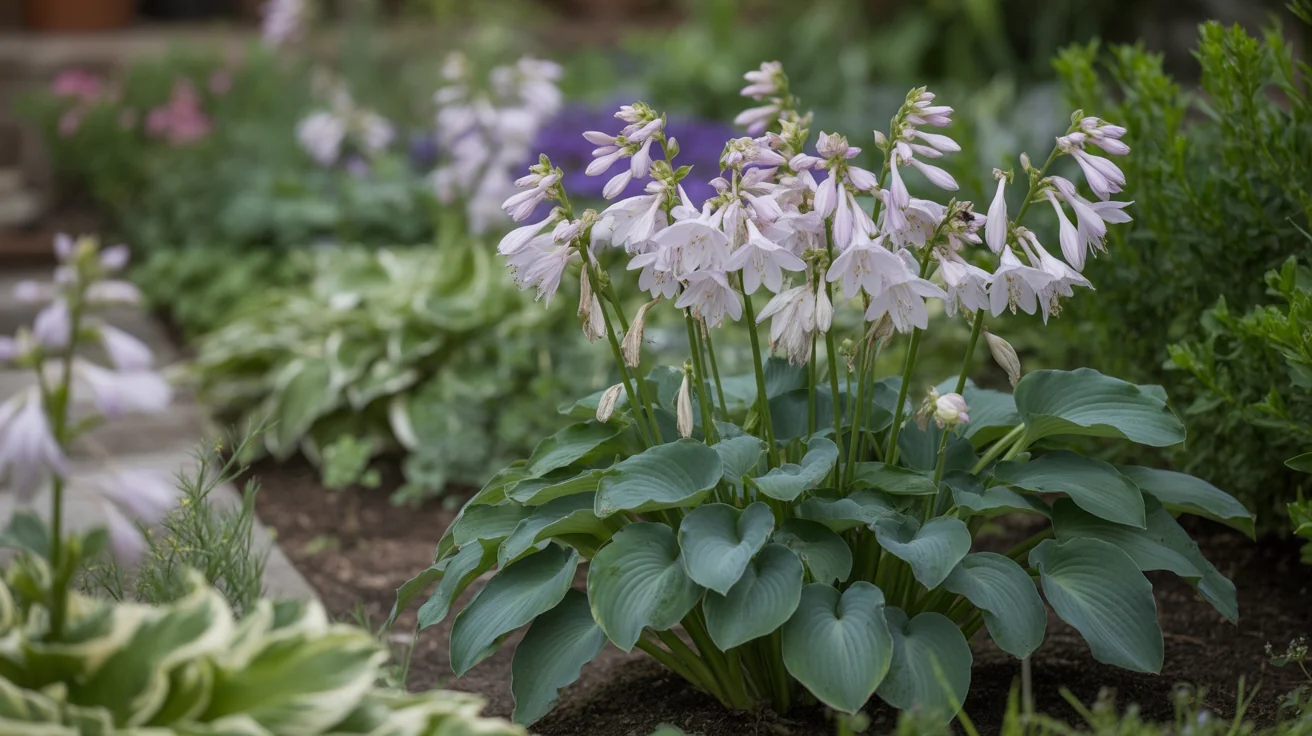
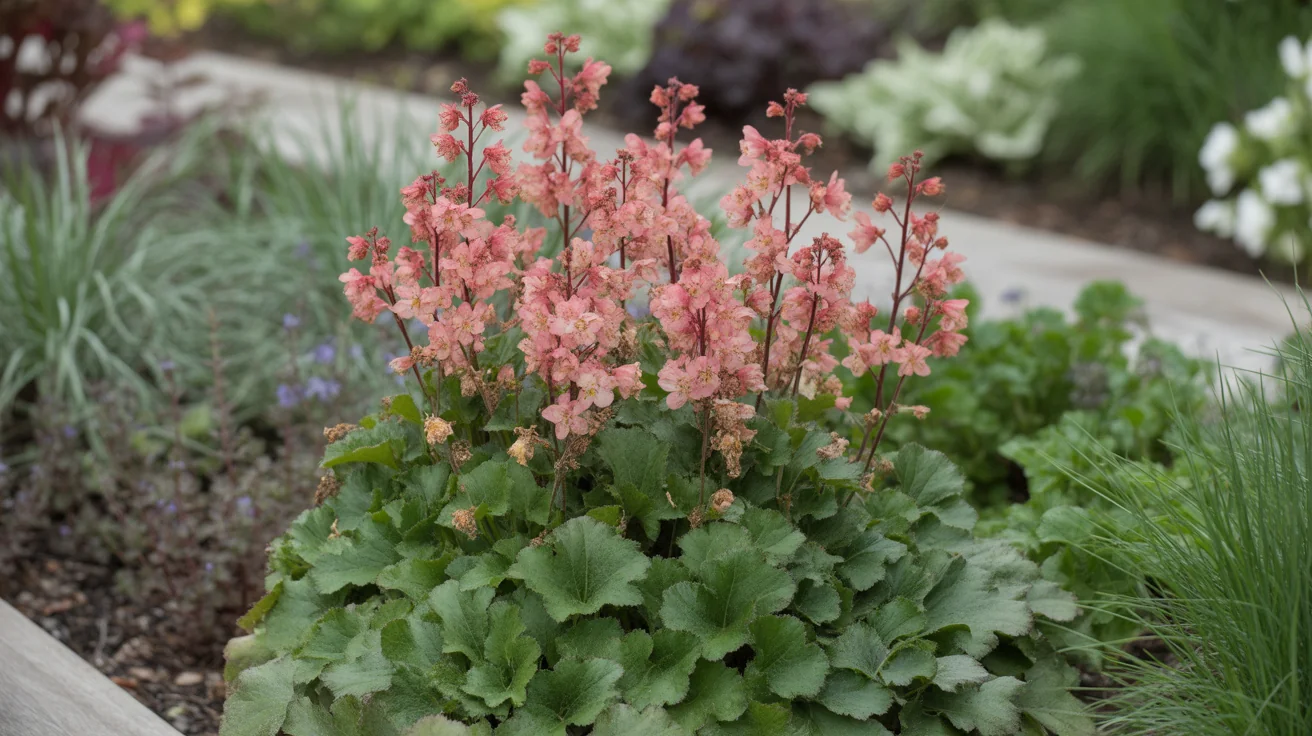
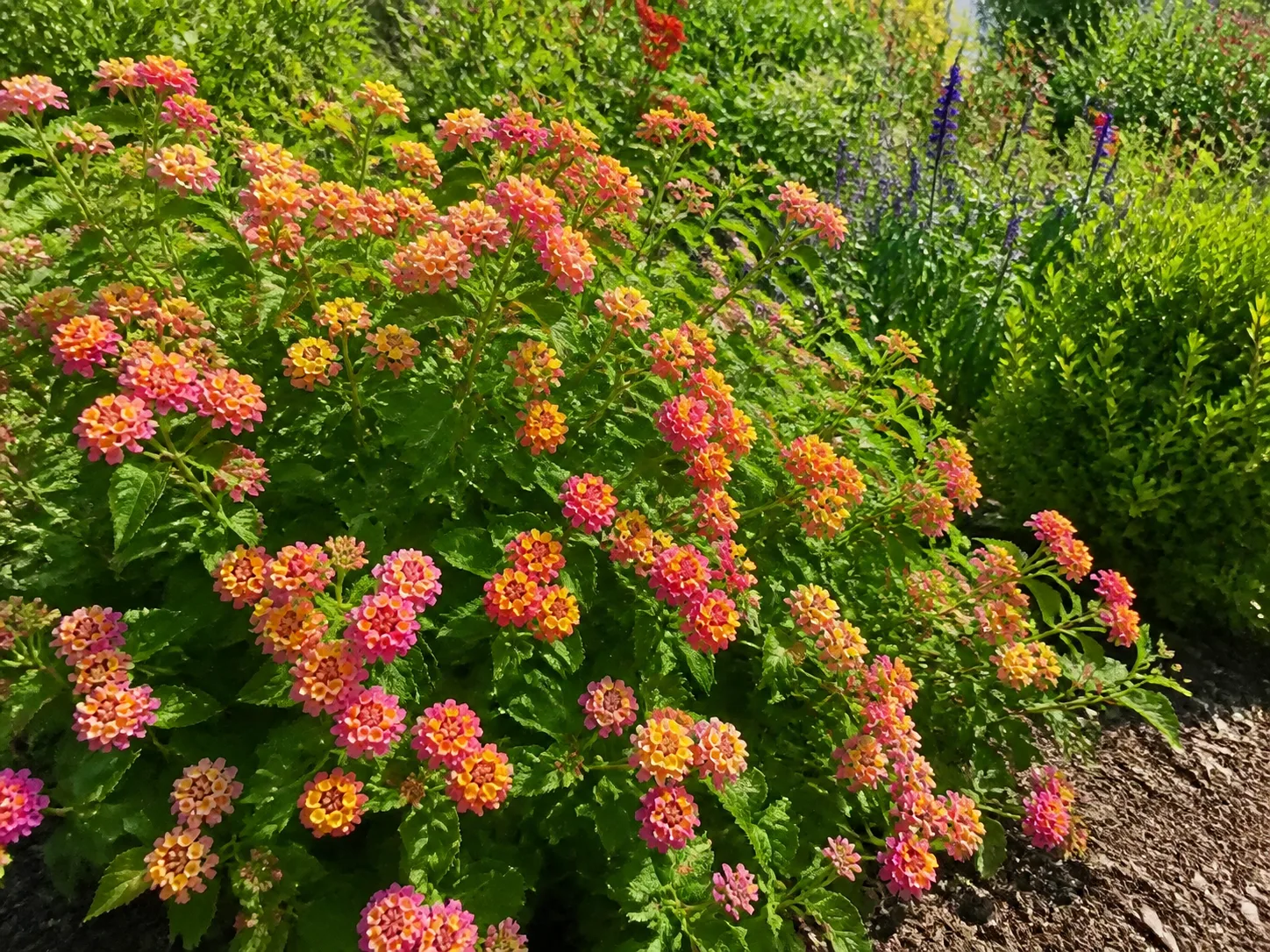
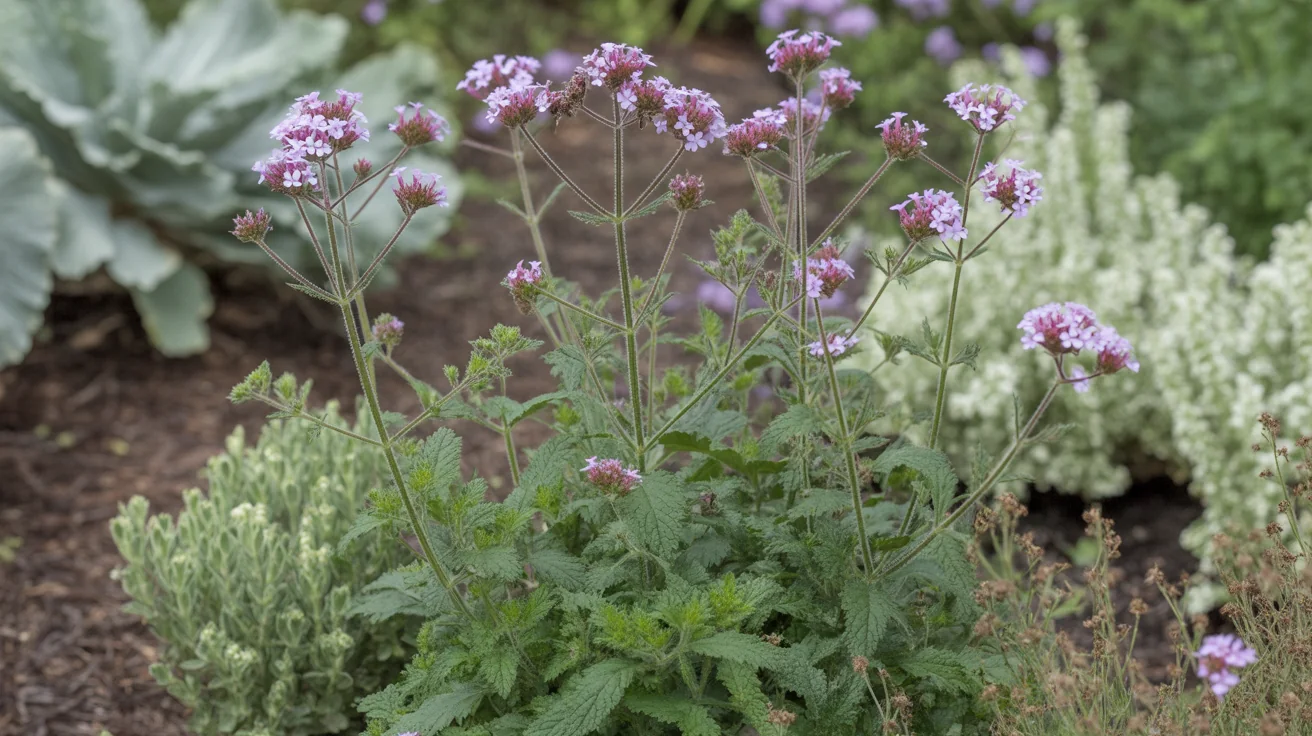
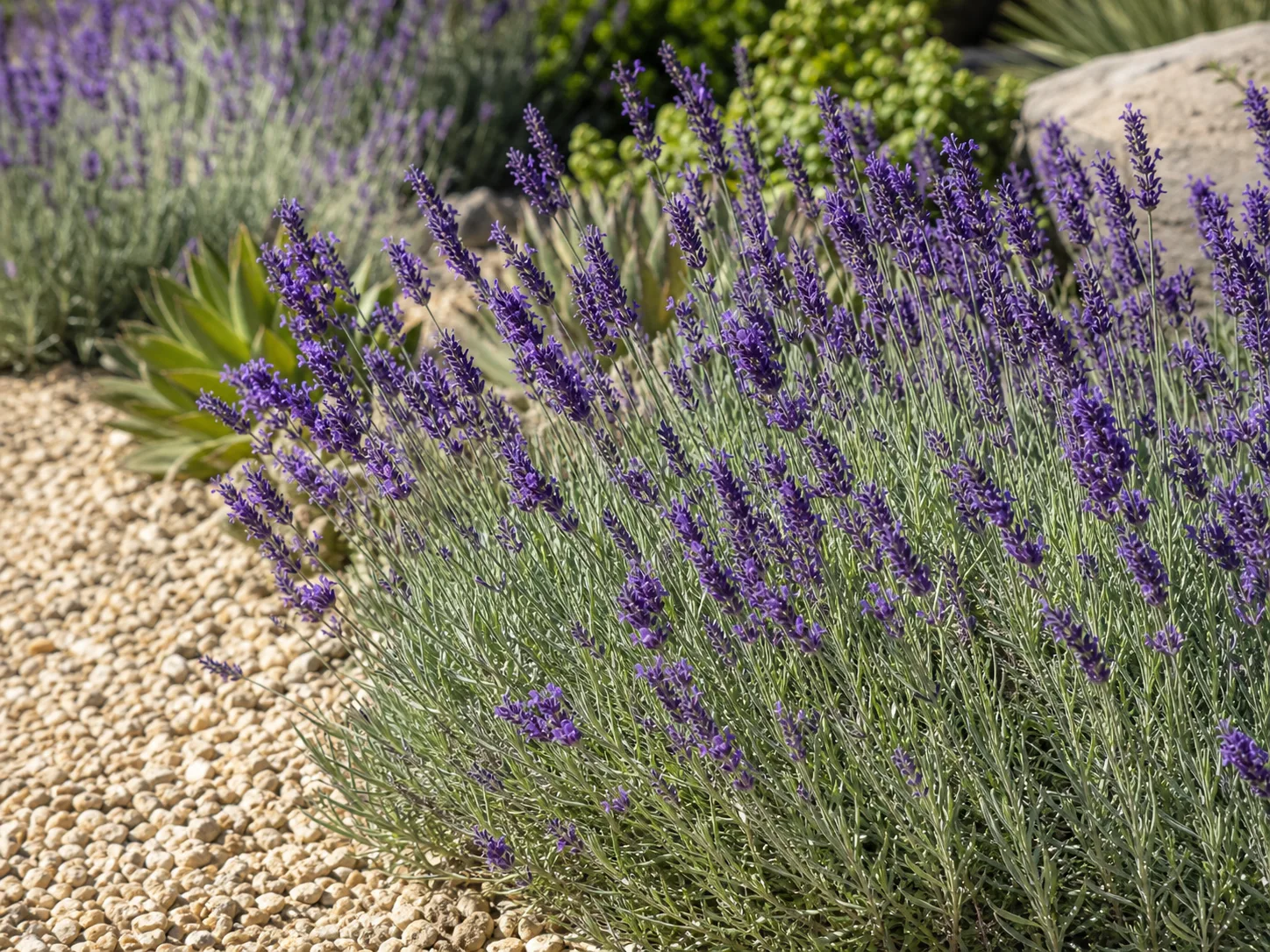
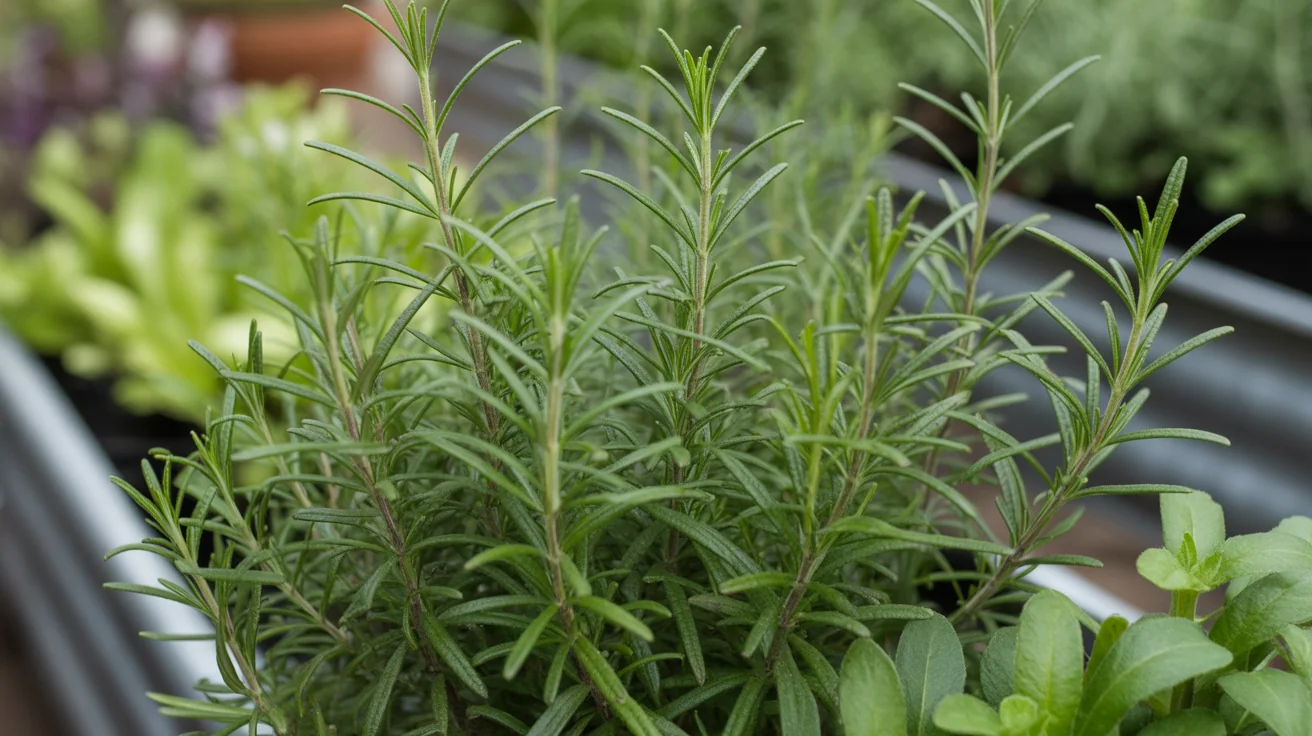
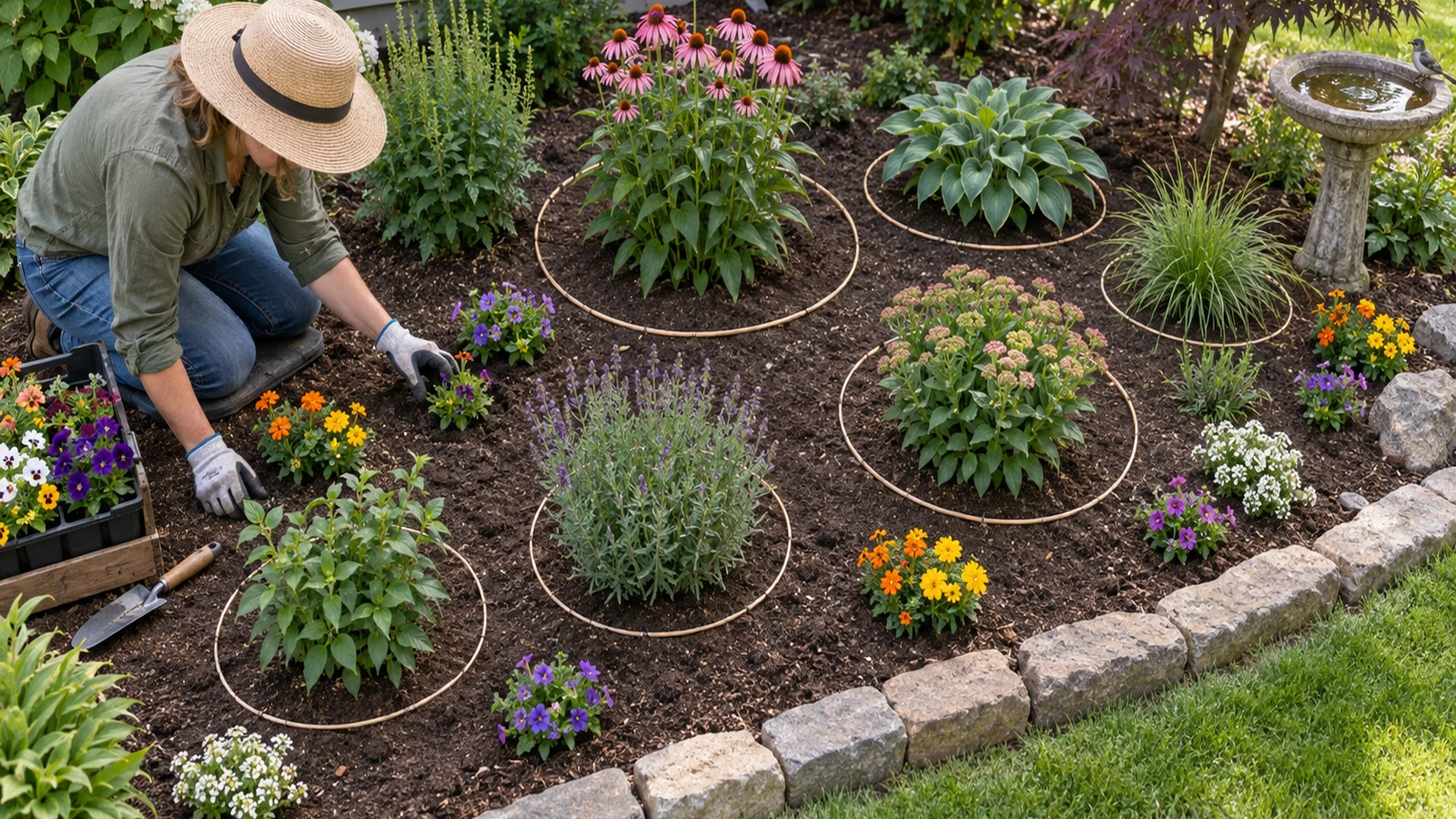
The pictured beds show familiar examples of annual flowers and a mixed perennial planting. They illustrate different uses of flowers and foliage, not a planting recipe or proof of how any individual plant will survive winter.
Specifications
Compare how the two groups behave over a season and beyond.
| Feature | Annual | Perennial |
|---|---|---|
| What the name means | Grows, flowers, produces seed, and dies within one growing season | Lives for more than two years when conditions allow |
| What returns | New plants from seed, or replacements you plant | The surviving plant regrows or continues growing |
| Winter survival | Some annuals grow through a cool season, but their life cycle still ends | Depends on species, hardiness, site, and winter conditions |
| First-year display | Seed needs time to grow, while transplants provide a head start | A mature nursery plant may flower now, while a seedling may take longer |
| Flowering season | Many bedding annuals provide an extended display under suitable conditions | Many flower during a particular seasonal window |
| Recurring work | Sowing or buying replacements and managing the seasonal display | Maintaining established plants and replacing losses as needed |
A plant that lives longer can still be the wrong choice for a shady balcony, a wet border, or a garden you need to look finished next month. Read the species and cultivar label before treating a category advantage as a promise.
Best Use Cases
Choose by the job the planting needs to do.
A display for this season
For an entrance pot, temporary bed, or planned summer gathering, choose plants already at a useful size. Annuals make it easy to change the display next season, but the annual label alone does not guarantee that seed sown today will flower by your deadline.
A border you want to keep
Choose species that fit the light, soil, and mature space available. Perennials suit a bed whose plants you want to retain, while leaving room for seasonal changes in flowers and foliage.
Long-term planting with flexible color
Keep perennial plants where their mature size belongs and use annuals in accessible gaps or nearby pots. Match their light and watering needs, and reduce temporary fillers as the permanent planting grows.
Does coming back make a plant perennial?
Follow the plant, not just the flowers in the same spot.
An annual such as a Zinnia completes a seed-to-seed cycle and dies. If its offspring grow there later, the planting has renewed itself through seed.
A surviving perennial crown or root system belongs to a plant that continued living between growing seasons.
Self-sowing can make an annual bed feel permanent, but it does not make its layout dependable.
Seedlings may appear outside the place you wanted them, and a new generation may not give the exact color or timing of the original planting. For a carefully matched display, choose the seed or transplants deliberately instead of assuming volunteers will reproduce last year's arrangement.
A perennial may also make seedlings, so a small plant beside an established clump is not automatically regrowth from that clump.
Keep the original planting label and note where its crown sits before the dormant season. New shoots arising from that established base are a different event from scattered seedlings appearing in nearby bare soil.
Biennials occupy a separate category.
They generally grow leaves and storage structures during their first season, then flower, produce seed, and die during the next. A plant living through one winter is therefore not enough evidence to call it perennial.
Parsley, carrots, and Sweet William illustrate why a plant can be grown for one season even though its full biological cycle is longer.
An annual also does not have to begin and end its life between January and December. Winter annuals can germinate in the fall and finish their cycle later.
Use the life-cycle label to understand what the plant does, and use its planting instructions to decide when it belongs outdoors.
Trees and shrubs are woody perennials too.
In a flower nursery, however, the perennial aisle usually means herbaceous plants with nonwoody stems. Some disappear above ground during dormancy, while others retain foliage.
The word perennial tells you that the plant can persist, not that it will stay green or bloom continuously.
Perennial does not mean permanent. Lifespan varies by species and cultivar, and a planting may need renewal even when it survives winter.
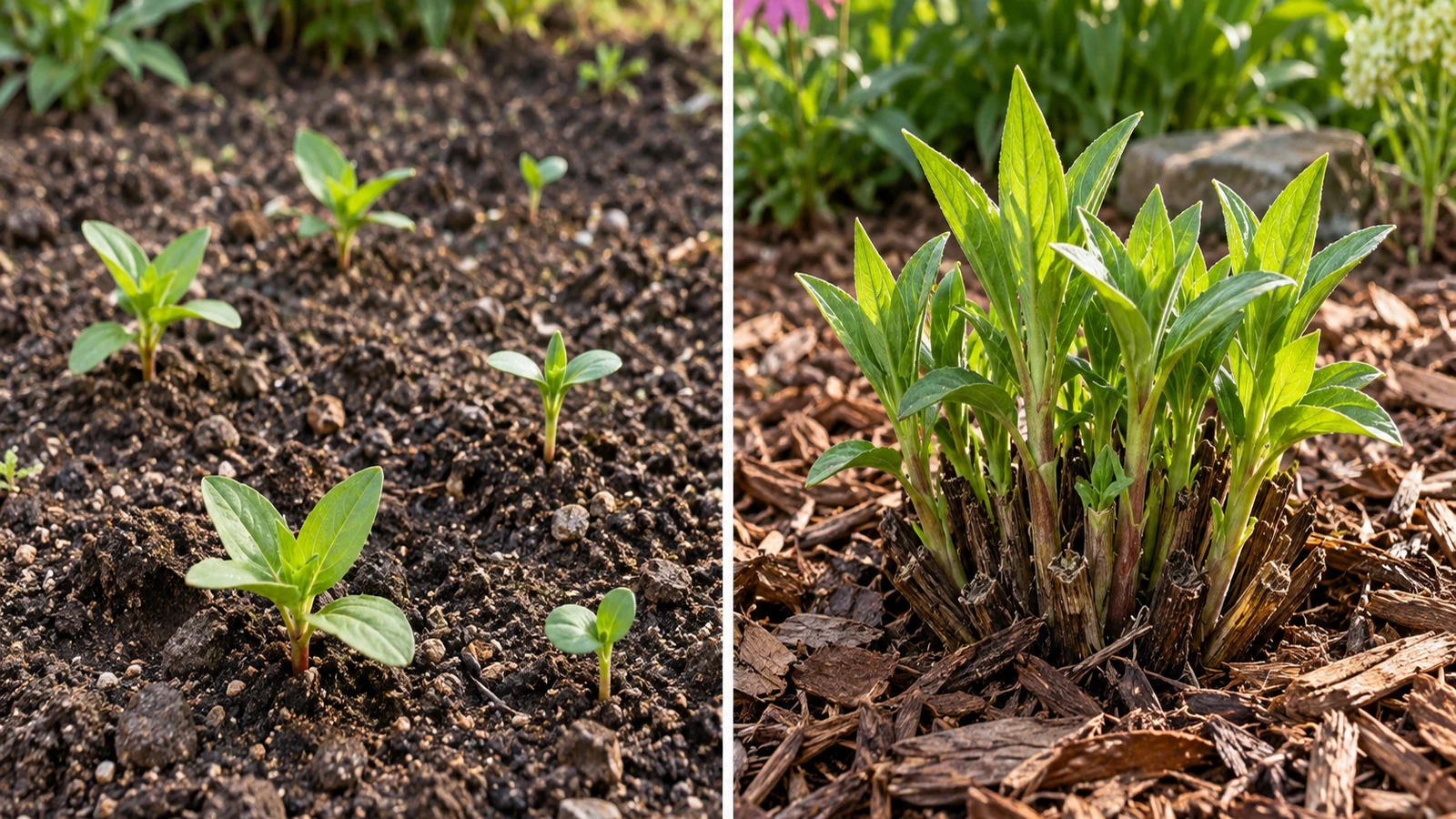
Why is a perennial sometimes sold as an annual?
Life cycle and cold tolerance answer different questions.
A tender perennial can live for years in a suitable climate yet die during a colder garden's winter. Selling or growing it as an annual describes how it is used there, rather than changing its biology.
For a plant you intend to keep, check the botanical name, cultivar, and stated hardiness range. Then compare that range with your location using the USDA Plant Hardiness Zone Map.
The map describes average annual extreme minimum temperatures. It is not a first-frost calendar, a summer-heat rating, or a guarantee that every winter will stay within that average.
The practical distinction matters at checkout.
If the plant is not hardy where you garden, decide whether you accept replacing it, can provide appropriate winter protection, or should buy a hardier alternative. Do not count a tender perennial as a repeat-year saving unless you have a workable way to keep it alive.
A container creates a separate winter decision.
Roots in a small or thin-walled pot can experience cold that an in-ground planting avoids. University of Nevada Extension recommends considering the plant's hardiness, the container, and a protected overwintering location together.
A plant tag that suits your garden does not automatically settle whether that plant can remain on an exposed balcony all winter.
During the growing season, judge the actual planting site too.
Observe direct sun, check drainage after rain, and allow the width shown on the plant label. A sun-loving perennial does not become shade-tolerant because you want it to return, and buying annual replacements will not solve the same light mismatch.
Water needs are also species-specific. Choose drought-tolerant plants for a dry site rather than assuming all perennials need less irrigation.
Likewise, a cool-season annual can be a poor summer choice in a hot location. Ask which plant fits the conditions during the months you want it to perform.
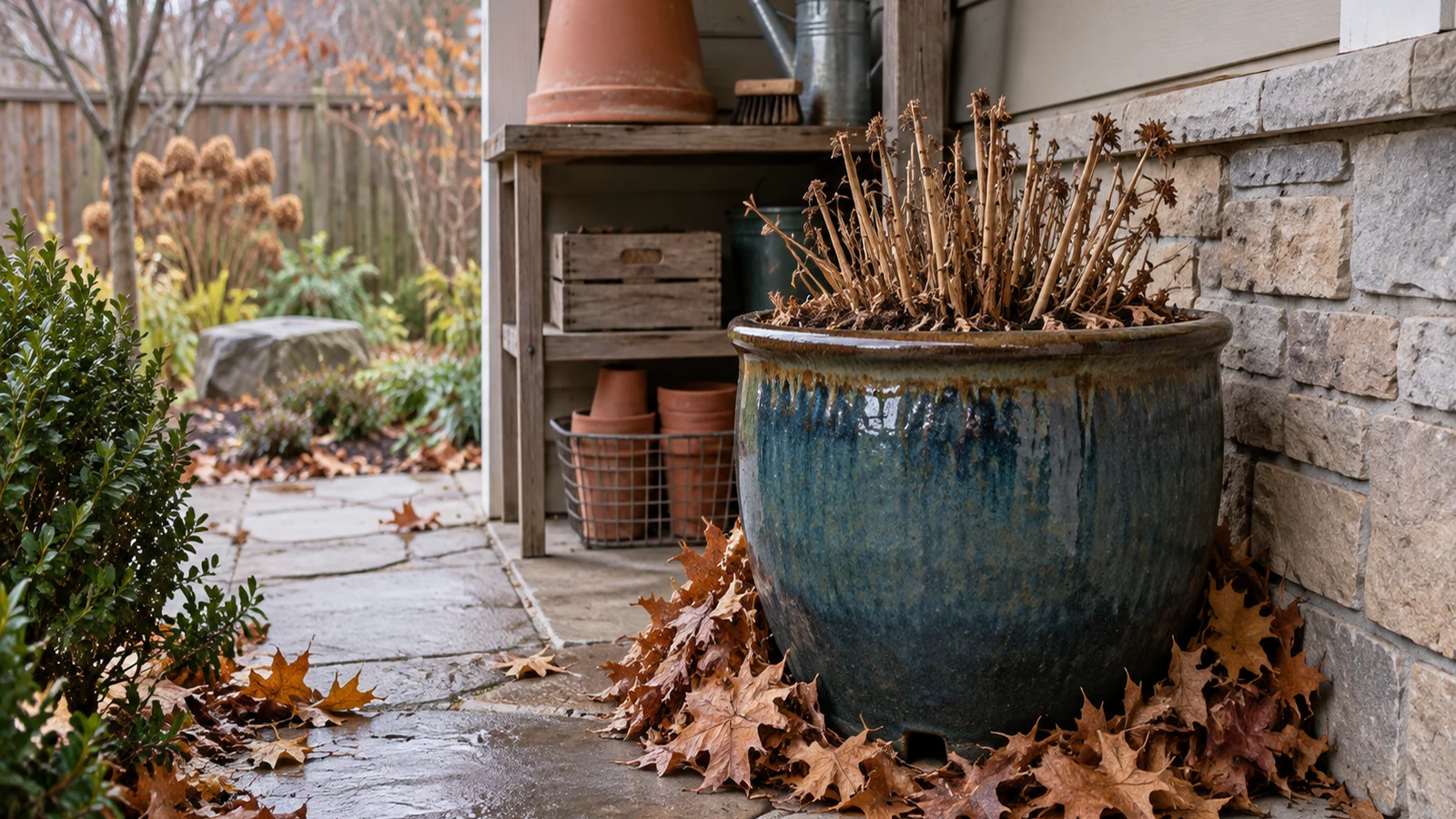
Will perennials flower in the first year?
They can, and buying a flowering plant is direct evidence that it is already old enough to bloom.
The important distinction is between a plant's first year in your garden and its first year of life. A nursery-grown perennial may already have spent considerable time growing before you bring it home.
A seed-grown perennial is a different purchase.
Iowa State Extension explains that some species need special germination conditions and may take several years to reach flowering size. That delay belongs to the species and starting method.
It is not a rule that every newly planted perennial produces nothing useful during its first season.
Set separate expectations for flowers and bed coverage.
A plant can bloom while its clump is still small, and a vigorous leafy plant can contribute useful texture outside its flowering season. Ask the nursery about the cultivar's mature width and normal bloom period rather than judging the whole purchase by whether it flowers continuously.
For a deadline, work backward from the result you need.
If guests arrive soon, inspect the actual transplants for size and developing flowers. If you have a longer growing season available, seed may be practical.
Direct sowing versus transplanting is a timing and establishment choice for the particular crop, not simply an annual-versus-perennial choice.
For example, a gardener who needs color beside the front steps now could buy flowering plants for that area and start slower plants elsewhere. That keeps the immediate display separate from the longer project.
Sowing a whole bed and expecting it to look like mature nursery stock by the same date creates a timing problem that neither category label fixes.
Many perennial species have a limited bloom window. A bed bought entirely in flower on one shopping trip may look less colorful after those plants finish together.
Plan flowers for different parts of the season and value foliage between them. Hosta leaves, for example, can be part of the display when the flower stalks are absent.
When a plant disappoints, compare it with its own expected behavior.
A small but healthy perennial may need time to fill its allotted space. A plant declining in unsuitable light or persistently wet soil needs a site or care correction.
Waiting another year without addressing those conditions is not an establishment plan.
Which costs less to buy and maintain?
Compare the same area and the same intended result.
The price of one perennial pot versus one annual pack is not a complete comparison. Plant spacing, starting size, seed or transplant choice, replacements, and the length of time you will keep the bed all affect what you spend.
Use a simple budget with your own prices. Add the initial plants or seed, supplies you actually need, expected replacements, and any overwintering expense.
Count your time separately if starting seed or replanting is a chore you would otherwise pay someone to do. Avoid assigning an automatic break-even year to an entire plant category.
Here is an illustrative plant-purchase budget for equally sized plantings. The figures are hypothetical and exclude supplies and labor.
| Plant purchases | Annual example | Perennial example |
|---|---|---|
| First year | $40 | $90 |
| Next two years | $80 | $15 |
| Three-year total | $120 | $105 |
In this example, the perennial planting costs $15 less over three years, despite costing $50 more at the start. That result depends on the assumed replacement cost, rather than a guaranteed saving from choosing perennials.
Change the assumptions and the decision changes.
If you move after one year, the $40 seasonal purchase may suit your plans better. If inexpensive seed fills the annual bed, its cost could be much lower.
If winter losses require replacing most of the perennials, their expected savings may disappear. Include only expenses that your actual planting requires.
Recurring work matters as much as purchases. Annuals need a new generation when their cycle ends, whether you sow it, buy it, or manage volunteers.
Established perennials can reduce that replanting, but some need division, staking, grooming, or replacement. The right question is which tasks the chosen plants need and which you are willing to do.
Do not divide a perennial merely because a fixed number of years has passed.
Reduced vigor, crowding, or a declining center can indicate that division would help, but some species dislike disturbance. Use species-specific instructions, such as dividing hostas, before treating division as a routine for every perennial.
A mixed bed can separate these expenses.
Spend on plants you expect to retain in the places that suit them, then decide each season whether an empty pocket needs annual color. You can also leave a gap mulched while the neighboring plant expands.
Filling every space immediately is a display choice, not a requirement for establishing the border.
How do you combine annuals and perennials well?
Choose plants for the site first, then decide which ones you want to keep.
In a sunny border, start with locally suitable perennial candidates rather than selecting plants solely because their label says perennial. For each candidate, check mature width, flowering season, soil moisture needs, and whether its foliage still serves the bed after bloom.
Mark that mature footprint before placing temporary annuals.
An open area beside a young clump may be useful for this year's flowers, but plan to remove the filler as the clump grows. Leave access to water and maintain both plants.
Packing them tightly at the start can turn a temporary gap into a recurring crowding problem.
A practical shopping note might record a perennial for early flowers, another for later flowers, and an annual for a visible seasonal gap. The actual choices depend on your climate and light.
Full-sun perennials are relevant to a sunny site, while a shady bed needs its own suitable plants. There is no universal annual-to-perennial ratio to copy.
For containers, decide whether the display will be emptied at the end of the season or kept through winter.
A seasonal pot can be redesigned without protecting its plants between years. A perennial container needs room for continued growth and a winter plan.
Make that decision while the pot is still easy to move, rather than after it has become too heavy or rooted in place.
If pollinators matter, plan a sequence of useful flowers rather than awarding the entire perennial category an ecological advantage. University of Georgia Extension emphasizes flowers across spring, summer, and fall.
Annuals can contribute too, and the University of Minnesota notes that Zinnia cultivars differ in whether they provide pollen and nectar. Choose the actual plants and flower forms for that purpose.
Finally, observe what the bed lacks before buying more.
A period without flowers might need a later bloomer, while a bed that looks sparse at ground level may need foliage or better spacing. Use annuals for changes you want to reconsider next season and suitable perennials for plants you want to retain.
That gives each purchase a clear purpose without forcing the whole garden into one category.
Sources & References
- Plant life cycles, Oregon State University Extension
- Perennials selection, planting, and care, University of Maryland Extension
- Using the Plant Hardiness Zone Map, USDA
- Overwintering containerized plants, University of Nevada Extension
- Growing perennials from seed, Iowa State University Extension
- How and when to divide perennials, University of Minnesota Extension
- Pollinator gardening, University of Georgia Extension
- Zinnia, University of Minnesota Extension