
Which Plants Actually Survive a Dim Room?
Compare houseplants that tolerate dim rooms, learn where to place them, and use practical grow-light figures when natural light falls short.
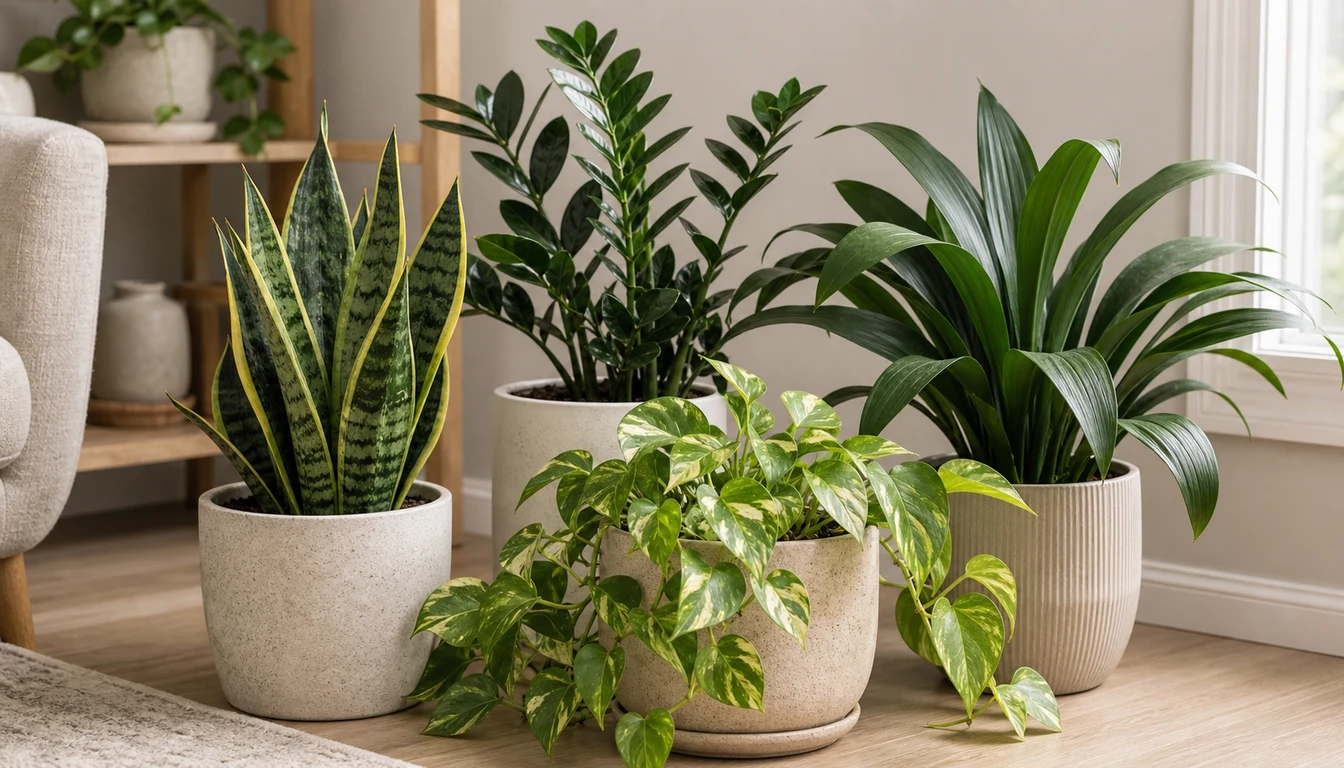
At a glance
Low light plants tolerate dim rooms, and none of them grow in darkness. The first question is whether the spot gets any usable daylight at all, and the second is whether you will slow the watering to match the slower growth.
That second one catches more plants than the first. A dim room stretches a five-day pot to a fortnight, and a weekly routine carried into it drowns exactly the plant that was chosen for being tough.
Use this page with the wider houseplants library when a room has a north window, a shaded wall, or office light that keeps ordinary plants thin.
Low Light Still Has to Be Usable Light
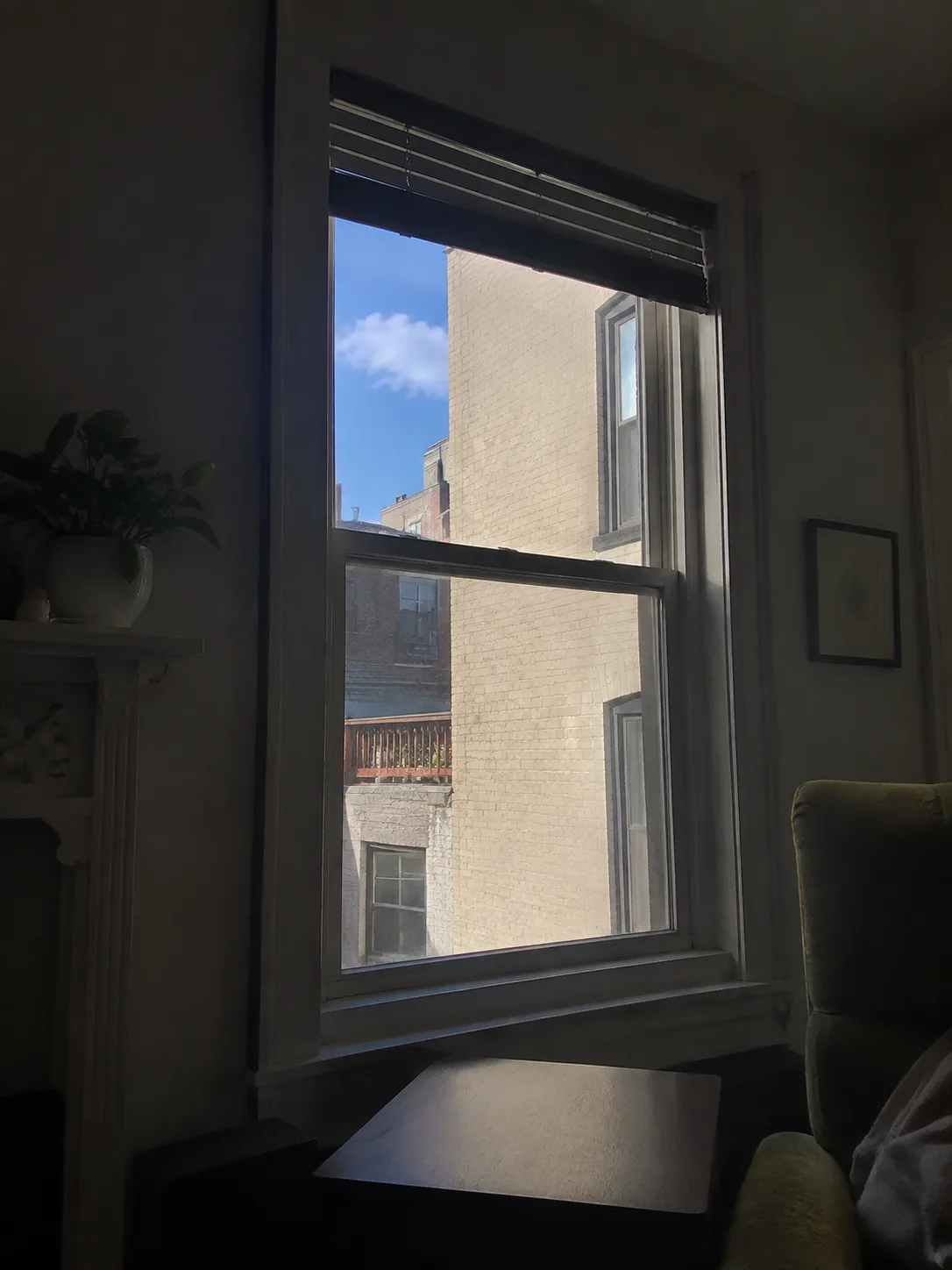
Stand where the plant will live and look outward. If you can see sky or a brightly lit wall from that spot the plant has a chance, and if you cannot, the plant is being stored rather than grown.
A north window, a spot four meters back from a bright window, and an interior office lit only from the ceiling all get called low light and behave nothing alike. The bright end of that range overlaps with what tags call bright indirect, which is why the same plant is sold under both labels.
Measure it rather than judging by how the room feels, because eyes adapt and rooms almost always read brighter than they are. The shadow test in choosing houseplants settles it in seconds using a sheet of paper.
Choose Plants That Slow Down Without Falling Apart
The distinction worth making is between plants that keep growing slowly in dim light and plants that simply hold still. Both are sold as low light and only one of them will look different in six months.
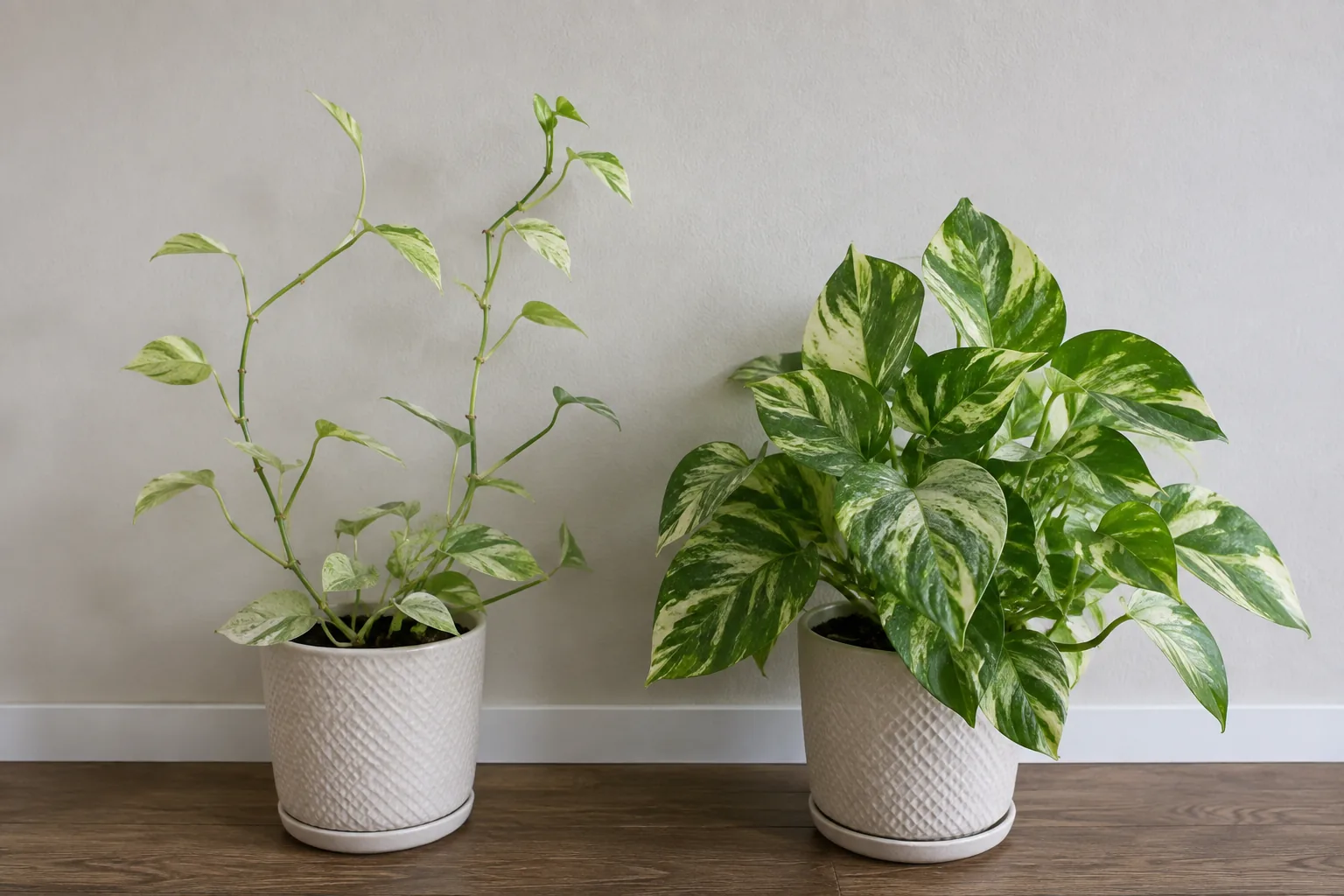
Avoid anything whose appeal depends on constant new leaves, tight variegation, or fast trailing growth, because dim light takes exactly those away first.
| Plant | Takes light down to | What it does there |
|---|---|---|
| Cast iron plant | The dimmest usable light | Holds its shape almost indefinitely, gains very little |
| ZZ plant | Very dim | Persists on stored water, a new stalk once or twice a year |
| Snake plant | Very dim | Stays upright and tidy, growth close to stopped |
| Pothos | Moderately dim | Keeps growing but stretches and loses variegation |
| Chinese evergreen | Moderately dim | Keeps its pattern, though strong color needs the brighter end |
| Parlor palm | Moderately dim | Grows slowly, dislikes cold and soggy alongside dim |
| Calathea | Moderately dim | Tolerates the light and then fails on humidity and water quality |
Map the Room by Distance, Not by Empty Corners
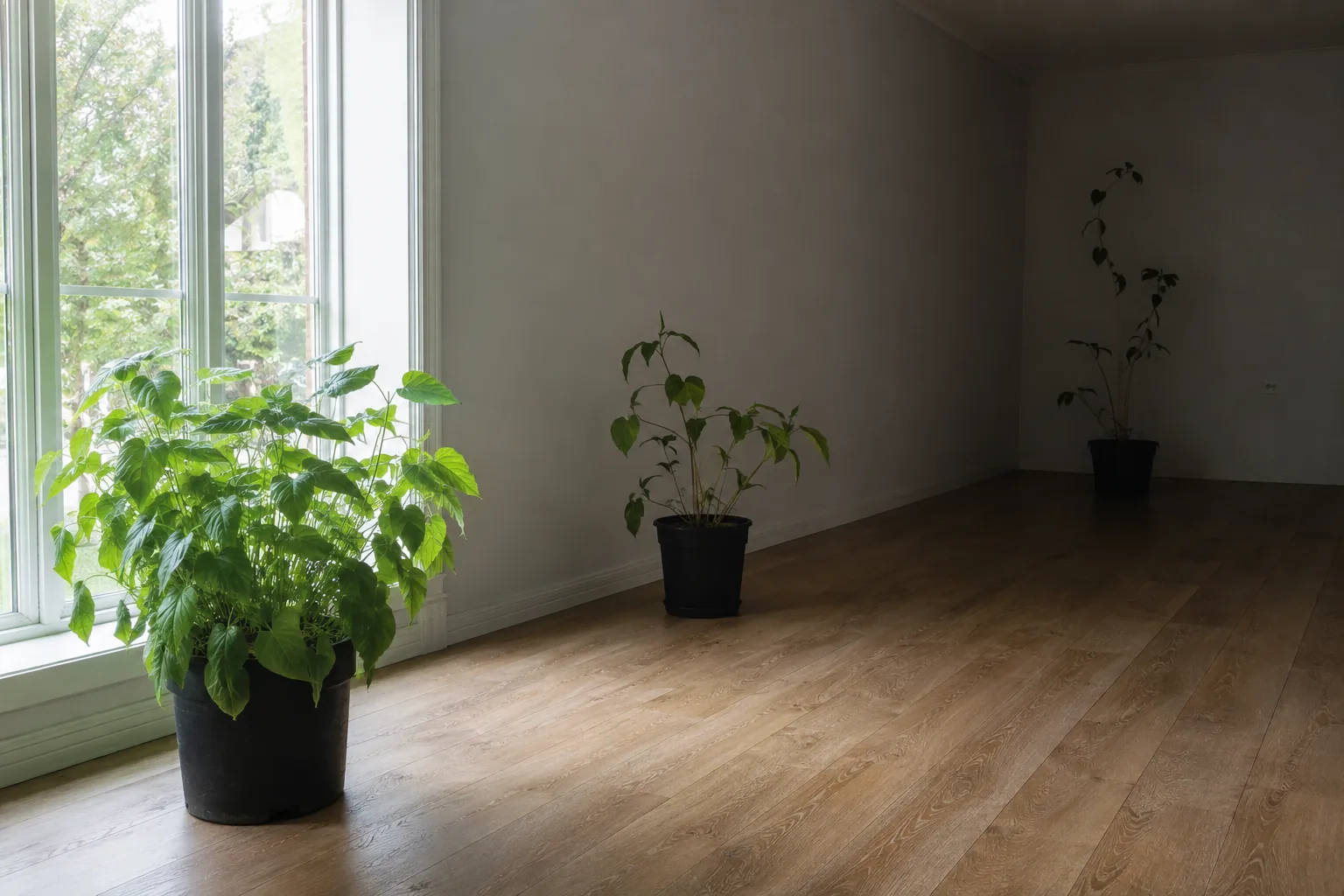
Map the room outward from the window rather than filling whatever corner looks bare. The most light-hungry plant belongs nearest the usable brightness, and the plainest, toughest one goes furthest back.
Fewer plants in the right band look considerably better than many weak ones spread evenly, and a vine with long bare gaps between its leaves is reporting the layout rather than the care. Grouping several into one dim-corner planter compounds it, because root competition in a single slow-drying mix means none of them dries out properly between waterings.
| Spot | Plant role it suits | Signal to watch |
|---|---|---|
| Near a north or east window | Pothos, chinese evergreen, parlor palm | Smaller new leaves, or leaning toward the glass |
| Four to eight feet back | ZZ plant, snake plant | Slow dry-down, dust on leaves, soil staying wet |
| Dark corner or heavy shade | No plant, or a grow light | Stretching, yellowing, wet soil that never clears |
Water by Dry-Down, Not by the Calendar
A plant that is barely growing is barely drinking, so a pot that dried in five days beside a bright window can take a fortnight in the same house four meters back.
Judge it by the weight of the pot and the moisture at the lower root zone rather than the top half inch, since the surface dries first regardless of what is happening underneath. Overwatering against underwatering covers the checks in detail if the plant is already unwell.
Yellowing lower leaves, soft stems, fungus gnats, sour soil, and a pot that stays heavy long after watering all point the same way, and fertilizer makes it worse rather than better.
- Weigh the pot against how it felt right after watering, which is the fastest reliable check.
- Use a pot close to the root ball size, because spare wet mix in a dim room never dries.
- Empty decorative cachepots every time, since hidden standing water is invisible until the roots go.
- Skip feeding while growth has stalled, as the plant cannot use it and the salt stays behind.
Read Stretching, Leaning, and Fading Early
A light deficit announces itself long before collapse, as long gaps between leaves, stems reaching toward the window, faded variegation, and new leaves opening smaller than the old ones.
Calathea is the plant people most often misread here. It genuinely does tolerate gentle light, so the tag is not lying, but a dim room is usually also a dry and draughty one and the leaf edges answer for all three at once.
Respond in order, because doing it backwards makes things worse. Move the plant closer to usable light first, then slow the watering to match, then prune weak growth in a better season, and never start by repotting a stretched plant into more wet soil.
When a Grow Light Beats Another Plant
When every plant in the same spot leans, stretches, or stays wet, the spot is the problem and another tolerant species just delays the same result. That is the point to add light rather than another plant.
A light hung carelessly does almost nothing, though, because the numbers matter more than the fixture. Best indoor plants can help you choose what to put under it once the light itself is right.
- Hang it about a foot above the leaves, because light falls off with the square of distance and two feet delivers roughly a quarter of what one foot does.
- Run it twelve hours on a timer, since foliage plants gain nothing from more and the timer removes the main failure point.
- Use a dedicated grow lamp rather than a room bulb, which produces almost nothing a plant can use at any distance.
- Start with one shelf rather than lighting a whole room, because a few compact plants under one good light beat five scattered through darkness.
Quick Tips
- Low light tolerance buys survival at a slower pace, not normal growth.
- If you cannot see sky or a bright wall from the spot, the plant is being stored.
- Place plants by distance from the window, not by which corner looks bare.
- A five-day pot can become a fortnight pot in a dim room.
- A plant that looks unchanged for weeks in dim light is succeeding.
- Hang a grow light about a foot away and run it twelve hours.
Recommended Plants
6 houseplants worth considering.
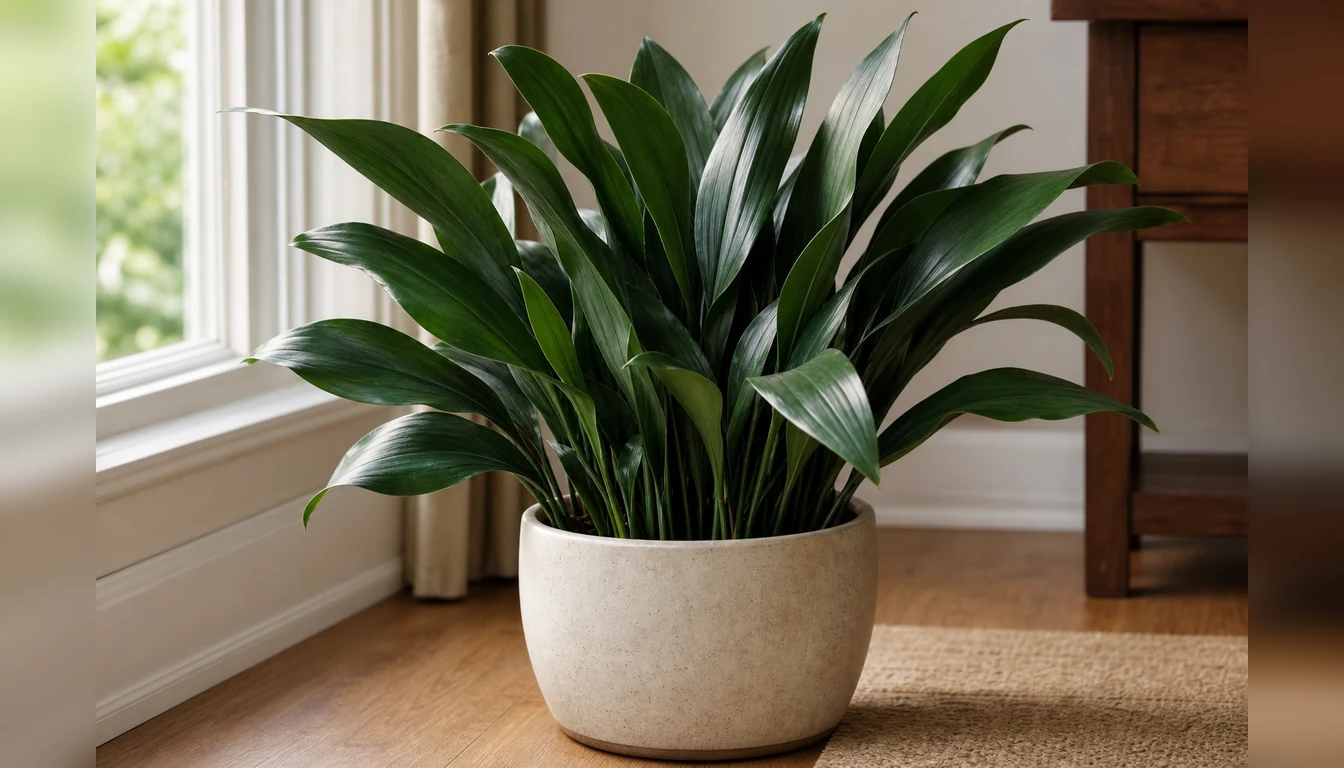
Cast Iron Plant
Cast Iron Plant shrugs off low light and irregular watering better than almost any other houseplant.
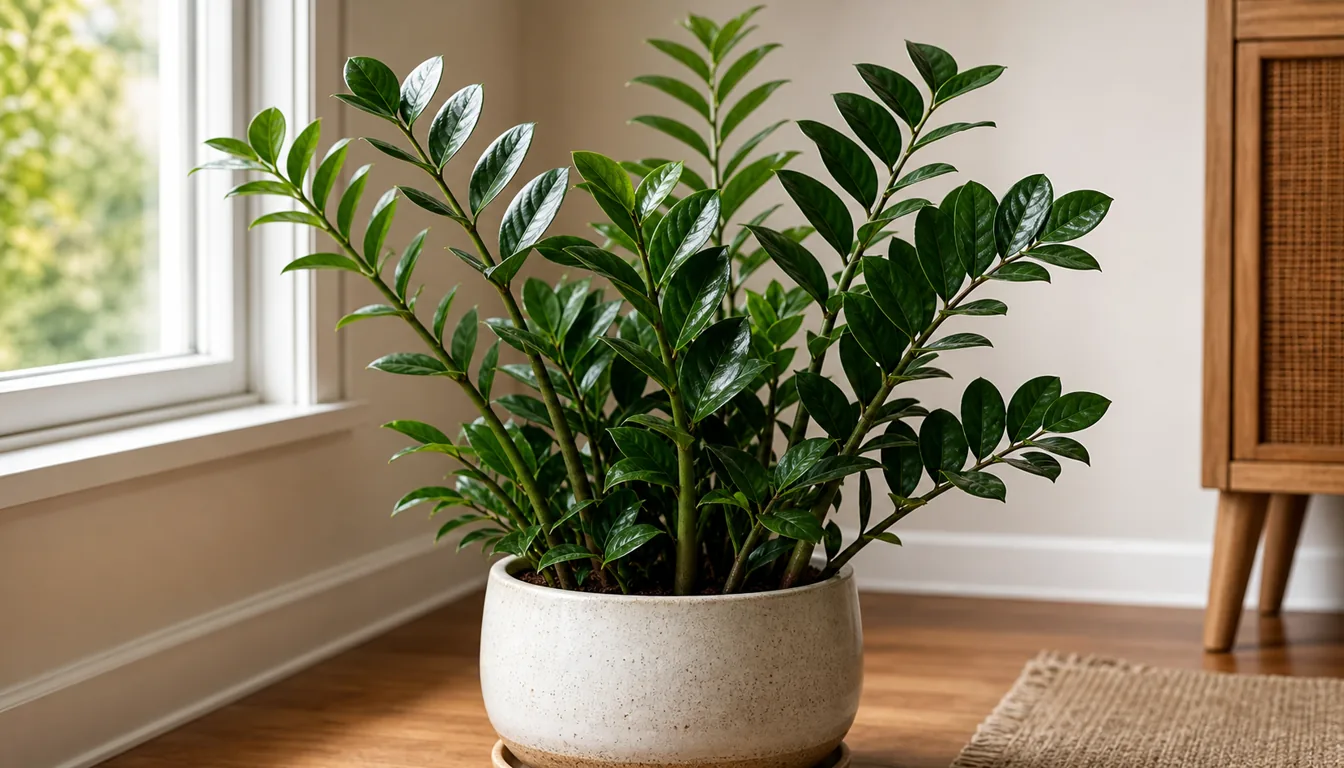
ZZ Plant
ZZ Plant stores water in fleshy underground rhizomes and tolerates drying between waterings.
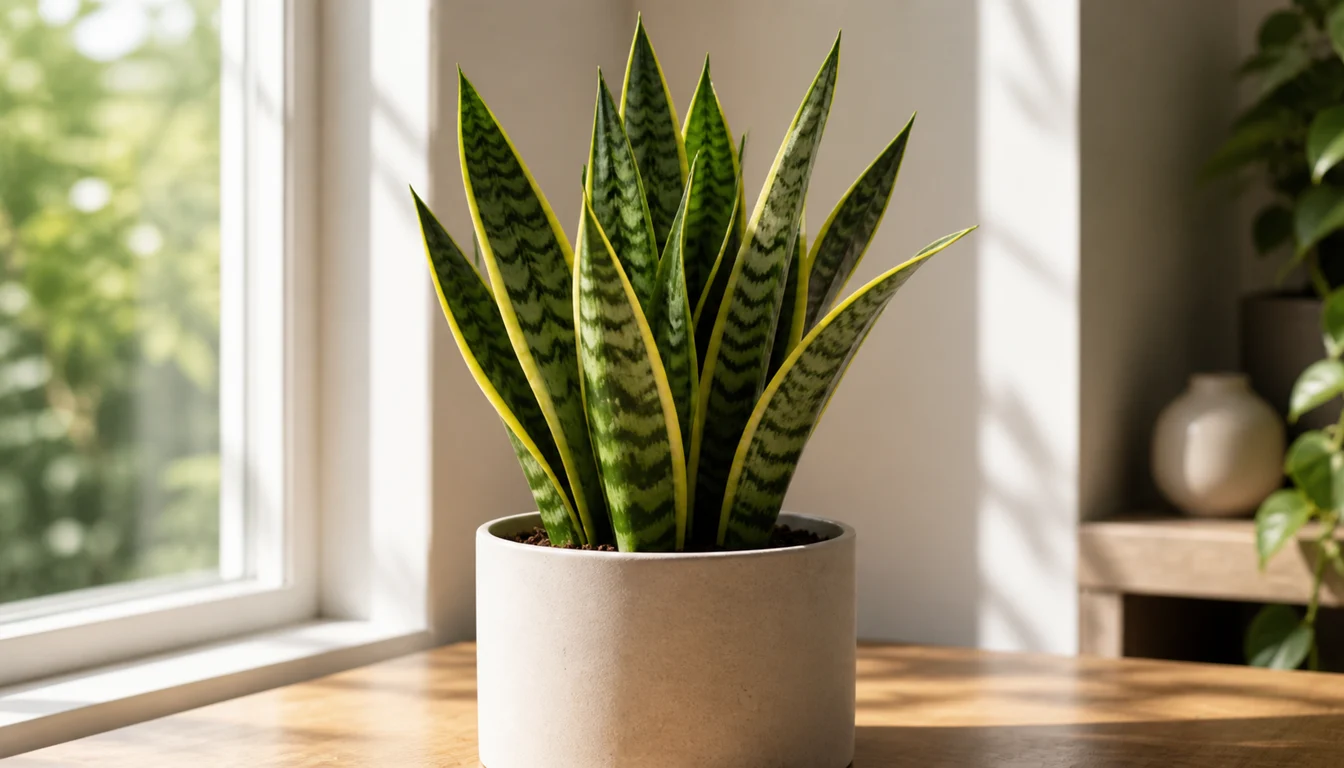
Snake Plant
Snake Plant grows as a stemless clump of water-storing, sword-shaped leaves.
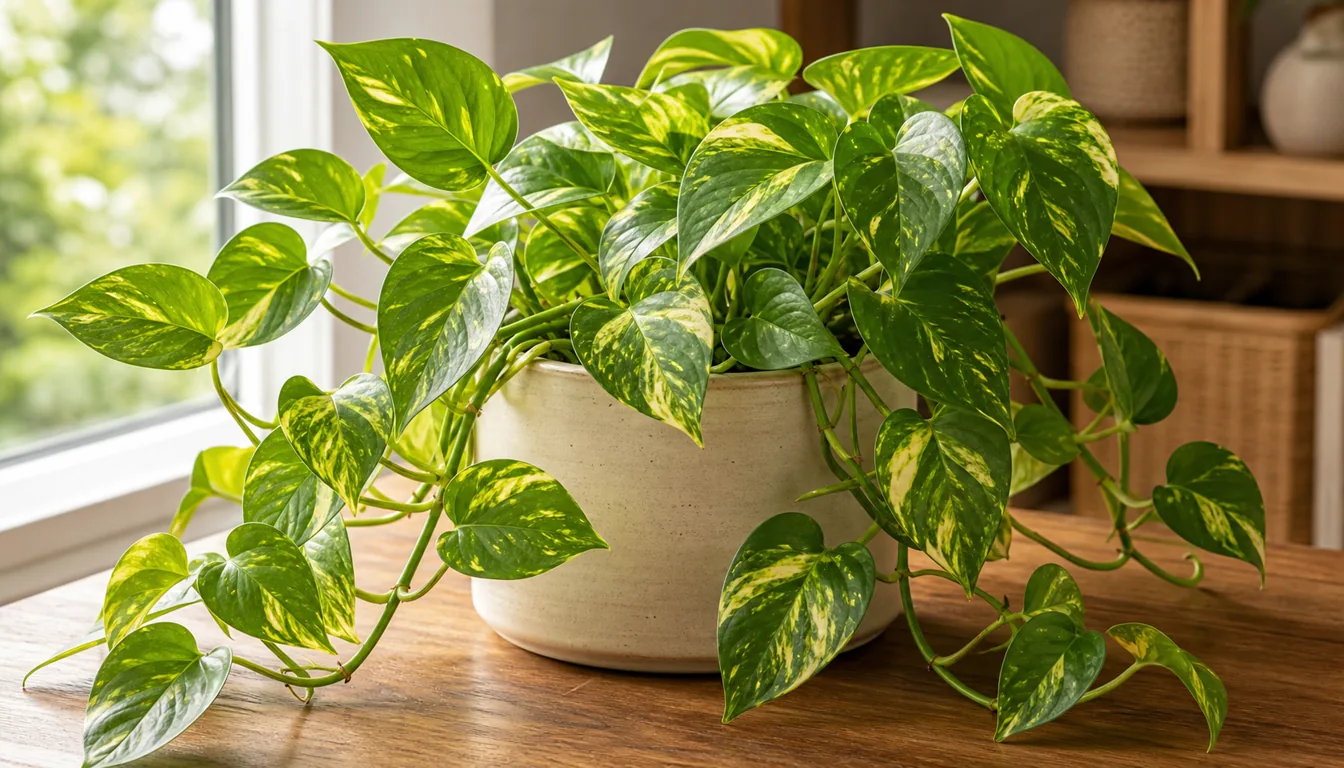
Golden Pothos
Golden pothos is a trailing or climbing houseplant with green leaves splashed with gold.
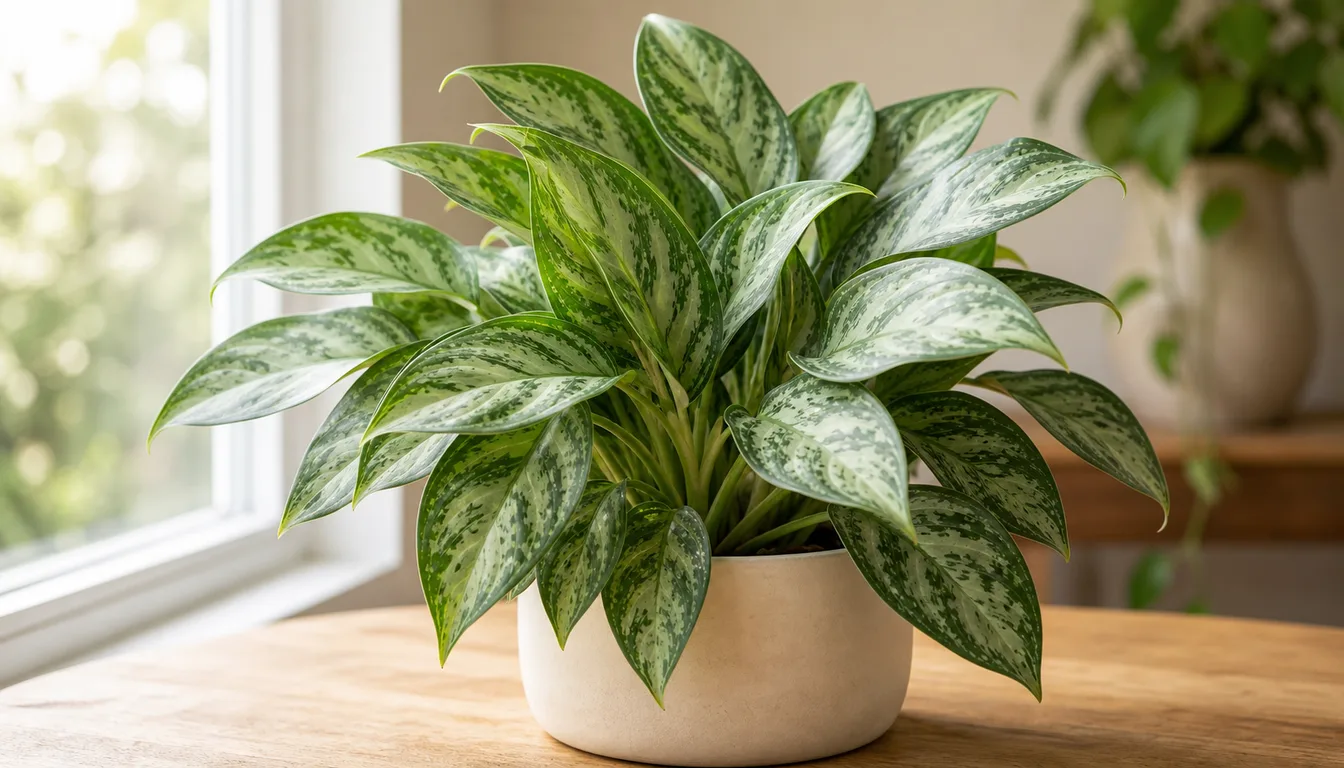
Chinese Evergreen
Chinese Evergreen care starts with matching leaf color to the light you actually have.
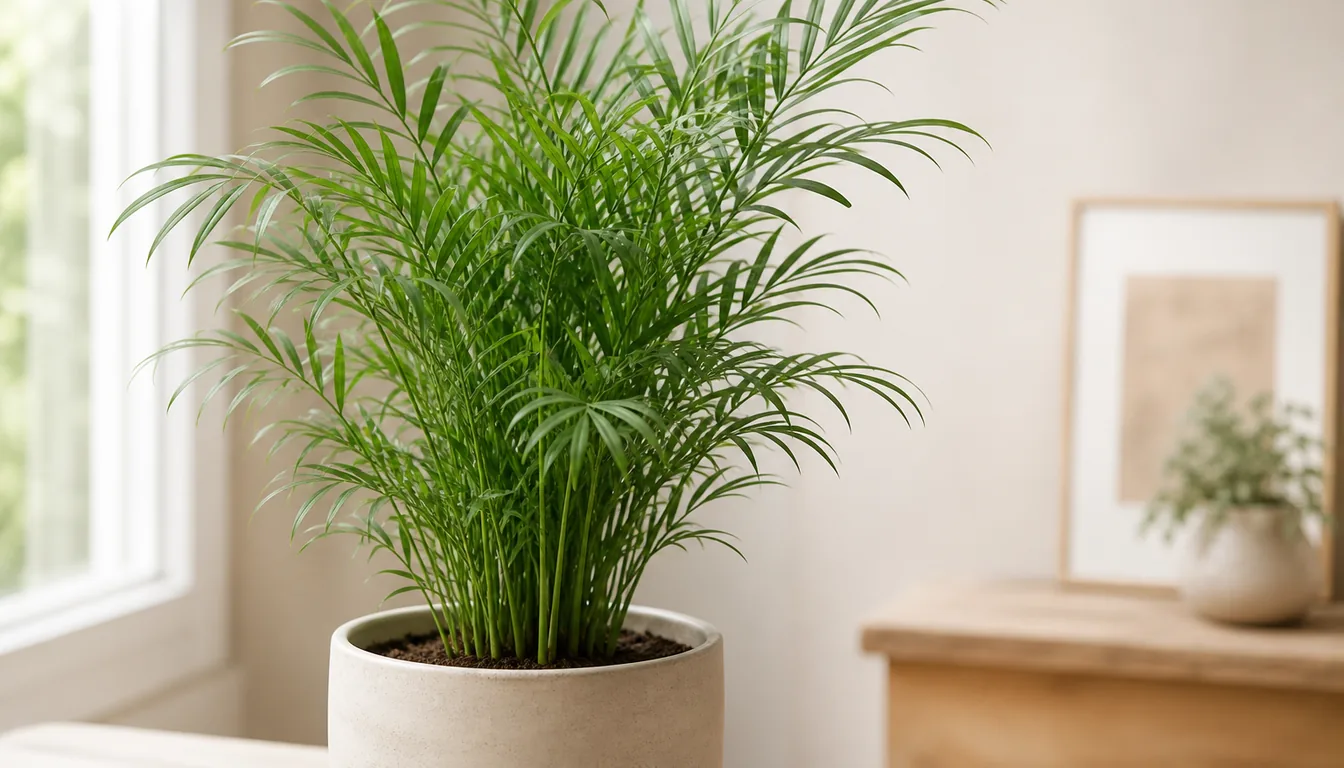
Parlor Palm
Parlor Palm is a slow understory palm with slender stems and soft pinnate fronds.
Frequently Asked Questions
What is the toughest low light houseplant?
Cast iron plant, and it earns the name. ZZ plant and snake plant come next, and all three hold their shape in light where nothing gains size, which is a different promise from growing well.
Can a houseplant live in a room with no windows?
Not without added light. A windowless room stores plants rather than growing them, and the honest options are a grow light on a timer or rotating plants in and out of a brighter room.
Why is my low light plant getting leggy?
It is reaching for light, which means the spot is below what that species needs even though the tag said low light. Move it closer to the window first, since repotting or feeding a stretched plant addresses neither the cause nor the symptom.
How often should I water plants in a dim room?
Considerably less often than the same plant near a window, and by weight rather than by a schedule. A pot that needed water every five days in bright light can go a fortnight in a dim corner.
Do LED room lights help houseplants?
Ordinary room lighting delivers almost nothing a plant can use, whatever it looks like to you. A dedicated grow lamp about a foot above the leaves for twelve hours a day is what makes a measurable difference.
Why did my variegated plant turn plain green?
Variegated sections carry no chlorophyll, so in dim light the plant produces greener leaves to capture what light there is. It is the plant adapting rather than reverting, and more light brings the pattern back on new growth.