
Best Air-Purifying Houseplants for Real Homes
Compare popular air-purifying houseplants by light, care, leaf cleaning, and pet safety, with an honest explanation of what plants can do indoors.
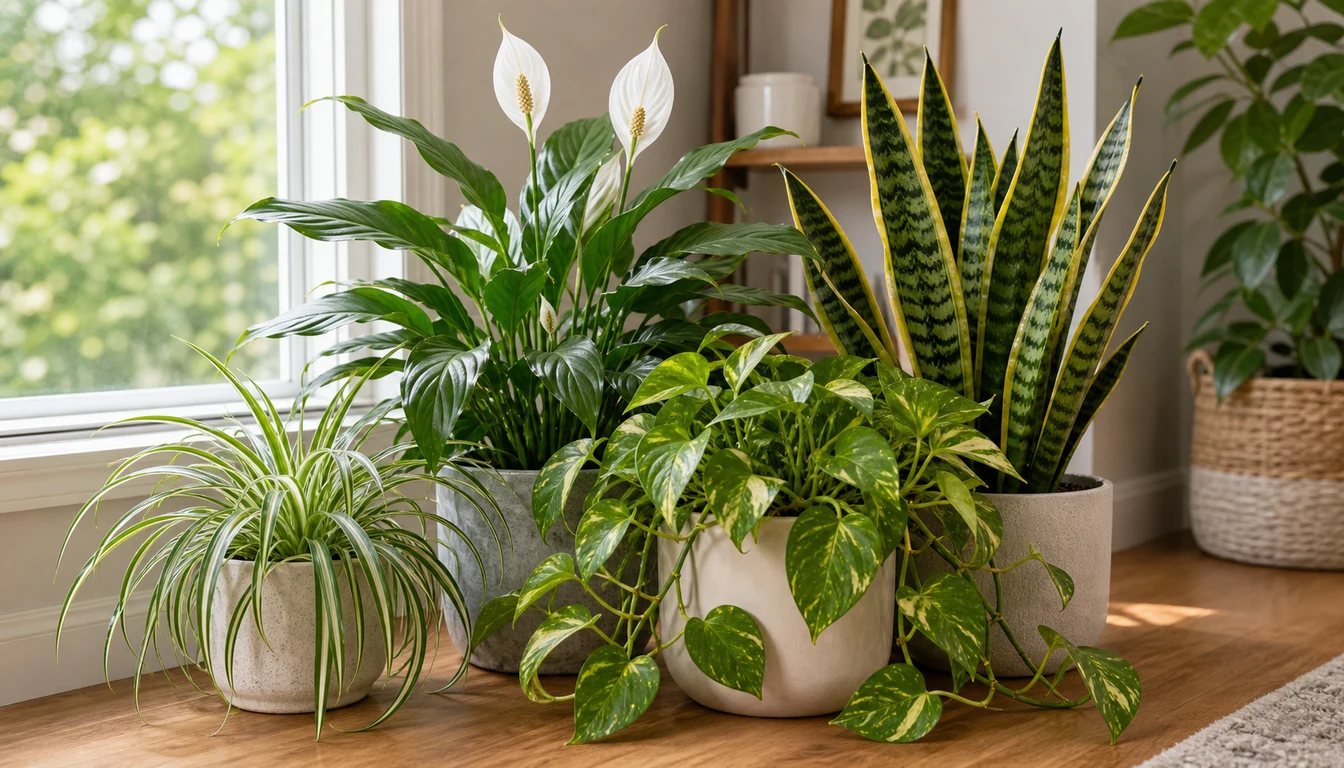
At a glance
The best so-called air-purifying houseplant is one that stays healthy in your light and that you can water, inspect, and clean without difficulty. A reasonable number of ordinary potted plants does not clean a room's air at a meaningful rate.
Choose a rubber plant for broad wipeable leaves, a pothos for an adaptable trailing habit, or a spider plant, peperomia, or parlor palm where pet safety affects placement. Snake plants and peace lilies remain practical foliage plants in the right conditions, but their reputation as room-scale air cleaners comes from chamber experiments rather than normal homes.
Use plants for greenery and use source control, ventilation, and filtration for air quality. The evidence behind air-purifying plant claims explains the chamber-to-room gap, while the choices below help you select plants you can maintain.
Do houseplants really purify indoor air?
Plants and their potting media can remove some volatile organic compounds in small sealed chambers.\n\nA home behaves differently because air enters and leaves, people cook and clean, products keep emitting compounds, and the room contains far more air than a laboratory box.
A review of 12 studies converted plant results into clean-air delivery rates that could be compared with building ventilation.\n\nIts median plant removal rate was so small that the authors estimated 10 to 1,000 plants per square meter would be needed to match the VOC removal already provided by typical air exchange.
The U.S. Environmental Protection Agency reaches the practical conclusion directly. It says there is no evidence that a reasonable number of houseplants removes significant quantities of pollutants in homes and offices.
This limitation does not make houseplants worthless. It changes the shopping question from which plant cleans the most air to which plant will remain healthy, clean, and welcome in the room.
Which air-purifying houseplants are best to live with?
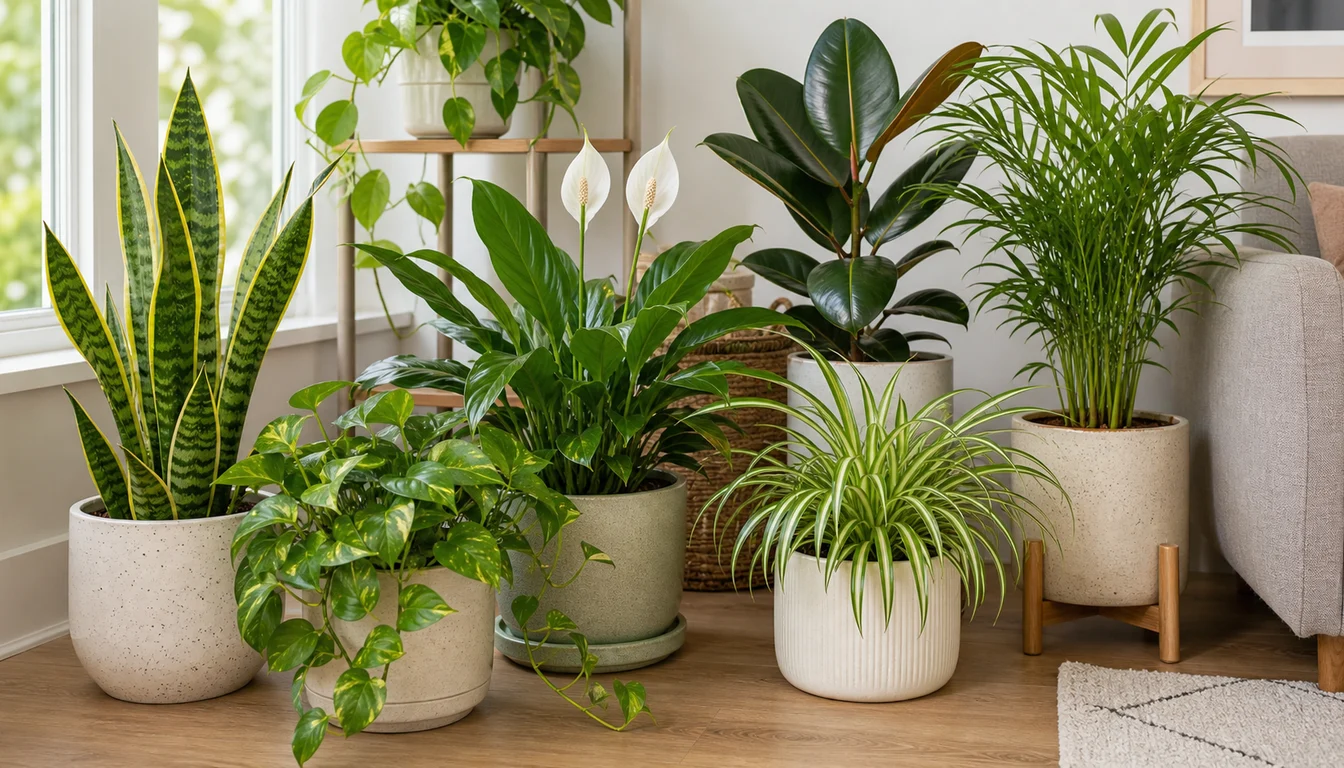
Rubber plants have broad leaves that are easy to inspect and wipe, but they need brighter light and more floor space than a small desk plant. Pothos tolerates a range of indoor conditions and is easy to trim, though its vines collect dust when allowed to disappear behind furniture.
Snake plants handle a longer drying interval and fit narrow floor spaces.\n\nPeace lilies communicate water stress clearly and hold broad leaves, but low light reduces growth and chronically wet mix causes trouble.
Spider plants recover quickly, divide easily, and can sit in a hanging or raised position. Peperomias stay compact, while parlor palms provide a larger non-toxic option where their fine leaflets can be kept clean.
| Plant | Best reason to choose it | Watch point |
|---|---|---|
| Rubber plant | Broad leaves that wipe clean | Bright light and pet toxicity |
| Pothos | Adaptable trailing growth | Pet toxicity and dusty vines |
| Snake plant | Narrow habit and slower drying | Pet toxicity and overwatering |
| Peace lily | Broad foliage in moderate indoor light | Pet toxicity and wet roots |
| Spider plant | Easy care and lower pet risk | Brown tips and crowded roots |
| Peperomia | Compact desk-sized habit | Small pot dries or saturates quickly |
| Parlor palm | Larger non-toxic floor plant | Fine leaflets collect dust |
| Boston fern | Dense texture in bright humid rooms | Frequent moisture and cleanup |
There is no scientifically useful ranking by the amount of air each plant cleans in a room. The meaningful ranking is whether the plant fits the light, water, space, and safety constraints of that room.
Match leaf shape and light to the room
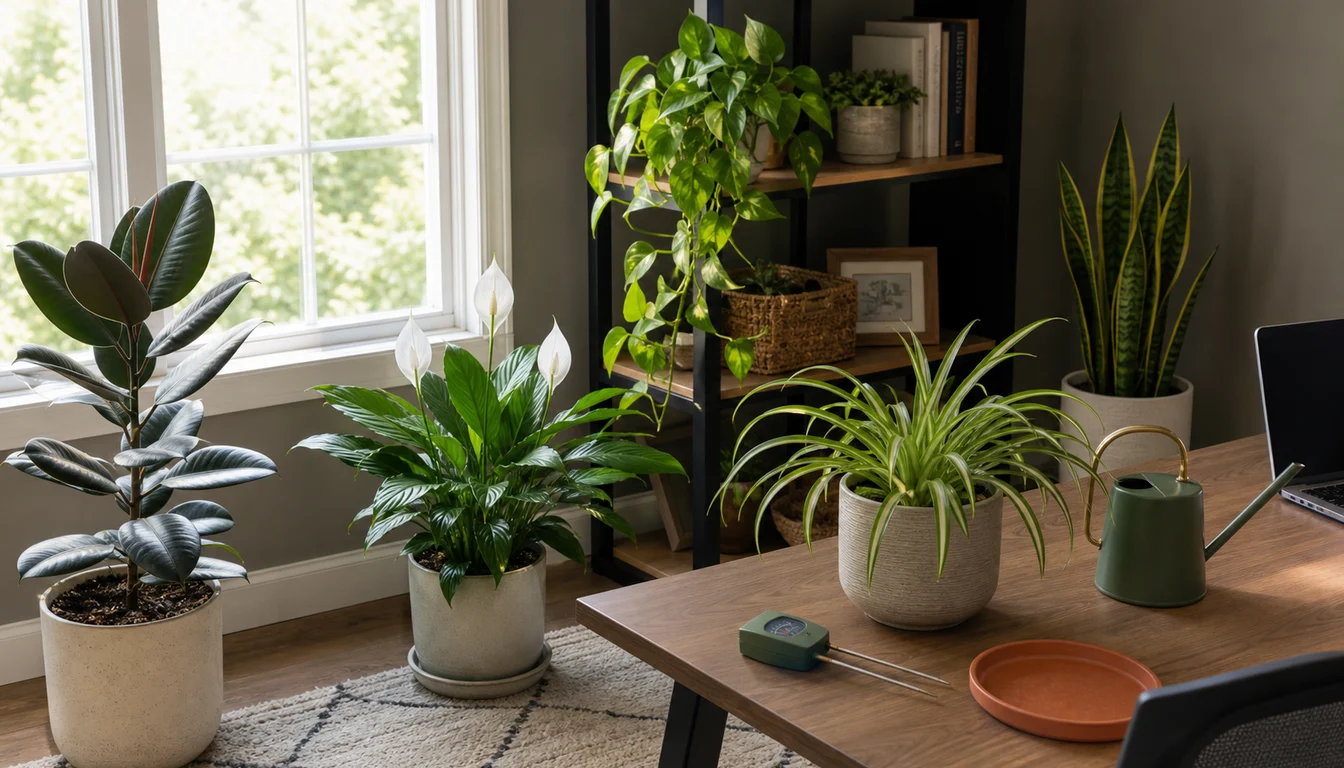
Start at the window and work inward. A room that looks bright to a person may supply little plant-usable light several feet from the glass, especially beside a shaded exposure or behind a curtain.
Put rubber plants and other high-light choices near a bright window while protecting them from abrupt exposure changes that can scorch acclimated leaves. Pothos, peace lilies, snake plants, and parlor palms tolerate lower light to different degrees, but tolerance means slower growth rather than no light requirement.
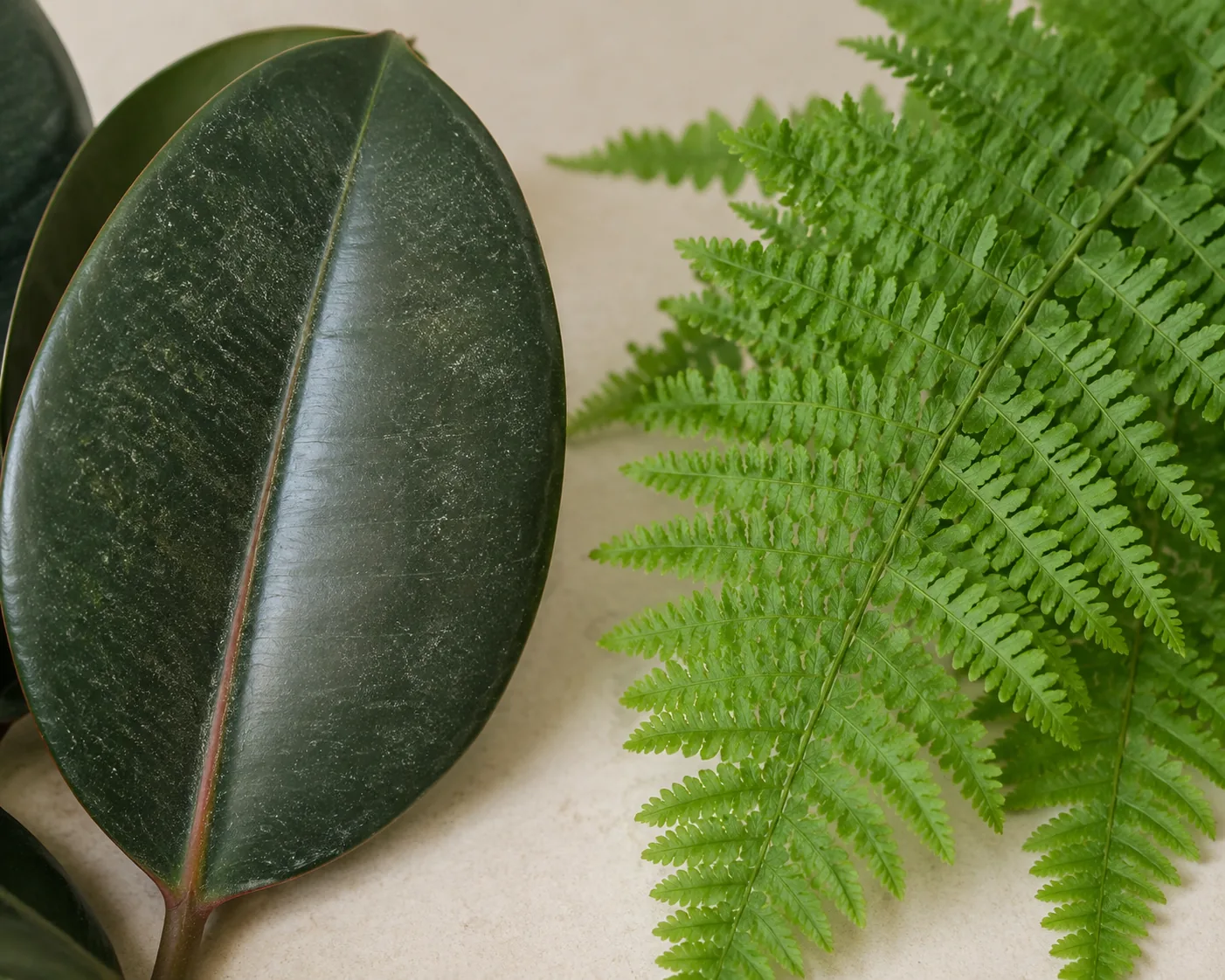
Leaf form changes the cleaning job. A broad rubber plant leaf can be supported with one hand and wiped in seconds, while a fern or palm has hundreds of small surfaces that are better rinsed gently when the plant and pot can drain.
Bright living room
Rubber plant or a well-acclimated snake plant with room around the foliage.
Moderate bedroom
Pothos on an accessible shelf or a snake plant where pets cannot chew it.
Desk near a window
Peperomia or spider plant in a pot that can be carried to a sink.
Bright bathroom
Boston fern only when daylight is real and the room exhausts moisture properly.
Pet-accessible floor
Parlor palm where fronds will not be repeatedly pulled or brushed.
Do not place a plant where you must climb over furniture to water it or cannot see the saucer. Care access often predicts plant health better than a famous list.
Choose leaves you can keep clean
Dust on leaves reduces the light reaching the plant and hides scale insects, mites, and sticky honeydew. Cleaning helps the plant use its available light and lets you notice a problem before it spreads.
Support each broad leaf and wipe both surfaces with a soft damp cloth. Avoid leaf-shine products unless the plant and product guidance specifically support them, because a glossy coating is not the same as a clean leaf.
Rinse durable fine foliage with lukewarm water when the pot can drain fully. Protect the potting mix if a long shower would saturate a plant that is not ready for water.
- Inspect firstLook under leaves and along stems for webbing, bumps, sticky residue, or moving pests.
- Remove loose dustWipe broad foliage or rinse fine leaves with gentle lukewarm water.
- Clean the pot areaPick up fallen leaves and wipe the saucer, shelf, and outside of the container.
- Let foliage dryReturn the plant to suitable light after leaves and the outside of the pot stop dripping.
- Check againLook at new growth and leaf undersides during the next normal care visit.
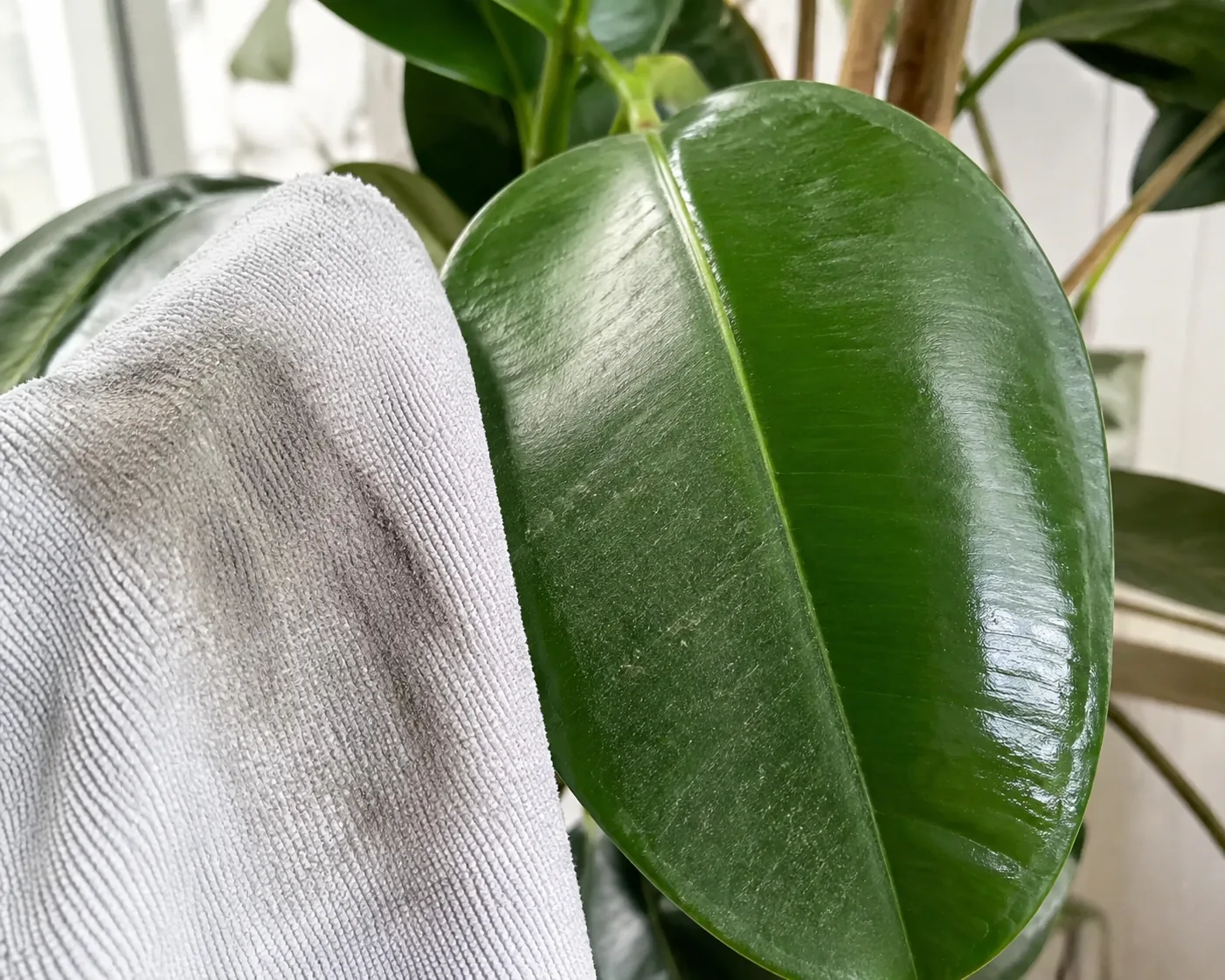
A monthly check may suit a quiet room, while a plant beside an open window, kitchen, renovation area, or busy vent may collect residue faster. Clean when the leaves show it rather than adding another plant to hide tired foliage.
Keep the pot from worsening the room
An overwatered collection can add odors, fungus gnats, algae, and excessive dampness.\n\nEPA guidance specifically warns that overly damp houseplant soil may promote microorganisms that affect people with allergies.
Use containers with drainage openings and empty saucers or decorative covers after watering. Check each root ball before adding water rather than watering the whole collection on the same weekday.
Different plants need different drying intervals. A Boston fern generally needs steadier moisture than a snake plant, but neither benefits from a hidden pool beneath an ordinary nursery pot.
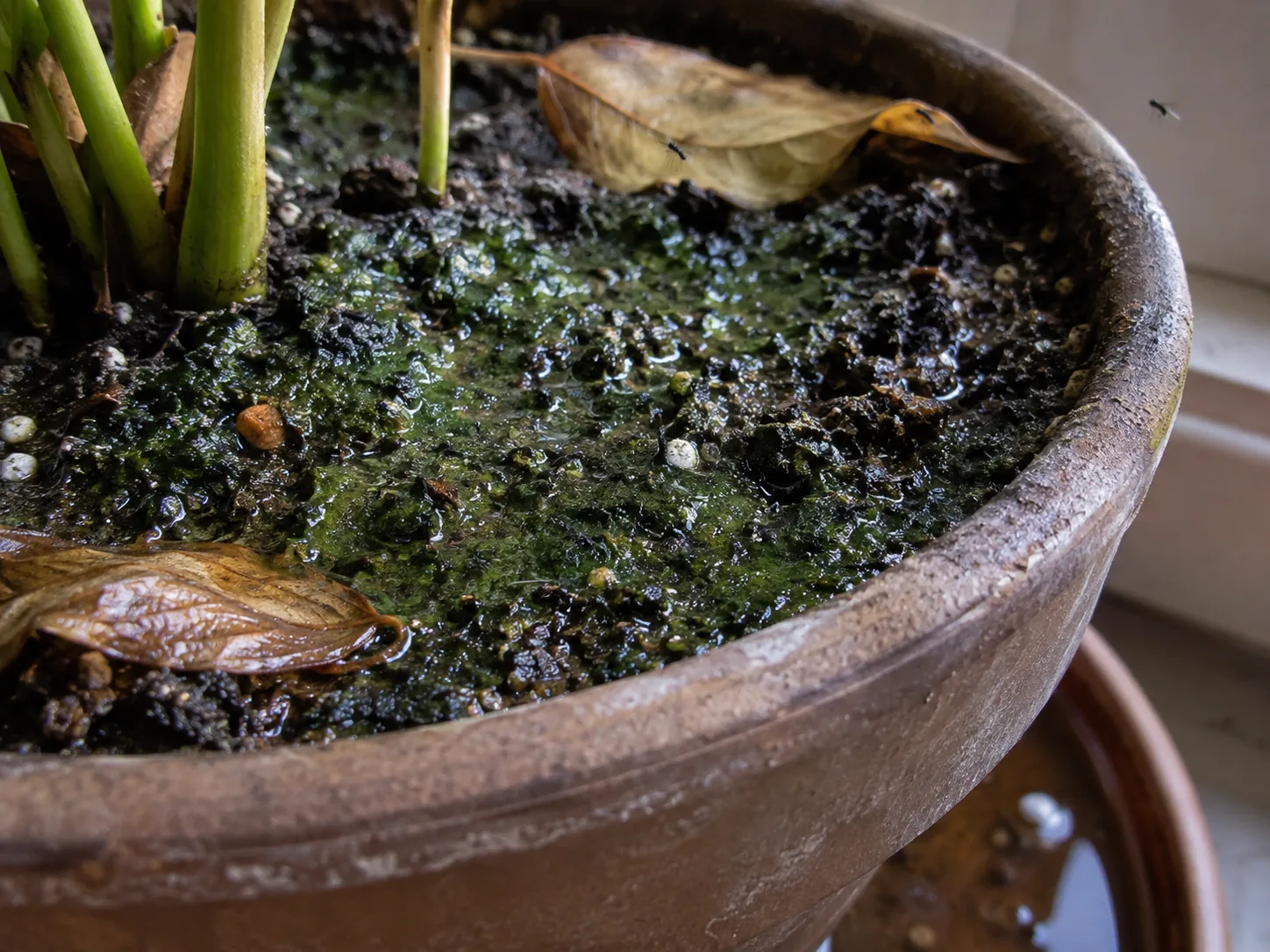
- Drainage holes remain open
- No water stands in the saucer or cover pot
- The mix has reached that plant's watering point
- Dead leaves are removed from the surface
- No sour smell, algae mat, or cloud of gnats appears
- Plants have space for inspection and air movement
Sticky traps can monitor adult fungus gnats, but they do not correct the moist conditions supporting larvae. Fix irrigation, drainage, and decaying debris before expanding the collection.
A sour or swampy smell is a reason to move the plant away from a bedroom or work area while you inspect the roots and container.
Screen every choice for pets and children
Popular does not mean safe to chew. Pothos, snake plant, peace lily, and rubber plant all require a placement decision in homes with pets or small children.
Spider plant, peperomia, and parlor palm appear on the ASPCA's non-toxic plant resources, but even non-toxic foliage can cause stomach upset or become a choking hazard when eaten. Soil, fertilizer, systemic pesticides, and decorative top dressings add separate risks.
| Situation | Better direction | Avoid assuming |
|---|---|---|
| Cat reaches every shelf | Spider plant, peperomia, or parlor palm | A hanging vine stays unreachable |
| Dog investigates floor pots | Stable non-toxic plant and covered care products | A heavy pot cannot tip |
| Young child handles soil | High stable placement and simple surface | Decorative stones are harmless |
| Plant needs pesticide | Isolate and follow the product label | Plant toxicity is the only risk |
Verify the exact botanical name through an authoritative toxicity database because common names can refer to different plants. If an animal chews a plant and develops symptoms, contact a veterinarian or animal poison-control service with the plant and product names.
What should you do for an actual air problem?
Start with the pollutant. Smoke from cooking or wildfire, visible mold, solvent fumes, combustion gases, and ordinary dust require different controls, so a single plant-based answer would be unsafe and ineffective.
The EPA orders the main tools clearly. Control or remove the source, increase ventilation with clean outdoor air when appropriate, and add filtration or air cleaning suited to the remaining pollutant.
- Identify the sourceFind the activity, material, moisture problem, appliance, or outdoor event connected to the concern.
- Control itStop or reduce emissions, repair moisture problems, and maintain fuel-burning equipment.
- Ventilate safelyUse outdoor-exhausting kitchen or bathroom fans and bring in clean outdoor air when local conditions permit.
- Filter the remaining airChoose a portable cleaner or HVAC filter based on room size, pollutant type, and manufacturer guidance.
- Keep plants in their laneEnjoy healthy foliage without delaying a safety check, repair, or medical decision.
Carbon monoxide requires working alarms and immediate safety action, not a plant or odor test. Visible mold and ongoing moisture require the water source to be corrected.
Houseplants can remain part of the finished room after the real problem is handled. Their value is greenery you can maintain, not a substitute for measuring or controlling pollution.
Quick Tips
- Choose a plant for the room's light and your ability to reach it.
- Use broad leaves when quick wiping matters more than fine texture.
- Empty runoff so the pot does not add odors or fungus gnats.
- Check the exact botanical name against an authoritative pet-toxicity source.
- Use source control, ventilation, and filtration for real air-quality problems.
- Keep working carbon monoxide alarms around fuel-burning equipment.
Recommended Plants
8 houseplants worth considering.
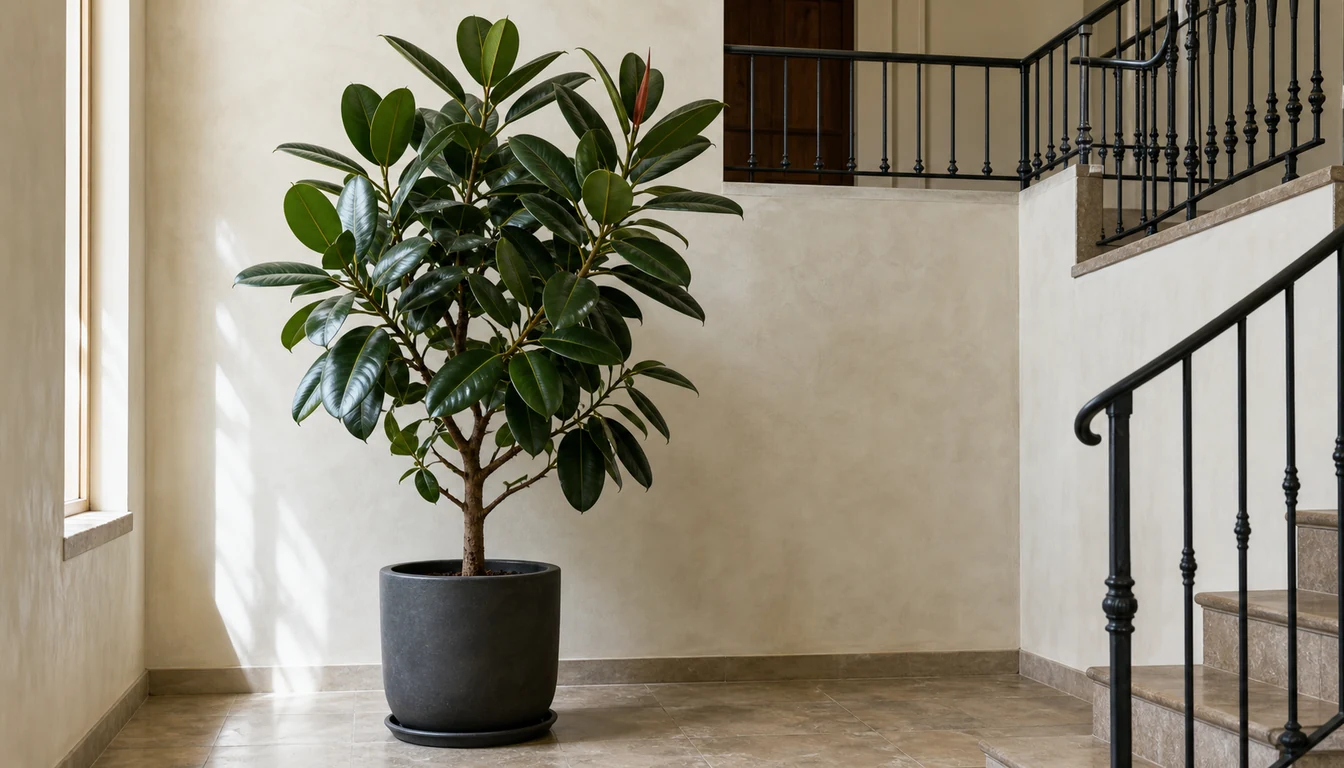
Rubber Plant
Rubber plant is Ficus elastica, a woody houseplant grown for large, glossy leaves.
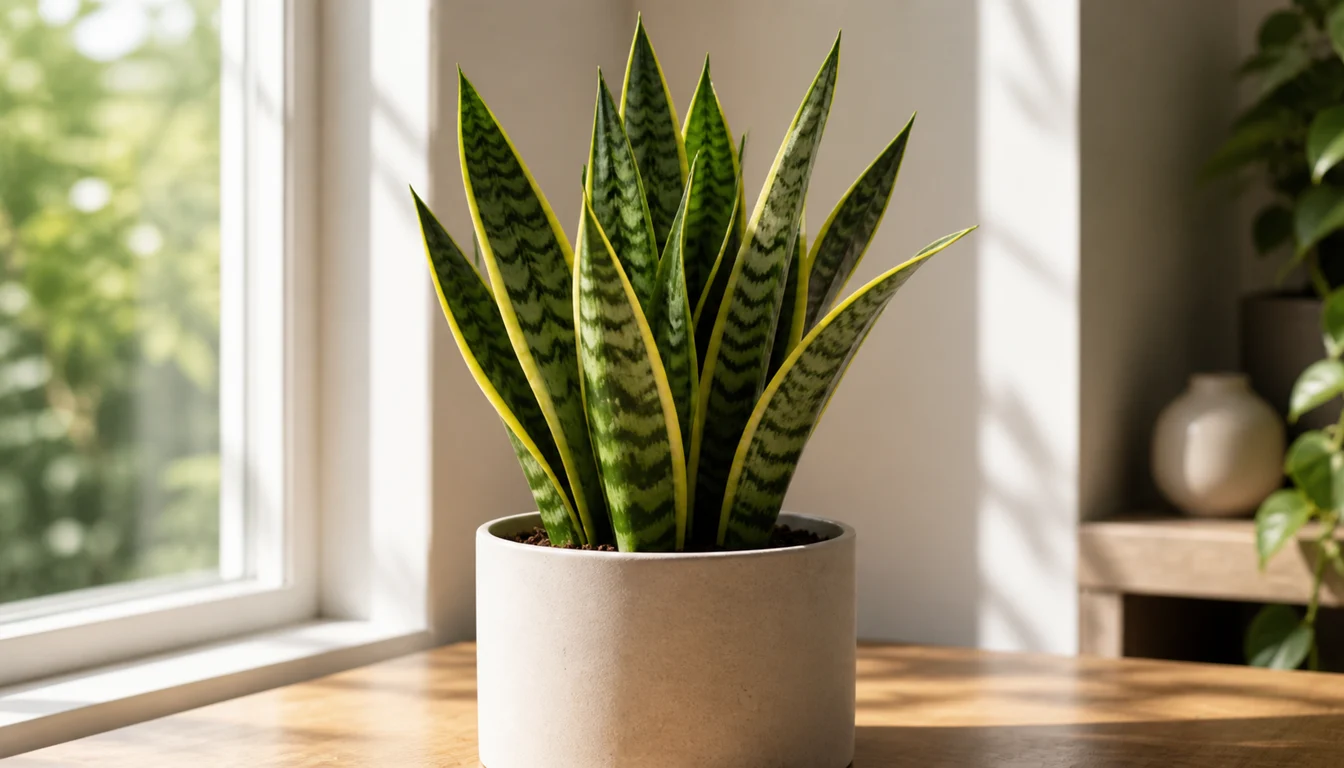
Snake Plant
Snake Plant grows as a stemless clump of water-storing, sword-shaped leaves.
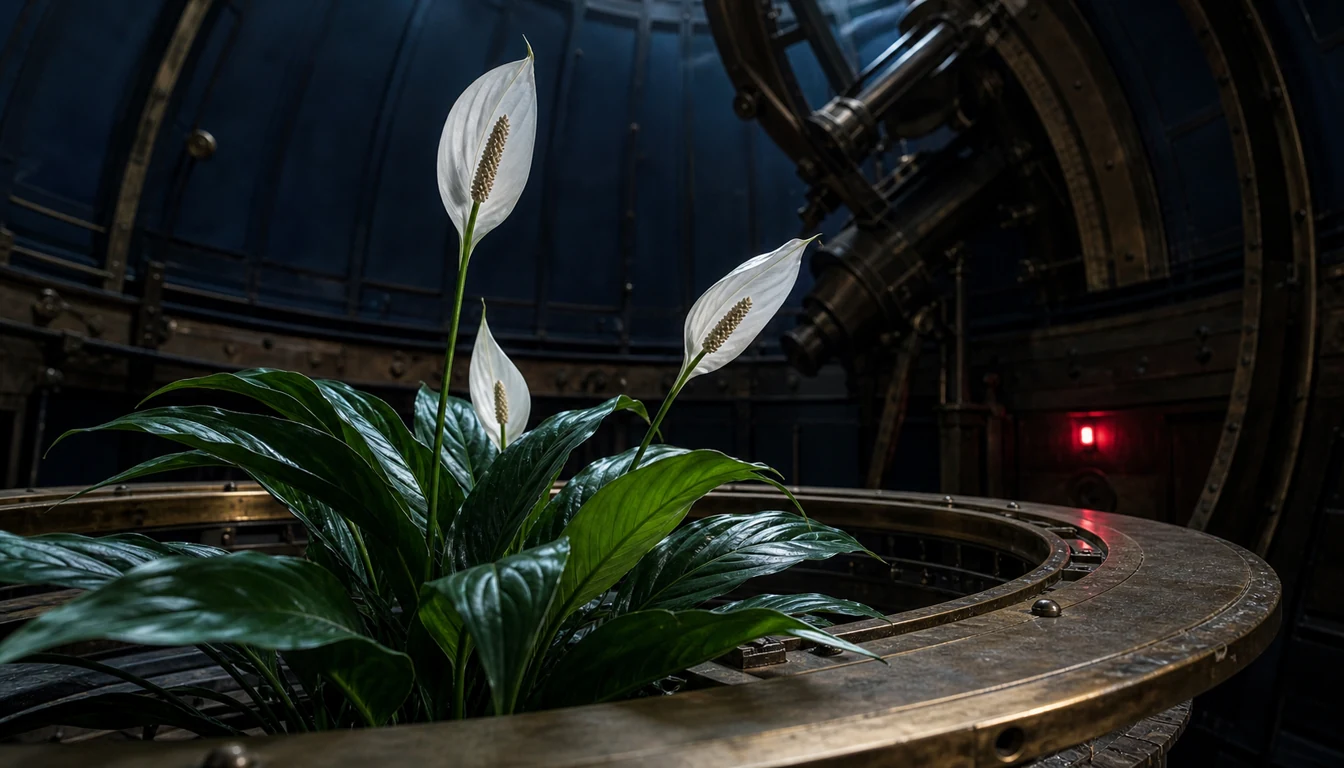
Peace Lily
Peace lilies are clumping Spathiphyllum plants with glossy leaves and white spathes surrounding tiny flowers.
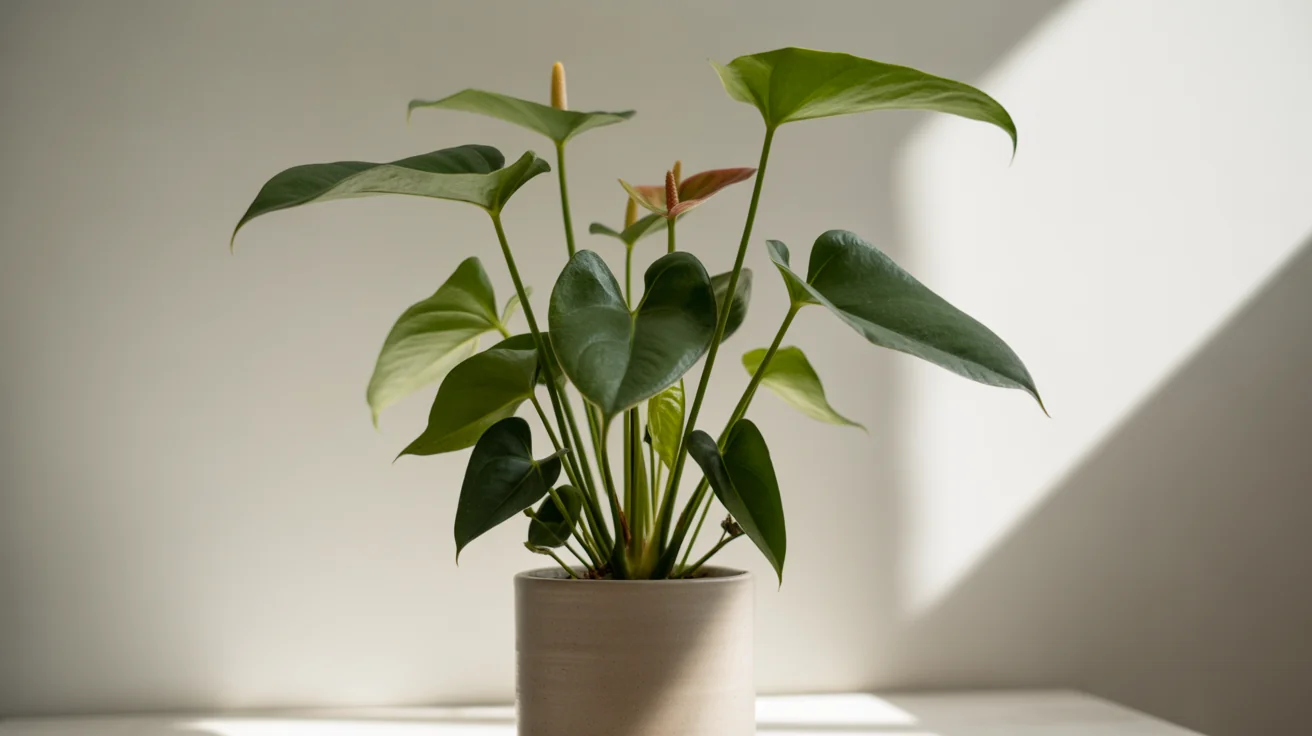
Anthurium
Flowering Anthurium needs bright indirect light, warmth, and a potting mix that holds moisture while letting excess…
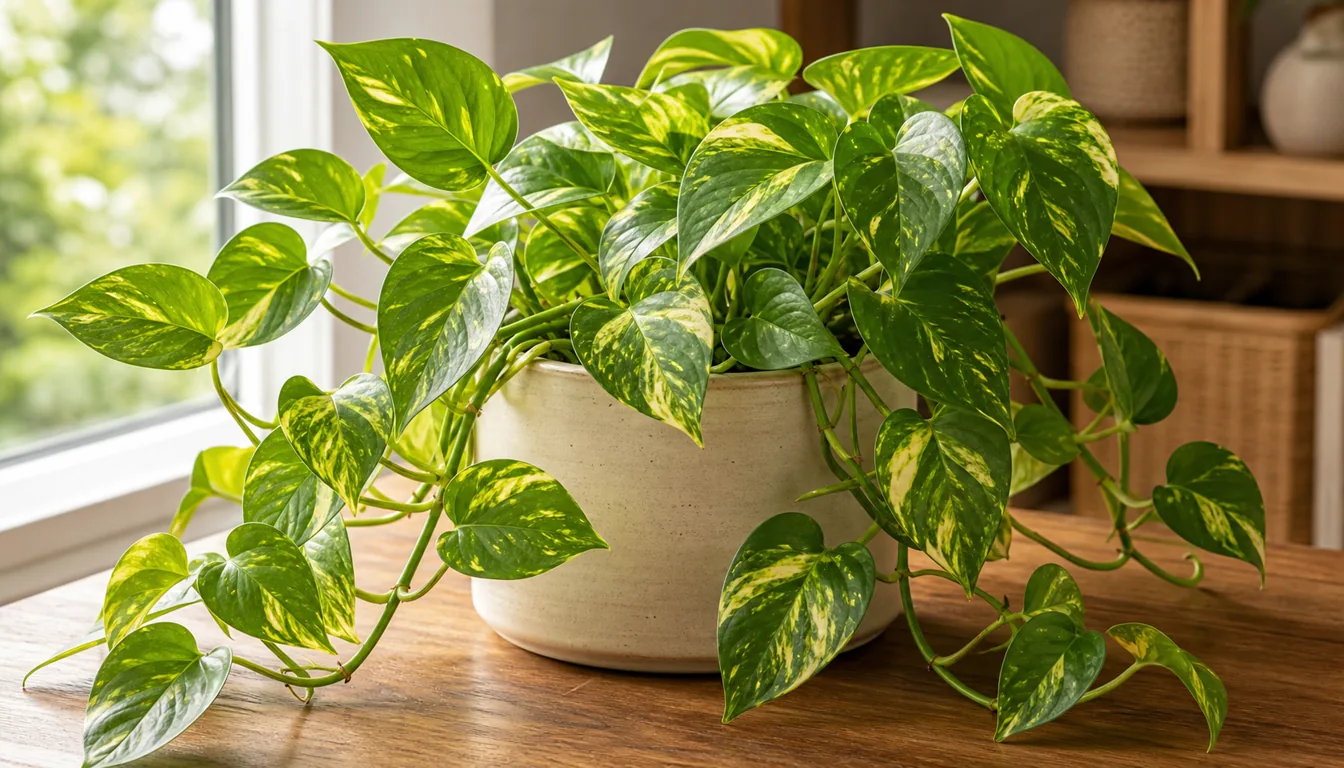
Golden Pothos
Golden pothos is a trailing or climbing houseplant with green leaves splashed with gold.
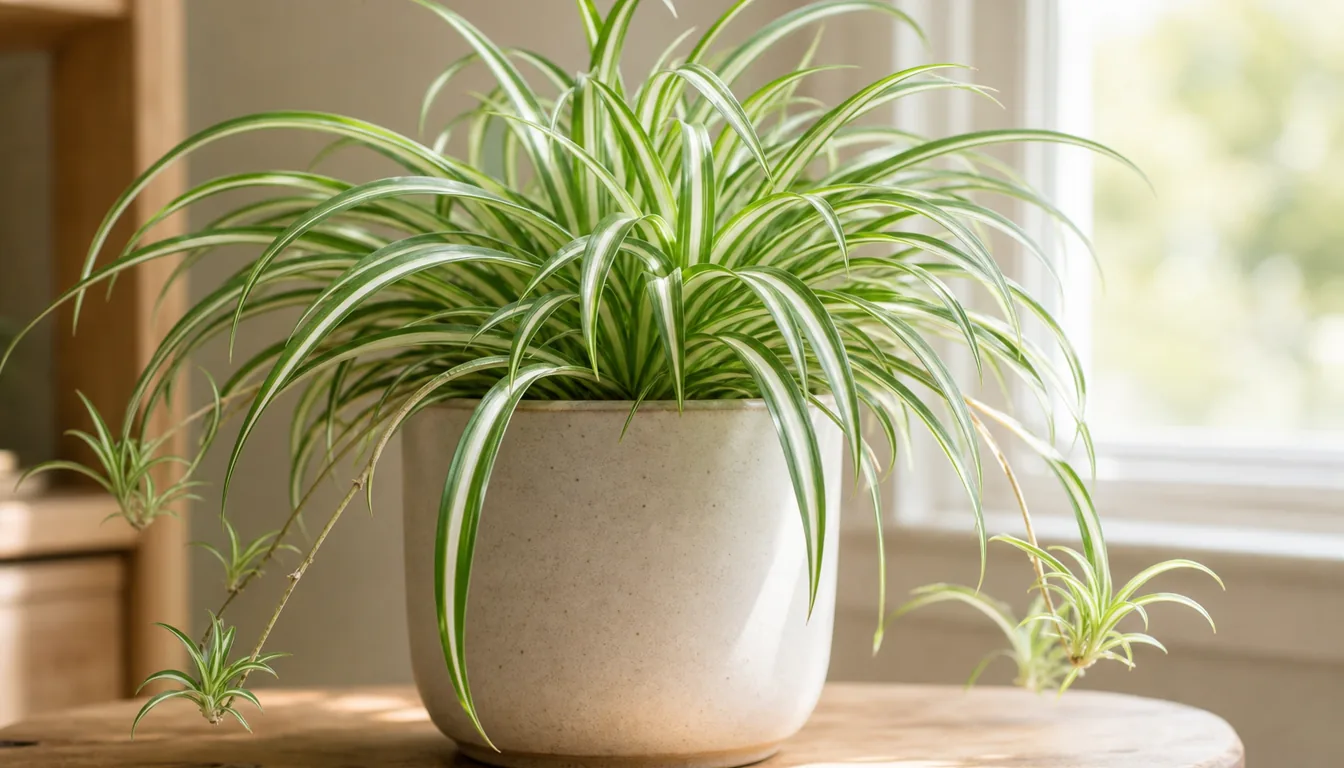
Spider Plant
A spider plant is a forgiving, pet-safe houseplant that sends out runners with baby plantlets when light, roots, and…
Peperomia
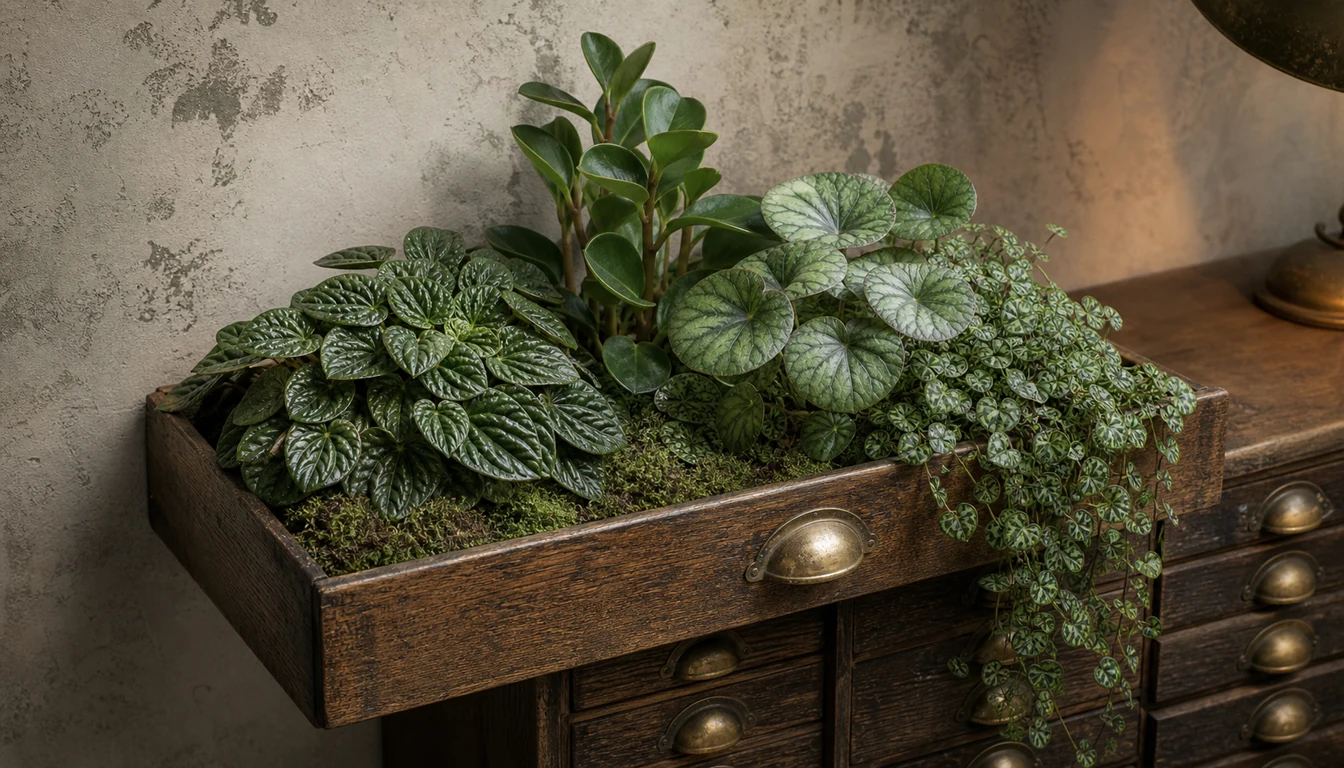
Peperomia includes low rosettes, upright plants with fleshy leaves, and delicate trailers.
Parlor Palm
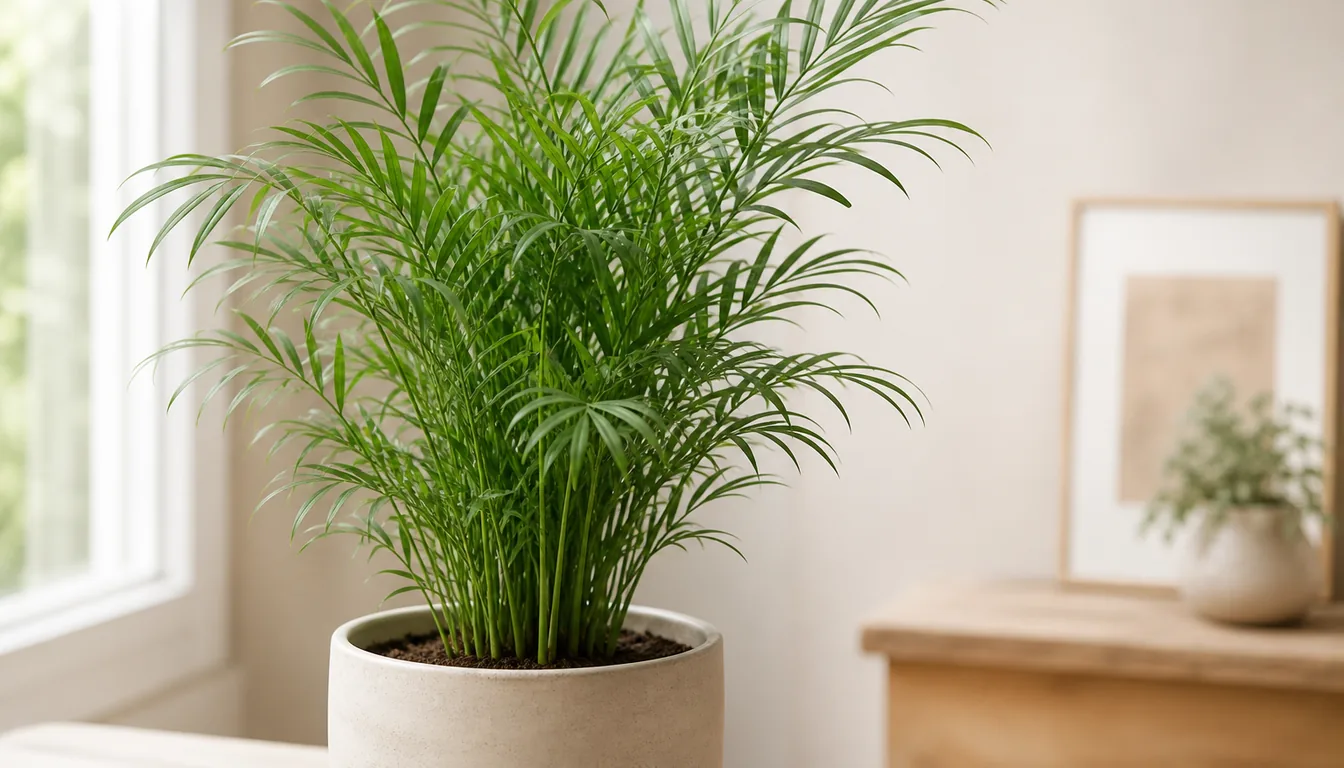
Parlor Palm is a slow understory palm with slender stems and soft pinnate fronds.
Frequently Asked Questions
How many houseplants does it take to purify a room?
There is no practical household number. A review estimated that roughly 10 to 1,000 plants per square meter would be needed to match the VOC removal already provided by normal building air exchange.
What is the best air-purifying plant for a bedroom?
Choose by light, care access, and pet safety rather than purification claims. Pothos or snake plant can fit many bedrooms when safely placed, while spider plant, peperomia, and parlor palm are useful lower-risk choices for pet homes.
Do houseplants remove carbon monoxide?
Do not rely on houseplants for carbon monoxide. Maintain fuel-burning equipment, install working carbon monoxide alarms, and follow emergency guidance immediately when an alarm sounds or exposure is suspected.
Can too many houseplants make indoor air worse?
A large collection can add damp potting mix, fungus gnats, pollen, odors, or mold when watering and cleanup are poor. Healthy plants in draining pots should not sit in standing water or crowd out inspection and airflow.
Which popular houseplants are safer around pets?
Spider plant, many peperomias, and parlor palm appear on ASPCA non-toxic lists. Verify the exact botanical name before purchase, keep fertilizers and pesticides secured, and contact a veterinarian if a pet develops symptoms after chewing any plant.
Sources & References
- U.S. Environmental Protection Agency: Improving Indoor Air Quality
- U.S. Environmental Protection Agency: What Is Indoor Air Quality?
- Cummings and Waring: Potted Plants Do Not Improve Indoor Air Quality
- University of Georgia Extension: Interior Plants
- Clemson Cooperative Extension: Indoor Plants
- ASPCA: Toxic and Non-Toxic Plants
- Clemson Cooperative Extension: Houseplants