
Wateringschedule11 min read
Signs of Overwatering Trees and How to Respond
Learn how to spot early and advanced signs of overwatering in trees, what is normal vs. trouble, and how to adjust your watering before roots suffocate.
Most trees die from too much water long before true drought gets them. Sprinklers, drip lines, and well-meaning hose time can turn soil into a swamp around the roots.
The details that move the needle: clear signs of overwatering trees, what is still reversible, and how to adjust before roots suffocate. We will talk about symptoms on leaves, bark, and soil, and how they differ from normal seasonal change. If you water lawns heavily or share zones between beds and trees, it also helps to review deep vs frequent watering so your routine fits what tree roots need.
ecoHow Healthy Tree Roots Handle Water
Roots on a healthy tree sit in soil that drains, then breathes. Water moves through, air refills the gaps, and fine feeder roots grab moisture in between.
In heavy clay or always-on irrigation, those air pockets stay flooded. Feeder roots drown, turn brown, and rot away. Once those fine roots die, the canopy starts starving even while the soil feels wet.
Shallow-rooted trees like river birch near lawns or newly planted fruit trees are the first to show trouble from soggy soil. Deep-rooted trees can hide damage longer, but the same suffocation happens below the surface.
You want soil that feels evenly moist several inches down, not soupy. If a squeezed handful drips water, or footprints linger around your tree days after rain, the root zone is probably getting more water than it can use.
local_floristLeaf Symptoms That Point To Too Much Water
Leaves often tell the story before the trunk or roots. Overwatered trees commonly show yellowing leaves that feel soft or limp instead of crisp.
overwatered foliage can fade from green to pale yellow between the veins. Some species drop green leaves outright, especially young Japanese maples in beds and container trees.
New growth may be small, thin, or oddly pale. In deciduous trees, sections of the canopy can thin out while nearby branches stay full. Evergreen trees like arborvitae screens may shift from rich green to sickly light green, then bronze.
If leaves look wilted while the soil is clearly wet, assume overwatering or poor drainage first, not drought.
Use the leaf pattern with a soil check, because drought and overwatering can look annoyingly similar from ten feet away.
- fiber_manual_recordYellow, limp leaves: Often signal soggy soil around the roots
- fiber_manual_recordGreen leaf drop: Healthy-looking leaves falling during the season
- fiber_manual_recordPale new growth: New leaves smaller and lighter than older ones
- fiber_manual_recordPatchy thinning: Random bare spots while nearby branches stay full
Guide — See AlsoHow to Water Succulents Without Rotting the RootsLearn how often to water succulents, what a proper soak-and-dry cycle looks like, and how light, pot type, season, and s
chevron_rightyardSoil And Trunk Clues Around Overwatered Trees
Soil at the surface tells you how fast water is leaving the root zone. Constantly shiny, sticky, or smelly soil under a tree is a big red flag.
Step near the drip line after a normal watering. If your footprint fills with water or the ground feels spongy days later, the soil is saturated. Standing water pooled near the base of a tree is almost always a drainage, not a watering, problem.
The trunk can show trouble too. Bark near grade level may darken, stay damp, or grow moss and algae on the shaded side. On young trees and fruiting types like apple trees in lawns, the graft union can start to soften or crack if it sits in wet mulch.
Avoid piling mulch or soil against the trunk. A buried trunk flare plus soggy soil speeds up bark decay.
Check the base first, then confirm the same moisture story farther out under the canopy.
- fiber_manual_recordPersistent puddles: Water standing 24 hours or more after rain
- fiber_manual_recordSour or rotten smell: Anaerobic soil conditions suffocating roots
- fiber_manual_recordMossy trunk base: Constant moisture and poor air flow
- fiber_manual_recordSoft trunk flare: Bark that yields to pressure near soil level
Email Updates
Join the KnowTheYard update list
Zone-specific advice, seasonal reminders, and new plant guides — no filler.
warningRoot Rot And Advanced Overwatering Damage
Root rot is the late-stage consequence of chronic overwatering. By the time you see major dieback, much of the fine root system is already gone.
Gently dig a narrow test hole near, not into, main roots. Healthy roots are firm and white or light tan. Rotted roots feel mushy, peel easily, and can smell like old swamp water. Blackened feeder roots on trees like peach in heavy clay indicate long-term saturation.
Above ground, branches may die back from the tips, whole sections of canopy may brown out, or spring leaf-out can be weak and patchy. Some trees leaf out, then collapse in mid-summer heat because the damaged roots cannot keep up.
Do not keep watering a declining tree just because the top looks dry. Wet soil around rotten roots only speeds up the decline.
At this stage, the safest move is to stop guessing and inspect roots before adding anything else.
- fiber_manual_recordMushy, dark roots: Peeling or stringy outer layers on fine roots
- fiber_manual_recordDieback from tips: Small twigs and branch ends failing first
- fiber_manual_recordSudden summer collapse: Tree wilts in heat despite wet soil
- fiber_manual_recordFungal fruiting bodies: Mushrooms or conks near the base of the trunk
Guide — See AlsoBest Time to Water Flowers for Stronger BloomsLearn exactly when to water flowers so blooms last longer, plants stay healthier, and you are not wasting water. Covers
chevron_rightwater_dropFixing Overwatering Without Killing The Tree
Stopping the excess water is the first job once you spot signs of overwatering trees. That means adjusting irrigation schedules, improving drainage, and sometimes saying no to the sprinkler for a while.
Cut back automatic irrigation around the tree by at least 30–50% when you see saturated soil, yellowing, or wilting. Deep, occasional watering is safer than daily light sprays, which keep roots soggy.
If you use multi‑zone systems for lawns and beds, check whether the tree zone matches nearby turf needs. Trees usually want deeper but less frequent soaking than warm‑season grass lawns.
After adjusting the schedule, watch the soil instead of the calendar. The top 2–4 inches of soil should dry slightly between waterings for most established trees.
- fiber_manual_recordTurn off sprays: Disable any sprinkler head that hits the trunk directly.
- fiber_manual_recordShorten runtimes: Trim each irrigation cycle by 5–10 minutes around the dripline.
- fiber_manual_recordLengthen gaps: Add extra days between cycles so the soil can breathe.
- fiber_manual_recordTest moisture: Use a screwdriver test to at least 6 inches deep before each watering.
- fiber_manual_recordLog changes: Jot dates and changes so you can see what helps.
yardImproving Drainage Around Existing Trees
Compacted or low‑lying soil can keep roots underwater even if you do not water often. Drainage fixes usually save more trees than fancy treatments or products.
Start by watching how rain and sprinkler water move during a 15–20 minute run. Note any spots where water ponds near the trunk or stays shiny on the surface for more than an hour.
If a tree sits in a slight bowl, use extra soil to feather the grade away from the trunk. Aim for a gentle slope of about 1–2% so water runs toward lawn or beds, not into the root flare.
Do not pile soil or mulch against the trunk while regrading. Burying the flare invites rot and pests.
Core aeration in the dripline can help on compacted clay soils, just like it does for dense lawn areas. Space cores every 6–8 inches and keep them outside the root flare.
- fiber_manual_recordRemove low rings: Rake down "volcano" mulch or soil that traps water.
- fiber_manual_recordCut narrow channels: Create shallow swales leading water away from wet spots.
- fiber_manual_recordAdd organic matter: Mix compost into the top 4–6 inches where roots are shallow.
- fiber_manual_recordAvoid plastic: Skip solid weed fabric, which blocks air and traps moisture.
- fiber_manual_recordCheck again in rain: Re‑inspect during the next storm to confirm water is moving.
Guide — See AlsoHow Often to Water Seedlings Without Killing ThemLearn exactly how often to water seedlings under lights, in windows, and outdoors. We walk through soil checks, containe
chevron_rightcalendar_monthSeasonal Timing And Weather Traps
Rainy spells and seasonal shifts often turn a normal watering routine into a problem. The same schedule that worked in July can drown roots in October or during an unusually wet spring.
In cool, cloudy weather, trees use less water. Evaporation slows, so soil stays wet longer, even if you never touch the timer. Watch forecasts for several wet days in a row and pre‑emptively cut irrigation during those weeks.
New plantings, such as a bare‑root backyard fruit tree, need consistent moisture the first season but still should not sit in mud. Early signs of overwatering during that establishment window show up quickly as limp, pale growth.
Mature shade trees, like large canopy oaks, often get hidden extra water from adjacent lawns. Summer deep‑watering cycles designed for turf can soak the root zone even if you never water the tree itself.
- fiber_manual_recordSpring: Dial back as spring rains begin; rely more on natural moisture.
- fiber_manual_recordSummer: Water deeply before heat waves, then allow partial drying.
- fiber_manual_recordFall: Reduce irrigation as leaves drop and growth slows.
- fiber_manual_recordWinter (mild climates): Water only during extended dry, frost‑free stretches.
- fiber_manual_recordAfter storms: Skip scheduled irrigation until the top 4–6 inches dry.
warningCommon Watering Mistakes That Damage Trees
Several habits quietly push trees toward chronic overwatering. Many come from treating trees like lawns or container plants instead of deep‑rooted perennials.
The biggest issue is frequent, shallow watering around the trunk. That pattern keeps only the surface wet, encourages surface roots, and starves deeper roots of oxygen. It also mimics conditions that cause yellowing foliage on container plants.
Continuous drip emitters hugging the trunk are another problem. Roots belong under the canopy, not clinging to the bark. Move emitters toward the outer half of the dripline so water lands where feeder roots sit.
Avoid daily irrigation "just in case." Most established trees prefer a deep soak every 7–14 days, adjusted for soil and weather.
Landscape fabric and plastic under rock mulch can trap moisture around roots. Over time, this creates the same airless conditions that lead to soggy houseplant roots.
- fiber_manual_recordMisting trunks: Sprinklers aimed at bark add disease risk and no real benefit.
- fiber_manual_recordWater on autopilot: Timers left unchanged after installation ignore weather shifts.
- fiber_manual_recordIgnoring soil type: Clay needs far less frequent watering than sandy loam.
- fiber_manual_recordFertilizing stressed trees: Feeding waterlogged roots, instead of fixing moisture, often makes decline faster.
- fiber_manual_recordPlanting under grass: Competing lawn irrigation and mower damage both stress roots.
Guide — See AlsoBest Time to Water Indoor Plants for Healthy GrowthLearn exactly when to water indoor plants during the day, how timing changes by season and light level, and how to avoid
chevron_rightquizWhen To Call A Pro And What They Check
Some overwatering cases are simple schedule fixes. Others involve buried utilities, retaining walls, or big, valuable trees where guessing is risky.
Call an ISA‑certified arborist if you see sudden dieback on large limbs, mushrooms right at the base, or deep cracks forming in saturated soil. Those signs can mean serious structural problems in addition to overwatering.
Arborists often start with a soil probe and may take core samples to check moisture and oxygen levels. The process is similar in spirit to testing before you apply fertilizer around tree roots.
They will also look up, not just down. Crown thinning, canopy density, and past pruning wounds help them judge how long the tree has been under stress and whether recovery is realistic.
- fiber_manual_recordMoisture profile: How wet the soil stays from surface down to 12–18 inches.
- fiber_manual_recordRoot flare health: Whether the base is buried, decayed, or properly exposed.
- fiber_manual_recordSite drainage: Slopes, hardscape, and nearby irrigation sources.
- fiber_manual_recordSpecies tolerance: Some, like river birch trees, handle wetter soil.
- fiber_manual_recordRisk level: Proximity to houses, driveways, and play areas if failure occurs.
tips_and_updates
Pro Tips
- check_circleCheck moisture 6 to 8 inches deep with a screwdriver or soil probe before adding water around trees.
- check_circleWater trees separately from lawns whenever possible so turf irrigation does not dictate root-zone moisture.
- check_circleAim for deep, infrequent soaking, then allow the top few inches of soil to dry before the next watering.
- check_circleMulch in a wide, shallow donut around the tree, keeping mulch a few inches away from the trunk.
- check_circleAdjust drip emitters or soaker hoses to ring the drip line, not sit right at the trunk flare.
- check_circleIn heavy clay, reduce each watering by 25 to 50 percent and stretch days between soakings.
- check_circleAfter long wet spells, skip scheduled irrigation until the soil tests barely moist at root depth.
quiz
Frequently Asked Questions
How long does it take an overwatered tree to recover?expand_more
Mildly overwatered trees often show improvement within 4–8 weeks once moisture is corrected. Severely waterlogged roots or confirmed root rot can take a full growing season, and badly damaged trees might not recover at all.
Should I fertilize a tree that has been overwatered?expand_more
Skip fertilizer until the tree shows new, healthy growth and soil moisture is stable. Fertilizing stressed, waterlogged roots can burn them and push weak, floppy growth instead of real recovery.
Can too much rain alone overwater a tree?expand_more
Yes, extended heavy rain can overwater trees, especially in clay or compacted soils. Good grading and drainage usually protect healthy trees, but newly planted or low‑lying trees are more vulnerable after long wet periods.
Is it better to water trees by sprinkler or drip line?expand_more
Deep drip or soaker hose watering under the dripline is usually safer than overhead sprinklers. Sprinklers wet the trunk and foliage, which raises disease risk and encourages shallow roots that depend on frequent watering.
Do different tree species show overwatering signs differently?expand_more
Yes. Some species, like river birch in damp spots, tolerate wet soil, while others decline quickly. However, yellowing leaves, poor new growth, and consistently soggy soil are red flags for almost any tree.
menu_book
Sources & References
- 1.University of Minnesota Extension – Watering Newly Planted and Established Trees and Shrubsopen_in_new
- 2.Oregon State University Extension – Preventing Problems with Landscape Treesopen_in_new
- 3.Clemson Cooperative Extension – Watering Trees and Shrubsopen_in_new
- 4.Iowa State University Extension – Tree Root Problemsopen_in_new
Related Guides
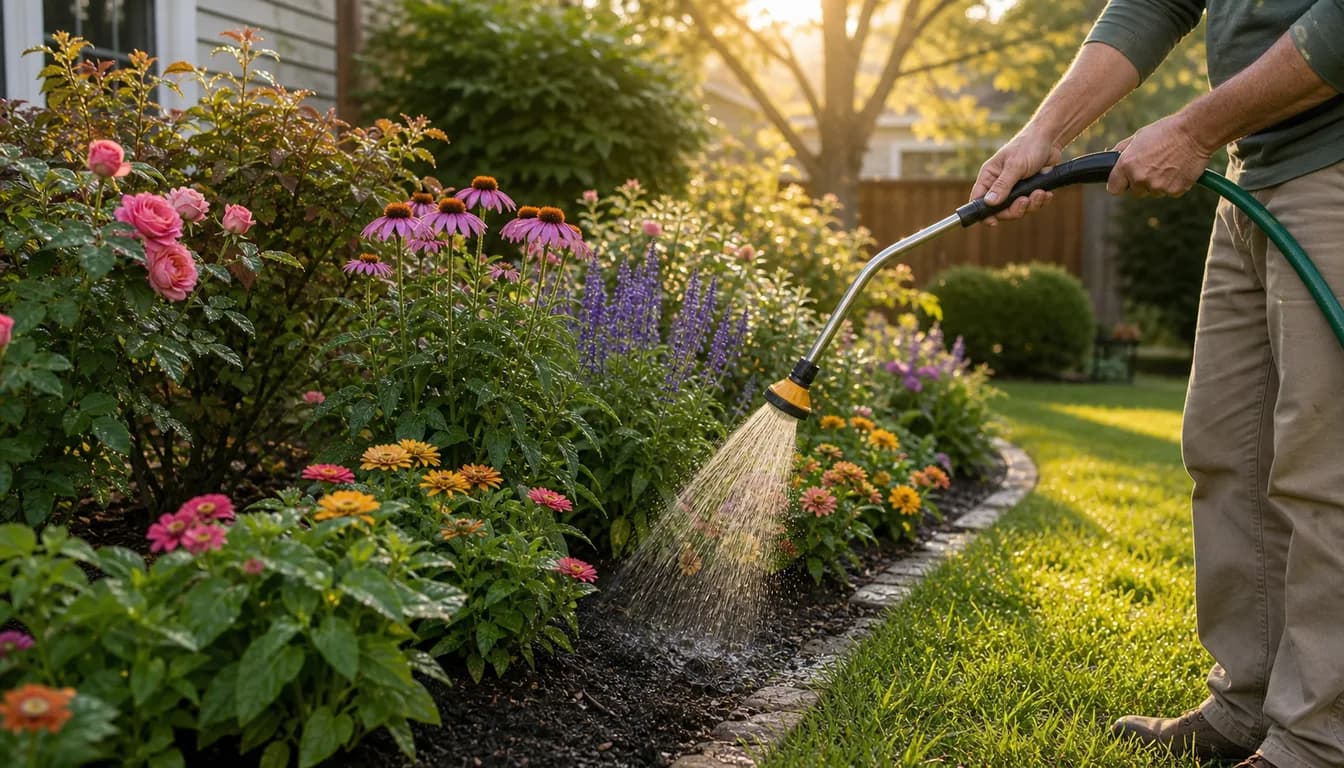
Best Time to Water Flowers for Stronger Blooms
Learn exactly when to water flowers so blooms last longer, plants stay healthier, and you are not wasting water. Covers beds, containers, and hanging baskets.
10 min read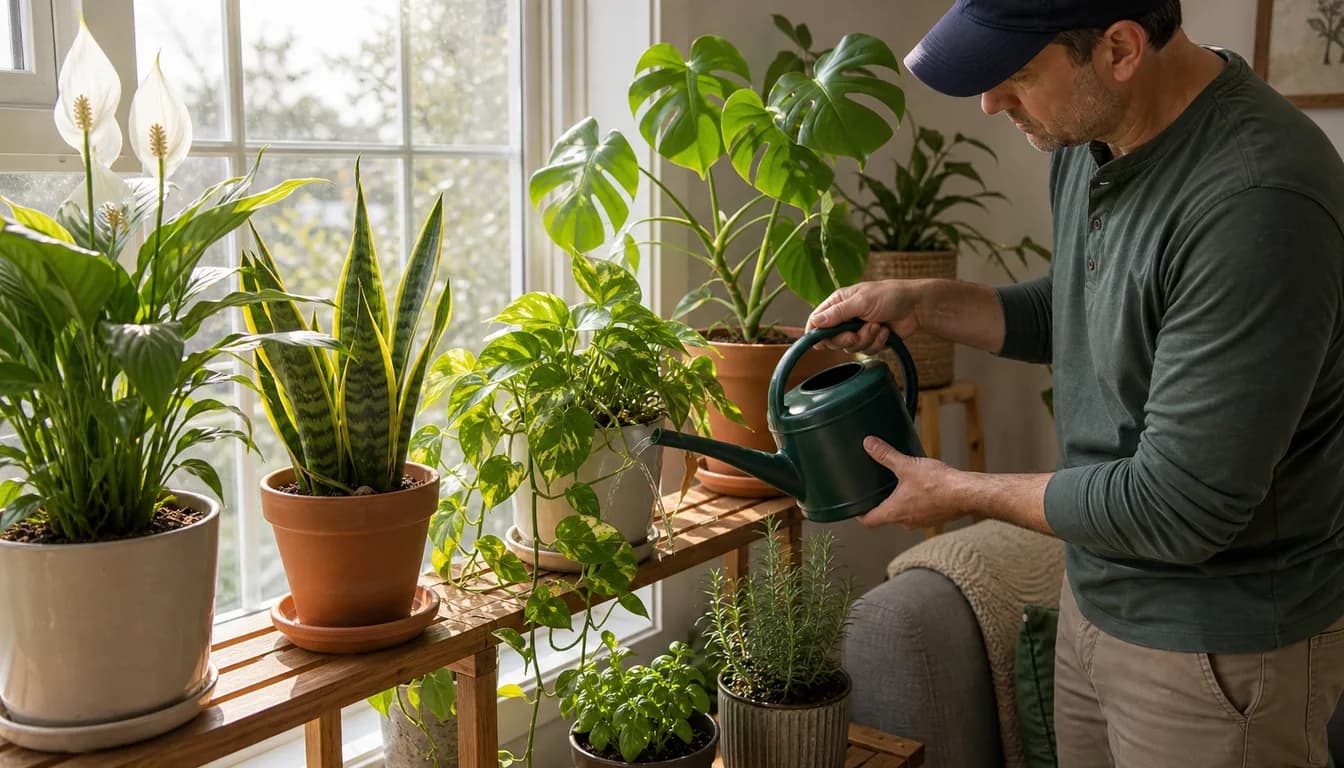
Best Time to Water Indoor Plants for Healthy Growth
Learn exactly when to water indoor plants during the day, how timing changes by season and light level, and how to avoid rot and droop without using a strict calendar schedule.
11 min read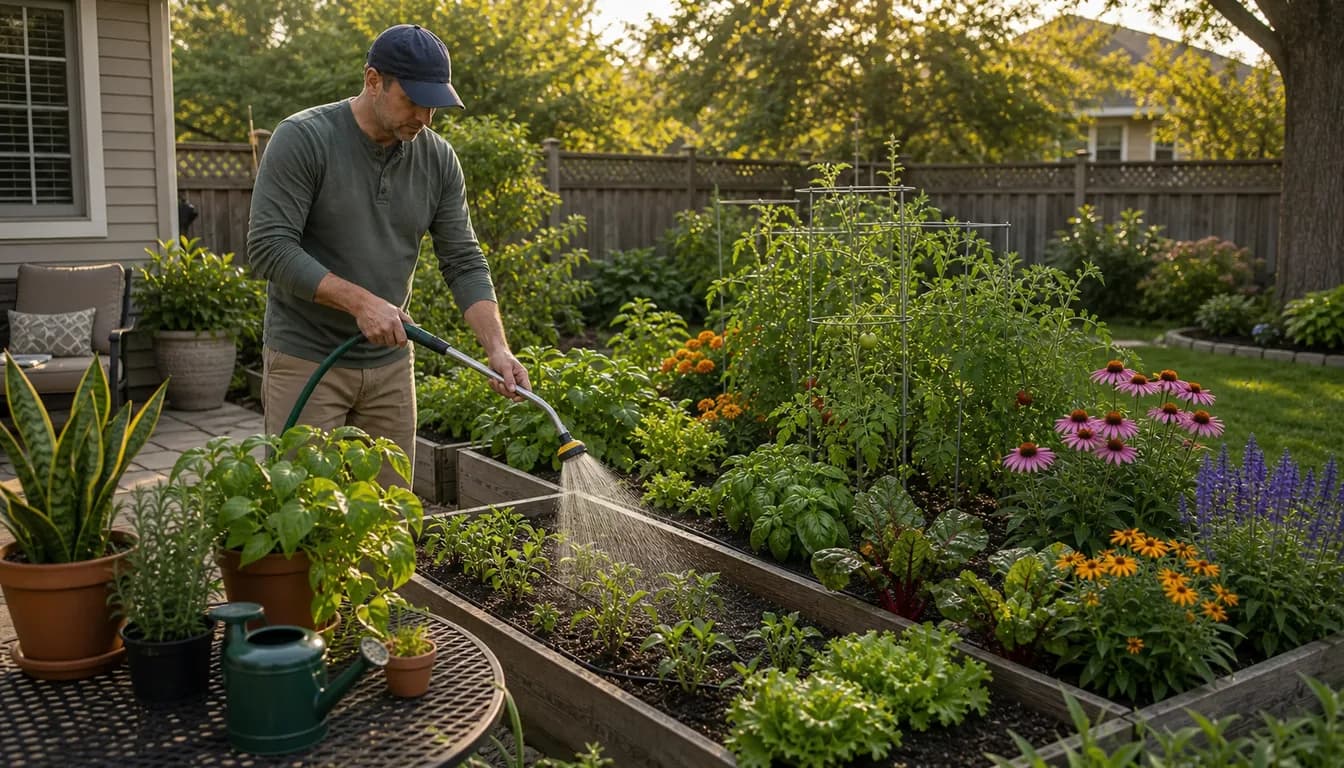
Best Time to Water Plants for Healthier Roots
Learn exactly when to water indoor and outdoor plants so roots drink deeply, leaves stay healthy, and soil stays in the ideal moisture range instead of staying soggy or bone dry.
11 min read