verifiedGarden Guides
Fertilizing
Fertilizer is not plant food — plants make their own food through photosynthesis. Fertilizer supplies the mineral nutrients that soil may lack. These guides teach you to read soil test results, choose the right NPK ratio, and time applications to match each plant's growth cycle.
menu_book20Guides
potted_plant34Plants Covered
schedule11 minAvg Read Time
help105FAQs Answered
Fertilizing Guides
20 Guides Availableinfo
About This Hub
Fertilizer is not plant food — plants make their own food through photosynthesis. Fertilizer supplies the mineral nutrients that soil may lack. These guides teach you to read soil test results, choose the right NPK ratio, and time applications to match each plant's growth cycle. These guides are maintained from published references, practical garden context, and internal editorial review.
science
NPK Ratios Explained
Every fertilizer label displays three numbers: nitrogen (N), phosphorus (P), and potassium (K). A 10-10-10 fertilizer contains 10% of each by weight. The remaining 70% is filler and carrier material.
Nitrogen drives leaf and stem growth. Lawns and leafy vegetables need higher nitrogen ratios. Phosphorus supports root development and flowering. Transplants and blooming plants benefit from elevated phosphorus. Potassium strengthens cell walls and disease resistance.
More is not better. Excess nitrogen causes leggy growth, reduced flowering, and increased pest susceptibility. Always follow soil test recommendations rather than guessing ratios.
eco
Organic vs. Synthetic Fertilizers
Synthetic fertilizers deliver nutrients in immediately plant-available ionic forms. They act fast but don't improve soil structure. Repeated use without organic matter can degrade soil biology over time.
Organic fertilizers (compost, fish emulsion, bone meal) release nutrients slowly as microbes break down organic matter. They build soil structure and support beneficial microbial communities, but nutrient delivery is less predictable.
For most home gardeners, a hybrid approach works best: organic matter as a soil-building base, with targeted synthetic applications to address specific deficiencies identified by soil tests.
schedule
Timing Is Critical
Fertilizing during dormancy wastes nutrients and can damage roots. Plants only absorb nutrients when actively growing, and application timing varies by species and climate zone.
Most houseplants need fertilizer only during spring through early fall — the active growth period. Reduce to half-strength or stop entirely in winter when light levels drop and growth stalls.
Lawn fertilization follows soil temperature triggers. Cool-season grasses benefit most from fall feeding (soil 55–65°F). Warm-season grasses respond best to late spring applications (soil above 65°F).
science
Reading a Soil Test Report
A $10–20 soil test from your county extension office is the most cost-effective investment in plant health. It eliminates guessing and prevents over-application, which wastes money and can pollute waterways.
Key values to look for: pH (determines nutrient availability), phosphorus and potassium levels (rated low/medium/high), and organic matter percentage (target 3–5% for gardens).
If pH is below 6.0, most nutrients become less available regardless of fertilizer added. Correcting pH first with lime (to raise) or sulfur (to lower) often resolves deficiency symptoms more effectively than adding more fertilizer.
calendar_monthSeasonal Fertilizing Tips
local_floristSpring
Resume houseplant fertilizing at half strength when you see new growth emerging. For gardens, apply compost 2–4 weeks before planting to give microbes time to activate.
wb_sunnySummer
Heavy-feeding vegetables like tomatoes and corn benefit from side-dressing with compost or granular fertilizer every 3–4 weeks during active fruiting.
parkFall
Apply a winterizer fertilizer to cool-season lawns (high potassium, moderate nitrogen) to strengthen roots before dormancy. This is the most impactful single application of the year.
ac_unitWinter
Stop fertilizing most houseplants entirely. Low light means low metabolism — unused nutrients accumulate as toxic salts in the soil. Resume when spring light returns.
 Fertilizing
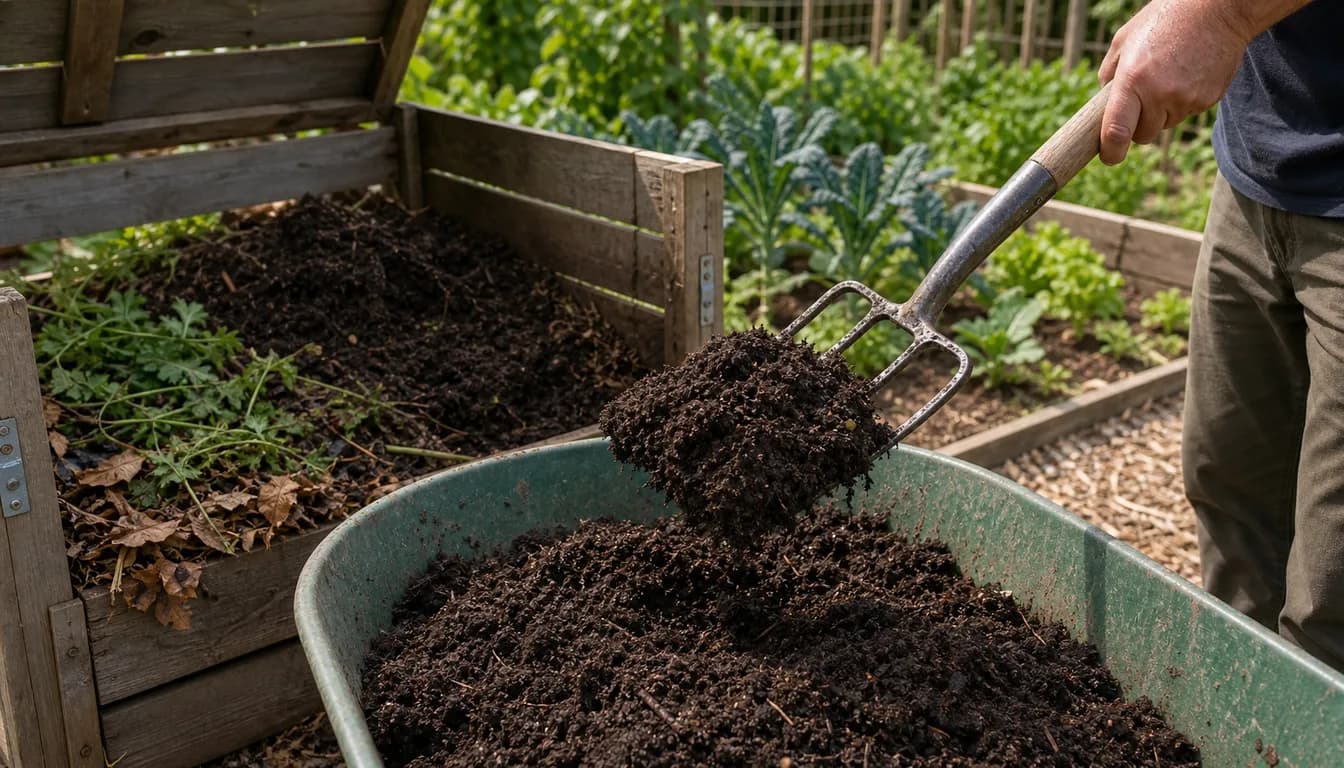
Composting Facts That Actually Help Your Garden
Straight answers on composting facts that matter for home gardens, from what to put in the pile to how long it really takes to get usable compost.
schedule11 min readsignal_cellular_altAll Levels
Read Guide arrow_forward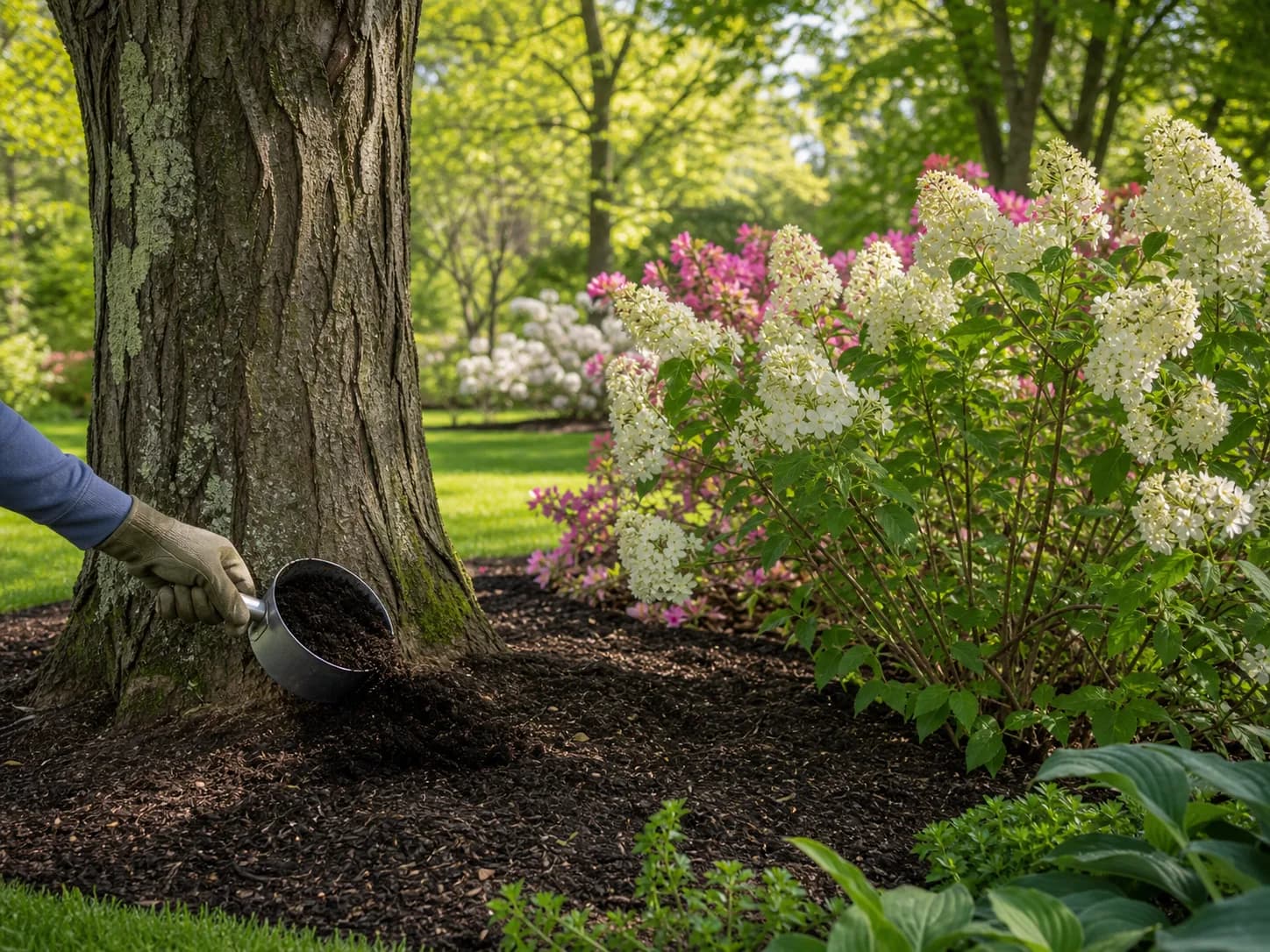 Fertilizing
When to Fertilize Trees and Shrubs Without Pushing Weak Growth
Learn the best time to fertilize trees and shrubs, how timing changes for flowering shrubs, evergreens, and fruit trees, and when to skip feeding altogether.
schedule10 min readsignal_cellular_altAll Levels
Read Guide arrow_forward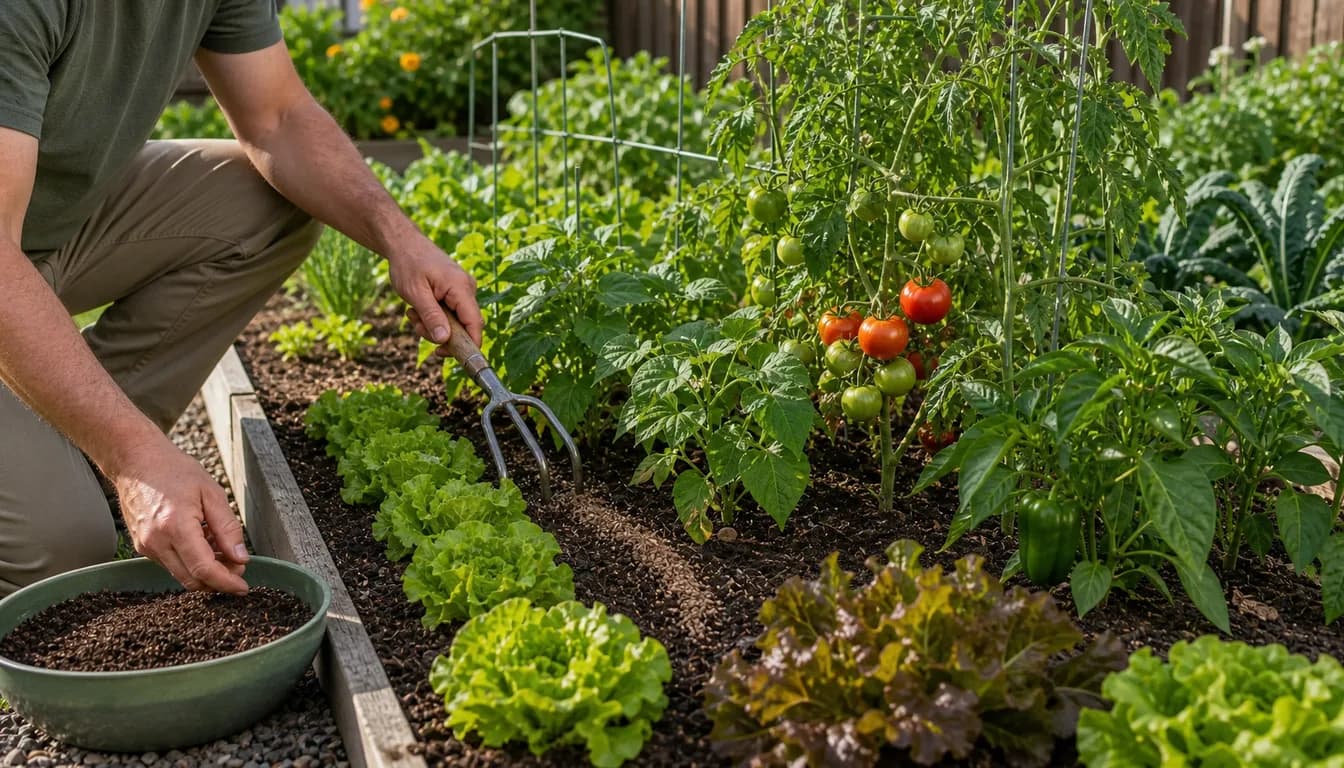 Fertilizing
How to Fertilize a Vegetable Garden for Maximum Yield
Practical, step‑by‑step fertilizing advice for backyard vegetable gardens, including soil prep, NPK choices, timing, and application methods so you get more food from every square foot.
schedule14 min readsignal_cellular_altAll Levels
Read Guide arrow_forward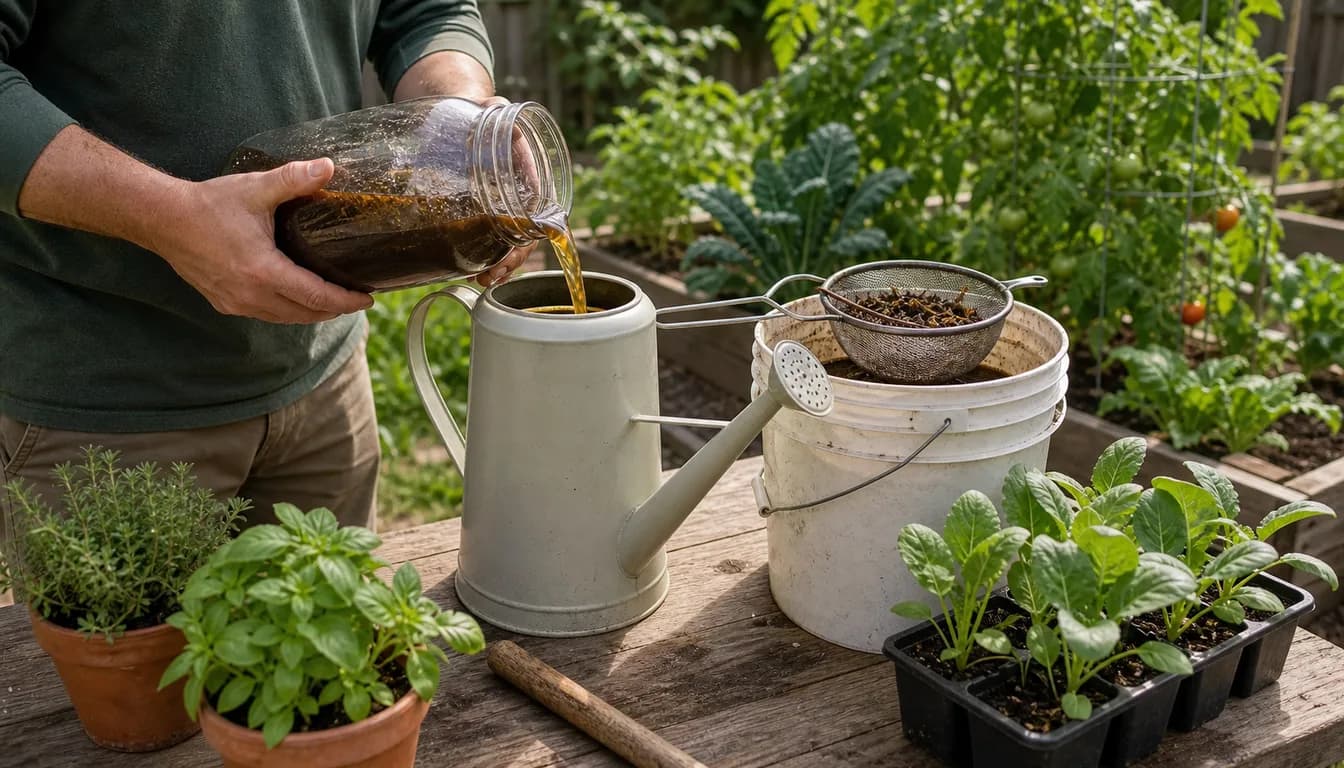 Fertilizing
Homemade Liquid Fertilizer for Healthier Plants
Learn how to make homemade liquid fertilizer from kitchen scraps and yard waste, with clear recipes, dilution rates, and safety tips so you can feed houseplants, vegetables, and flowers without buying bottled products.
schedule11 min readsignal_cellular_altAll Levels
Read Guide arrow_forward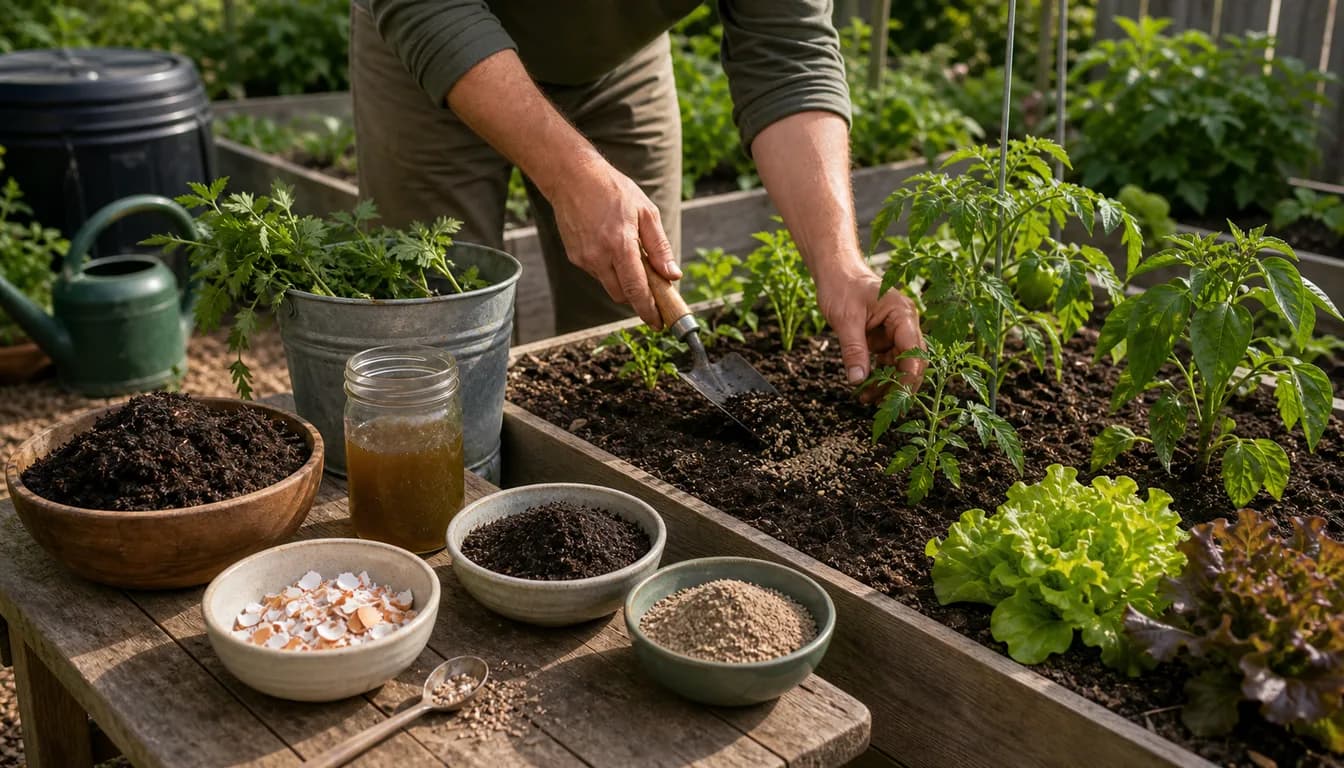 Fertilizing
Make Homemade Vegetable Fertilizer That Actually Works
Learn how to mix safe, effective homemade vegetable fertilizer from common ingredients, when to use each type, and how to avoid burning your plants.
schedule11 min readsignal_cellular_altAll Levels
Read Guide arrow_forwardhelpFrequently Asked Questions
How often should I fertilize houseplants?expand_more
During active growth (spring–early fall), most houseplants benefit from fertilizer every 2–4 weeks at half the label rate. In winter, reduce to monthly or stop entirely. Over-fertilizing causes salt buildup, root burn, and brown leaf tips.
What does fertilizer burn look like?expand_more
Fertilizer burn appears as brown, crispy leaf margins, yellowing foliage, and white salt crusts on soil surface. Flush the pot with several volumes of water to leach excess salts. In severe cases, repot into fresh soil and trim damaged roots.
Is compost enough or do I need fertilizer too?expand_more
Compost improves soil structure and provides slow-release nutrients, but it may not supply enough of specific minerals for heavy-feeding crops. A soil test tells you whether compost alone is sufficient or if targeted supplementation is needed.
What's the best fertilizer for tomatoes?expand_more
Tomatoes need balanced nutrition early (10-10-10) and higher phosphorus and potassium once flowering begins (5-10-10). Calcium supplementation prevents blossom end rot. Avoid high-nitrogen formulas during fruiting — they produce leaves at the expense of fruit.
Can I make my own fertilizer at home?expand_more
Compost tea, worm castings, banana peel water, and fish emulsion are effective homemade options. However, nutrient concentrations are inconsistent. For precision, use these as supplements alongside a soil-test-guided fertilization plan.
Why are my plants yellowing despite regular fertilizing?expand_more
Yellowing despite fertilization usually indicates a pH problem locking out nutrients, overwatering-damaged roots that can't absorb nutrients, or a specific micronutrient deficiency (iron, magnesium) not addressed by your fertilizer. Test soil pH first.