yard
KnowTheYard

databasePlant Database

Browse by category

potted_plant

Houseplants

Indoor & tropical species

nutrition

Vegetables

Edible garden crops

spa

Herbs

Culinary & medicinal

local_florist

Flowers

Ornamental blooms

water_drop

Succulents

Drought-tolerant species

park

Trees

Arboreal species

forest

Shrubs

Bushes & hedges

nature

Perennials

Garden flowers

grass

Lawn Grasses

Turf varieties

local_dining

Fruits

Fruit-bearing plants

Best Indoor Plantsarrow_forwardBest Shade Plantsarrow_forward

menu_bookGarden Guides

Step-by-step guides by task type

grass

Lawn Care

Seasonal checklists and year-round maintenance guides for a championship lawn.

yard

Planting

When, where, and how to plant — from seed to transplant for every garden type.

water_drop

Watering

Deep-watering techniques, schedules by plant type, and drought management.

compost

Fertilizing

Feeding schedules, NPK ratios, and organic vs synthetic options by plant.

pest_control

Pest Control

Identify, prevent, and treat common garden pests without harming beneficial insects.

content_cut

Pruning

Pruning timing, techniques, and tools for trees, shrubs, and flowering plants.

Popular Guides

parkFall Lawn Carelocal_floristSpring Lawn Carecalendar_monthFull Calendar
All Guidesarrow_forwardLawn Care Hubarrow_forward
ToolsCompareRegional GuidesPlant ProblemsPet SafetyAbout
searchPlant Finder
yardKnowTheYard

Published plant profiles, practical care guides, problem diagnosis pages, and side-by-side comparisons for home gardeners.

chatphoto_camera

databaseBrowse Plants

  • arrow_forwardHouseplants
  • arrow_forwardVegetables
  • arrow_forwardHerbs
  • arrow_forwardFlowers
  • arrow_forwardTrees

menu_bookResources

  • arrow_forwardGarden Tools
  • arrow_forwardRegional Guides
  • arrow_forwardPlant Problems
  • arrow_forwardPet Safety
  • arrow_forwardCare Calendar
  • arrow_forwardPlant Finder

infoCompany

  • arrow_forwardAbout Us
  • arrow_forwardOur Team
  • arrow_forwardMethodology
  • arrow_forwardEditorial Policy
  • arrow_forwardContact Us

mailEmail Updates

Join the list for new guides, seasonal notes, and launch updates.

No spam. Request removal anytime.

fact_check

Reviewed Pages

77 pages currently attributed to public review lanes

public

USDA Zone Coverage

Zone-aware recommendations and regional growing context

database

230 Published Plant Profiles

555 public pages across profiles, guides, comparisons, and problem pages

© 2026 KnowTheYard. All rights reserved.

Privacy PolicyTerms of ServiceContactSitemap
Home/shrubs/Azalea Shrubs for Four-Season Foundation Color/No Blooms
scienceEditorial DiagnosisUpdated Feb 20, 2026

Azalea No Blooms

A practical guide to diagnosing why **azaleas** (Rhododendron group) fail to flower and how to restore reliable spring blooms by adjusting light, pruning timing, soil acidity, moisture, and fertilizer without risking next season's buds.

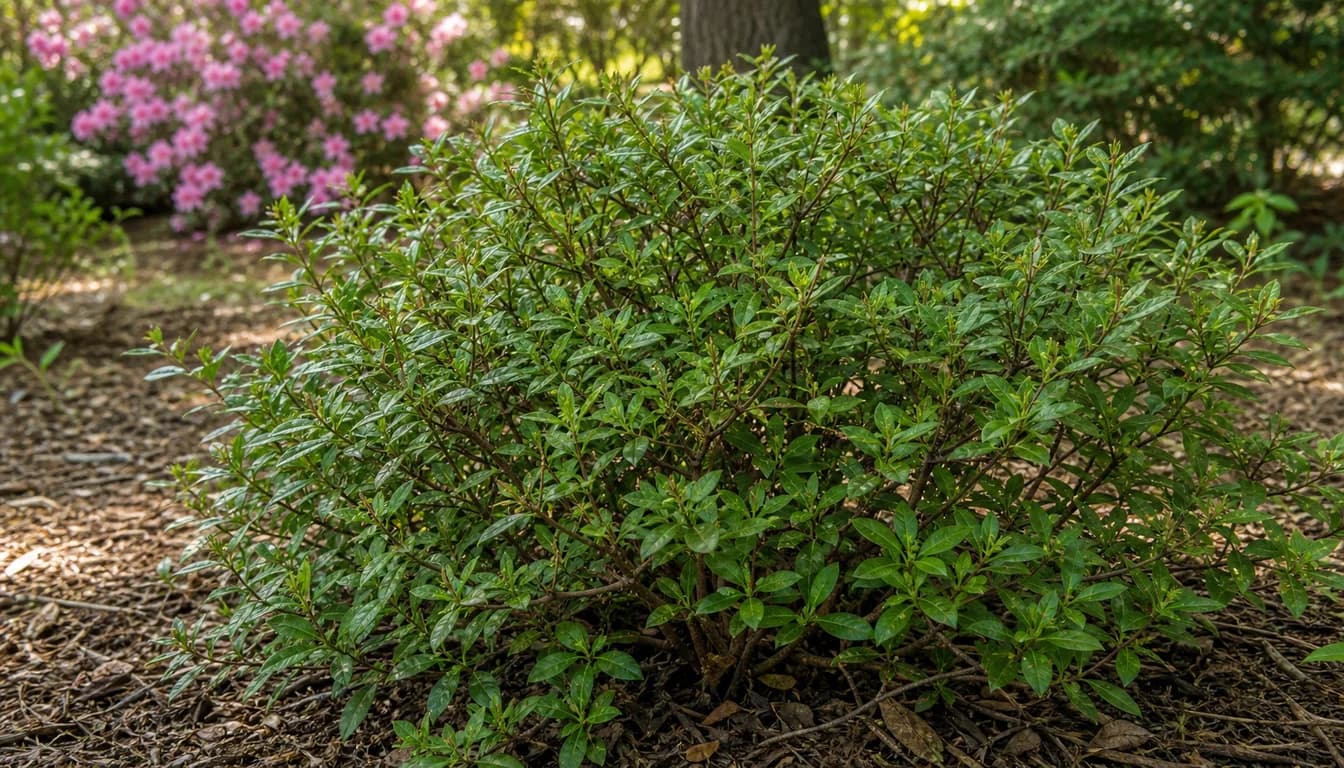
Flowerless azalea shrub with small evergreen leaves and bare twig tips in a mulched spring garden, with pink blooms blurred in the background.

Flowerless azalea shrub with small evergreen leaves and bare twig tips in a mulched spring garden, with pink blooms blurred in the background.

lightbulb
bolt

Quick Diagnosis

Most Likely Cause: Incorrect light, wrong pruning timing, or improper fertilizer timing.

Azaleas bloom on old wood - missing the pruning window or giving a late high-nitrogen feed often prevents bud set, and a sudden spring loss after warm weather can also point to late freeze damage; check your local expected freeze timing with your area's average last frost dates when diagnosing bud loss. Insufficient morning sun or late frost damage are the next most common causes.

Jump to fix steps arrow_downward

Azaleas (members of the Rhododendron group) set flower buds on last season's growth, so what you do this year directly affects next spring's display. If you want a quick refresher on how these shrubs differ from related types, compare their growth and bloom habits with the similar rhododendron group.

In USDA zones 4-9 most common landscape azaleas prefer partial shade with morning sun and extra protection from hot afternoon light. When an azalea produces leaves but no flowers, it usually signals a problem with light exposure, pruning timing, soil acidity, or winter bud survival rather than a mysterious disease.

Light is a major bloom driver: azaleas thrive with filtered sun or morning sun and afternoon shade; too little sun reduces bud formation, while too much hot afternoon sun can scorch plants and reduce vigor. If your shrub sits under dense evergreen canopy or on the north side of a building, lack of light is often the simplest explanation.

Soil matters: azaleas need acidic soil (low pH), steady moisture in well-drained media, and plenty of organic matter. Their basic requirements overlap with other acid-loving crops, which is why gardeners compare pH needs with other acid-preferring plants when planning beds. Compacted or poorly drained soils choke roots and cut bud production.

Conversely, an over-rich late-season nitrogen boost or a heavy compost top-dressing applied in late summer can prolong vegetative growth and delay or blunt bud set for the following spring.

pest_control
Plant Problem - See AlsoAzalea Yellow Leaves
chevron_right
psychology

Understanding Bud Set, Soil, and Frost Risk

Azalea flower buds usually form in mid to late summer and into early fall on stems produced earlier in the year; those flower initials must survive winter to open the following spring. A late-season warm snap that triggers new growth followed by a hard freeze will kill those tender bud initials and result in no blooms the next year.

Soil pH influences nutrient uptake: azaleas prefer acidic soil (pH roughly 4.5-6.0). If pH drifts neutral or alkaline, iron and phosphorus become less available and bloom can suffer even when leaves look acceptable. You can test pH with a home kit or a lab test-adjust slowly using sulfur or acidifying fertilizers and retest after several months.

Frost damage commonly looks like blackened or browned buds and early-season flower buds that fail to open. To check for frost injury, gently split a suspect bud in late winter-healthy buds are firm and green inside while frozen ones are dark and mushy.

thermostat

Environmental Baseline

Before diagnosing specific failures, confirm your Azalea Shrubs for Four-Season Foundation Color's environment matches its core care requirements.

forestAzalea Shrubs for Four-Season Foundation Color Care Needs

  • Light: ==**part shade, filtered sun**==; some full sun in cool climates
  • Water: ==**moderate; consistently moist, never soggy**==
  • Temp: Prefers cool roots and mild summers

homeTypical Indoor Home

  • Humidity: 30-50% (Low)
  • Temp: 65-72°F variable
  • Light: Often too dim or direct
biotech

Possible Causes

Sorted by likelihood

1. Insufficient Light

Likelihood: High

Azaleas in dense shade or under deep evergreen canopy often produce foliage but fail to set flower buds. They need intermittent bright light or morning sun; continuous deep shade reduces the hormonal signals that trigger bud formation.

Identification

  • remove_circle_outlineShrub is densely foliated with long internodes and thin growth but no visible flower buds.
  • remove_circle_outlinePlant located under evergreen trees, on the north side of a house, or behind taller shrubs blocking morning sun.
  • remove_circle_outlineLeaves are a healthy green but growth looks leggy or pale from lack of direct morning light.
  • remove_circle_outlineFixes are to increase light exposure; move plant only if necessary.

The Fix

  1. 1If feasible, prune or remove shading branches from overstory trees in late winter to increase morning sun.
  2. 2Relocate container azaleas to a spot with morning sun and afternoon shade before the bud-setting period (late summer to early fall).
  3. 3Thin nearby shrubs carefully in spring so light reaches the azalea without exposing it to harsh afternoon sun; avoid heavy pruning during the bud-setting window.
  4. 4Note: transplanting large landscape azaleas is disruptive and best done in fall or early spring.
  5. 5Consider testing sun exposure across the day before making major changes.

2. Pruning at the Wrong Time (Removing Buds)

Likelihood: High

Because azaleas bloom on old wood, pruning after the summer or in early spring can cut off the flower buds that formed last season. The correct window is immediately after flowering finishes in spring.

Identification

  • remove_circle_outlineShrub was pruned late summer, fall, or early spring and no flower buds are visible on older wood.
  • remove_circle_outlineNew growth is vigorous but no tight, rounded floral buds exist at shoot tips where flowers should appear.
  • remove_circle_outlineMajor shaping or hedge-style topping occurred in the months before bloom set.
  • remove_circle_outlineFixes include waiting until after bloom next year to reshape and managing growth with selective thinning.

The Fix

  1. 1Schedule structural pruning right after flowering so the shrub has time to set buds on new growth for the following season.
  2. 2For overgrown plants, remove no more than one-third of the oldest stems in a single year and stagger reductions over multiple seasons.
  3. 3Avoid hard shearing in late summer or fall; use selective thinning cuts to keep the crown airy while preserving bud sites.
  4. 4If buds were removed this year, expect next-season recovery - follow light and soil fixes to encourage bud set.
  5. 5Mark major pruning dates on your calendar to prevent repeat mistakes.

3. Excess Nitrogen or Late Fertilizer

Likelihood: Medium

Fertilizer high in nitrogen or applications made late into the growing season encourage leafy growth and delay or inhibit bud set. Azaleas respond best to acid-forming fertilizers applied after bloom, not late summer feeding.

Identification

  • remove_circle_outlineStrong flushes of soft, dark green growth late in summer or fall after feeding.
  • remove_circle_outlineGarden soil amended heavily with fresh compost or high-N lawn clippings placed near roots late in the season.
  • remove_circle_outlineFertilizer was applied in late summer, fall, or close to dormancy.
  • remove_circle_outlineFixes are to stop late feeds and switch to post-bloom acid fertilizer schedules.

The Fix

  1. 1Stop high-nitrogen fertilizer by mid-summer; resume feeding in late spring to early summer after bloom with a slow-release acid-forming product.
  2. 2Use fertilizers formulated for acid-loving plants or apply sulfate of ammonium sparingly following label directions.
  3. 3Apply mulch of well-rotted pine bark or acid compost in spring to moderate nutrient release; avoid fresh manure or green-waste mulch near roots in late summer.
  4. 4If you suspect overfertilization, flush the root zone with water to leach excess salts, then resume a proper schedule next season.
  5. 5Test soil nutrient levels if feeding history is unknown.
menu_book
Guide - See AlsoAir Purifying Plants for Cleaner Indoor Air
chevron_right
potted_plant

Root Health Examination

A direct inspection of the root system distinguishes root rot from drought stress - saving weeks of guesswork.

check_circleHealthy Roots

  • Firm to the touch
  • White or light tan color
  • Earthy, pleasant smell

cancelCompromised Roots

  • Mushy or slimy texture
  • Dark brown or black color
  • Sour, rotting odor

Inspection Step: Gently slide the pot off while supporting the base of the stems. The outer root ball gives sufficient clues without disturbing all the soil.

gpp_bad
warning

When to Worry

A few yellow leaves are normal. If more than 20% of foliage turns yellow within a week, or new growth is affected, act immediately - check the roots first.

timeline

Recovery Protocols

Recovery takes time. Once the root cause is corrected, implement a 30-day stabilization window.

ImmediateFirst actions within 0-2 weeks

Stop any late-season high-nitrogen applications immediately, check for visible frost damage on buds, and inspect light exposure. Mark pruning needs but defer major cuts until after the next bloom. If soil moisture is irregular, begin a steady deep-watering schedule to avoid drought stress.

Short-term1-6 months (this growing season)

Adjust shade by thinning overhead branches or shifting potted plants to morning sun sites before mid-summer so the plant can form buds. Apply a light acid-forming fertilizer after bloom and correct soil pH if tests show alkalinity; amendments take weeks to months to change root-zone chemistry.

Medium-term6-12 months (into next bloom)

Bud set occurs late summer-fall; with corrected light, pruning timing, and fertilizer schedule you should see developing buds by fall and flowers the next spring. If buds were killed by frost this season, you may need to wait an extra year for fuller recovery depending on plant age and vigor.

menu_book
Guide - See AlsoBest Herbs to Grow Indoors for Real Harvests, Not Spindly Pots
chevron_right
shield

Preventing Future Issues

To protect future blooms: prune immediately after flowering, give azaleas morning sun and afternoon shade, test and maintain acidic soil pH, avoid late high-nitrogen feeds, and protect buds from late freezes with temporary covers or site selection; gardeners in zone 4 should give extra winter shelter and hardier siting choices while those in zone 9 can rely on milder winters but must guard against summer heat stress with afternoon shade and mulching. Remember azaleas are toxic if ingested; keep pets and children away from trimmings and fallen leaves. Diagnosis tip: Azaleas bloom on old wood. If you prune after bloom or during bud set, you may remove next year’s buds. Look for signs of late frost, insufficient light, or overly rich fertilizer as the first culprits.

menu_book

Related Reads

pest_control
Plant ProblemAzalea Yellow Leaves
chevron_right
menu_book
GuideAir Purifying Plants for Cleaner Indoor Air
chevron_right
menu_book
GuideBest Herbs to Grow Indoors for Real Harvests, Not Spindly Pots
chevron_right
menu_book
GuideBest Indoor Plants for Every Room and Light Level
chevron_right
Azalea Shrubs for Four-Season Foundation Color (Rhododendron spp.) - full care guideRhododendron spp.

Azalea Shrubs for Four-Season Foundation Color

Ericaceae Family

wb_sunny

Light

==**part shade, filtered sun**==; some full sun in cool climates

water_drop

Water

==**moderate; consistently moist, never soggy**==

thermostat

Temp

Prefers cool roots and mild summers

yardFull Care Guide

On This Page

boltQuick DiagnosispsychologyUnderstandingthermostatEnvironment CheckbiotechPossible Causespotted_plantRoot ExamwarningWhen to WorrytimelineRecovery PlanshieldPreventionmenu_bookRelated Reads