
Passion Fruit: Vigorous Vine Care, Pollination, and Harvest
Passion fruit is a vigorous subtropical vine grown for ornate flowers and tangy aromatic fruit. It can be very productive in warm climates or large containers, but it needs a strong support, full sun, steady moisture, pollination, and pruning before it becomes a tangled wall of leaves.
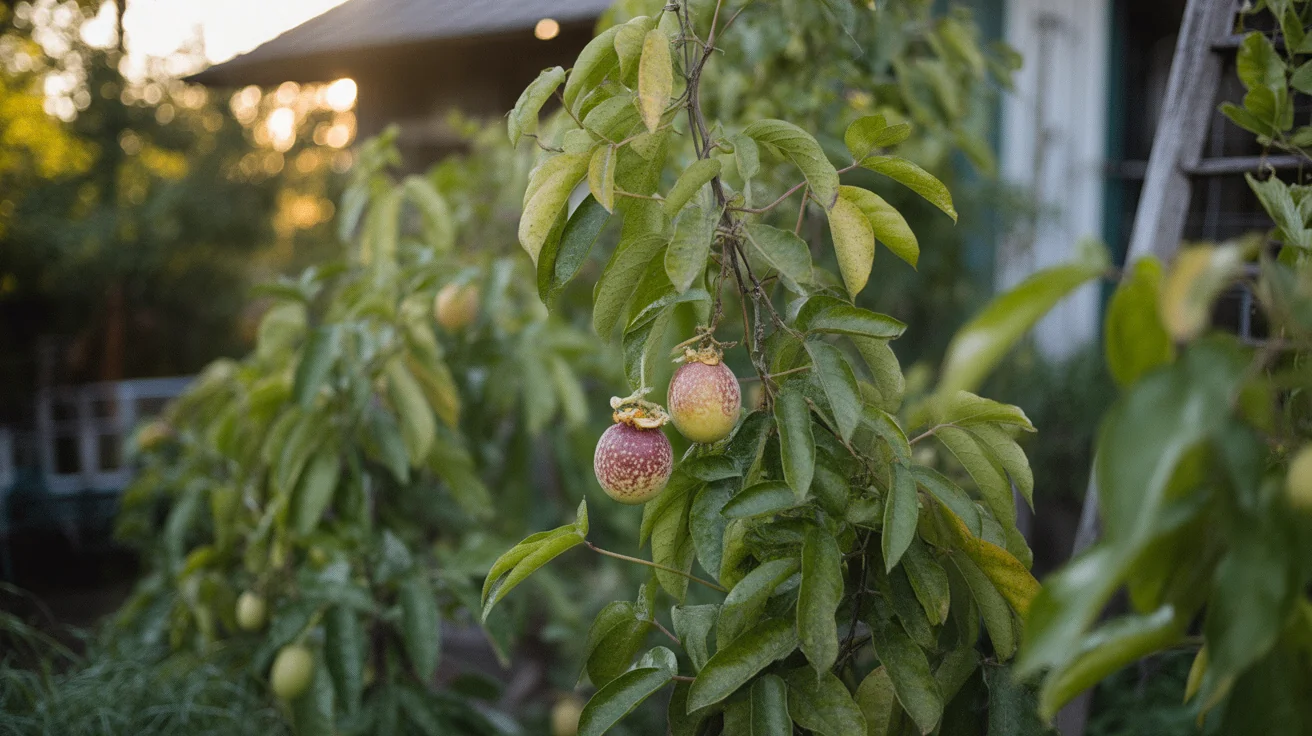
Passion Fruit Is a Fruiting Vine, Not a Tidy Shrub
The growth habit explains the care, since Passion fruit grows as a fast climbing vine with tendrils, ornate flowers, and fruit that ripens after successful pollination. It needs structure before it needs decoration.
A healthy vine can run 10-25 feet in a season, so a light tomato cage will not do. Use a fence, arbor, pergola, or wire trellis built for real weight.
Compared with grapes, passion fruit is usually more tender and faster-growing, with fruiting tied strongly to warm weather and pollination.
Passion fruit is a vigorous vine before it is a fruit crop. It needs a strong trellis from the start, because a happy plant can cover a fence quickly and becomes hard to untangle once fruiting arms are established.
The passionflower's intricate corona of thread-like filaments is specifically built to guide pollinators, mostly large bees and, for some species, hummingbirds, straight to the reproductive parts at the flower's center.
A single passion fruit vine can produce dozens of fruit clusters along its main leaders once the framework is established, which is why the first season's training work pays off for years afterward.
The genus name Passiflora, meaning passionflower, was given by early Spanish missionaries who read the flower's intricate parts as symbols of the crucifixion, a naming story that still shows up in old garden references.
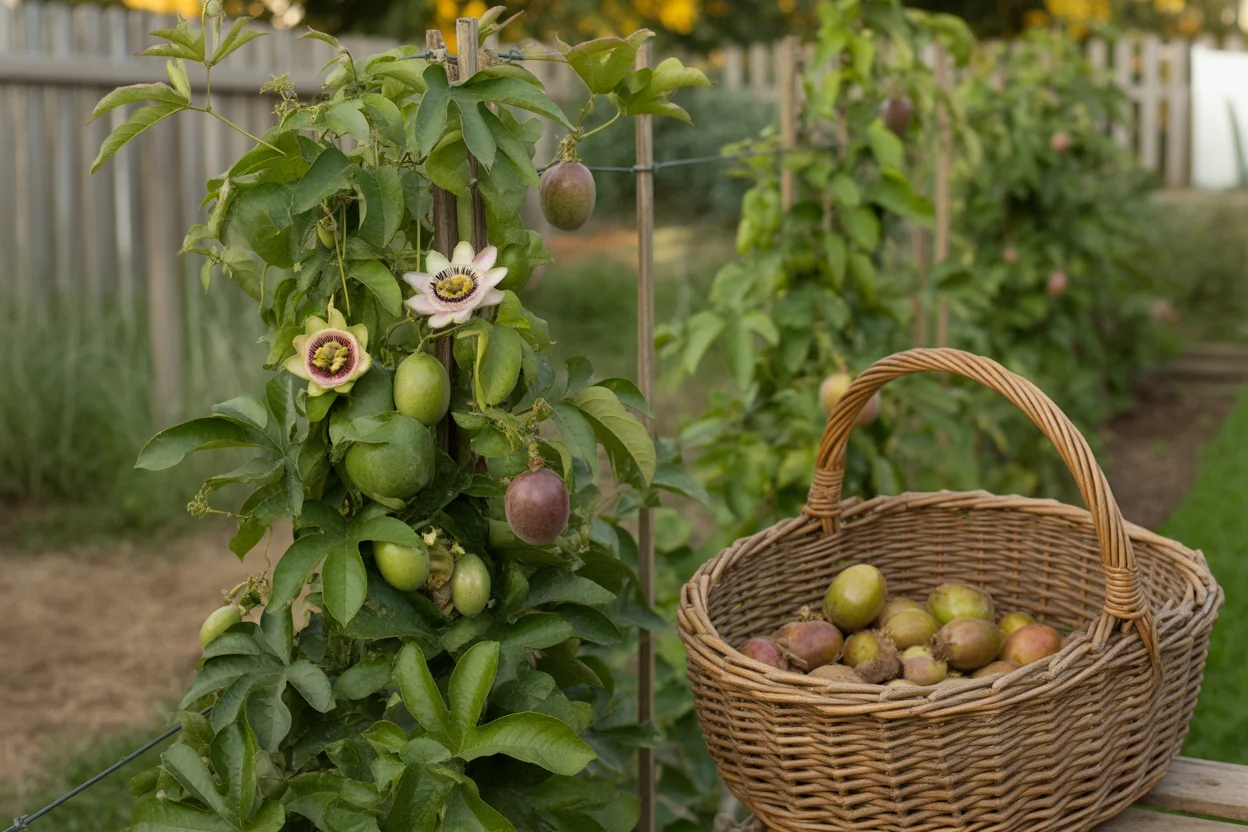
Purple, Yellow, and Hybrid Passion Fruit
Purple passion fruit types are often favored for fresh eating because they can be sweeter and somewhat more tolerant of cooler nights.
Yellow types are usually more vigorous, more tropical, and often more tart. They suit hot climates and juice use better than short cool seasons, much like pomegranate rewards heat more than cool summers.
Some vines are self-fertile, while others set better with a second compatible vine. If flowers open but fruit does not form, hand-pollination or a partner plant may be needed.
Hand-pollination works best while flowers are fresh, usually earlier in the day. Move pollen from anthers to the receptive stigma, then watch whether the flower stem swells over the next several days.
Purple passion fruit, yellow passion fruit, and hardy maypop do not behave the same. Cold tolerance, fruit flavor, and pollination needs shift by species, so the best choice depends on whether you want fruit, flowers, or survival.
- Purple types
- Often sweeter, good fresh flavor, somewhat better in cooler subtropical sites
- Yellow types
- More vigorous, more heat-loving, often tart and good for juice
- Hybrids
- May improve size, disease resistance, or climate tolerance
- Container vines
- Need large pots, strong support, and winter protection where frost occurs
Banana passionfruit, a distinct cold-hardy relative, tolerates cooler nights than either purple or yellow types but produces a milder, less tart fruit.
Grafting purple passion fruit onto yellow rootstock is a technique some growers use specifically to combine purple fruit quality with yellow rootstock's stronger disease tolerance.
Comparing a few labeled cultivars side by side at a nursery, rather than buying the first pot in flower, usually reveals real differences in fruit tartness, vine vigor, and cold sensitivity.
Sun for Flowers, Not Just Leaves
Start with the site, since Passion fruit needs 6-8 or more hours of sun for strong flowering and fruit. In weak light, it can cover a trellis with leaves and still set little.
In hot inland climates, protect the root zone with mulch while keeping the top in sun. The vine wants warm light, not baked dry roots.
If you are growing in a pot, put the container where the vine can climb into light without shading itself into a dense mat.
Flowers also attract hummingbirds and bees where vines bloom heavily. If wildlife is part of the goal, borrow placement ideas from hummingbird plants while still giving the vine enough sun to set fruit.
- Best site: sunny trellis with airflow.
- Avoid: deep shade and crowded fences.
- Hot sites: mulch roots and water steadily.
- Containers: place support before the vine takes off.
A vine trained along a south-facing wall picks up extra reflected heat, which can push flowering earlier in marginal climates but also raises the risk of leaf scorch in peak summer.
Morning sun matters specifically for drying overnight dew off the foliage before fungal spores have a long damp window to establish.
A young vine started in too much shade often survives but takes noticeably longer to reach its first bloom than one given full sun from the start.
Steady Water While Vines Grow and Fruit
Read the soil before the calendar, since Passion fruit needs steady moisture during active growth, flowering, and fruit fill, and drought can cause flower drop, fruit drop, or small wrinkled fruit.
Water deeply when the top soil dries, using the same slow-soak principle as deep watering. Do not keep the crown swampy.
Watch flowering as much as foliage, since a vine can look vigorous while water stress quietly reduces fruit set.
Fruit set improves with steady moisture during flowering and fruit swell. Drought stress can make flowers abort or young fruit shrivel, but soggy soil around the crown can trigger root disease in warm weather.
A layer of mulch over the root zone buffers soil moisture swings and cuts down on how often a large, thirsty vine needs checking during a heat wave.
Container vines benefit from a saucer check after each watering, since a saucer that stays full an hour later is a clear sign the mix is draining too slowly.
Established vines tolerate short dry spells better than newly planted ones, since a deeper, more developed root system buffers against surface drying that would stress a first-year plant.
Rich Soil With Drainage
Start below the surface, since Passion fruit likes fertile, well-drained soil. It is hungrier than dry-climate fruit such as olive trees, but it still dislikes soggy roots.
Mix compost into the planting area and mulch the root zone. Avoid dumping high-nitrogen fertilizer repeatedly, because that can push leaves instead of flowers.
Soil should feed a fast vine without trapping water, so the table is most useful when you read drainage and container volume together.
- Best texture
- Loose loam with compost and good drainage
- pH range
- Slightly acidic to neutral is usually suitable
- Container size
- Large pot, often 20 gallons or more for serious growth
- Fertilizer
- Balanced feeding during growth, not excess nitrogen
A test hole filled with water is worth digging before committing a planting site, since water that still sits after several hours signals drainage too slow for a fast, thirsty vine.
A raised planting mound or slightly elevated bed helps shed excess winter rain away from the crown in regions where passion fruit is grown as a marginal perennial.
Pruning, Training, and Propagation
Train passion fruit to one or two main leaders, then let side shoots carry flowers and fruit. Without training, the vine wastes energy in a tangled canopy.
Prune after the main harvest or before strong new growth, depending on climate. Remove dead, weak, crossing, or overcrowded stems and keep fruiting wood exposed to light.
Before pruning, choose the job, whether shaping, renewing, or multiplying the vine, since each cut should serve one of those goals.
- Install the trellis before planting.
- Train main leaders early.
- Remove tangled interior growth.
- Hand-pollinate if flowers fail to set fruit.
- Propagate only from healthy productive vines.
Semi-hardwood cuttings taken from the current season's growth root more reliably than fully soft green tips or old woody sections, since they carry enough stored energy without being too slow to callus.
Air layering works on established canes that are hard to root as cuttings, letting a new plant develop roots while still attached to the parent vine for support.
Labeling which end of a cutting faced up at the moment of cutting removes any guesswork weeks later, since a reversed cutting simply will not root.
Pests, Disease, and Pollination Problems
Look for the pressure point, since Passion fruit can attract aphids, mites, scale, caterpillars, slugs, snails, and fungal problems where the vine is crowded or humid.
Leaf stippling and webbing point to mites, and the same inspection habits used for spider mites on houseplants transfer well to container vines.
Fruit failure is not always a pest issue. If flowers drop cleanly, check temperature, pollinator activity, and whether the cultivar needs hand-pollination or a second vine.
Caterpillars on passion vine can be damage or ecology, depending on your goal. Some butterflies use passionflower as a host plant, so decide whether the vine is primarily for fruit production or wildlife before removing every larva.
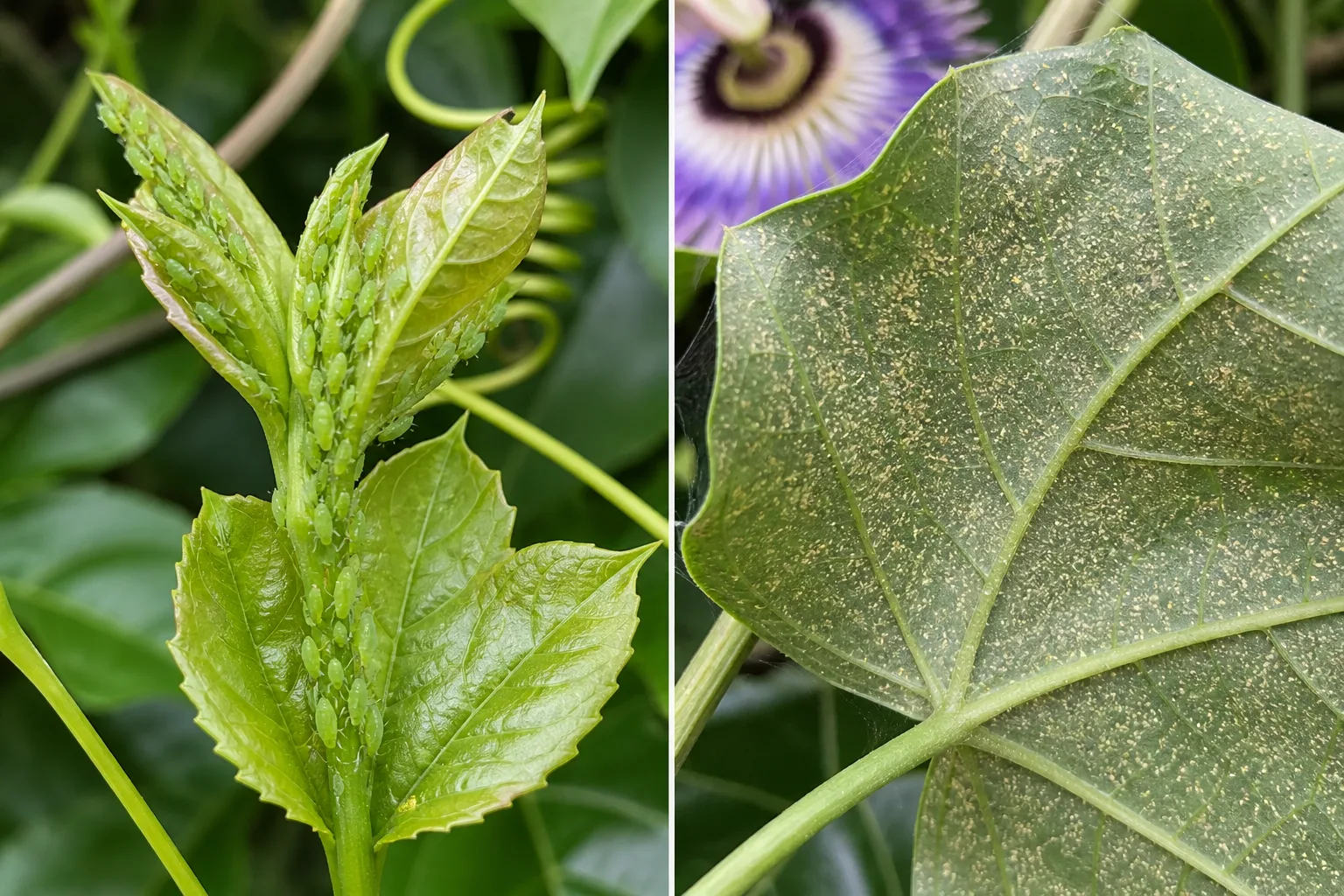
Cluster on tender tips and distort new growth.
Cause dusty stippling in hot dry conditions.
Chew young vines and low leaves in damp weather.
Hand-pollinate flowers and improve sun before blaming insects.
Scale insects sometimes settle along the woody base of older canes, a spot easy to miss during a quick leaf inspection but worth checking every few weeks.
Removing spent flowers and fallen fruit promptly reduces the fungal spores and fruit fly pressure that can otherwise build up quickly in a humid, crowded canopy.
A weekly walk-through with a flashlight aimed at leaf undersides catches most early infestations before populations build large enough to cause visible damage.
Seasonal Vine Care
Spring is planting, training, and feeding season for passion fruit. Wait for warm soil, then guide new shoots onto the support before they twist into nearby plants.
Summer is flowering, watering, and pollination season. Hand-pollinate in the morning if bees are scarce or fruit set is poor.
In marginal climates, treat passion fruit as a vine with a frost plan. Protect the crown, prune after the coldest weather passes, and do not remove all productive laterals unless you are ready to rebuild the fruiting framework.
Passion fruit can outgrow its support in one season. Regularly tying main leaders and removing tangled weak growth keeps the vine productive instead of turning the trellis into a shaded mat.
Plant, feed lightly, and train leaders.
Water, mulch, pollinate, and tie shoots.
Harvest ripe fallen or wrinkled fruit and tidy the vine.
Protect roots or move containers where frost is likely.
A vine that stalls in growth without an obvious cause during peak summer often just needs a deeper soak, since heat alone can outpace a shallow root system's ability to keep up.
Marking the calendar for the vine's typical bloom-to-ripe window helps distinguish an early slow season from a genuine problem worth investigating.
Checking ties and support points periodically through the growing season matters, since a tie left too tight can girdle a rapidly thickening main leader.
Ripeness, Pets, and Spread
Ripe passion fruit pulp is edible, but unripe fruit, peel, and foliage are not good snacks for people or pets. Keep curious animals from chewing the vine.
Fruit is usually ripe when it colors fully, wrinkles, or drops, depending on type. Do not rush green fruit just because it has reached full size.
In warm climates, passion fruit can grow aggressively and self-seed. Keep it trained and remove unwanted seedlings before they root into hedges.
For a more balanced edible yard, pair the vine with pollinator plants that support bees without creating another heavy vine.
If children play near the vine, keep fallen fruit picked up so curiosity does not turn into sampling unripe parts. A clean trellis also makes it easier to see ripe fruit before it ferments or draws wasps.
Some regions classify certain Passiflora species as invasive outside their native range, which is worth checking with a local extension office before planting near wild areas.
The passionflower's nectar and pollen also support a range of native bee species, adding ecological value beyond the fruit harvest itself.
A well-secured, sturdy trellis also protects curious pets and children from a genuinely heavy tangle of vine coming loose, not just a scrape from the tendrils.
Frequently Asked Questions
Does passion fruit need a trellis?
Yes. Passion fruit needs a strong trellis, fence, pergola, or arbor because the vine can grow very long and heavy.
How long does passion fruit take to fruit?
Passion fruit often fruits in 12-18 months from seed or sooner from strong nursery plants in warm conditions.
Do I need two passion fruit vines?
Some passion fruit varieties are self-fertile, but many set better with a second compatible vine or hand-pollination.
Can passion fruit grow in containers?
Yes. Passion fruit can grow in large containers, but it needs a strong support, frequent water checks, and frost protection in cold climates.
When is passion fruit ripe?
Passion fruit is usually ripe when fully colored and slightly wrinkled or when it drops naturally. Green fruit should not be eaten.
Is passion fruit safe for pets?
Ripe passion fruit pulp is edible for people, but vines, leaves, peels, and unripe fruit should be kept away from pets.
Sources & References
Related Plants
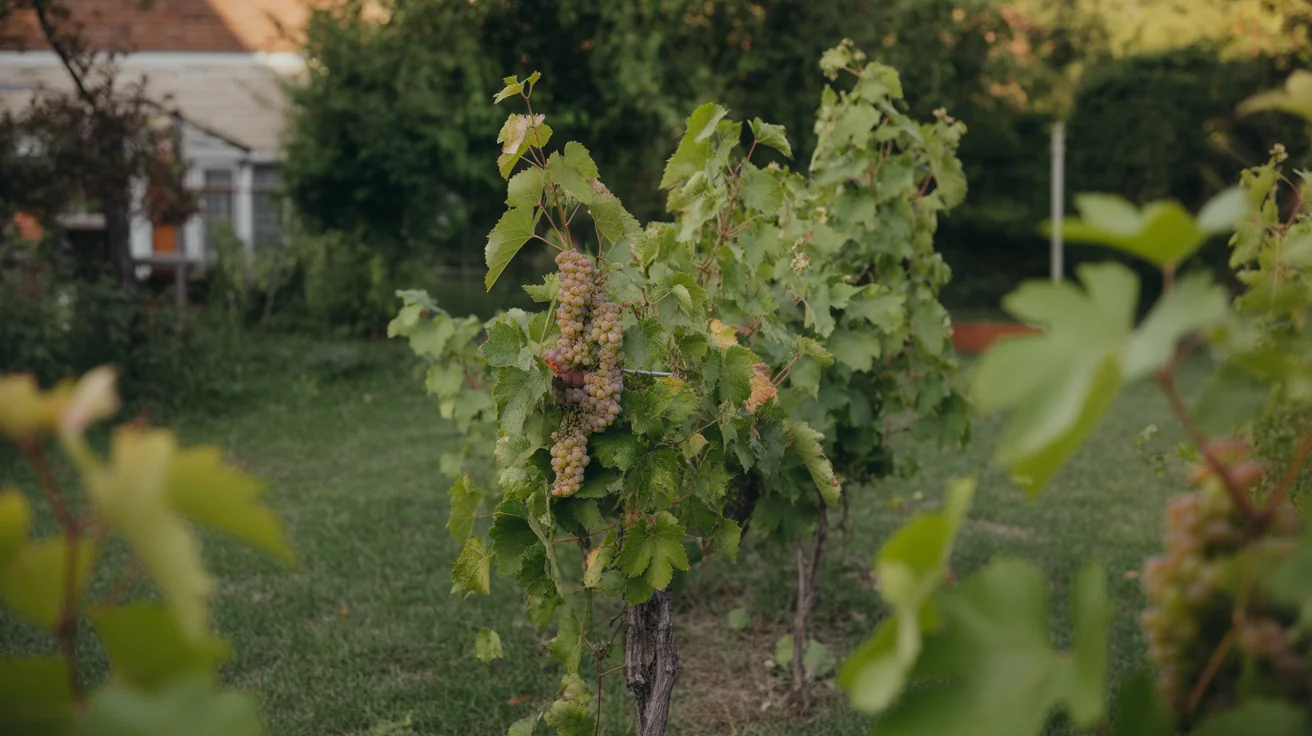
Grape Vine: Backyard Trellis, Pruning, and Fruit Care
Another trellised fruit vine with different pruning and climate needs.
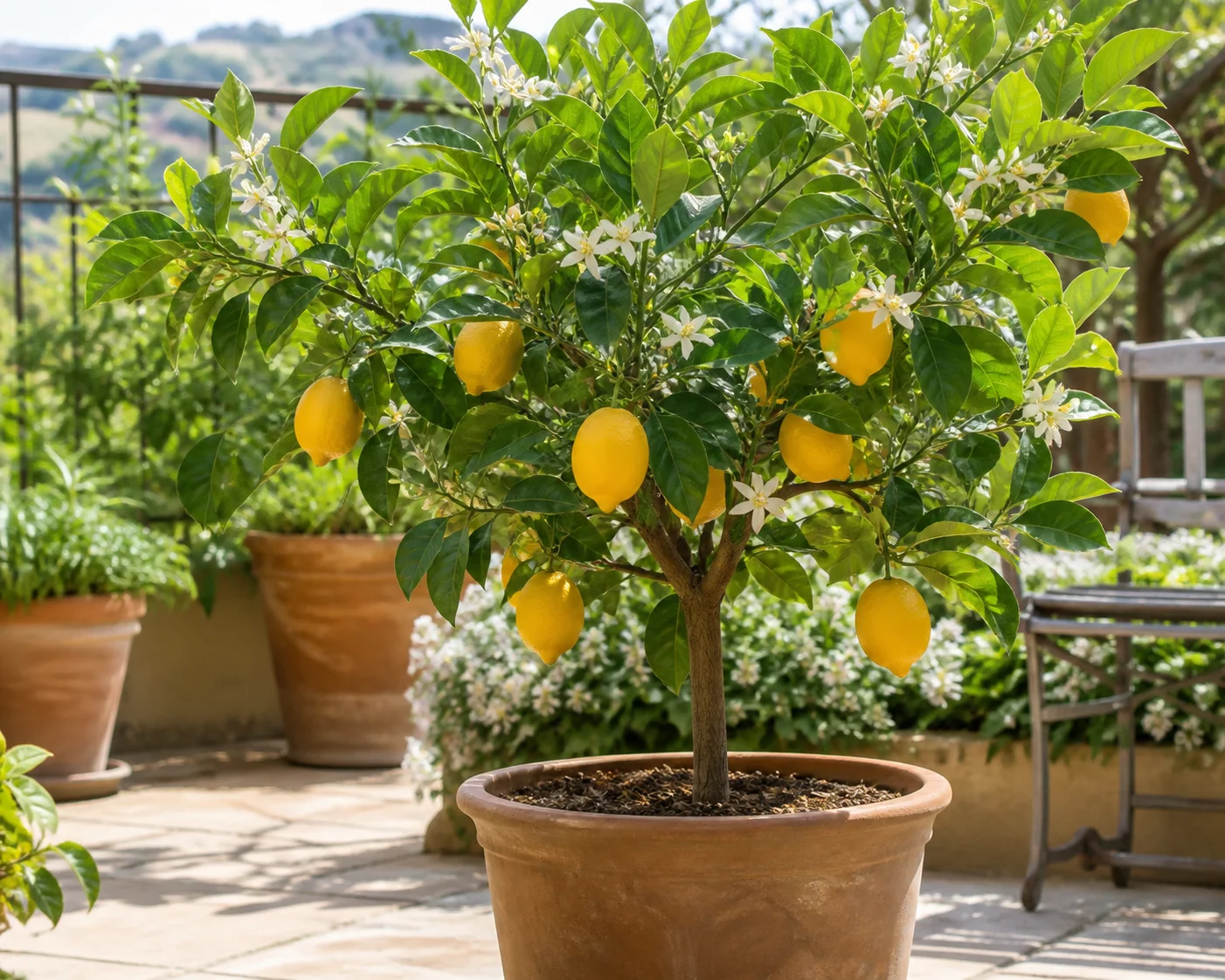
Meyer Lemon: Sweet-Tart Container Citrus for Patios and Indoors
A container fruit option for gardeners overwintering tender crops indoors.
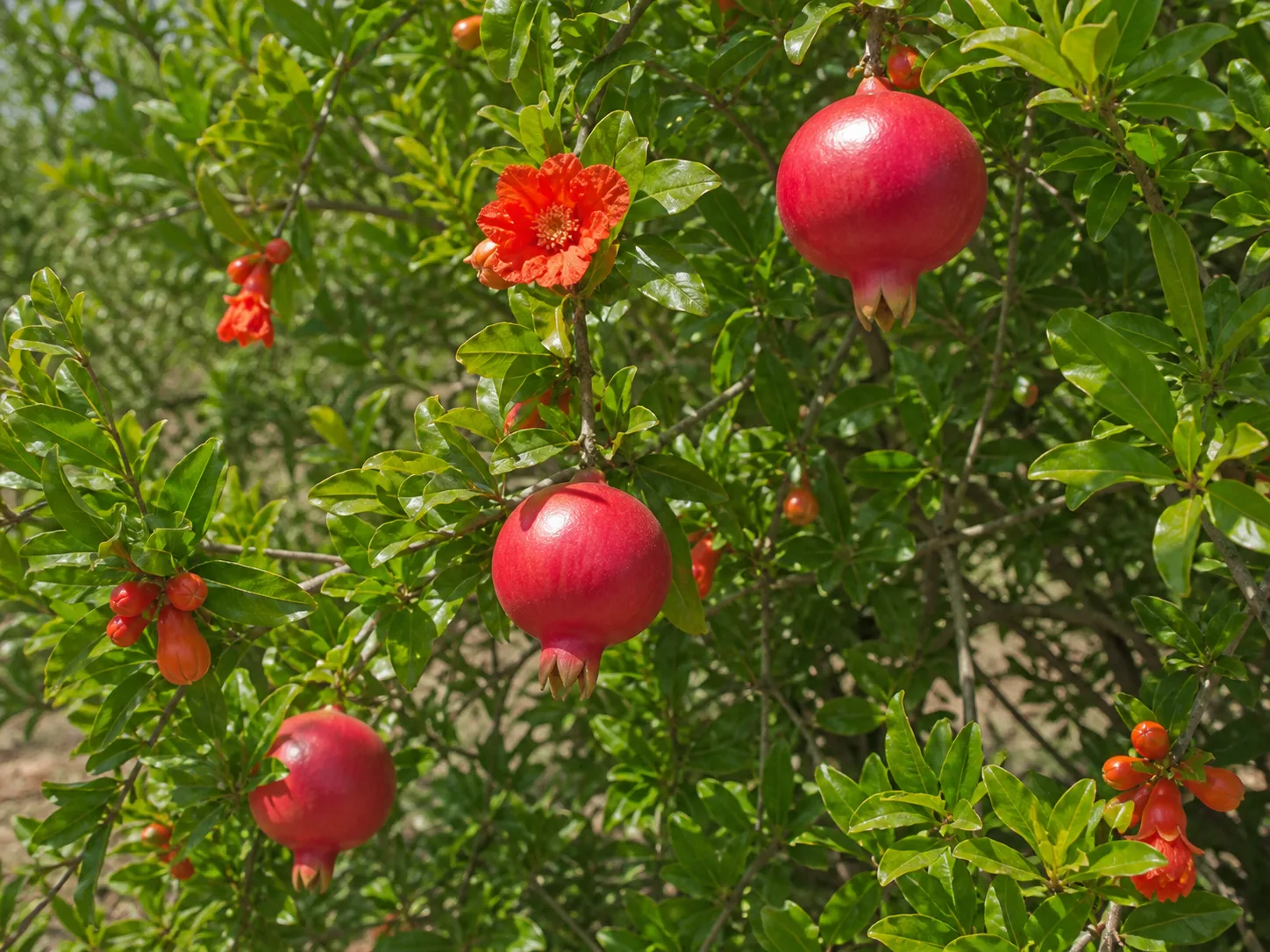
Pomegranate: Heat, Drainage, Pruning, and Fruit Cracking
A warm-climate fruiting shrub for sunny dry sites.
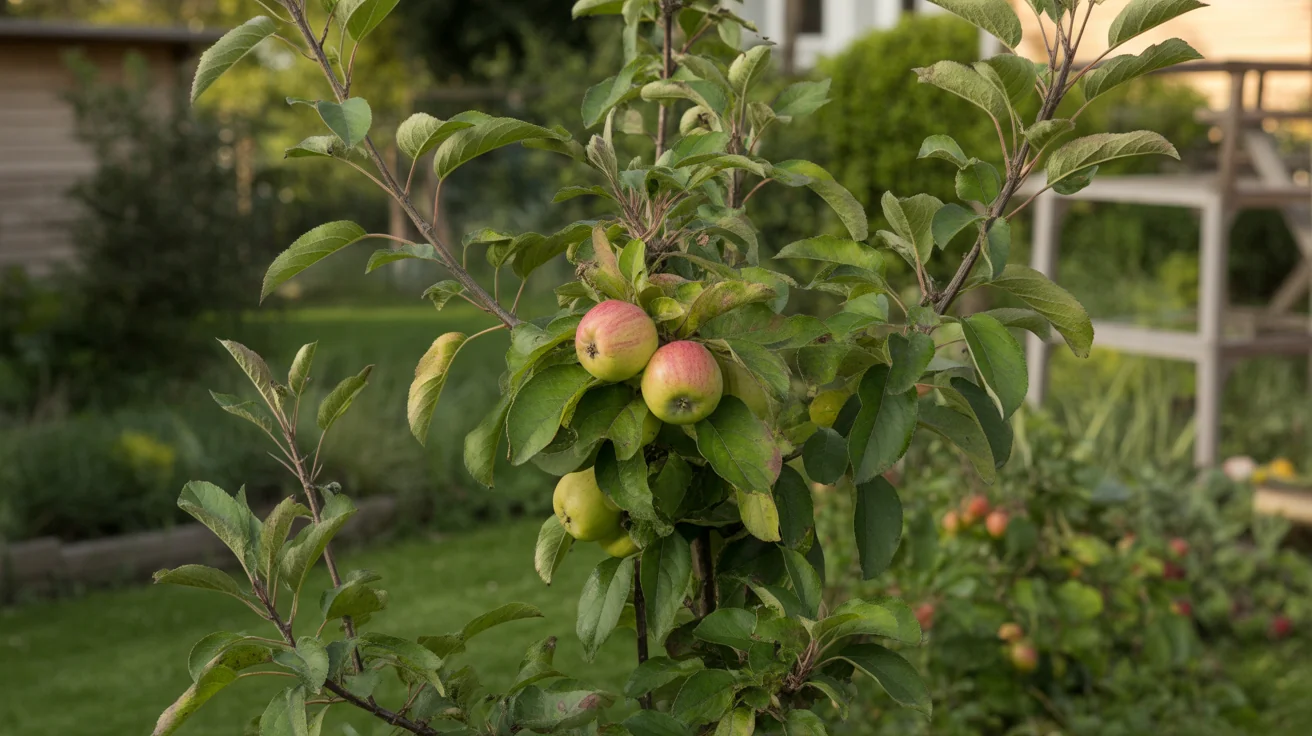
Apple Tree: Home Orchard Care From Variety to Harvest
Apple trees can be excellent backyard fruit trees when the variety, rootstock, pollination partner, sun, and pruning…
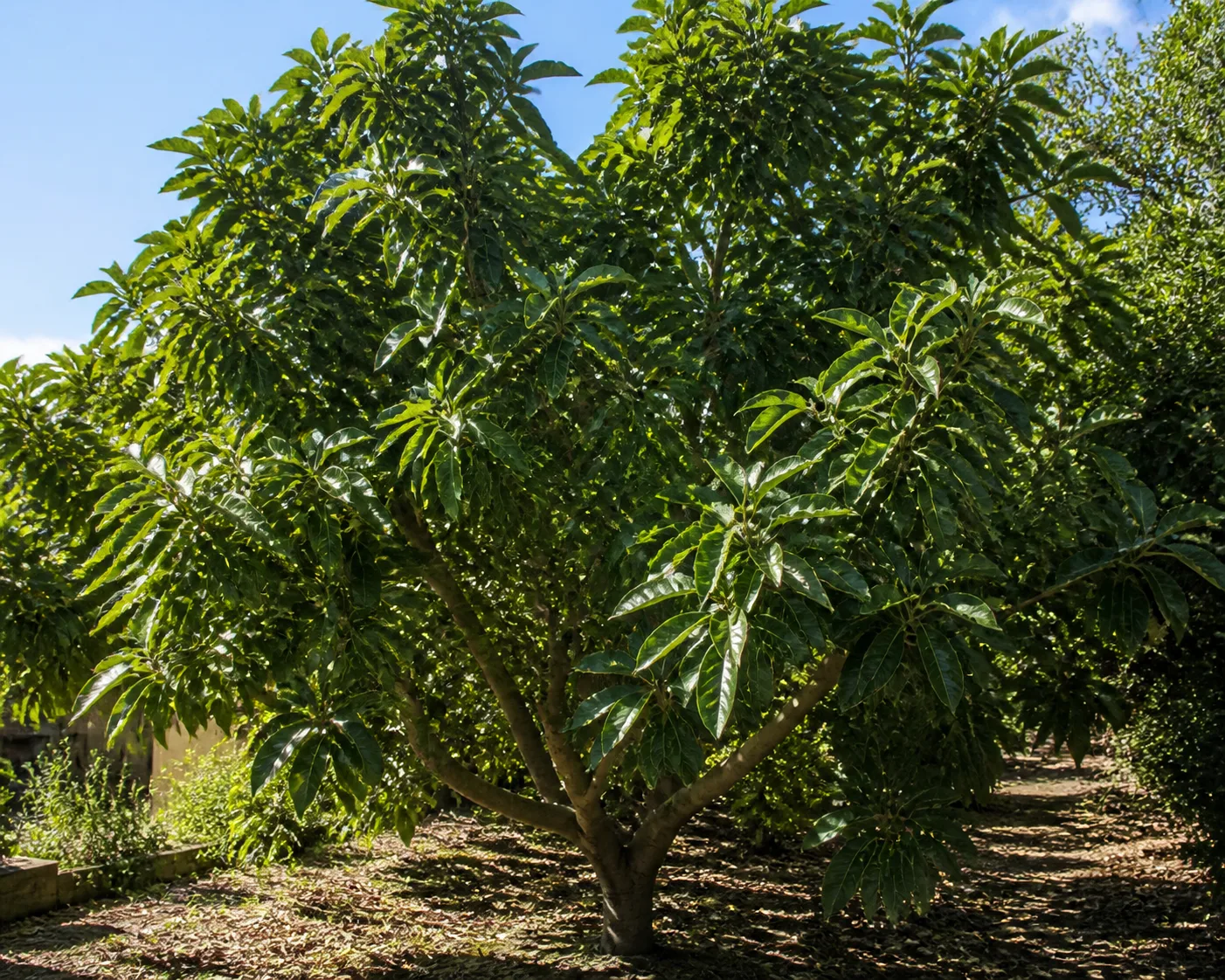
Avocado Tree: Warm-Climate Fruit Tree and Patio Project
Avocado tree is a subtropical evergreen fruit tree for frost-free gardens, warm patios, and bright indoor…
Blackberry: Bramble Care, Trellis, Pruning, and Harvest
Blackberries are perennial brambles grown for summer fruit on managed canes. A productive patch depends less on fussing…