
How to Grow Meyer Lemons Through Winter and Into Harvest
Citrus x meyeri Rutaceae
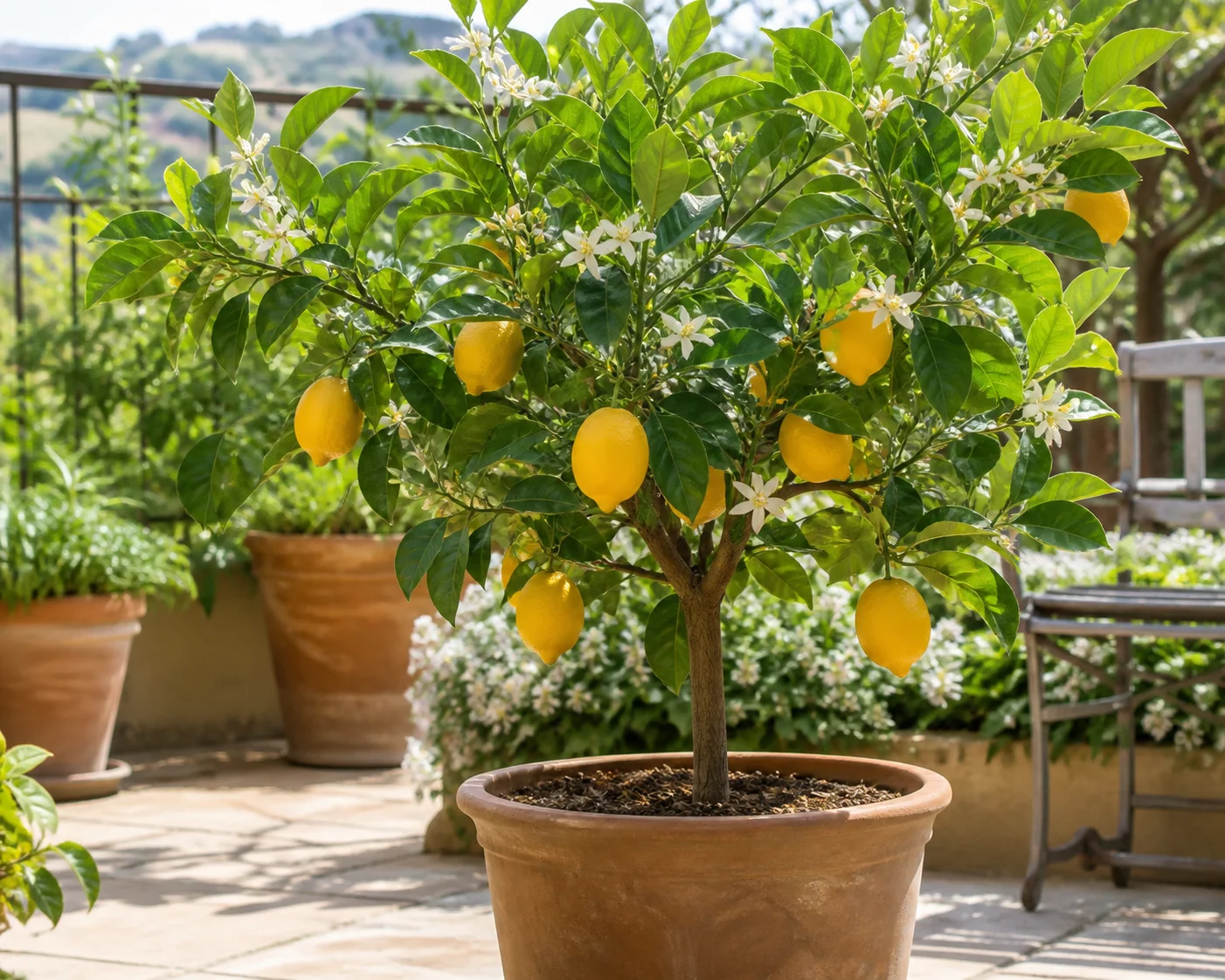
Meyer lemon produces fragrant flowers and thin-skinned, sweet-tart fruit on a relatively small citrus tree. A sunny patio and a bright, frost-free winter space can suit it, but a tree surviving indoors may still lack the conditions to carry a crop.
Care snapshot
Meyer Is a Distinct Citrus Hybrid
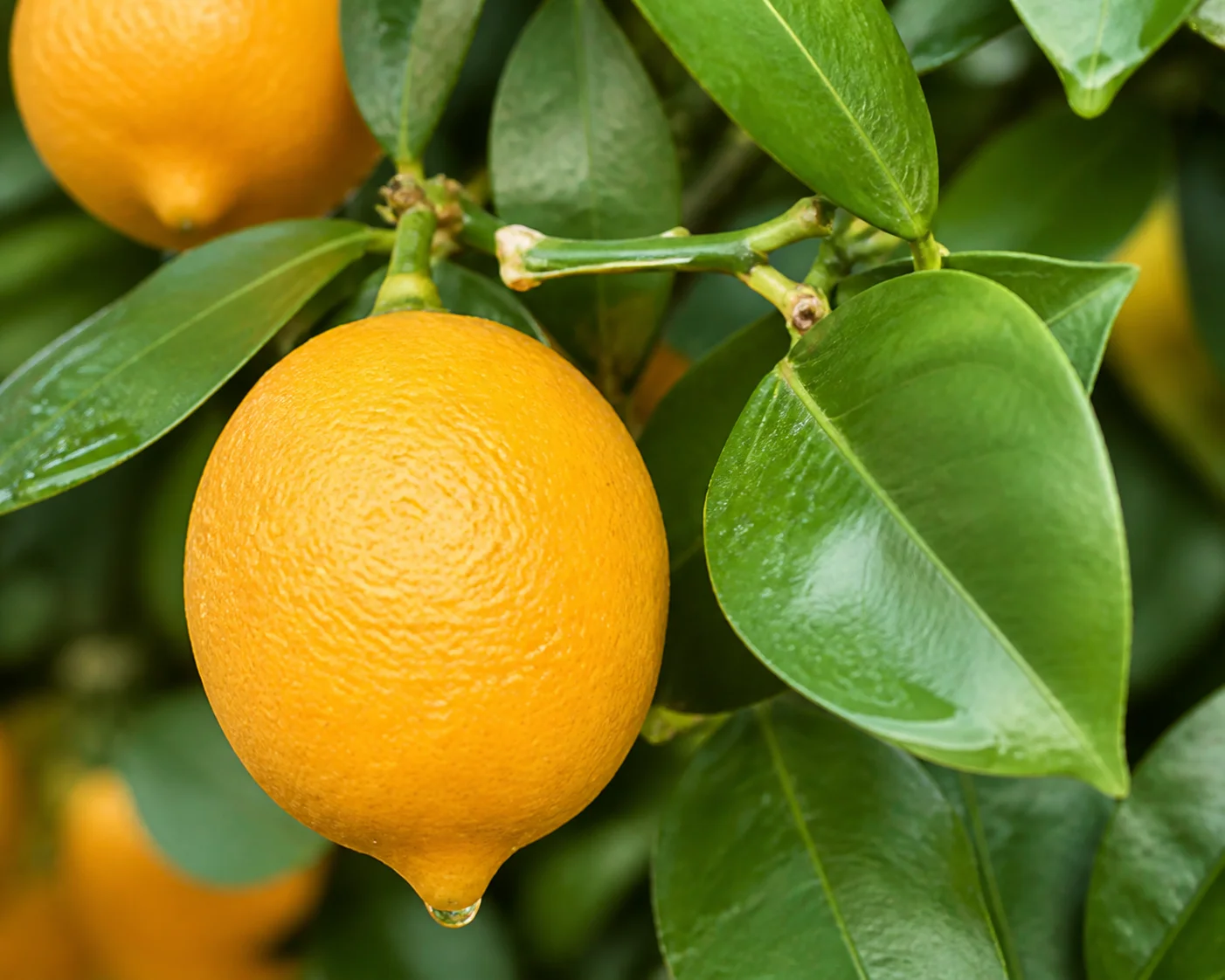
Meyer lemon has a milder, sweeter flavor than a typical grocery-store lemon, although its juice is still acidic. Its thin yellow-orange rind and shrubby growth help distinguish the type, but a nursery label is more reliable than fruit color for identifying a tree.
UC Riverside describes Meyer as relatively small and moderately vigorous. That makes it useful in a container, without fixing every plant at one mature height. Rootstock, growing space, and pruning still affect the canopy.
The Improved Meyer selection came from work to eliminate the tristeza virus carried without obvious symptoms by older introductions. The name describes that history, not immunity to citrus pests or future infection. A labeled plant from an appropriately registered nursery gives a better starting point than unidentified propagation material.
Flowers, Fruit Set, and Harvest
One Meyer lemon can bear fruit without a second citrus tree. Flowers may appear in several flushes, so small green fruit can share a branch with larger fruit. Blooming alone does not establish that a plant has enough light and healthy growth to mature everything it sets.
The main harvest is often in fall and winter. UF/IFAS describes that pattern in Florida, while UC Riverside records a mainly winter crop at its California collection. These are regional observations, not a countdown that starts with every flower on an indoor plant.
Full-sized fruit developing the characteristic yellow-orange rind is worth assessing for harvest. Snipping the stem avoids tearing the thin skin by pulling or twisting. A sample fruit reveals its juice and flavor more directly than a soft-feel test, and citrus should not be picked with the expectation that it will sweeten like a banana off the tree.
Some small-fruit shedding is normal. A sudden change in conditions can also cause loss, so fruit drop is not proof of failed pollination or a signal to add fertilizer. A small potted tree may retain only a modest crop, with no dependable fruit count based on pot size alone.
Light for Growth and Indoor Wintering
A sunny outdoor position supports Meyer lemon better than a shaded patio corner. Indoors, direct light at the canopy matters more than whether the room looks bright to you. A south-facing window can help in the Northern Hemisphere, but trees, buildings, glazing, and winter day length change what reaches the leaves.
Supplemental lighting can help where daylight is insufficient. Lamp output and coverage determine its distance from the canopy, with the fixture instructions providing a starting point. A nearby window has a different light pattern, so its distance cannot be treated as an equivalent measurement.
A summer outdoors often improves the growing conditions available to a winter houseplant. Moving from indoor light straight into all-day sun can damage leaves, so the transition needs gradual exposure. A similar adjustment to lower light before the fall move reduces the abruptness of the change.
Indoor fruiting remains uncertain even on a living, leafy tree. University of Minnesota Extension treats fruit as a possible bonus under home conditions, rather than a reliable outcome. Long weak growth or missing flowers deserves a look at the light supply, but neither symptom establishes a diagnosis on its own.
Choosing an Improved Meyer Plant
A nursery-grown Improved Meyer may be grafted or grown on its own roots from a cutting. Grafted does not automatically mean better for this cultivar. Mississippi State recommends rooted Meyer cuttings in its container guidance, while dwarfing rootstocks offer a separate way to manage size.
- Rooted cutting
- Preserves the parent variety and grows on its own roots. No separate rootstock controls its vigor.
- Grafted plant
- Combines Meyer growth above the graft with a named rootstock below. Flying Dragon is one example used for strong size reduction.
- Seed-grown plant
- An experiment with uncertain fruit characteristics and a potentially long juvenile period. It is a poor way to obtain a predictable copy of a named nursery tree.
The useful purchase details are cultivar identity, propagation method, and the rootstock name when one is present. A tree already flowering demonstrates maturity, but does not guarantee that the current fruit will survive the move home. A manageable canopy and a container you can move safely matter more than a universal nursery-pot size.
Potting Mix, Drainage, and Feeding
Container citrus needs a potting medium that drains while retaining moisture around the roots. Ordinary garden soil can make the pot heavy and poorly aerated. A commercial mix intended for containers provides a practical starting point, with its drying behavior assessed in the actual pot.
Drainage holes need an open exit, and the trunk flare remains at the surface rather than buried in fresh mix. An oversized pot can leave a small root ball surrounded by wet medium. Repotting follows root growth and declining performance of the mix, without deliberately keeping the tree severely rootbound to force fruit.
Repeated watering removes nutrients from a container. Citrus fertilizer can replenish them during active growth, with dose and frequency following the product label for potted plants. A cool, slow-growing winter tree has different needs from a plant actively growing under strong light.
Yellow leaves do not establish a nutrient deficiency. Root damage can also limit nutrient uptake, so extra fertilizer may miss the cause. Persistent symptoms call for examining moisture, drainage, and the pattern of yellowing before choosing a nutrient treatment.
Water According to the Root Zone
A dry surface can cover moist mix below. Checking beneath the top layer and noticing the weight of the pot gives more information than a weekly schedule. When watering is needed, a thorough application followed by free drainage moistens the root zone without leaving it standing in a saucer of water.
Hot outdoor weather can dry a container rapidly, while the same tree may use far less water in a cool winter room. The goal is slight surface drying without letting the entire root ball become dry and pull away from the pot. Keeping the old summer schedule after moving indoors can leave roots persistently wet.
Dry indoor air and soil moisture are separate conditions. Adding water to already-wet soil does not correct low room humidity. A humidifier can help where indoor air is very dry, while the pot still needs drainage and moisture checks of its own.
Propagation and Pruning
Semi-ripe stem cuttings preserve the parent variety. Spring or summer shoots that have begun to firm are more suitable than very soft new tips. Clean nursery material matters because propagation can preserve a variety without establishing that the parent is free of disease.
Meyer needs shaping rather than a routine hard cutback. Removing crowded, crossing, or damaged growth can improve its form, but removing shoots with flowers or fruit also removes part of the crop. The amount and timing depend on what is growing on that tree.
On a grafted plant, shoots originating below the union belong to the rootstock and can compete with the Meyer canopy. An own-root plant has no graft union, so the same visual rule cannot identify its basal shoots as another variety. Thorn-resistant gloves protect hands where sharp shoots are present.
Seasonal Moves and Cold Protection
Meyer is more cold-tolerant than Eureka lemon, but that relative advantage does not make a container tree frost-proof. Cold duration, recent weather, plant age, rootstock, and the part exposed all affect injury. Fruit and tender growth can be damaged while older wood survives.
Before the fall move, an inspection of stems and leaf undersides can catch pests that would otherwise enter the house. After the move, water use needs reassessment. In spring, local frost risk and a gradual return to sun govern the move outside, rather than a fixed calendar date.
Following cold injury, the outer appearance of fruit may hide damage inside. Pruning damaged branches too early can also remove living wood. UC IPM recommends waiting for new growth to clarify the extent of injury, apart from broken limbs that present an immediate hazard.
Investigating Leaf Loss and Pests
Leaf drop can follow wet roots, excessive drying, temperature changes, or a move between environments. A useful first inspection includes the recent move or weather, moisture below the soil surface, and both sides of the leaves. More than one stress can be present.
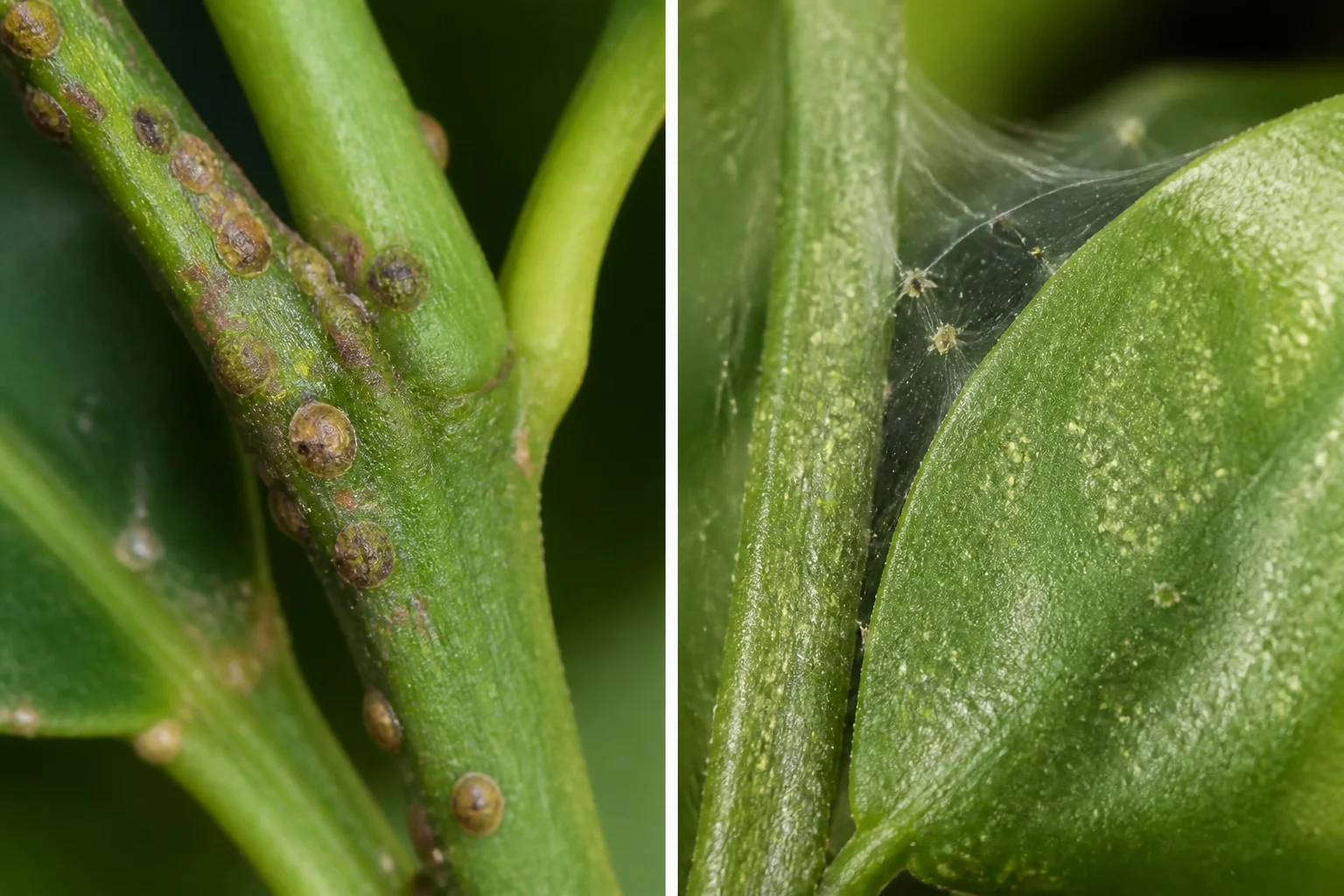
- Sticky leaves or black sooty growth
- Look for sap-feeding insects such as soft scales, aphids, or mealybugs. The residue does not identify which insect is present.
- Pale stippling with fine webbing
- Spider mites are a possibility. Magnification and examination of the leaf underside help distinguish them from a stray spider web.
- Yellowing with persistent wetness and decline
- Poor root conditions or root disease may be involved. Yellow leaves alone cannot confirm Phytophthora.
Treatment depends on the pest actually found. If an insecticidal soap or horticultural oil is appropriate, the label must cover the edible plant, pest, and indoor or outdoor use. Application restrictions and harvest instructions still apply to a homegrown lemon.
Phytophthora can damage roots and reduce water and nutrient uptake. Better drainage reduces risk, but simply drying the pot is not a confirmed cure for an infected tree. Continued decline despite corrected conditions merits help from an Extension diagnostic service, rather than repeated spraying based on leaf color.
Pet and Handling Safety
NC State includes Citrus x meyeri under its lemon record and flags concerns for dogs, cats, and horses. Plant material and skins can cause problems, so the tree, prunings, and fallen fruit need to stay out of reach of browsing animals. The record does not establish a Meyer-specific toxic dose.
Citrus can also cause contact dermatitis in some people. Gloves help limit skin contact while handling the tree, as well as protecting against any thorns. Concentrated oil products have a different exposure from ordinary handling of fresh fruit.
Frequently Asked Questions
Does an indoor Meyer lemon need hand-pollination?
One Meyer lemon can set fruit without another tree. When indoor flowers receive little insect movement, gently moving pollen with a small brush may help. It cannot compensate for inadequate light or guarantee that the tree retains the fruit.
Sources & References
- Improved Meyer lemon, Givaudan Citrus Variety Collection at UCR
- UF/IFAS Gardening Solutions - Meyer Lemon
- Mississippi State University Extension - Growing Citrus in Containers in Mississippi
- University of Maryland Extension - Growing Dwarf Citrus
- Royal Horticultural Society - How to Grow Citrus Fruit
- University of Minnesota Extension - Growing Citrus Indoors
- UC IPM - Freezing and Frost Damage to Citrus
- UC IPM - Phytophthora Root Rot
- NC State Extension Gardener Plant Toolbox - Citrus x limon, including Citrus x meyeri
- UF/IFAS Gardening Solutions - Citrus, harvest and container care
Related Plants
Lemon Tree
A true lemon comparison with sharper fruit and often larger growth.
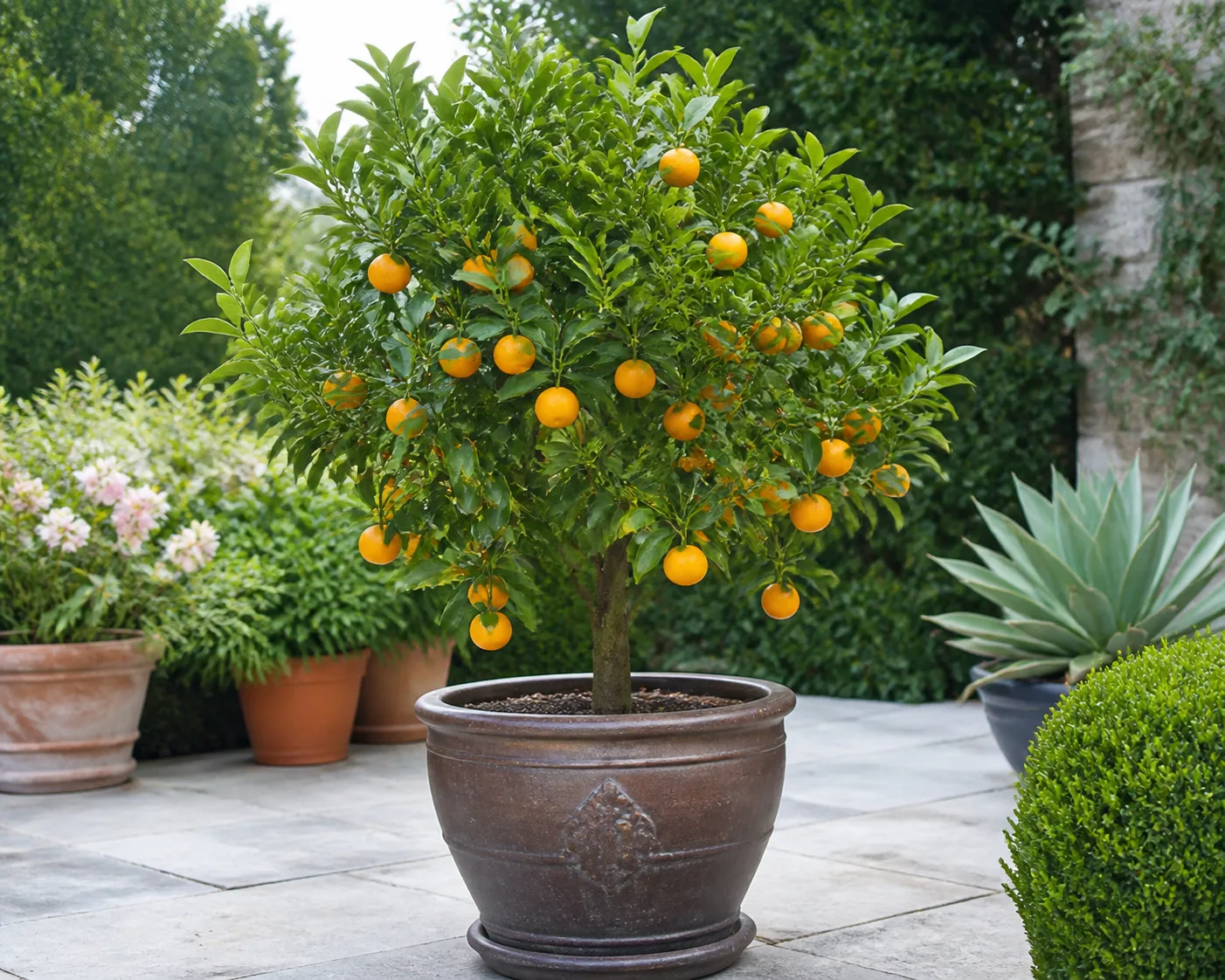
Dwarf Citrus
Other compact citrus choices for patios and containers.
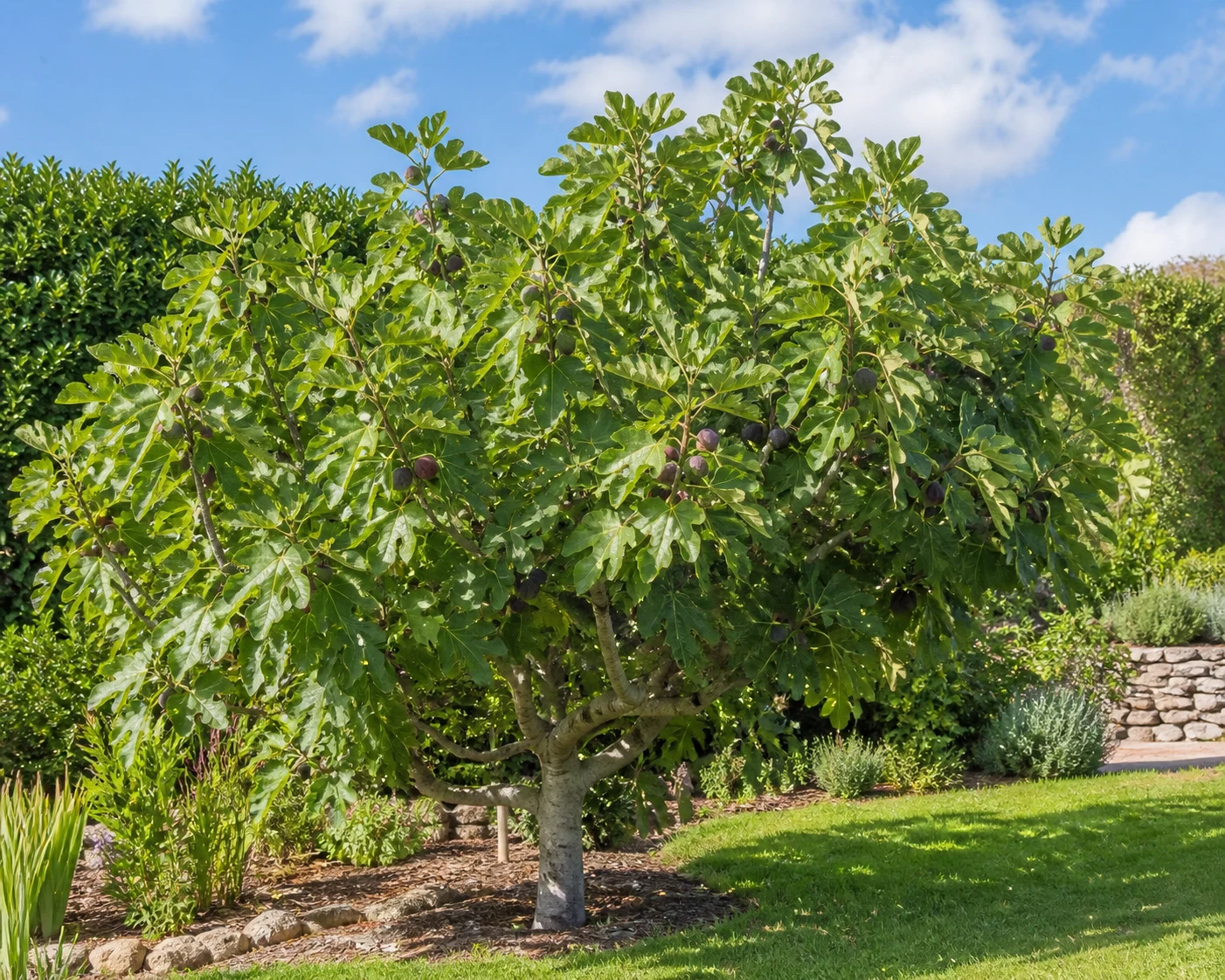
Fig Tree
A container fruit tree that can overwinter dormant in cold climates.
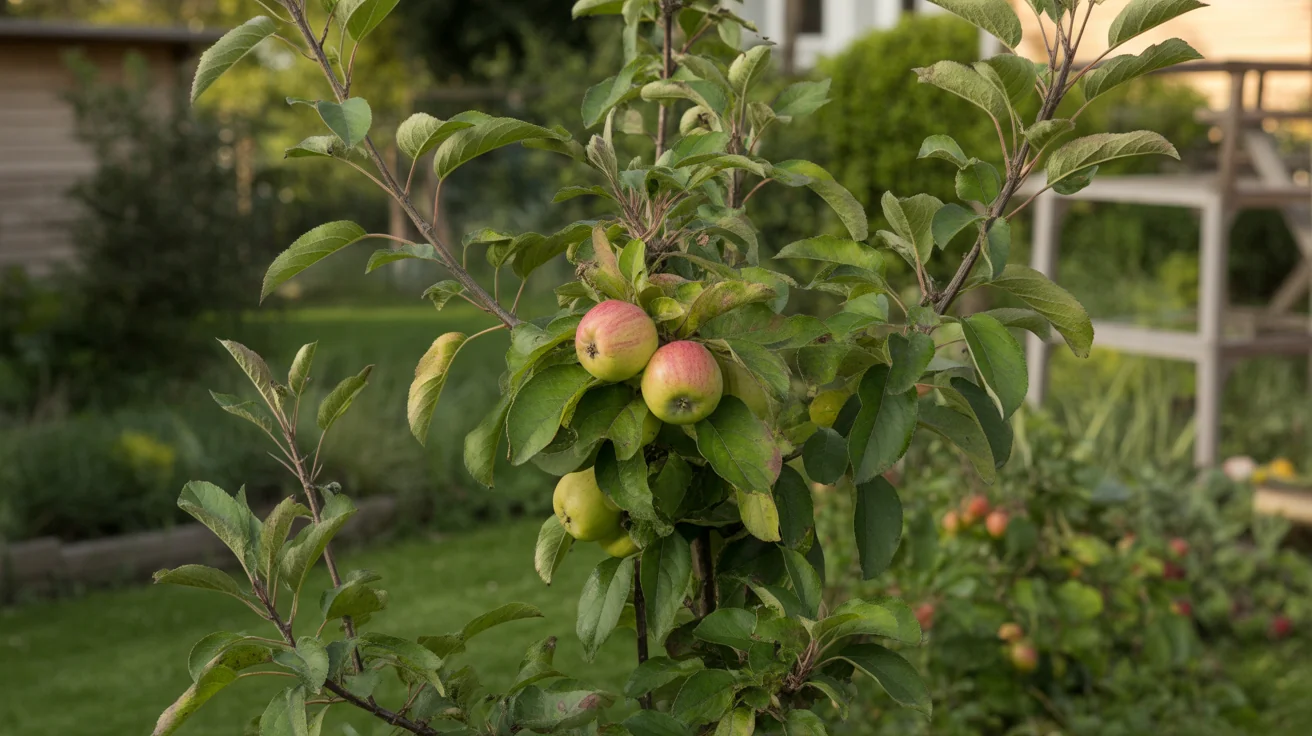
Apple Tree
Apple trees can be excellent backyard fruit trees when the variety, rootstock, pollination partner, sun, and pruning…
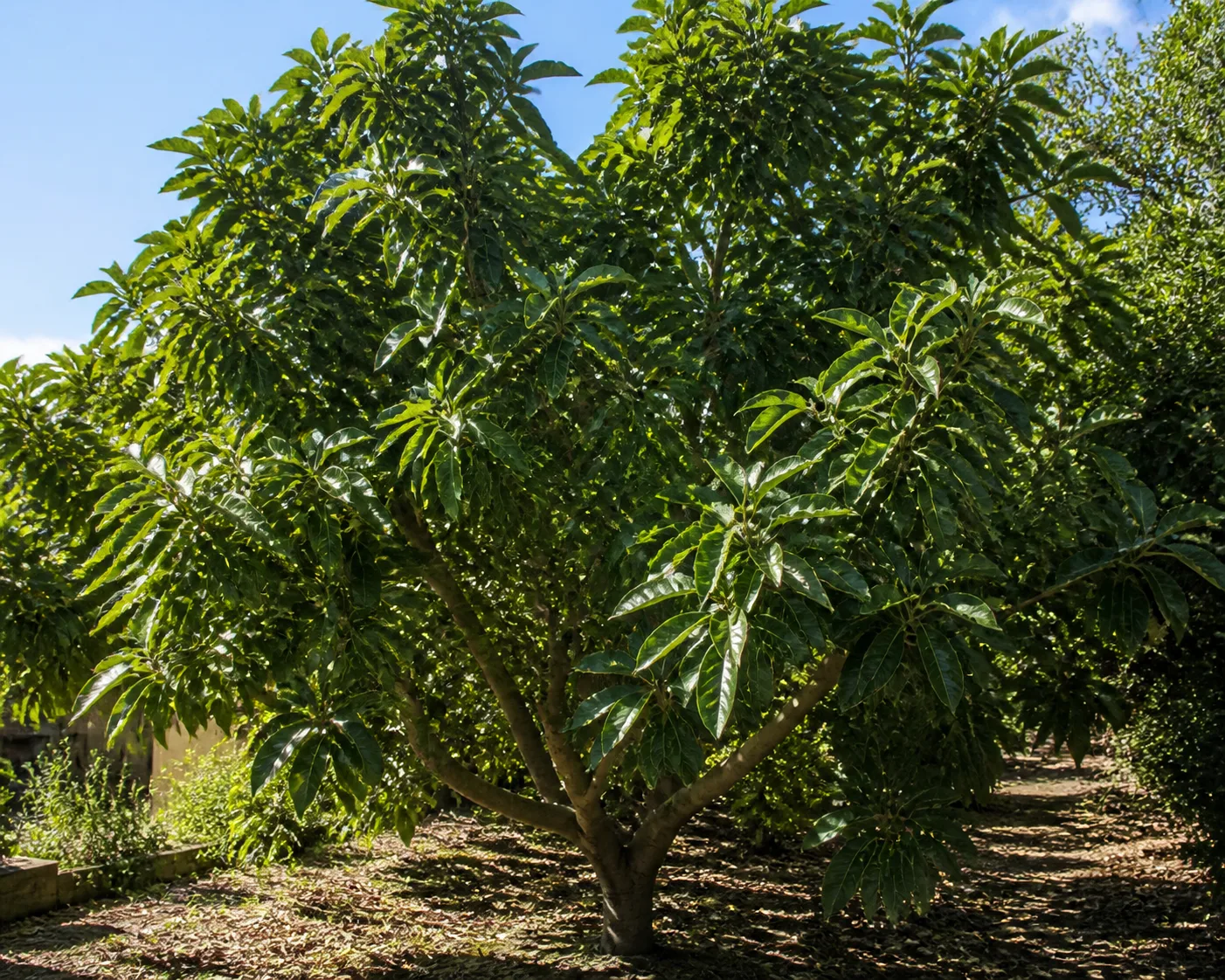
Avocado Tree
Avocado tree is a subtropical evergreen fruit tree for frost-free gardens, warm patios, and bright indoor…
Blackberry
Blackberries are perennial brambles grown for summer fruit on managed canes.