
Can You Grow an Olive Tree in Your Yard or a Container?
Olea europaea Oleaceae
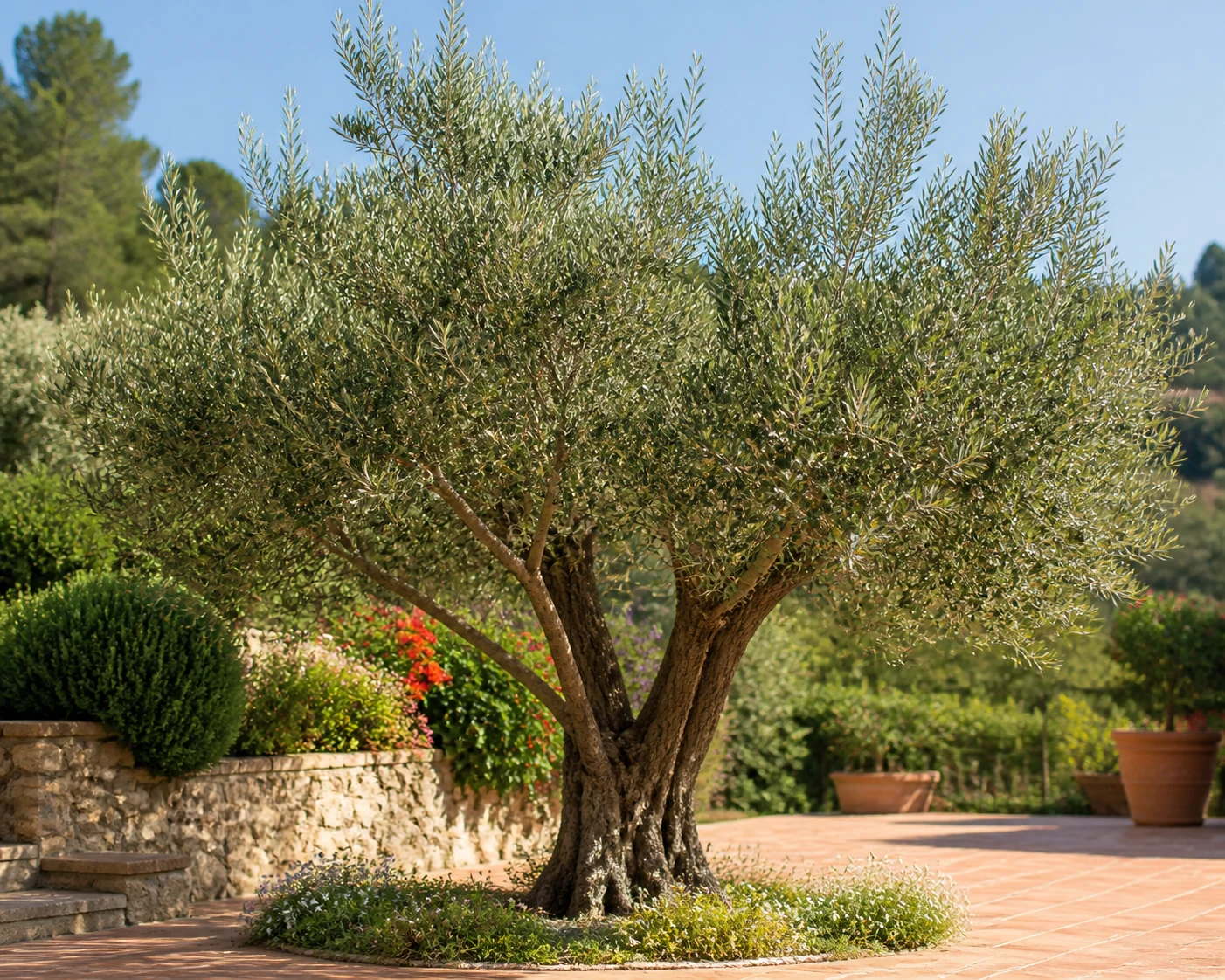
Olive trees are long-lived evergreen fruit trees for hot sun, sharp drainage, and dry-summer gardens. They can grow in the ground in mild climates or in containers where winters are too cold, but they fail quickly when treated like moisture-loving fruit trees.
Care snapshot
Olive Trees Want Mediterranean Conditions
As a useful starting point, Olive trees are evergreen Mediterranean fruit trees with narrow silver-green leaves, slow to moderate growth, and a strong dislike of wet roots.
They can live for decades when planted in sun and drainage. In cold climates, they are better treated as patio trees that move to a protected winter space.
Compared with fig trees, olive trees are less forgiving of cold and wet soil but more drought-tolerant once established.
Olive trees are Mediterranean plants built for sun, lean soil, and dry air. Indoors they often look elegant but struggle without very bright light, so a sunny patio season can matter as much as winter window placement.
Full Sun Before Everything Else
The light target is practical, since Olive trees need 6-8 or more hours of direct sun for dense growth, flowers, and fruit. Shade creates thin growth and poor flowering.
Put containers in the brightest outdoor position during the growing season. Indoors, they need a cool bright spot, not a warm dim room.
Olive trees need direct sun to keep dense, silvery foliage. In a dim room they often drop inner leaves first, leaving a sparse outline that looks like drought but is really an energy shortage.
- Best site: open sun and reflected warmth.
- Avoid: shade from fences, walls, and evergreen hedges.
- Containers: rotate for balanced growth.
- Winter storage: bright and cool beats warm and dark.
Choosing Fruiting, Dwarf, or Fruitless Olives
Choose olive tree cultivars by mature size, fruiting habit, cold tolerance, and whether dropped fruit will be a problem.
'Arbequina' is popular for containers and smaller yards because it stays more compact and tends to bear young. Larger traditional cultivars may be better for warm in-ground orchards.
Fruitless or low-fruit selections make sense near pools, paving, and driveways where staining and cleanup matter more than harvest.
If you do want olives, plan for processing before you plant. Fresh olives are bitter off the tree, and a productive fruiting cultivar creates a harvest-and-curing project, not a snack crop you eat while walking past.
- Arbequina
- Compact, popular for containers, often self-fruitful
- Arbosana
- Compact orchard type with good oil quality
- Mission
- Classic California type, larger and better for mild climates
- Fruitless types
- Best where fruit drop, pollen, or pavement stains are concerns
Many popular cultivars, including Arbequina, are self-fruitful and will set some fruit alone, but planting a second compatible cultivar nearby usually boosts yield noticeably. Commercial growers often interplant two or more cultivars specifically for this cross-pollination benefit.
Harvest Timing and Why Olives Need Curing First
Fresh olives contain a bitter compound called oleuropein that makes them essentially inedible straight off the branch, no matter how ripe they look. That bitterness is exactly why every table olive, however it is grown, goes through a curing process before it reaches a jar.
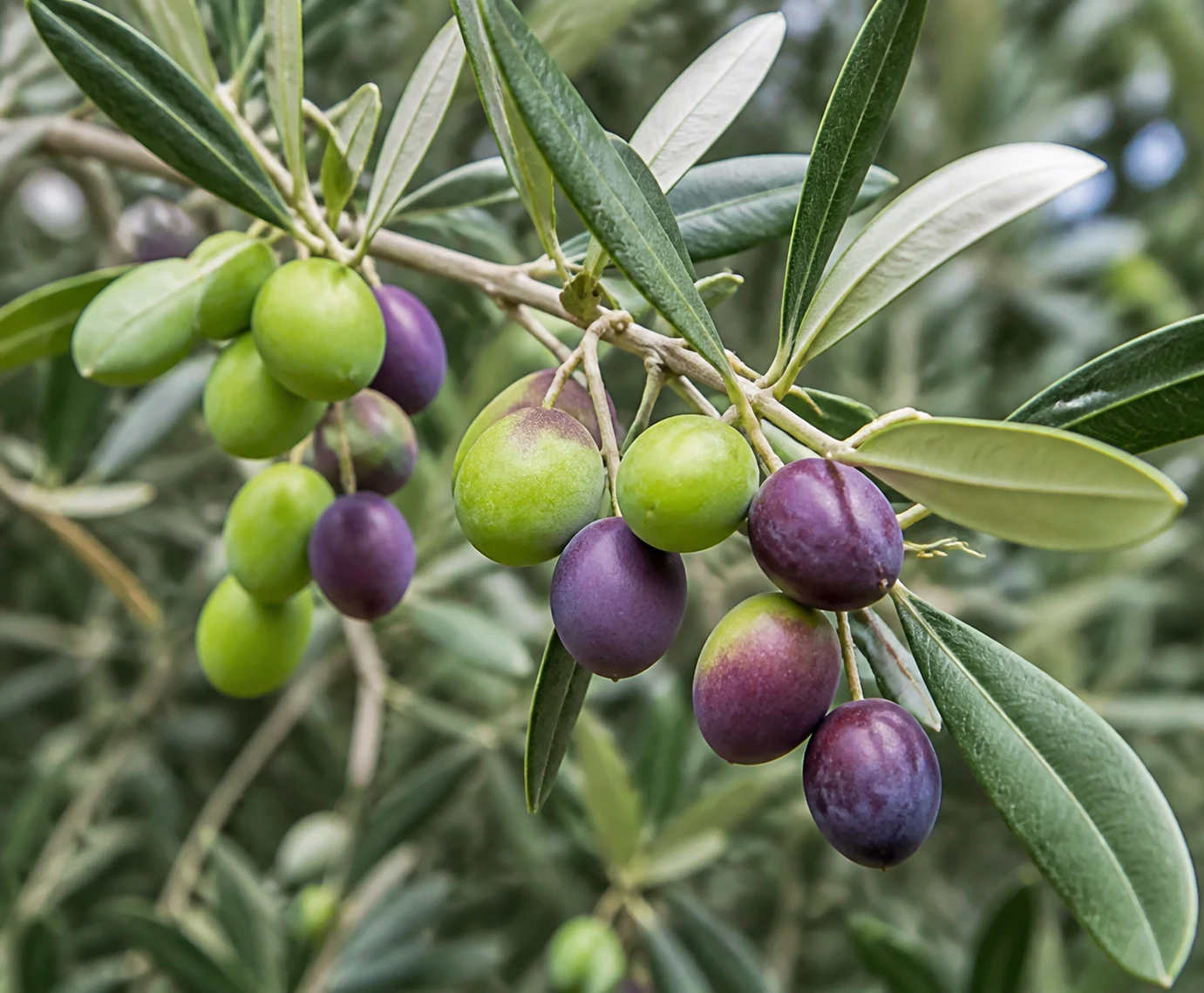
Ripeness stage changes both flavor and color, moving from firm green through blushed purple to fully ripe black. Green olives are typically firmer and more assertive after curing, while black, tree-ripened olives cure softer and milder.
Home curing methods range from a simple water cure with daily water changes over several weeks to brine curing or a faster lye cure, each trading time for flavor and texture.
- Water cure: daily water changes for several weeks, mild flavor, most beginner-friendly.
- Brine cure: salt brine over weeks to months, classic briny flavor.
- Lye cure: fastest method, but requires careful handling of lye solution.
Oil cultivars are typically pressed rather than cured, since their olives carry more oil and less flesh than table types bred for eating whole. A home harvest large enough to press is uncommon, but small batches can sometimes be taken to a local community press in olive-growing regions.
Sharp Drainage and Lean Soil
The soil decision comes first, since Olive trees prefer well-drained, mineral soil. Sandy or gravelly loam is better than rich, wet, compost-heavy ground.
For containers, use a chunky mix with potting soil, bark, perlite, pumice, or grit. The mix should drain quickly while holding just enough moisture between soakings.
A gritty container mix is more important than a large pot alone. Oversized pots filled with moisture-retentive mix stay wet around the roots, while a smaller, sharper-draining pot is often safer.
- Best texture
- Sandy or gravelly loam with excellent drainage
- Container mix
- Potting mix plus bark, perlite, pumice, or grit
- Fertilizer
- Light feeding in active growth, not heavy nitrogen
- Avoid
- Low wet spots, dense clay pockets, and constantly damp saucers
Container olives typically need repotting every 2-3 years, or sooner if roots circle tightly at the drainage holes. Moving up only one pot size at a time keeps the mix from staying wet longer than the smaller root system can use.
Plant Depth, Spacing, and Staking Young Trees
In-ground olive trees want the root ball planted at the same depth it sat in the nursery pot, with the trunk flare left visible rather than buried under extra soil.
Spacing depends on the goal, with orchard trees typically set 15-20 ft apart for full canopies and mature airflow, while a tight informal hedge can go as close as 6-8 ft. Crowded spacing trades fruit yield and airflow for a denser screen, so match the spacing to whether you want fruit or a visual barrier.
Young trees often need a single stake for the first year or two in windy sites, loosely tied so the trunk can still flex and build strength. Remove the stake once the tree stands firmly on its own, since a permanent stake can weaken trunk taper over time.
- Plant at the same depth as the nursery pot, not deeper.
- Space orchard trees 15-20 ft apart, hedges as close as 6-8 ft.
- Stake loosely for the first year in windy spots, then remove.
Low Water Does Not Mean No Water
New olive trees need regular deep water while roots establish. Mature in-ground trees can handle dry spells, but containers dry faster and still need monitoring.
Water deeply, then let the top soil dry before watering again. The deep watering habit suits olives better than frequent shallow drinks.
That drought tolerance has limits, but the order of risk matters, since cool wet roots are harder to recover than a brief dry spell.
The safest olive rhythm is deep watering followed by real drying. Constantly damp potting mix weakens roots and invites leaf drop, while a brief dry spell is usually less harmful than treating the tree like a tropical houseplant.
Olive trees also tolerate irrigation water with more dissolved salts than many fruit trees can handle, which is part of why they thrive in some dry, mineral-heavy regions. That tolerance still has limits, so soil that drains well matters even more when irrigation water itself carries extra salt.
Pruning and Propagation
Most gardeners should buy a named olive tree rather than start from seed. Seedlings are slow, variable, and may take many years to fruit.
Semi-hardwood cuttings can root, but they are slower than easy herbs and need warmth, humidity, and patience.
Prune lightly to keep the canopy open and remove dead, crossing, or inward growth. Heavy pruning can delay fruiting because olives need a balanced canopy to flower well.
Cuttings and nursery trees are more predictable than seed, especially when you want fruiting behavior or a compact patio form. The comparison with fig vs olive tree is useful because both can live in containers, but olives demand brighter light and sharper drainage.
- Buy named cultivars for predictable size and fruiting.
- Prune after cold risk passes.
- Keep a few main branches with open airflow.
- Remove suckers and low unwanted shoots.
- Root cuttings only from healthy known plants.
Commercial growers often graft desirable fruiting cultivars onto seedling or clonal rootstock chosen for vigor, disease resistance, or soil adaptability. Home gardeners rarely graft since named cuttings and nursery trees already deliver known fruiting cultivars without that extra step.
Seasonal Care for Ground and Container Olives
Spring is pruning and move-out season. Container olive trees can return outdoors after hard freezes pass, but acclimate them gradually if they spent winter inside.
Summer care is sun, measured water, and light feeding. Avoid making the tree lush and soft with too much nitrogen.
Fall care depends on your goal. Harvest olives for curing when mature, or clean dropped fruit from patios before it stains.
If you want another dry-climate fruit for the same hot site, compare pomegranate before filling the bed with thirsty crops.
Fruit production depends on cultivar, age, light, and winter chill. Many container olives are grown mainly for foliage, so choosing a fruiting cultivar means expecting pruning and pollination to matter.
Prune olives lightly and deliberately. Removing crossing shoots and opening the center helps light reach fruiting wood, but constant tip pruning can keep the tree juvenile and leafy.
Prune lightly, resume watering, and move containers outdoors.
Give full sun, deep but infrequent water, and watch for scale.
Harvest or clean fruit, reduce feeding, and prepare protection.
Keep containers cool, bright, and on the dry side.
Scale, Olive Fruit Fly, Mites, and Olive Knot
The first scan is simple, since Olive trees are usually resilient, but scale insects, mites, olive fruit fly, and olive knot can matter in warm regions.
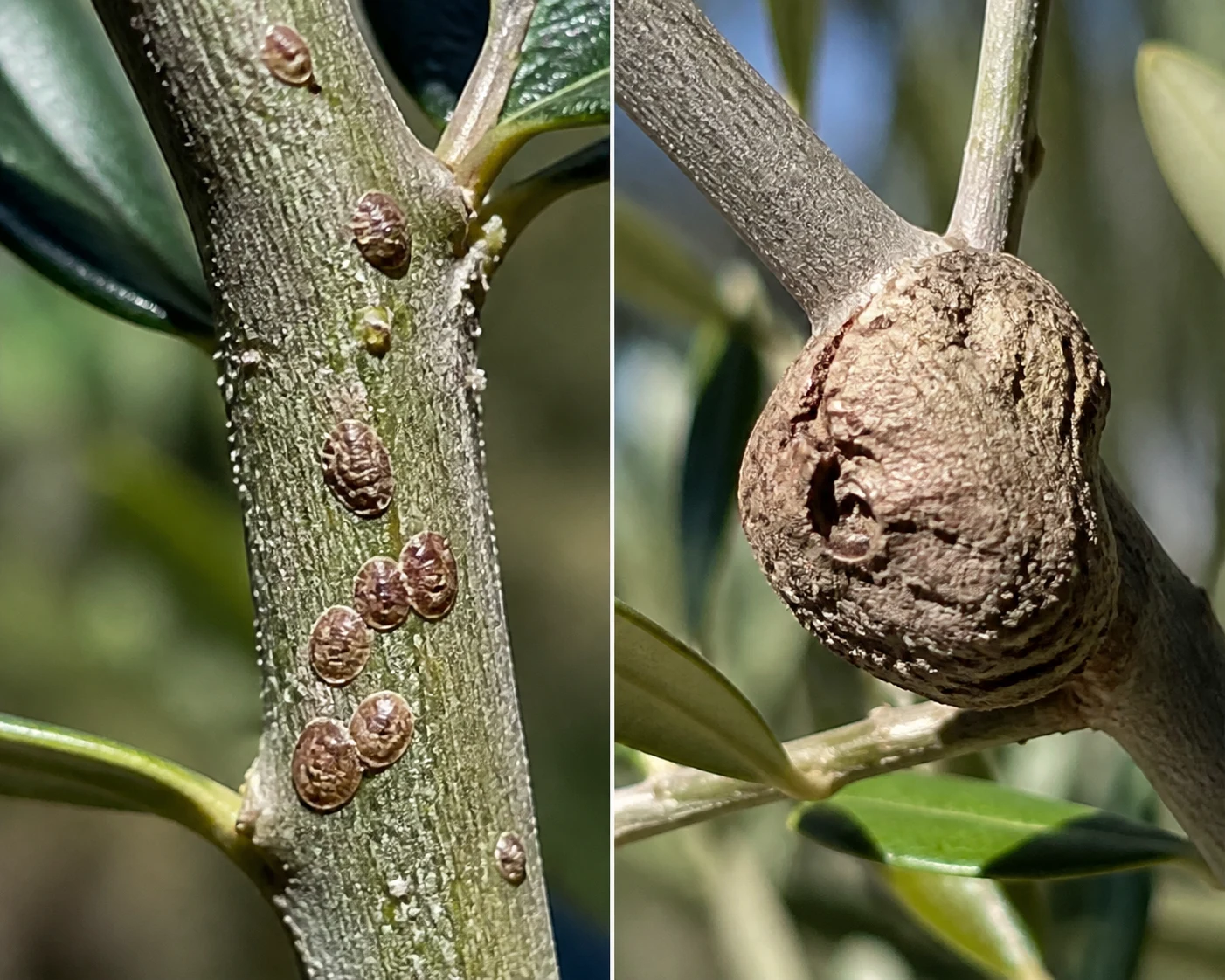
Scale looks like small bumps on stems and leaves, often with sticky honeydew. Mites cause stippling in hot dry weather, similar to the signs described in spider mite control.
Match the response to whether the tree is ornamental or fruiting, since not every pest concern matters on every olive.
Scale insects and olive knot get confused at a glance, since both cause small raised bumps on stems, but scale insects are soft-bodied pests that scrape off while olive knot is a bacterial gall that stays hard and woody and cannot be scraped away.
Cutting into a suspicious bump is the fastest way to tell them apart, since scale reveals a soft insect body while olive knot cuts like solid, corky wood.
Scrape small patches or use horticultural oil in mild weather.
Rinse dusty foliage and reduce drought stress.
Monitor fruit and use local extension timing for traps or controls.
Avoid pruning in wet weather and disinfect tools after infected wood.
Pollen, Fruit Mess, Pets, and Patio Fit
Neither the ASPCA nor NC State gives a pet toxicity rating for Olive trees. Raw olives are bitter, and pits can be choking hazards. Keep fallen fruit cleaned up where dogs or children play.
Pollen can bother people with allergies, and dropped olives can stain paving. Fruitless types are useful where those issues matter more than harvest.
For a broader edible landscape, pair olives with pollinator plants and drought-tolerant companions rather than high-water ornamentals.
Frequently Asked Questions
Can olive trees grow in containers?
Yes. Olive trees grow well in large containers with full sun, sharp drainage, and cool frost-free winter protection in cold climates.
How much sun does an olive tree need?
An olive tree needs at least 6-8 hours of direct sun for dense growth, flowers, and fruit.
Do olive trees need a lot of water?
No. Established olive trees are drought tolerant, but young trees and containers still need deep watering when the soil dries.
Do I need two olive trees for fruit?
Some olive tree cultivars are self-fruitful, but many crop better with a compatible partner nearby.
Why is my olive tree dropping leaves?
An olive tree may drop leaves from low light, wet roots, sudden indoor moves, drought stress, or cold damage. Check drainage and light first.
Are olive trees safe for pets?
Olive trees are generally low-risk, but raw fruit is bitter and pits can be a choking hazard. Keep fallen olives cleaned up around pets.
Sources & References
Related Plants
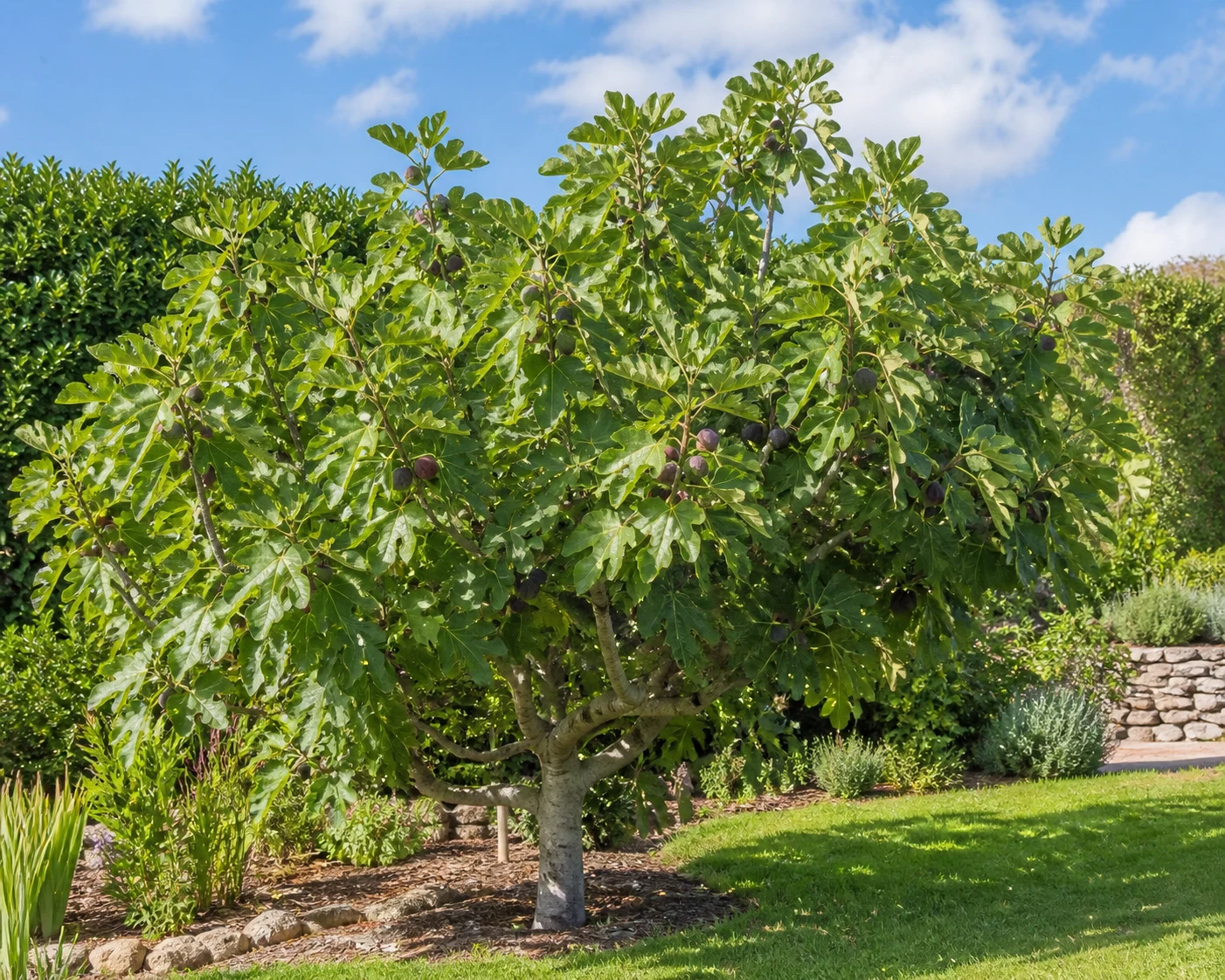
Fig Tree
Another Mediterranean-style fruit tree for sun and drainage.
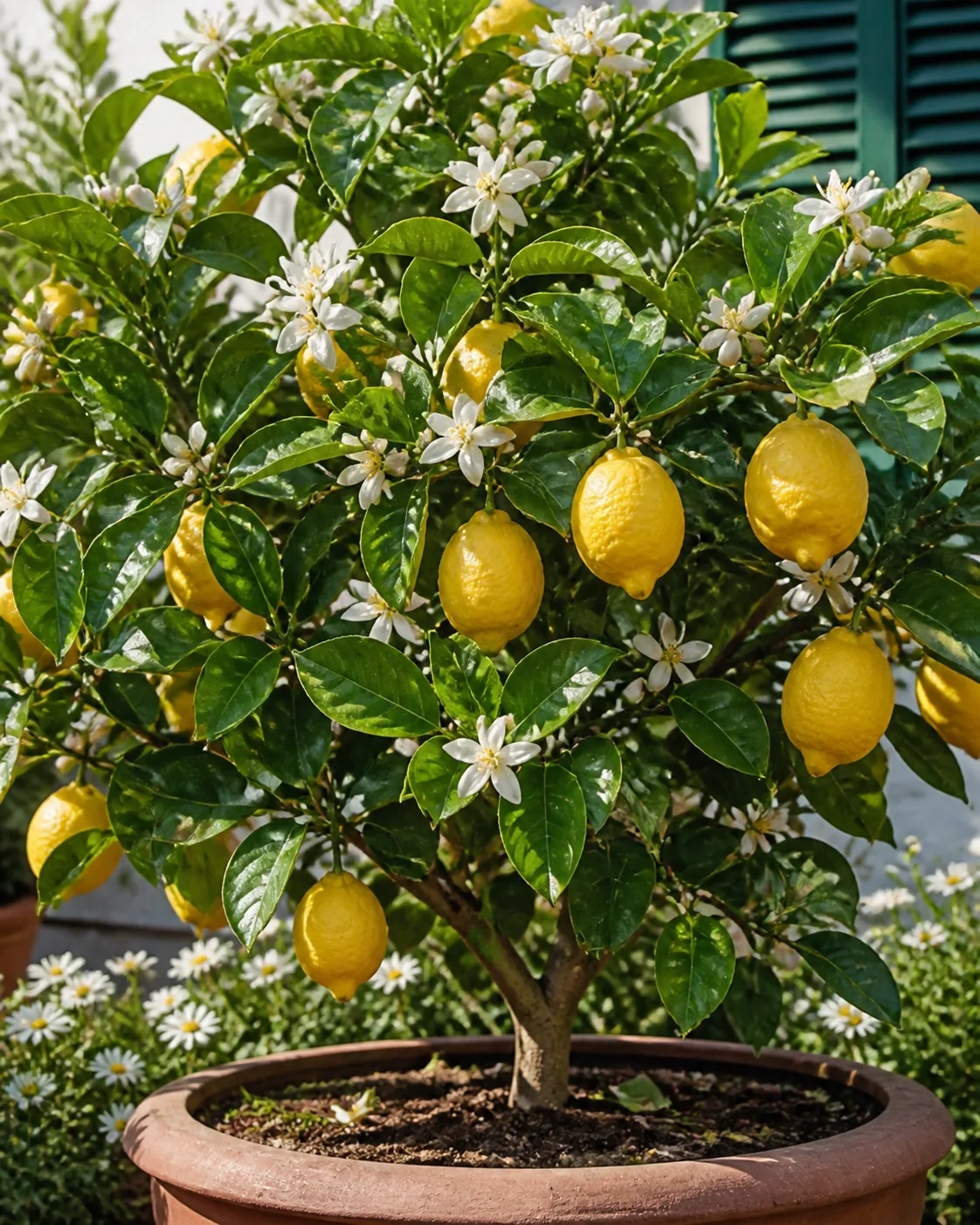
Lemon Tree
A warm-climate evergreen fruit tree often grown in containers.
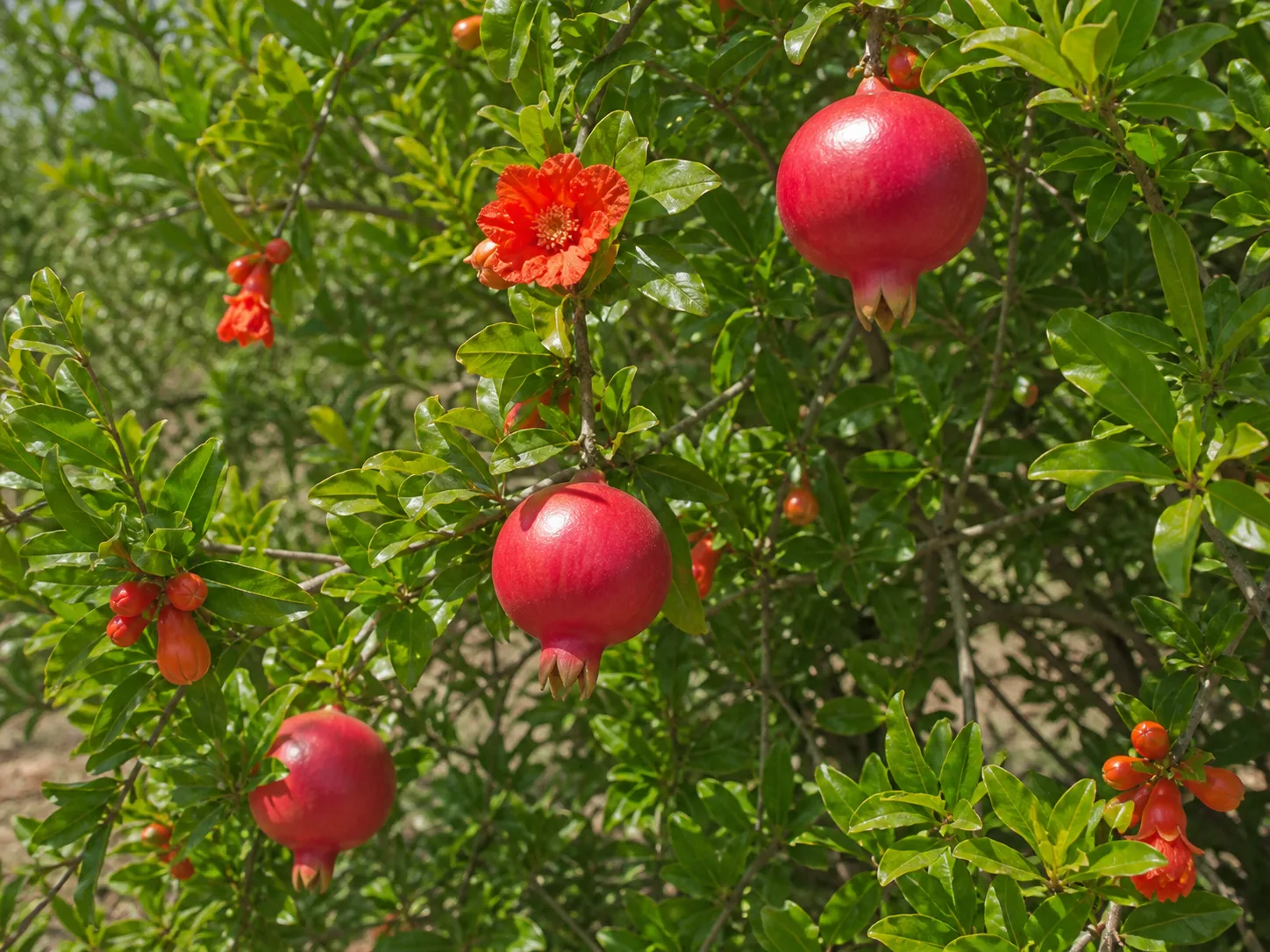
Pomegranate
A heat-tolerant fruiting shrub or small tree for dry sunny sites.
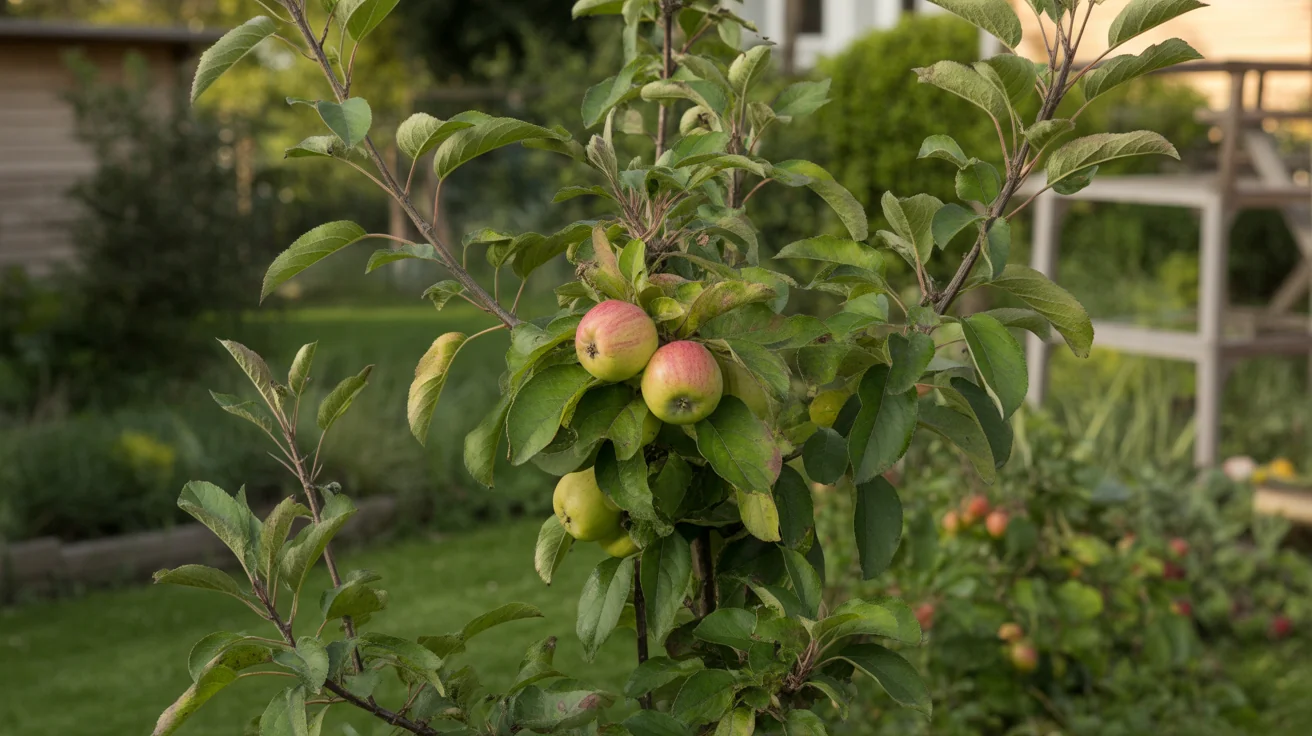
Apple Tree
Apple trees can be excellent backyard fruit trees when the variety, rootstock, pollination partner, sun, and pruning…
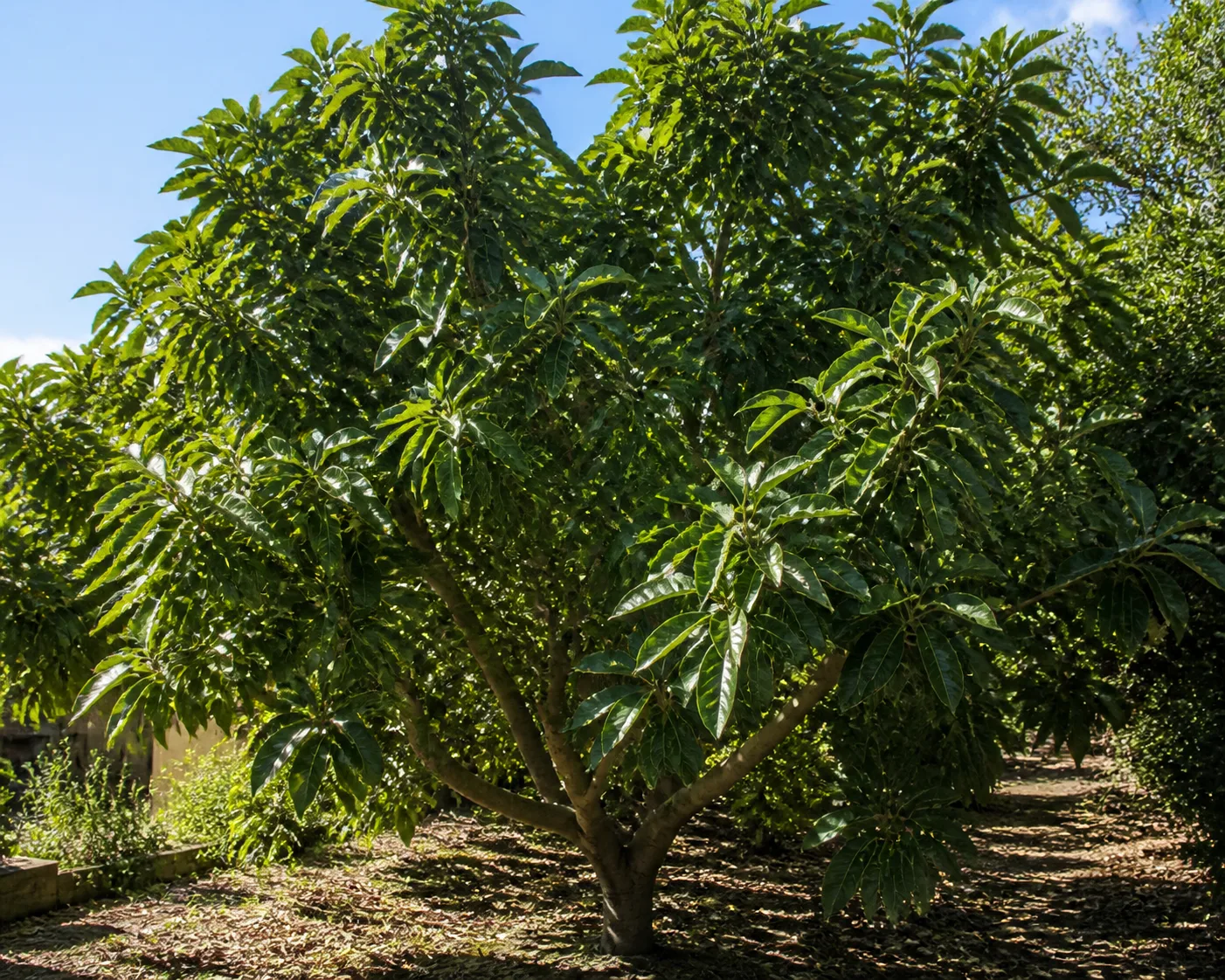
Avocado Tree
Avocado tree is a subtropical evergreen fruit tree for frost-free gardens, warm patios, and bright indoor…
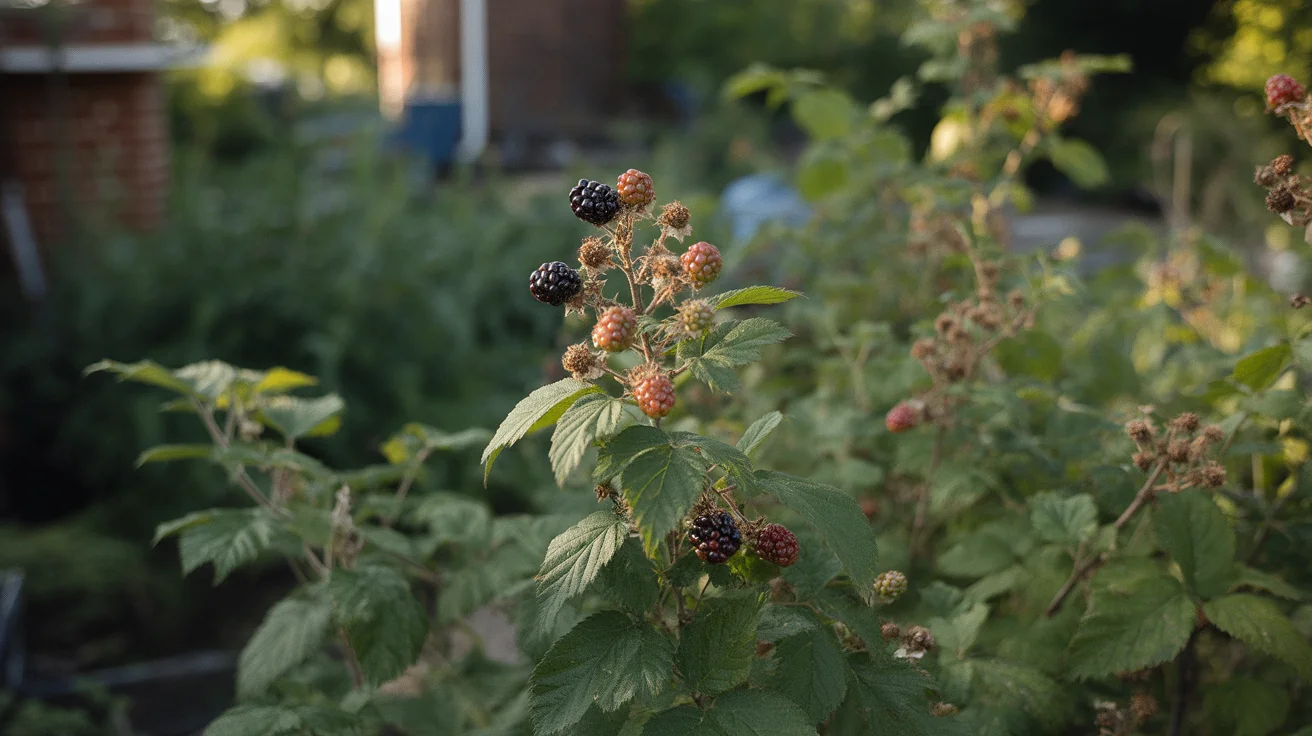
Blackberry
Blackberries are perennial brambles grown for summer fruit on managed canes.