
Which Dwarf Citrus Fits a Pot and Your Winter Growing Space?
Citrus spp. Rutaceae
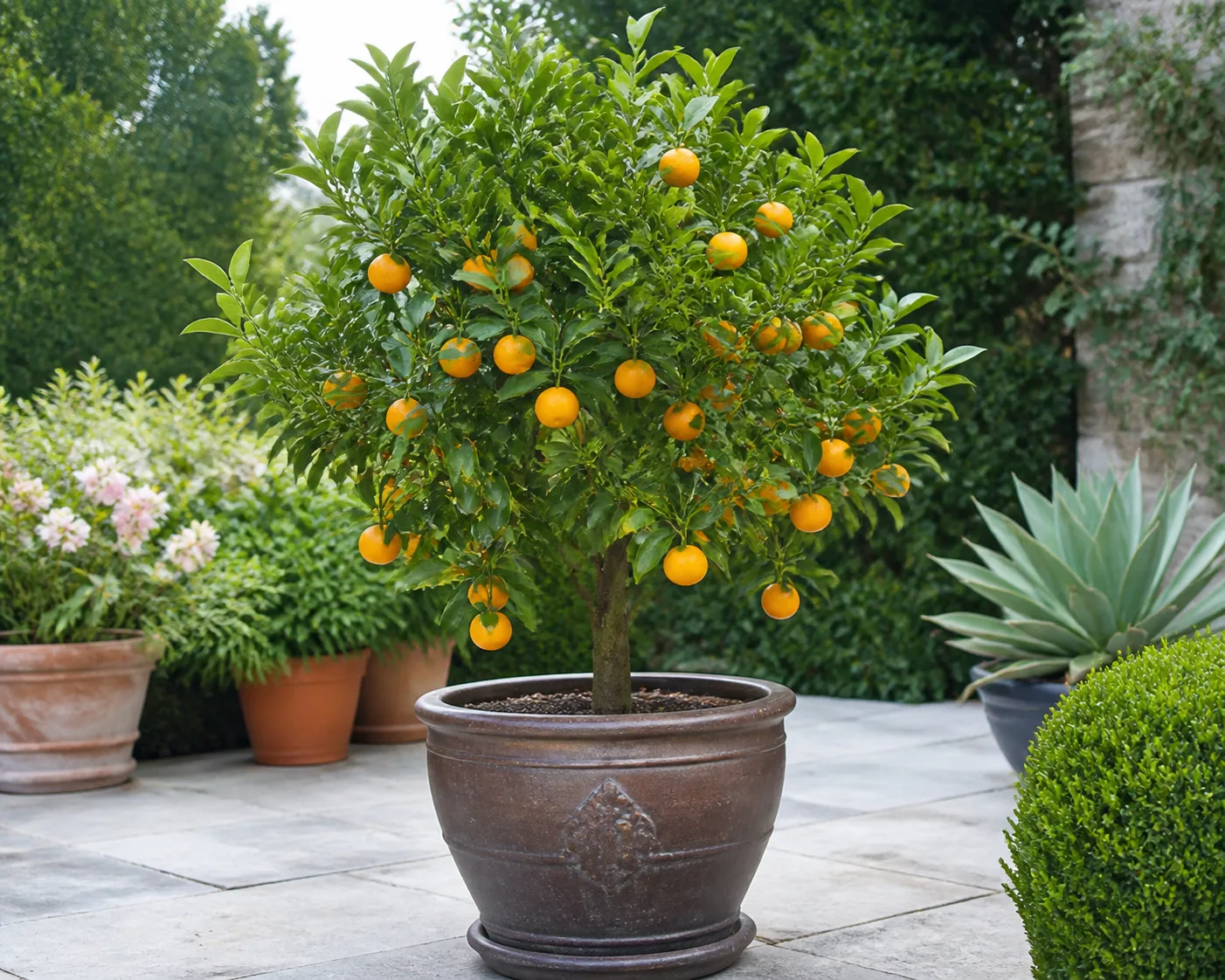
Dwarf citrus includes different fruiting varieties grown on size-controlling rootstocks, along with naturally smaller types suited to pots. The best fit depends on the fruit you want, the space the tree can occupy, and the light and protection available through winter.
Care snapshot
A Dwarf Label Describes Size, Not One Species
Dwarf citrus is a nursery grouping rather than a single plant with one hardiness range or mature size. A lemon, satsuma, kumquat, or calamondin can each be sold for containers. Their fruit, cold response, and growth habit remain different.
On a grafted tree, the named fruiting variety grows above the graft union and a different rootstock supplies the roots. A dwarfing rootstock can limit vigor, but it can also affect soil adaptation and fruit performance. Its influence is broader than simply setting a final height.
Some citrus, including Meyer lemon, are naturally useful in containers and may be sold on their own roots. A small nursery pot alone does not establish that a tree is genetically compact or on dwarfing rootstock. The cultivar, propagation method, and rootstock name are more useful than a photograph of a small tree.
Choose the Fruit and the Winter Space Together
A container makes winter protection possible only if the tree remains movable and has somewhere suitable to go. The doorway, growing space, light at the canopy, and weight of the wet pot all belong in the choice before purchase. Fruiting indoors is less dependable than keeping the tree alive.
- Meyer lemon
- Mildly tart fruit and a relatively small, shrubby habit. Own-root plants can be a legitimate choice as well as grafted ones.
- Kumquat
- Small fruit eaten with the peel and generally greater cold tolerance than lemons or limes. The cultivar still matters.
- Calamondin
- Small acidic fruit useful in preserves or drinks. Commonly grown as an ornamental indoor citrus.
- Satsuma
- A mandarin option with relatively good cold tolerance. The chosen cultivar and rootstock determine how readily it fits the container.
- Lime
- Key and Persian types differ in vigor and cold sensitivity. A dwarf label does not erase those differences.
Winter survival and fruit ripening are separate questions. Citrus types differ in their heat needs, and a cool location can delay harvest. Lemons and limes generally require less heat for fruit quality than sweet oranges, while the actual variety still needs suitable light and protection.
A container selection also needs the right pollination arrangement. Many familiar types can fruit alone, but some mandarins and hybrids benefit from a compatible pollen source. The variety label and regional advice settle that question more reliably than the word citrus.
Light and Acclimation
Full sun outdoors supports a productive canopy once the tree has adjusted to that exposure. Leaves grown indoors may scorch in sudden strong sun, so the spring transition needs gradual exposure. A shaded position can be a temporary step without becoming the final summer site.
Indoors, direct light near an appropriate window may need supplementation. Tree shape affects how evenly the canopy receives that light, and a grow light must cover the plant rather than merely illuminate one upper branch. Fixture placement follows its output and instructions.
An indoor tree that loses leaves needs more than a light diagnosis. Water, temperature, and pests can produce overlapping symptoms. Minnesota Extension emphasizes that even a well-kept indoor citrus may provide ornamental value without a reliable fruit crop.
Watering a Confined Root System
A pot has a limited water reserve, so hot wind and active growth can change its needs quickly. A dry surface is only the first observation. Moisture below that layer, the condition of the root ball, and the container weight give a better basis for watering.
When water is needed, it should reach the root ball and then drain freely. An ordinary pot standing in retained runoff has a different root environment from one that drains. A decorative outer cover can conceal that runoff unless it is emptied.
A winter move often reduces water use, but temperature and lighting still matter. The summer schedule may leave the pot wet for too long, while a warm, strongly lit room can dry it faster than expected. The actual mix determines the next watering.
Pot material is one influence rather than a schedule. Unglazed clay can lose moisture through its sides, and a heavy ceramic container can be difficult to move. A lightweight pot or suitable plant dolly may make seasonal moves more practical, provided the setup remains stable.
Container Size, Mix, and Fertilizer
A pot sized to the developing root system is more useful than a fixed starting diameter for every nursery tree. As roots fill the available space, declining vigor or very rapid drying can prompt a closer look. Neither means that the largest available replacement pot is the best next step.
Container mix needs to hold usable moisture while allowing excess water to escape. Ordinary garden soil can become heavy and poorly aerated in a pot. The trunk flare remains at the surface, and a graft union must not be buried in fresh mix.
Watering gradually carries nutrients out of the container. A fertilizer suitable for citrus can replace them, with the label governing its rate and interval. Growth conditions determine the need through winter, so a tree still growing under strong light differs from one held cool with little new growth.
What Propagation and Pruning Change
A grafted dwarf tree combines two plants, while a rooted cutting retains the parent variety on its own roots. Mississippi State recommends own-root Meyer lemon for its container guidance. For a naturally vigorous variety, size-controlling rootstock can offer a different advantage.
Seedlings are less predictable for reproducing a named variety and may spend years in a juvenile stage. A nursery plant already carrying flowers or fruit shows that it has reached reproductive maturity. It still needs suitable conditions after the move and does not promise a continuing crop.
On grafted trees, vigorous shoots below the union belong to the rootstock. Removing them protects the intended canopy. Pruning above the union reshapes the fruiting canopy, and heavy trimming can remove flowering or fruiting shoots.
Indoor flowers may receive little insect movement. Gentle movement of pollen can help when the variety is self-fertile, but it cannot supply a genetically compatible pollen source for a variety that needs one. Nor does it resolve inadequate light or a root problem.
Harvest Depends on the Actual Variety
Meyer lemon, satsuma, kumquat, and other citrus do not share one harvest month. Regional variety guidance gives a starting season, while a sample fruit reveals whether the juice and flavor suit harvest. Rind color alone can be misleading.
A picked citrus fruit may change color without gaining the sweetness expected from fruit that ripens after harvest. Leaving an immature crop on a counter is therefore not a substitute for maturity on the tree.
Snipping the stem protects fruit that would tear when pulled. Some ripe citrus can hold on the tree, but storage life there varies by type and weather. A prolonged freeze threat changes the decision because fruit may be injured even if the tree survives.
Some loss of small fruit is normal as a tree sheds more than it can carry. A heavy new bloom after an indoor move is not proof that the flowers are merely a stress response. Flower timing, fruit retention, and symptoms need to be considered for that particular variety and environment.
A Winter Home That Supports Evergreen Leaves
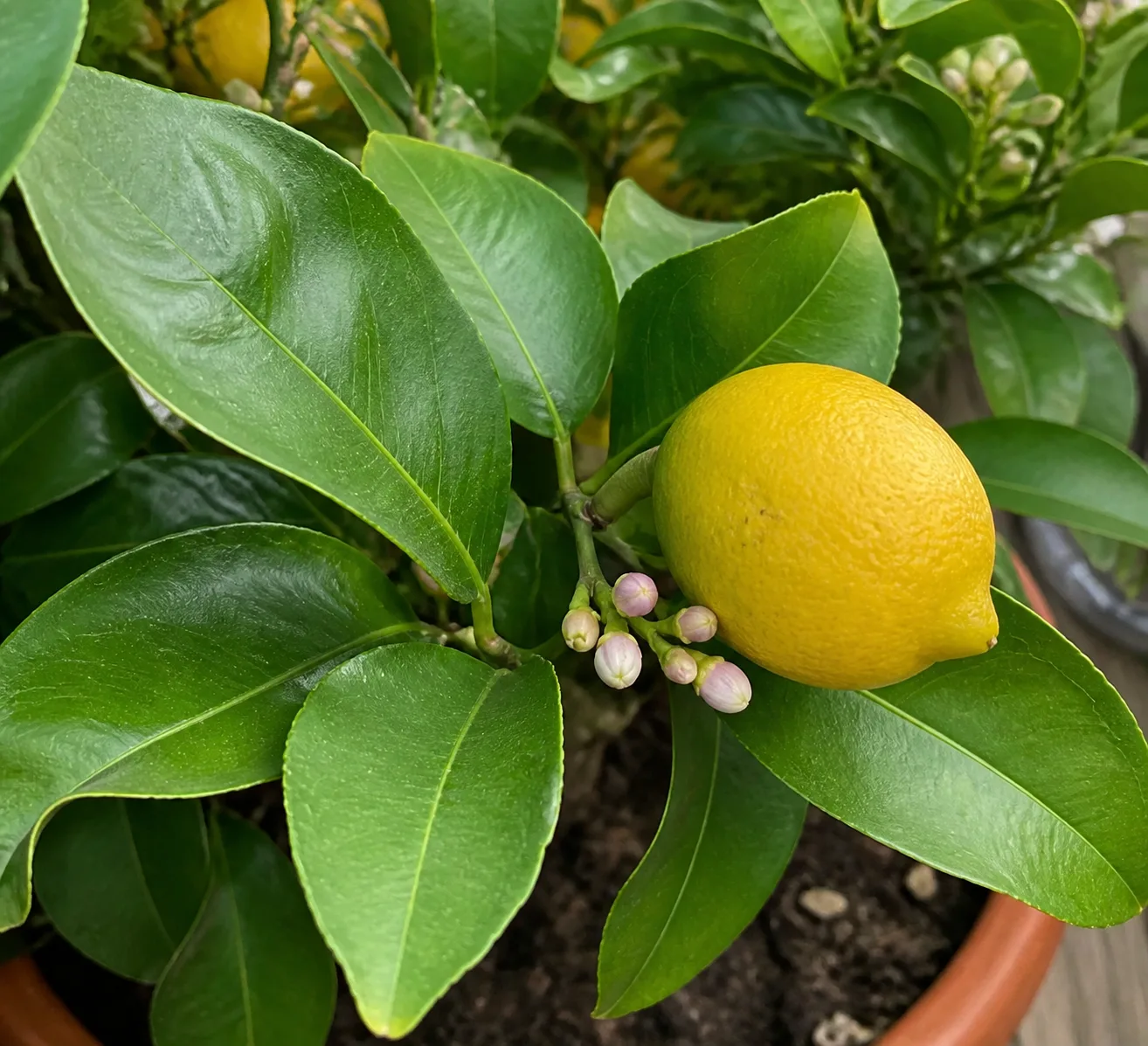
A dark storage space that suits a dormant fruit tree does not provide a season-long home for evergreen citrus. A bright, protected space with appropriate temperatures is part of the container-growing commitment. Cool indoor conditions can be useful, but freezing and cold drafts remain hazards.
For indoor citrus, Minnesota Extension describes about 65°F by day and nights five to ten degrees cooler. This is growing guidance, not a lethal-temperature test for every citrus cultivar. Outdoor cold tolerance also depends on duration, acclimation, rootstock, and the age of the tree.
Before moving a tree inside, an inspection of the stems and leaf undersides can reveal pests while treatment options are still easier to manage outdoors. After the move, observation of the mix and leaves is more useful than automatically halving water or stopping every fertilizer.
Pest Signs Worth Separating
Scale insects, aphids, mealybugs, and mites can occur on container citrus. Sticky honeydew directs attention toward certain sap-feeding insects, while fine stippling and webbing may indicate mites. Neither observation proves the identity without inspecting the plant.
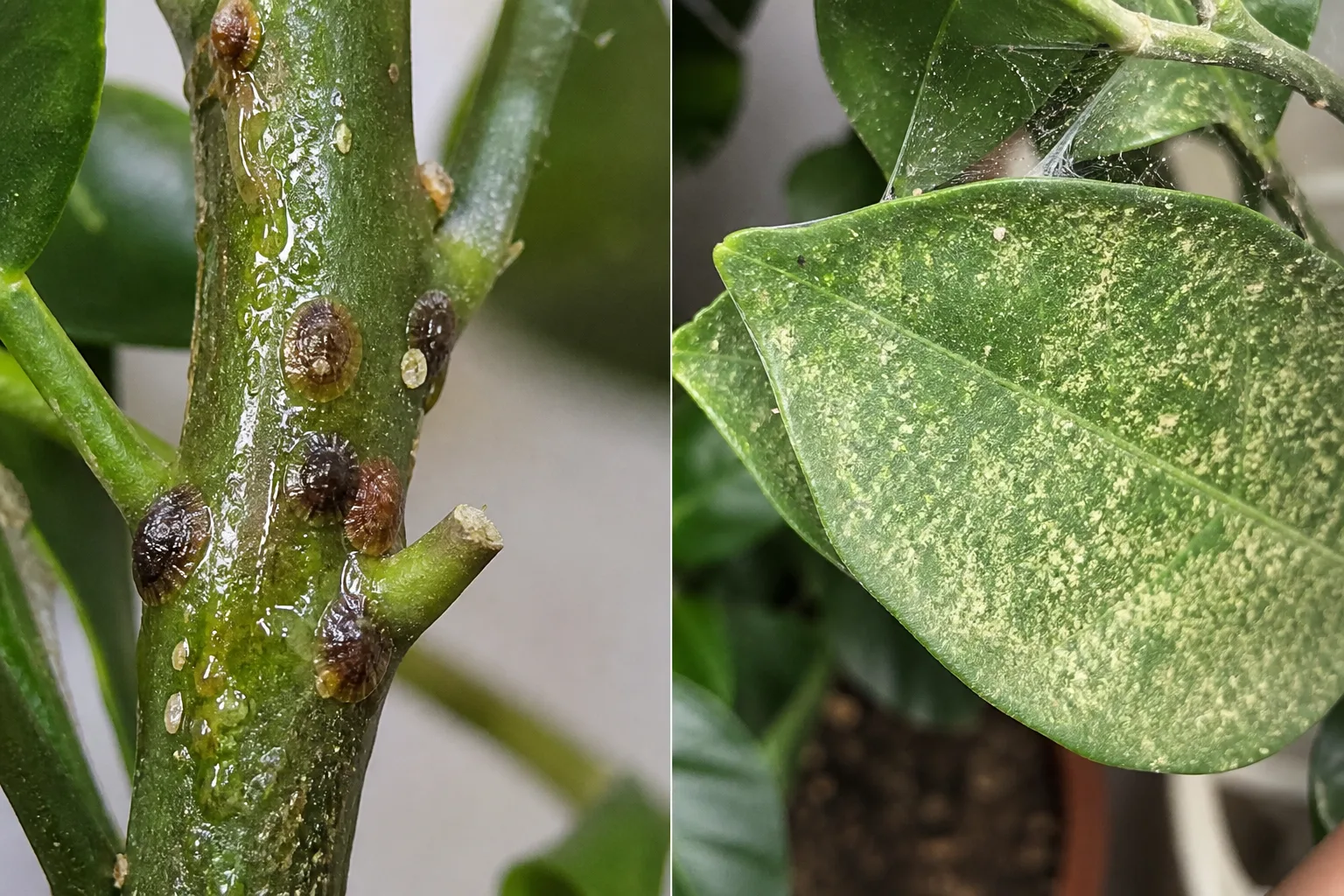
A product must be appropriate for the pest, edible citrus, and the place where it will be applied. Indoor use and harvest restrictions remain relevant even on a small ornamental-looking tree. Broad spraying without identification can also harm beneficial insects outdoors.
Winding mines in young leaves can come from citrus leafminer. UC IPM distinguishes usually tolerable damage on established backyard trees from greater growth effects on young trees with little older foliage. Removing every mined leaf can create more problems than the visible tunnels alone.
Pet Safety Depends on Plant Identity
The label dwarf citrus covers several taxa, so it cannot carry one evidence-backed pet-safety verdict. NC State flags lemon as a concern for dogs, cats, and horses. A tree intended to produce human food is not automatically safe for an animal to browse.
Human food use also depends on the fruit being an identified edible type and on any pesticide harvest restrictions. Concentrated oils are a different exposure from fresh fruit, and thorns or skin sensitivity may call for gloves while handling the tree.
Sources & References
- University of Maryland Extension - Growing Dwarf Citrus
- University of Minnesota Extension - Growing Citrus Indoors
- Mississippi State University Extension - Growing Citrus in Containers in Mississippi
- UF/IFAS - Citrus Culture in the Home Landscape
- UC IPM - Citrus
- Royal Horticultural Society - How to Grow Citrus Fruit
- UF/IFAS Gardening Solutions - Citrus
- UC IPM - Freezing and Frost Damage to Citrus
- UC IPM - Citrus Leafminer
- NC State Extension Gardener Plant Toolbox - Citrus x limon
- UC IPM - Scales, armored and soft scale distinctions
Related Plants
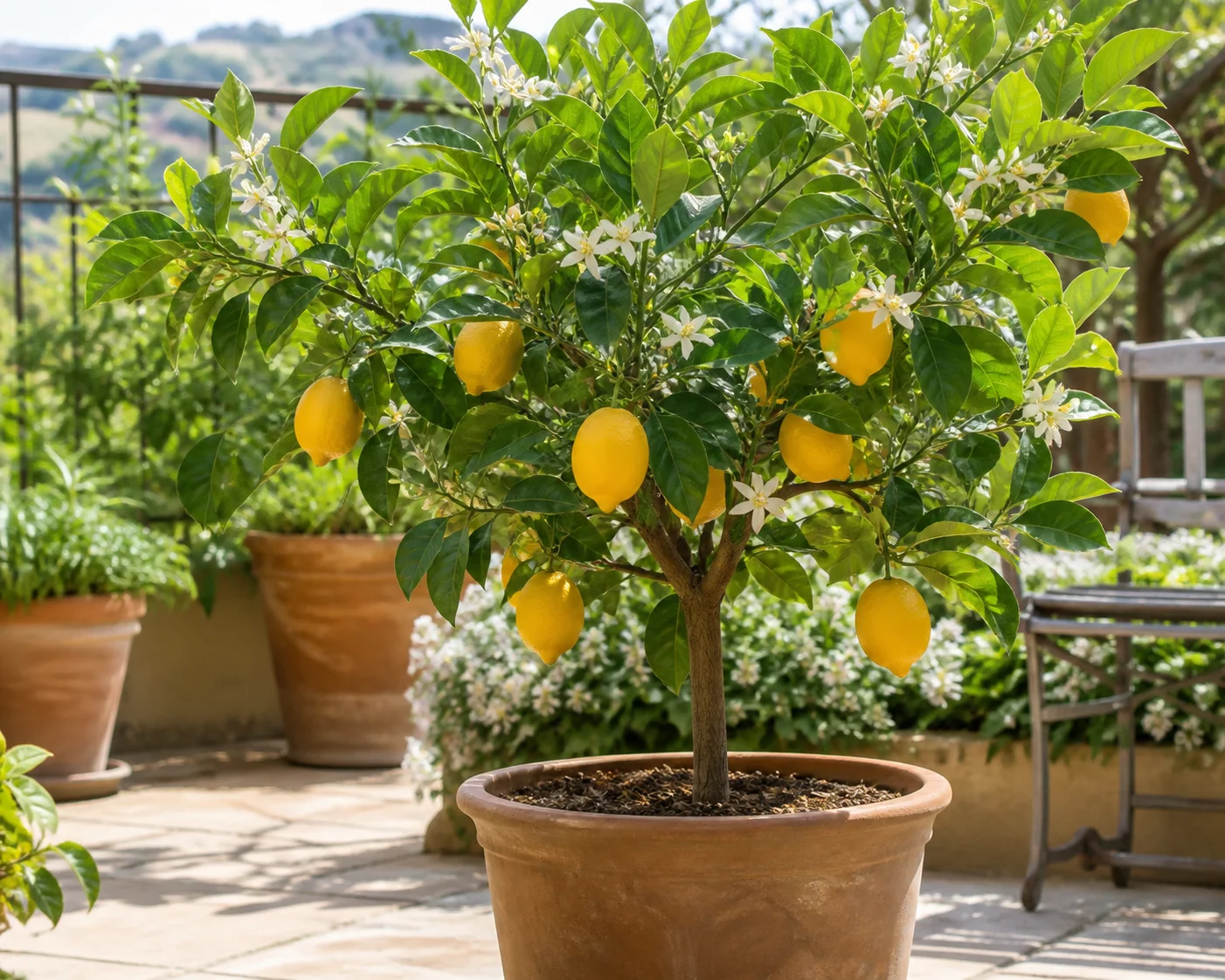
Meyer Lemon
A favorite dwarf citrus choice for containers and indoor overwintering.
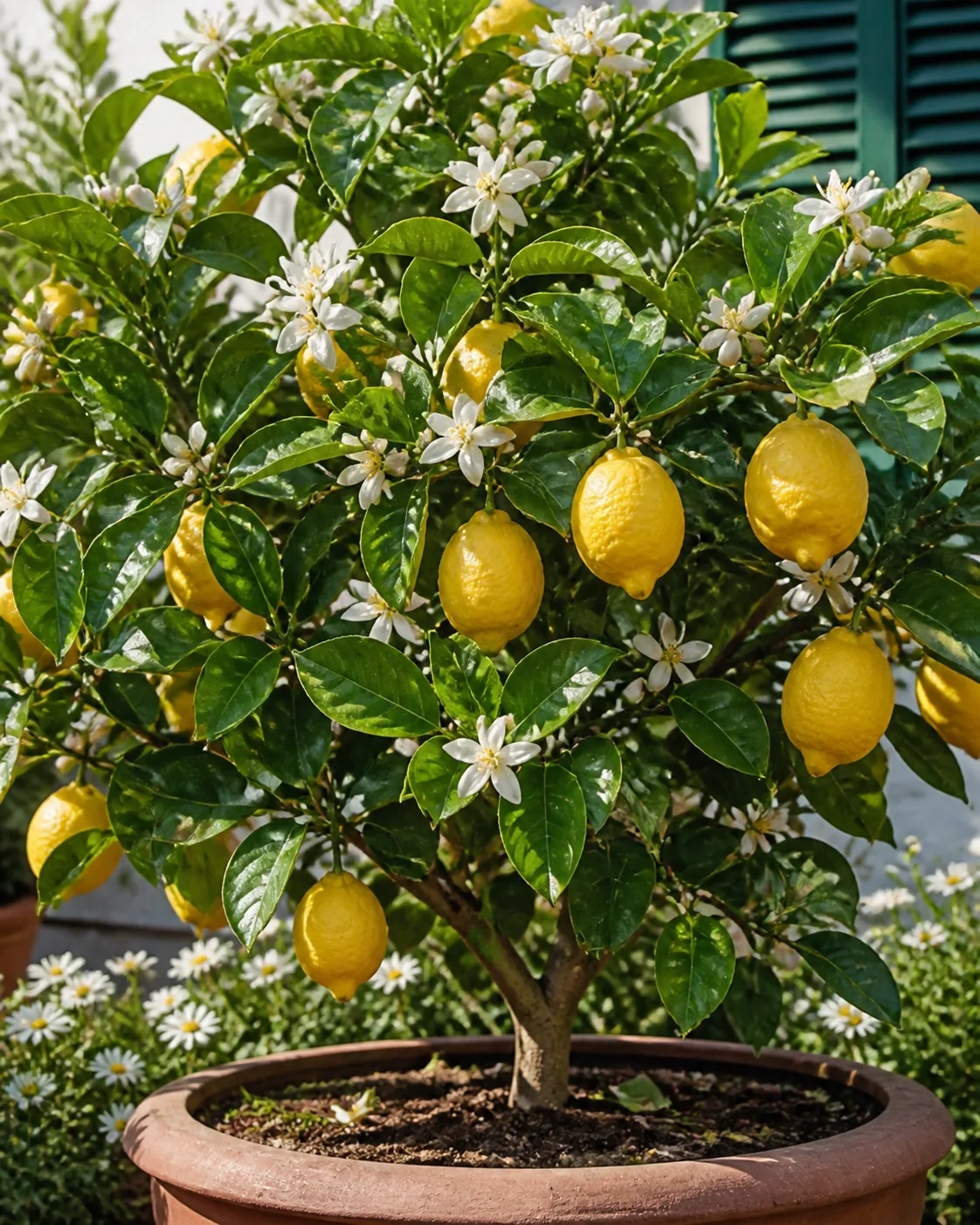
Lemon Tree
A classic citrus tree with many dwarf and container-friendly forms.
Fig Tree
Another container fruit tree, often easier in colder climates.
Apple Tree
Apple trees can be excellent backyard fruit trees when the variety, rootstock, pollination partner, sun, and pruning…
Avocado Tree
Avocado tree is a subtropical evergreen fruit tree for frost-free gardens, warm patios, and bright indoor…
Blackberry
Blackberries are perennial brambles grown for summer fruit on managed canes.