
Which Cherry Blossom Tree Fits Your Yard and How Do You Grow It?
Prunus spp. Rosaceae
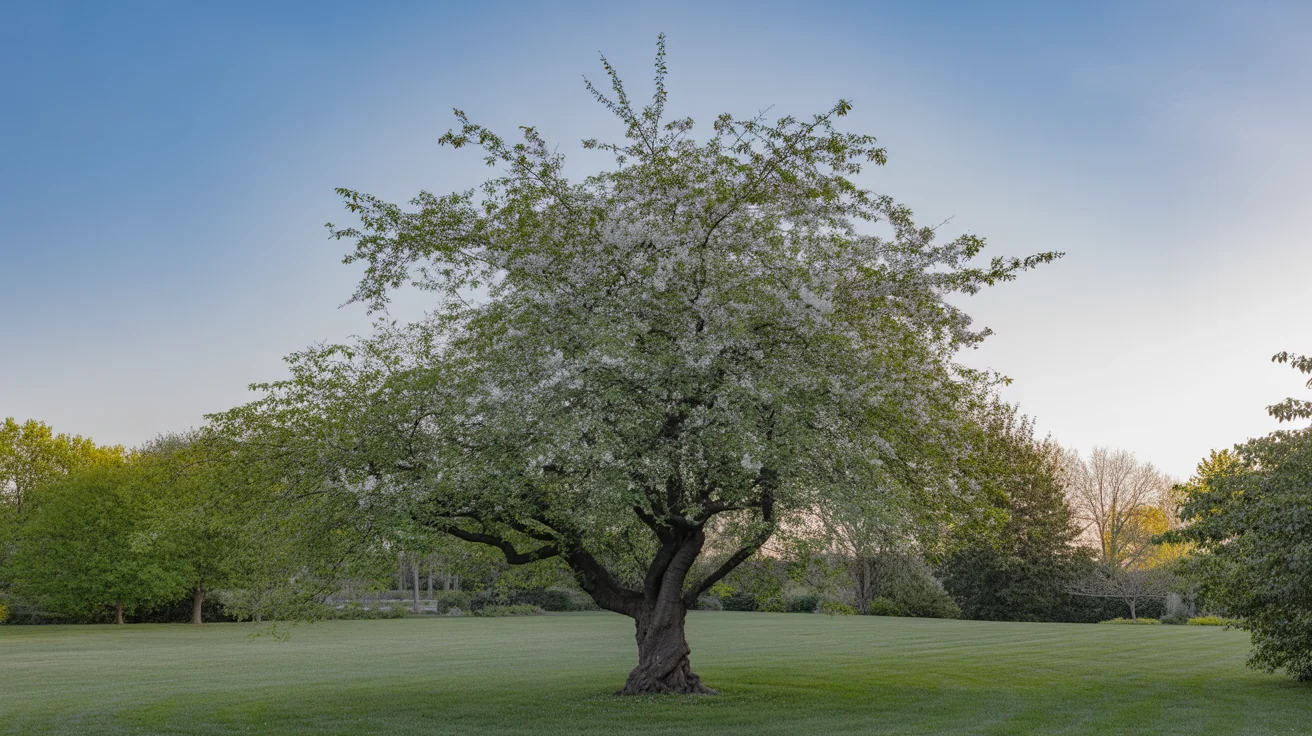
Cherry blossom tree is a common name for ornamental cherries grown for spring flowers rather than a useful fruit crop. The group includes Yoshino, Japanese flowering, Higan, and other Prunus trees, and each one needs a form that fits the view, open sun, clean drainage, and realistic expectations about lifespan.
Care snapshot
What Is a Cherry Blossom Tree, and What Is It Grown For?
A cherry blossom tree is an ornamental Prunus selected for its spring flowers, not one botanical species. Yoshino cherry is usually Prunus × yedoensis, while many double-flowered Japanese cherries belong to Prunus serrulata cultivars.
These trees are spring spectacles rather than all-season workhorses. The flower peak may last only a week or two, so a window, front walk, or street-facing lawn gives the display more value than a hidden back corner.
This route covers the broader cherry-blossom group and the choice among its common landscape forms.
The Japanese cherry profile goes deeper on Prunus serrulata, graft care, and its cultivar-specific disease pressure.
If you want spring bloom with stronger fall color or native wildlife value, compare dogwood or redbud before buying. A cherry blossom tree earns its space when the flower cloud itself is the point.
In Japan, hanami means flower viewing and centers on the brief flowering-cherry season.
That tradition explains the display value, but it does not turn an ornamental cherry into a productive backyard fruit tree.
Yoshino cherry creates the familiar single white-to-pale-pink cloud seen around the Washington, D.C., Tidal Basin. Double-flowered cultivars such as 'Kwanzan' make a denser pink display but usually offer less fruit for birds.
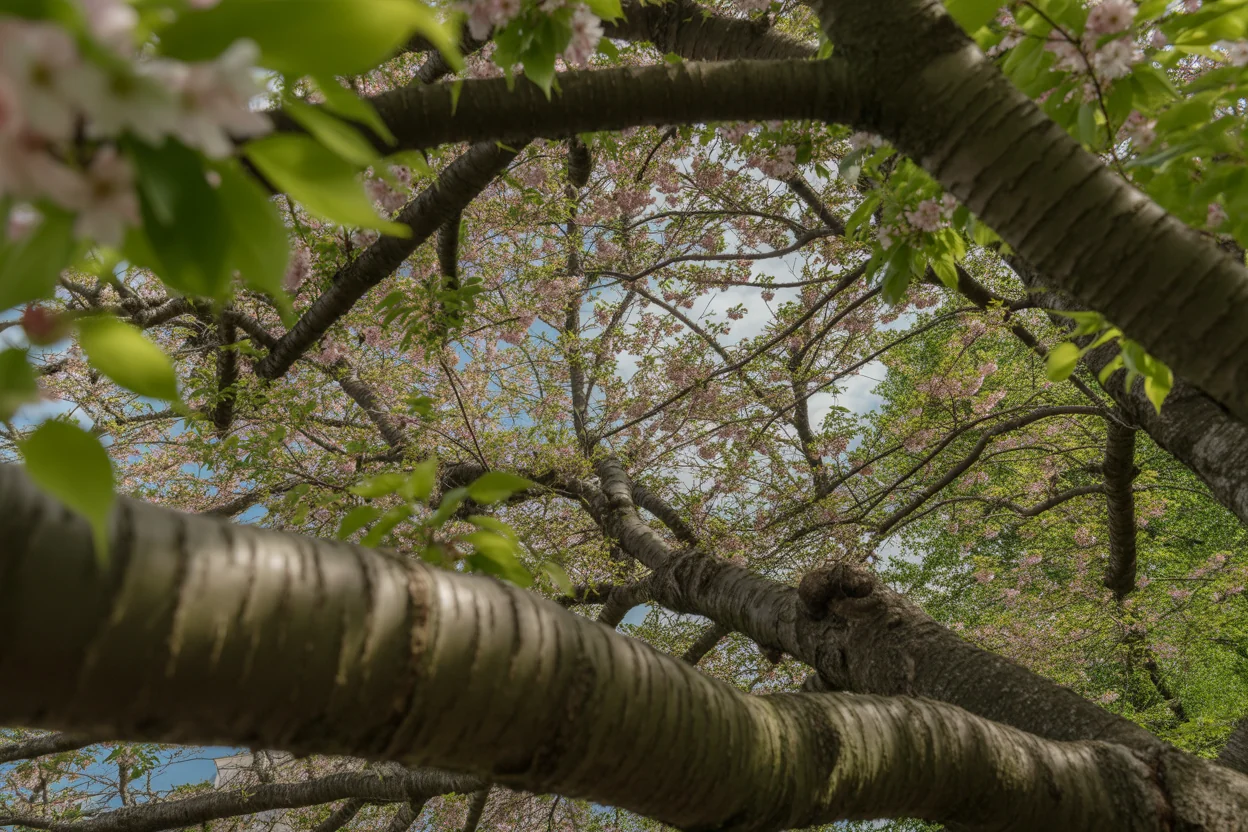
Warm weather can pull bloom forward, while a late frost can brown open petals and shorten the show.
Judge tree health from its leaves, shoots, and bark after bloom rather than from one frost-damaged flower week.
Which Cherry Blossom Form Fits Your Yard?
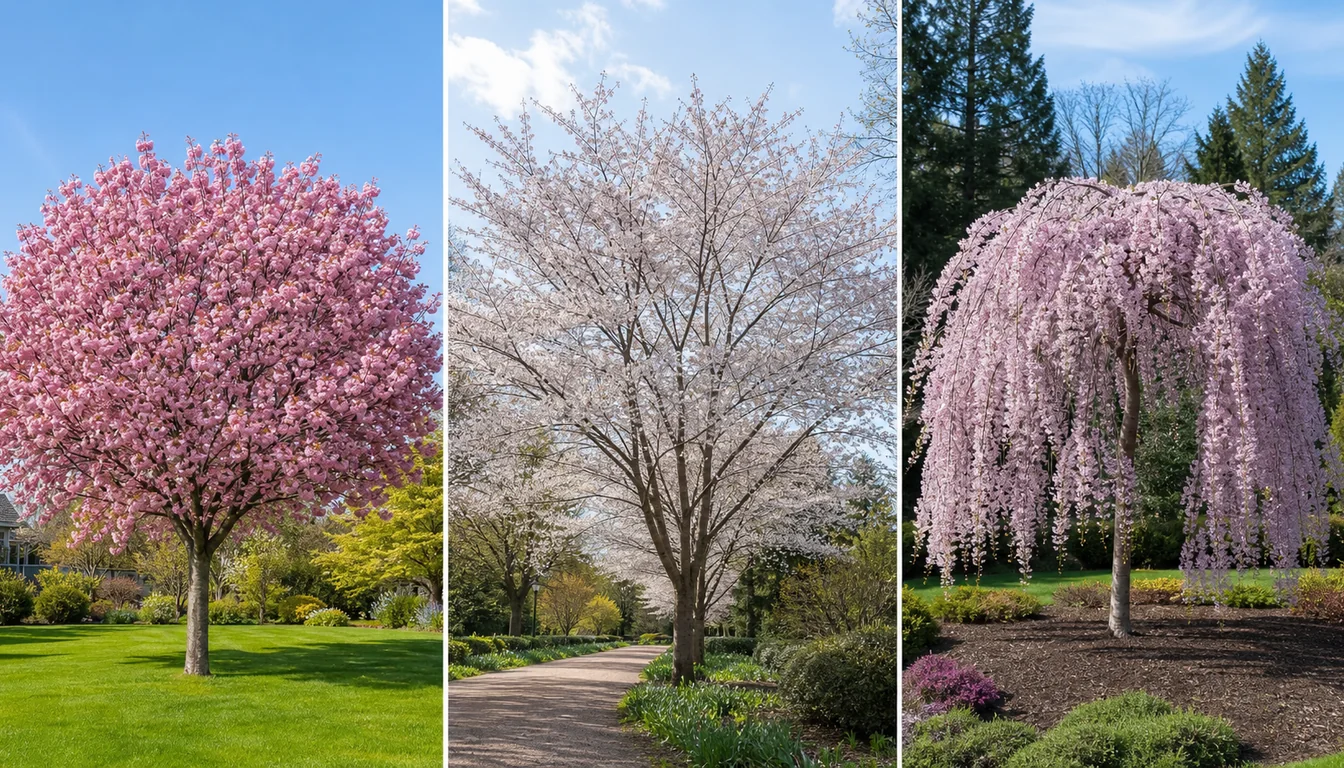
Different flowering cherries do different visual jobs.
Some make a rounded flower dome over a lawn, some arch outward like a vase, and some weep low enough to become almost a living fountain in spring.
That means canopy width often matters more than nursery-tag height. A tree that fits on paper can still block a walk, crowd a drive, or swallow a small entry bed once the scaffold branches spread out.
'Kwanzan' is the rounded, double-flowered form many buyers picture, with saturated pink clusters that read as a solid cloud across a lawn. Because the flowers are fully double, it usually sets little fruit.
Yoshino develops a vase-to-rounded outline and a lighter single-flowered look. 'Snow Fountain' and other weeping Higan selections stay lower, but their skirts still need open ground around them.
'Okame' blooms earlier than Yoshino in many climates, so it suits a gardener who wants the first strong spring color. That earlier bloom also gives late frost more opportunity to damage open petals.
'Kwanzan', 'Okame', and Yoshino commonly reach about 20 to 25 ft tall and wide. 'Snow Fountain' is often closer to 8 to 15 ft, but its low spreading branches can still obstruct a walk or mower route.
If the space is tight year-round, Japanese maple often gives a better long game. If blossom is essential, buy a named compact form instead of assuming yearly pruning can contain a standard tree.
- Rounded forms
- Best as lawn focal trees where the whole flower canopy is visible from a distance
- Vase forms
- Useful near broad paths where the branching frame can rise before it widens
- Weeping forms
- Best as low specimens with open ground around the skirt of branches
Where Should You Plant a Cherry Blossom Tree?
Cherry Blossom trees flower best in full sun, but sun alone is not enough. They also need open air around the canopy so spring moisture dries quickly off leaves and bark.
That is why a free-standing lawn position often works better than a cramped foundation corner. The tree gets better bloom, and you get fewer of the fungal problems that love still humid pockets.
Brown rot blossom blight can make flowers wilt, brown, and cling to twigs during cool wet weather. Open spacing helps blossoms and bark dry sooner, while a crowded corner keeps the infection window open longer.
Drainage matters just as much as light. Wet ground kills these trees slowly through root decline, and that slow decline often looks like weak bloom, dieback, and mystery stress instead of one clean failure.
If a spot stays soggy after rain, do not force a Cherry Blossom there. Use a raised planting area, move the tree, or pick a different ornamental such as ginkgo for a tougher urban site.
- Aim for 6 or more hours of direct sun.
- Avoid low wet pockets where cold air and water collect.
- Keep the canopy off walls, fences, and dense evergreen shrubs.
- Do not plant where lawn sprinklers hit the trunk every morning.
How Should You Plant, Water, and Mulch a Cherry Tree?
Young Cherry Blossom trees need steady water while roots spread, but they hate the wet-dry chaos that comes from shallow lawn irrigation. Grass at the base steals both moisture and air from the exact zone the tree is trying to colonize.
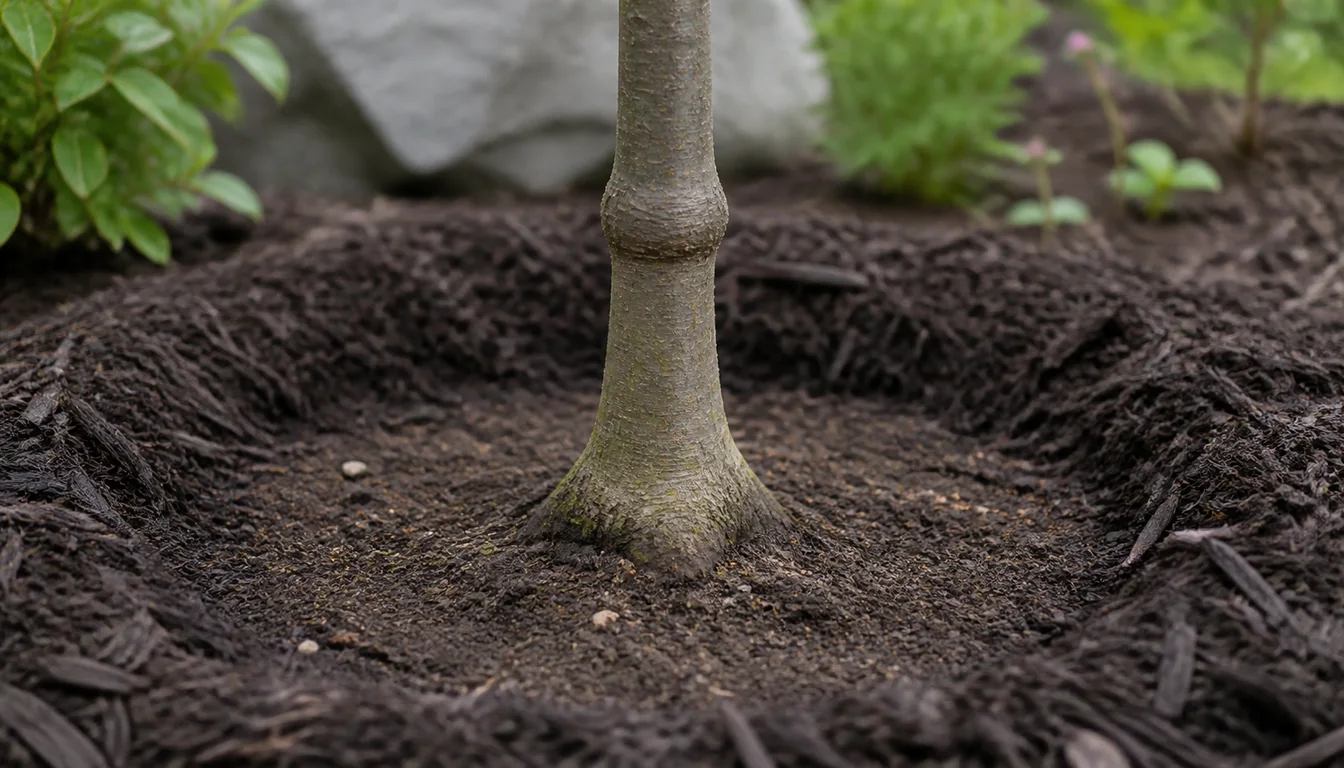
Make a wide mulch ring and water the root zone deeply, not the trunk. The same principle behind deep watering works here because surface sprinkles build weak shallow roots and invite disease around the crown.
Spread 2 to 3 inches of mulch across a wide ring, then pull it back several inches from the bark. The ring suppresses turf and slows evaporation without keeping the trunk damp.
Once the tree is established, water only during real dry stretches. Too many gardeners keep watering ornamental cherries like annual flowers, which is one reason roots decline in heavy soil.
Most ornamental cherries sold in nurseries are grafted onto a different rootstock rather than grown on their own roots.
Keep the graft union, the swollen change in the lower trunk, several inches above the finished soil. Shoots from below that union belong to the rootstock and will not reproduce the named cultivar's flowers or form.
- Years 1-2
- Deep water regularly so the soil stays evenly moist but never swampy
- After establishment
- Water during prolonged dry spells, not on a constant lawn timer
- Best base treatment
- Mulch ring, not turf, right under the branch spread
When and How Should You Prune a Cherry Blossom Tree?
Most shaping should happen right after flowering, when you can still see the branch framework and before the tree spends the whole season reacting to cuts. Heavy dormant pruning often turns a graceful tree into a thicket of stressed shoots.
That window is narrow, usually two to four weeks after petal drop before new leaves fully obscure the branch structure. Wipe pruning tools with rubbing alcohol between cuts, especially on any tree already showing canker symptoms, since dirty blades are one way canker spreads from branch to branch.
Remove crossing wood, dead twigs, and any upright water sprouts that spoil the natural line. Do not top the tree and do not shear it down into a smaller dome shape, since Cherry Blossom structure looks best when it is thinned, not forced.
This is one reason these trees are not ideal if you want a constantly managed formal outline like boxwood. Their beauty comes from branch architecture and bloom placement, not repeated clipping, so plan on light, occasional shaping rather than a maintenance routine.
Why Is Your Cherry Tree Gumming or Dying Back?
Flowering cherries rarely fail all at once.
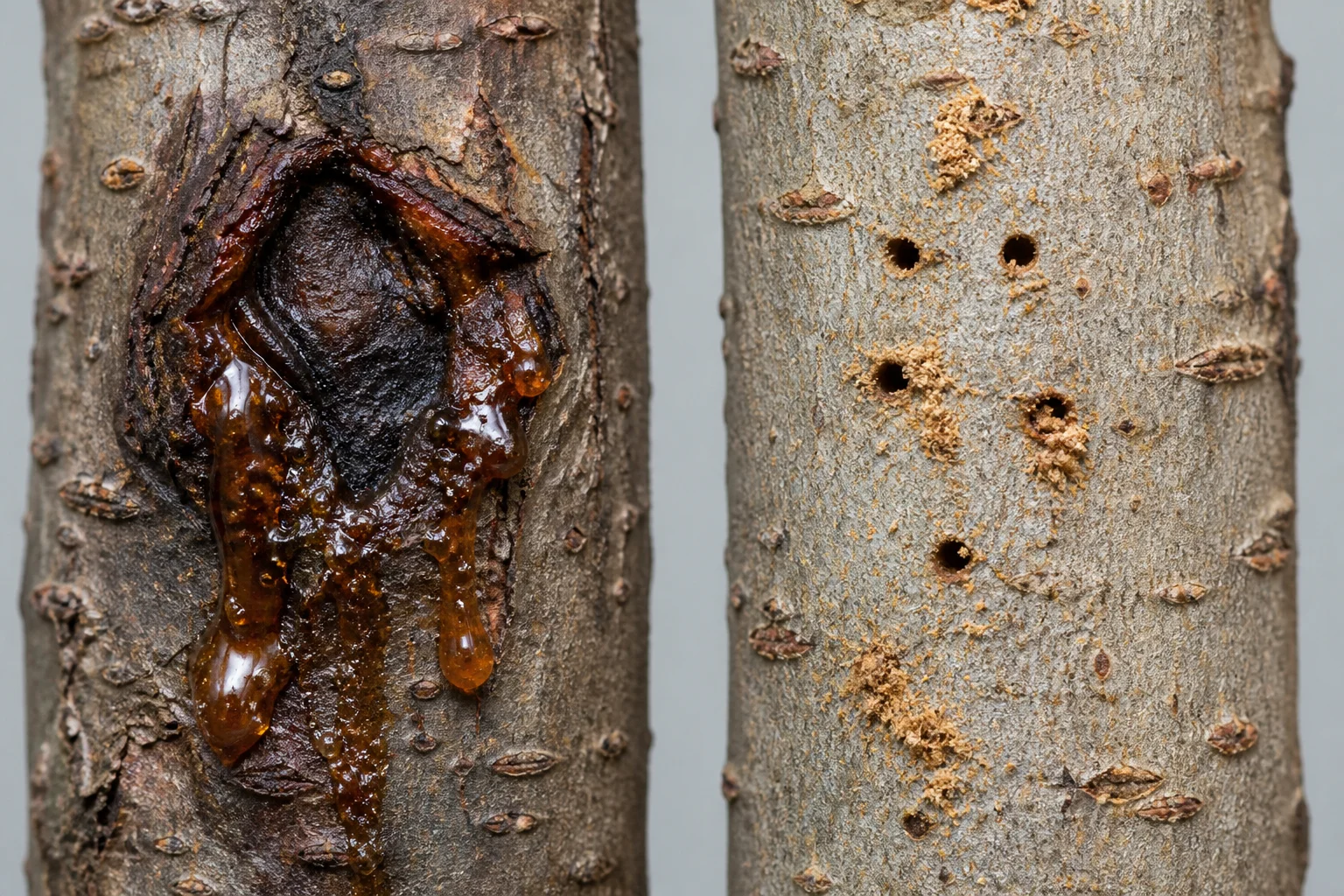
They usually fade in stages, with thinner bloom, small dead branch tips, gummy bark, weak summer leaves, then bigger dieback over time.
That pattern matters because the clean fix is often upstream. Bad drainage, trunk wounds, crowded airflow, and stress from lawn equipment usually start the decline before a borer or canker takes advantage of a tree that is already weakened.
If you see gum on bark, branch tips dying back, or leaves spotting badly every spring, act early. Open the canopy a little, protect the trunk from mower and trimmer wounds, and correct the root-zone problem before you spend money on sprays.
Compared with Japanese maple, a cherry blossom tree gives you less margin for repeated stress. A certified arborist should inspect expanding trunk cankers, cracked major unions, or dieback that reaches a scaffold limb.
Often points to stress, canker, or borer activity after the tree was weakened first.
Can mean shade, rough pruning, or a tree already sliding into decline.
Usually worsen in crowded, damp canopies where leaves stay wet too long.
A common early sign that the tree is not moving water or energy well anymore.
How Long Do Cherry Blossom Trees Live, and Are They Messy?
When bloom peaks, petal drop is part of the charm. A week later, it can feel like pink paper confetti across paths, cars, and patio furniture.
Some forms also set small fruit that birds may use but people usually ignore. This is not the same backyard job as a fruiting apple tree, and it should not be sold to you like one at the nursery.
Single-flowered types like Yoshino set more of this small fruit than fully double types like 'Kwanzan', so the messiest bloom seasons often come from the same trees prized for looking closest to the wild species.
Leaves and pits from Prunus species are not good chewing material for pets or livestock. ASPCA lists cherry (Prunus spp.) as toxic to dogs, cats, and horses because stems, leaves, and seeds contain cyanide-forming compounds, and wilting leaves are the most dangerous, so keep grazing animals and curious dogs away from fallen twigs and storm-broken branches, and if one eats them, contact a veterinarian or ASPCA Animal Poison Control.
Many ornamental cherries give a yard 15 to 25 good years, and a well-sited specimen may live longer. Treat that range as a planning reality rather than an expiration date, because cultivar, climate, soil, and injury history all change the outcome.
If you want a tree that anchors the space for decades under stress, oak is the sturdier choice.
Ginkgo is another stronger long-game option. If you want unforgettable spring bloom near the front walk, Cherry Blossom still earns its place.
Frequently Asked Questions
How fast do cherry blossom trees grow?
Cherry Blossom trees usually grow at a moderate rate when young, then slow as the canopy fills out. Exact speed depends on cultivar, soil drainage, and whether the tree is spending energy recovering from stress.
Do cherry blossom trees produce edible fruit?
Some ornamental cherries make small fruit, but the tree is grown for flowers, not for useful eating fruit. Do not plant one expecting the same harvest job as a fruiting cherry or apple.
Can I grow a cherry blossom tree in a container?
Only the smallest forms are reasonable in a large container, and even then the root zone dries and heats quickly. For long-term container display, Japanese maple is often the easier ornamental tree.
How long do ornamental cherry blossom trees live?
They are usually shorter-lived than tougher landscape trees, especially in wet soil or crowded disease-prone sites. Good siting and light pruning help, but this is not usually a century tree.
Can I grow cherry blossom trees in a small yard?
Yes, if you choose the form carefully and account for mature width, not just nursery size. Rounded and weeping types can outgrow a small space faster than people expect.
Sources & References
- Prunus serrulata, USDA NRCS Plants Database
- Flowering Cherry Trees for Home Gardens, Oregon State University Extension
- Prunus serrulata, Japanese flowering cherry profile
- Ornamental cherry diseases and care recommendations
- Japanese flowering cherry tree selection and management
- Ornamental Flowering Cherries, Royal Horticultural Society (RHS)
- Flowering cherries for the home landscape
- Toxic and Non-toxic Plants: Cherry | ASPCA
Related Plants
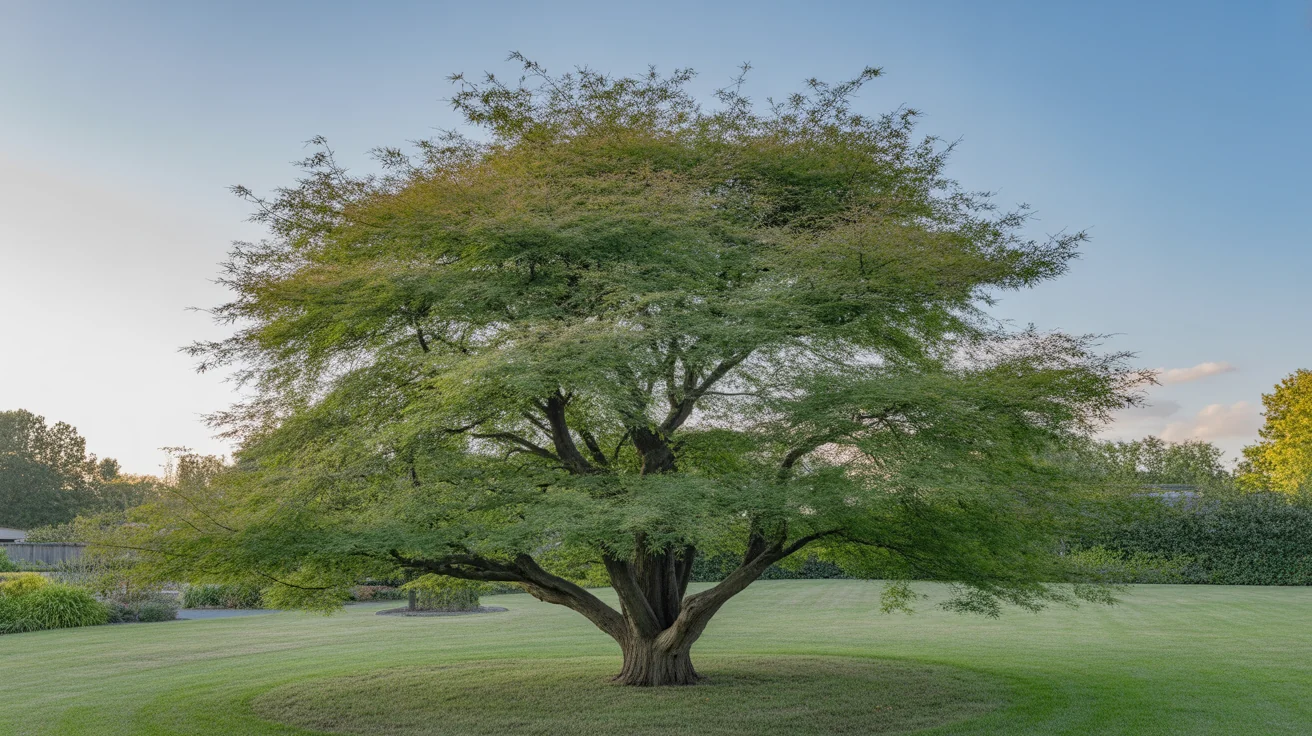
Japanese Maple
Small ornamental tree with longer season value and less bloom drama than cherry blossom.
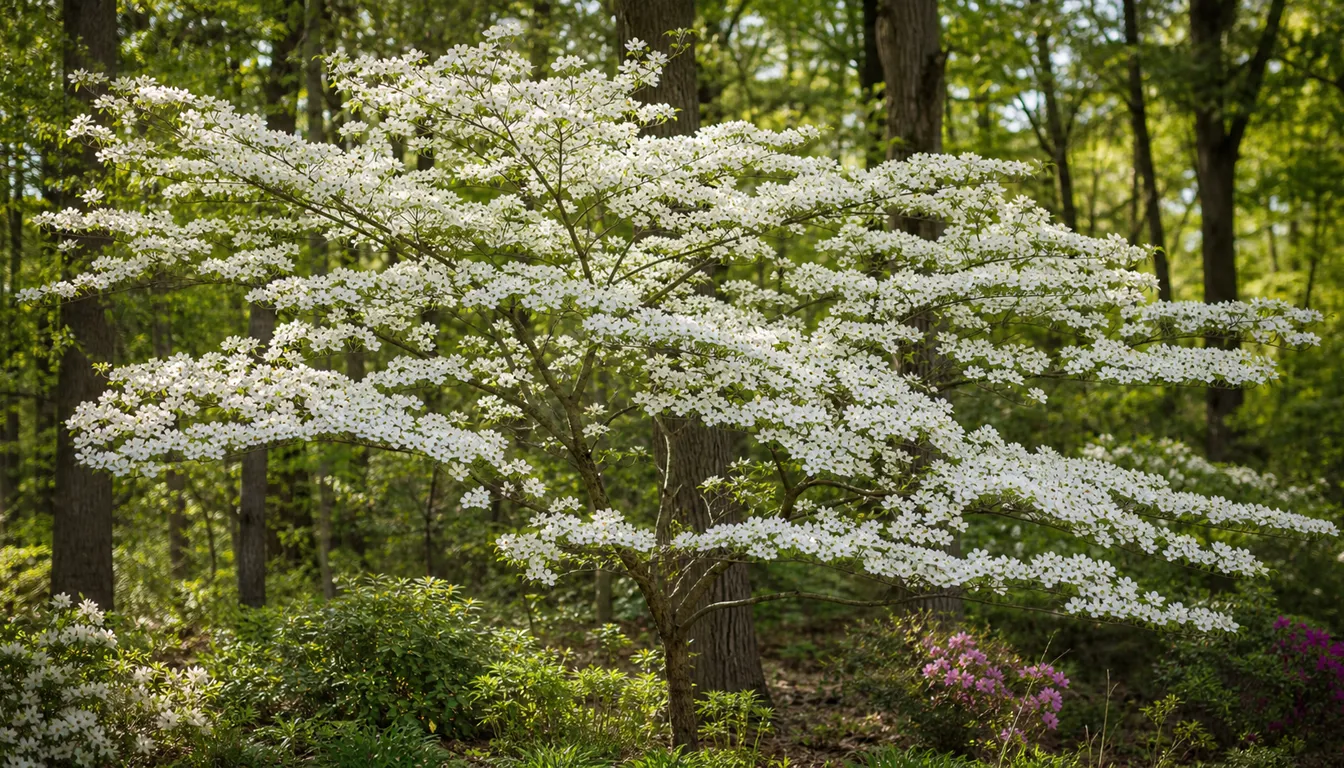
Flowering Dogwood
Another spring-flowering small tree, but better for part shade and woodland-edge planting.
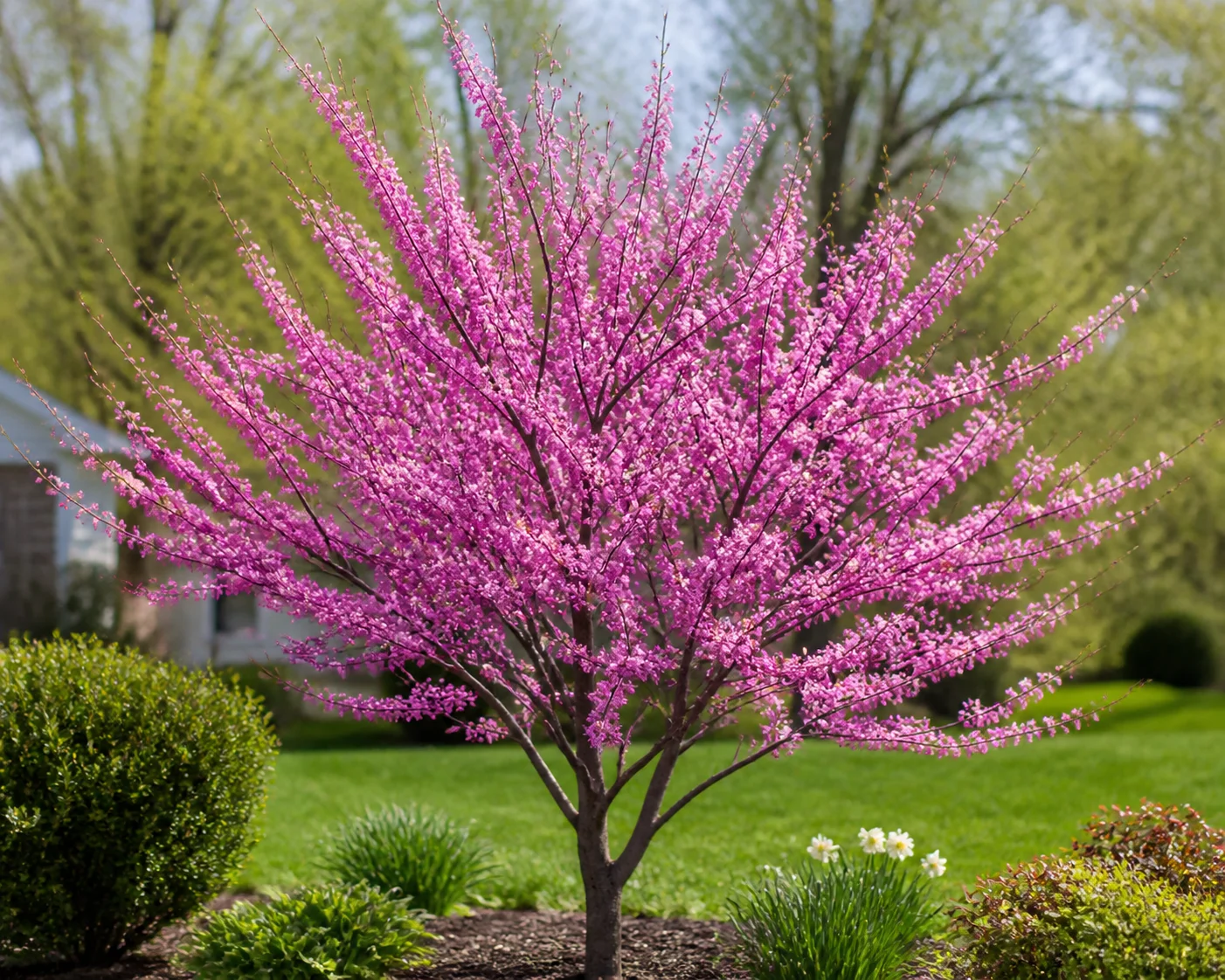
Eastern Redbud
Native spring bloomer with an earlier flowering habit and looser branching silhouette.
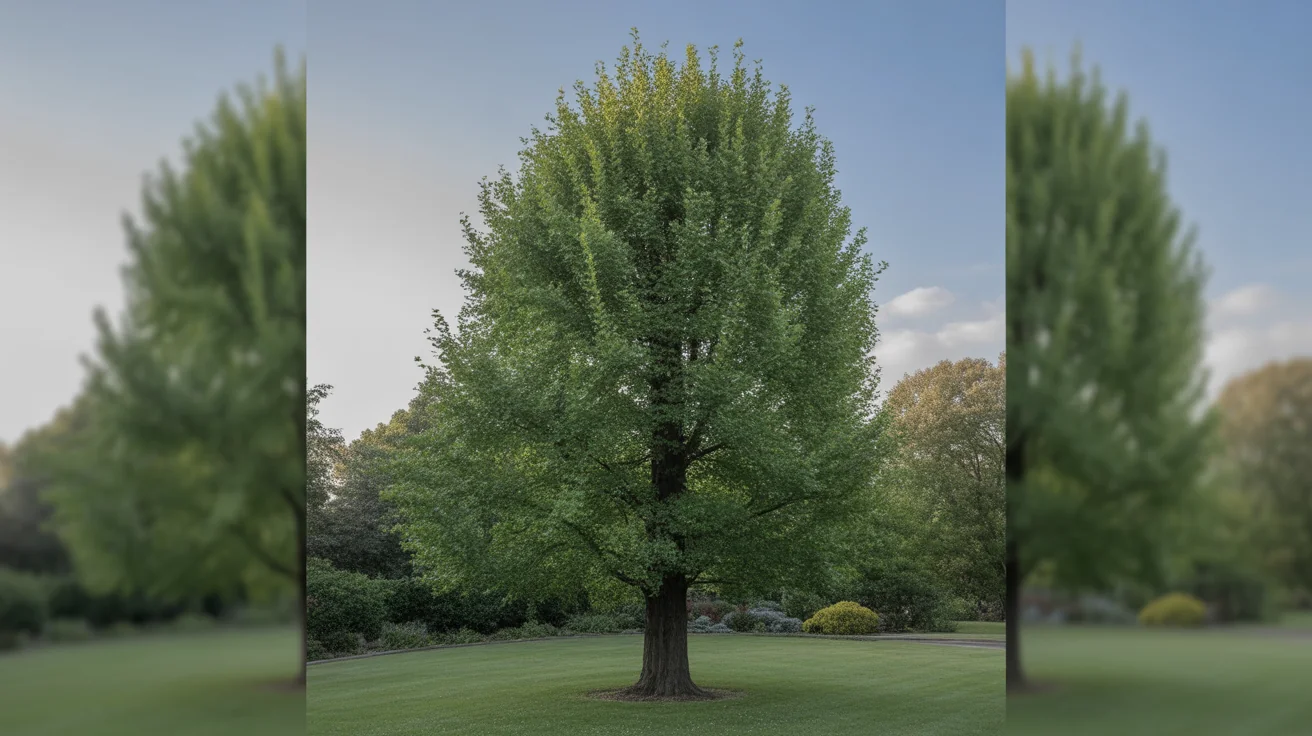
Ginkgo Tree
Ginkgo is not a plant for instant gratification. It is a patient tree that rewards the right buyer decision up front…
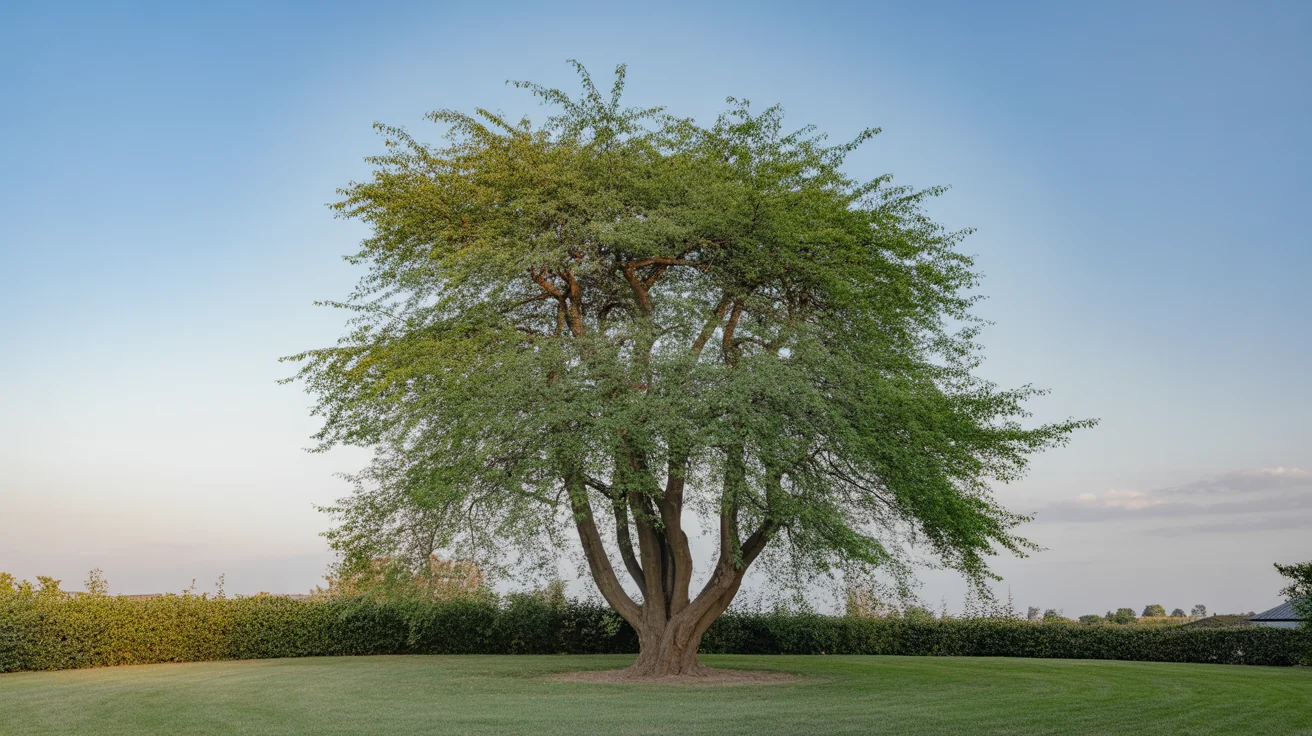
Japanese Cherry Tree
Japanese Cherry is a short-season show tree with real structural limits. The best care is not chasing bigger growth.
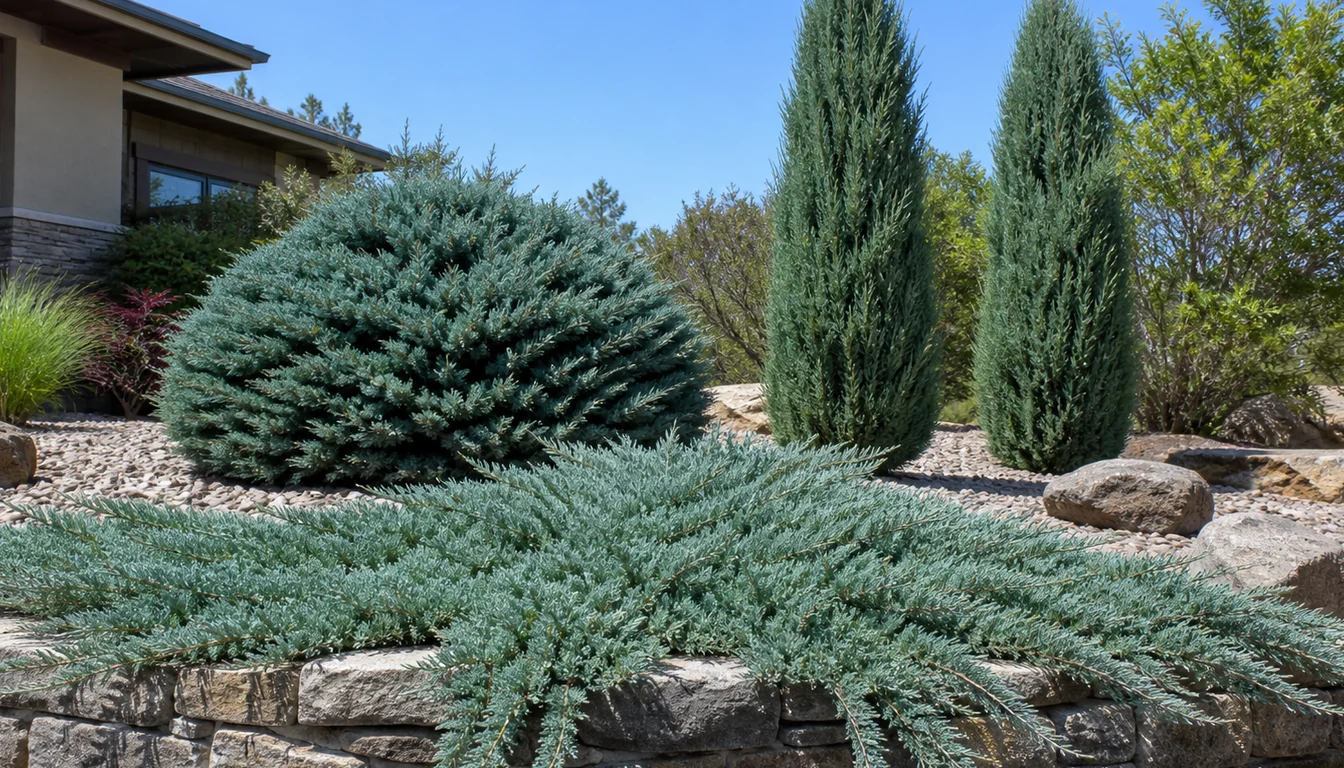
Juniper
Juniper covers dozens of evergreen conifers that range from a 4 inch mat to a 60 ft tree, so the form on the label…