verifiedSource Reviewed
Rubber Tree Indoor Care Guide
Ficus elastica
Family: Moraceae
wb_sunnyLight
Bright, indirect light; tolerates some morning sun
water_dropWater
Moderate; let top 1–2 inches of soil dry
heightHeight
6–10 ft indoors, taller in large spaces
publicZone
USDA Zone 10-12 outdoors; indoors elsewhere
airAir Quality
Air Quality Note

Native Region
Southeast Asia (India, Nepal, Bhutan, Myanmar, China, Malaysia, Indonesia)
parkBuy It as a Future Tree
A small glossy Rubber Tree can become a floor plant with a woody trunk, so the first question is not whether it fits the table today. The question is whether the room can handle a taller ficus later.
This page owns the tree-form decision: trunk height, branching, pot weight, and latex handling. The close sibling Rubber Plant covers the general glossy-ficus profile, so this article focuses on managing it as an upright indoor tree.
lightbulbPlan the final corner early
Choose the window, traffic clearance, and pot style before the plant gets heavy. Moving a mature ficus often causes more leaf drop than a careful pruning cut.
If you want a ficus tree with softer leaf texture, Ficus Audrey is the better comparison.
If you want a drama plant that hates movement even more, Fiddle Leaf Fig is the stricter version.
paletteChoose Leaf Color by Light You Can Actually Give
Burgundy, green, and variegated forms do not ask the same thing from a room. Dark green types are the most forgiving; cream or pink variegated leaves need brighter steadier light to hold color.
Burgundy or dark greenBest for bright rooms with some distance from glass
VariegatedBest for the brightest filtered light and slower growers
Small tabletop starterGood only if you plan for height and pot upgrades
Avoid buying a variegated plant for a dim corner. It may stay alive, but it will shed lower leaves and lose the clean color that made you choose it.
- check_circleFirm upright leader or intentional branching.
- check_circleGlossy leaves with no sticky scale residue.
- check_circleRoots holding the mix without a sour smell.
Guide — See AlsoAir Purifying Plants for Cleaner Indoor AirLearn how to pick, place, and care for air purifying plants so they help your indoor air instead of just looking pretty.
chevron_rightwb_sunnyPlace It Once in Bright Stable Light
Stable light matters because ficus leaves are slow to forgive change. Give Rubber Tree bright indirect light with gentle morning sun if possible, then leave the plant to adapt.
A sudden move from a dim store corner to a hot west window can drop leaves. A slow move toward better light works better than one dramatic upgrade.
If new growth stretches and lower leaves yellow, light is often the first suspect. If sun-facing leaves scorch, pull the plant back before changing water.
This light-first reading differs from Monstera, where leaf fenestration and climbing support can complicate the diagnosis.
Email Updates
Join the KnowTheYard update list
Zone-specific advice, seasonal reminders, and new plant guides — no filler.
water_dropWater the Whole Root Ball, Then Let It Breathe
A tall Rubber Tree needs full-root watering. Pour until water drains, then wait until the top 1-2 inches dry and the pot feels lighter.
Partial watering leaves dry pockets inside a large pot. Constant small pours keep the top wet and invite fungus gnats while deeper roots never get a proper cycle.
warningLeaf drop has a pattern
Several lower leaves yellowing after a heavy wet period points to root stress. One old lower leaf dropping during steady growth is less alarming.
For routine timing, best time to water indoor plants matters less than pot weight. A heavy ficus pot tells the truth better than the calendar.
Guide — See AlsoBest Herbs to Grow Indoors for Real Harvests, Not Spindly PotsChoose indoor herbs that can actually produce in your light, temperature, and container setup, then match each one to th
chevron_right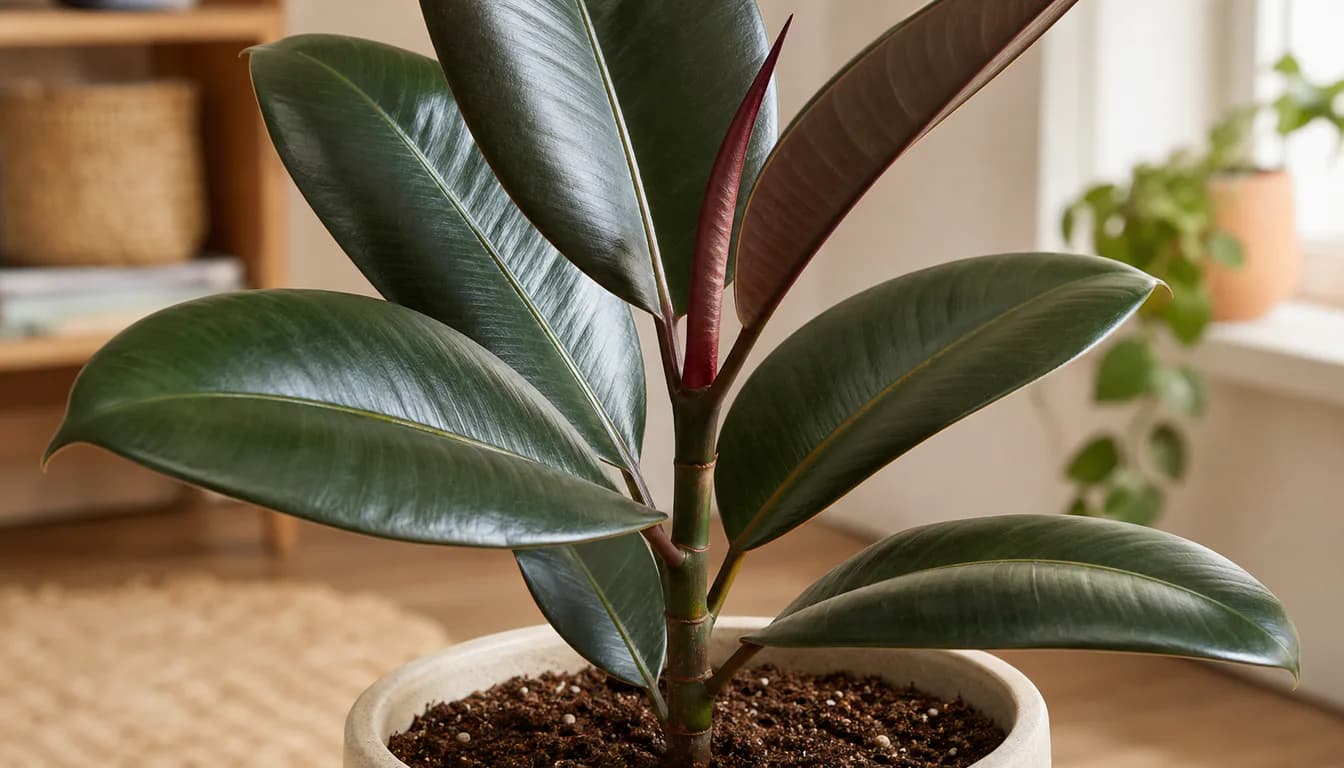
potted_plantUse Weight and Drainage Together
The container must hold a tall trunk without trapping water. A heavy pot with a drainage hole is better than a light nursery pot hidden inside a tight sleeve.
Use a chunky indoor mix with perlite, bark, and enough organic matter to hold moisture between deep waterings. The roots should get air after each soak.
Tree supportHeavy pot, broad base, room for trunk clearance
Root supportDrainage hole, airy mix, no standing saucer water
Repot signalTop-heavy plant, fast dry-down, tight roots at the edge
Step up one pot size at a time. Too much wet mix around a modest root ball causes the same yellow-leaf pattern people often blame on low humidity.
content_cutPrune Before Height Becomes the Problem
The best pruning cut happens before the plant reaches the ceiling. Cutting above a node can encourage branching, but the response is easier to manage while the trunk is still reachable.
Wear gloves because the white latex sap can irritate skin and drip on floors. Wipe the cut and keep pets away from fresh sap.
- 1Choose a node below the height where you want branching.
- 2Make a clean cut in warm active growth.
- 3Keep the plant in the same bright spot while it responds.
- 4Root the removed tip only if it has firm leaves and a healthy node.
Air layering is another option for thick stems, but it is slower and fussier than simple tip cuttings from younger growth.
Guide — See AlsoBest Indoor Plants for Every Room and Light LevelA practical guide to choosing the best indoor plants for your home, covering beginner-friendly picks, low light champion
chevron_rightbug_reportRead Leaf Drop Before You Panic
Leaf drop is a message, not a diagnosis. The pattern tells you whether to look at light, water, pests, or recent movement.
- check_circleLower yellow leaves after wet soil: check roots and drainage.
- check_circleLeaves dropping after a move: hold care steady and improve light gradually.
- check_circleSticky leaves or bumps on stems: inspect for scale.
Scale is the pest to respect on glossy ficus leaves. It can look like small brown bumps and leave sticky residue long before the plant looks badly damaged.
For yellowing patterns on other houseplants, Dracaena yellow leaves is a useful comparison.
Pothos yellow leaves can look similar from across the room, but Rubber Tree needs the added check for trunk stability and scale.
ac_unitSlow Winter Means Fewer Big Moves
Winter is not the time to reshape a large ficus unless the plant is unsafe or damaged. Short days slow recovery, and a hard prune can leave bare stems for months.
Reduce watering pace, keep the plant away from cold drafts, and wipe dust from leaves so the limited light reaches the surface.
infoSeasonal timing
Repot, prune, and feed in spring or early summer. In winter, keep the tree steady and avoid sudden moves.
A light feeding plan from indoor plant fertilizer supports new growth, but fertilizer cannot fix low winter light.
Guide — See AlsoHow to Use Neem Oil on Houseplants Safely and EffectivelyStep-by-step instructions for using neem oil safely on houseplants, including mixing rates, application methods, and tim
chevron_rightpetsLatex Sap and Pet Placement Matter
The milky sap is the safety issue. Rubber Tree can irritate skin and is not a chew-safe plant for pets.
Place it where leaves do not brush faces, doorways, or pet paths. A tall ficus also needs enough clearance that people are not constantly bending stems out of the way.
After pruning, clean tools and wipe any sap that drips on the pot or floor. If you need a tough plant for a busy pet-access room, ZZ Plant is easier to place.
eco
Keep Exploring
Related Plants
 Houseplants
Aloe Vera
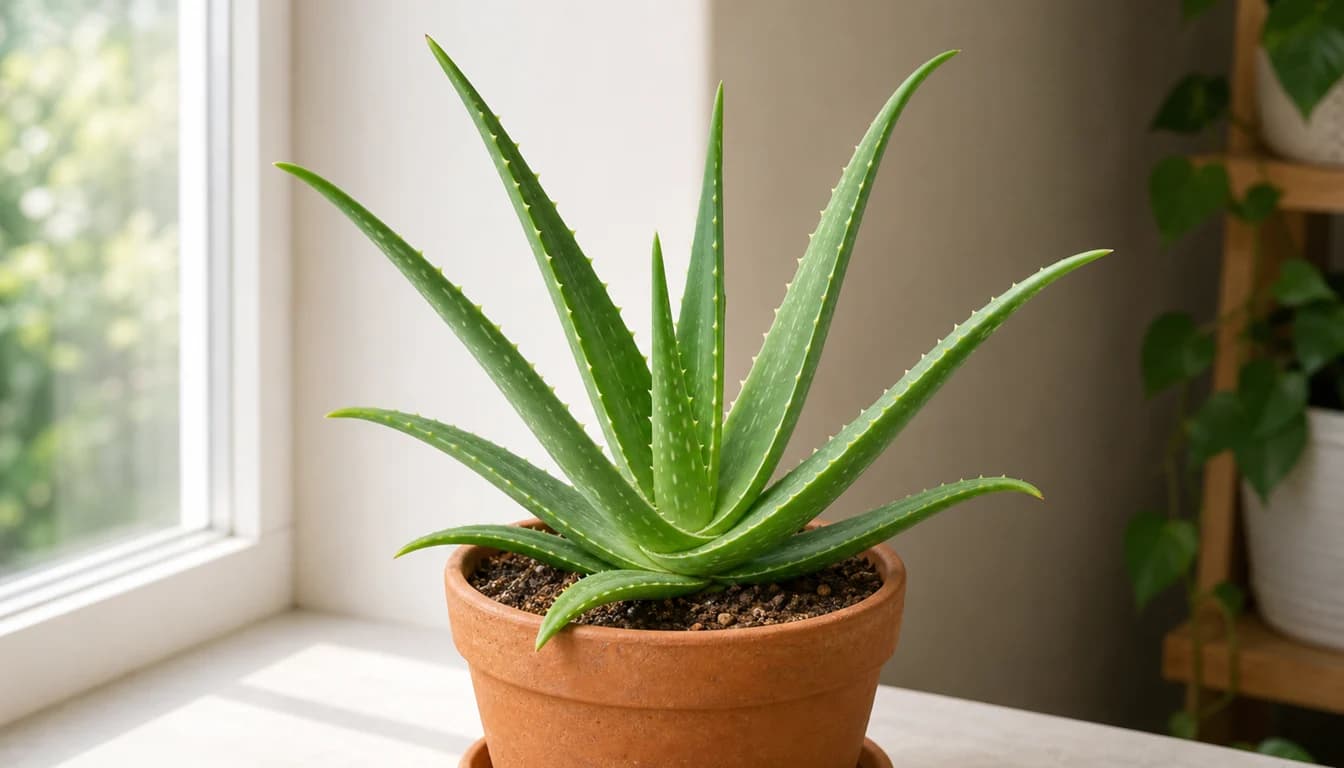
Aloe vera stores water in its thick, gel-filled leaves and can survive weeks without attention — which makes overwatering the fastest way to kill it. Give it a
 Houseplants
Jade Plant
Jade Plant care works best when you treat the plant like a slow woody succulent. Bright light, a heavy draining pot, and dry-down between waterings build sh
 Houseplants
Snake Plant
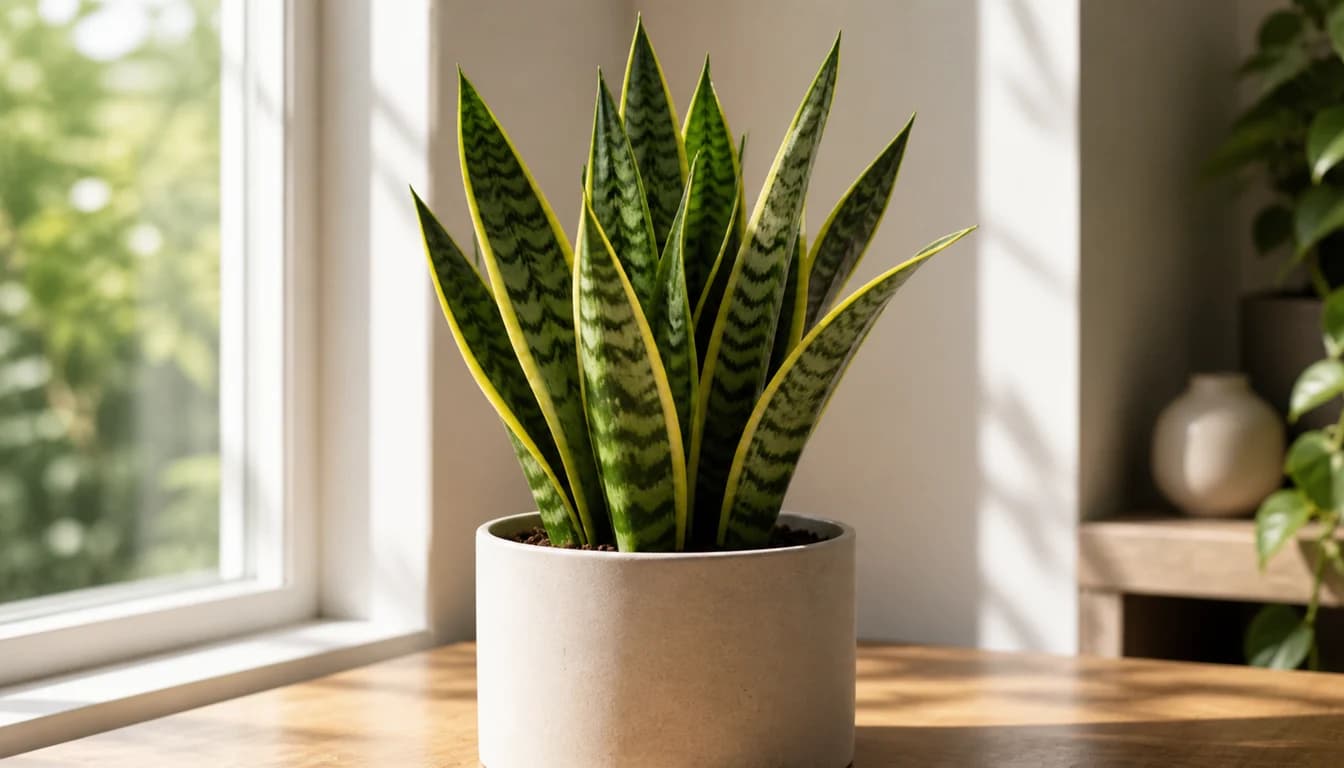
Snake Plant is a dry-storage houseplant. Its upright leaves survive neglect because they store water, but that same trait makes wet soil the real danger.
quiz
Frequently Asked Questions
How tall can Rubber Tree get indoors?expand_more
Many indoor plants reach 6-10 feet when light, pot size, and pruning allow it. Plan the floor space before it gets heavy.
Why is my Rubber Tree dropping leaves?expand_more
Look at the pattern. Wet soil and yellow lower leaves point to root stress; drop after moving points to light and placement shock.
Can Rubber Tree grow in low light?expand_more
It may survive in lower light, but it grows thinner and drops more lower leaves. Bright indirect light gives the best tree form.
When should I prune Rubber Tree?expand_more
Prune in spring or early summer before the plant reaches the height you cannot manage. Cut above a node and protect skin from sap.
Is Rubber Tree pet safe?expand_more
No. Keep it away from chewing pets because the latex sap can irritate the mouth and stomach.
menu_book
Sources & References
- 1.Missouri Botanical Garden Plant Finder: Ficus elasticaopen_in_new
- 2.University of Vermont Extension, Growing Ficus Indoorsopen_in_new
- 3.Royal Horticultural Society (RHS), Ficus elastica profileopen_in_new
- 4.Ficus elastica, Rubber Plant Profileopen_in_new
- 5.Rubber Plant Care Indoorsopen_in_new
- 6.Toxic and Non-Toxic Plants List, Rubber Plantopen_in_new
- 7.Managing Houseplant Pestsopen_in_new