
What's Philodendron Brasil? How to Stop a Runner Reverting to Green
Philodendron hederaceum 'Brasil' Araceae
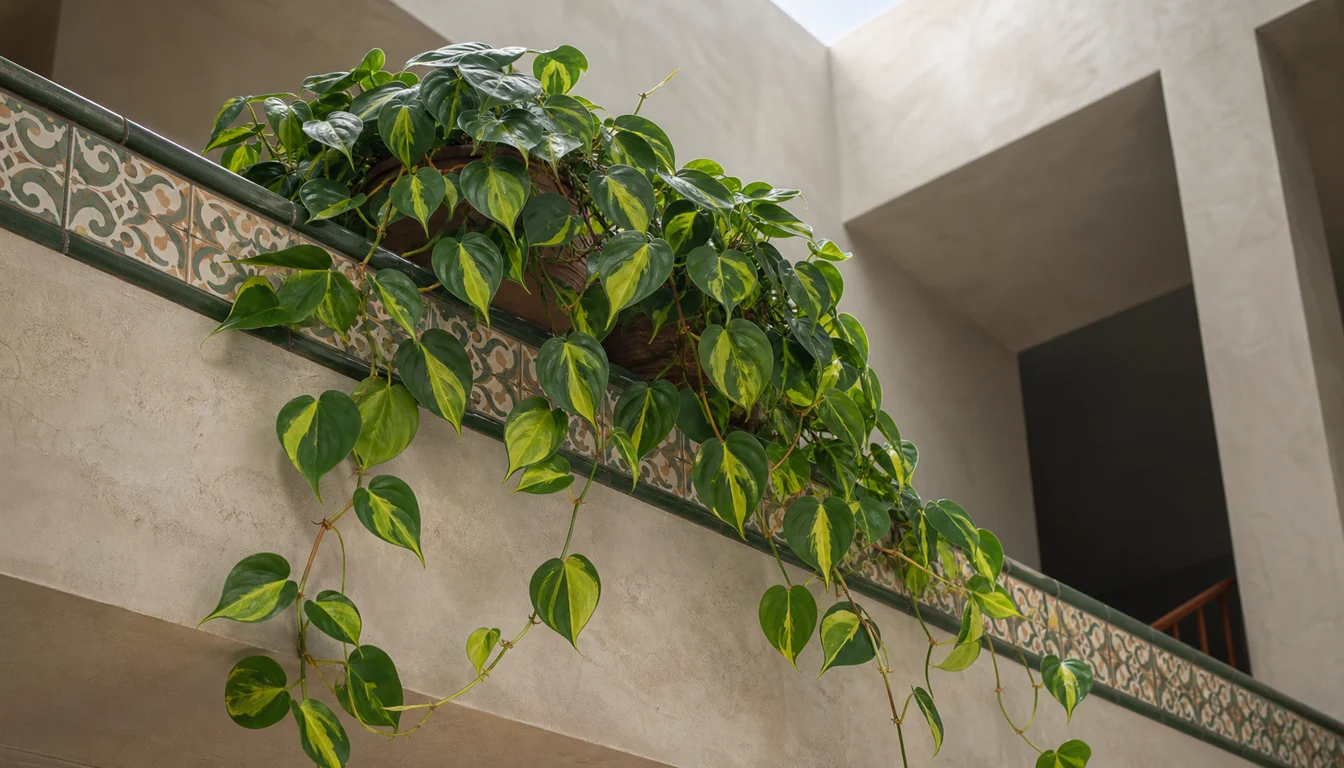
Philodendron Brasil is a trailing heartleaf philodendron with a lime or golden stripe through each glossy green leaf. Read the newest growth to keep the stripe clear, and cut a runner that has gone plain green before it takes over.
Care snapshot
The Lime Center Stripe Identifies Philodendron Brasil
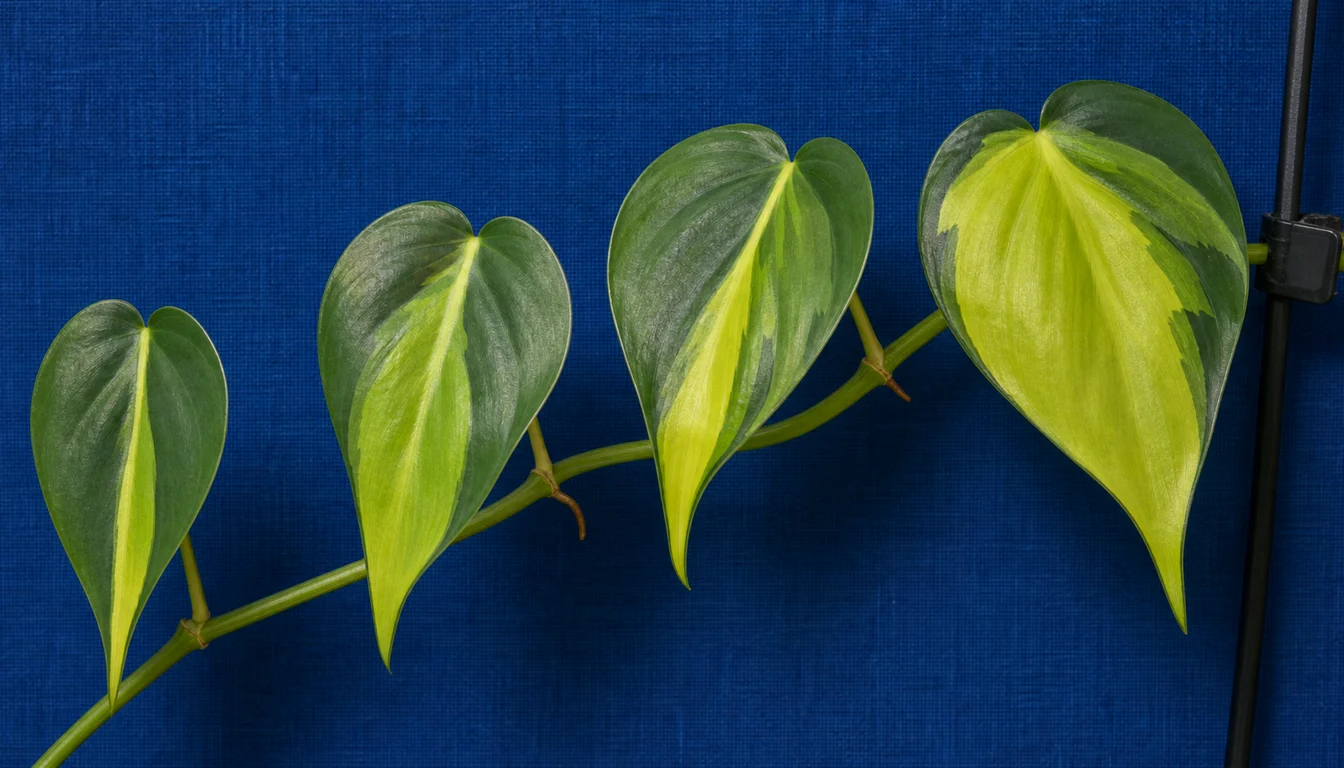
Philodendron Brasil is a named variegated selection of Philodendron hederaceum. It keeps the species' glossy heart-shaped leaves and flexible climbing stem, then adds a lime or golden band through the center of a dark green blade.
The stripe does not follow a printed template because one leaf may carry a broad chartreuse panel while the next opens with a narrow brushstroke, and both can belong to the same healthy runner.
Look beyond color when a store label is missing. Brasil has soft heartleaf blades, slender aerial roots at the nodes, and new leaves that emerge from papery sheaths before the stem trails or grips a support.
- Brasil
- Dark margins frame a variable lime center
- Heartleaf
- Glossy green blade without a center stripe
- Neon pothos
- The whole firmer leaf opens chartreuse
- Cream splash
- Pale flecks scatter instead of forming one band
The parent species comes from tropical America, where it grows as an evergreen vine and uses aerial roots to climb. That habit explains why an indoor Brasil can spill from a shelf or turn upward when its nodes meet bark, cork, or another textured surface.
Although a mature philodendron can flower, the hooded aroid bloom is rare in an ordinary room, so the useful display comes from the changing pattern across successive leaves.
Why a Brasil Runner Loses Its Stripe
Judge the light from the newest three leaves on one runner because bright filtered light usually supports compact nodes and a clear lime center, while a dim position often produces smaller leaves with longer bare gaps.
Old leaves cannot gain more variegation after you move the pot. Wait for a new leaf to open before deciding whether the brighter position helped.
Follow the entire stem because the pot and the growing tip may receive very different light. A crown beside a bright window can look healthy while a long vine drops behind a cabinet and makes weak, mostly green growth.
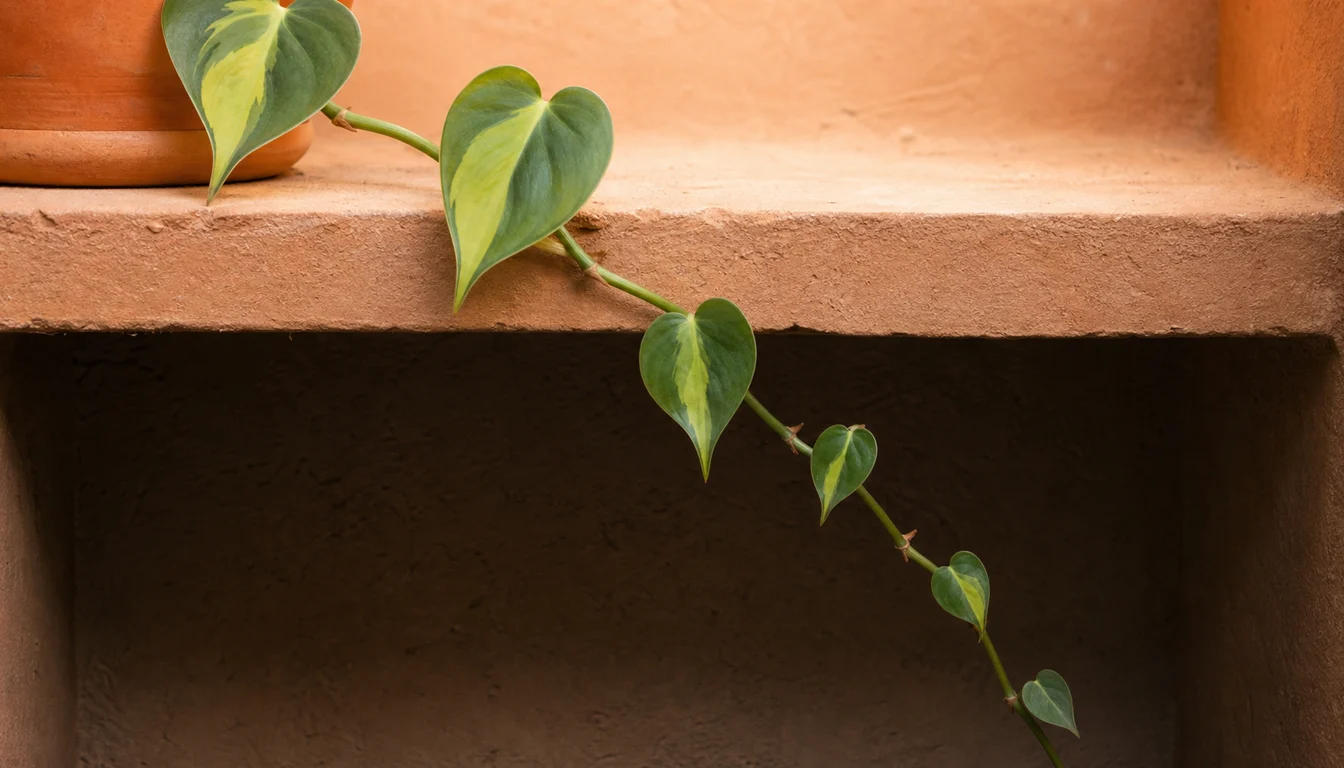
Move a washed-out runner closer to bright indirect light or bring its tip back onto the lit side of the shelf, but filter hot afternoon sun if the window-facing tissue develops crisp tan patches.
Direct sun injury and weak-light growth need opposite corrections because a dry bleached patch calls for protection, while a soft green runner with long internodes needs more usable light.
When a Brasil Runner Turns Fully Green
Light is not the only reason for a green leaf. Since the pattern varies naturally, one greener blade between clearly striped leaves is less important than several plain leaves produced in sequence.
A run of entirely plain leaves is reversion rather than dim light alone. Reverted growth carries more chlorophyll than striped growth, which makes it the faster and stronger part of the plant, and that speed is the whole problem.
Left alone, a reverted stem eventually takes over the plant it started on.
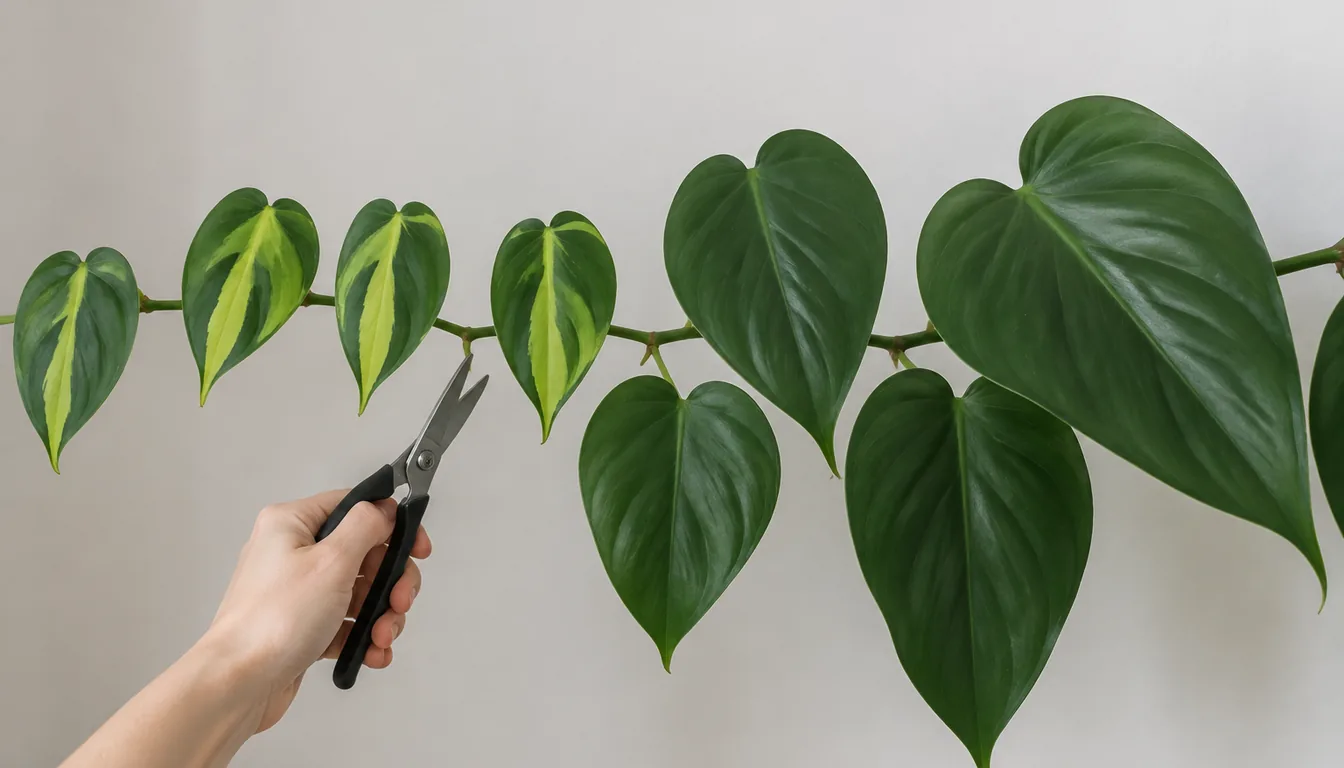
Take that cut just below the last striped node rather than at a convenient point along bare stem, so the shoot that replaces it starts from tissue already carrying the pattern.
Widespread reversion also reads as a light complaint.
Where several runners turn plain at once, move the pot into brighter filtered light before pruning.
Cutting every reverted stem in a dim corner only clears room for the next one.
Long Brasil Runners Do Not Set the Watering Date
Water when the upper layer of mix has dried and the pot feels lighter, not when a calendar date arrives. Vine length alone does not reveal how much water remains around the roots.
Push a finger or wooden skewer into more than one part of a wide pot, then compare that reading with pot weight because a dry rim can surround a damp center after fine potting material settles below the crown.
- Light pot and partly dry mix mean it is time to water.
- Heavy pot and yellow lower leaves call for a drainage check.
- Dry edges with a wet center mean the root ball was watered unevenly.
- Soft dark roots require removal before the plant returns to fresh mix.
When the check confirms dryness, soak the whole surface until water drains from the bottom. Empty the saucer so the lower roots regain air instead of sitting in runoff.
Use an airy indoor mix that holds some moisture without packing solid around the roots, using bark or coarse fiber for larger pores and perlite or pumice to keep the center from collapsing as quickly.
Pin Brasil Nodes Across the Crown Before Letting Them Drop
A long curtain of vines can hide an empty pot, so curve one or two flexible runners across the crown and press selected nodes against the mix before every healthy stem drops over the rim.
Use a loose plant pin between leaves and keep the petiole above the soil. Burying a long section traps damp stem tissue, while one secured node gives roots a clear point of contact.
Trail
- Shows the longest color sequence
- Fits a high shelf or wall hook
- Turn shaded tips back toward light
Climb
- Lets aerial roots meet texture
- Can support broader new leaves
- Tie the internode, never the petiole
Pin
- Fills soil visible at the crown
- Keeps the original vine attached
- Secure one node at a time
An aerial root does not have to stay in the air. Press it into the mix at the pinned node and it roots in and helps carry the plant, or cut it off close to the main stem with sharp pruners if the look bothers you, since removing one does no harm.
Choose climbing when the vine can move upward against a textured board or pole, and choose trailing when the sequence of striped leaves matters more than increasing leaf size.
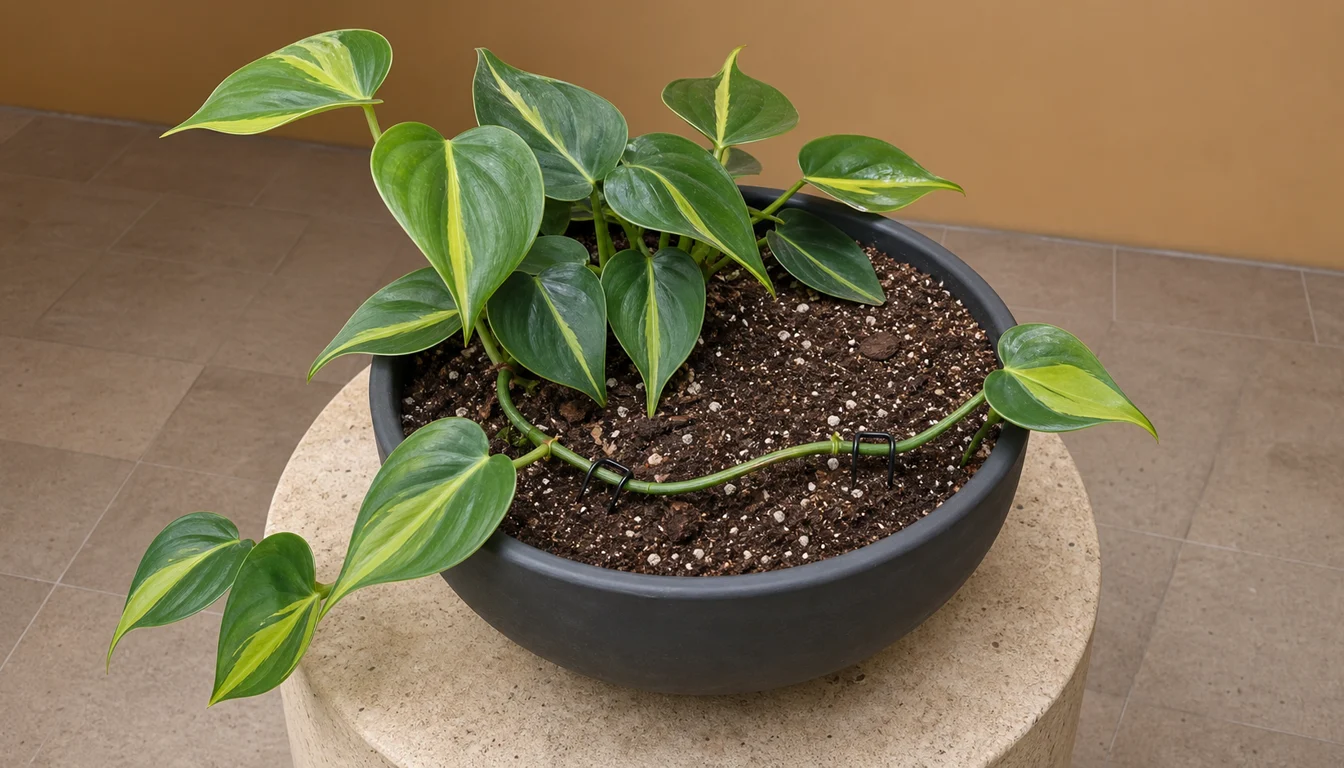
Pin during active warm growth and check the fastener as the stem thickens. Once the node resists a gentle lift, remove the pin or widen it before it presses into the vine.
Prune only after deciding which role each runner serves. Cutting every long stem at the same length creates a temporary round outline, but it removes the varied leaf sequence that makes Brasil distinctive.
Which Brasil Node Should You Cut?
Choose a firm node attached to a clearly patterned leaf and cut just below it because the node contains the growing point, while a detached leaf without stem tissue cannot rebuild a vine.
Short tip cuttings with one or two leaves are easier to keep evenly moist than a long vine with many thirsty blades. Remove any leaf that would sit below water or touch a damp rooting medium.
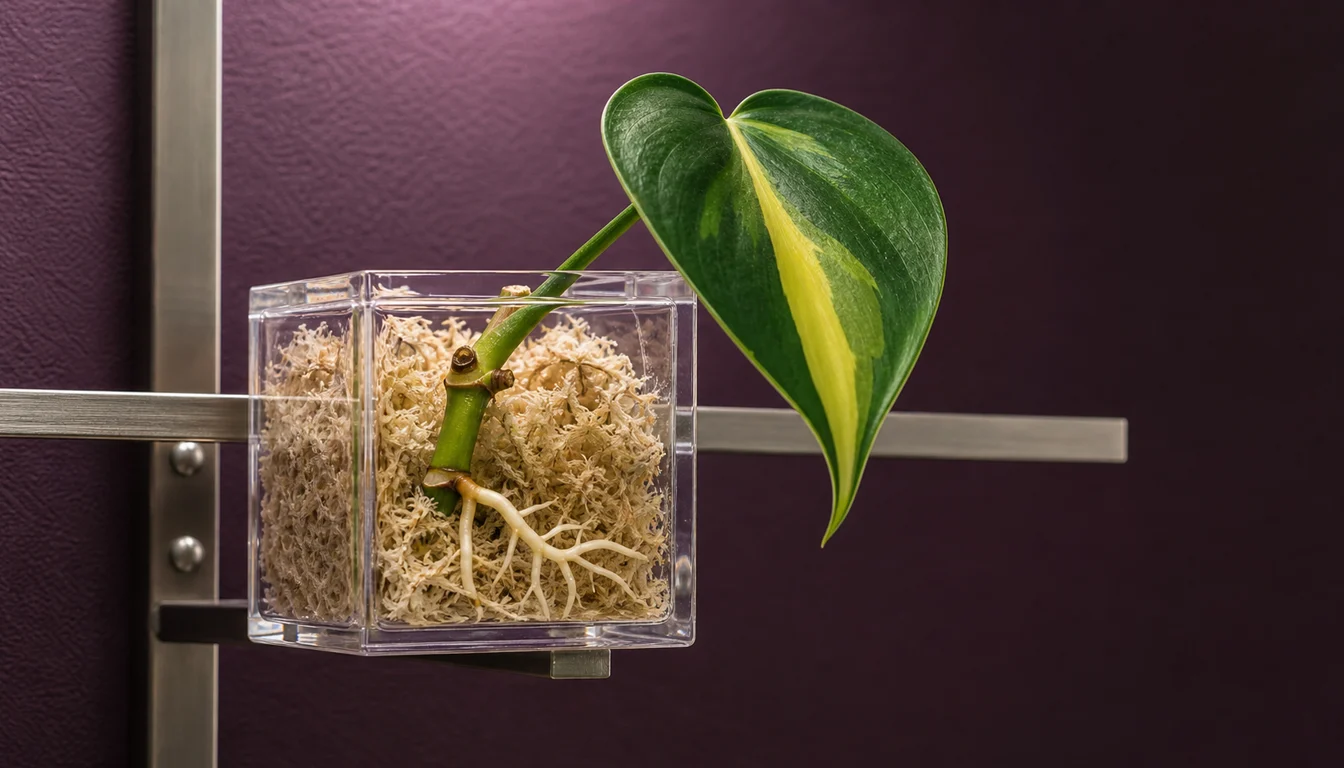
Length is easier to judge than firmness. A 3 to 6 inch stem section with the lower leaves stripped roots readily in water or perlite, and a piece that already carries an aerial root tends to root more reliably than one without.
Root the node in water, perlite, or another airy medium under warm bright shade, then transfer it when several roots have branched because one fresh root can snap or struggle to regulate a comparatively large pot.
- Trace a well-striped runner back to a firm node.
- Cut below the joint and keep one or two leaves.
- Root the node in warm bright shade.
- Wait for branching roots before moving it to mix.
- Space several rooted cuttings around the bare crown.
A green cutting can still grow, but it should not be your only material when preserving the cultivar pattern matters. Take most rebuilding pieces from runners that have produced lime markings across more than one recent leaf.
Warm Growth Decides When Brasil Needs Fertilizer
Keep Philodendron Brasil above 59°F and away from cold glass or air-conditioning drafts. It grows most steadily in ordinary warm rooms with stable light.
Ordinary home temperatures of 65 to 80F are well tolerated, so this plant rarely asks for anything the room does not already do. Feeding once or twice a month through spring and summer covers it while leaves are opening.
Feed lightly only while new leaves are opening and roots are using water at a normal pace because unused salts cannot correct a cold root ball, weak light, or rot and may make stressed roots harder to recover.
Outdoor culture suits frost-free Zones 11 and 12, although a container still needs protection from hard sun and saturated rain. Bring the plant indoors before cool nights reach its lower temperature limit.
Let the newest leaf set the feeding decision because a regularly unfurling striped tip shows active growth, while a stalled tip or widening green gaps calls for a light, temperature, and root check.
Repot after roots crowd the drainage holes or the mix stops wetting evenly, then move up only one modest size. Keep rooted crown cuttings and the original vine at slightly different heights so the rebuilt plant does not become a uniform ring of identical runners.
A slightly pot-bound Brasil is not a fault to correct. The tighter root ball dries faster between waterings, which suits a plant that dislikes sitting wet more than it dislikes being snug.
Does the Lime Marking Wipe Off or Spread?
Natural lime tissue stays inside the leaf and follows the blade as it expands. A mark that wipes away, turns crisp, spreads between checks, or appears with insects needs a different diagnosis.
Clean stripe
- Lime color lies flat in the blade
- Pattern varies on the next leaf
- No treatment is needed
Dust film
- Dull gray material wipes away
- Clean one test leaf gently
- Keep water out of the crown
Pest trail
- New growth twists or shows stippling
- Inspect sheaths and leaf undersides
- Isolate before choosing treatment
Wet spot
- Dark tissue enlarges while damp
- Remove the worst affected leaf
- Improve spacing and root drainage
Wipe one small area with a damp soft cloth before cleaning the whole plant because ordinary dust lifts away, while variegation, pest stippling, and damaged tissue remain.
Check the tender tip and papery sheaths for thrips or mealybugs when new leaves open distorted. Spider mites are more likely to leave fine pale dots and webbing across undersides, while scale sits as attached bumps along stems.
A tan patch facing the brightest window is more consistent with sun injury than rot. A dark soft patch that expands while foliage stays wet points back to moisture, airflow, and sanitation.
Yellow lower leaves without a clear surface pattern send the inspection to the pot, where drainage and root firmness matter more than another dose of pesticide or fertilizer.
Separate a plant with fresh unexplained damage from the rest of the collection, then compare marked leaves over several days. One old scar stays fixed, while an active pest or wet lesion leaves new evidence.
Can Philodendron Brasil Grow Safely Around Pets?
Philodendron Brasil is toxic to cats and dogs because its insoluble calcium oxalate crystals can cause intense mouth irritation, drooling, vomiting, and difficulty swallowing after chewing.
The same crystals reach people. Anyone who chews a piece can get pain and swelling in the lips, mouth, tongue and throat, along with heavy drooling and painful swallowing, so treat a child at floor level the way you would treat the cat.
A high shelf is safe only while every runner remains out of reach. Trim low vines, collect dropped leaves, and keep fresh cuttings behind a closed door while they root.
Contact a veterinarian promptly if a pet chews the plant and develops mouth swelling, repeated vomiting, or trouble swallowing, and bring the label or a clear photo so the plant can be identified accurately.
Frequently Asked Questions
Why is my Philodendron Brasil turning green?
One green leaf can be normal, but several plain new leaves in a row mean the runner has reverted. Reverted growth holds more chlorophyll and grows faster than striped growth, so improve the light and cut the plain stem back to wood that still carries the Brasil pattern before it takes over.
How do I make Philodendron Brasil fuller?
Pin healthy nodes across bare crown space or root short patterned cuttings and return them to the pot. Keep leaf stalks above the mix while each node makes roots.
Should Philodendron Brasil trail or climb?
It can do either. Trail it to display a long sequence of patterned leaves, or give aerial roots textured support when you want upright growth and potentially broader leaves.
How often should I water Philodendron Brasil?
Check the upper mix and pot weight rather than following a fixed schedule. Water thoroughly when the upper layer is dry and the pot feels lighter, then drain the saucer.
Is Philodendron Brasil safe for cats and dogs?
No. Its insoluble calcium oxalate crystals can irritate the mouth and cause drooling, vomiting, swelling, and difficulty swallowing.
Sources & References
Related Plants
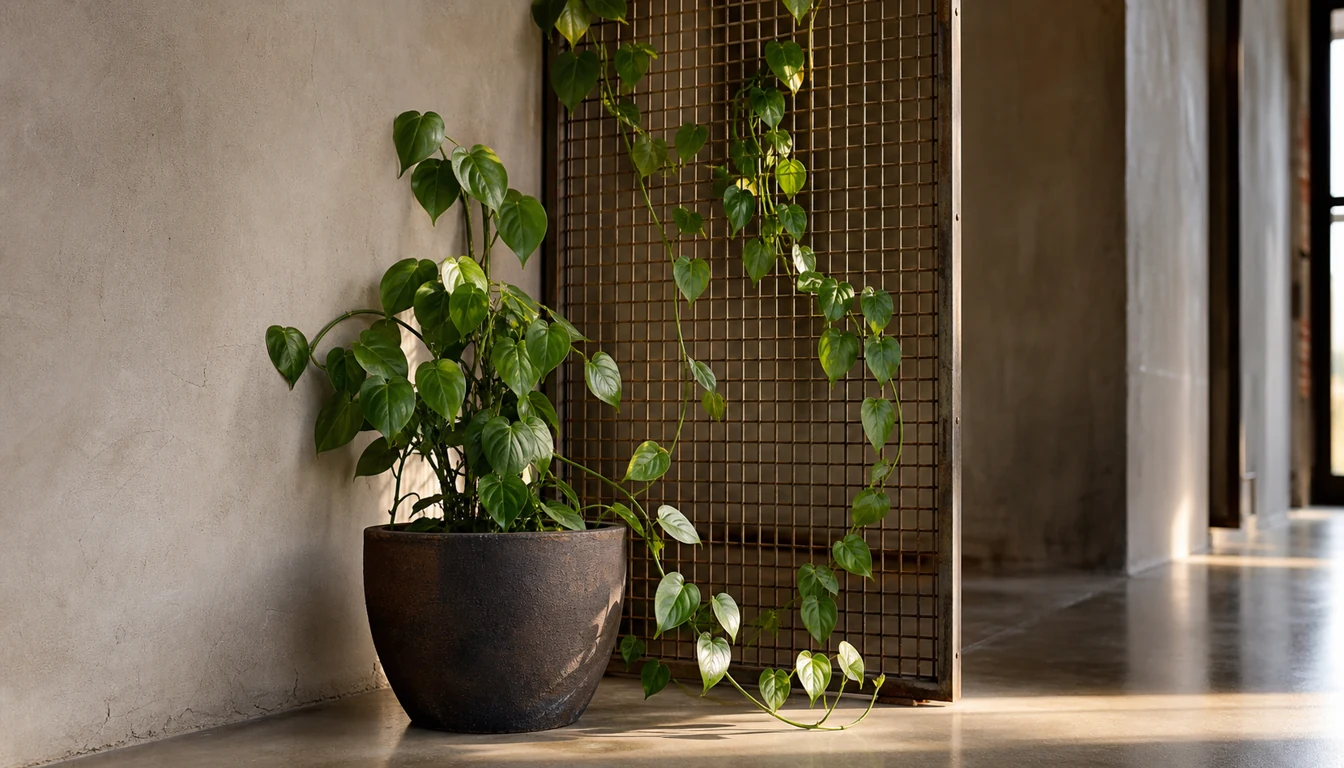
Heartleaf Philodendron
The solid-green heartleaf form tolerates dimmer rooms but lacks the lime center stripe.
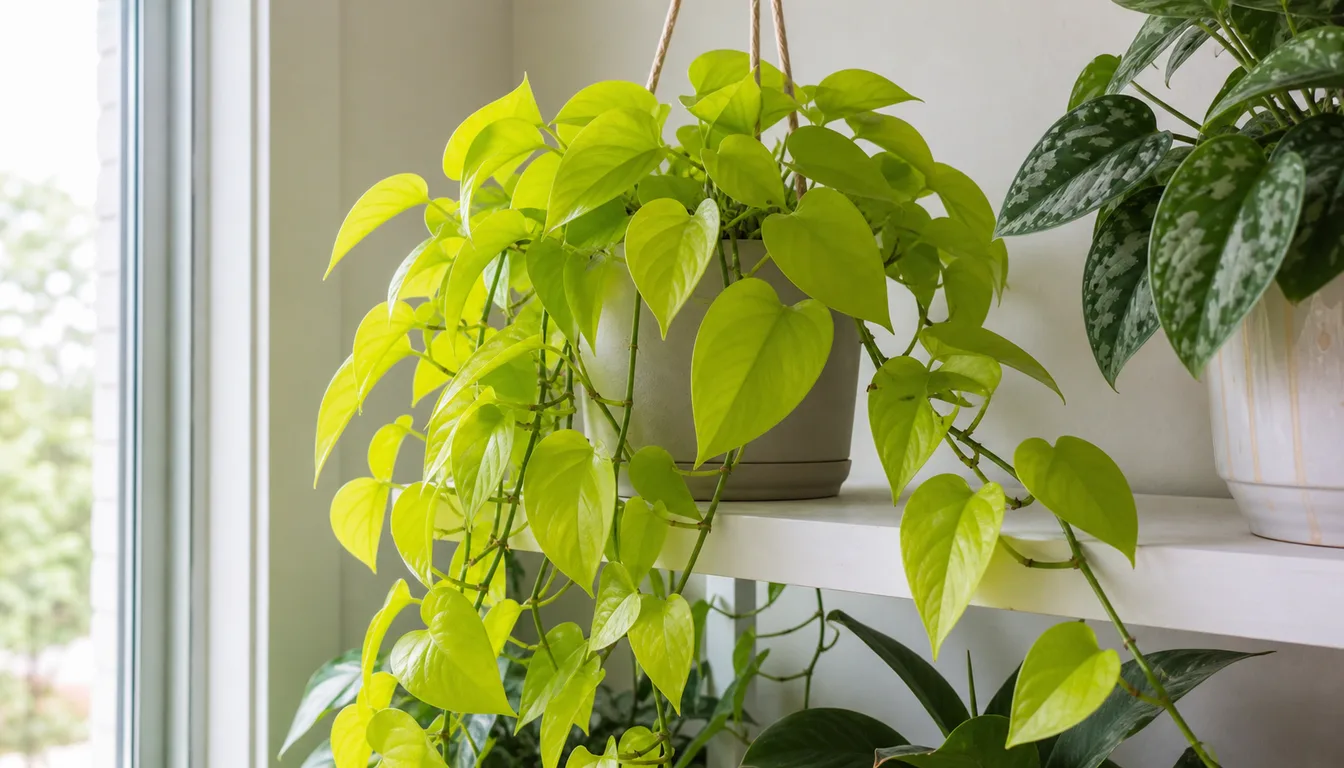
Neon Pothos
Every leaf is chartreuse, which makes it easier to separate from a striped Brasil.
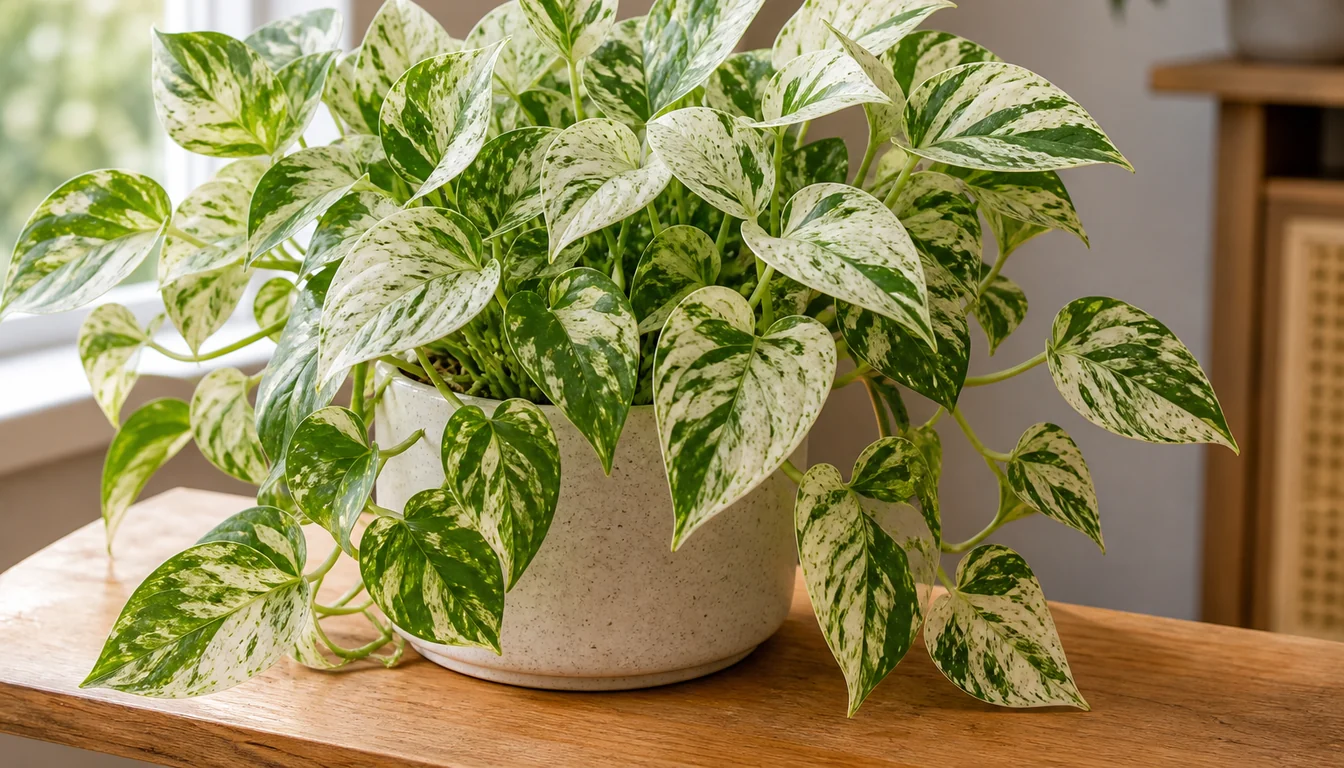
Marble Queen Pothos
Cream marbling covers a firmer pothos leaf instead of running down a soft heartleaf blade.
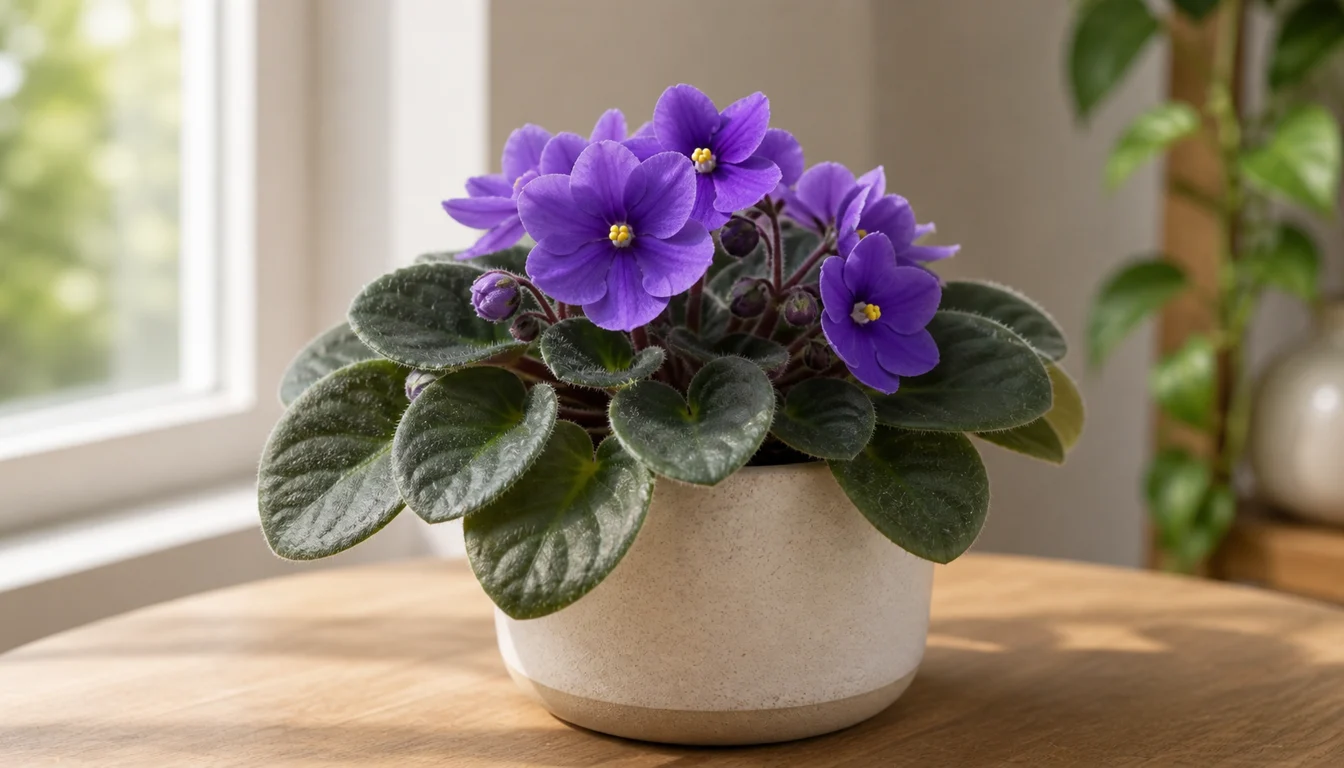
African Violet
African Violet is a windowsill bloomer that rewards steady, small-pot care.
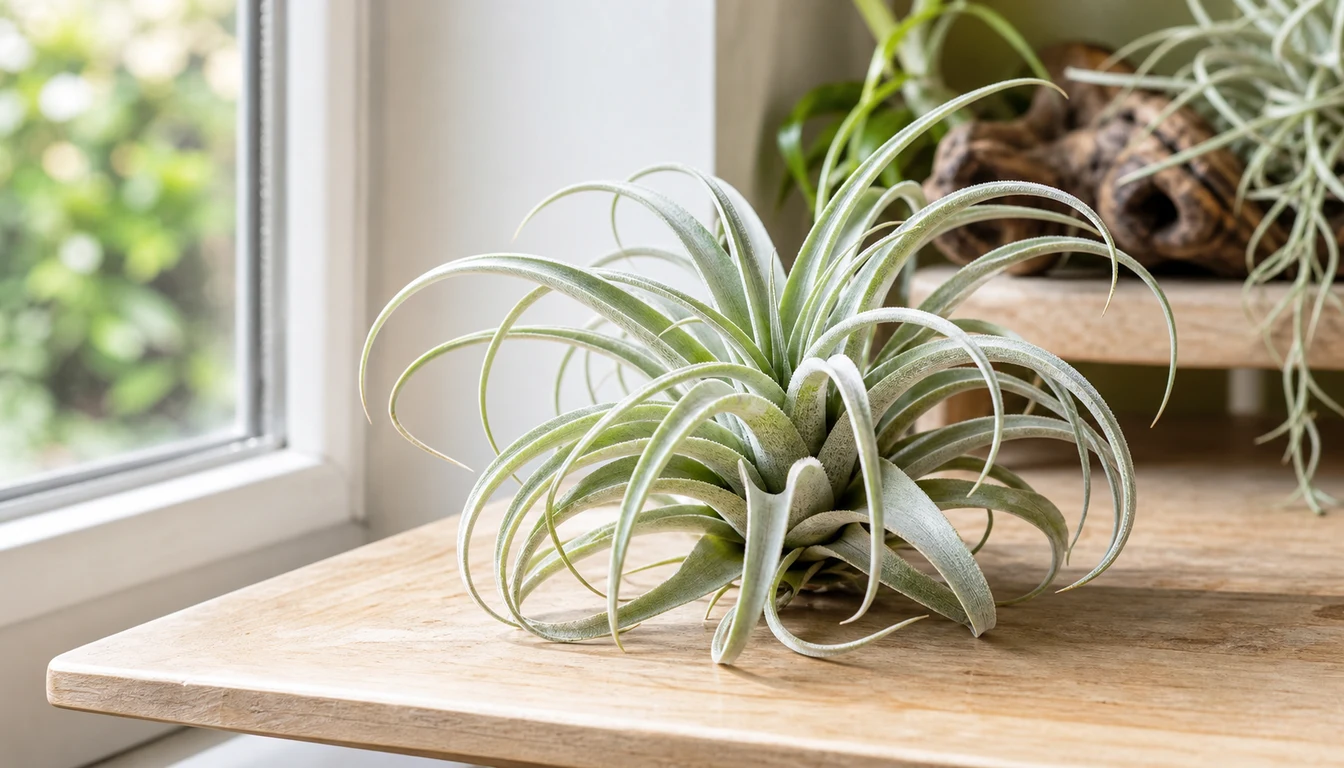
Air Plant
Air plants are living sculptures that thrive without soil, anchoring to driftwood, rocks, or shells while drawing…
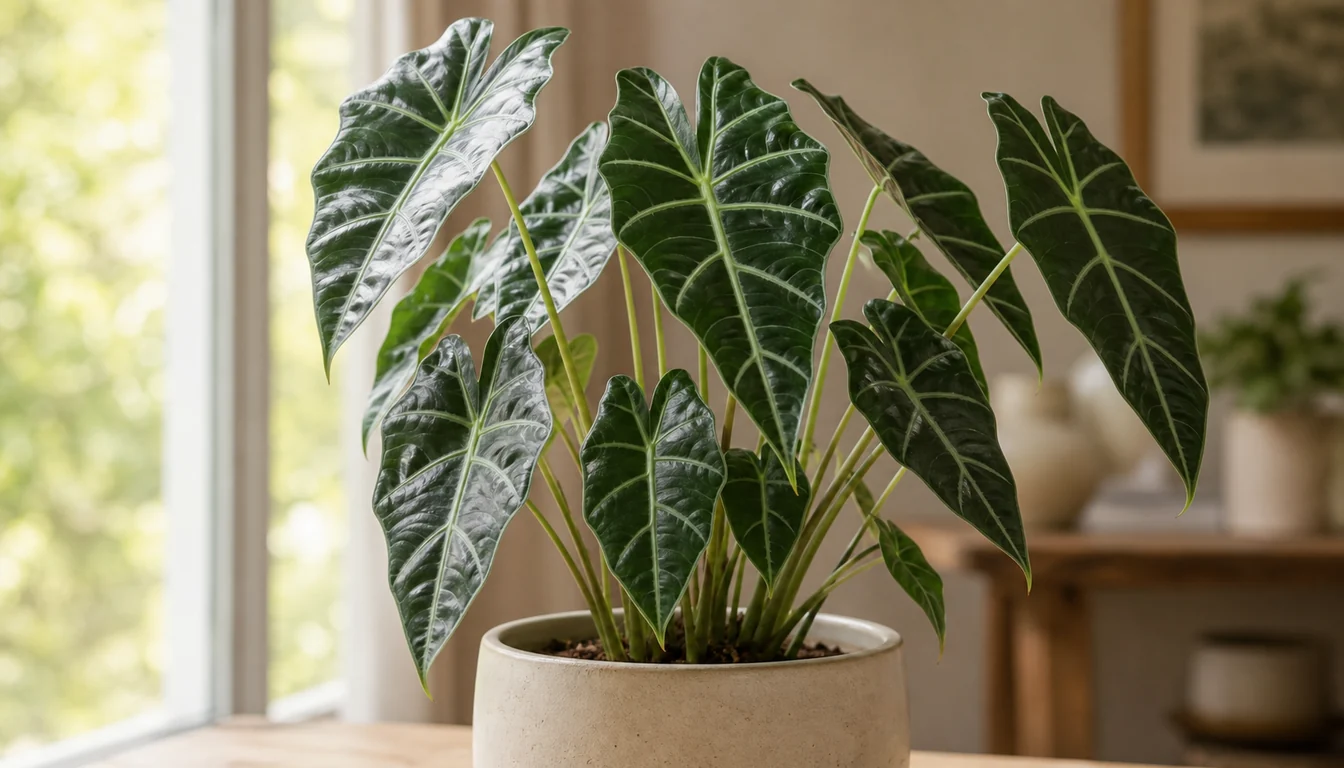
Alocasia
Alocasias include compact, textured houseplants and large elephant ears that need substantial floor space.