
How to Grow Lucky Bamboo in Water or Potting Mix
Dracaena sanderiana Asparagaceae
Lucky bamboo is Dracaena sanderiana, a tropical houseplant that can grow in water or potting mix. The two setups need different care, but both need useful indirect light, nutrients and attention to the roots.
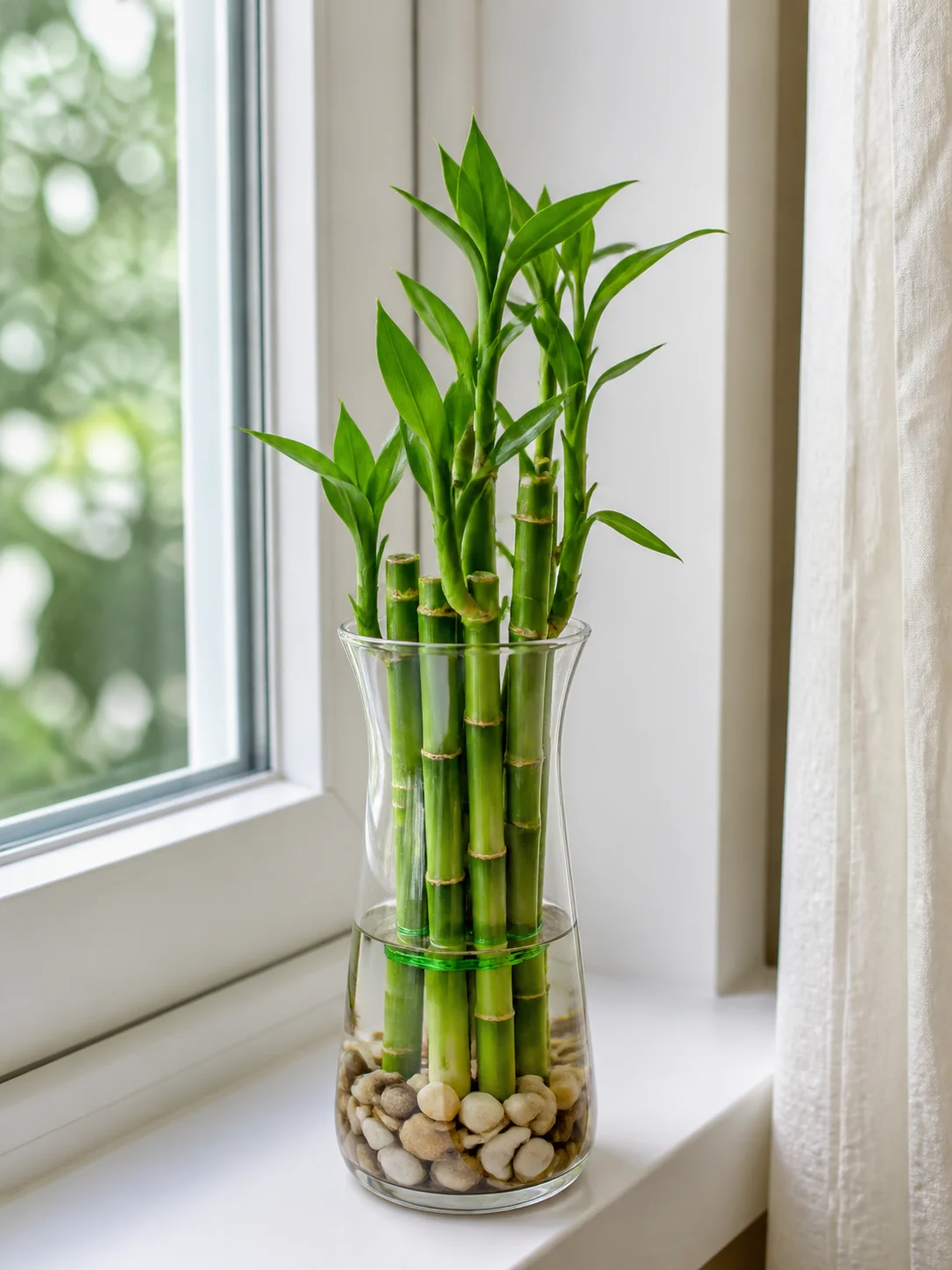
Care snapshot
The Plant Behind the Bamboo-Like Canes
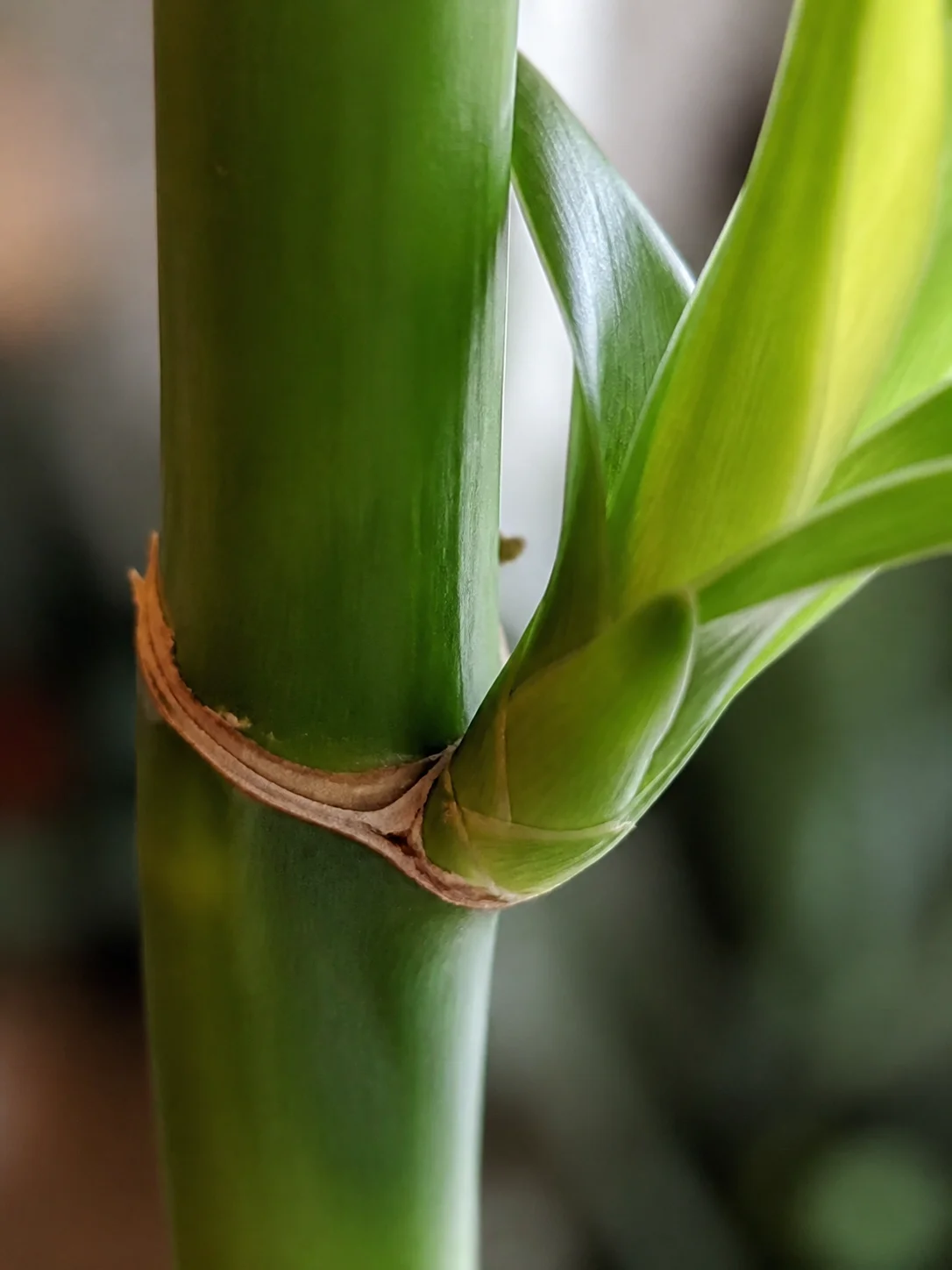
Lucky bamboo belongs to the Dracaena genus in the asparagus family, rather than the grass family that contains true bamboos. Its ringed green stems carry narrow leaves and side shoots, which is why bare nursery canes can look more like bamboo than a leafy growing plant does.
It is naturally a tropical African shrub, not an aquatic reed. Its ability to grow with roots in water makes a vase display possible, but does not mean every dracaena can be submerged or that a closed vase is maintenance-free.
A cut cane can remain part of an arrangement while new shoots develop from it. The height and number of nursery canes describe the display you bought, rather than a promise that it will keep exactly that shape as its shoots grow.
Fresh Water or Moist Potting Mix
In a water-grown arrangement, the roots need to remain covered as the water level falls. The leafy shoots stay above water. The amount to add depends on where the roots sit, so measuring a fixed depth from the bottom of every vase can leave one plant dry and another unnecessarily submerged.
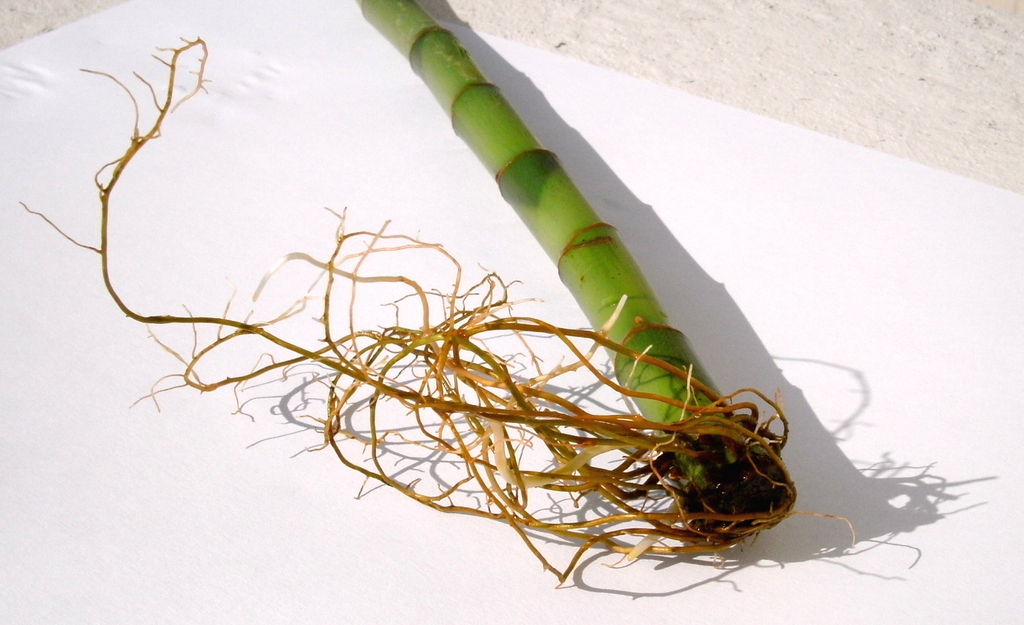
Clemson recommends covering the roots and a short length of lower stem, and both Clemson and NC State recommend weekly water changes. That is a maintenance starting point, not permission to leave cloudy or foul-smelling water until a scheduled day. Rinsing the vessel and reusable supports removes buildup that topping up alone leaves behind.
Pebbles support the canes and add weight. They do not supply a complete nutrient source or make old water clean. A container that can be emptied and cleaned without tearing roots is easier to maintain than a narrow-necked vase with a tightly wedged bundle.
- Water-grown
- Keep roots covered, replace water and clean the container; retain foliage above the waterline
- Potting mix
- Keep the root zone moist but aerated, allow the surface to begin drying and let excess water escape
- Either setup
- A yellow leaf alone does not say whether water, roots, light, nutrients or pests are responsible
In potting mix, a slightly drying surface signals that it is time to assess moisture deeper in the pot. A heavy container with wet lower mix needs more time even if the top looks dry. Thorough watering followed by drainage moistens the root ball without leaving the container standing in its saucer.
Brown tips can occur with mineral or fertilizer salt problems, but tip damage does not identify a particular chemical. UF/IFAS documents fluoride and soluble-salt injury in Dracaena. Water composition and recent feeding are worth checking alongside root moisture and exposure instead of assuming that all tap water will injure every plant.
Distilled water avoids adding the dissolved minerals present in the original water supply. “Filtered” alone does not describe which substances a filter removes. Changing water cannot restore dead brown tissue, so new growth and whether damage continues are more useful observations than expecting an old tip to turn green.
A Bright Position Without Harsh Sun
Bright indirect light supports growth while reducing the risk of direct-sun damage. A dim desk may keep an arrangement decorative for a while, but low-light tolerance is not evidence that the plant needs no useful light.
Window direction and distance are starting observations, not universal measurements. A shaded north window and an unobstructed south window expose a vase to very different conditions. A stable position with filtered light is more useful than repeatedly moving the plant into sun only on weekends.
Newly extended shoots leaning toward a light source can prompt a placement check, but yellowing lower leaves does not prove low light. Root problems and other stresses can produce overlapping changes. After a move, the timing and exposed side of any damage help narrow the questions without providing a diagnosis by themselves.
Rooting a Leafy Shoot
A leafy stem shoot is a practical cutting because it contains growing points as well as foliage. A loose leaf or an arbitrary piece of stem without the necessary buds is not equivalent. Nodes are the joints associated with leaves and buds, even when older leaf bases have fallen away.
Clemson describes removing a new shoot from the main cane and rooting it in water. Iowa State’s broader stem-cutting guidance includes dracaenas and emphasizes stem sections with nodes, correct orientation and keeping buried or submerged leaves out of the rooting zone.
- Select a leafy shoot without obvious deterioration and use a clean, sharp cutting tool. Retain stem tissue with nodes rather than taking only a leaf.
- Remove the lowest leaves so that foliage will not sit under water. Place the lower stem in a clean container, keeping its original lower end down.
- Keep the cutting in bright indirect light and maintain water around the developing roots. Replace dirty water and inspect the cutting rather than repeatedly pulling it apart.
- If moving it into potting mix after roots develop, support the shoot and keep the mix consistently moist with good drainage while it establishes.
Rooting time varies with the cutting and growing conditions. The appearance of roots is better evidence of progress than reaching a set number of weeks. Water-grown roots can need an adjustment period after potting, so a transfer does not justify an immediate dry-down or a heavy fertilizer dose.
Support Without Trapping Wet Mix
An indoor potting mix needs to hold moisture while retaining air spaces. Dense garden soil can compact in a container, while a very coarse mix may dry too rapidly for the particular room. No perlite percentage works for every product, pot and watering pattern.
The pot size follows the root system, not just the width of the bundled canes. A broad decorative container can be stable yet leave a small root ball surrounded by a large volume of wet mix. A draining inner pot inside a heavier outer container can separate those two needs, provided runoff is emptied.
Tall canes may need support until roots anchor them. Supports need to hold the arrangement without crushing shoots or preventing access for cleaning. When repotting, the aim is to accommodate roots and usable mix, not to bury more stem simply to make the plant stand up.
Spirals, Braids and New Growth
Spiral and braided canes are trained arrangements, not proof of a different species or a separate care requirement. The existing shape can remain while new leafy shoots extend, so the display changes as living growth is added.
The useful buying questions concern access and condition. Can you see the bases, remove the arrangement for cleaning, and check individual canes without damaging their roots? A crowded container is difficult to inspect even when the foliage looks full.
Neither a particular cane count nor a decorative shape establishes that an arrangement will fail or thrive. Loose, damaged or constricting ties need attention when present. Variegated leaves also differ from yellow tissue that is deteriorating, so the original plant label and the pattern on established leaves help with comparison.
Cats, Dogs and Contact With Sap
NC State lists Dracaena sanderiana as toxic to cats and dogs. Ingestion can cause vomiting, excess salivation and loss of appetite, among other signs. The severity of an individual exposure needs veterinary assessment, even before symptoms appear.
Keep the plant, trimmings and vase out of reach. Freshly changed water is not thereby certified safe for pets to drink, particularly when fertilizer or other substances have been added.
The plant is not food for people. Sap may irritate skin, so gloves during cutting and handwashing afterward reduce contact. A non-toxic alternative such as spider plant still needs protection from chewing and from access to fertilizer or treated material.
Feeding and Seasonal Changes
Plain water and inert pebbles do not provide the same nutrient supply as a prepared potting mix. A water-grown plant therefore needs an appropriate dilute nutrient supply as well as clean water. Soil-grown plants may already be receiving nutrients from their mix.
A fertilizer labeled for the growing method gives the relevant mixing instructions. Adding a general “half-strength” dose without considering the product and whether the plant is in water can deliver a very different concentration from the one intended. More fertilizer is not a cure for a yellow cane or damaged roots.
Less indoor light and cooler conditions can slow growth and water use. A warm bright room may behave differently from the outdoor season, so feeding and moisture checks follow the growing conditions rather than a fixed month.
Cold drafts and hot air from vents can expose a plant to conditions unlike the middle of a room. Clemson advises bringing summer containers inside before nights fall below 65°F. It lists outdoor zones 10–12, while NC State lists 10a–10b. These landscape ranges do not measure the temperature beside an indoor window or guarantee survival in an exposed container.
Yellowing, Root Trouble and Pests
A yellow leaf, brown tip or leaning cane is an observation, not a diagnosis. Useful first checks include water level or deeper mix moisture, recent fertilizer, a change in sun exposure, the condition of the stem base, and whether damage is spreading.
Soft, deteriorating stem tissue or roots warrants closer attention than color alone. Cleaning a vase helps maintenance, but cannot restore decayed tissue. Firm-looking canes beside a failing one do not prove that all roots in a shared arrangement are unaffected.
Mealybugs, mites and scale can arrive on plants even when their containers are clean. A vase-water change does not remove insects hidden at leaf joints.
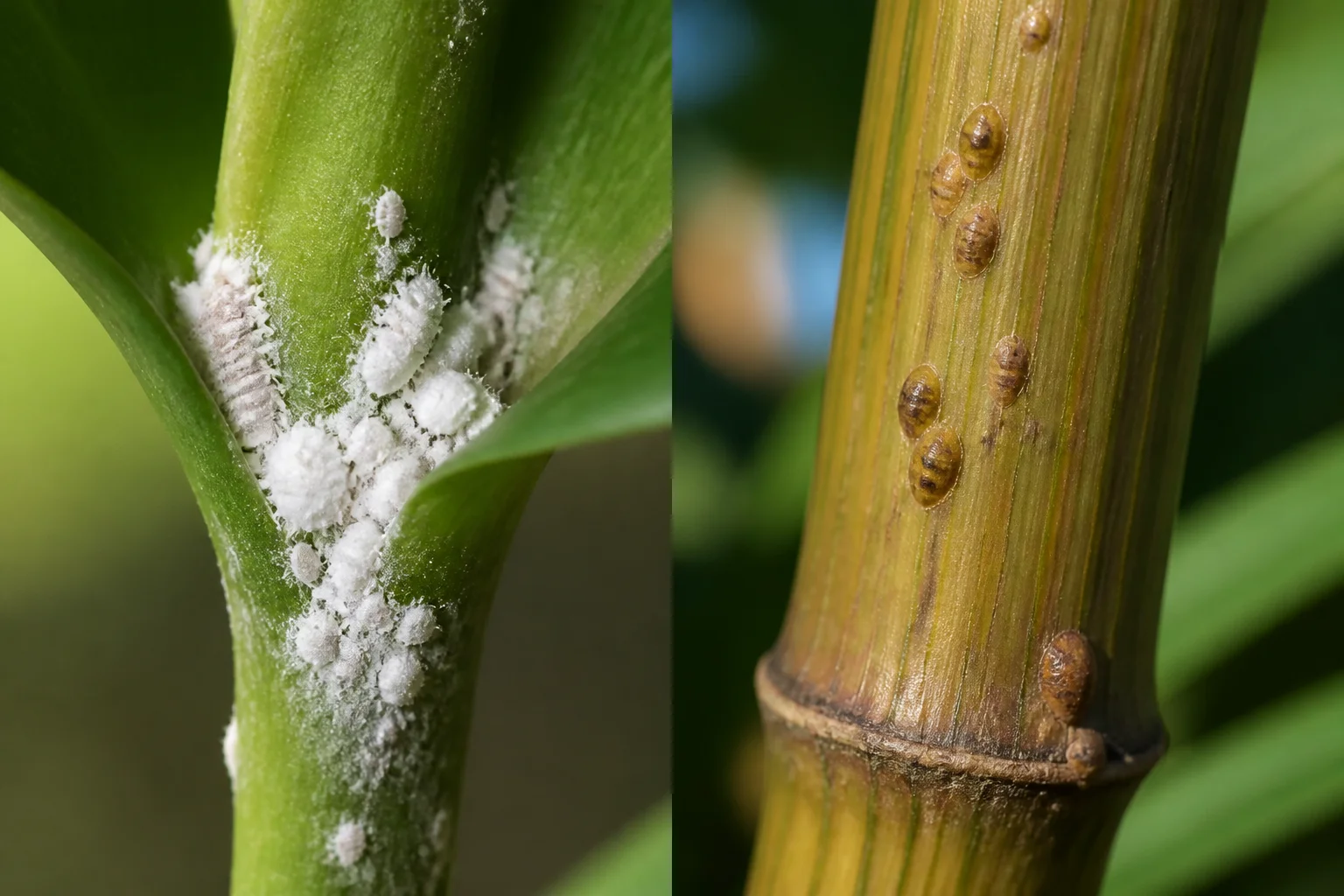
- White cottony clusters at joints can indicate mealybugs; close inspection distinguishes insects and wax from loose debris.
- Scale may appear as attached covers or bumps. Color and hardness vary, and not every bump is an insect.
- Fine webbing with speckling can accompany spider mites. A single strand by itself does not identify the pest.
A suspected infestation is a reason to separate the plant while inspecting it and nearby plants. Physical removal may help a small localized problem. Any pesticide needs to be labeled for the identified pest and indoor ornamental use, with application and repeat intervals taken from that label.
Household dish soap is not interchangeable with a formulated insecticidal soap. Raising humidity or washing the container also cannot be treated as a complete mite or scale treatment.
Sources & References
- NC State Extension Plant Toolbox: Dracaena sanderiana
- Clemson Extension: How To Grow and Care for Lucky Bamboo (Dracaena Sanderiana)
- Iowa State University Extension: How to Propagate Houseplants by Stem Tip Cuttings
- ENH892/EP149: Cultural Guidelines for Commercial Production of Interiorscape Dracaena
- University of Minnesota Extension: Insects on Indoor Plants
- University of Georgia Extension, Growing Indoor Plants with Success, Bulletin 1318
- ASPCA: What to Do if Your Pet Is Poisoned
Related Plants
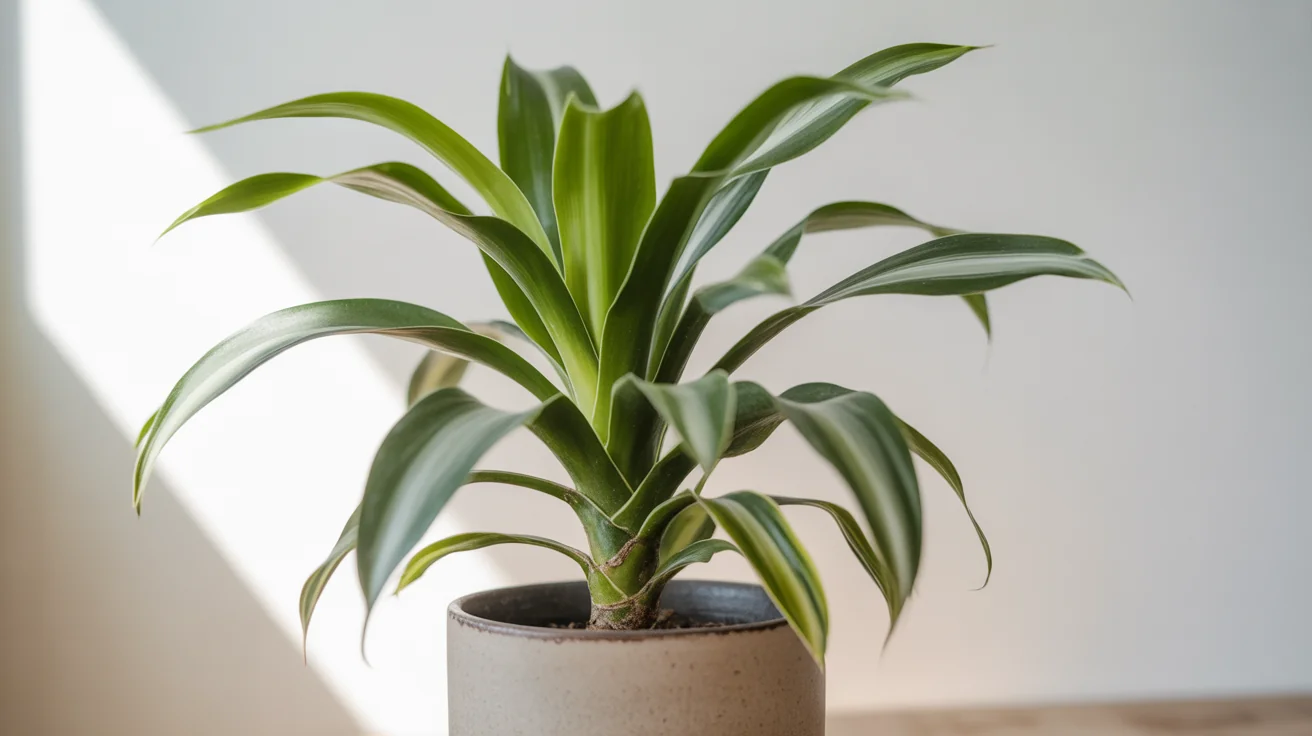
Dracaena
The broader genus includes this plant and larger woody-cane houseplants.
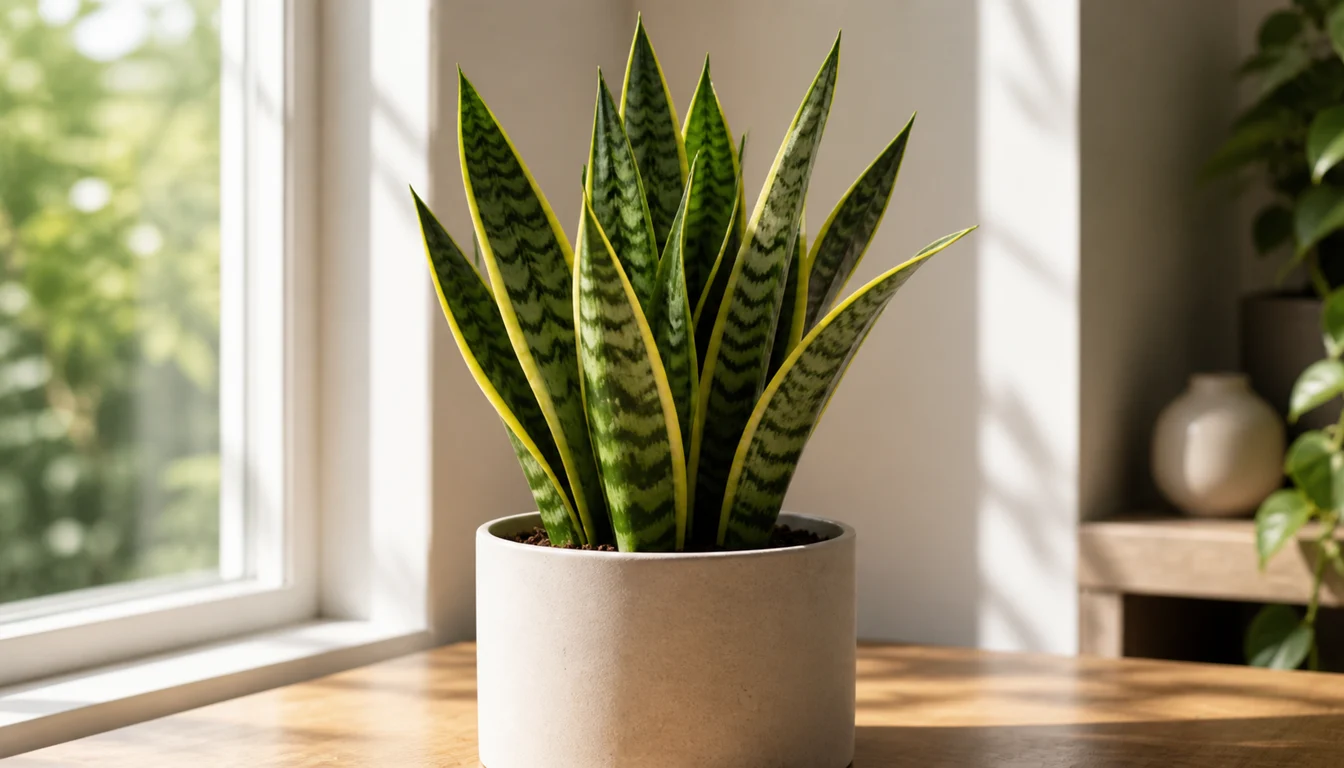
Snake Plant
Upright, sword-shaped foliage with different watering needs from water-grown lucky bamboo.
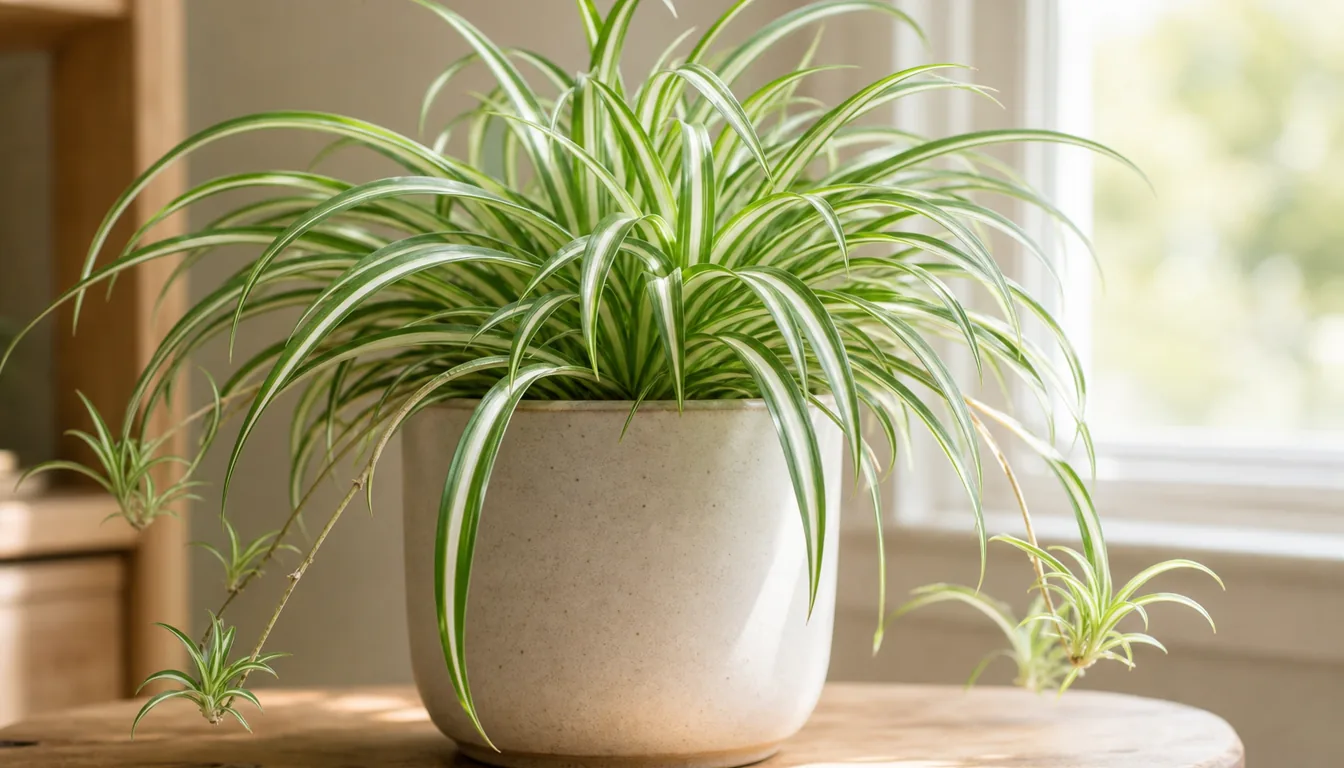
Spider Plant
Arching leaves and plantlets offer a different display from upright canes.
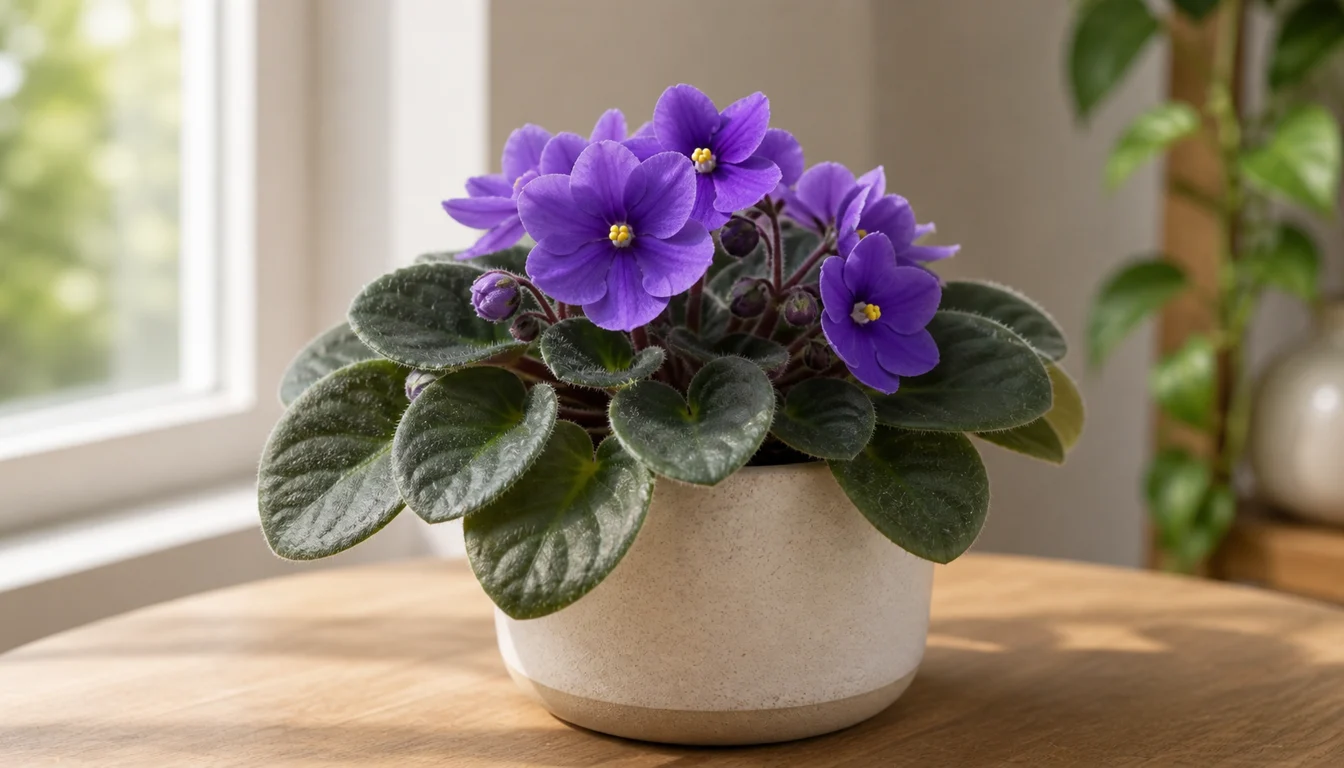
African Violet
African Violet is a windowsill bloomer that rewards steady, small-pot care.
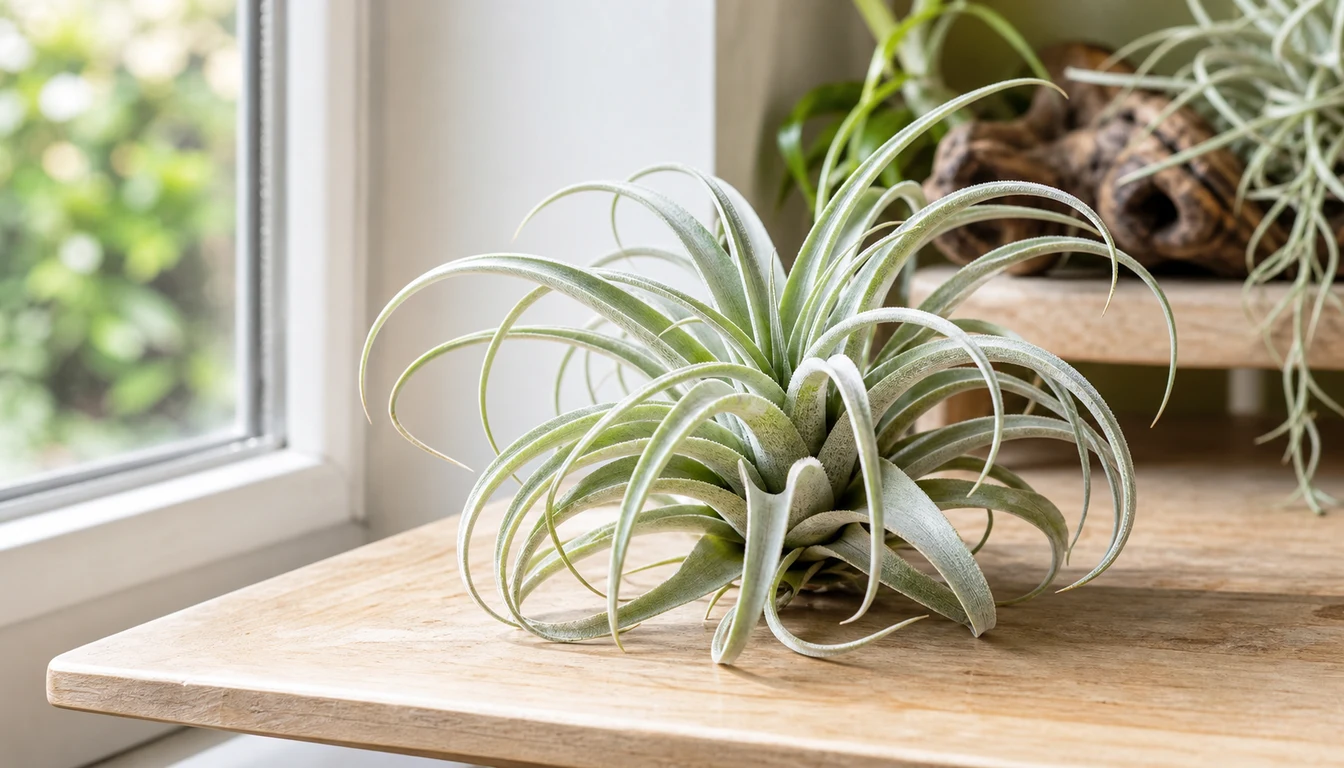
Air Plant
Air plants are living sculptures that thrive without soil, anchoring to driftwood, rocks, or shells while drawing…
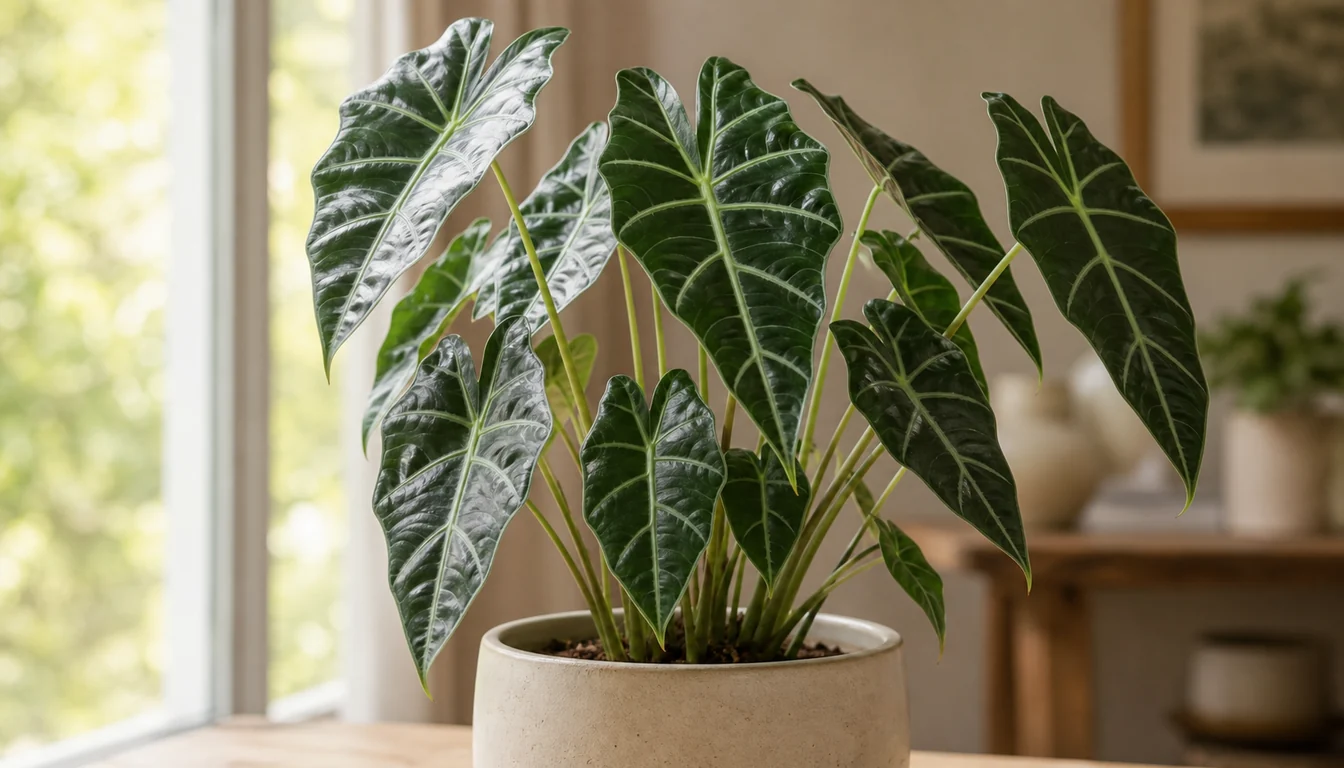
Alocasia
Alocasias include compact, textured houseplants and large elephant ears that need substantial floor space.