verifiedSource Reviewed
Lucky Bamboo for Easy Indoor Greenery
Dracaena sanderiana
Family: Asparagaceae
wb_sunnyLight
Bright, indirect light; tolerates low indoor light
water_dropWater
Keep evenly moist in soil or topped up in water
heightHeight
1–3 ft indoors
publicZone
USDA Zone 10-12 outdoors, commonly grown indoors everywhere
airAir Quality
Air Quality Note

Native Region
Central Africa (Cameroon, Congo region)
biotechBotanical Profile: What Lucky Bamboo Really Is
Confusion over what this plant is leads to a lot of bad care advice. Lucky Bamboo is not a true bamboo at all, but a tropical Dracaena that naturally grows in warm, shady African understories.
Misreading those bamboo-like canes makes people treat it like a pond reed, which it is not. The segmented green stalks are stems that store water, similar to corn plant dracaena, and they prefer steady moisture without being drowned long term.
Neglecting how slow-growing it is can also create unrealistic expectations. Indoors, stalks usually top out around 1–3 ft tall, far shorter and slower than vigorous climbers like Monstera, so growth changes are subtle from month to month.
Thinking it must live in water forever is another common trap. In warm outdoor Zone 10-12 it can be grown in loose soil like other indoor foliage plants, and even indoors it often lasts longer when rooted in a potting mix instead of plain water.
Botanical nameDracaena sanderiana
Common namesLucky Bamboo, Ribbon Dracaena
FamilyAsparagaceae
Growth habitUpright, cane-forming stems with narrow leaves
Mature indoor size1–3 ft tall, up to 1 ft wide
Best useDesktops, low-light corners, small table groupings
paletteChoosing Lucky Bamboo Shapes and Styles
Buying on looks alone often leads to frustration, because not every Lucky Bamboo arrangement grows the same way at home. The different spiral, braided, and straight forms all start as the same plant but behave differently once they leave the greenhouse.
Expecting spirals to keep coiling on your windowsill is the first letdown. Those tight curls are made under controlled light that slowly rotates the stalks, and in a normal room they will mostly grow straight with a mild lean toward the brightest side.
Overcrowded “lucky forests” can also fail quickly. Arrangements packed with 20–30 stems in a shallow dish look great in the store, but they compete for air and clean water, much like a pot crammed with pothos and heartleaf philodendron vines would struggle long term.
Ignoring leaf color differences is another missed opportunity. Variegated forms with pale stripes grow slower and need more light than solid green types, acting more like Marble Queen Pothos compared to standard green pothos in terms of light demand.
- fiber_manual_recordStraight-stem bundles are the most forgiving for beginners and office spaces.
- fiber_manual_recordBraided sets stay compact but need occasional turning so all sides green up evenly.
- fiber_manual_recordSpiral canes are mostly a fixed shape, so treat new growth like a simple upright stem.
- fiber_manual_recordVariegated types need the brightest spot you can offer without direct hot sun.
wb_sunnyLight: Keeping Leaves Green, Not Scorched
Placing Lucky Bamboo in deep shade for months is a quick route to pale, stretched stems. This dracaena prefers bright, indirect light, similar to where you would park a Peace Lily away from harsh sun.
Parking it right in a hot south window creates the opposite problem. Direct midday sun can scorch leaf tips and bleach the canes, just like a Snake Plant will show brown edges if it bakes behind unfiltered glass for too long.
Relying on office fluorescents alone often keeps it alive but not thriving. In a cubicle, think about moving it closer to a window on weekends or sharing space with other reliable indoor plants to capitalize on the brightest part of the room.
Ignoring leaf signals wastes free feedback from the plant. Yellowing from the bottom, long gaps between leaves, and a general lean toward the window all point to light that is too low, while crispy brown tips on the sun side suggest too much direct exposure.
- check_circleAim for 6–10 hours of bright, filtered light each day.
- check_circleKeep it 3–6 feet from a sunny window, behind a sheer curtain if needed.
- check_circleRotate the container a quarter turn each week for even growth.
- check_circleIn very dim rooms, consider sharing space with a small LED grow light.
Guide — See AlsoAir Purifying Plants for Cleaner Indoor AirLearn how to pick, place, and care for air purifying plants so they help your indoor air instead of just looking pretty.
chevron_rightEmail Updates
Join the KnowTheYard update list
Zone-specific advice, seasonal reminders, and new plant guides — no filler.
water_dropWatering Lucky Bamboo in Soil or Water
Assuming Lucky Bamboo can live on any tap water is the fastest way to brown tips. Minerals, fluoride, and chlorine in hard water build up in the stems and leaves, much like they do on sensitive plants such as Calathea.
Letting water sit stagnant for weeks creates a different issue. In vases, stale water starves roots of oxygen and invites slime and fungus gnats, which you may already know from dealing with soaked potting mixes and gnats around other houseplants.
Treating soil-grown plants like succulents swings too far the other direction. This dracaena likes evenly moist conditions, not the bone-dry cycles you would give an Aloe Vera, so letting the container go dust-dry repeatedly will stunt growth and yellow the lower leaves.
Guessing by the calendar instead of checking the plant leads to most watering mistakes. In water, the rule is about depth and freshness, and in soil it is about how the top 1–2 inches feel, just as with many other common houseplants.
- 1For vase culture, keep 1–2 inches of water above the roots, not the entire stem.
- 2Change the water every 7–10 days, rinsing pebbles and the vase to remove slime.
- 3Use distilled, rain, or filtered water when possible to reduce tip burn.
- 4For potted plants, water when the top 1 inch feels dry, then drain off excess.
- 5Empty saucers after 15 minutes so roots do not sit in standing water.
Use that water checklist before topping off the vase; Lucky Bamboo needs fresh, low-mineral water more than constant depth.
lightbulbMost common watering mistake
More Lucky Bamboo in vases fail from dirty, mineral-heavy water than from underwatering. Clean water and regular changes matter more than constantly topping off the glass.

potted_plantSoil, Pebbles, and Containers That Work
Using straight garden soil in a pot or vase is a recipe for rot. Dense outdoor soil holds too much water and too little air, similar to how heavy clay can drown Hosta roots in wet beds compared with raised mixes.
Skipping support material in glass containers creates wobbly, unstable stems. Without pebbles or marbles anchoring the base, the canes lean and rub, which weakens the stem surface and invites decay around the waterline.
Assuming any houseplant mix is fine can also cause slow decline. Lucky Bamboo prefers a light, airy blend with good drainage and some moisture retention, closer to what you might use when you repot other indoor plants, not the ultra-gritty blend for desert succulents.
Ignoring pot size leads either to tipping or to sour soil. A pot that is too tight dries out unevenly, while one that is far too big holds extra soggy mix around the small root ball, a common cause of rot in dracaena and ZZ Plant clumps.
- check_circleUse a standard indoor mix with 20–30% perlite for added drainage.
- check_circlePick a pot 1–2 inches wider than the bundled stems, with drain holes.
- check_circleIn vases, add washed pebbles or glass beads to hold stems upright.
- check_circleAvoid heavy garden soil and pure sand, which either stay soggy or dry too fast.
account_treePropagating Lucky Bamboo in Water or Soil
Cuttings root faster on Lucky Bamboo than most woody houseplants, as long as you start with firm, green stems. Spindly, yellowing stalks rarely produce strong new plants, so choose thick, healthy canes for any propagation project.
Unlike vining plants such as Pothos, you do not need visible nodes or aerial roots on every piece. This dracaena will push roots from the cut surface itself, which keeps the whole process simple for beginners.
lightbulbBest time to take cuttings
Spring through early summer is ideal, when your indoor temperatures hold around 65-80°F and growth is naturally active.
Trim just above a joint where you see a tuft of leaves. Each leaf cluster can become a new top for the cutting, similar to how you would select sections on Dracaena canes sold as "lucky logs."
- 1Use a sterile, sharp knife or pruners and cut a 4-6 inch section with at least one leaf tuft.
- 2Remove any leaves from the bottom 2 inches so they do not sit under water or soil.
- 3Dip the cut end in rooting hormone if you have it, then place in clean water or a damp, peat-free potting mix.
- 4Keep water depth at 1-2 inches, or if in soil, keep it just barely moist, not soggy.
- 5Place cuttings in bright, indirect light and refresh water weekly or top up soil moisture as needed.
Water propagation feels closer to how people display these plants in glass vases, but you can switch rooted cuttings to potting mix later. If you want more traditional Houseplants in pots, check out other indoor foliage that handle similar light.
After setting up the cutting, choose one rooting method and keep it steady; Lucky Bamboo roots resent repeated switching between water and soil.
infoWater vs. soil rooting
Water-rooted cuttings usually show roots in 2-4 weeks, while soil-rooted pieces may take a bit longer. Roots grown in water are more fragile, so handle gently if you transplant them into potting mix.
Guide — See AlsoBest Herbs to Grow Indoors for Real Harvests, Not Spindly PotsChoose indoor herbs that can actually produce in your light, temperature, and container setup, then match each one to th
chevron_rightpest_controlPests That Bother Lucky Bamboo
Pest problems usually show up first on stressed stalks grown in dirty water, not on well-kept plants. Clean containers and fresh water do more to prevent trouble than any spray you could buy.
These narrow leaves and tender tips are softer targets for sap-sucking insects. Regular leaf wiping lets you catch issues early and also helps you spot yellowing that hints at overwatering or low light.
Sticky residue or fine webbing often points to common indoor pests. If you keep other Houseplants nearby, one infestation can spread, so it helps to know basic spider mite treatments that work across many species.
pest_controlSpider mites
Look for tiny speckling on leaves and thin webbing at leaf joints. They thrive in dry rooms and can quickly stunt new growth.
pest_controlMealybugs
Watch for white, cottony clumps where leaves meet the stem. These insects hide in tight crevices and leave sticky honeydew.
pest_controlScale insects
Check for small, tan or brown bumps on stalks that do not rub off easily. Heavy scale can cause leaf drop over time.
pest_controlFungus gnats
If you grow in soil or constantly wet pebbles, tiny black flies can appear. Larvae feed in overly moist media, not on the stalks themselves.
After checking the pest list, clean the vase or pot too; Lucky Bamboo often declines from dirty water before pests do serious damage.
lightbulbEasy at-home pest control
Wipe leaves with a damp cloth and mild, soapy water, then rinse. For mites and scale, repeat weekly and raise humidity slightly so the plant recovers while pests decline.
Chemical controls are rarely needed indoors if you stay ahead of problems. Gardeners who already fight gnats in potting mix may want a simple plan like breaking the gnat cycle to protect nearby plants in heavier soils.
calendar_monthSeasonal Care for Lucky Bamboo
Seasonal shifts matter less to indoor Lucky Bamboo than to outdoor shrubs, but temperature and light still swing enough to change how you care for it. Indoor heat, cold drafts, and shifting daylight are the biggest triggers to watch.
A water-grown stalk cannot shrug off chill. A cold windowsill in winter can damage stems in Zone 10-12 homes just as quickly as a forgotten patio plant in frost.
Plan small adjustments. This plant often shares a shelf with other low-light choices, so broader guides like picking low-light plants can help you match it with companions that enjoy similar conditions.
local_floristSpring
Increase light by moving slightly closer to a bright window, but still avoid direct sun. Refresh pebbles or soil and trim yellow tips to encourage fresh growth.
wb_sunnySummer
Watch for overheating near west-facing glass. Top off water more often as rooms warm, and consider light feeding if growth is active.
ecoFall
Shift away from cooling windows and heating vents. Cut back any fertilizer and keep water changes steady to avoid sudden stress.
ac_unitWinter
Protect from drafts around doors and single-pane glass. Growth slows, so avoid overfeeding and keep water depth consistent instead of constantly topping up.
After the seasonal checklist, keep changes small; Lucky Bamboo prefers steady indoor conditions to dramatic seasonal moves.
infoWinter slowdown is normal
Shorter days often mean very little new growth from December through February. As long as stalks stay green and firm, this pause is normal and not a sign of decline.
Wait until days lengthen. When you resume a light feeding routine, a balanced product from our indoor plant fertilizer picks works fine at half strength for this dracaena.
health_and_safetySafety, Pets, and Ecological Notes
Mild toxicity is the main concern with Lucky Bamboo, not thorns or sharp leaves. The plant is a type of Dracaena, which contains compounds that upset pets if they chew the stalks or foliage.
This one is less severe but still not snack-safe. Cats and dogs can drool, vomit, or show wobbly movement after chewing on the stems or leaves.
Keep them where pets cannot reach. If you share your home with heavy chewers, consider non-toxic options such as Spider Plant or other pet-friendlier houseplants in high-traffic rooms.
warningWater safety in vases
If you use decorative stones and deep water, curious pets might drink from the container. Replace water frequently so it stays clean and discourage pet access just as you would with cut flowers.
This dracaena poses little ecological risk in cooler regions, since it is only hardy outdoors in Zone 10-12 and is almost always kept indoors in North America.
infoHandling tips
Wash your hands after pruning or repotting, especially before eating. Sensitive skin can react to plant sap, even from houseplants people think of as harmless decor.
eco
Keep Exploring
Related Plants
 Houseplants
Prayer Plant
Prayer Plant is a low Maranta grown for patterned leaves that lift and fold with the day-night cycle. Good care starts by knowing that movement is normal; c
 Houseplants
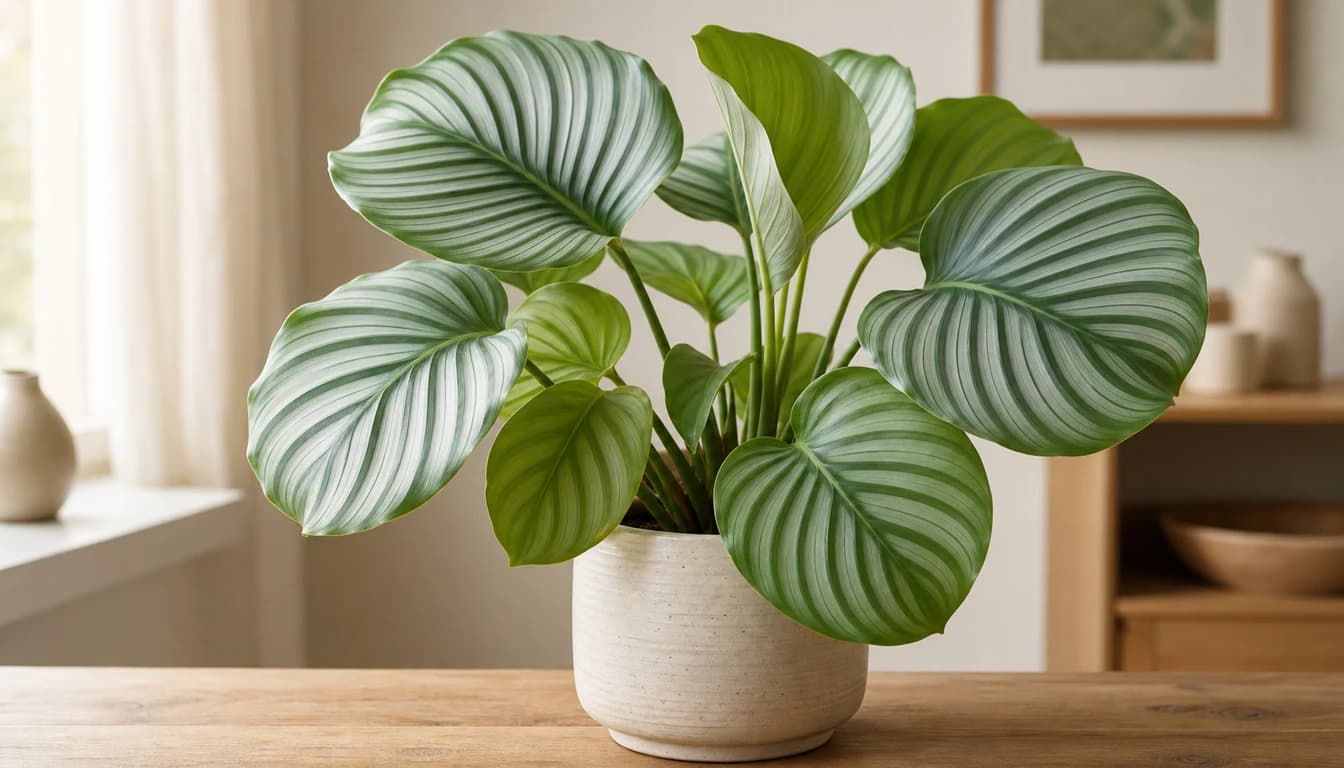
Calathea Orbifolia
Calathea Orbifolia is grown for huge round leaves with soft silver striping, not for forgiving beginner care. It stays beautiful when light is gentle, water
 Houseplants
Satin Pothos
Satin Pothos is a Scindapsus vine grown for silver leaves. It needs brighter light than plain pothos to keep that silver from fading.
quiz
Frequently Asked Questions
Is Lucky Bamboo really a bamboo plant?expand_more
No. Lucky Bamboo is actually Dracaena sanderiana, a tropical houseplant related to corn plant and dragon tree. It just has segmented stems that resemble bamboo, but it grows and behaves more like other dracaenas indoors.
Can Lucky Bamboo live in water forever?expand_more
It can live in water for several years if you keep the water clean and low in minerals. Over time, many plants do better when moved into a loose potting mix, which provides more oxygen and stability for the roots.
Why are the tips of my Lucky Bamboo turning brown?expand_more
Brown tips usually come from hard tap water, fertilizer buildup, or too much direct sun. Switch to distilled or rainwater, keep the plant out of harsh midday light, and avoid heavy feeding to reduce new tip burn.
Can I plant Lucky Bamboo in regular potting soil instead of water?expand_more
Yes, Lucky Bamboo grows well in a light, well-drained potting mix kept evenly moist, not soggy. Make sure the pot has drainage holes and avoid heavy garden soil, which holds too much water around the roots indoors.
How often should I change the water for Lucky Bamboo?expand_more
Change the water every 1-2 weeks, or sooner if it looks cloudy or has a smell. Rinse the vase and pebbles when you change the water, since dirty containers encourage algae growth and root problems over time.
Can Lucky Bamboo live outdoors year-round?expand_more
Lucky Bamboo can only stay outside year-round in frost-free areas around Zone 10-12. In colder climates, treat it as a strictly indoor plant and move any summer displays back inside before nighttime temperatures drop near 50°F.
menu_book
Sources & References
- 1.Missouri Botanical Garden: Dracaena sanderiana Plant Finderopen_in_new
- 2.Clemson Cooperative Extension: Indoor Plants – Dracaenaopen_in_new
- 3.University of Florida IFAS Extension: Dracaena spp. as Interior Plantsopen_in_new
- 4.University of Florida IFAS Extension, Dracaena Production and Useopen_in_new
- 5.ASPCA, Toxic and Non-Toxic Plants List: Dracaena Speciesopen_in_new
- 6.Royal Horticultural Society, Dracaena Growing Guideopen_in_new