
Keep a Kalanchoe Alive After the Shop Bloom Fades
Kalanchoe blossfeldiana Crassulaceae
Kalanchoe care is about keeping a compact flowering succulent alive after the sale bloom fades.
Give it strong bright light, let the pot dry between thorough waterings, remove spent flower stalks, and use long uninterrupted nights in fall when you want another bloom cycle.
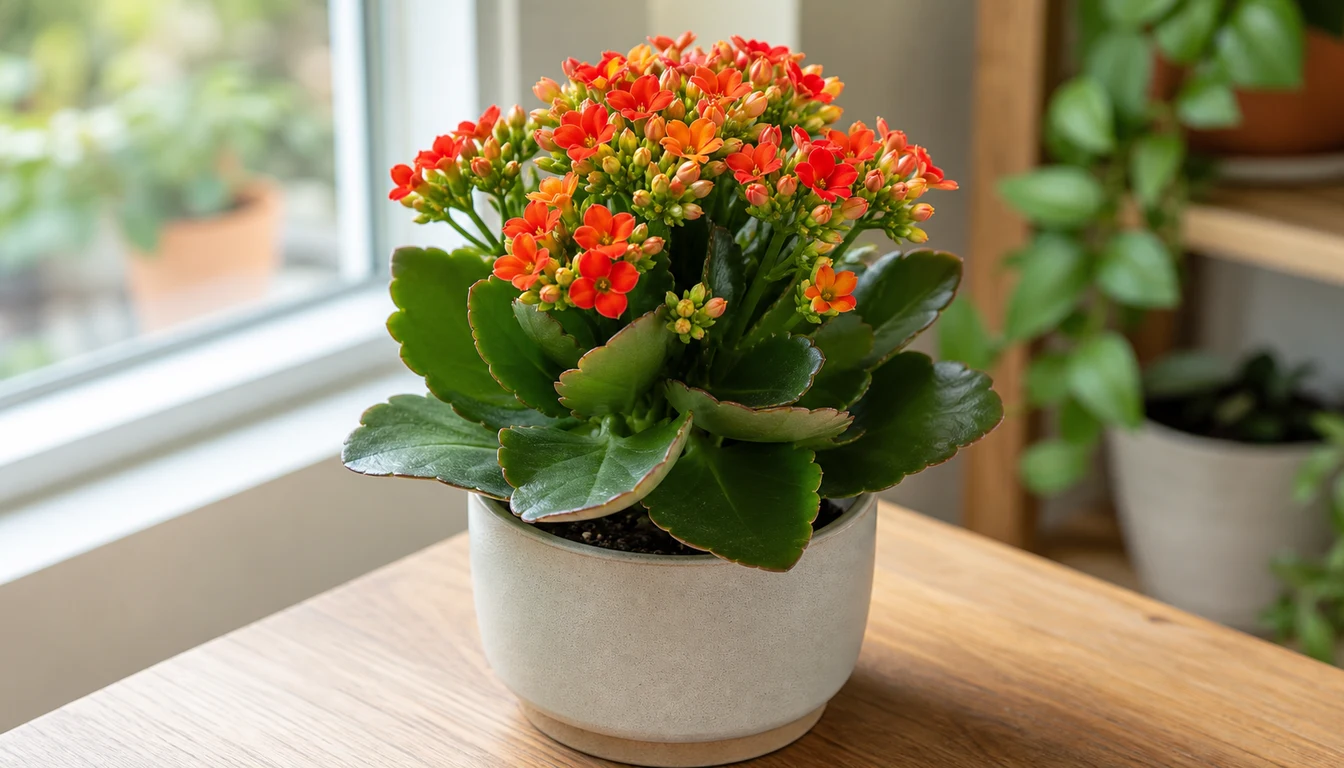
Care snapshot
Start With the Flowering Succulent You Actually Bought
Most indoor Kalanchoe plants are sold when the flower canopy is already doing the hard work. The useful care question is what happens after those clusters fade, because the plant has to rebuild firm leaves before it can bloom again.
If you only want color for a few weeks, buying a budded pot is enough. If you want to keep the plant, inspect the leaves, drainage, and light access before the flower color decides for you.
Kalanchoe blossfeldiana is a compact succulent from the Crassulaceae family, grown indoors for small red, orange, yellow, pink, or white blooms above thick scalloped leaves. Those leaves store water, so the plant can look fine for a while even when the roots are sitting too wet.
Choose a plant with many colored buds and only a few fully open flowers if you want the longest display. A pot that is already covered in open flowers may still be healthy, but much of its show happened before it reached your shelf.
Skip a plant with black stem bases, sour-smelling soil, or leaves that feel mushy under the flower canopy.
This makes Kalanchoe different from a leafy desk plant and different from a short-lived bouquet. You are keeping a living succulent through a plain green recovery period, then giving it the light timing that tells it to set buds.
The plain green months are normal, and they are when the plant earns the energy for the next display.
Check the lower leaves before buying. Firm leaves, a dry saucer, and clean stem bases matter more than the exact flower color, because those signs tell you the plant can survive the weeks after bloom.
Give Bright Days Before You Ask for Flowers
Kalanchoe needs brighter light than many gift plants after it leaves the store. Put it near an east, south, or west window where it receives strong daylight and at least a few hours of gentle direct sun when the glass is not scorching hot.
Flowers last longest in bright cool conditions, but the next bloom depends on leaf energy. A dim coffee table may preserve the current color for a week, then the plant often stretches and stalls instead of rebuilding a compact crown.
- Compact new leaves mean the light is probably strong enough.
- Long bare gaps between leaf pairs mean the plant is reaching.
- Pale dry edges near hot glass mean the sun is too harsh.
- No new buds after good care often means the dark-night trigger was missing.
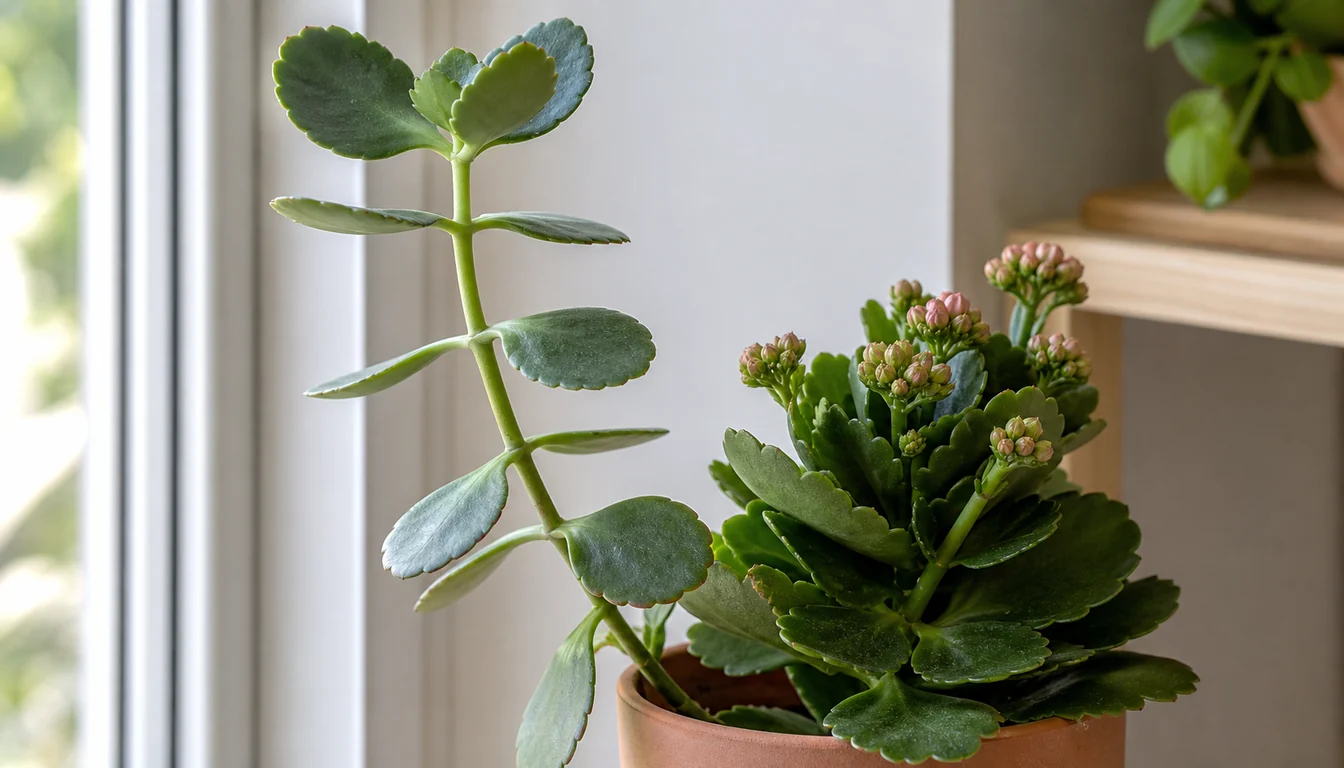
If your best window is weak, a small grow light can help during the daytime part of the routine. Use it for bright days, then turn it off completely during the dark-night rebloom period.
Keep the daytime light consistent before you begin the dark routine, because weak leaves cannot support a heavy set of buds.
Do not move a stretched plant straight into harsh afternoon sun. Increase light over several days, then prune only after you see firm new growth that can replace the weak stems.
If the old stem stays bare, take tip cuttings after new compact growth proves the plant has adjusted.
A darker room may keep kalanchoe alive for a while, but it usually gives you stretched stems and weak rebloom. If the best spot in the room is far from a window, low light houseplants are a better match than a flowering succulent that needs strong days.
Water by Leaf Firmness and Pot Weight
Water Kalanchoe thoroughly, then let the pot dry partway before watering again. The top inch alone is not enough evidence, because a peat-heavy nursery mix can look dry on top while the lower root ball stays wet.
Lift the pot and press one mature leaf gently between your fingers. A light pot with slightly flexible leaves is asking for water, while a heavy pot with soft leaves is usually warning you to wait and check the roots.
When you do water, soak the mix until water runs through the drain hole. Empty the saucer after drainage slows, and never leave decorative foil wrapped tight around the nursery pot.
- Light pot, flexible leaves
- Water fully and drain the saucer.
- Heavy pot, yellow lower leaves
- Wait and improve airflow around the pot.
- Wet mix, soft black base
- Take cuttings from healthy tips and discard rot.
- Dry pot during dark treatment
- Water lightly because growth is slower.
This full soak and full drain pattern is closer to succulent care than to sipping a flowering annual.
A calendar can remind you to check the pot, but it cannot decide the water day. Use houseplant watering frequency only as a starting rhythm, then let leaf firmness, pot weight, room heat, and flower stage make the final call.
Water less once the flower show ends and the plant slows down. Dry roots are not the goal by themselves, but air returning to the pot between waterings is what keeps this succulent from collapsing at the base.
Cold rooms make the wait longer, especially near a winter window where evaporation slows.
A cactus mix or an indoor mix with extra perlite is usually enough. The pot should be only a little larger than the root ball, because extra wet soil around small roots is the fastest way to lose an otherwise healthy plant.
Clean Up the Plant After the Flower Show
Cut old flower stalks back to the leaf crown once most blooms on that stalk are brown. Removing the whole stalk looks cleaner and keeps spent petals from sitting damp in the center of the plant.
Do not remove healthy leaves just because the plant looks plain after bloom. Those leaves are the storage system that pays for the next round of growth.
Repot after bloom only if the root ball is crowded, the mix stays wet too long, or the nursery pot has no useful drainage. Move up one pot size, not into a deep decorative container.
If the plant is still blooming well, leave the root ball alone until that display finishes.
- Choose a firm nonflowering stem tip.
- Cut below two or three healthy leaf pairs.
- Let the cut end dry for a day.
- Root it in barely moist airy mix.
- Keep it bright and out of harsh sun until growth resumes.
Cuttings are useful when an old plant turns woody or one-sided. They let you restart a compact pot instead of burying bare stems deeper, which can invite rot.
Label the cutting date if you are testing several stems, because fresh cuttings often look unchanged before roots form.
A woody succulent such as jade plant can look better as its trunk thickens.
Kalanchoe usually earns its place as a compact flowering pot, so renewal after bloom matters more than building an old stem.
Keep the plant slightly drier for a few days after pruning or cuttings. Fresh cuts heal better when the crown is clean, bright, and not sitting in stale moisture.
Use Long Nights to Start the Next Bloom Cycle
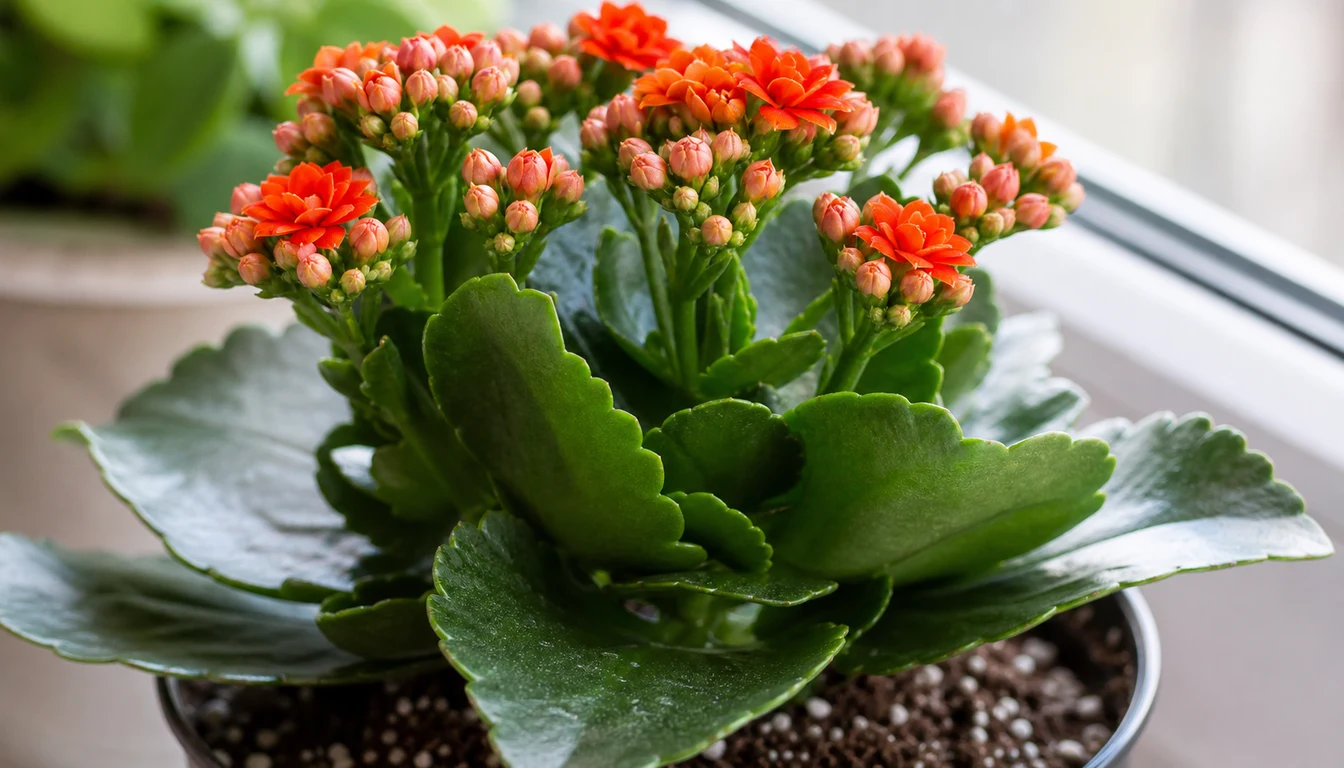
To make Kalanchoe bloom again, give it bright days and about six weeks of long uninterrupted nights. A practical routine is roughly 10 hours of bright daytime light followed by about 14 hours of darkness each night.
Do not start this treatment immediately after flowers fade. Let the plant grow leaves in strong light first, because a weak plant may set only a few buds or drop them before opening.
Start in fall if you want winter flowers. Put the plant in a closet, unused room, or covered shelf each evening, then return it to bright light in the morning.
A phone reminder helps because one missed night is less damaging than a week of random light interruptions.
Water lightly during this treatment because growth slows while the plant prepares buds. Keep leaves from shriveling hard, but do not push the pot back into a wet growth routine.
When buds become visible, return the plant to its bright display spot and keep care steady. Sudden darkness, soggy soil, or hot window glass can make small buds drop before they open.
Do not celebrate by soaking the pot, since young buds are still sensitive to wet roots.
Use fertilizer only after the plant is back in active leaf growth. A light indoor plant fertilizer dose can support new leaves, but feeding during the dark treatment will not replace the night-length signal.
The long-night cue may remind you of Christmas cactus, but the care around it is different. Kalanchoe still needs dry-root succulent handling while the night-length signal sets buds.
If the plant refuses after a correct dark routine, review the months before the treatment rather than repeating darkness immediately. Weak summer light, an oversized wet pot, or heavy pruning right before fall can leave too little growth to support many buds.
Read the Failure Signs Before You Add Water
Brown flower clusters are usually age, not disease. Cut them off and inspect the leaf crown before you decide the whole plant is failing.
Mealybugs hide where flower stems meet leaves, and scale can settle on older stems. These pests are easier to catch after you remove spent blooms and can actually see the crown.
Use a cotton swab and good light for the first check so you do not mistake dry petals for insects.
Old flowers
- Dry brown petals
- Firm green leaves
- Cut spent stalks back
Mealybugs
- White cotton at joints
- Sticky residue
- Isolate and clean the plant
Root rot
- Soft black base
- Wet heavy pot
- Save clean tip cuttings
Rot starts lower than most people look. If the stem base is black, soft, or sour-smelling, stop watering and save healthy tip cuttings before the crown collapses.
Do not answer every weak leaf with water. A kalanchoe can droop from thirst, cold wet roots, hot sun, or old bloom stress, so the pot weight and stem base tell you more than the leaf angle alone.
The safest first move is observation, then one measured change.
The closest dry-root mental model is aloe vera. Both plants store water in fleshy tissue, but kalanchoe adds flower cleanup and rebloom timing to the routine.
If more than one symptom appears at once, fix the root-zone risk first. Pests can be cleaned gradually, but a soft base can take the crown before a spray routine has time to matter.
Place Kalanchoe Where Pets Cannot Reach It
Kalanchoe is not a good low-table plant in a home with cats or dogs. ASPCA lists kalanchoe as toxic to both, so the safest care choice is distance rather than hoping a pet ignores fallen flowers.
Use a high bright shelf, a closed plant room, or a hanging position that still gives the plant enough light. If pets can reach every bright spot, pet safe houseplants are the safer decision.
Remember that fallen petals can travel farther than the pot itself when a shelf is bumped or cleaned.
Outdoors, treat kalanchoe as a frost-free container plant unless you live in a warm climate. Indoors anywhere else, manage it like a bright-window succulent, not like a moisture-loving plant such as peace lily.
Bring it indoors before chilly nights if you want to keep the same plant for another bloom cycle.
A safer display plant such as spider plant fits homes where pets climb shelves. Kalanchoe earns its place only when you can give it light and keep curious mouths away from the pot.
Frequently Asked Questions
How do I care for kalanchoe indoors?
Give Kalanchoe bright light, water only after the pot dries partway, and keep it in a small draining pot. Remove old flower stalks so the crown stays clean after bloom.
How do I make kalanchoe bloom again?
Give Kalanchoe bright days and about six weeks of long dark nights in fall. Keep nights uninterrupted and water lightly until buds show.
Should I cut off dead kalanchoe flowers?
Yes. Cut spent flower stalks back to the leaf crown once most blooms on that stalk are brown, but leave healthy green leaves in place.
Is kalanchoe toxic to cats and dogs?
Yes. Kalanchoe is listed as toxic to cats and dogs, so keep the plant and fallen flowers away from pets.
Sources & References
Related Plants
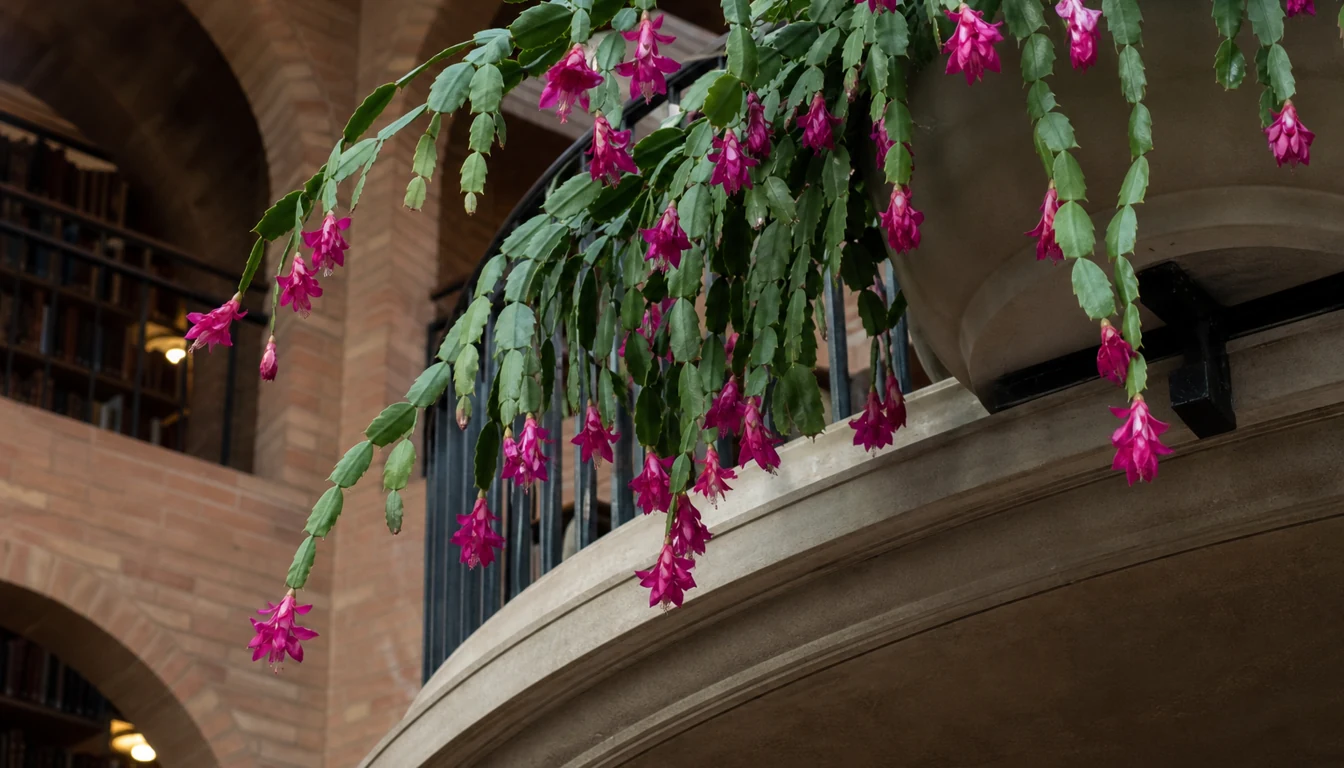
Christmas Cactus
Another short-day flowering houseplant, but with segmented cactus stems instead of compact succulent leaves.
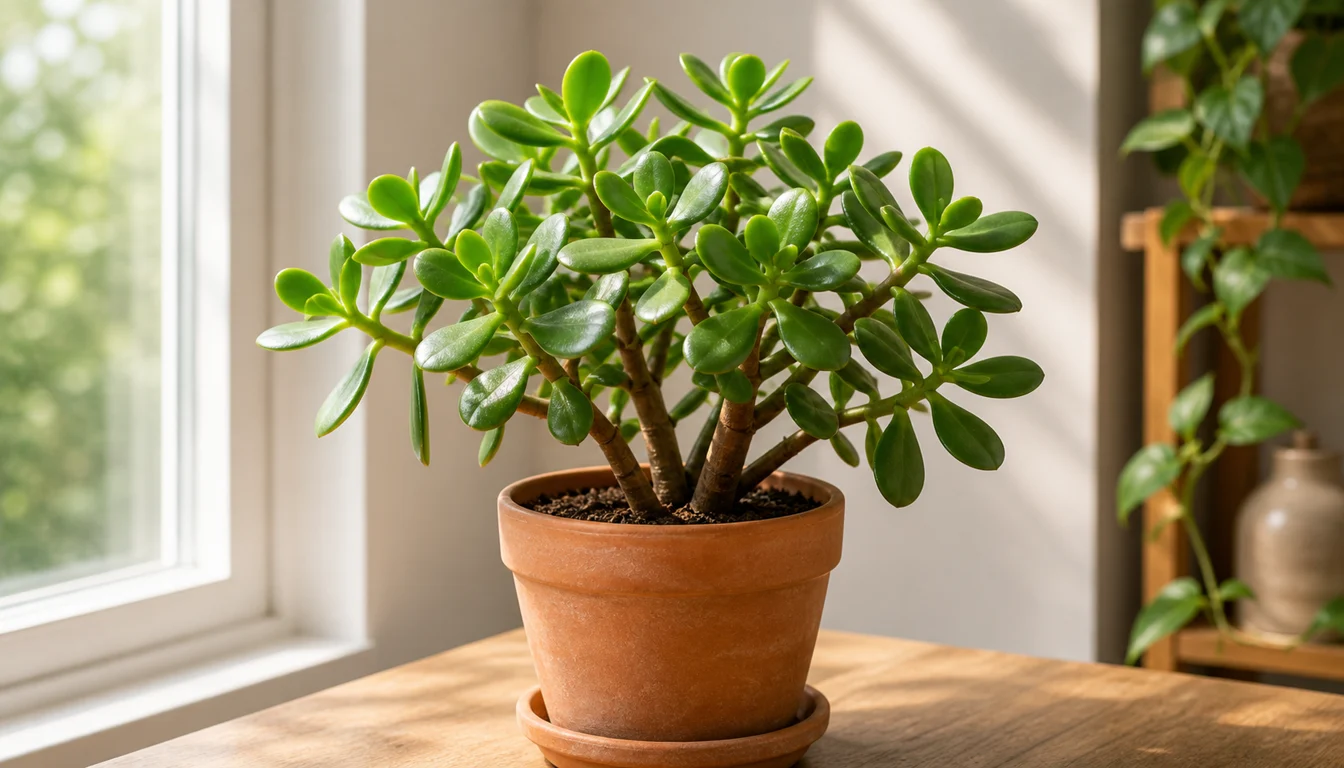
Jade Plant
A tougher Crassulaceae relative grown for woody form rather than repeat flower clusters.
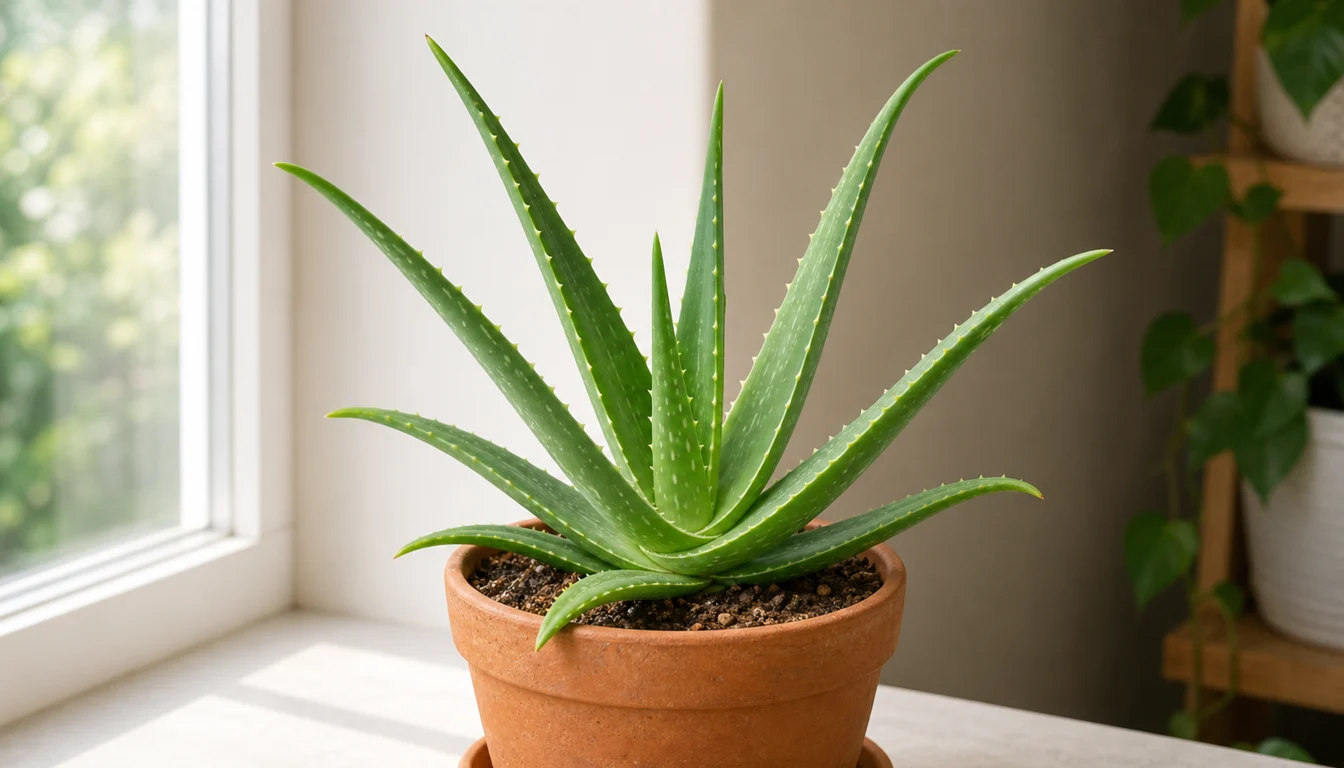
Aloe Vera
A dry-root succulent comparison when watering habits matter more than flowers.
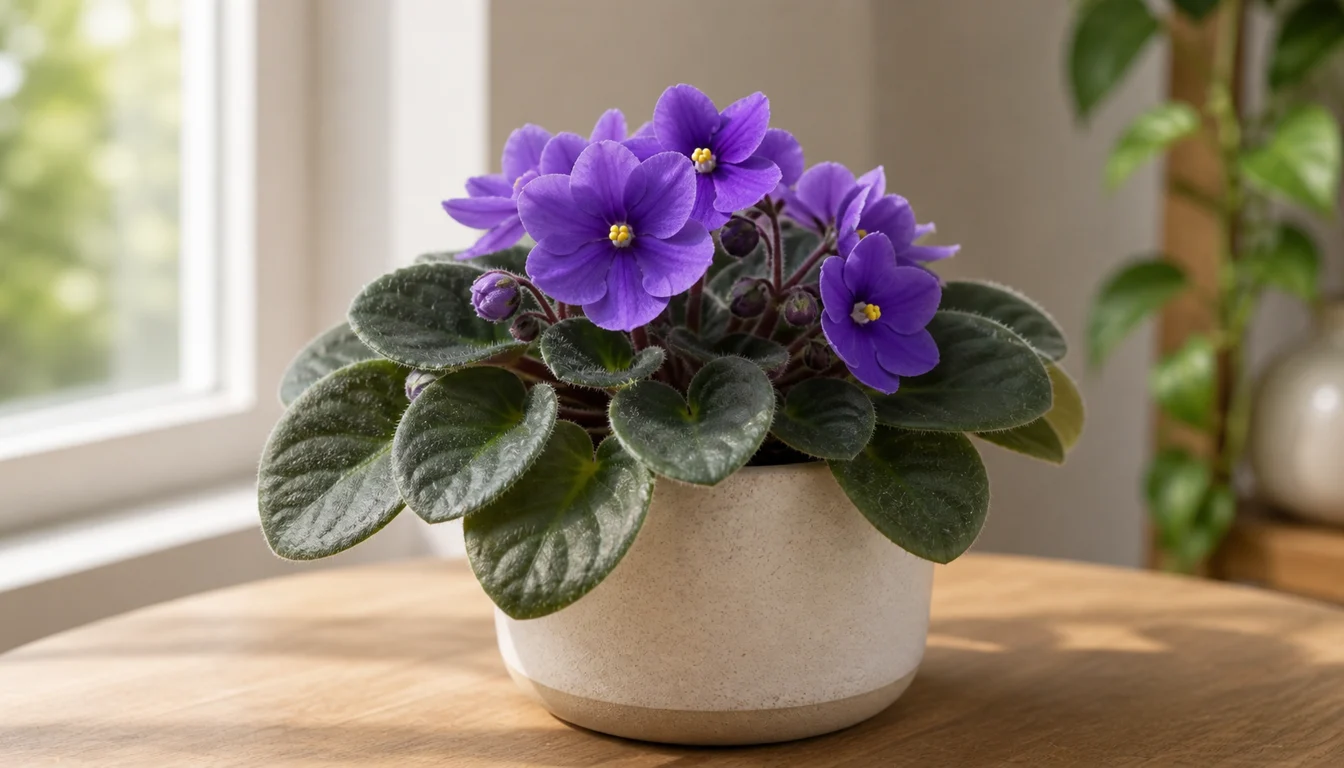
African Violet
African Violet is a windowsill bloomer that rewards steady, small-pot care.
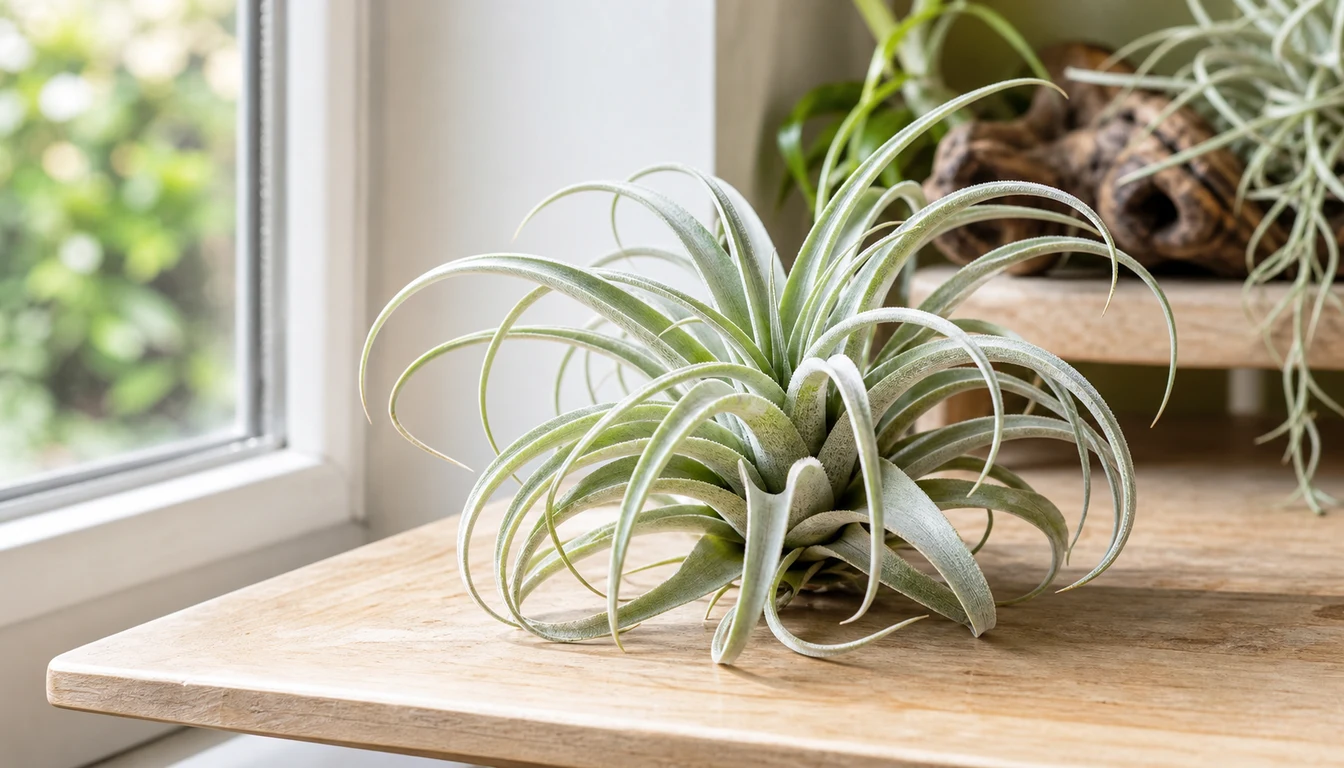
Air Plant
Air plants are living sculptures that thrive without soil, anchoring to driftwood, rocks, or shells while drawing…
Alocasia
Alocasias include compact, textured houseplants and large elephant ears that need substantial floor space.