
How to Grow Ficus Audrey and Care for Its Branching Crown
Ficus benghalensis 'Audrey' Moraceae
Ficus Audrey is a pale-veined indoor tree grown from the banyan species Ficus benghalensis. Bright filtered light and a well-drained root zone support its crown. Leaf drop needs a look at moisture, exposure, pests, and recent changes before a cause is assigned.
Care snapshot
A Banyan Cultivar in an Indoor Container
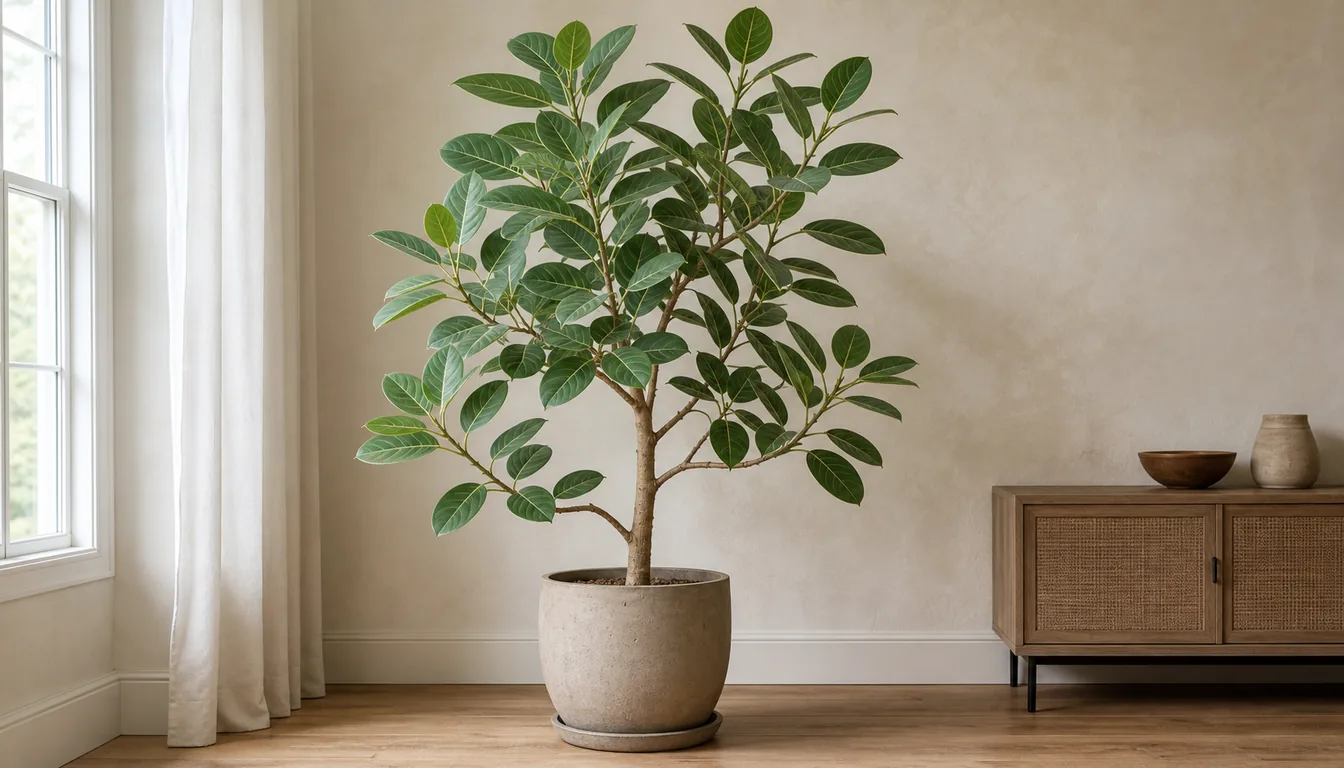
Ficus Audrey is the cultivar 'Audrey' of Ficus benghalensis, a woody banyan species native to the Indian subcontinent. Its pale-veined oval leaves and smooth young trunk create an indoor tree form, but outdoor species dimensions do not predict a cultivar’s size in a particular room.
In a suitable tropical landscape, the species can reach about 100 feet and develop a wide crown. Aerial roots descend from branches and can thicken into supporting trunks when they reach the ground. That growth habit explains why outdoor placement needs much more thought than finding space for a nursery pot.
The species can begin on another tree and eventually overwhelm its host. Indoor growing conditions, container roots, plant age, and cultivar all affect its habit. A pot and pruning alone do not explain the difference between a houseplant and an old tropical banyan.
NC State describes species leaves as 4–10 inches long and 4–8 inches wide, smooth above and finely hairy beneath. Those measurements help describe the species rather than set a target for every Audrey leaf. The pale veins and leaf attachment are more useful identification details than expecting all blades to reach the same size.
The crown needs space beside suitable light as it expands. Clearance from hot glass, furniture, and foot traffic makes a floor tree easier to maintain and prevents the pot from blocking the room.
- One straight leader
- Gives a visible trunk beneath a higher crown. Future branches need room above the intended framework.
- Several healthy stems
- Give a fuller initial outline but may need more width as branches develop.
- Crowded weak stems
- Soft stems, progressively smaller leaves, or an unpleasant root-ball odor call for inspection despite a full canopy.
A firm trunk and developing leaves are useful observations, but they do not clear every hidden root. A soft base, deteriorating tissue, or tightly crowded roots needs inspection even when the upper canopy looks full.
After purchase, the first priority is correcting evident problems such as cold exposure or standing water. Once conditions are suitable, a record of growth and leaf loss helps separate the effects of a move from an ongoing problem. There is no mandatory waiting period before addressing active damage.

How Can Light Reach the Whole Crown?
Bright filtered light across the canopy suits Ficus Audrey indoors. A position close to a bright window can illuminate more of the crown than a distant corner, though curtains, overhangs, and neighboring trees affect the actual exposure.
Smaller new leaves or longer gaps between nodes can prompt a light assessment. They do not prove that light alone is responsible, because roots and other growing conditions can also restrict growth. Older leaves still show continuing damage, while successive new leaves reveal how growth is developing.
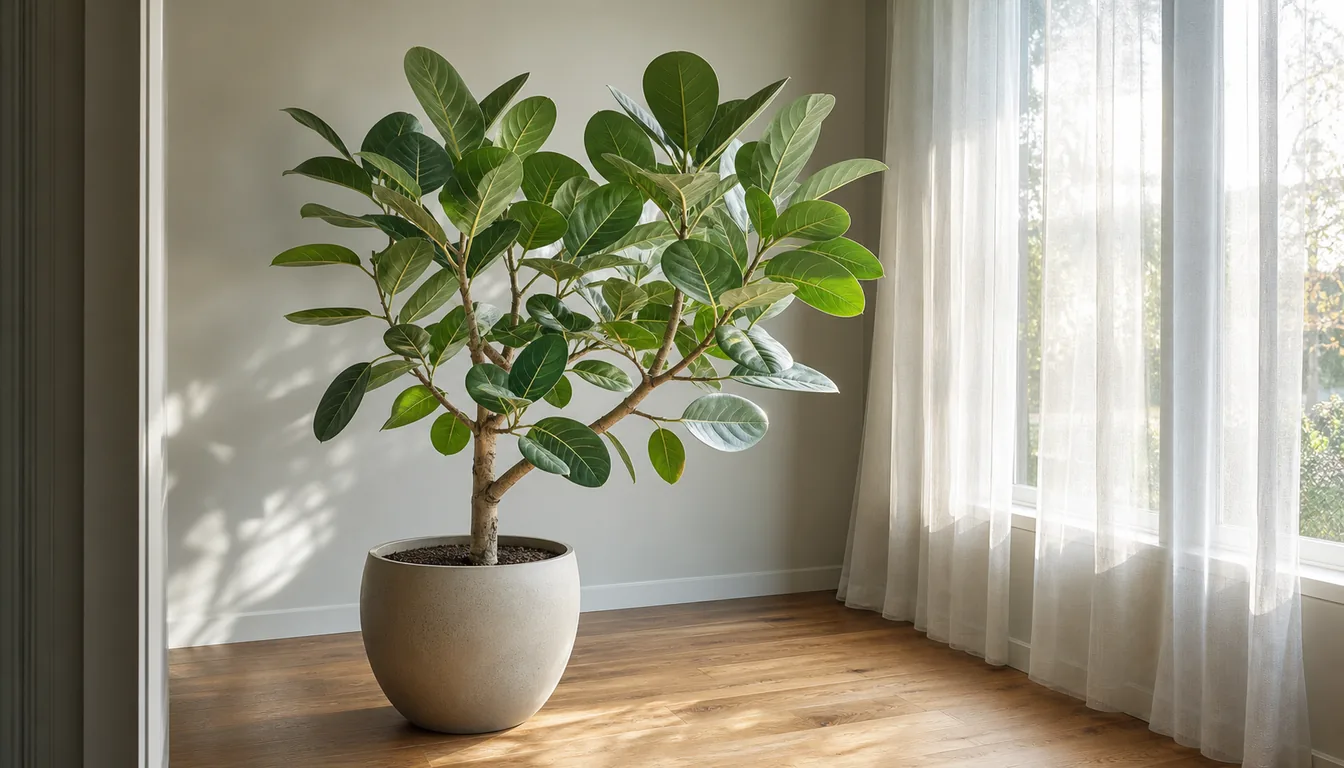
Occasional turning can distribute light when one side faces the window. It does not make a dim location suitable, and unnecessary moves change temperature and drying along with exposure.
A little gentle morning sun can suit an established tree, but increase direct light in stages because sudden midday exposure can bleach or crisp the existing crown.
Watering a Deep Root Ball
NC State’s houseplant guidance uses the upper 2–3 inches of mix drying as a watering reference. Pot size, weight, and moisture farther down add context. A shallow container cannot be judged by the same depth check as a deep floor pot.
A dry surface can sit above a damp center. Repeatedly adding water before the deeper mix begins to dry can reduce the air available to roots. That is a root-zone problem even if the rim looks dusty.
A clean wooden probe near the pot edge can provide another moisture clue if it slides in without forcing through roots. Material adhering to it needs interpretation alongside pot weight and recent watering. A clean probe or one damp patch does not measure the whole pot.
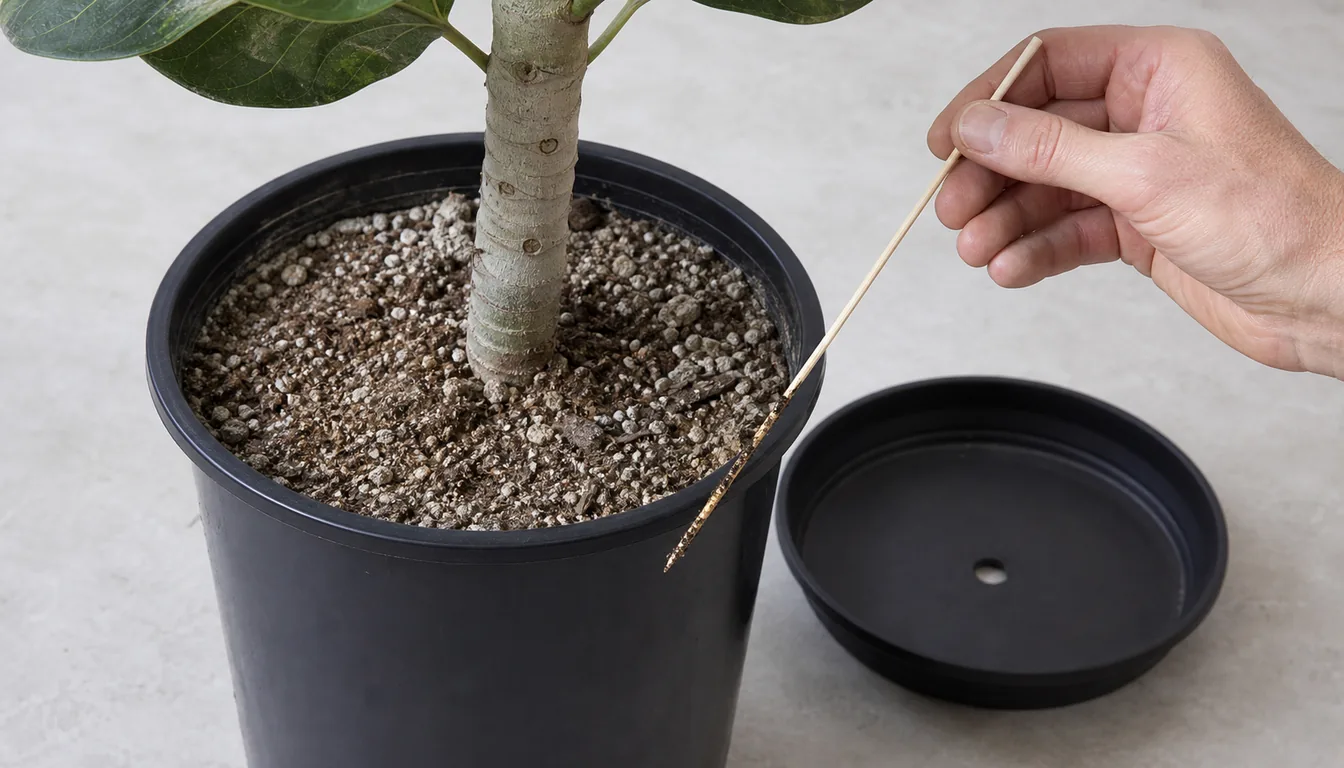
When watering is needed, slow passes across the surface help wet the root ball before excess drains from the base. The tray or outer pot then needs emptying. Immediate runoff down a gap around dry mix does not prove that the center received water.
During active growth, an appropriate houseplant fertilizer can supply nutrients at the labeled rate. Feeding cannot repair roots deprived of air, and extra salts can add injury. New leaves alone do not establish that the entire root zone is working well.
NC State describes an indoor temperature range of 65–80°F and humid air for this species. Cold drafts and direct heating airflow can change conditions around the leaves even when the room thermostat looks suitable. If dry air is suspected, a room humidity measurement and a humidifier are more useful than adding water to already wet roots.
Why Is Ficus Audrey Dropping Leaves?
The first useful clue is what changed before the first leaf fell. Record the date, where loss began in the crown, leaf texture, pot weight, and any recent move instead of treating every fallen leaf as a demand for water.
Several firm leaves dropping after relocation can reflect the new light and temperature pattern, while cold air may leave dark soft areas even when soil moisture looks normal.
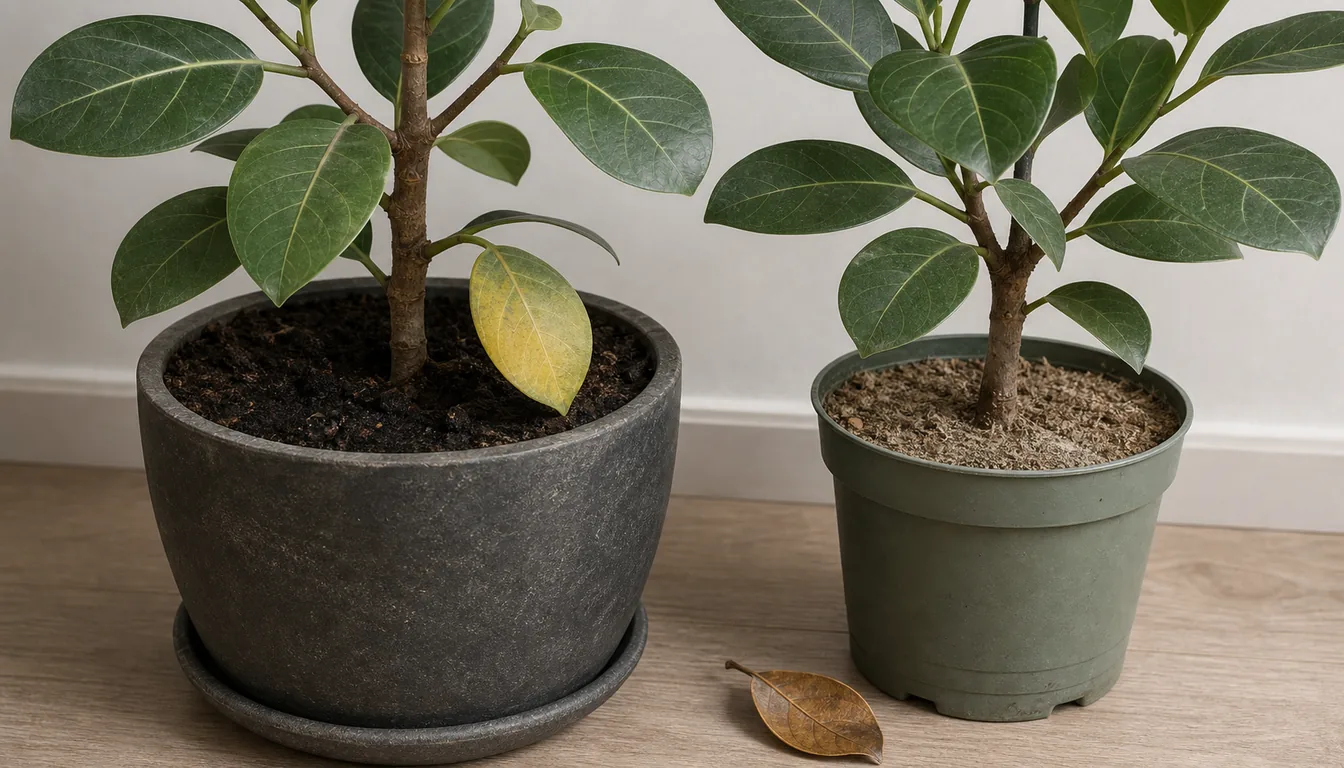
Crisp leaves with a dry, light pot support investigating water shortage, while yellowing above persistently wet mix calls for a drainage and root assessment. An occasional aging lower leaf is different from continuing canopy loss. The leaf’s position and texture narrow the questions but do not certify the cause.
Dry brown spots, spreading discolored patches, and cracked leaves can occur under different conditions. Moisture, humidity, physical damage, pests, and disease may overlap in appearance. A spreading lesion or continuing decline needs a broader assessment rather than a diagnosis from its color alone.
- Recent move
- Compare old and new light, drafts, watering and drainage. Correct an evident hazard instead of keeping the plant in it to avoid another move.
- Dry mix and wilt
- Wet the root ball and let it drain, then follow drying and continuing symptoms. Do not shorten every future interval automatically.
- Persistently wet mix
- Remove standing water and inspect drainage. Continuing decline may require examining root texture and the stem base.
- Recent cold exposure
- Move the plant clear of the cold source. Dark tissue supports an exposure check but does not exclude other injury.
If the base softens or the plant keeps declining in wet mix, root inspection can reveal the extent of damage. Severely decayed plants may not be recoverable. Firm tissue does not guarantee freedom from disease, and uncertain or spreading damage is a reason to seek local extension help before attempting rescue propagation.
Make one nonurgent correction and use a dated canopy photo after the next bud or moisture cycle to judge whether leaf loss is slowing.
A Tall Trunk Does Not Need a Huge Pot
Pot size follows the roots as well as the crown. A wide volume of unrooted mix may stay wet longer than the root ball. A heavy or leaning canopy needs a stable base, but stability does not require surrounding the roots with an oversized wet container.
Keep a draining nursery pot inside a weighted cover pot for stability, but lift it to water and return it only after runoff finishes and the outer container is dry.
- Assess the stem base and root condition before relying on a stake to hold a leaning tree.
- Check whether the crown leans toward the window.
- Keep the trunk at its existing soil line.
- Move up one modest pot size when roots fill the old one.
A clean indoor potting mix needs to retain moisture while allowing air and drainage around roots. NC State suggests a good-quality potting mix with perlite. Dense garden soil and deteriorated, compacted mix can make a deep pot harder to manage.
A loose trunk after repotting may need temporary support, but inspect broken or decayed roots first. Stake to limit movement while new roots grip the mix, then loosen and remove the support rather than letting a tie cut into a thickening stem.
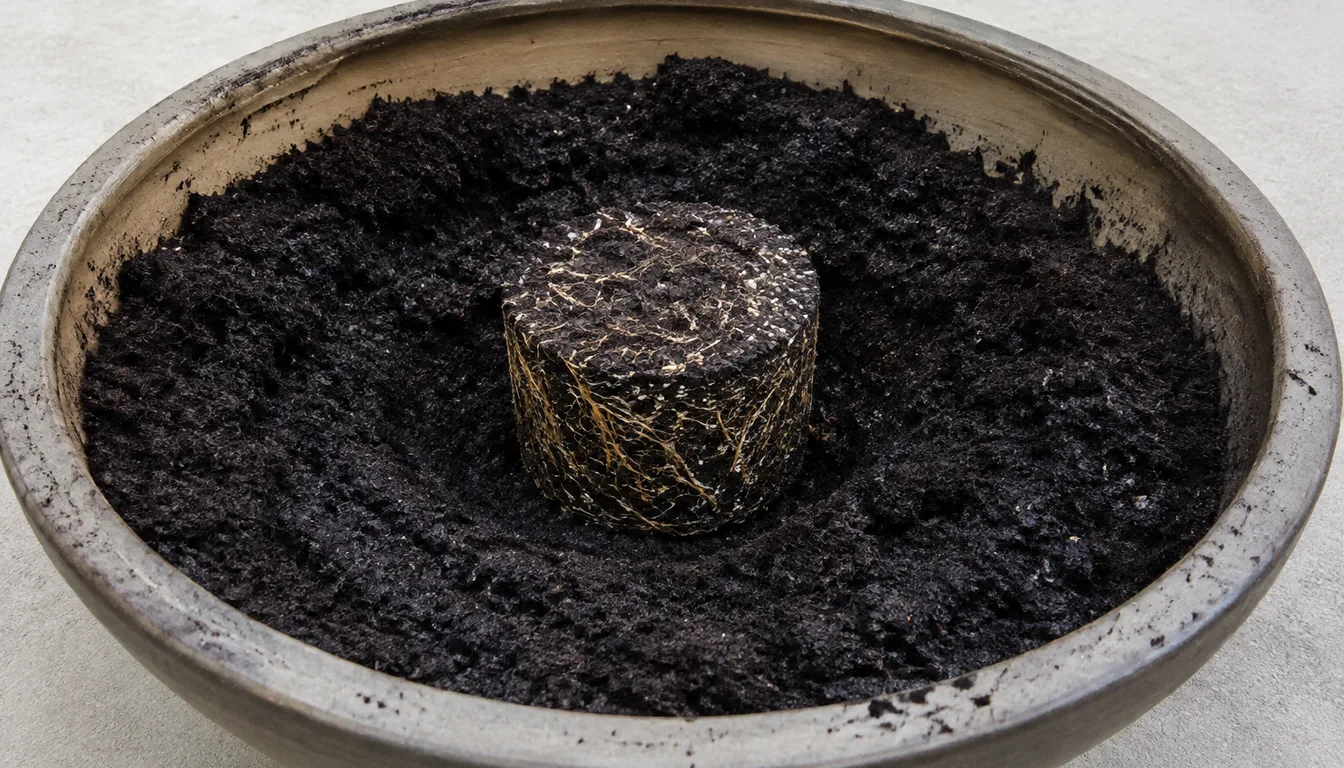
Pruning, Cuttings, and Air Layering
Pruning can help fit a vigorous tree to its space or change the framework of branches. Planning the shape while healthy foliage remains gives more options than waiting until a bare trunk reaches the ceiling. A stressed, declining tree needs its growing conditions assessed before cosmetic pruning.
During active growth, a clean cut just above a retained leaf node can encourage buds below it to grow. The number and direction of new branches depend on bud positions and plant condition, so pruning cannot promise a symmetrical crown.
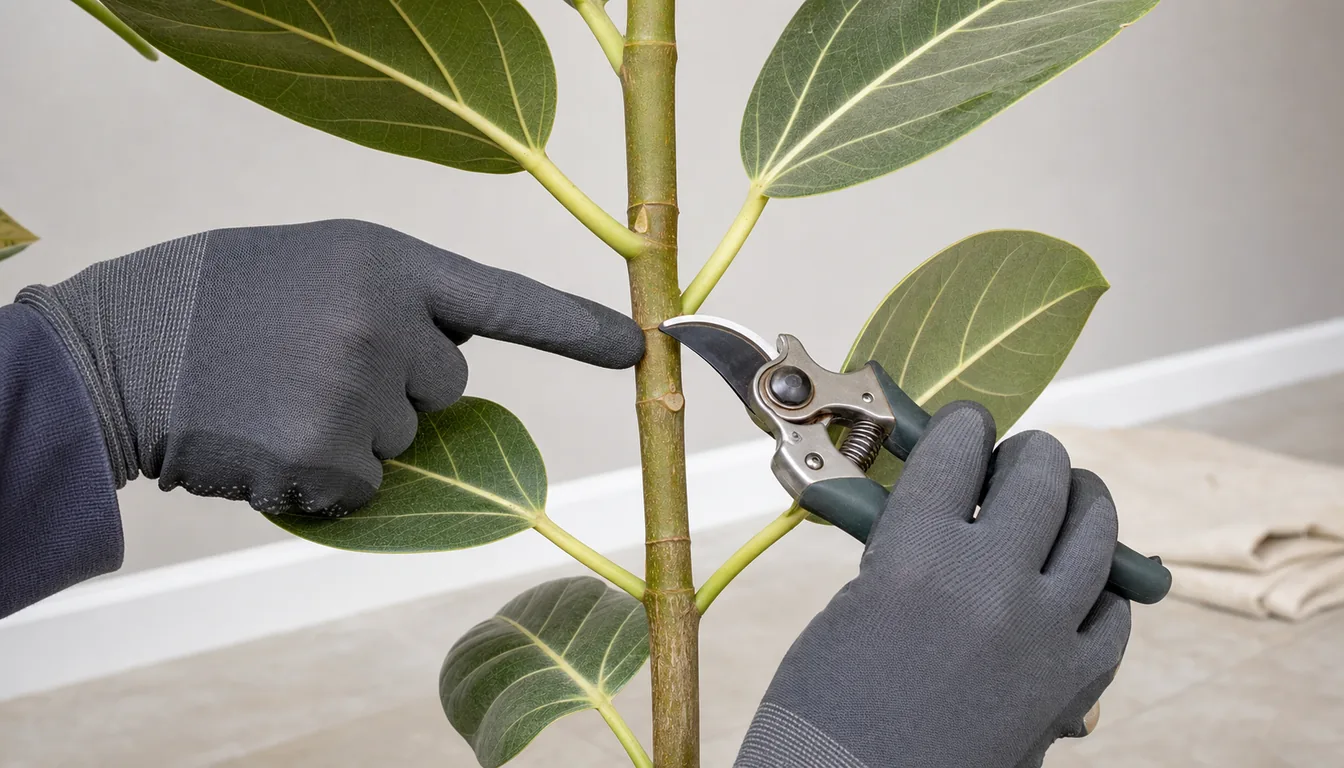
Stem cuttings and air layering are both described for Bengal fig. A small cutting is detached first and then forms roots. With air layering, a larger section forms roots while still attached, so the parent continues supplying it during rooting. The two methods require different step orders.
- Wear gloves, protect nearby surfaces from latex, and choose healthy material with a clean cutting tool.
- For a small stem cutting, include a node and leaves, remove foliage that would be buried, and place the base in moist propagation medium with warmth and bright indirect light.
- For air layering, prepare an attached stem with a suitable wound and enclose the area in moist sphagnum and a clear wrap. Keep the top attached while roots develop.
- Separate an air layer below its new root ball only after roots are visibly established through the wrap. Pot it carefully and maintain suitable moisture while it adjusts.
- Clean tools after handling sap. Rooting and branching take variable time, and fertilizer is not a way to force either response.
NC State establishes the two propagation methods for this species, and Cornell’s woody-plant guidance explains why an air layer stays attached until roots form. Propagation from diseased stock can carry a problem into the new plant, so healthy material matters more than a large cutting.
Velvety Leaves Need a Gentle Pest Check
The Audrey leaf has a smooth to matte-looking upper surface and fine hairs underneath, so dust can soften the pale vein pattern and conceal early pest evidence. Leaf-shine products create glare and residue without solving what is attached to the plant.
Support one leaf from below and wipe it with a clean area of soft damp cloth, avoiding hard scrubbing underneath or rubbing a young leaf that has not finished expanding.
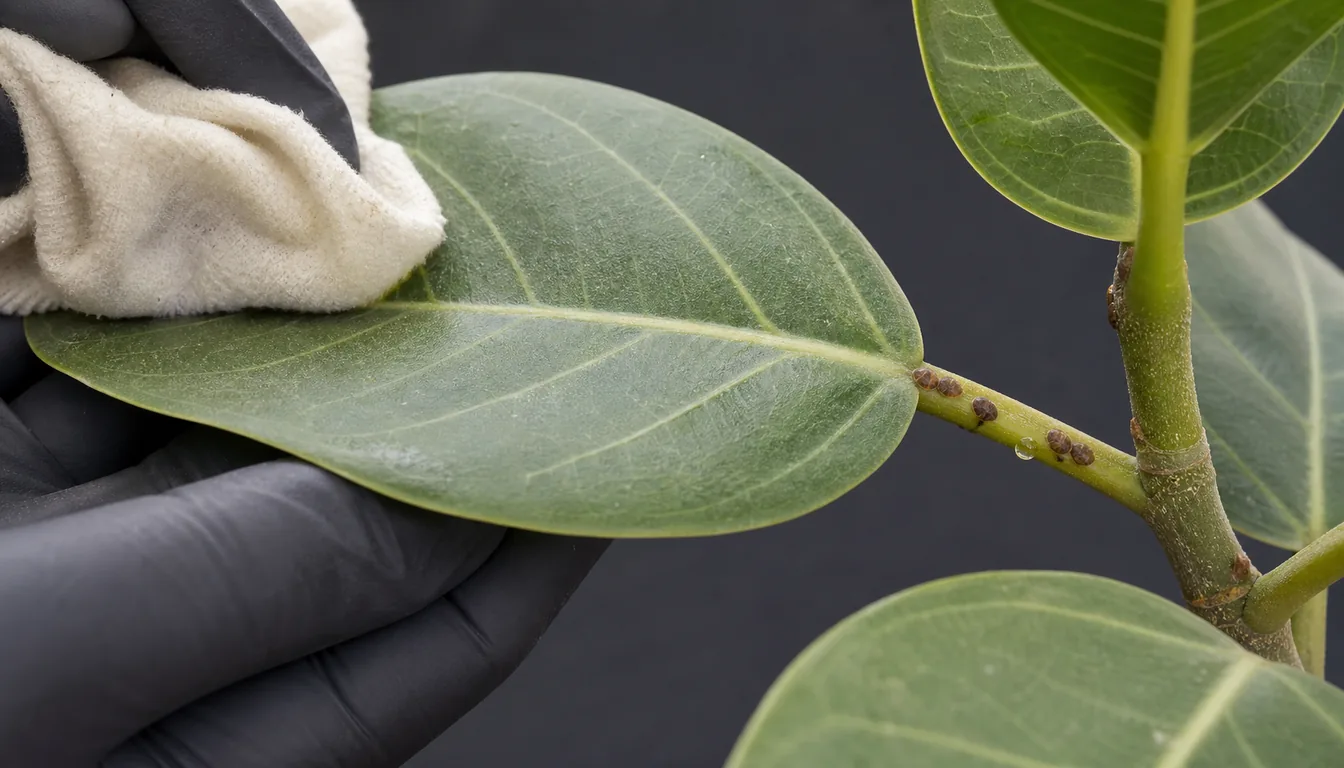
Loose material transferring to a cloth may be dust, while attached raised bumps deserve a scale check. Fine stippling and webbing support a spider-mite inspection. A dull matte surface alone is not enough to choose a pesticide.
NC State lists mites, mealybugs, scale, and fungus gnats among possible problems, without limiting the plant to those four. Isolation and suitable physical cleaning can help while a pest is identified. Product selection depends on that identification and the indoor-use label, while gnats also prompt a look at the potting medium.
Keep Latex and Fallen Leaves Away From Pets
Ficus Audrey is unsuitable for chewing, and its milky latex can irritate skin. NC State flags the Bengal fig species for dogs, cats, and horses. Species-level evidence applies to the cultivar here, without claiming that every animal develops the same symptoms or reacts to the same amount.
Keep the plant, fallen leaves, and cuttings out of reach of children and animals. Wear gloves for pruning, wash sap from exposed skin, and contact a veterinarian or poison service promptly after suspected ingestion. Do not wait for illness or improvise a home treatment.
Outdoor planting is a separate decision from container care. NC State warns that the species can overwhelm a host tree and damage nearby infrastructure. Its listed outdoor zone range does not establish that it belongs in every warm-climate garden, and local planting restrictions still matter.
Sources & References
- Ficus benghalensis | Plants of the World Online | Kew Science
- Ficus benghalensis | North Carolina Extension Gardener Plant Toolbox
- Techniques for Propagation of Plants for Interior Decoration — Cornell Cooperative Extension
- Indoor Plant Care — Purdue Extension HO-39-W
- Diagnose Indoor Plant Problems — University of Maryland Extension
- Insects on Indoor Plants — University of Minnesota Extension
Related Plants
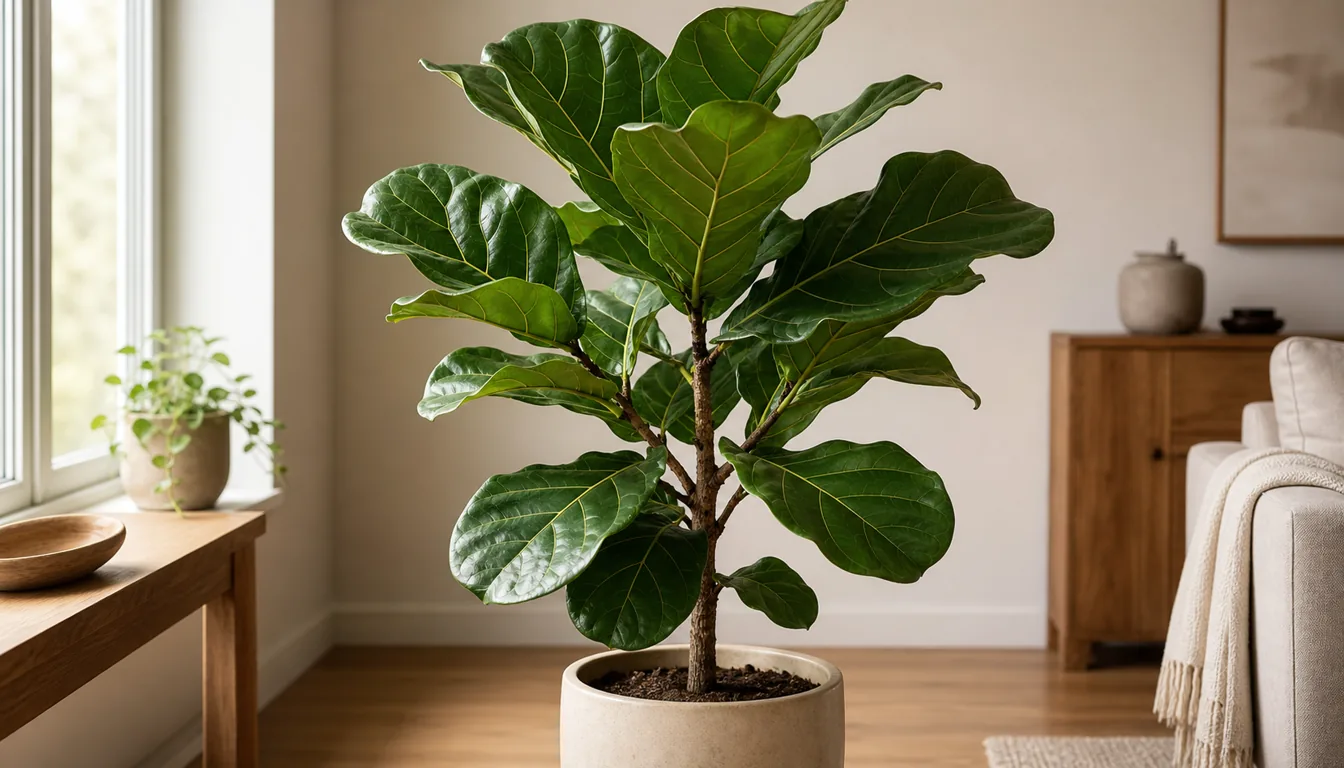
Fiddle Leaf Fig
Another indoor fig with broad fiddle-shaped leaves and a different canopy outline.
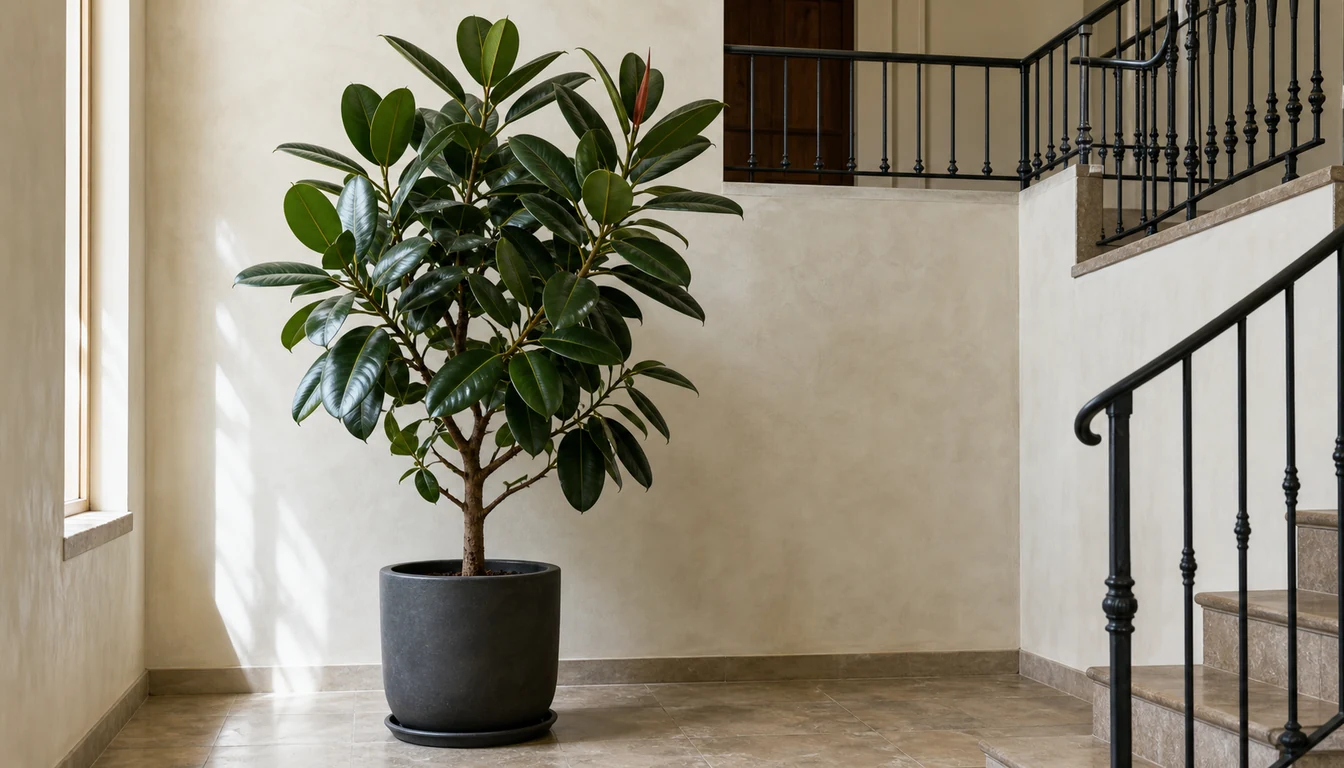
Rubber Plant
A ficus with thicker glossy leaves, several distinct cultivars, and a strong upright habit.
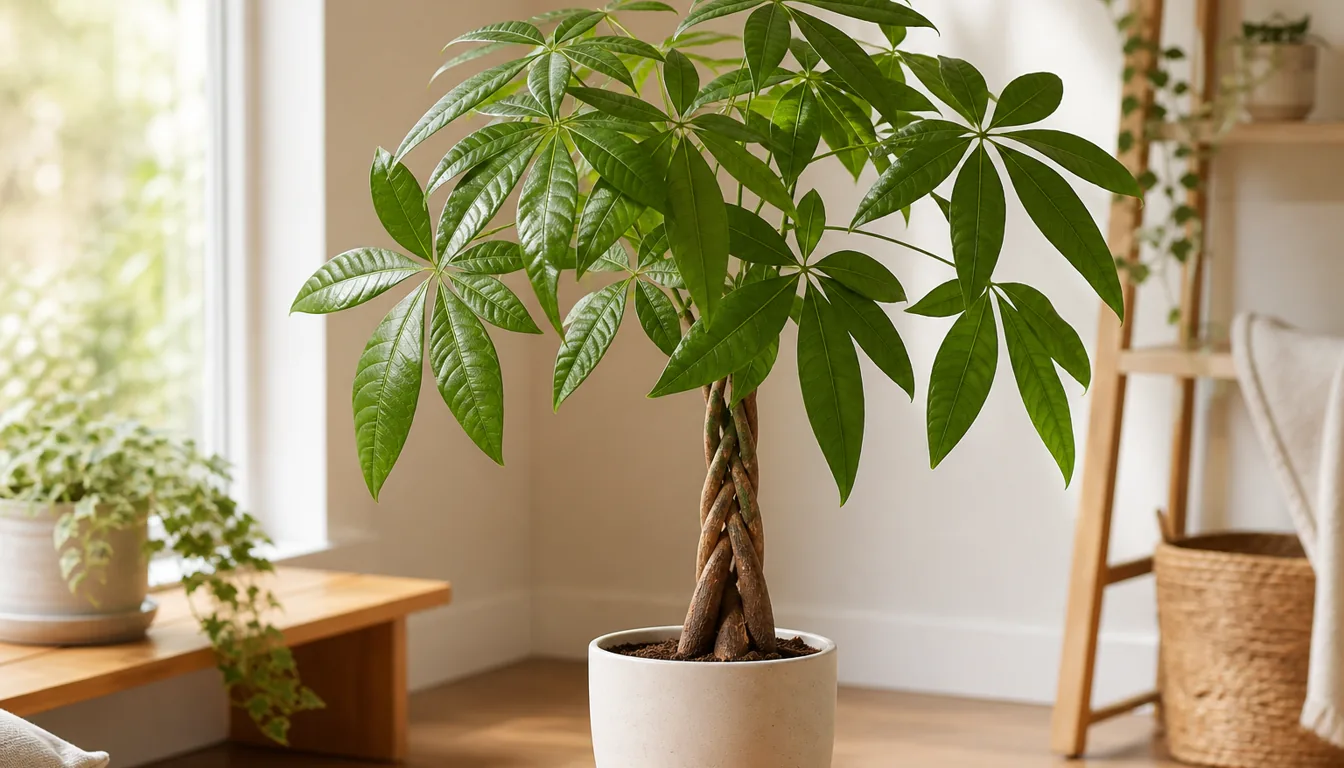
Money Tree
A tree-form houseplant with palmate leaves and a different watering response.
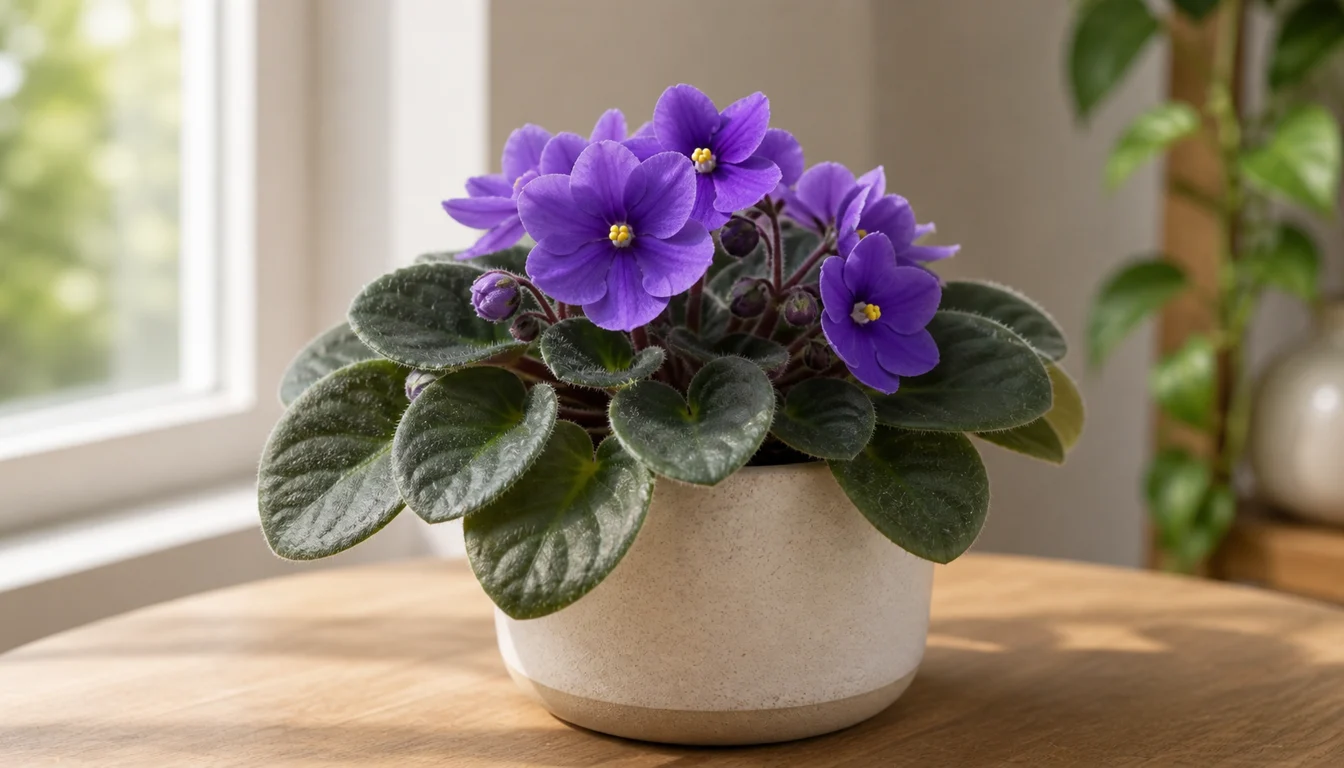
African Violet
African Violet is a windowsill bloomer that rewards steady, small-pot care.
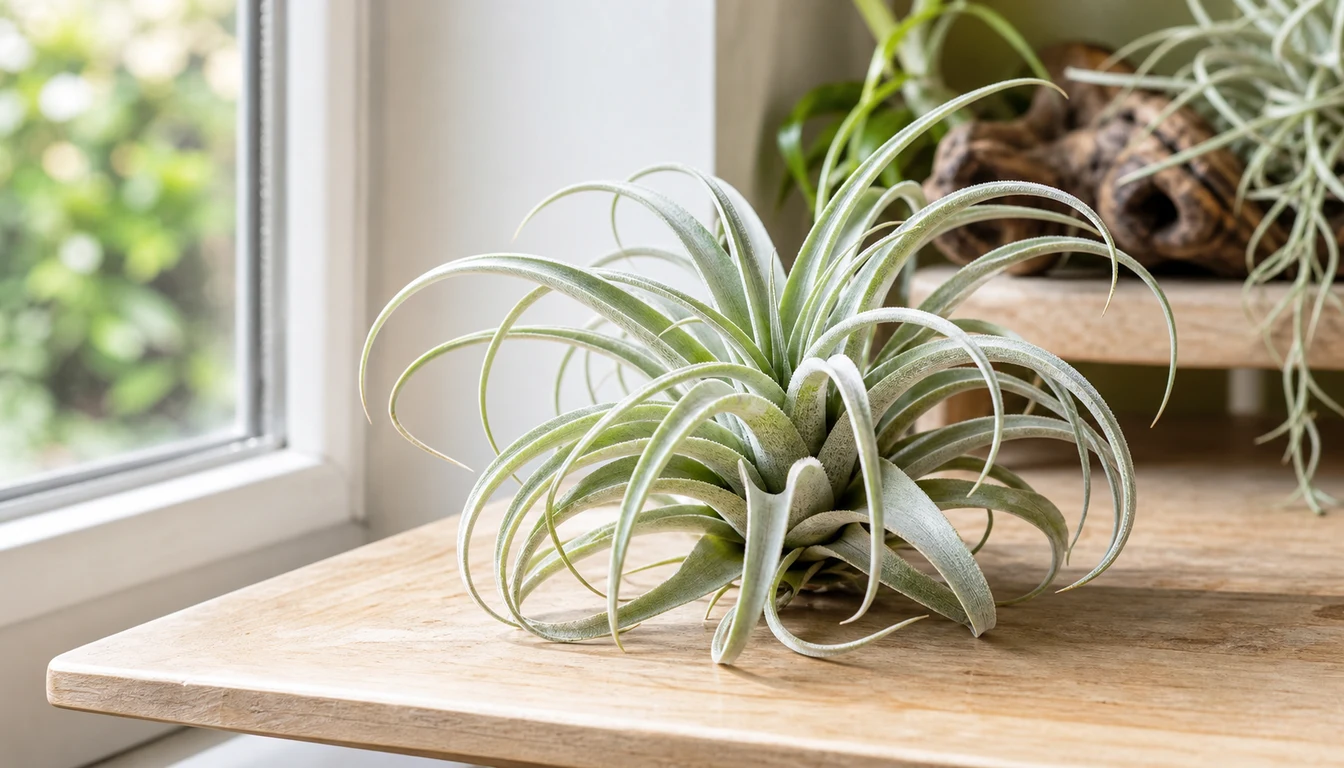
Air Plant
Air plants are living sculptures that thrive without soil, anchoring to driftwood, rocks, or shells while drawing…
Alocasia
Alocasias include compact, textured houseplants and large elephant ears that need substantial floor space.