
How to Grow a Rubber Plant and Manage Its Size Indoors
Ficus elastica Moraceae
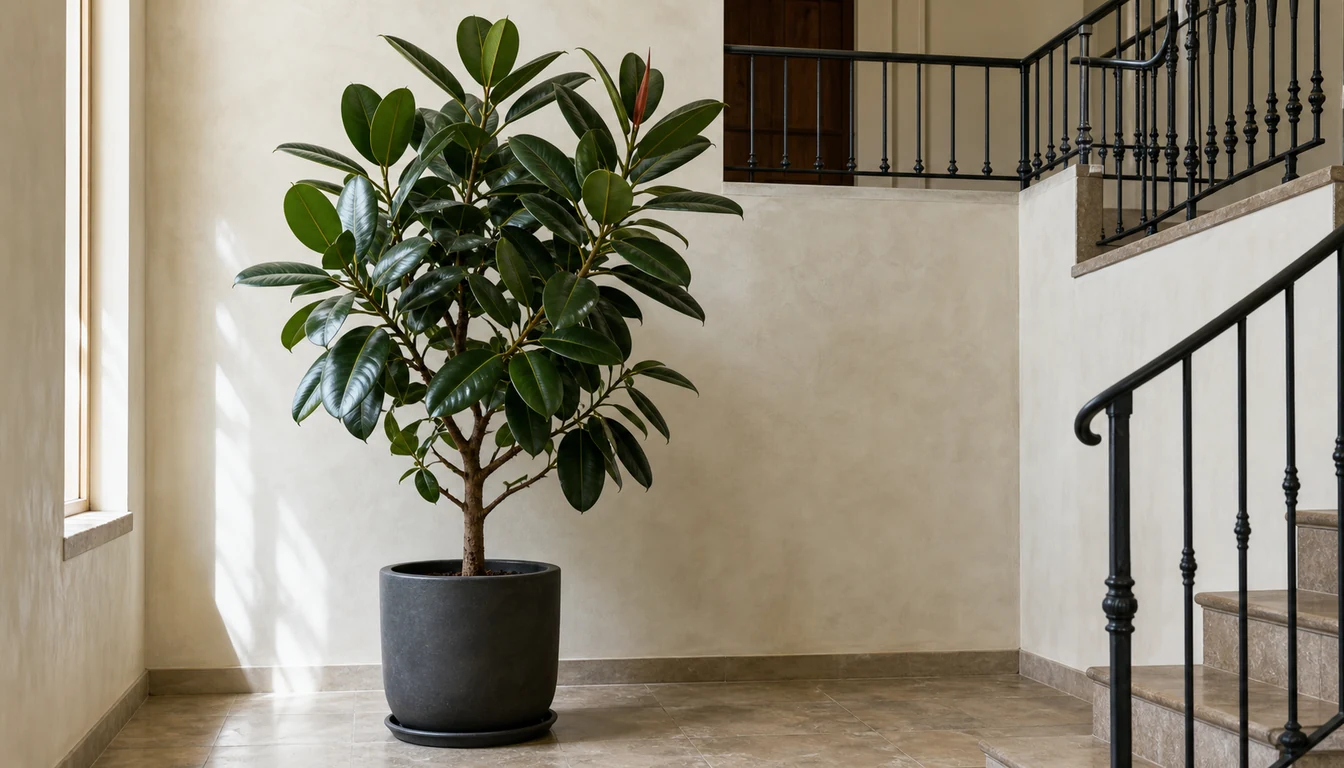
Rubber plant is Ficus elastica, a woody houseplant grown for large, glossy leaves. Bright indirect light, a draining pot, and moisture checks below the surface help support its growth as it becomes a substantial indoor tree.
Leaf loss needs a check of roots, exposure, recent changes, and pests. Its milky sap also needs care during pruning and around pets.
Care snapshot
What Does a Rubber Plant Become?
A rubber plant is Ficus elastica, a broadleaf evergreen tree in the mulberry family, Moraceae. Its native range extends from the eastern Himalaya toward northern Malaysia. A young nursery plant is an early stage of a tree, not a plant that stays tabletop-sized.
The large, stiff leaves are oval and glossy. New leaves emerge from a colored sheath that eventually falls away, so a shed sheath is different from a failing mature leaf.
Clemson describes indoor plants reaching 6 to 10 feet or more where space permits. Actual growth depends on light, roots, cultivar, and pruning. A fixed annual increase cannot predict when a particular plant will reach the ceiling.
- Growing space
- Allow room for the developing canopy and access to inspect the pot.
- Stability
- A tall plant needs a secure base without an oversized volume of wet medium.
- Light
- Bright indirect or filtered light, with protection from abrupt harsh exposure.
- Cold
- Clemson advises avoiding temperatures below 55°F and sudden cold drafts.
Outdoors in a suitable warm climate, Ficus elastica can become a much larger tree with substantial roots. A USDA zone range does not describe its indoor light needs or guarantee that a particular exposed site is suitable.
Ficus Audrey has a different leaf surface and appearance. Choosing between indoor trees also involves their eventual size and the conditions available, not a promise that one shape will remain unchanged.
Why Is It Called a Rubber Plant?
The name has a real connection to latex. NC State records that Ficus elastica sap was once collected to make rubber.
The principal commercial source of natural rubber is Hevea brasiliensis, a different tree in the Euphorbiaceae family. Kew describes Hevea plantations and the uses of its latex. Calling Ficus latex “not real rubber” obscures that history.
For a houseplant owner, the useful distinction is botanical identity and sap handling. Latex from a freshly cut Ficus is an exposure concern, not a reason to collect or experiment with it.
Choosing Green, Dark, or Variegated Foliage
Rubber plant cultivars vary in leaf color, size, and growth habit. A nursery label matters because similar-looking plants may carry different cultivar or trade names.
Robusta and Decora are familiar green-leaved forms. Burgundy has very dark foliage, while Tineke carries cream and green patterning. NC State lists these separately, so similar color does not establish that Burgundy, Abidjan, and Black Prince are interchangeable names.
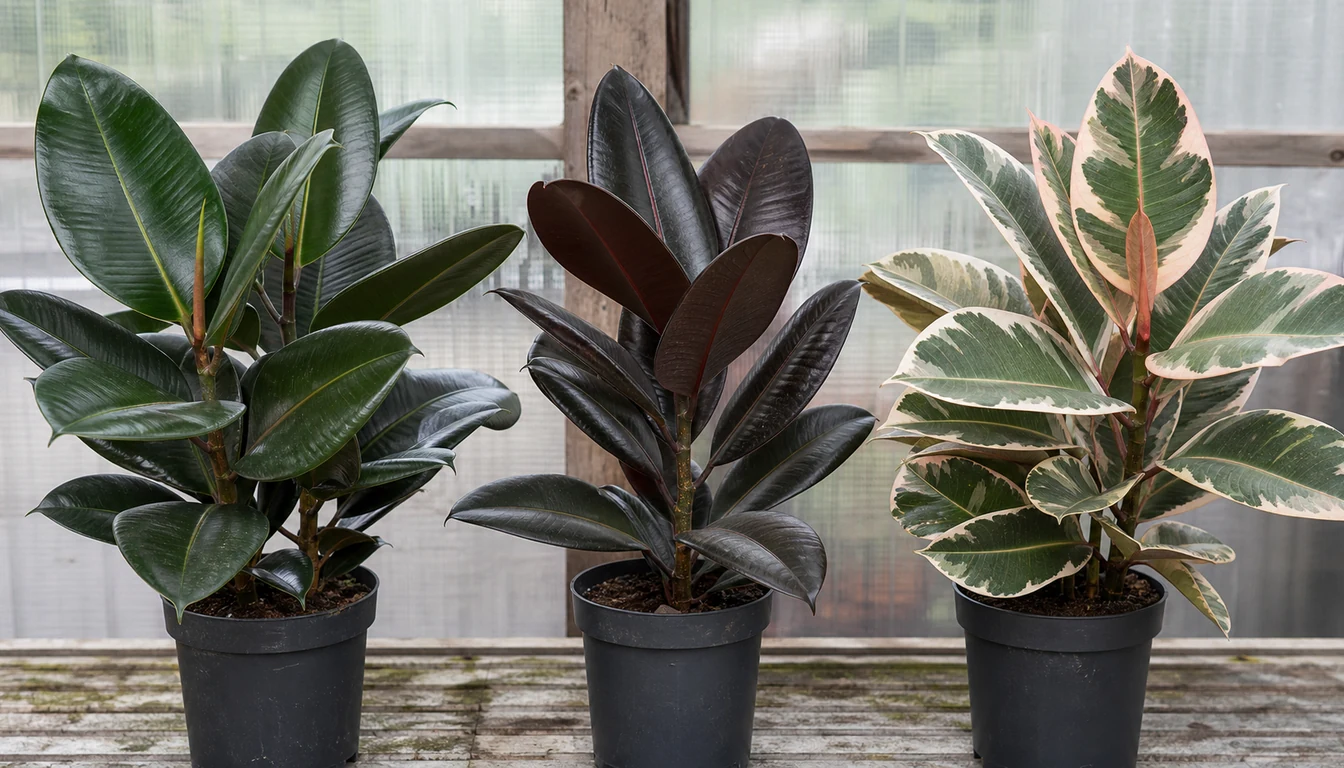
- Green-leaved forms
- Useful daylight supports growth. Tolerance of lower light does not mean a dark corner provides the same conditions.
- Dark foliage
- Color can vary with leaf age and conditions. A dark leaf is not a measured light requirement.
- Cream or pink variegation
- Variegated forms generally need good light. Protect pale tissue from abrupt strong exposure.
The next growth helps assess the site alongside moisture and exposure. Leaf color by itself cannot distinguish normal development, insufficient light, reversion, or damaged tissue.
A vigorous all-green shoot on a variegated plant is different from an older leaf changing shade. RHS describes removal of reverted shoots when they threaten to dominate the variegated growth. The stem’s continuing pattern is more informative than one leaf.
Light and Temperature Changes Need Separate Checks
Bright filtered or indirect light suits rubber plants indoors. An east-facing window may provide gentler morning light, while strong afternoon exposure may need filtering. Actual light changes with season, obstructions, and distance from the window.
Moving a plant can change light, temperature, and how quickly its pot dries at the same time. Leaf drop after a move is a reason to examine those changes, not proof that movement itself caused every lost leaf.
Continuing leaf loss needs inspection of moisture and pests as well as exposure. One older leaf can be part of normal turnover, but its position alone cannot certify that the rest of the plant is healthy.
A leaning canopy can be supported or repositioned with attention to light and balance. A small turn changes leaf exposure, so newly exposed foliage still needs protection from harsh sun.
How Do You Check a Pot Too Big to Feel?
Rubber plants tolerate slight drying between waterings. The surface is a useful starting point, but a large pot may stay wet deeper down after its upper layer feels dry.
Moisture below the surface and the pot’s weight, when it can be lifted safely, add context. A thin skewer used gently can help sample an accessible area. Forcing it through dense roots or treating one reading as the whole pot can mislead.
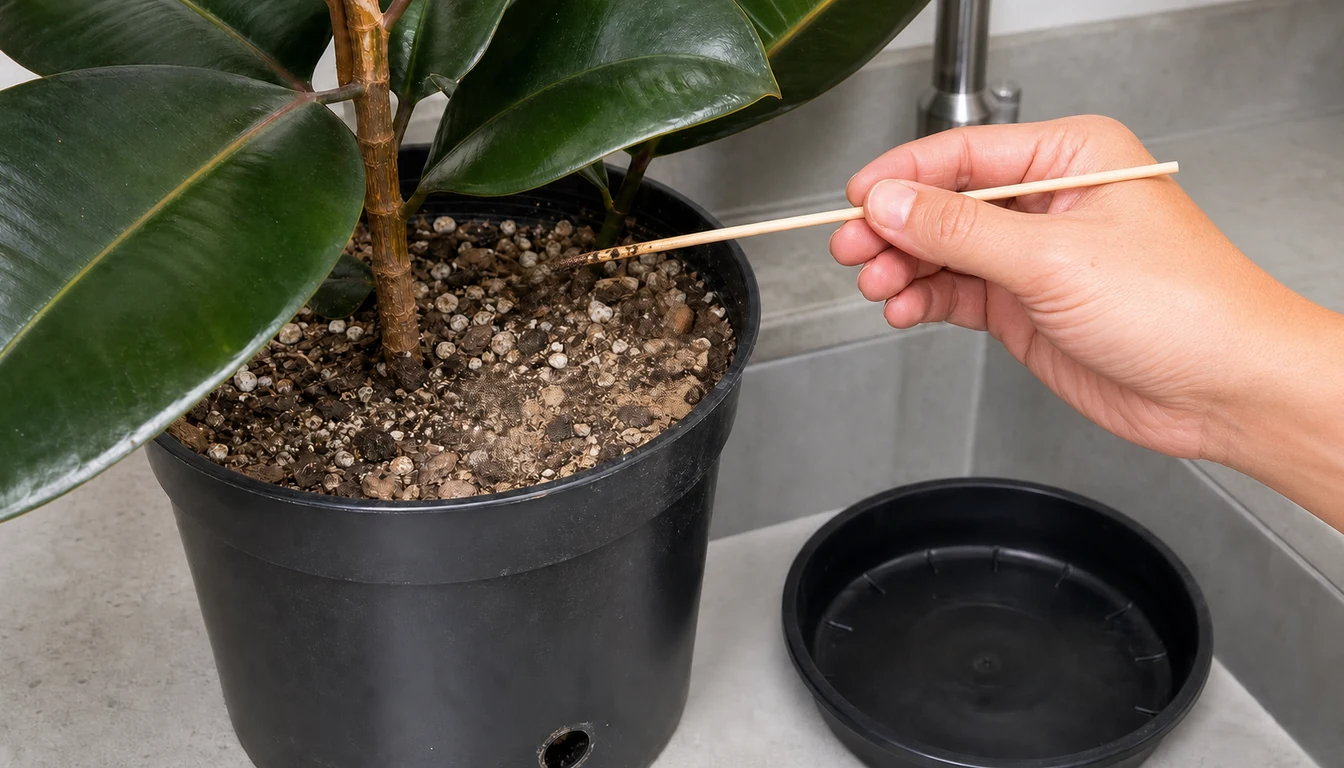
When the root ball needs water, a slow, even application helps it absorb moisture. Excess must escape through open drainage holes. Water racing straight down a gap may leave the center dry, so runoff alone does not prove even wetting.
A very light pot and dry medium support a drying problem. A heavy pot with persistent wetness needs a different response, because additional water can worsen poor aeration. Leaf texture adds evidence but cannot identify the cause on its own.
The indoor watering interval changes with growth and conditions. Reduced light, cooler surroundings, or leaf loss can reduce water use without making a fixed winter schedule appropriate.
What Pot Holds a Tall Trunk Without Drowning It?
A tall rubber plant needs a stable container and an aerated root zone. Those needs can be met separately: a secure outer cover can add support while an appropriately sized inner pot holds the roots.
- A broad, stable base helps support the developing canopy.
- Open drainage outlets let excess water escape.
- A houseplant potting mix holds moisture without staying persistently saturated.
A decorative cover needs access for checking and emptying runoff. Its weight does not compensate for water trapped around the inner pot.
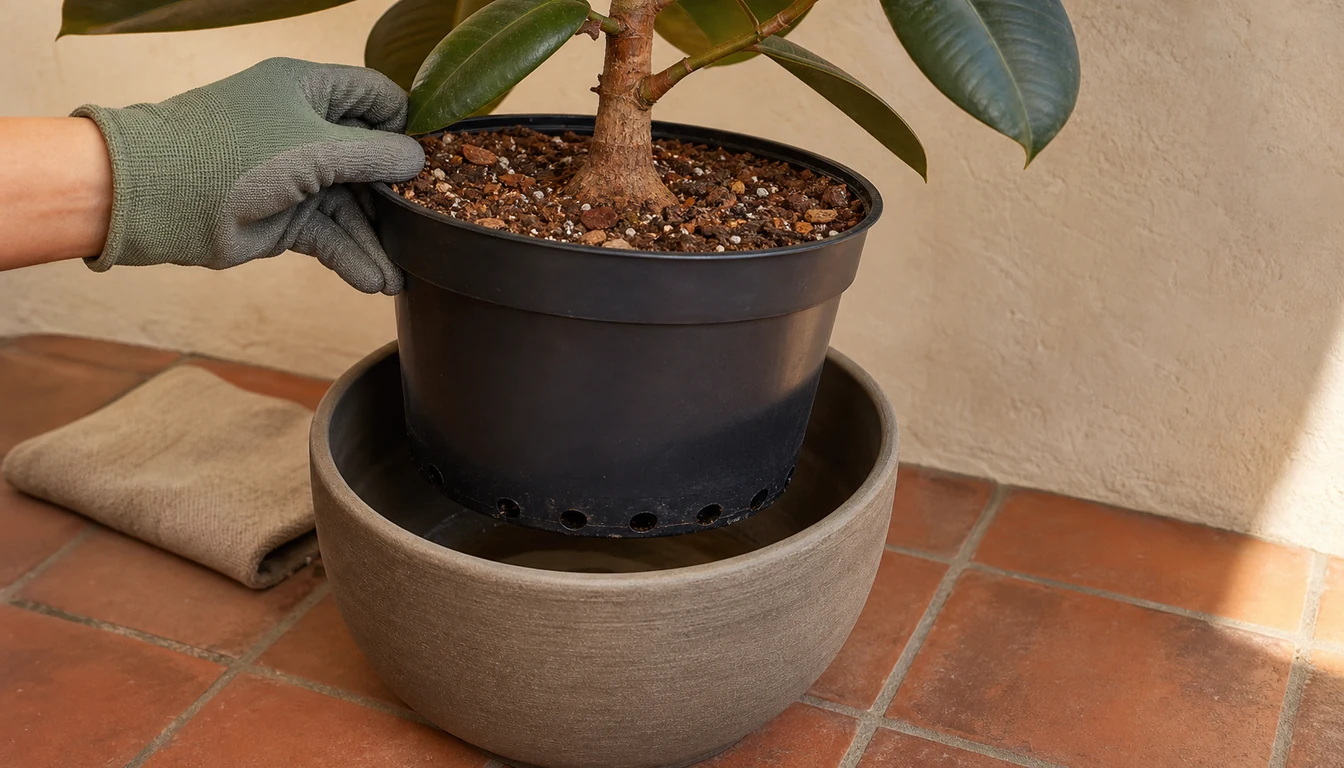
Repotting is justified by the condition of the roots and medium. Closely packed roots, deteriorated mix, or uneven wetting may support it. Instability may instead need a safer support or outer container rather than extra wet medium around a small root ball.
How Do You Make It Branch Instead of Reaching the Ceiling?
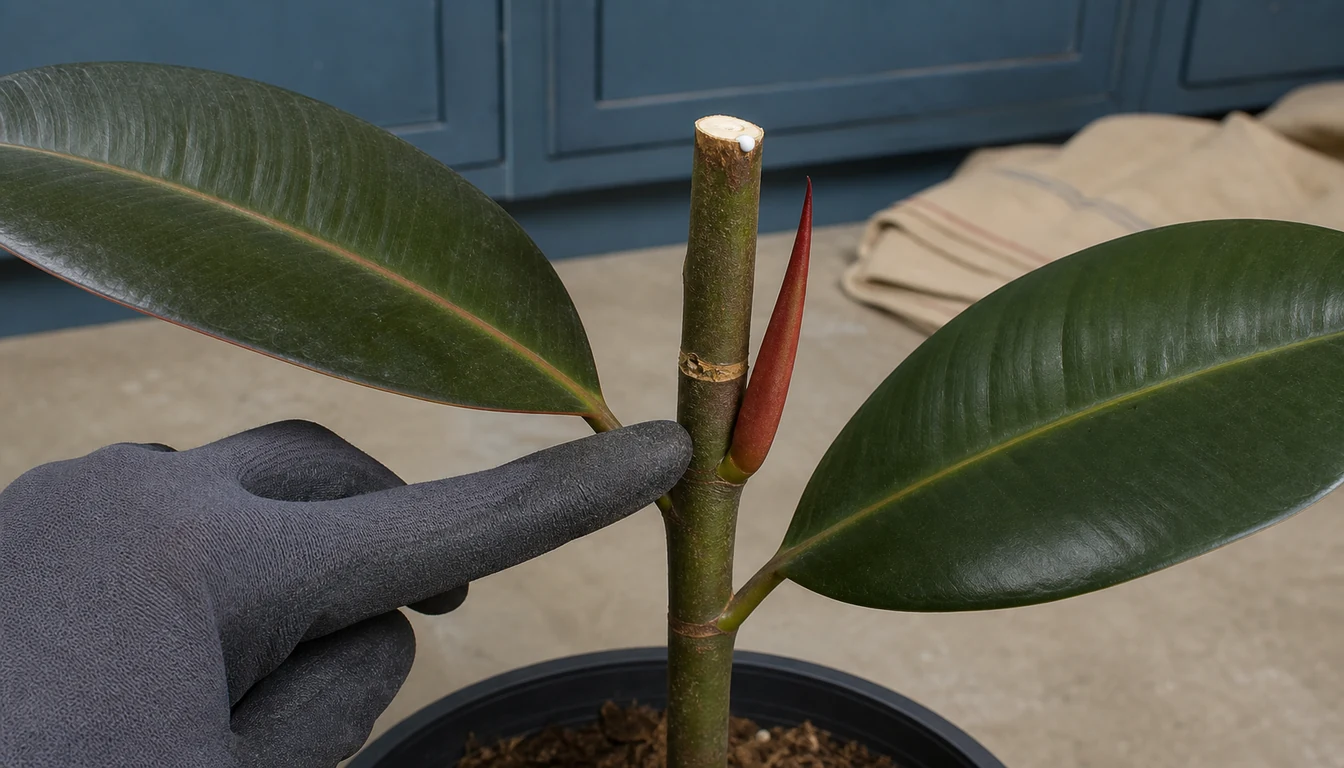
Pruning can shorten a tall leader and encourage branching below the cut. The response depends on healthy growing points and growing conditions, so one cut does not guarantee a particular number or shape of branches.
A reachable node and enough remaining foliage provide a practical place to plan the future canopy. Warm active growth is a better context for recovery than an already stressed or declining plant.
- Choose the height and a healthy node below the proposed cut.
- Wear gloves and protect nearby surfaces from the irritating milky sap.
- Use clean, suitable tools to cut above the node without crushing the stem.
- Retain sound foliage and maintain appropriate light and root moisture while new growth develops.
Fertilizer or extra water cannot force a healthy branching response from unsuitable conditions. Continued decline after pruning calls for assessment rather than repeated cuts.
Stem or tip cuttings and air layering are supported propagation methods. A stem cutting needs a growing point, not just a detached leaf blade. Rooting conditions and the cutting affect success. A water-rooted cutting still needs care as it adjusts to potting medium.
With air layering, roots form on a stem while it remains attached to the parent. This can preserve a larger upper section before separation. A thick stem is a reason to consider the method, not proof that every woody cutting is incapable of rooting.
The new root system needs to be sufficient to support the section before separation or transfer. One root length or a fixed number of weeks cannot establish that for every cutting. Rooting medium should retain moisture while allowing air around developing roots.
What Does the Order of Falling Leaves Tell You?
Leaf drop names a result, not a cause. The timing, distribution, pot condition, and recent care provide more context than a fallen leaf alone.
A change in exposure, watering, roots, or pest activity can affect foliage. The delay varies, so a fixed one- or two-week window cannot identify which event caused the loss.
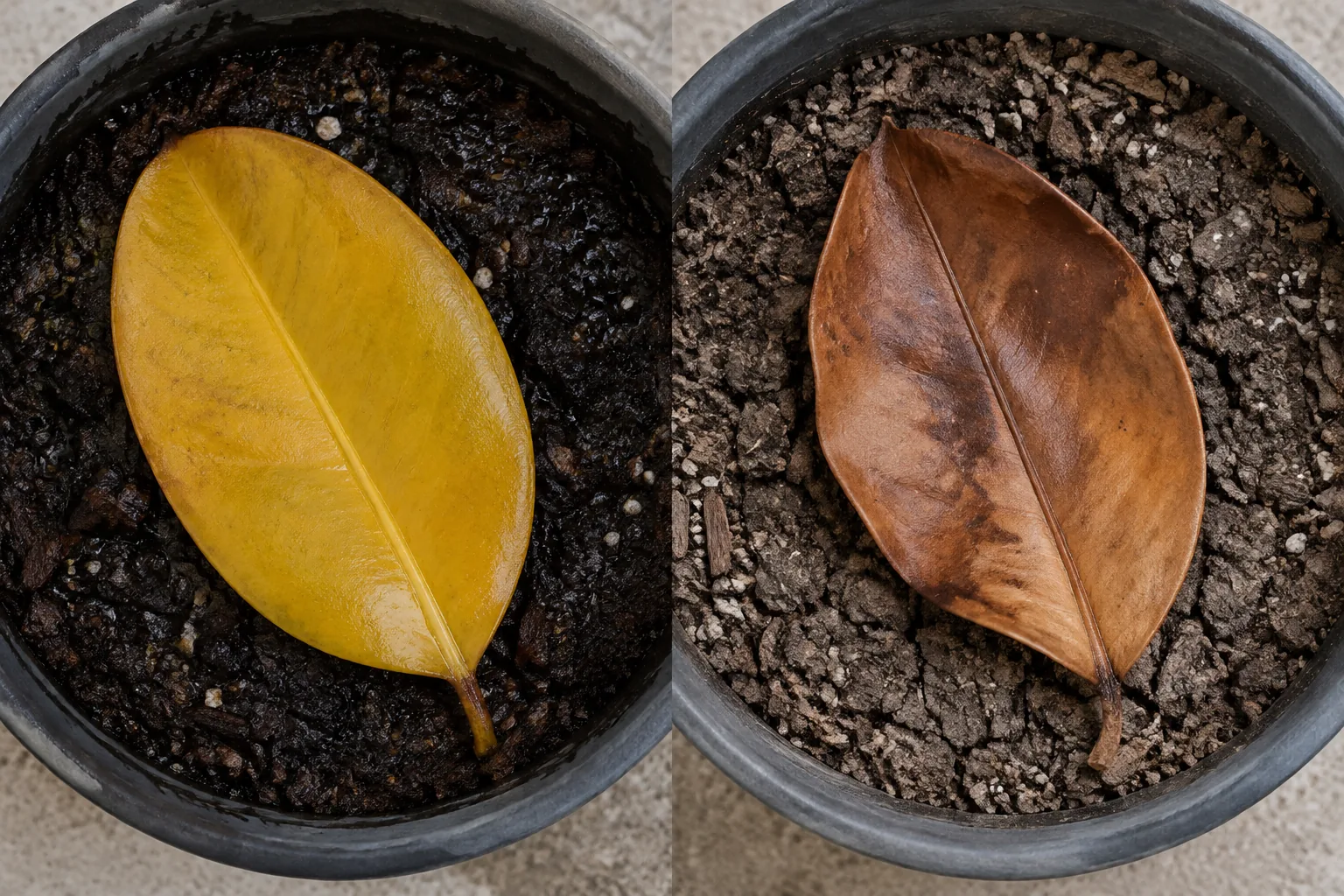
- Yellow leaves with a persistently wet pot
- Check retained runoff, drying pattern and root condition. Neither color nor moisture identifies a pathogen.
- Crisp leaves with a very dry pot
- Check whether the root ball wets evenly. Restoring moisture may help surviving tissue but cannot revive dead leaves.
- One older leaf lost during sound growth
- Normal turnover is possible. Continued loss or other symptoms still needs investigation.
Softening at the trunk base, rapidly progressing decline, or deteriorating roots deserves prompt attention. Waiting for a new leaf is not a useful universal test when the plant is getting worse.
Pests may coexist with watering stress. An apparently suitable pot-moisture reading is therefore not a reason to skip the leaf undersides and stem joints.
How Do You Find Scale on a Glossy Leaf?
Scale insects may resemble small attached bumps on stems or leaf veins. Oblique light and close inspection can make raised bodies easier to notice against glossy foliage.
Both leaf surfaces and the petiole joints need attention. Sticky honeydew can accompany soft scale or other sap-feeding pests, while its absence does not exclude every scale species.
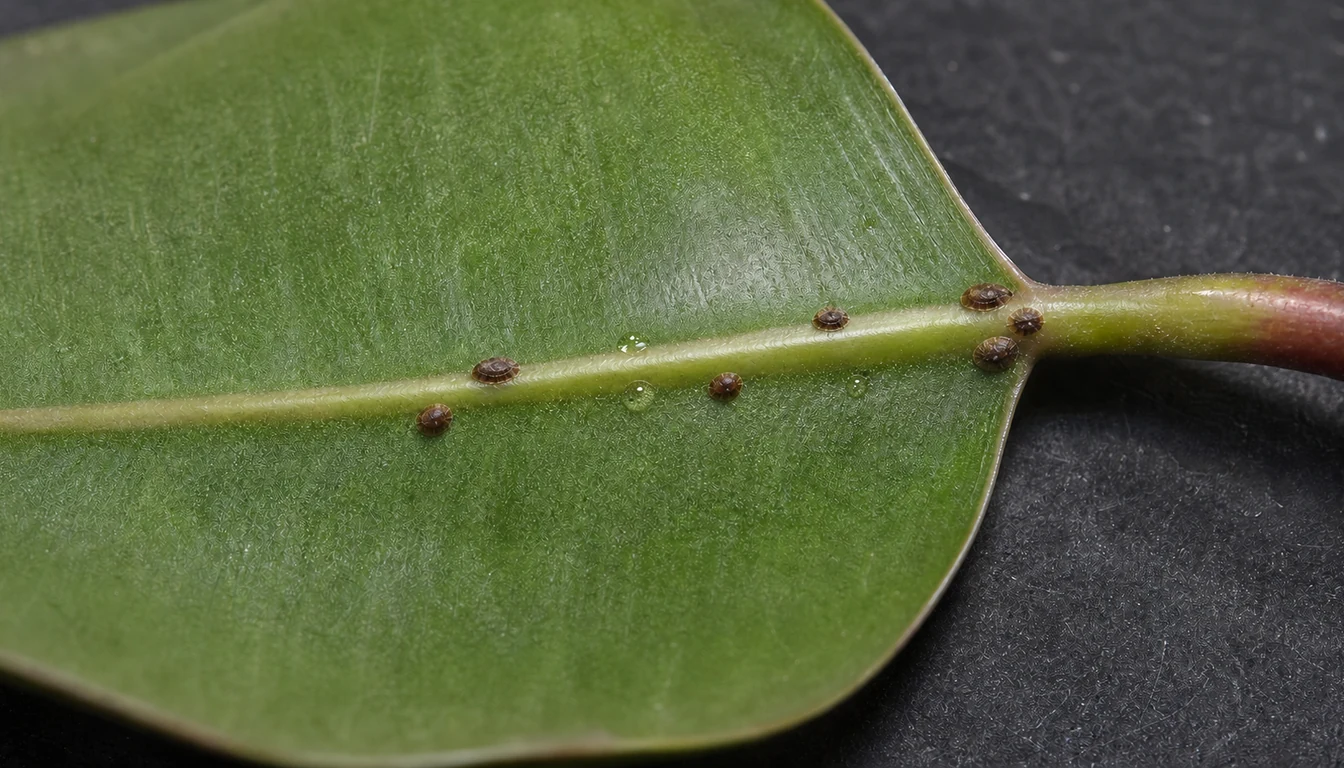
Confirm that the bumps are insects before removal or treatment. Soft and armored scale differ, so a single alcohol or oil schedule is not appropriate to every case.
Cottony material around joints can indicate these insects. Inspection helps distinguish them from residue or other material.
Fine stippling, webbing and actual mites support a pest check. The mite treatment guide explains inspection and label-limited control.
An affected plant can be separated while nearby plants are inspected. Physical removal, rinsing, or a treatment labeled for the indoor plant and target pest may be appropriate.
Alcohol, soaps, oils, and other pesticides can injure foliage or be unsuitable for a particular use. The label governs dilution, precautions and repeat intervals. A fixed treatment schedule copied between pests can miss the target or damage the plant.
When Is a Rubber Plant Actually Hungry?
Expanding leaves show active growth, but do not by themselves prove nutrient deficiency. Light, roots, and any fertilizer already in the medium affect whether additional feeding is useful.
A suitable indoor plant fertilizer can support active growth at its labeled rate. Combining pre-fertilized medium with extra feed needs care because accumulated salts can injure roots.
When growth slows in reduced light or cooler conditions, feeding generally needs to decrease. A plant under adequate supplemental light may behave differently from one in a dim winter room.
Extra fertilizer cannot compensate for inadequate light, saturated roots, or a pest problem. Correcting the supported cause is more useful than treating every lost leaf as hunger.
Is the Milky Sap a Problem for People or Pets?
Fresh cuts release milky latex that can irritate skin. Gloves and protected surfaces are useful during pruning or propagation. Sap on skin needs prompt washing, and contaminated hands or gloves should stay away from the face.
Pet Poison Helpline identifies Ficus elastica and describes irritation after ingestion of its leaves or stems. NC State flags the species as a problem for dogs, cats, and horses. These sources support keeping it beyond chewing reach, without establishing a safe amount.
A common name alone is unreliable for safety decisions. Ficus elastica and baby rubber plant, Peperomia obtusifolia, are different plants. An unrelated plant listed under a similar name cannot establish this species’ safety.
If a pet may have eaten it, a veterinarian or animal poison service can advise using the plant identity and exposure details. Waiting for drooling or other symptoms is not required before seeking advice.
The canopy and container also need stable placement away from narrow walkways. Sap precautions do not address the separate risk of a heavy pot tipping.
Sources & References
- Ficus elastica, NC State Extension Plant Toolbox
- Rubber Plant, Clemson Cooperative Extension Home and Garden Information Center
- RHS, How to grow ornamental figs
- Pet Poison Helpline, Rubber Tree Plant (Ficus elastica)
- Kew Plants of the World Online, Hevea brasiliensis: general information
- University of Minnesota Extension, Managing Insects on Indoor Plants
- University of Georgia Extension, Growing Indoor Plants with Success, Bulletin 1318
Related Plants
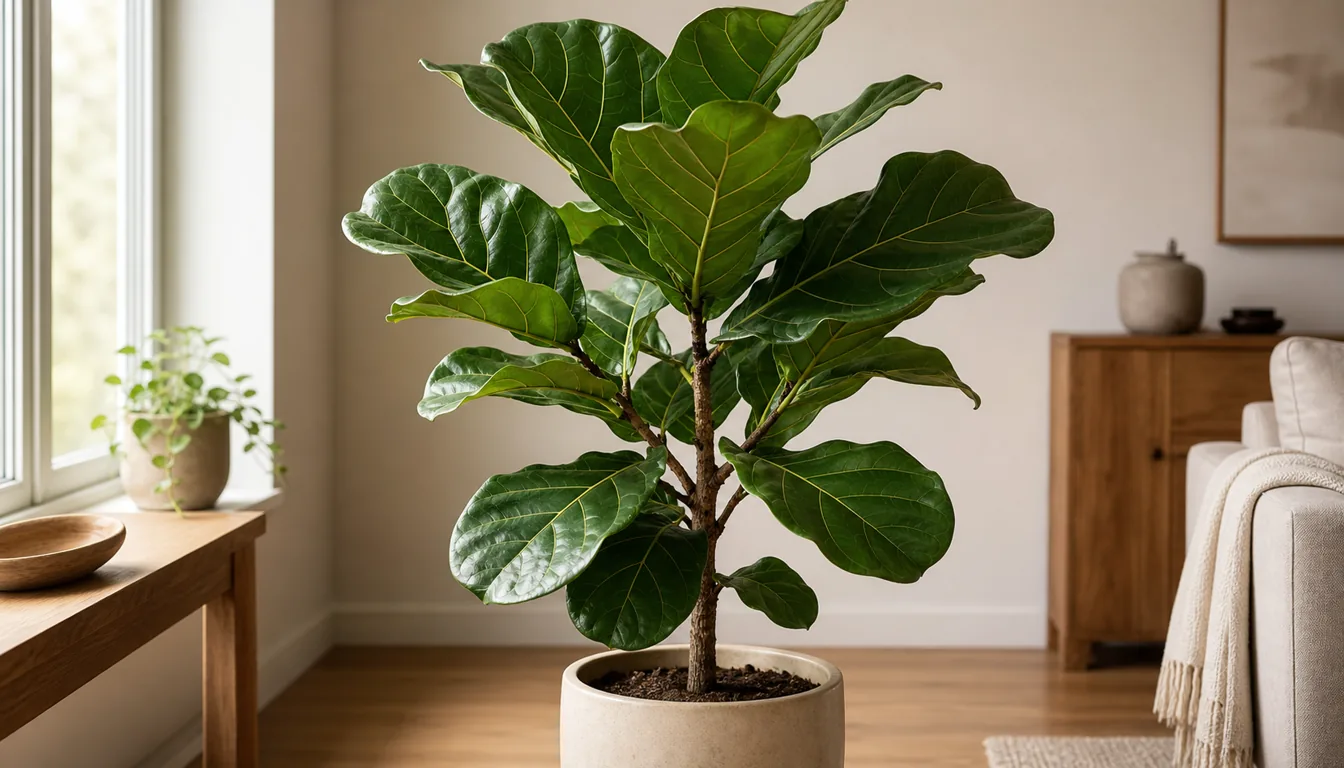
Fiddle Leaf Fig
A different Ficus species with broad, violin-shaped leaves.
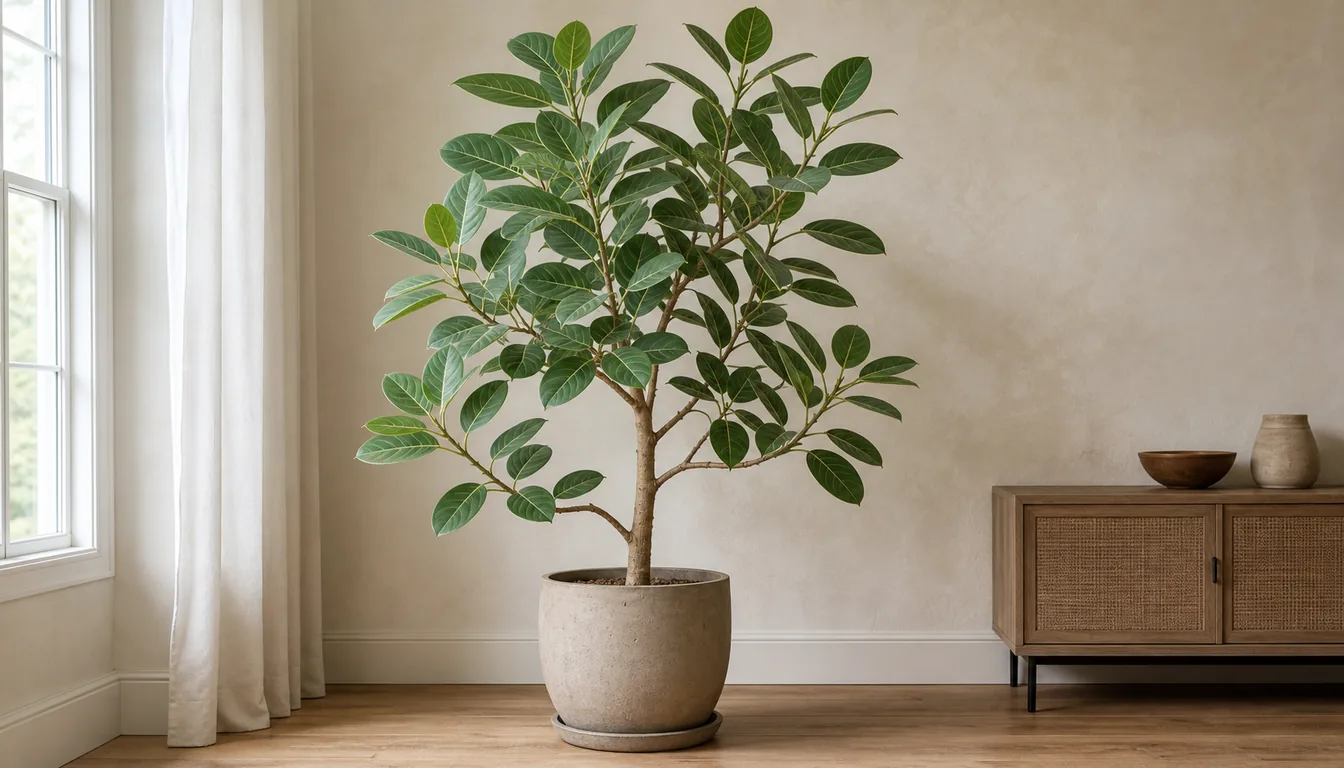
Ficus Audrey
A pale-trunked indoor ficus with matte oval leaves and a softer canopy.
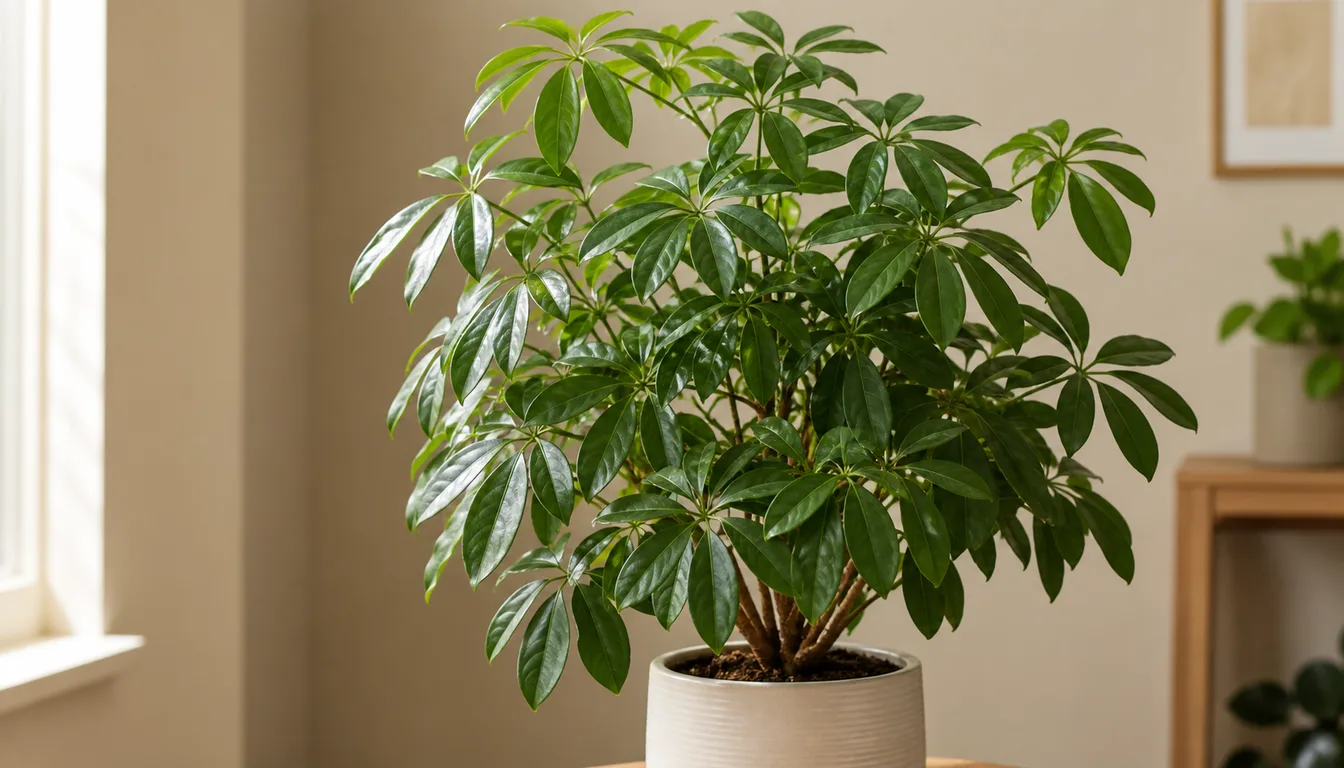
Schefflera
A branching houseplant with divided leaflets that responds well to regular shaping.
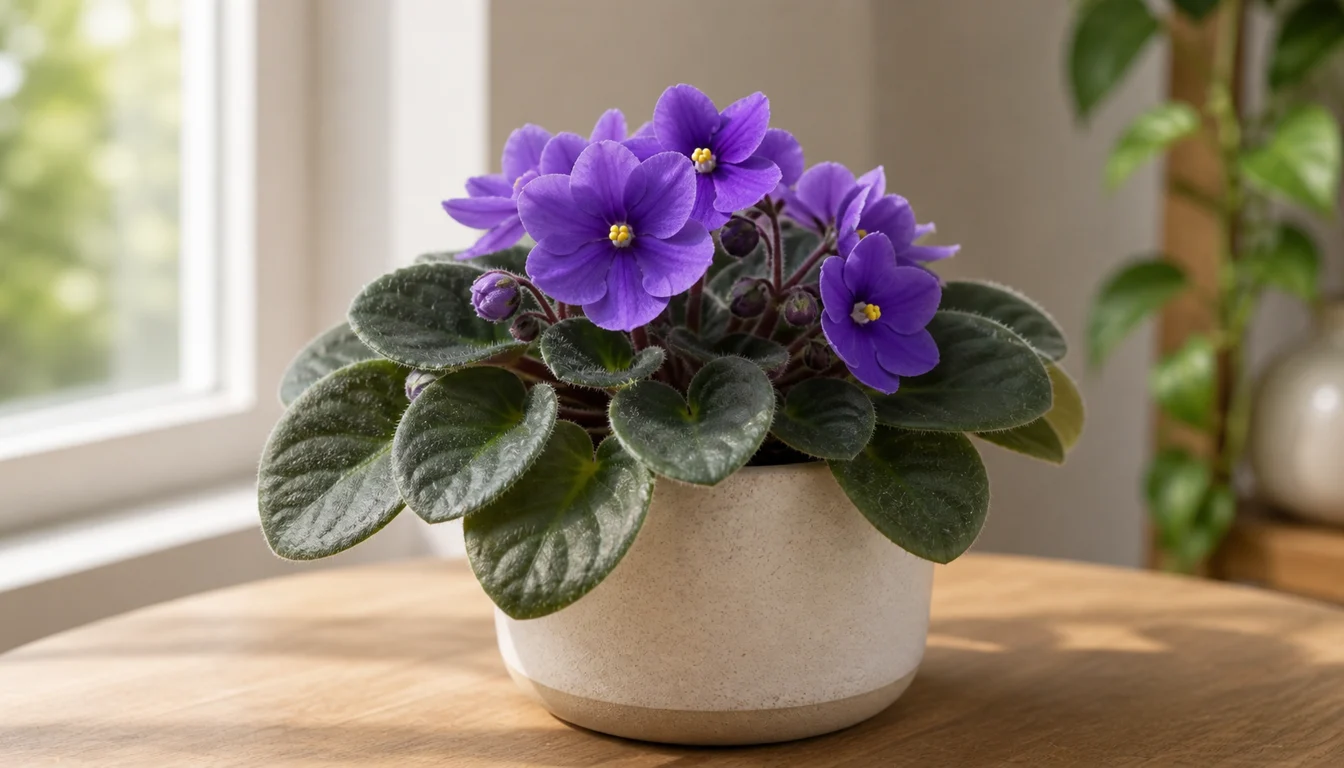
African Violet
African Violet is a windowsill bloomer that rewards steady, small-pot care.
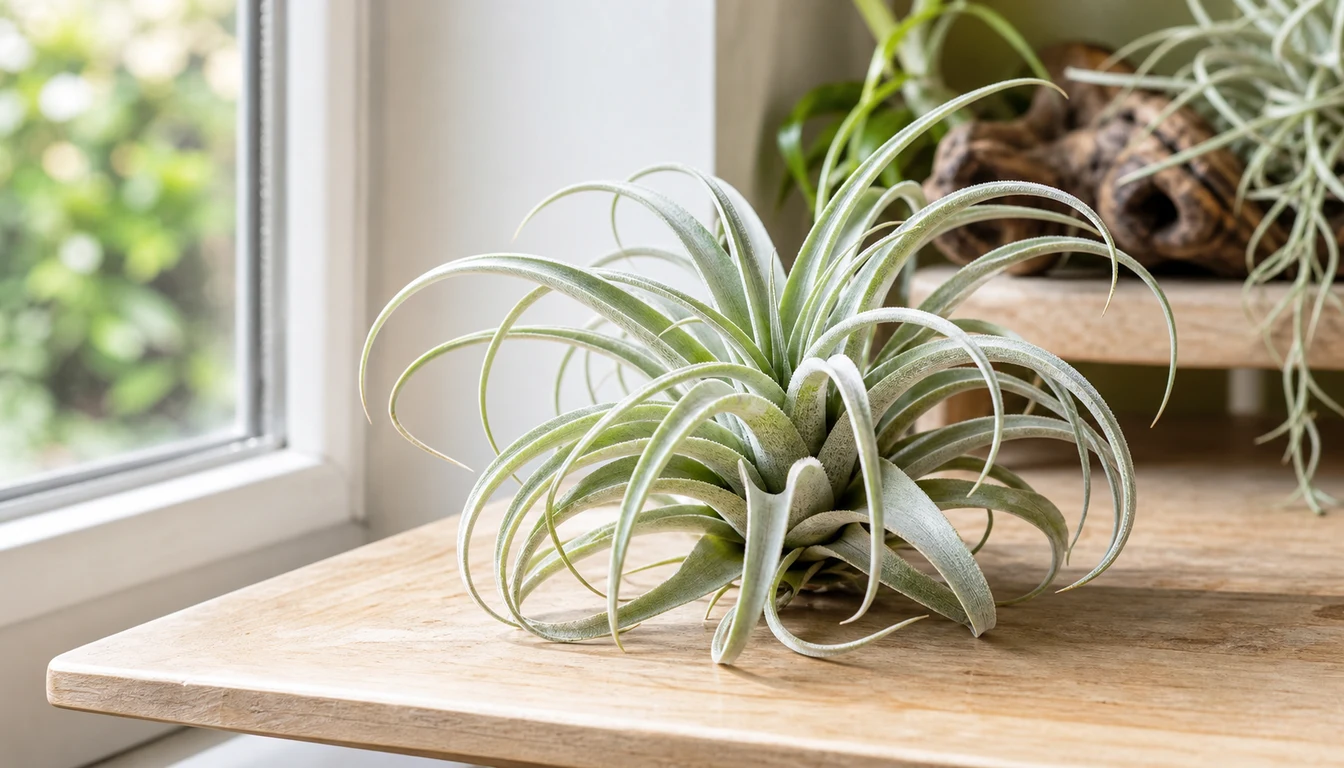
Air Plant
Air plants are living sculptures that thrive without soil, anchoring to driftwood, rocks, or shells while drawing…
Alocasia
Alocasias include compact, textured houseplants and large elephant ears that need substantial floor space.