
How to Grow Donkey Tail Without Damaging Its Fragile Trails
Sedum morganianum Crassulaceae
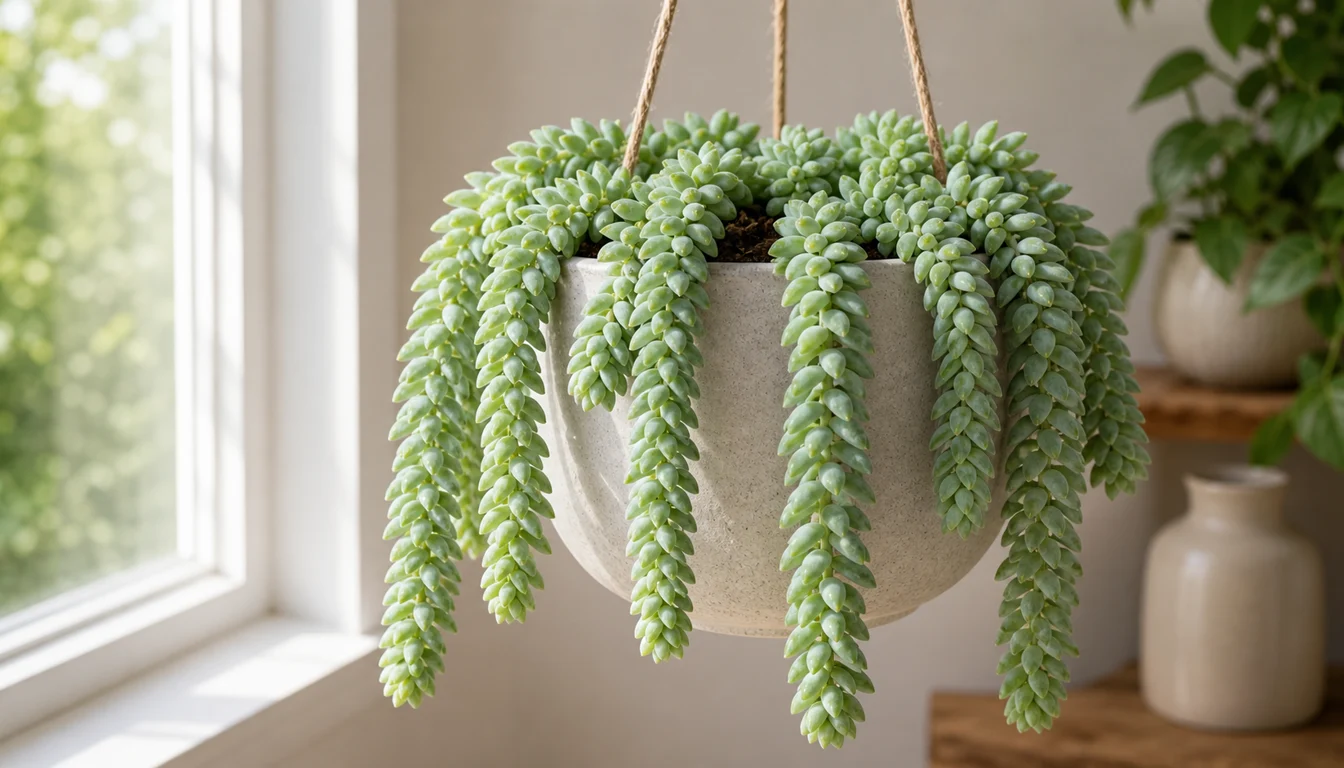
Donkey Tail grows dense, heavy trails of leaves that detach easily. A bright position with room below the pot and easy access to the soil makes watering possible without repeatedly moving the stems.
Its succulent leaves store water, but that does not make prolonged drought harmless. A drying interval, drainage and attention to the whole plant matter more than a fixed watering day.
Care snapshot
A Display Position That Leaves Room for Care
The leaves of Sedum morganianum overlap around the stem and come to small points. As the stems lengthen, they bend over the pot and form the dense trails that give burro's tail its name. A mature basket needs clearance below it as well as light at the top.
A shelf beside a walkway can expose the same stems to curtains, shoulders or pets every day. Moving that basket for each watering adds another source of leaf loss. A stable position where a watering spout can reach the mix reduces both problems without making the plant inaccessible.
The pale coating on the leaves is a waxy bloom that rubs off when handled. A rubbed patch and a detached leaf are different kinds of damage, so polishing the leaves to restore an even appearance is counterproductive. Neither a smudge nor a few bare spots establishes root disease.
This is a different handling problem from String of Bananas, whose flexible stems carry curved leaves. String of Pearls has round leaves rather than the pointed, overlapping leaves of Donkey Tail. Those distinctions help with identification, but none of these plants benefits from rough handling.
- Basket support
- The pot, wet mix and hanging stems all contribute weight. Support rated for that load matters more than decorative appearance.
- Watering access
- An opening at the pot rim allows the mix to be watered without pushing through the trails.
- Clearance
- Space around and below the stems reduces contact when curtains move or people pass.
Plants sold as "Burrito" often have shorter, rounder leaves. Wisconsin Extension notes uncertainty over whether that form represents a separate species, cultivar or hybrid, so the trade name alone does not establish its botanical identity. The common name donkey's tail can also refer to Euphorbia myrsinites, which makes the botanical name especially important when checking safety.
Light Reaching the Crown and New Growth
Bright indoor light supports compact new growth. In weak light, the spaces between leaves can lengthen, leaving a thinner-looking trail. A bare section after handling has a different history, so existing gaps do not all call for more sun.
A bright window with some direct sun can suit an acclimated plant. The direction on a compass is only part of the picture because trees, buildings, screens and distance from the glass change the light reaching the leaves. A basket hung above the window may leave its crown in shade while its lower stems receive sun.
A move from a shaded store or indoor shelf into strong outdoor sun can damage leaves. Gradual exposure gives the plant time to adjust, while bleaching on the newly exposed side is a reason to reconsider that move. Color alone does not identify the cause of every pale leaf.
The useful comparison is new growth in the actual position. Older stretched sections do not shorten when the light improves, and replacing them immediately would sacrifice established growth before the new position has been assessed.
If a small turn would improve uneven exposure, supporting the hanging stems during that movement reduces contact. There is no need to rotate on a calendar when the plant is growing evenly, or to keep rearranging the basket for symmetry.
A Drying Interval Without Prolonged Dehydration
The roots need a mix that drains and then dries between waterings. Wisconsin Extension describes letting it approach dryness and giving enough water in winter to prevent complete drying, while NC State advises drying between waterings. These instructions support a drying interval, not keeping a plant completely dry until its leaves collapse.
Pot weight and moisture together are more useful than either alone. A heavy ceramic container may still feel heavy when its mix is dry, and a dry surface can conceal moisture lower down. Comparing the same pot after drainage and later in the cycle gives a reference without requiring repeated squeezing or handling of the leaves.
Water applied to the mix needs to reach the root zone and then leave through the drainage hole. If very dry mix has pulled away from the pot, water can run down the gap without wetting the center. Immediate runoff therefore does not prove that watering was effective.
- Mix approaching dry, pot lighter
- Water the mix evenly and allow drainage. Leaf collapse is not a required trigger.
- Mix still wet below the surface
- More water may prolong poor root aeration. Check drainage and recent conditions before adding it.
- Wrinkling despite wet mix
- Impaired water uptake can resemble drought. Investigate the roots and stem condition instead of assuming thirst.
Misting the hanging leaves does not replace watering the roots. A narrow spout makes it easier to reach the mix with less contact, and emptying collected drainage prevents a decorative outer pot from becoming a reservoir around the roots.
Warmth, light, root volume and the container change the drying rate. The broader methods for watering potted plants are useful here, but a succulent watering calendar cannot account for all those differences.
Pot Stability and Root Space Are Separate Decisions
Long trails can pull a container toward one side. A stable shelf position, a suitable hanger or a heavier outer container can address that imbalance without surrounding a small root system with a much larger volume of wet mix. An outer container still needs a way to empty drainage.
A porous succulent mix with coarse material such as perlite or pumice allows air spaces while holding some water. The appropriate balance depends on the base mix and growing conditions. Wisconsin specifically cautions against fine sand for this plant because it can fill spaces rather than improve drainage.
Donkey Tail can remain in a filled pot for some time. Repotting becomes useful when the existing root space or deteriorated mix no longer works, and spring growth provides a suitable opportunity. A large canopy by itself is not proof that the roots need a larger container.
- Prepare a draining pot and mix before lifting the plant so it spends less time being handled.
- Support the trails on a clean surface while loosening the root ball. Hold the pot and root mass rather than pulling on a stem.
- Assess the roots before selecting the new root volume. A broad, shallow arrangement can accommodate the plant without unnecessary depth.
- Return the supported plant to its position and adjust watering to the disturbed roots and actual moisture. Wisconsin advises a pause after repotting followed by light watering during reestablishment.
Some leaves may detach despite gentle work. Recovering suitable leaves for propagation is more useful than repeatedly lifting the plant to perfect every trail, and it avoids treating normal fragility as evidence that the new pot has failed.
Leaf Starts and Stem Cuttings Have Different Advantages
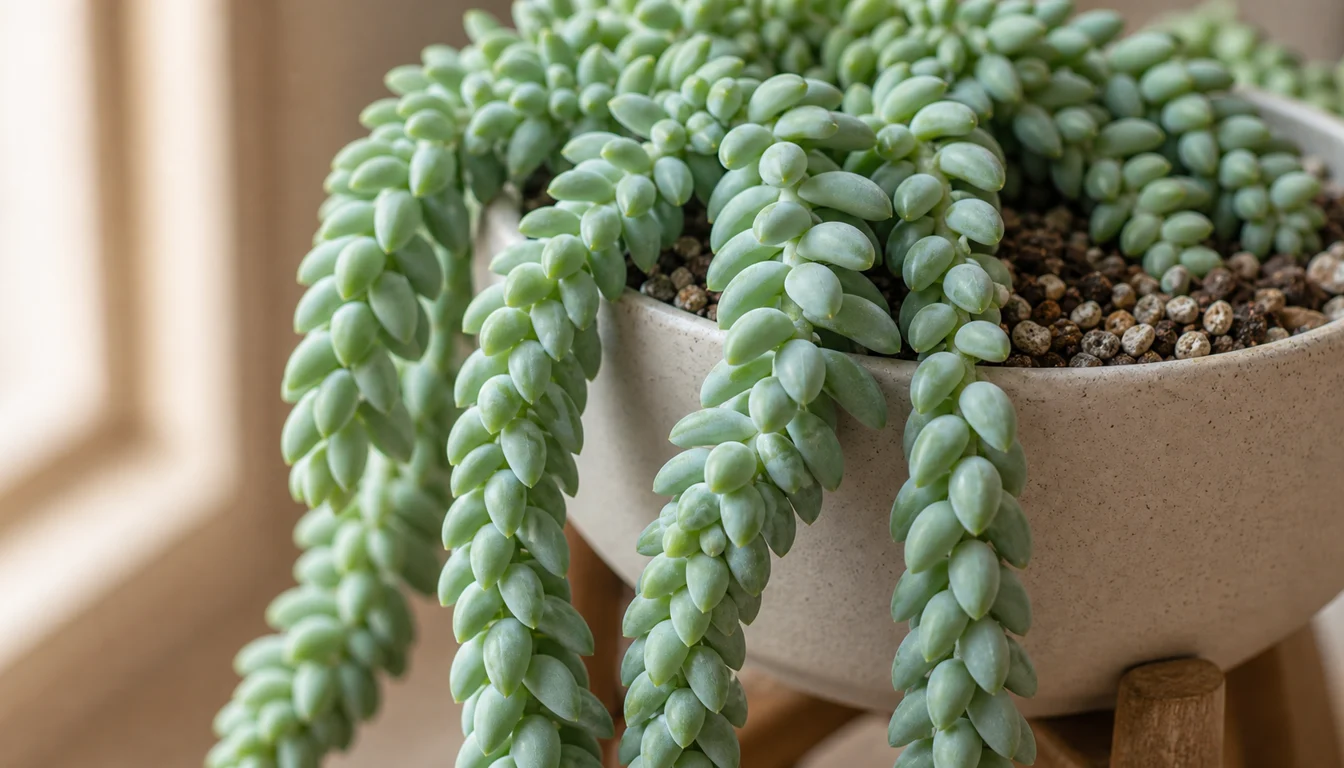
Both detached leaves and stem cuttings can produce new Donkey Tail plants. A leaf start uses material that would otherwise be lost, while a stem cutting begins with an existing length of growth. Leaves take longer to become a substantial plant, so these methods answer different renewal needs.
- Leaf
- An intact, firm leaf provides a small start from its base. A damaged or decaying leaf is a poor candidate.
- Stem
- A sound section can retain visible length. Removing leaves from its lower portion exposes stem for insertion into the mix.
- Declining plant
- Soft, discolored or collapsing material is unsuitable. Normal-looking tissue from an affected plant is not certified free of disease.
The detached or cut end needs time to dry before it is placed in a well-drained propagation mix. A leaf can rest on the surface with its base in contact, while the prepared lower portion of a stem goes into the mix. A heavy cutting may need a small support to remain in place without being buried deeply.
These starts have little or no functioning root system at first. Wetting them repeatedly to match an established plant's routine can keep the base wet without improving uptake. Root development and later new growth provide better evidence of progress than reaching a date on the calendar.
Several starts can eventually form a fuller pot, but crowding them is not a humidity treatment. Room to inspect each base makes deterioration easier to notice. Wisconsin notes that stem cuttings can take months to root well, so an apparently slow start does not justify continually adding water.
Jade Plant also grows from leaves and stems, but its branch cuttings develop an upright framework. Donkey Tail renewal instead rebuilds a trailing display, often by replacing a sparse or broken length while leaving the rest of the basket intact.
Leaf Loss, Soft Tissue and Hidden Pests
A few firm leaves lost after moving the basket suggest handling damage. Continuing loss without contact, soft tissue or a changing stem base calls for a broader check. The timing of a move, cold exposure or prolonged wetness helps interpret what the leaves show.
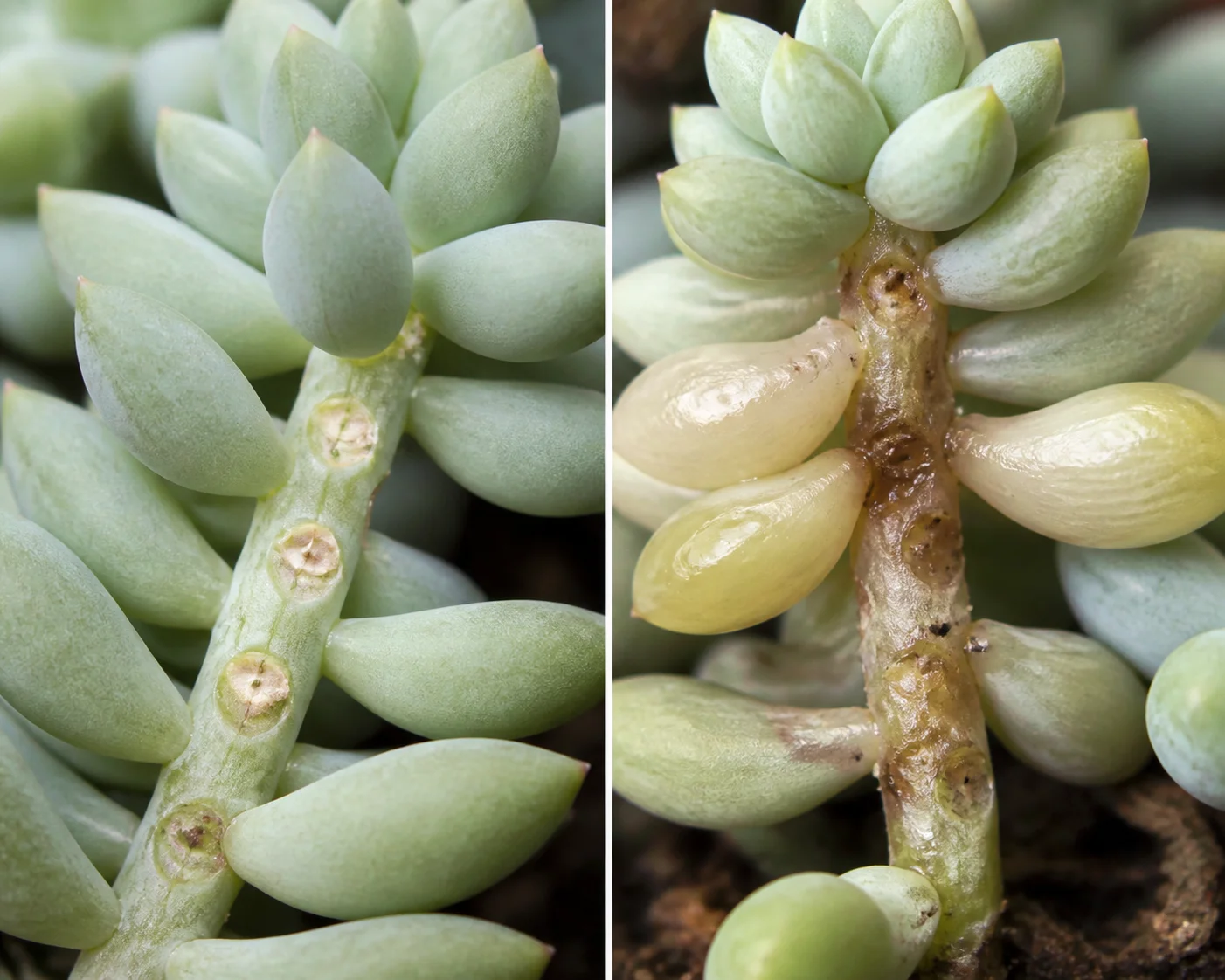
Waterlogged roots can lose the ability to supply water even while the mix remains wet. That is why shriveling can accompany both inadequate watering and damaged roots. Persistent wetness is a risk condition, not proof of a named pathogen, and stem color alone cannot settle the diagnosis.
An initial inspection can stay above the soil. The pot's drainage, actual moisture, exposed crown and leaf joints may reveal the problem without unpotting a fragile basket. If collapse continues or the base becomes soft, a root inspection is more justified than another routine watering.
Roots that are soft or shed their outer tissue are concerning. A pale root or a green section of stem does not, by itself, establish that the rest of the plant is sound. Severely decayed plants may need disposal. Candidate cuttings from unaffected-looking areas still require separate observation.
Mealybugs can hide between overlapping leaves and at the crown. Cottony material is a reason for a closer look for insects, rather than an automatic reason to spray the whole plant. Isolation limits contact with other plants while the pest is identified.
Any pesticide needs a label allowing use on the plant and pest involved. Testing a small area helps detect plant injury, but it does not prove that every treatment is harmless to the waxy leaves. Heavy handling during inspection or treatment can also cause leaf loss, so the response needs to fit the confirmed problem.
Seasonal Changes, Feeding and Outdoor Exposure
Lower light often slows growth and water use, so a routine that worked during bright weather can leave the roots wet later in the year. The relevant change is the plant's conditions, not the month alone. Warm rooms and supplemental light can change that pattern.
Light feeding during active growth can support the plant, following the fertilizer label for an appropriate dilution. Fertilizer does not compensate for a shaded crown or restore damaged roots. Wisconsin and NC State both describe modest feeding rather than a heavy fertilizer program.
Donkey Tail is frost-tender. NC State lists outdoor USDA zones 10a through 11b, while Wisconsin advises moving an outdoor pot inside when temperatures fall below 40°F. The zone describes winter hardiness in a landscape; it does not set an indoor watering interval or guarantee that a hanging pot is protected from cold.
An outdoor move also changes light exposure and rainfall. Acclimation and free drainage remain relevant even when temperatures are suitable, and a sheltered basket can still receive enough rain to change its watering needs.
Small pink to reddish star-shaped flowers can appear at stem ends, but indoor flowering is uncommon. Healthy leaf and stem growth is a reasonable outcome without blooms. Increasing water or fertilizer to force flowers can create a different problem.
What the Non-Toxic Listing Covers
ASPCA lists Sedum morganianum as non-toxic to dogs, cats and horses. That listing belongs to this botanical species, not every plant sold under a similar common name. It does not identify the leaves as food or guarantee that swallowing plant material causes no illness.
A pet can also pull down a hanging stem or dislodge leaves while playing. Access includes fallen material on the floor, so a high pot does not automatically remove exposure. Stable support and cleanup after handling protect both the display and the animals around it.
For a different form, Spider Plant has narrow arching leaves and hanging plantlets rather than fragile succulent trails. Its own botanical identity and safety scope still matter. Choosing between the two also depends on the available light and whether the plant can be cared for without frequent contact.
Sources & References
Related Plants
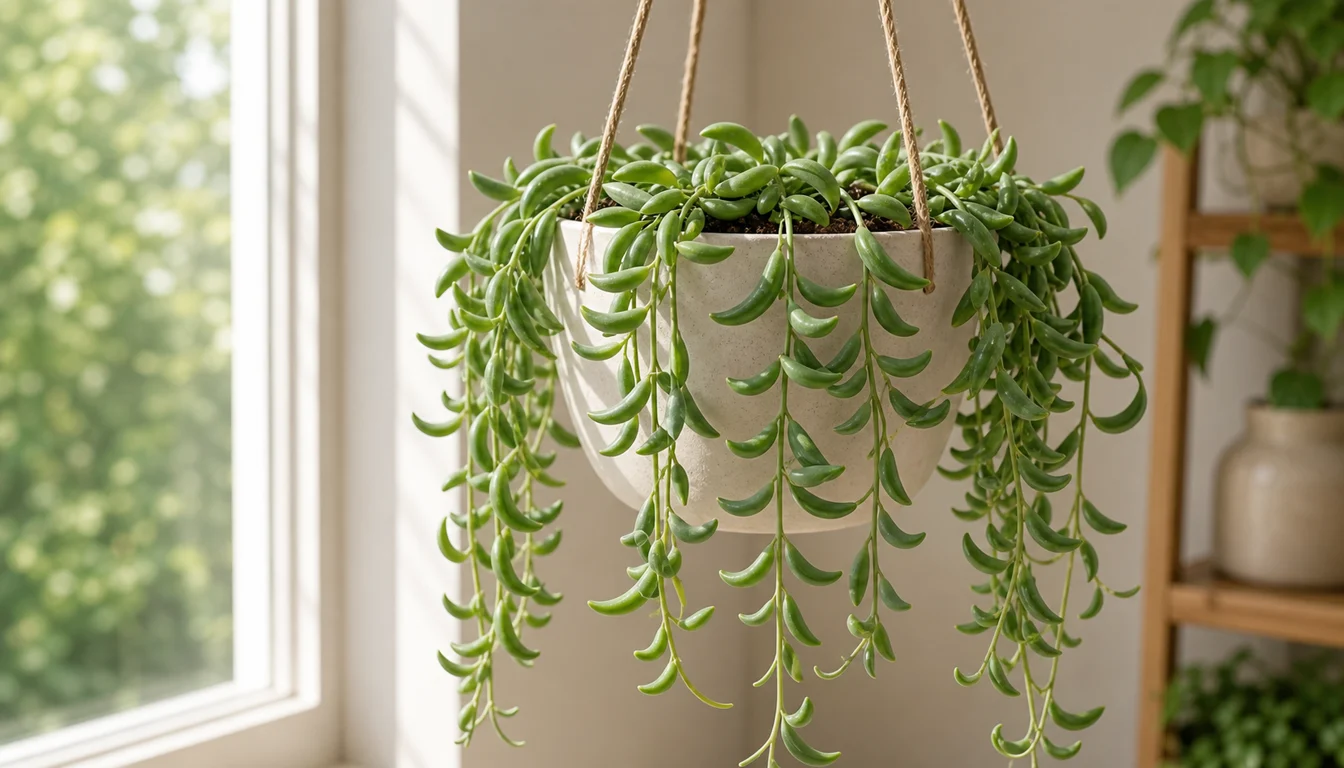
String of Bananas
A Curio trailer with curved leaves and flexible stems.
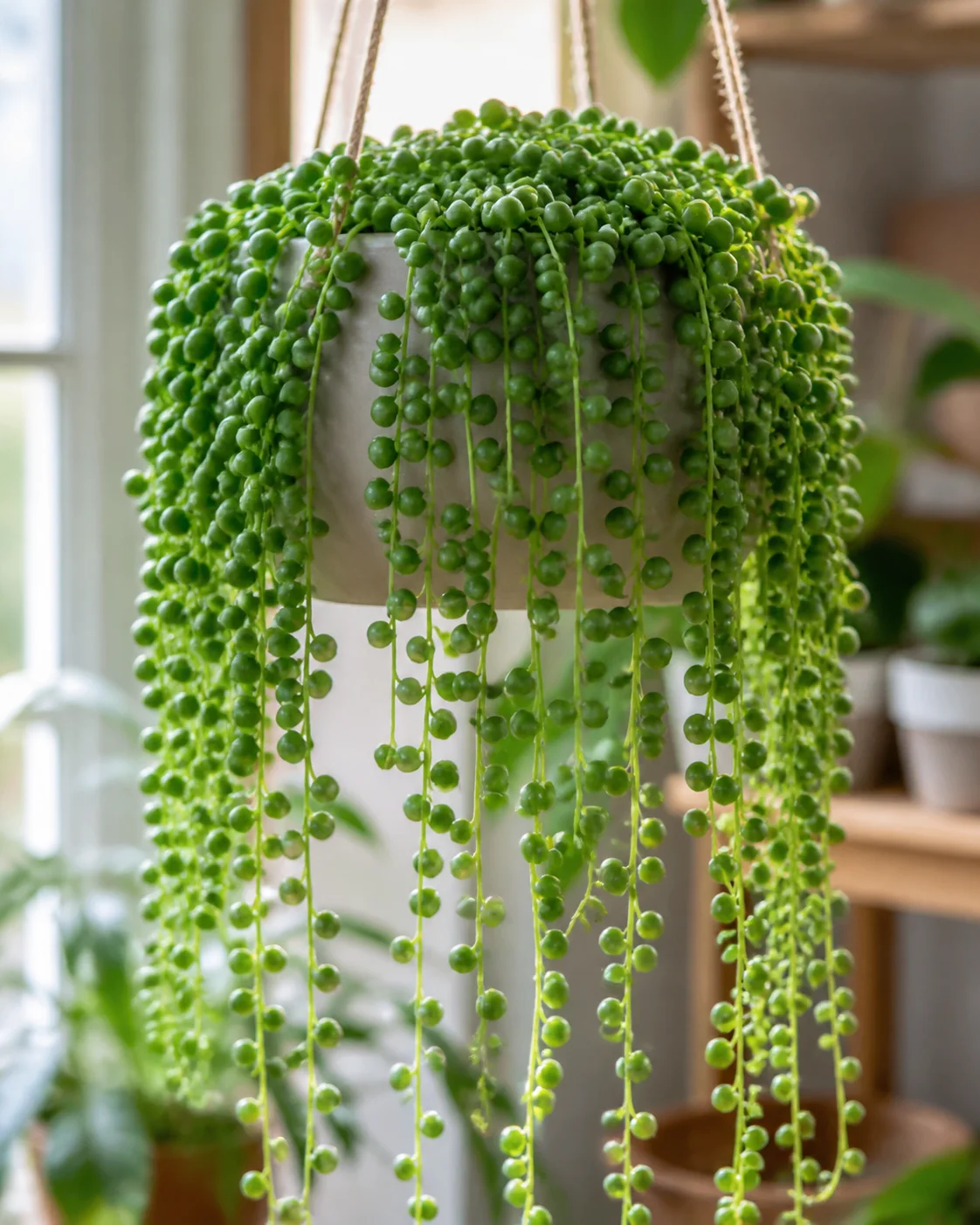
String of Pearls
A trailing succulent with spherical leaves and small surface roots.
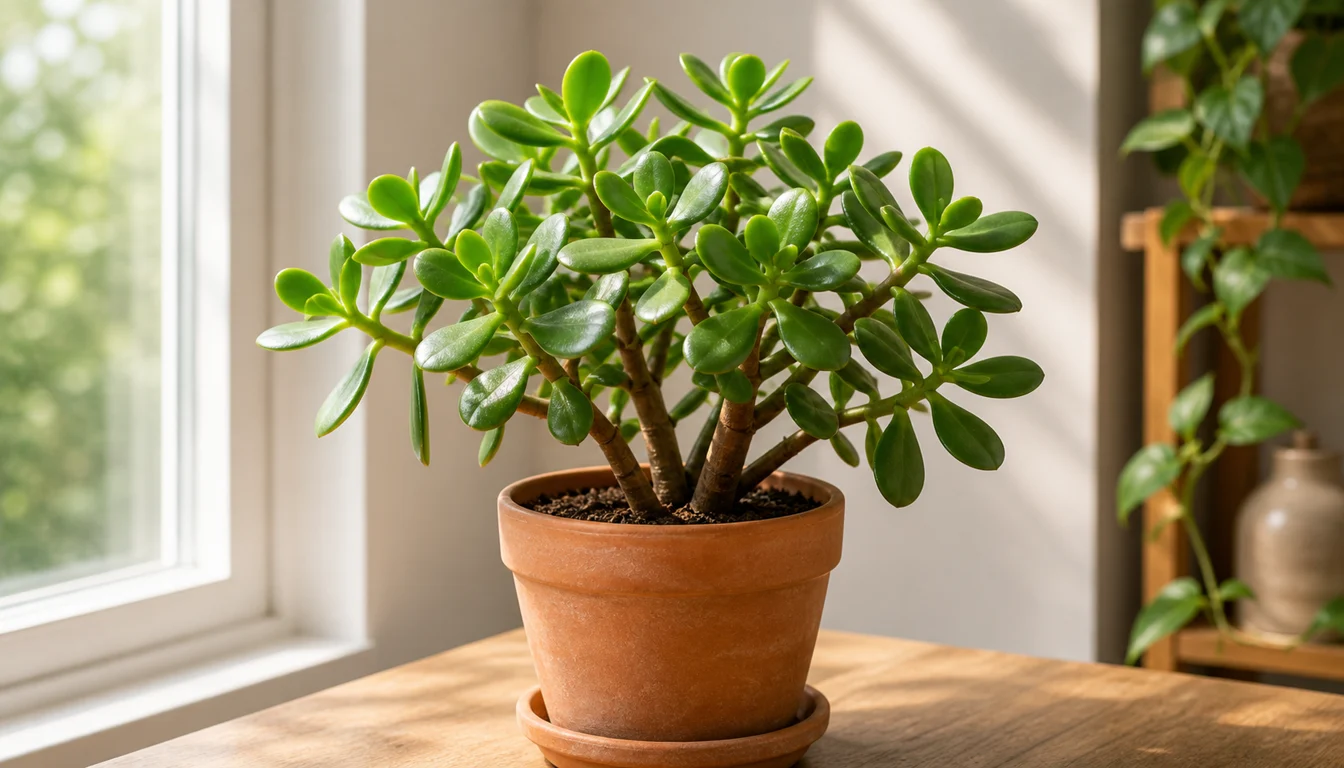
Jade Plant
An upright Crassula with woody branches and thick opposite leaves.
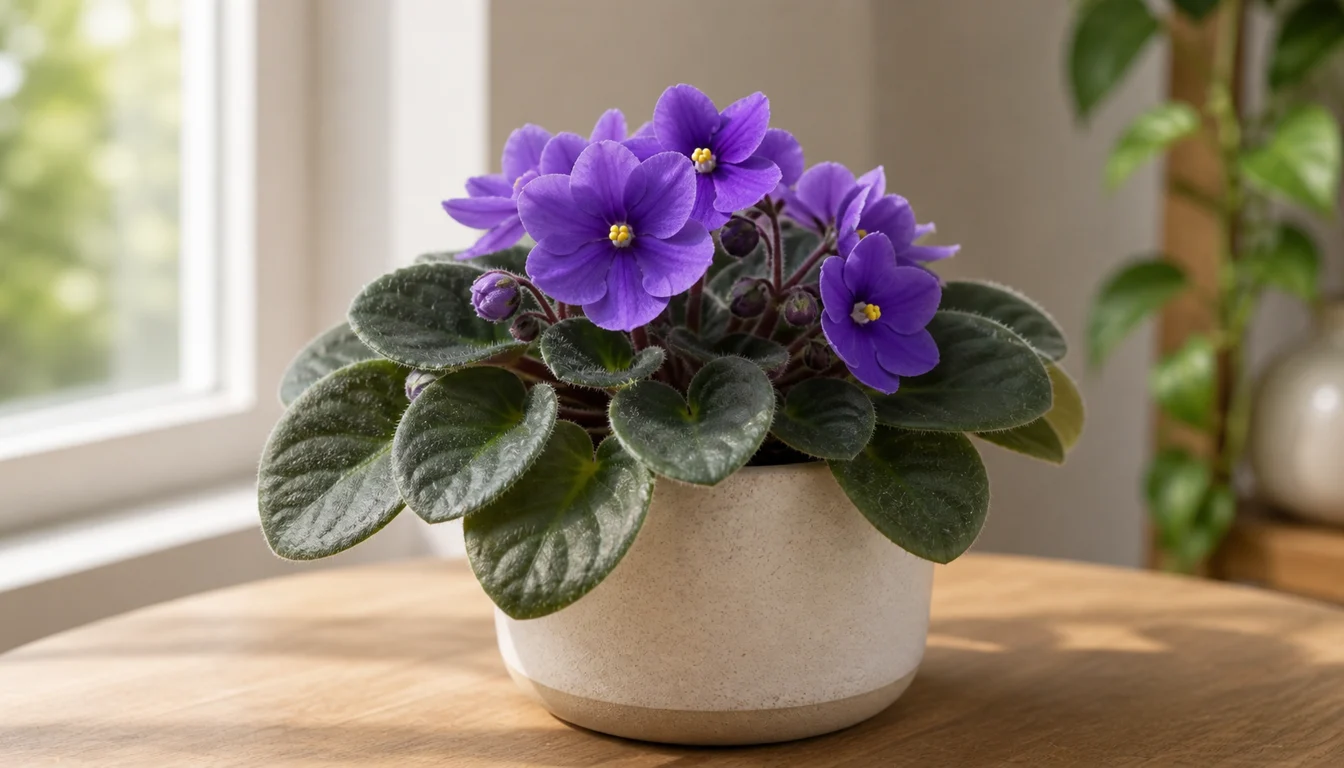
African Violet
African Violet is a windowsill bloomer that rewards steady, small-pot care.
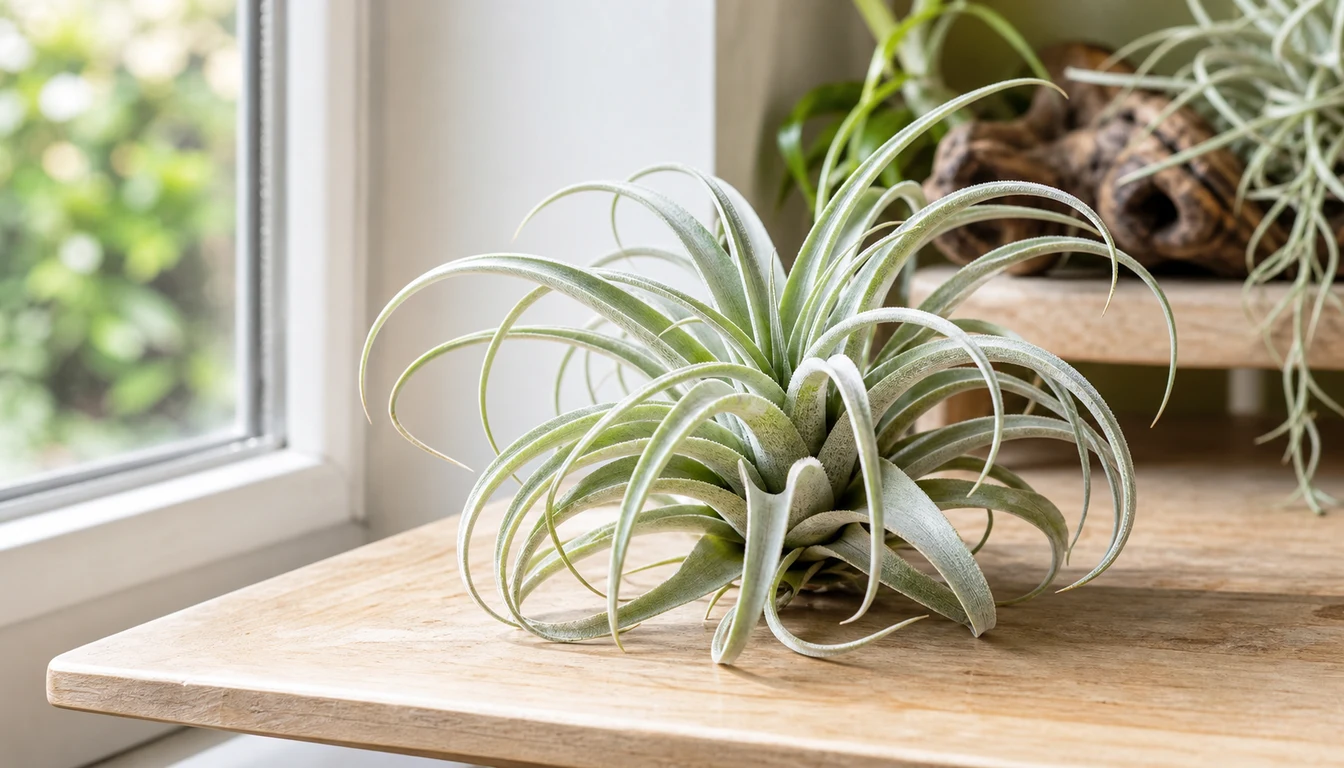
Air Plant
Air plants are living sculptures that thrive without soil, anchoring to driftwood, rocks, or shells while drawing…
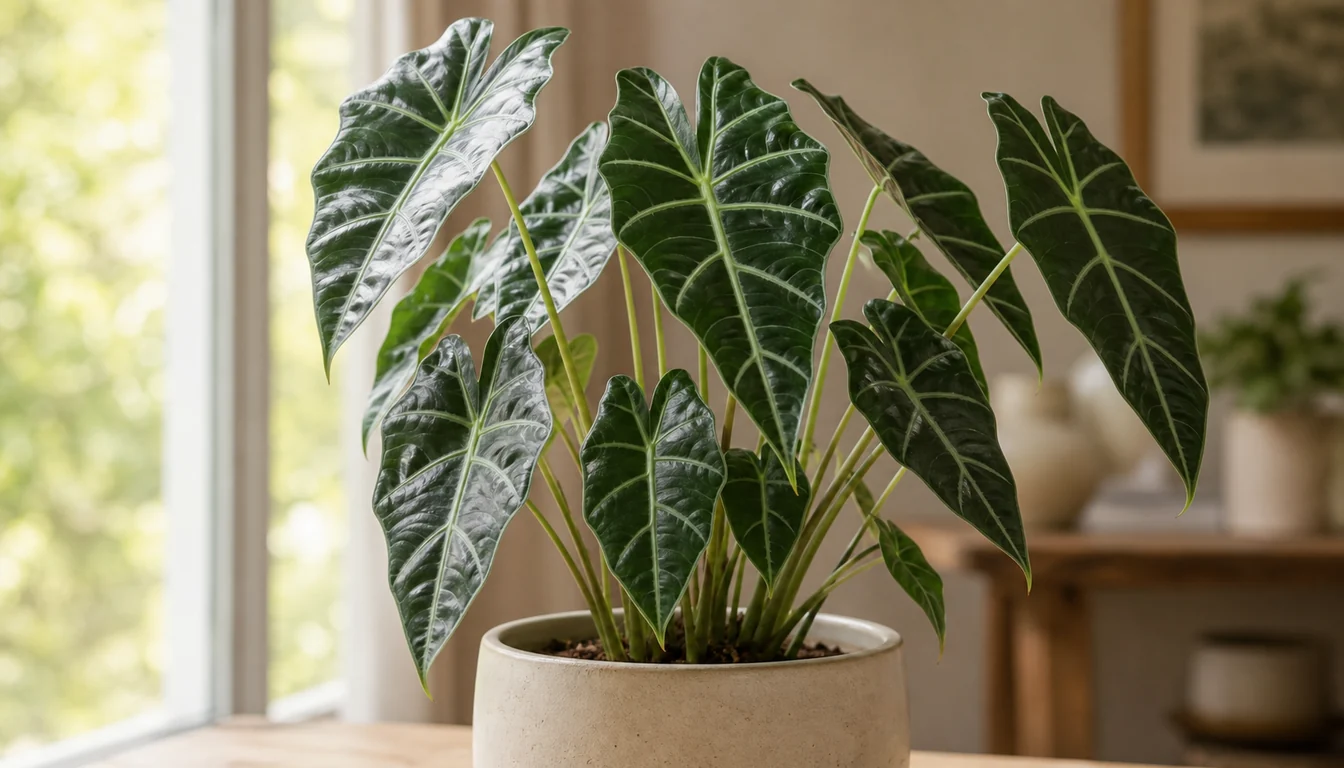
Alocasia
Alocasias include compact, textured houseplants and large elephant ears that need substantial floor space.