Annual vs Perennial
Choose Annual for fast fill, predictable one-season color, and easy design resets. Choose Perennial when you want long-term structure, lower replanting, and plants that settle in over several seasons.
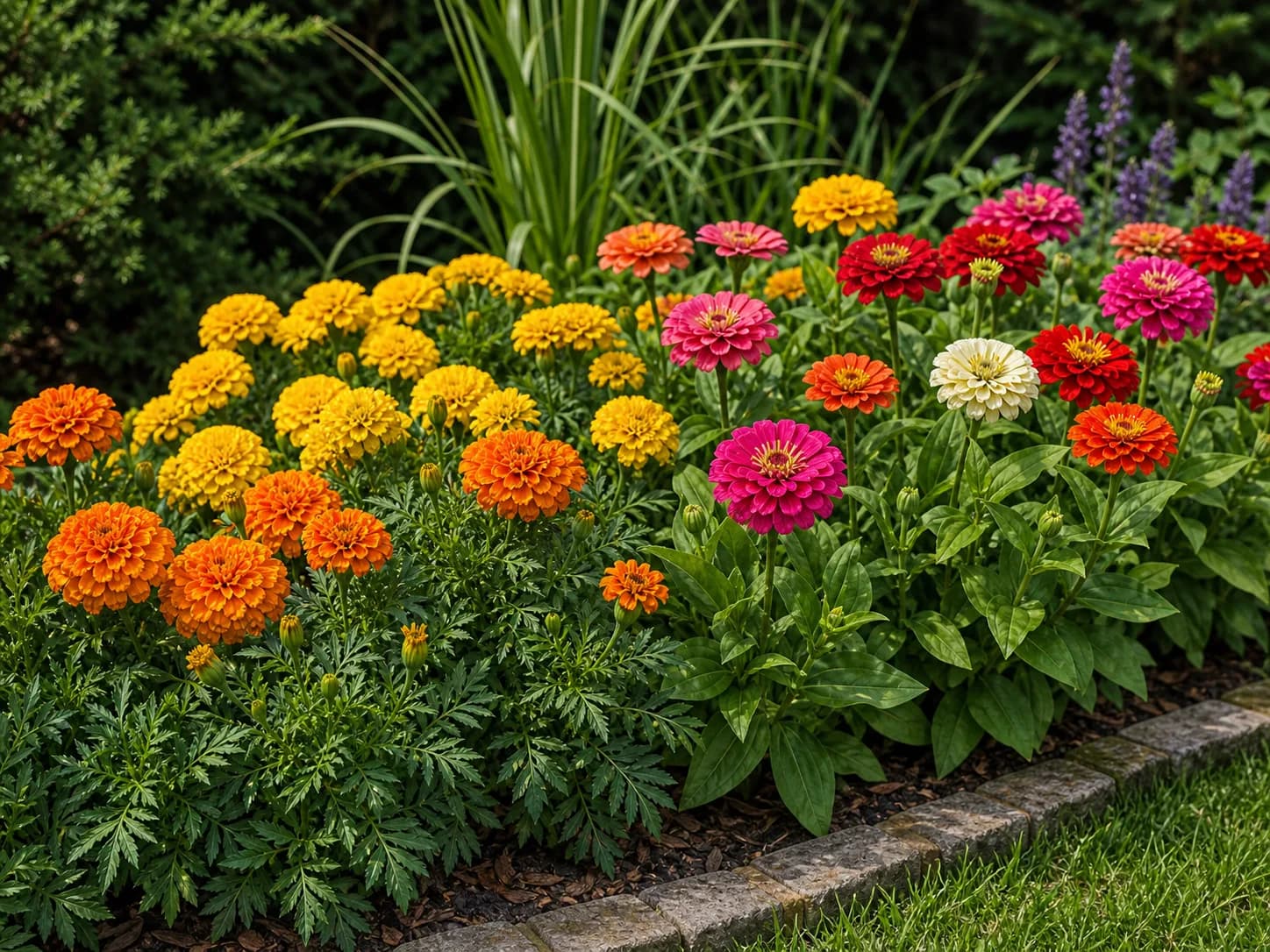
Annual
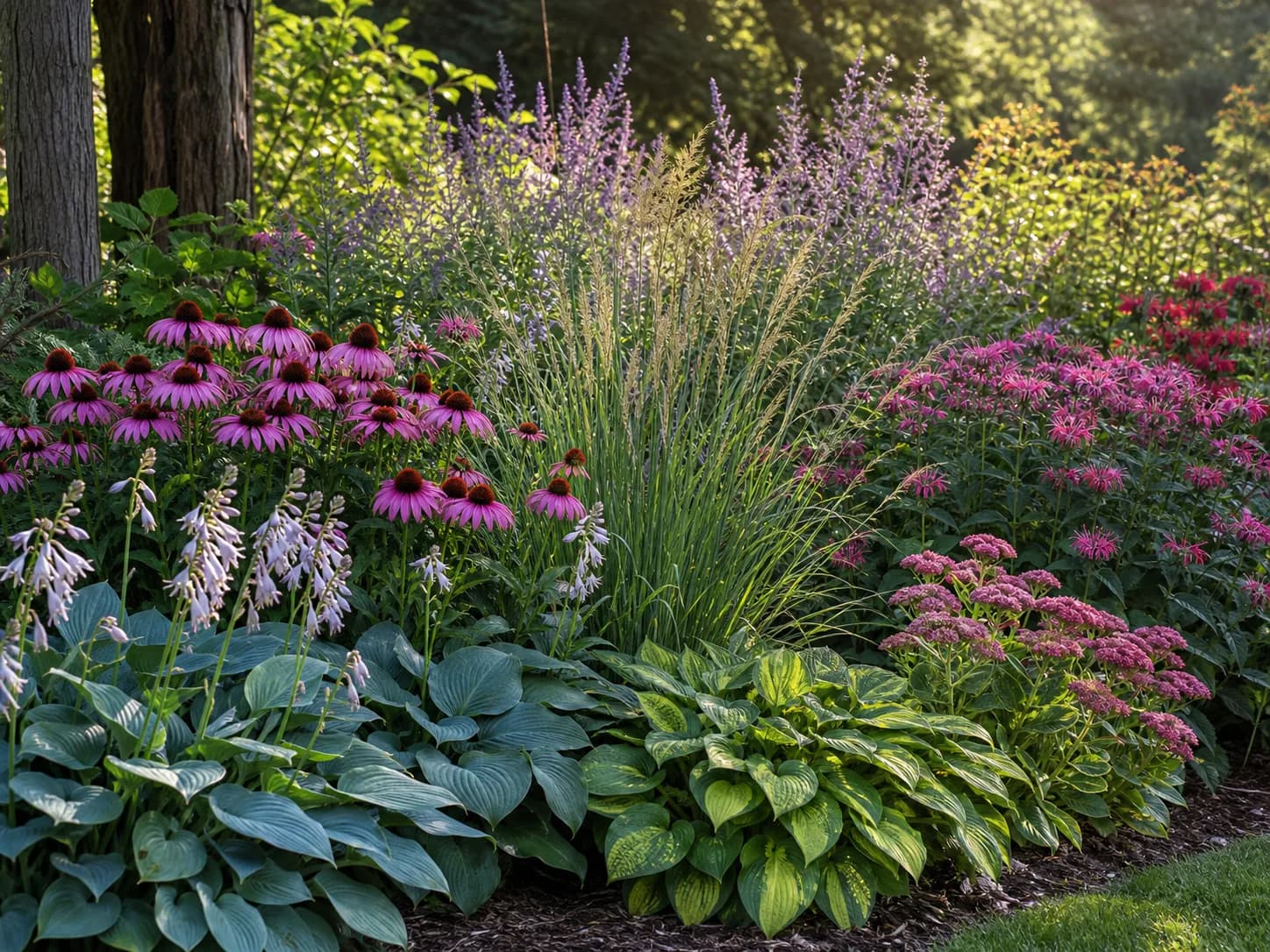
Perennial
ruleDecision Summary
Annuals and Perennials are not simply cheap plants versus permanent plants. They serve different design jobs. Annuals buy speed, flexibility, and immediate color. Perennials buy structure, return on patience, and lower turnover once the bed is established.
That is why the best choice depends on the horizon you are planting for. Event containers, fresh color blocks, and first-year fill usually lean Annual. Framework beds, pollinator borders, and repeatable low-turnover designs usually lean Perennial, especially once you know the local climate and flower-bed role of each plant.
So the decision frame is instant effect versus long-term backbone. Plant Annual when you want a fast visual result and do not mind replanting. Plant Perennial when you want the bed to improve over time instead of resetting every spring.
How to Use This Guide
Match your primary use case first, then review the side-by-side specs table. The use-case cards explain where one option has a practical advantage; if your situation is different, let the specs and tradeoffs guide the choice.
Choose Annual when speed and flexibility matter most; choose Perennial when you want the bed to hold and improve over multiple seasons.
KnowTheYard Editorial Team
Source-backed editorial note
compare_arrowsSpecific Use Cases
The following use cases focus on scenarios where the tradeoff actually matters. Each card names the stronger fit for that situation and explains the catch.
A winner only applies when that scenario matches your conditions. If neither scenario fits, check the side-by-side specs for the more relevant constraints.
Seasonal color & quick fills
Instant beds, containers, and event plantingsWinner: Annual
Annuals bloom fast from seed or plug and keep color through one growing season; ideal for containers, window boxes, or filling holes while perennials establish.
If you need a bed to look full on weekend timelines, use annuals and follow up with routine deadheading and regular watering; gardeners in colder zones often use annuals to stretch color between spring bulbs and summer perennials, pairing them with reliable early bloomers such as early daffodil choices for a staggered display.
Long-term structure & reduced replanting
Foundation plantings, massing, and low-turnover bordersWinner: Perennial
Perennials return from crowns, roots, or rhizomes each year, so they’re the go-to for structural beds and lower Annual labor after establishment.
Use perennials in front-to-back beds and mass plantings to create a permanent backbone that only needs division, spot replacements, and seasonal cutback.
Vegetable & herb rotation
Fast harvest vs multi-year herbsWinner: Mixed
Vegetables like beans are true annuals - plant each year and direct-sow or transplant early following frost dates; many culinary herbs are Annual in cold climates but Perennial in warm zones, so balance your kitchen plot with anchors such as container basil options and longer-lived herbs to simplify harvest windows.
For a mixed kitchen garden use perennials like chives and rosemary as anchors and rotate Annual vegetables for seasonal yields; see guidance on direct-sow timing earlier in this compare for small-plot scheduling.
Low-water or low-maintenance sites
Plant once, manage lightlyWinner: Perennial
Established perennials often tolerate drought better because of deeper roots; choose perennials for low-irrigation slopes and xeric beds after they establish.
Annuals demand steady water to keep flowers producing; pair annuals with drip irrigation and follow recommended schedules to conserve water and boost bloom longevity.
paymentsCost & Upkeep
Long-term cost extends beyond the purchase price. Factor in ongoing inputs, replacement risk, equipment, and time so the cheaper option at checkout does not become the more expensive one to keep.
For Annual and Perennial, the real cost difference usually shows up after purchase: water, soil, fertilizer, pruning, replacements, and how easily the plant or system recovers from mistakes.
ecoUpfront cost and planting cadence
- cancelAnnuals: lower cost per plant but require purchase or seed and replanting every year, which adds recurring labor and material costs.
- check_circlePerennials: higher initial cost and longer establishment time but spread that cost across multiple seasons, lowering annualized expense after 2-3 years.
- check_circleSeed vs plugs: starting annuals from seed cuts cost dramatically; see direct sow vs transplant for decisions that affect budget.
- cancelReplacement math: plan anticipated replacements - damaged perennials or winter losses - into year 3-5 budgets.
ecoOngoing maintenance and hidden costs
- cancelAnnuals: recurring costs for soil, fertilizer, and container media each season increase total spend over time.
- check_circlePerennials: costs shift toward occasional division, pruning tools, and targeted soil improvements rather than wholesale replanting.
- check_circleLabor value: factor in your time - if you prefer less seasonal planting work, perennials often buy back time after establishment.
- cancelCold-zone replacements: perennials treated as annuals in zones below hardiness range can create surprise replacement costs.
ecoResource Fit
Annuals can be efficient when you need fast seasonal impact or when you start from seed and use them strategically rather than as a full replacement for structure.
Perennials usually have the lower long-term input load because they reduce yearly replanting, soil disturbance, and repeat purchasing once they are established.
The better choice depends on the role of the bed. Short-term color and long-term structure solve different landscape problems.
Annuals complete their life cycle in a single growing season and go to seed before dying.
Perennials live multiple years and regrow from roots, crowns, or bulbs each season depending on species.
Advice in this compare applies across common North American zones; expect different winter behavior at cold and warm extremes.
table_chartSide-by-side Specs
Read the rows for lifespan, establishment speed, and yearly maintenance first. Those are the traits that keep this compare from collapsing into a generic flower preference.
Neither category wins every time. The right answer depends on whether the bed needs speed this year or strength over the next several years, especially if you are pairing quick fillers with longer-term bed planning.
Source Notes
Metrics summarize published care ranges and common cultivar behavior. Individual performance varies by cultivar selection, microclimate, and management intensity. Consult our methodology for source standards and update practices.
| Metric | Annual | Perennial |
|---|---|---|
| schedule Lifespan | Completes cycle in one season; dies after seeding | Returns year after year, often for 3-20+ years |
| eco Establishment time | Fast: weeks to bloom from plugs; seed takes longer | Slower: 1-2 seasons to reach full size |
| eco Replanting frequency | Every year for most annuals | Only when expanding, dividing, or replacing losses |
| build Maintenance needs | Regular deadheading, feeding, and replacement each season | Seasonal cutbacks, occasional division, spot feeding |
| palette Color continuity | Continuous blooms for one season; predictable color blocks | Staggered seasonal interest; you may need annuals to fill gaps |
| ac_unit Winter behavior | Dies with frost in cold climates | Often dies back above ground in cold zones and resprouts from roots |
| eco Propagation & management | Easy from seed; quick replacement strategy | Propagate by division, cuttings, or basal offsets |
| eco Best for | Short-term color, containers, event planting | Permanent beds, erosion control, structure |
| public Zone sensitivity | Generally tolerant if planted within season | Hardiness dependent - some act like annuals outside their zone |
| thumb_up Overall pick | Choose when you need flexibility and instant results | Choose when you want lower recurring labor and stable plantings |