
Which Culinary Herbs Are Worth Growing for Your Kitchen?
Build the herb list from the meals you cook, then match each plant to how it regrows, how much water it wants, whether it bolts, and whether it survives drying.
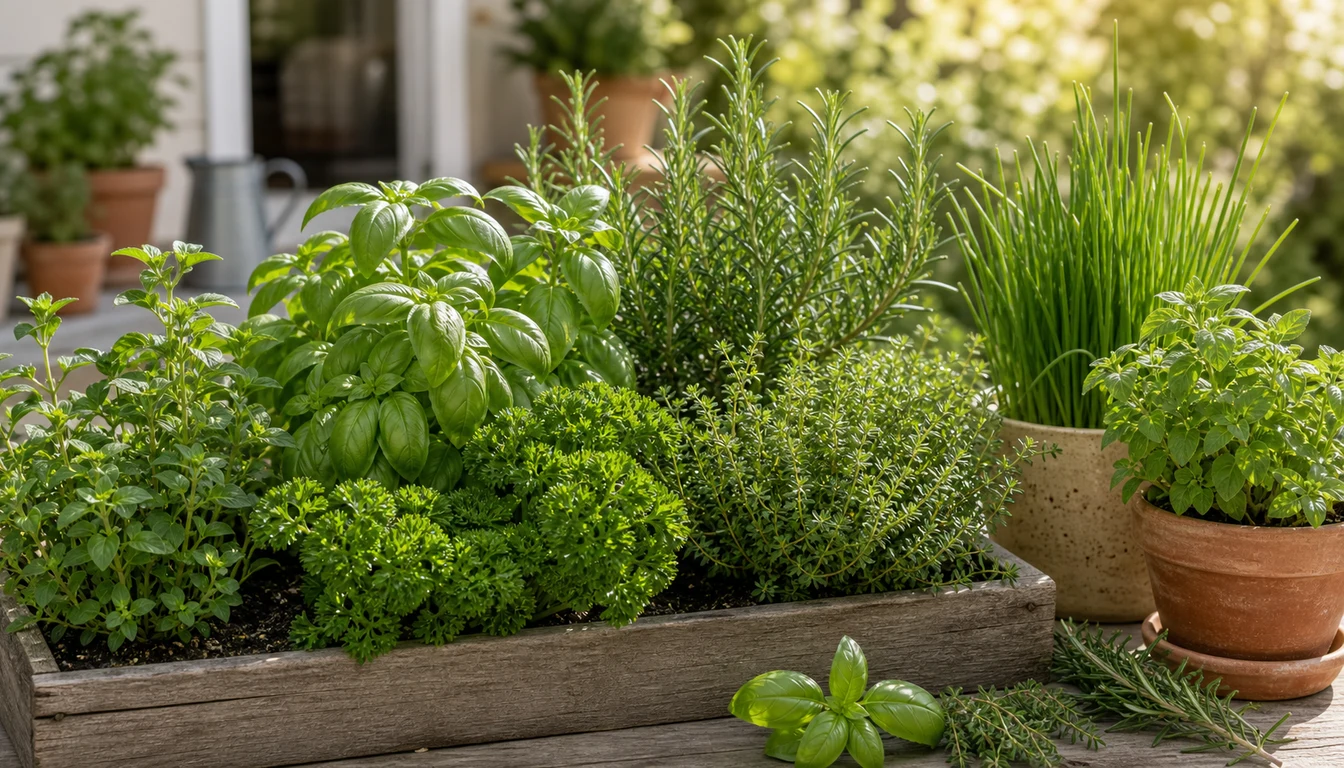
At a glance
Write down five meals you cook without looking anything up.
The herbs worth a place in the bed are the ones standing beside those meals, not the ones standing beside an attractive garden photograph. That single exercise removes about half of any general herb list.
What follows is what happens after the list. Each of those plants behaves differently once it is being cut every week, and the differences decide whether the bed supplies a season or a fortnight.
How each one regrows, which ones want different water, which ones run to seed and have to be sown again, and which ones are worth drying at the end of it.
Which Herbs Does Your Kitchen Actually Use?
Start from the food rather than from the plants.
Five meals you cook without a recipe is a short enough list to be honest and long enough to be representative, and the herbs that appear beside them are the ones that earn a square foot each.
| Cooking job | Herbs it consumes | How much |
|---|---|---|
| Tomato sauces and pasta | Basil, oregano, parsley | Basil by the handful, weekly |
| Roasts and stews | Thyme, rosemary, sage, bay | A few sprigs at a time |
| Salads and fresh dishes | Parsley, chives, cilantro | Large bunches, raw |
| Curries and salsas | Cilantro, mint | Whole bunches at once |
| Eggs and potatoes | Chives, parsley, dill | Small amounts, often |
Quantity matters as much as variety, and it is the part people skip. A kitchen that cooks pasta every week needs three or four basil plants rather than one of everything on the list.
The herbs used raw and by the bunch are the ones a single plant cannot supply. Parsley and cilantro disappear into one meal, and a lone plant of either is a garnish rather than an ingredient.
Anything that turns up in one dish a year is a packet from a shop. That is not a failure of ambition, it is what keeps the bed producing the things you actually reach for.
How Does Each Herb Regrow After You Cut It?
Cutting a herb is a pruning decision, and there are three answers rather than one.
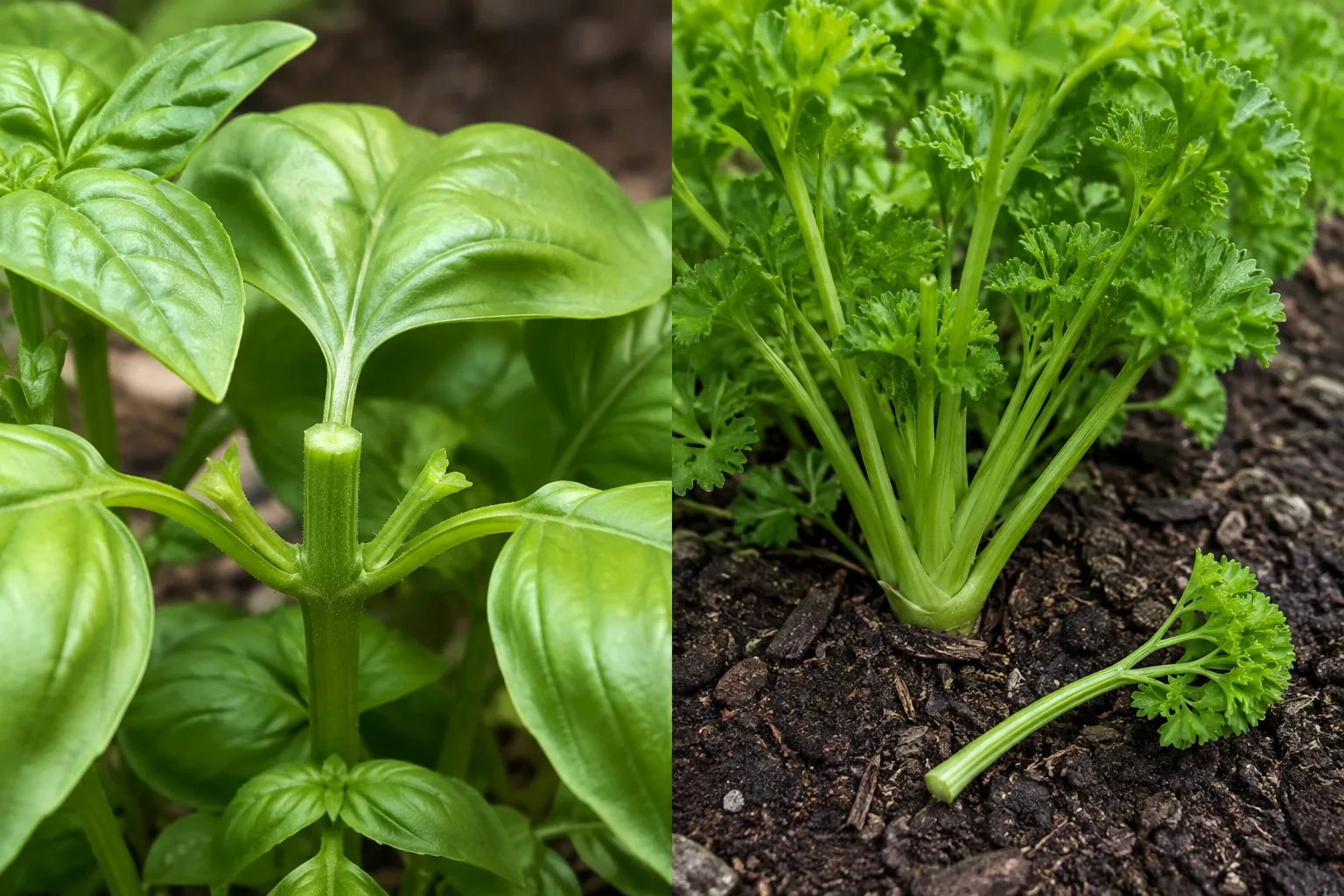
- Branching herbs: Basil and its relatives are pinched just above a leaf node, and the stem forks into two shoots from that point.
- Crown herbs: Parsley and cilantro build from a central point, so outer stems come off at the base and the center is left alone.
- Base herbs: Chives regrow from the soil, so the whole clump is cut to about an inch above it.
- Woody herbs: Thyme, sage and rosemary are cut in green growth only, since none of them reliably break from bare wood.
The wrong cut costs differently on each. A crown herb sheared across the top loses its growing point and stalls rather than branching, which is why a parsley trimmed like a hedge sits still for a month.
A branching herb left uncut does the opposite. It runs up to flower, and once basil flowers the leaf flavour changes and the harvest is effectively over.
Frequent light cutting is what keeps all four groups producing. Weekly small harvests build a plant, and one heavy cut after a month of neglect sets it back.
Where Should the Herbs Sit Relative to the Kitchen?
The plant you cannot reach in socks does not get cut.
That sounds trivial and it decides which half of the bed actually gets used, because the moment a herb is needed is the moment something is already on the stove.
Put the last-minute herbs closest. Basil, parsley, chives and cilantro are cut raw and cut in a hurry, and a pot by the door beats a better bed at the bottom of the garden for every one of them.
The woody herbs tolerate distance. Rosemary, bay and thyme are cut in advance and in quantity, so they can hold the far end of a border without anything being lost.
This is worth deciding before planting rather than after. Moving a rosemary is a job, and moving a basil is a pot.
Why Do Some Herbs Need More Water Than Others?
One watering routine cannot serve a kitchen herb bed.
Soft leafy herbs need enough moisture to keep their leaves tender, and they tell you within a day of running short by flagging visibly.
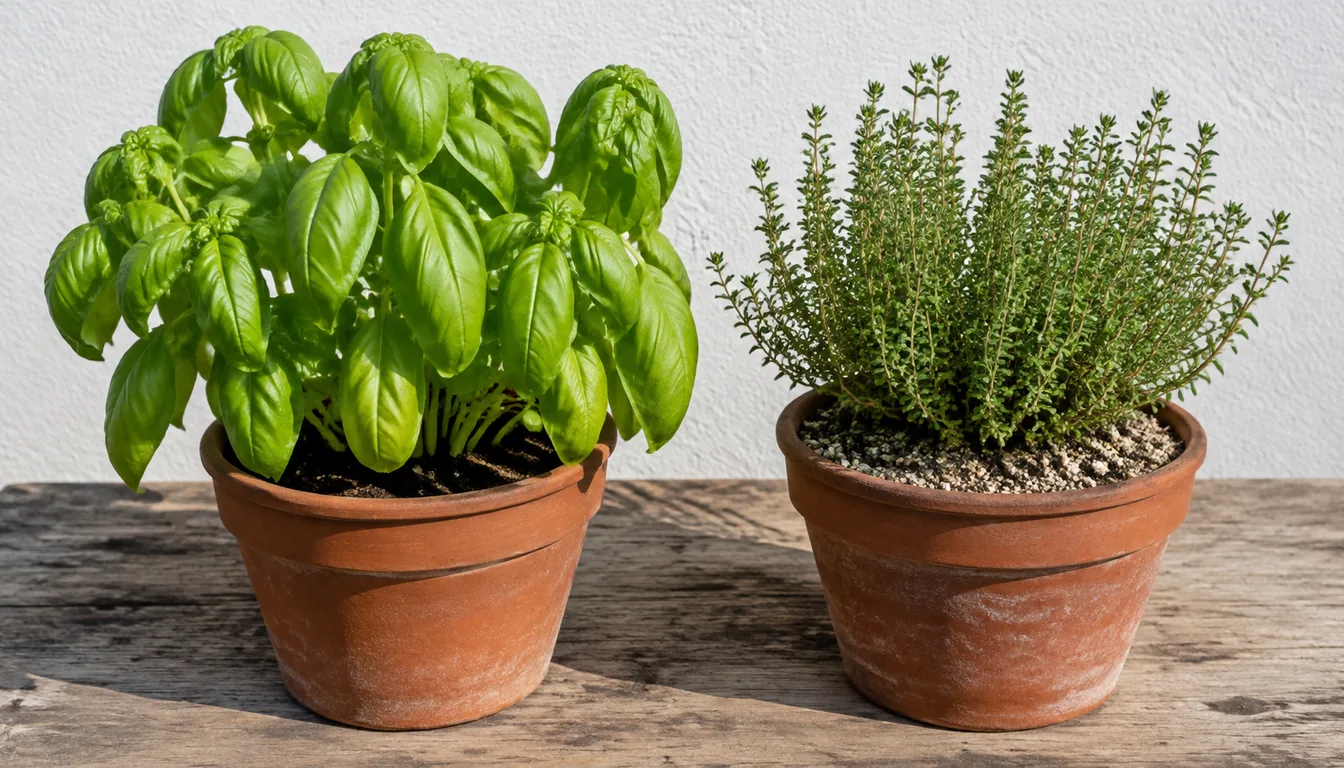
Woody Mediterranean herbs are the opposite. They lose root health in mix that stays damp, and they show nothing at all until the damage is already done, which is why they are usually killed by kindness rather than neglect.
The two groups fail in opposite directions on the same schedule. A bed watered uniformly leaves the basil thirsty or the thyme rotting, and often manages both at different ends of the same week.
Separate them physically instead. Soft with soft and woody with woody, in different pots or different ends of the bed, and the conflict disappears instead of being managed.
Which Herbs Will Bolt and Need Resowing?
Half the herb bed is not a permanent planting.
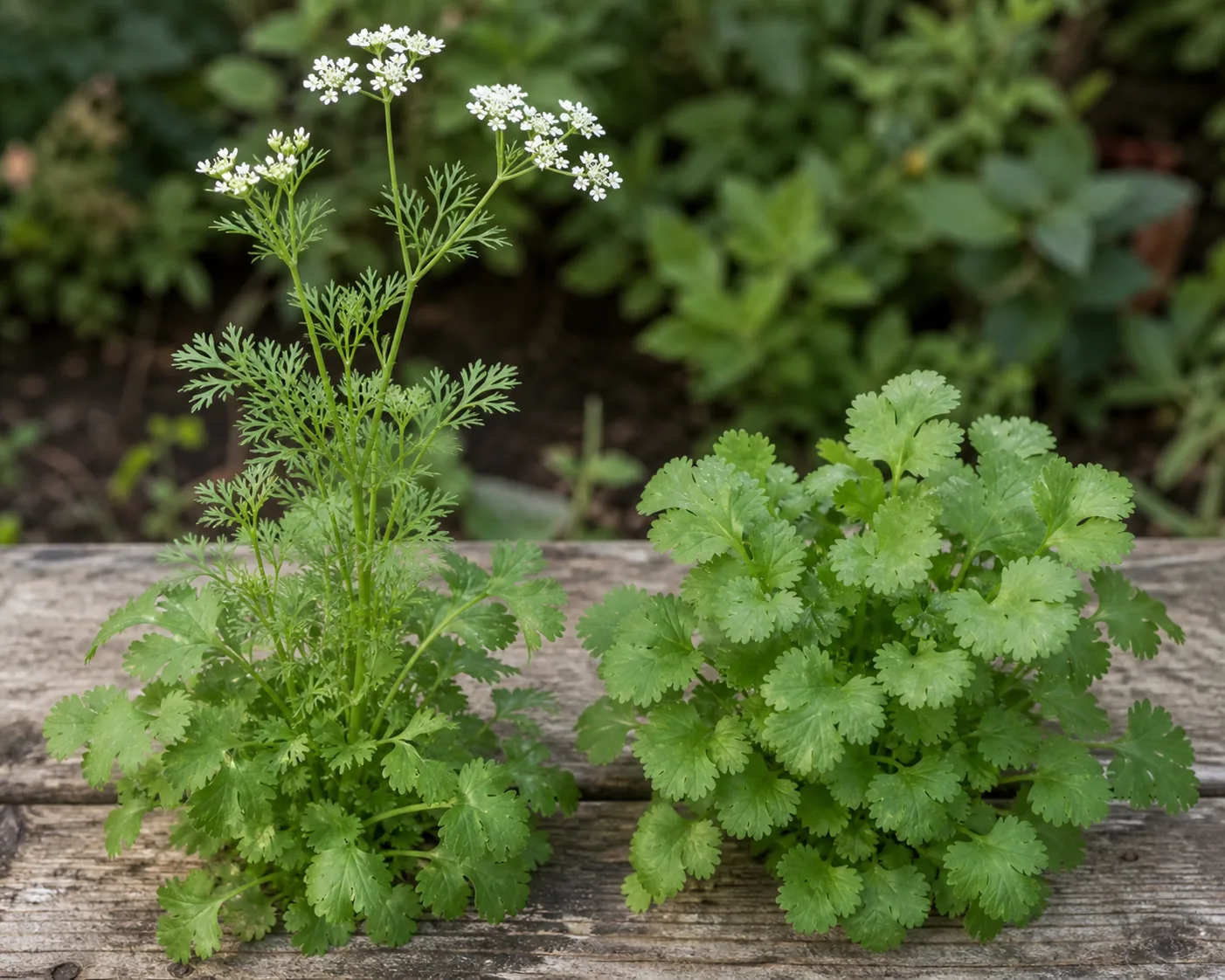
Cilantro is the clearest case. It turns from useful leaf to a tall thin seed stalk quickly in heat, and once it has, the leaf harvest from that plant is finished.
Dill gives its best leaf before it flowers and is frequently grown on for the seed afterwards, which makes it two crops rather than a failure.
Basil runs the same way if it is never pinched, and the leaf flavour changes at flowering even though the plant looks perfectly healthy.
The answer is a sowing every few weeks through the season rather than one sowing in spring. That is the difference between cilantro all summer and cilantro for three weeks in June.
Thyme, sage, chives and mint carry over, so the bed is really two beds running on two different clocks in the same soil.
Which Herbs Keep Their Flavour When Dried?
Drying is not a universal answer, and moisture content is what decides it.
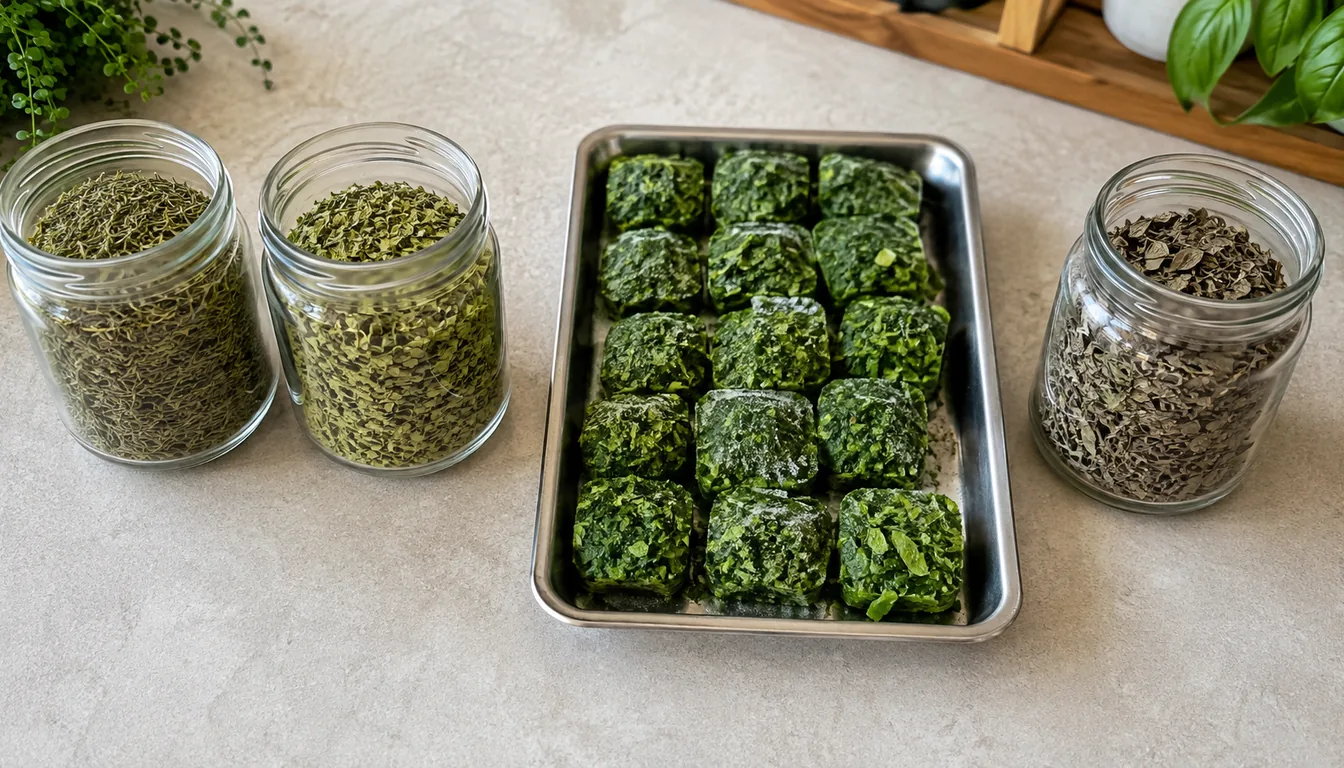
- Dry these: Thyme, oregano, rosemary, sage and bay hold their flavour well, because they are low-moisture woody herbs to begin with.
- Freeze these: Basil, parsley and chives keep far more when frozen, either chopped into oil or butter or frozen flat in portions.
- Grow these again: Cilantro and dill leaf are barely worth preserving at all, and another sowing beats any stored version of them.
Dried basil is the one worth being blunt about. It goes dull and hay-like and tastes almost nothing like the plant, which is why a jar of it sits in the cupboard for years.
The split is not about effort. Drying a soft herb takes the same afternoon as drying a woody one and produces something you will not use.
What Should a First Herb Bed Contain?
Four or five plants, chosen for the cooking.
A dozen herbs chosen for variety produces a bed where most things are never cut and the two you need run out in July.
- Tomato and pasta kitchen: Basil, oregano, parsley, with extra basil.
- Roasting and stew kitchen: Thyme, rosemary, sage, bay, which is also the lowest maintenance set.
- Fresh and herb-heavy kitchen: Cilantro, mint, chives, parsley, all in larger quantities because they are used raw.
Take one row whole rather than assembling across them. The sets are coherent in what they want as well as in what they cook, and the roasting set in particular shares one watering habit.
Then let the first season revise it. What ran out and what was never touched is a better list than anything decided in advance, including this one.
Quick Tips
- Plant more of the two herbs you use raw than feels sensible. Basil and cilantro are eaten by the handful and every other herb on the list is used by the sprig.
- Keep a note on your phone of what you ran out of. One season of that is worth more than any starting list, this one included.
- Cut something every week even when you do not need it. A herb cut weekly stays productive, and one saved for a special occasion goes to flower before the occasion arrives.
Recommended Plants
9 herbs worth considering.
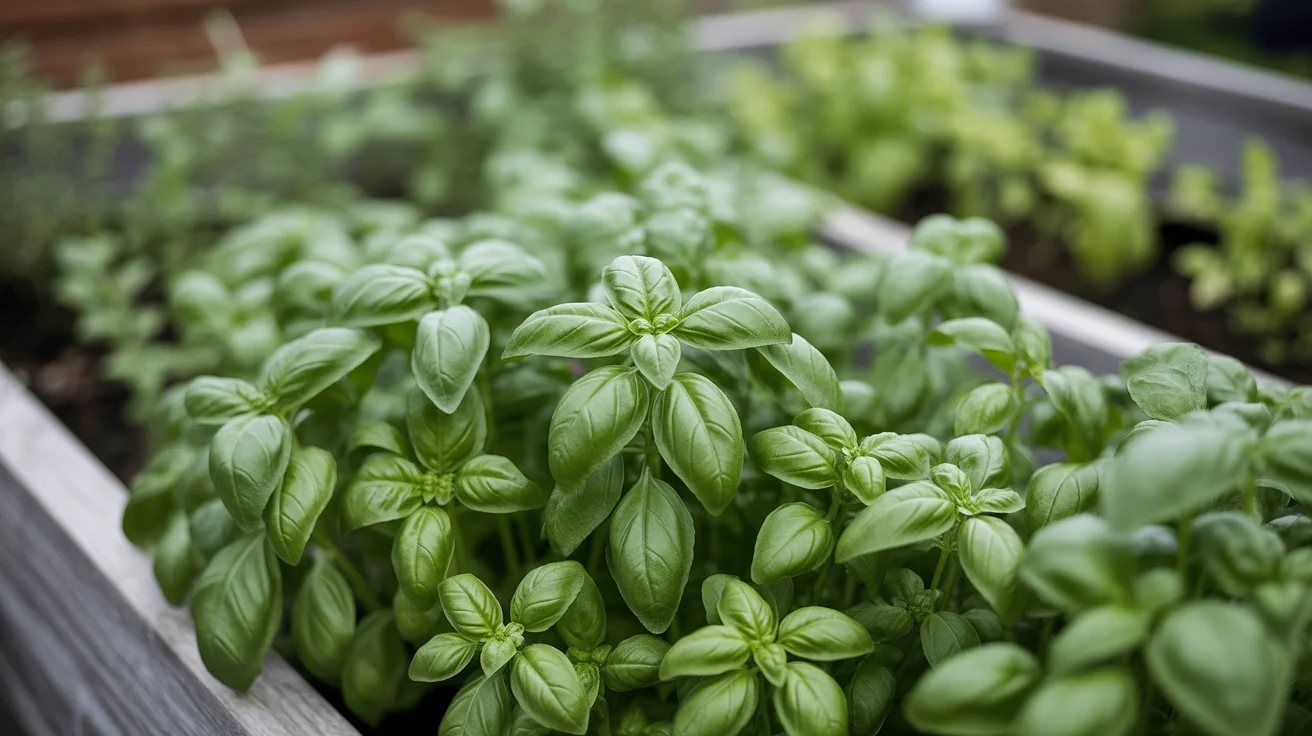
Basil
Basil is a tender annual that turns a warm season into armfuls of soft leaves, as long as it goes out into warm soil…
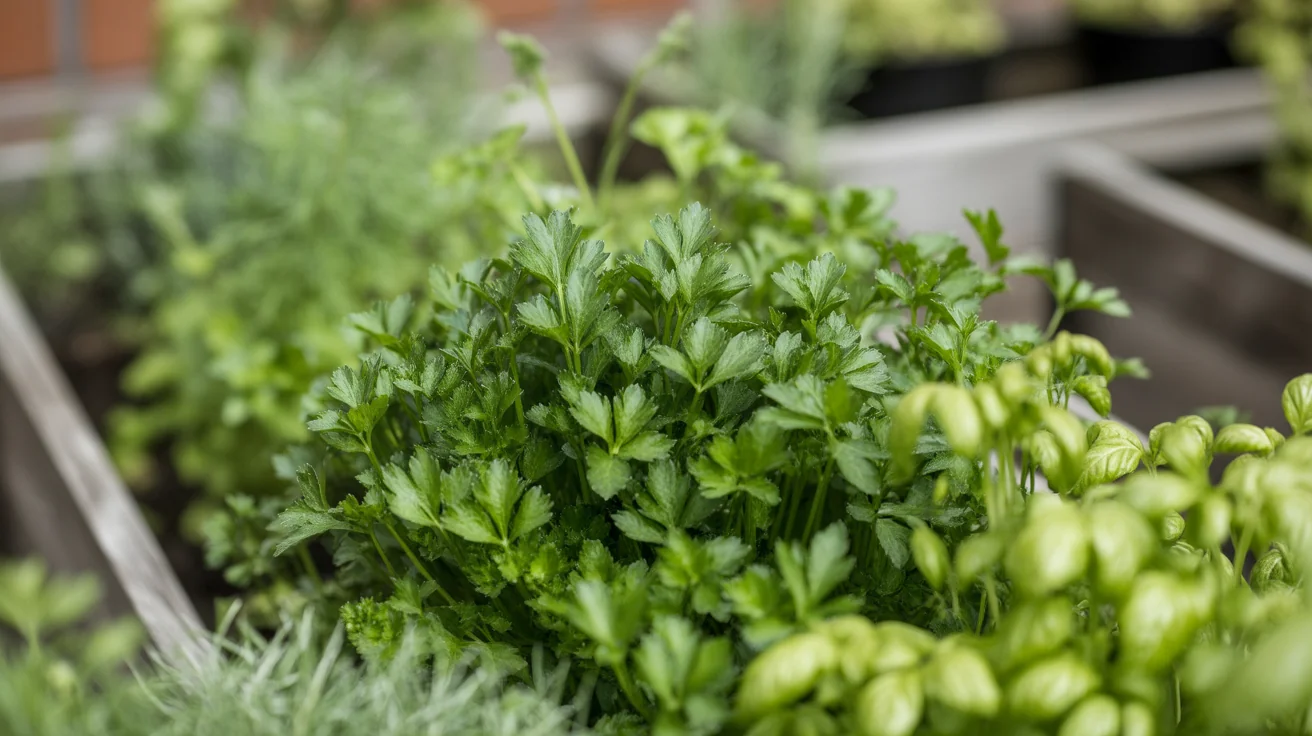
Parsley
Parsley is a hardy biennial grown as an annual, and the gap between those two is what makes a returning plant…
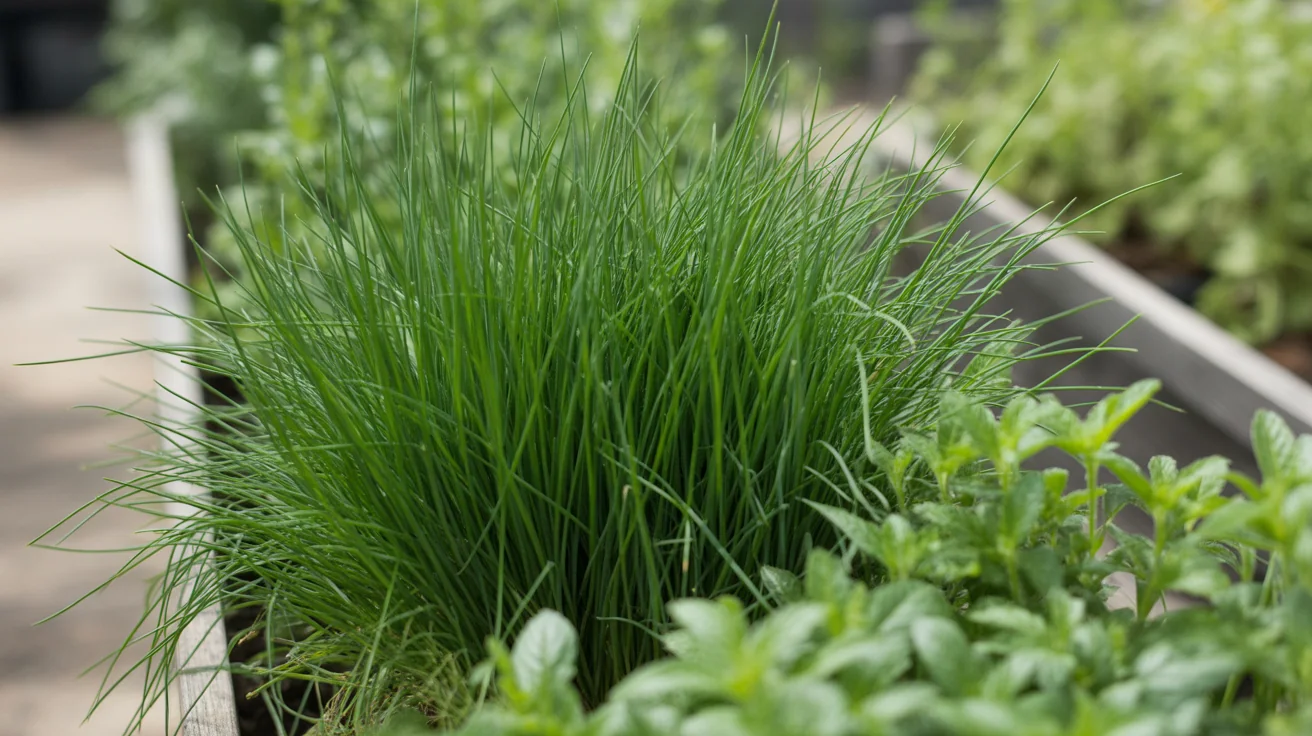
Chives
Chives are an Allium, in the same genus as onion and garlic, and that explains the flavor, the clump of small bulbs…
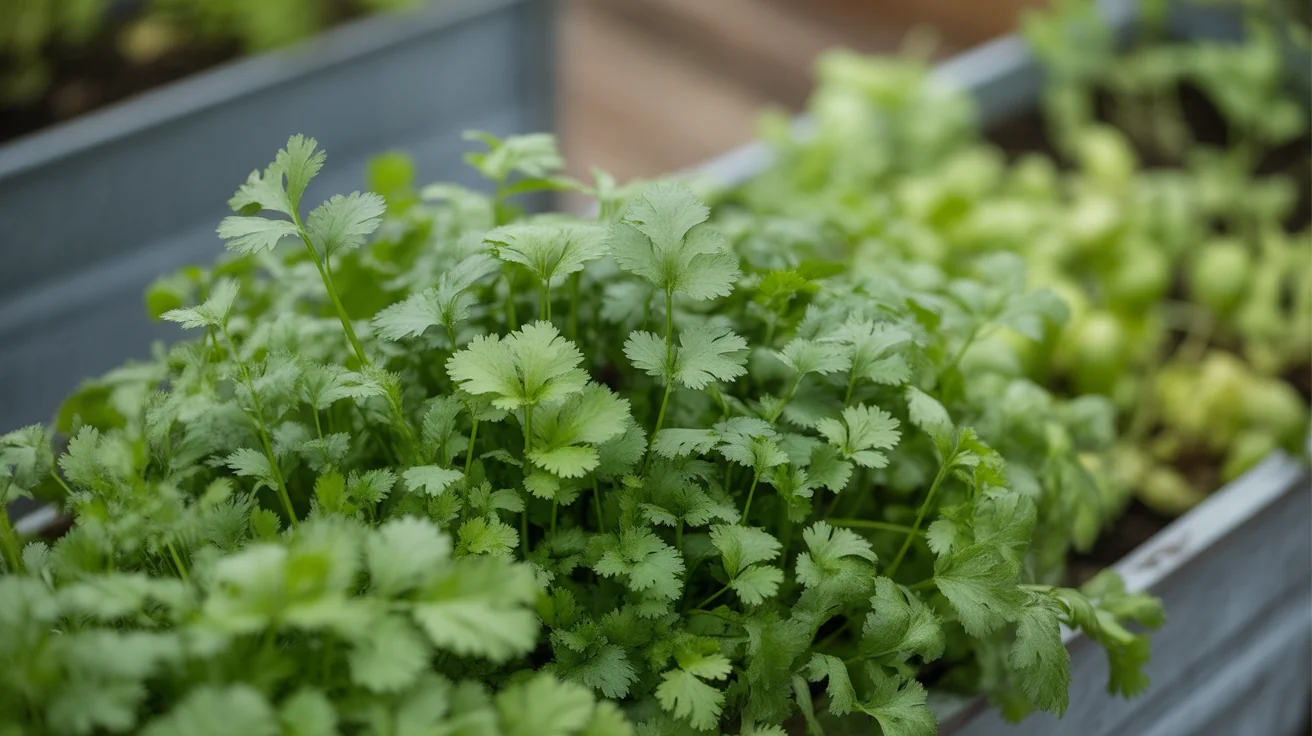
Cilantro
Cilantro and coriander are one plant at two stages, and the two crops need different spacing from the day the seed goes…
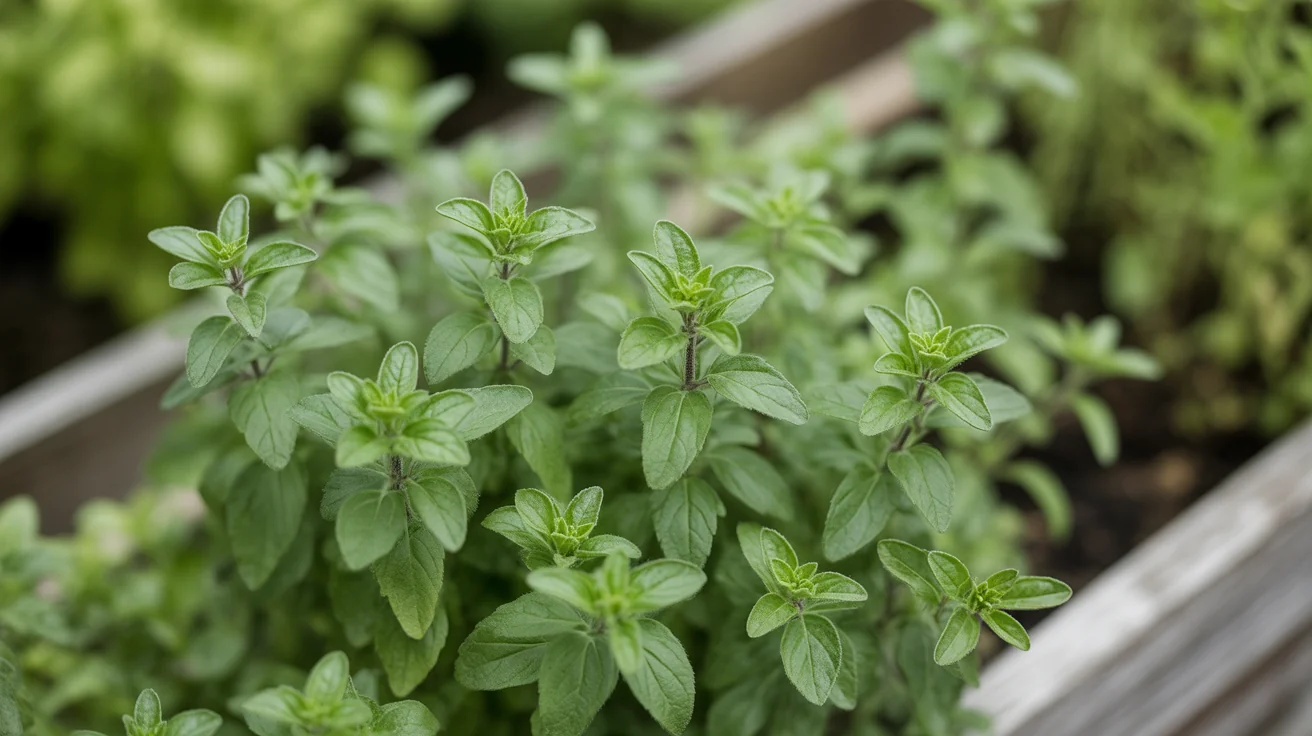
Oregano
Two oregano plants of the same species can taste completely different, because seed-grown plants do not come true and a…
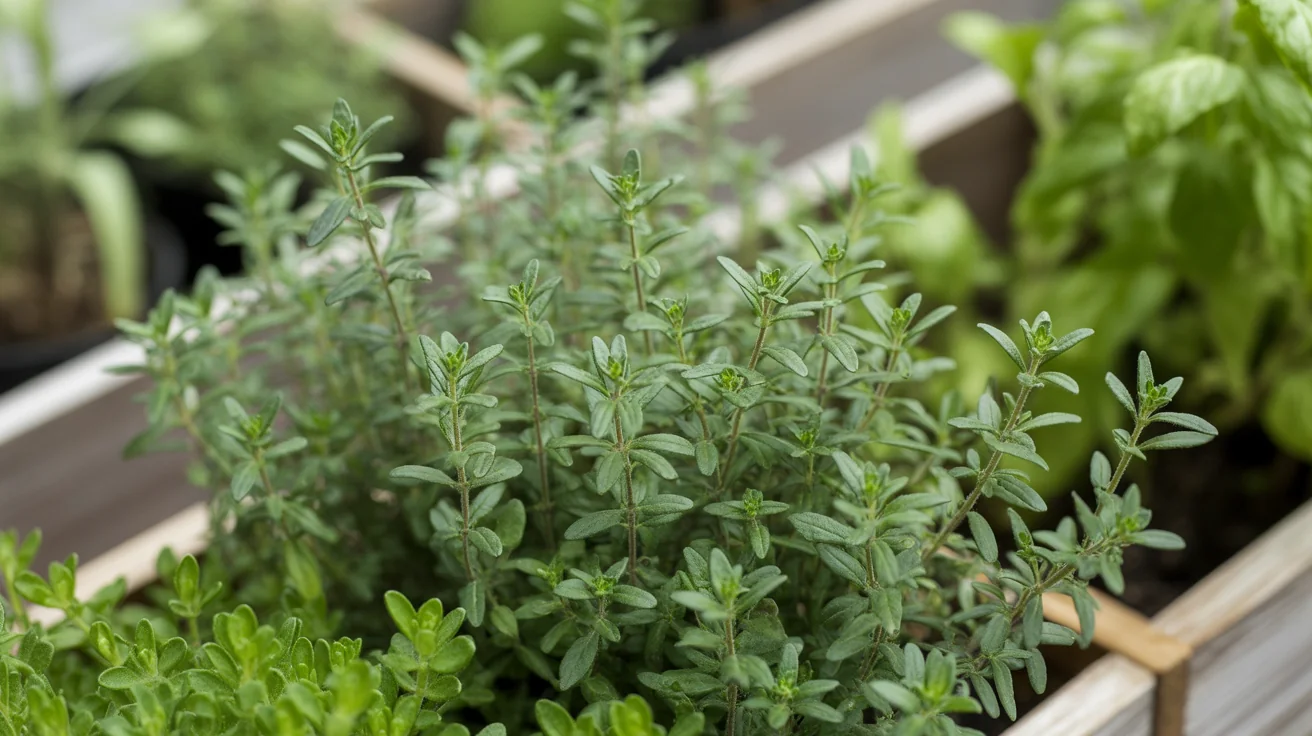
Thyme
Thyme is sold beside the soft herbs but it is a small evergreen shrub, and it lives or dies on drainage rather than on…
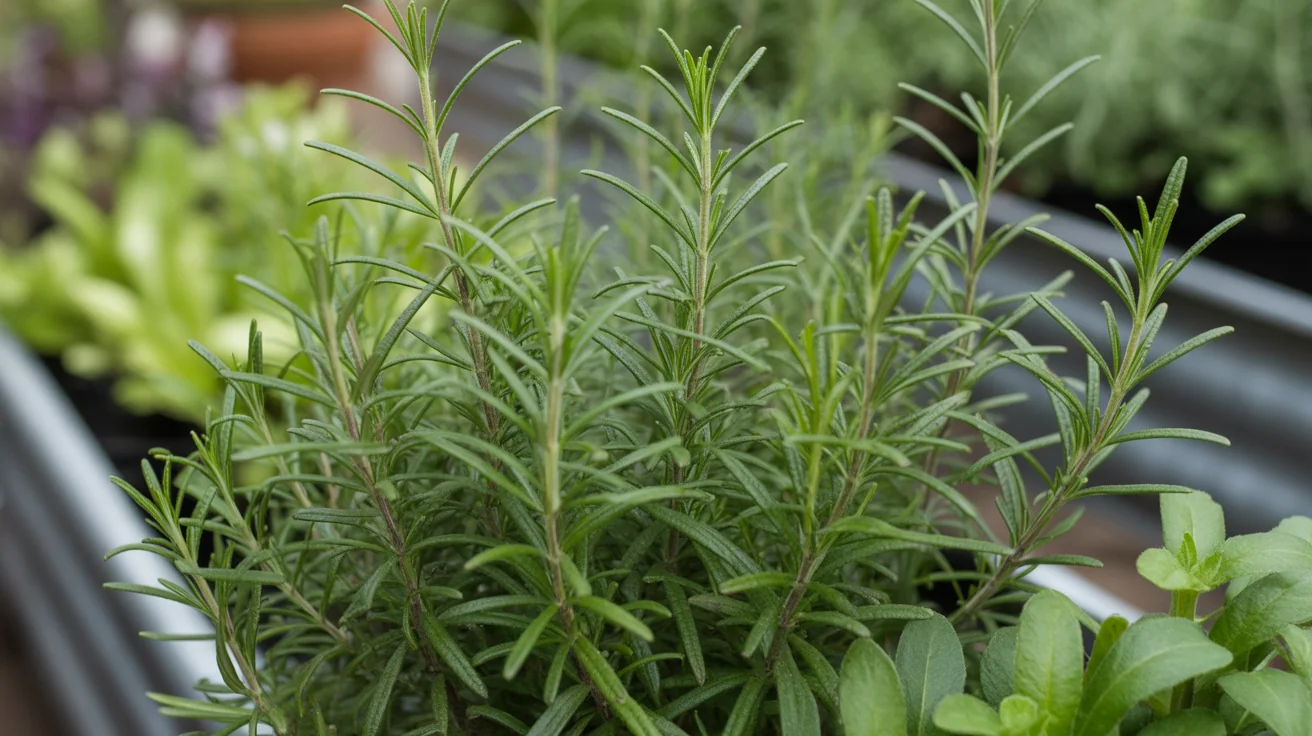
Rosemary
Rosemary is an evergreen shrub that dies far more often from wet roots and cold winters than from neglect, so the site…
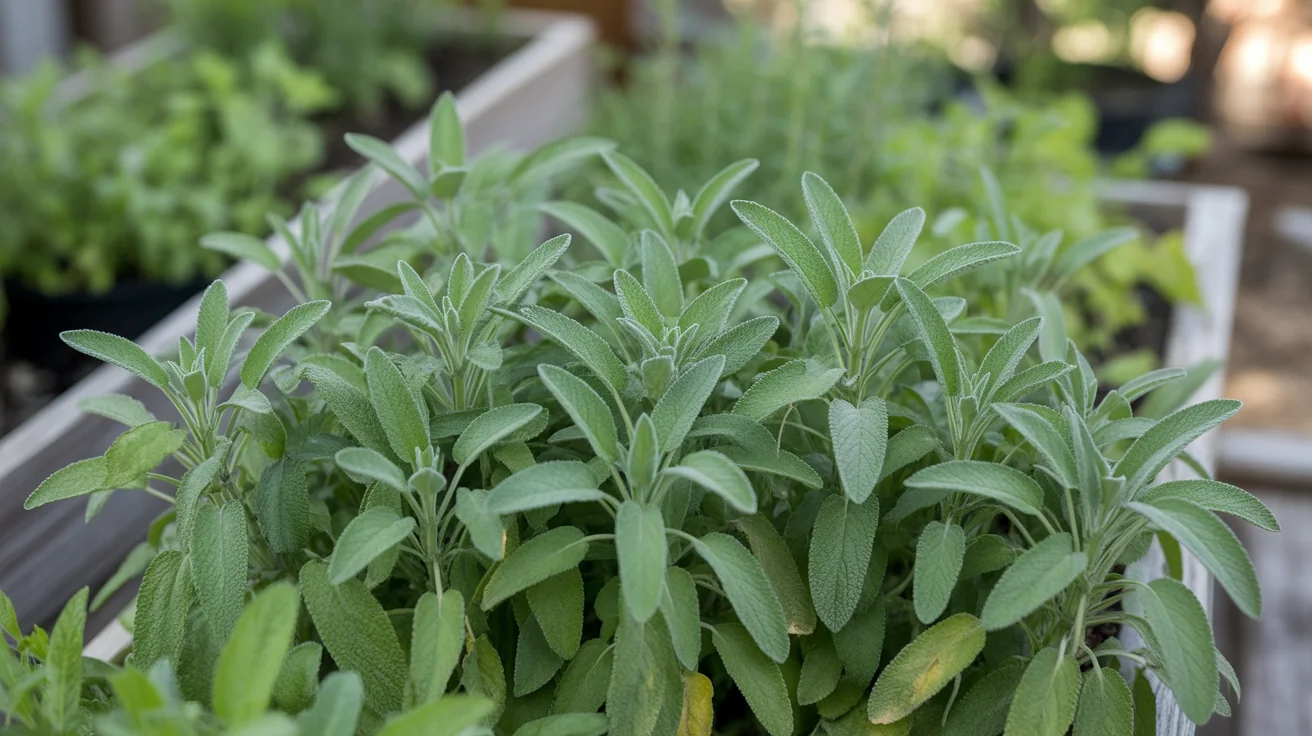
Sage
Sage is sold as a herb but grows as a small evergreen shrub that spreads wider than it grows tall, and it is…
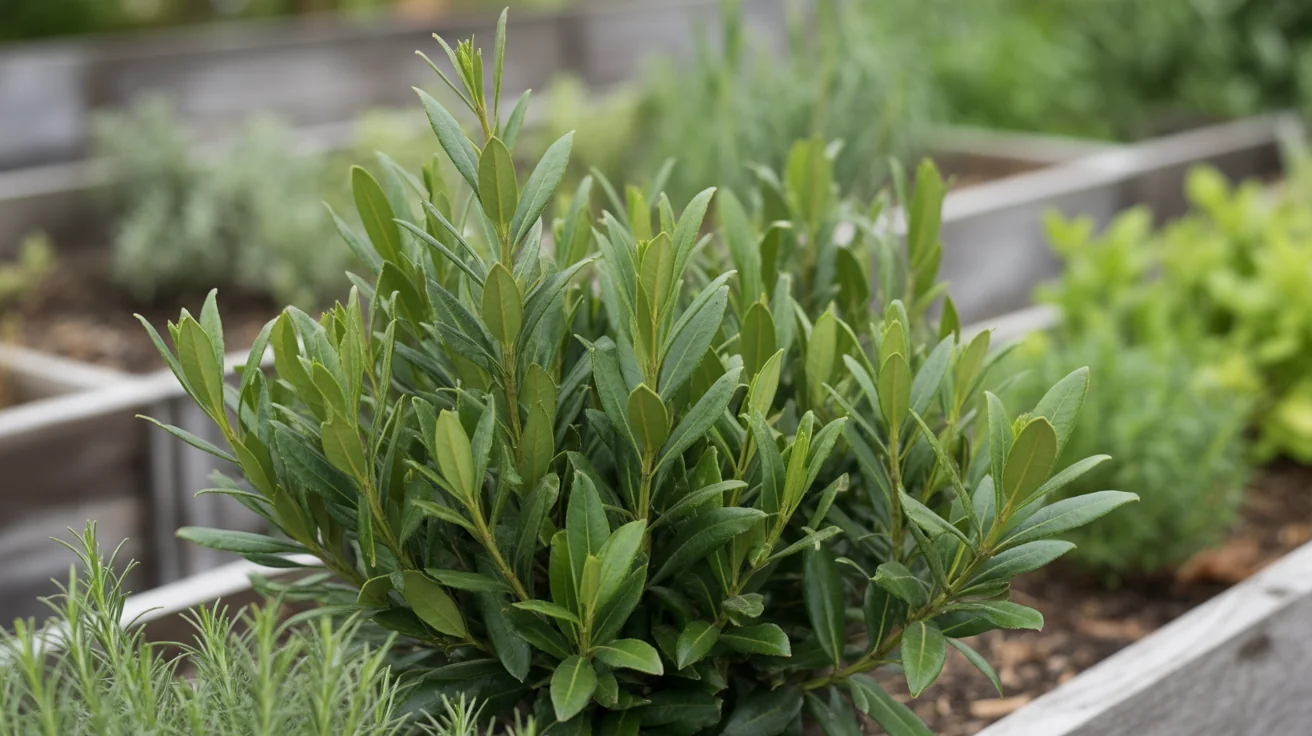
Bay Laurel
Bay laurel is a tree grown as a container plant, which is why every decision about it looks the way it does.
Frequently Asked Questions
How many herb plants do I need for a household of four?
It depends entirely on which herbs. Three or four basil plants and two parsley for a kitchen that uses them raw, against a single thyme and a single rosemary that will outlast both by years.
Can I grow all my culinary herbs in one container?
Only within one watering group. A pot of thyme, sage and oregano works because they want the same dry-down, and adding basil to it means one of the two halves is always wrong.
Should I let culinary herbs flower?
Not on the ones you grow for leaf. Flowering changes the flavour on basil and ends the leaf harvest on cilantro, though letting a few chives and oregano flower late in the season feeds pollinators and costs little.
Is it cheaper to grow herbs than to buy them?
For the ones used raw and by the bunch, easily. A single supermarket packet of basil costs more than a plant that supplies a summer, and for a herb you use twice a year the packet wins.
Which culinary herbs come back every year?
Thyme, sage, oregano, mint, chives and rosemary in mild winters. Basil, cilantro and dill are annuals and get sown again, which is a planning difference rather than a difficulty one.