verifiedGarden Guides
Pest Control
Learn how to identify pests accurately, choose targeted treatments, and prevent infestations before they spread through your garden or houseplant collection.
menu_book22Guides
potted_plant44Plants Covered
schedule11 minAvg Read Time
help116FAQs Answered
Pest Control Guides
22 Guides Availableinfo
About This Hub
Learn how to identify pests accurately, choose targeted treatments, and prevent infestations before they spread through your garden or houseplant collection. These guides are maintained from published references, practical garden context, and internal editorial review.
search
Identification Before Treatment
Spraying first and identifying later kills beneficial insects alongside pests. Ladybugs consume 50+ aphids per day. Parasitic wasps keep caterpillar populations in check. Broad-spectrum pesticides eliminate these natural predators, causing worse infestations later.
Before treating any pest, confirm identification using a macro photo and a reference guide. Many "pest" reports turn out to be beneficial organisms or cosmetic damage that doesn't threaten plant health.
Our guides include diagnostic photos and identification keys for the most common garden and houseplant pests so you can treat with precision, not panic.
pest_control
Integrated Pest Management (IPM)
IPM is a hierarchy, not a single technique. It starts with prevention (healthy soil, resistant varieties, physical barriers), moves to monitoring (sticky traps, visual inspection), then biological controls (beneficial insects), and uses chemical treatment only as a last resort.
This approach reduces pesticide use by 70–90% compared to calendar-based spraying while maintaining equivalent or better crop protection. Universities and agricultural extensions have validated IPM across every crop type.
For houseplants, IPM means quarantining new plants for 2 weeks, inspecting leaf undersides monthly, and wiping leaves with dilute neem oil as a preventive measure.
bug_report
Common Indoor Plant Pests
The four most common houseplant pests are fungus gnats, spider mites, mealybugs, and scale insects. Each requires a different treatment approach. Fungus gnats infest soil; spider mites colonize leaf undersides; mealybugs cluster at leaf joints; scale attaches to stems.
Fungus gnats are the most frequent complaint but rarely damage mature plants. They breed in consistently moist soil. Allowing the top 2 inches to dry between waterings breaks their life cycle.
Spider mites are the most destructive and hardest to eradicate. They thrive in dry, warm conditions and produce visible webbing in advanced infestations. Early detection through regular leaf inspection is critical.
pest_control
Garden Pest Prevention
Healthy plants resist pests more effectively than stressed plants. Proper spacing improves air circulation, reducing fungal disease that weakens plants and attracts secondary pests. Adequate nutrition supports the plant's own chemical defense systems.
Crop rotation breaks pest life cycles. Growing tomatoes in the same spot annually allows soil-borne pathogens and tomato-specific pests to accumulate. A 3–4 year rotation between plant families disrupts these cycles.
Physical barriers — row covers, copper tape, netting — prevent pest access without chemicals. Floating row covers exclude cabbage moths, flea beetles, and squash vine borers while allowing light and rain through.
calendar_monthSeasonal Pest Control Tips
local_floristSpring
Inspect overwintered houseplants carefully — spider mites and scale often proliferate during dry winter conditions and explode when spring growth begins.
wb_sunnySummer
Monitor outdoor plants weekly. Most pest populations peak in warm weather. Catching infestations early (under 10% of foliage affected) makes biological control viable.
parkFall
Clean up fallen leaves and spent plants to remove overwintering sites for next year's pests. Apply dormant oil sprays to fruit trees after leaf drop to smother overwintering eggs.
ac_unitWinter
Increase humidity around houseplants to discourage spider mites, which thrive in dry heated air. A pebble tray or humidifier near plants makes a measurable difference.
 Pest Control
Signs of Grubs in Lawn and How to Confirm Them
Learn how to spot real grub damage in your lawn, tell it apart from drought or disease, and confirm whether treatment is needed before you spend money.
schedule11 min readsignal_cellular_altAll Levels
Read Guide arrow_forward Pest Control
Squash Bug vs Stink Bug: Identify and Control Both
Learn the real differences between squash bugs and stink bugs, how each damages your plants, and the control methods that work without wrecking your garden ecosystem.
schedule12 min readsignal_cellular_altAll Levels
Read Guide arrow_forward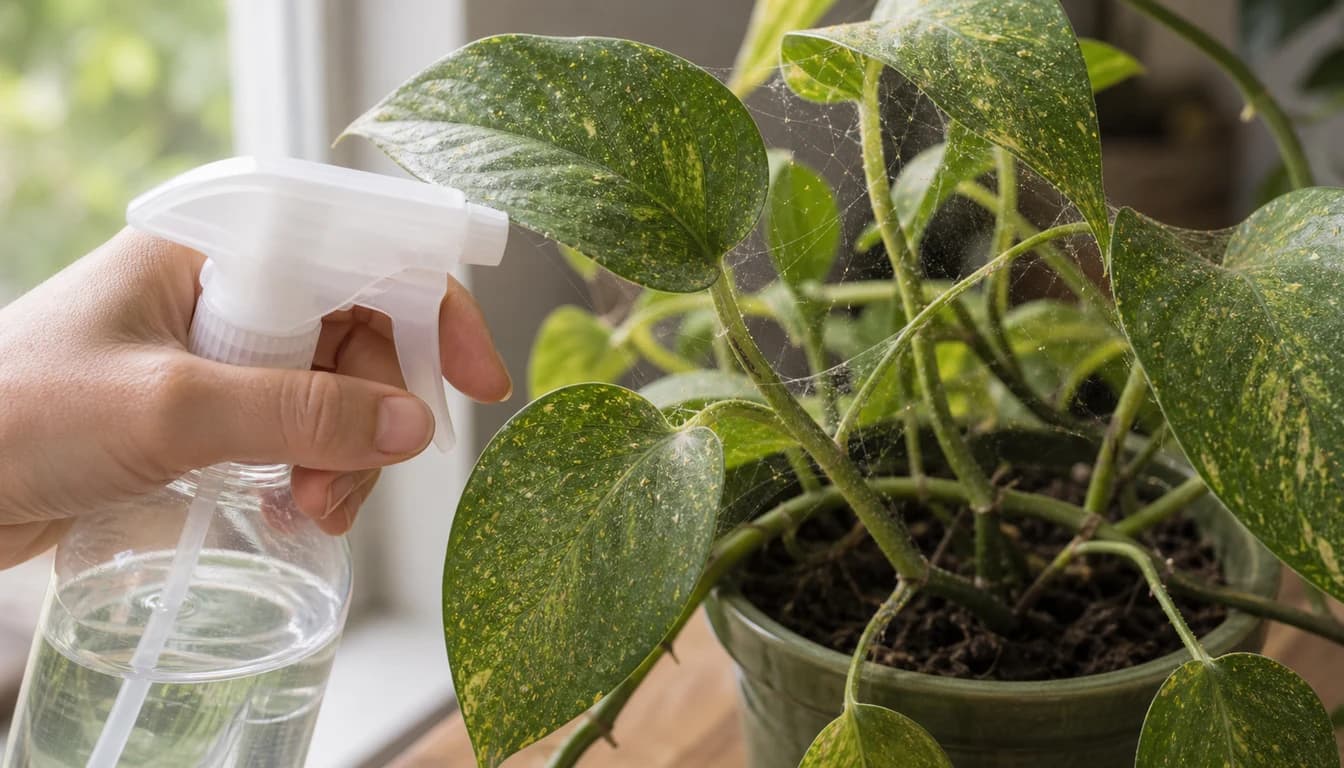 Pest Control
How to Treat Spider Mites on Houseplants
Step-by-step, home-friendly plan to find, knock back, and prevent spider mite infestations using washing, labeled soaps or oils, quarantine, and safe repeat schedules.
schedule12 minsignal_cellular_altAll Levels
Read Guide arrow_forward Pest Control
What Do Japanese Beetles Eat In Your Yard
Learn which plants Japanese beetles eat, how to spot their feeding patterns, and ways to protect your flowers, veggies, fruit, and lawn from heavy damage.
schedule11 min readsignal_cellular_altAll Levels
Read Guide arrow_forward Pest Control
Where Do Aphids Come From And Why They Keep Returning
Understand where aphids come from, how they get onto your plants, and what conditions in your yard invite repeat infestations so you can break the cycle.
schedule11 min readsignal_cellular_altAll Levels
Read Guide arrow_forwardhelpFrequently Asked Questions
What are the tiny flying bugs around my houseplants?expand_more
Almost certainly fungus gnats — small, dark flies that breed in moist potting soil. They're annoying but rarely harmful to mature plants. Let the top 2 inches of soil dry between waterings, use yellow sticky traps, and top-dress with sand or diatomaceous earth to break the life cycle.
Is neem oil safe for all plants?expand_more
Neem oil is safe for most plants when diluted correctly, but it can burn sensitive foliage if applied in direct sunlight or at high concentrations. Always apply in the evening, test on one leaf first, and avoid use on delicate ferns, calatheas, and some succulents.
How do I get rid of aphids naturally?expand_more
Blast them off with a strong water spray, then introduce ladybugs or lacewings as biological control. For persistent infestations, insecticidal soap (2% concentration) kills on contact without residual toxicity. Neem oil prevents reproduction when applied weekly.
What are the white cottony spots on my plant?expand_more
Those are mealybugs — soft-bodied insects covered in waxy white filaments. Dab individual bugs with 70% rubbing alcohol on a cotton swab for small infestations. For widespread problems, spray with insecticidal soap or neem oil weekly for 3–4 weeks to break the life cycle.
Should I use chemical pesticides in my vegetable garden?expand_more
Only as a last resort and only products labeled for edible crops. Prioritize cultural controls (crop rotation, companion planting), physical barriers (row covers), and biological controls (beneficial insects). If chemicals are needed, choose targeted options like Bt for caterpillars over broad-spectrum sprays.
How do I prevent pests on new houseplants?expand_more
Quarantine every new plant for 2–3 weeks away from your collection. Inspect leaf undersides, stems, and soil surface. Treat preventively with a neem oil drench and systemic insecticidal granules. Many infestations come from nursery stock that appeared healthy at purchase.