verifiedSource Reviewed
English Lavender: Fragrant Flowers That Demand Dry Feet
Lavandula angustifolia
Family: Lamiaceae
wb_sunnyLight
Full sun, 6-8+ hours daily
water_dropWater
Low once established; avoid wet crowns
heightHeight
12-30 inches, depending on cultivar
publicZone
Best outdoors in Zones 5-9, with drainage and winter protection near the cold edge
Native Region
Mediterranean basin
ecoKeep the Crown Dry First
English Lavender succeeds when the crown stays bright, airy, and dry. Treat it like a woody dryland subshrub, not a thirsty bedding flower, and most care choices become simpler.
Lavandula angustifolia usually stays around 12-30 inches tall, depending on cultivar and pruning. It can make a tidy hedge, a path-edge plant, a pollinator strip, or a harvest plant for dried flowers, but only if water drains away from the woody base.
The care is closer to rosemary than to thirsty border flowers. Strong sun, lean soil, and airflow matter more than compost, frequent water, or heavy fertilizer.
That woody crown is the part to protect. Once it stays wet, buried, or shaded, the top can look silver for a while even as the base starts failing.
warningThe Usual Failure
When English Lavender dies suddenly, the first suspect is wet soil around the crown or roots, not lack of fertilizer.
paletteChoose by Winter and Harvest Use
Choose English Lavender by winter survival and harvest use before bloom color. Compact cultivars work near paths and pots; taller ones give longer stems for drying, bunching, or a fuller low hedge.
Do not assume every plant labeled lavender has the same hardiness. French, Spanish, lavandin, and English types differ in cold tolerance, fragrance, flower shape, and how well they recover after pruning.
infoSelection check
If a tag is unclear, compare the plant against English and French types before buying for a cold garden. The wrong type may look perfect in May and fail the first winter.
English Lavender is usually the best bet for cold gardens, while Spanish and French types suit milder climates and containers. Choosing by winter survival matters more than choosing by flower shape alone.
For harvest, choose a cultivar with stems long enough to cut cleanly above the leaves. For edging, choose the compact plant even if its flower spikes are shorter, because flopping over a path creates more cleanup than fragrance.
HidcoteCompact, deep violet flowers, often around 18 inches, good for edging
MunsteadClassic, reliable, slightly looser habit, good cold performance
Royal VelvetLong, darker flower stems for cutting and drying
Thumbelina LeighVery compact choice for pots and narrow borders
Plant Problem — See AlsoEnglish Lavender Wilting**English Lavender** wilts most often because roots are too wet, the plant was moved in heat, or crown rot has already s
chevron_rightwb_sunnyFull Sun Keeps the Mound Tight
English Lavender needs 6-8 hours of direct sun because light keeps the mound tight and the crown dry. Shade opens the plant, weakens fragrance, and traps moisture where stems turn woody.
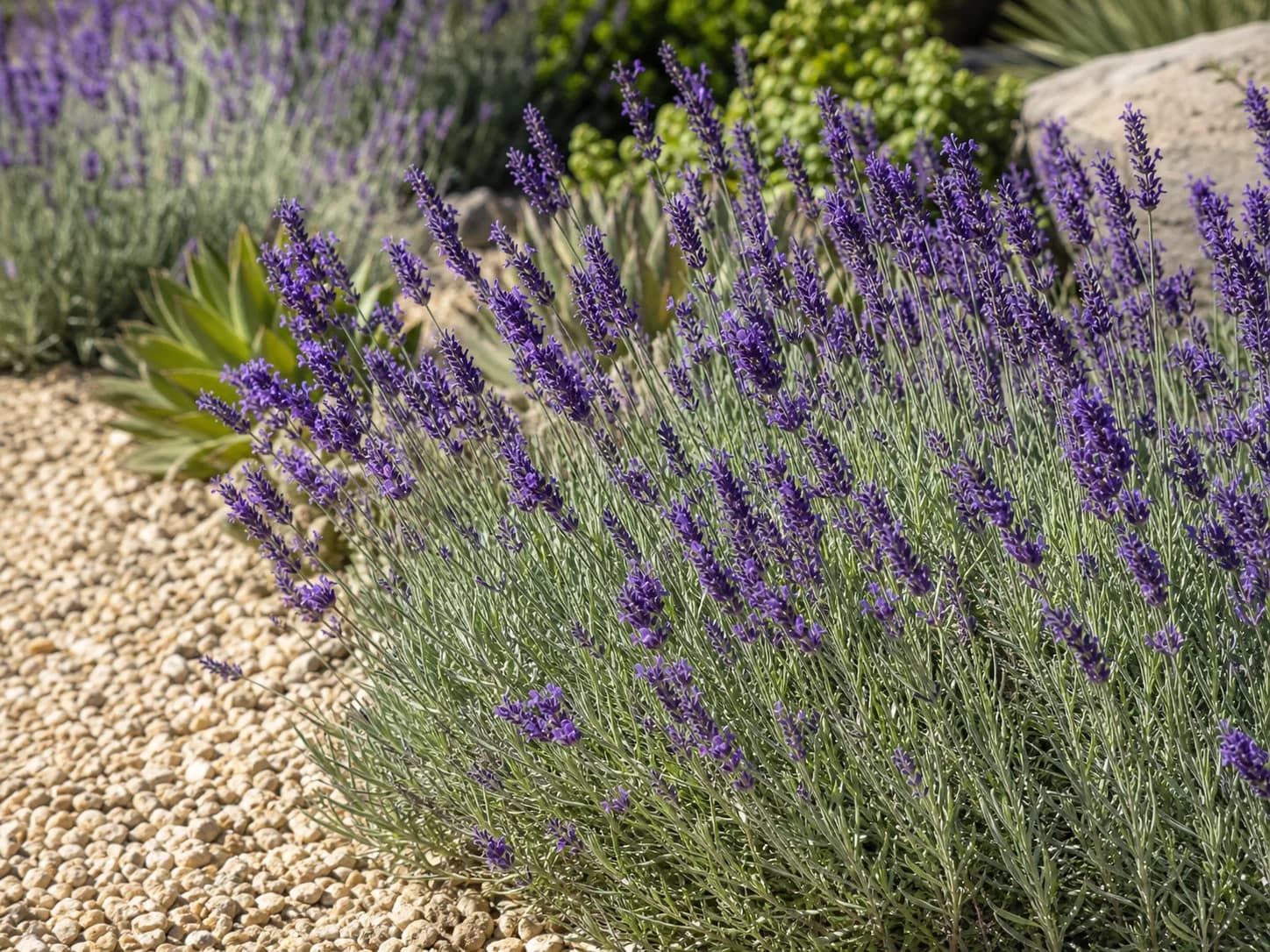
A hot south or west exposure is often better than a protected damp corner. Gravel paths, stone edges, and raised beds suit lavender because they reflect heat and dry quickly after rain.
If your site is only bright shade, choose another plant instead of forcing English Lavender to adapt. Sunny, drought-tolerant companions such as salvia or coneflower are better comparisons than shade plants.
- check_circleBest site: open sun with airflow from morning through afternoon.
- check_circleGood microclimate: raised gravelly bed, slope, or path edge.
- check_circlePoor site: under shrubs, beside lawn sprinklers, or against a damp wall.
- check_circleContainer note: rotate pots so one side does not become woody and shaded.
Email Updates
Join the KnowTheYard update list
Zone-specific advice, seasonal reminders, and new plant guides — no filler.
water_dropWater New Roots, Then Step Away
New English Lavender needs help while roots settle; established plants need restraint. The handoff from regular watering to long dry pauses is where many healthy plants are accidentally pushed into rot.
During the first few weeks, water deeply when the top couple of inches dry. After the plant is established, use deep watering only when the root zone is truly dry: soak once, then let air return around the roots.
Containers dry faster, but they also rot faster if the mix is dense. Water potted lavender only when the top 2 inches are dry, and never let the pot sit in saucer water.
warningWet Wilt Is Real
Wilting lavender in wet soil is a root problem, not a request for more water. Check drainage before reaching for the hose.
After establishment, the right miss is usually waiting one extra day, not watering one day early. Constant sips keep the surface damp and train roots to stay where rot pressure is highest.
Guide — See AlsoAir Purifying Plants for Cleaner Indoor AirLearn how to pick, place, and care for air purifying plants so they help your indoor air instead of just looking pretty.
chevron_right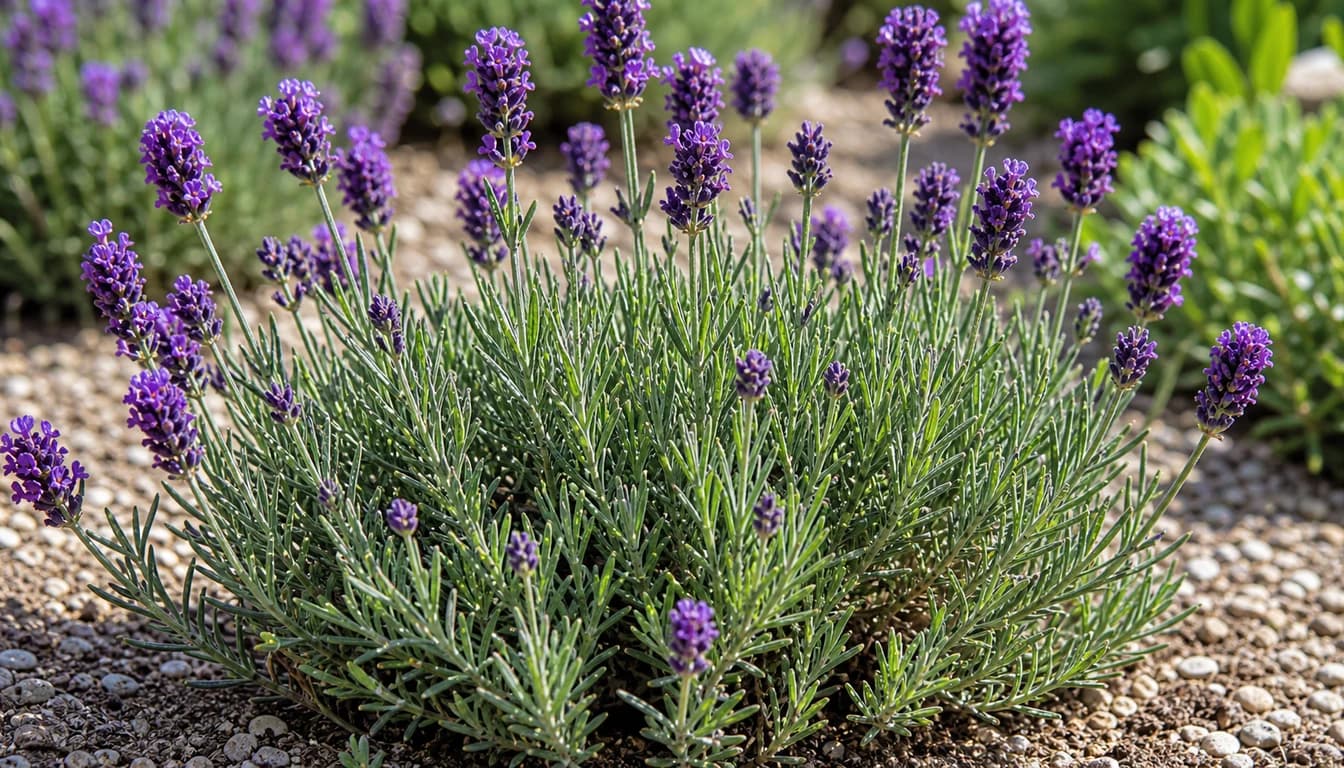
potted_plantDrainage Beats Fertility
The best English Lavender soil is lean, gritty, and fast-draining. Rich, damp soil creates soft growth that flops in summer and dies back in winter because the crown never gets a dry pause.
In clay, plant high rather than deep. A raised strip, gravelly mound, or container is safer than a deep amended hole that collects water around the roots.
Skip heavy compost and high-nitrogen fertilizer. Save that richer treatment for vegetables and follow separate guidance when you fertilize vegetable beds; lavender wants the leaner side.
In humid regions, build the whole planting area up rather than only amending the hole. A raised strip with mineral grit around the crown dries faster after summer rain; that open, lean setup does more for survival than rich compost, which can push soft growth that collapses in damp weather.
TextureGritty loam, sandy loam, or raised amended clay
DrainageWater should move away quickly after rain
MulchGravel is safer than bark around the crown
FeedingLittle to none once established; avoid lush nitrogen growth
account_treeCut Green Growth, Not Bare Wood
Pruning keeps English Lavender from turning into a hollow woody shell. Cut green, leafy growth; do not cut hard into bare brown wood where no leaves remain, because those stems often refuse to resprout.
After the main bloom, shear back spent flower stems and a small amount of leafy growth to keep the mound tight. For step-by-step timing, the dedicated deadheading spent spikes guide is useful when blooms fade unevenly.
Harvest stems when several lower florets have opened but the spike is not fully spent. The flower-stem cutting timing matters if you want strong scent and good dried stems.
For new plants, take softwood or semi-ripe cuttings from non-flowering tips. Seed-grown lavender is slower and less predictable than cuttings from a cultivar you already like.
- 1Cut 3-4 inch non-flowering shoots.
- 2Remove lower leaves and keep the stem clean below the soil line.
- 3Root in a gritty, barely moist mix.
- 4Keep bright, warm, and airy until roots form.
- 5Pot up gradually so young plants do not sit in wet mix.
Guide — See AlsoBest Herbs to Grow Indoors for Real Harvests, Not Spindly PotsChoose indoor herbs that can actually produce in your light, temperature, and container setup, then match each one to th
chevron_rightpest_controlRot Is the First Suspect
When English Lavender declines, suspect wet roots and humid crowns before insects. Aphids, spittlebugs, and mites can appear, but drainage and air movement usually decide whether the plant recovers.
Root rot shows as wilting, blackened stems, or a plant that collapses even though the soil is damp. That pattern is more serious than cosmetic spittlebug foam on stems.
warningFirst-response cue
Humid climates need extra spacing. Treat lavender more like a dry-slope plant than a lush border filler, and avoid crowding it between thirsty neighbors such as hydrangeas.
When lavender looks weak, pests are rarely the first suspect. Check drainage, humidity, shade, and overfeeding before treating, because stressed lavender often declines from the root zone upward.
pest_controlRoot rot
Wet soil, blackened crown, sour smell, and wilt that does not improve.
pest_controlSpittlebugs
White foam on stems; usually cosmetic and easy to rinse off.
pest_controlAphids
Soft clusters on tender tips, usually managed with water or insecticidal soap.
pest_controlWinter dieback
Often linked to wet crowns, freeze-thaw heaving, or pruning too late.
calendar_monthSeasonal Care Changes With Rain
Spring care starts after you can see living green growth. Remove winter-killed tips, shape lightly, and resist cutting into old woody stems just to make the plant smaller.
Summer is harvest and light-pruning season in dry climates, but it is drainage season in humid ones. Cut flowers, deadhead after the first flush, and keep the crown open enough to dry after rain.
infoSeasonal cue
Stop pruning early enough that new growth can firm before cold weather. In cold edge zones, protect young plants from wind and heaving with evergreen boughs after the ground freezes, not a wet blanket of bark mulch.
Pruning is a timing decision. Trim after the first flush or in early spring when new growth shows, but avoid cutting into old bare wood that has no green shoots; lavender rarely rebounds from hard cuts below active buds.
local_floristSpring
Trim dead tips after new growth appears and check that crowns are not buried.
wb_sunnySummer
Harvest stems, deadhead, and water only after the root zone dries.
ecoFall
Avoid hard pruning and keep foliage dry going into winter.
ac_unitWinter
Protect young plants from wind and heaving, while keeping crowns dry.
Guide — See AlsoBest Indoor Plants for Every Room and Light LevelA practical guide to choosing the best indoor plants for your home, covering beginner-friendly picks, low light champion
chevron_righthealth_and_safetyUse the Plant, Respect the Oil
English Lavender is a strong pollinator plant, especially for bees. Plant it near paths where you can enjoy the scent, but not directly beside seating if regular bee traffic will bother people.
Garden plants are not the same as concentrated essential oil. Pets that chew lavender may get stomach upset, and essential oils should be kept away from cats, small dogs, and children unless a qualified professional says otherwise.
warningSafety cue
If you want a dry, aromatic planting with similar needs, pair English Lavender with rosemary in containers or sunny beds where both get sharp drainage.
Separate garden use from kitchen use here; a plant can be excellent for bees and scent without being the right lavender for food. Use only clean, pesticide-free culinary English Lavender in small amounts because other lavender types can taste resinous or bitter.
eco
Keep Exploring
Related Plants
 Flowers
Daffodil
Daffodils are hardy fall-planted bulbs grown for reliable spring flowers, deer resistance, and decades of return bloom. Plant them deep in well-drained soil, gi
 Flowers
Liatris
Liatris, also called blazing star or gayfeather, is a hardy native perennial grown from corms for upright purple flower spikes, strong pollinator value, and eas
 Flowers
Peony
Peonies are long-lived spring perennials grown for huge flowers, fragrance, and dependable clumps that can bloom for decades. They need full sun, winter chill,
quiz
Frequently Asked Questions
Is English lavender a perennial?expand_more
Yes, English Lavender is a perennial subshrub in suitable climates, especially where winters are cold but soil drains well. Wet winter crowns are a bigger problem than cold alone.
Why does my lavender keep dying?expand_more
Lavender usually dies from wet soil, shade, humidity, rich soil, or pruning into old bare wood. Check drainage and sun before adding fertilizer or more water.
How often should I water lavender?expand_more
Water new lavender until roots establish, then let the soil dry between deep soakings. Potted plants need closer checks, but they still should not sit wet.
When should I prune English lavender?expand_more
Prune English Lavender lightly after bloom and again in spring only after new growth shows. Keep cuts in leafy growth and avoid cutting into old bare wood.
Can lavender grow in pots?expand_more
Yes. Lavender grows well in pots if the container has drainage, the mix is gritty, and the plant gets full sun. Terracotta pots often help by drying faster.
Is lavender safe for pets?expand_more
Lavender can upset pets if eaten, and concentrated essential oil is much stronger than the garden plant. Keep oils away from cats and dogs, and keep plant chewing to a minimum.
menu_book