Fertilizingschedule11 min read
When to Fertilize Your Garden for Real Results
Learn exactly when to fertilize vegetable beds, flowers, fruit, and lawns so you feed plants at the right time instead of wasting product or burning roots.
Fertilizer works on a schedule your plants care about, not the one printed on the bag. The trick is matching feeding time to soil temperature, growth stage, and your last harvest.
This guide breaks down timing for vegetables, flowers, fruit, and lawns so you stop guessing and start feeding when it helps. We will also point you toward the same logic used for tree and shrub schedules.
scienceHow Fertilizer Timing Really Works
Fertilizer timing follows plant growth, which follows soil temperature and day length. If roots are cold or a plant is resting, extra nutrients just sit there or leach away.
Most garden plants start active growth once soil is near 50–55°F. That is when early spring feeding makes sense in beds and around shrubs. Warmer soil near 60°F is ideal for heavy feeders like tomato vines and pepper plants.
Perennial flowers and shrubs, from hydrangea shrubs to hosta clumps, do best when you feed once they show strong new shoots. Fertilizing before buds swell wastes product because roots are still mostly idle.
Vegetables, annual flowers, and lawns need more frequent feeding because we push them to grow fast. Most over-fertilizing happens when people repeat a monthly schedule without looking at plant growth.
Never fertilize just because a date on the calendar came around. Check soil warmth and actual new growth first.
Use that pause as a filter before you reach for the bag.
- fiber_manual_recordCool soil rule: Hold off granular fertilizer until soil stays above 50°F most days.
- fiber_manual_recordNew growth cue: Start feeding once you see several inches of new shoots or leaf clusters.
- fiber_manual_recordBlooming rule: Avoid heavy nitrogen right before peak bloom on roses and other flowering shrubs.
- fiber_manual_recordDormant season: Skip feeding completely in deep winter or summer dormancy stress.
That is why the calendar matters less than the plant in front of you; once growth stalls, more granules rarely solve the real problem.
yardBest Times to Fertilize Vegetable Beds
Vegetable gardens respond strongly to timing. Feed too early and cool, wet soil can lose nutrients before roots wake up. Feed too late and plants stall just when you want harvests.
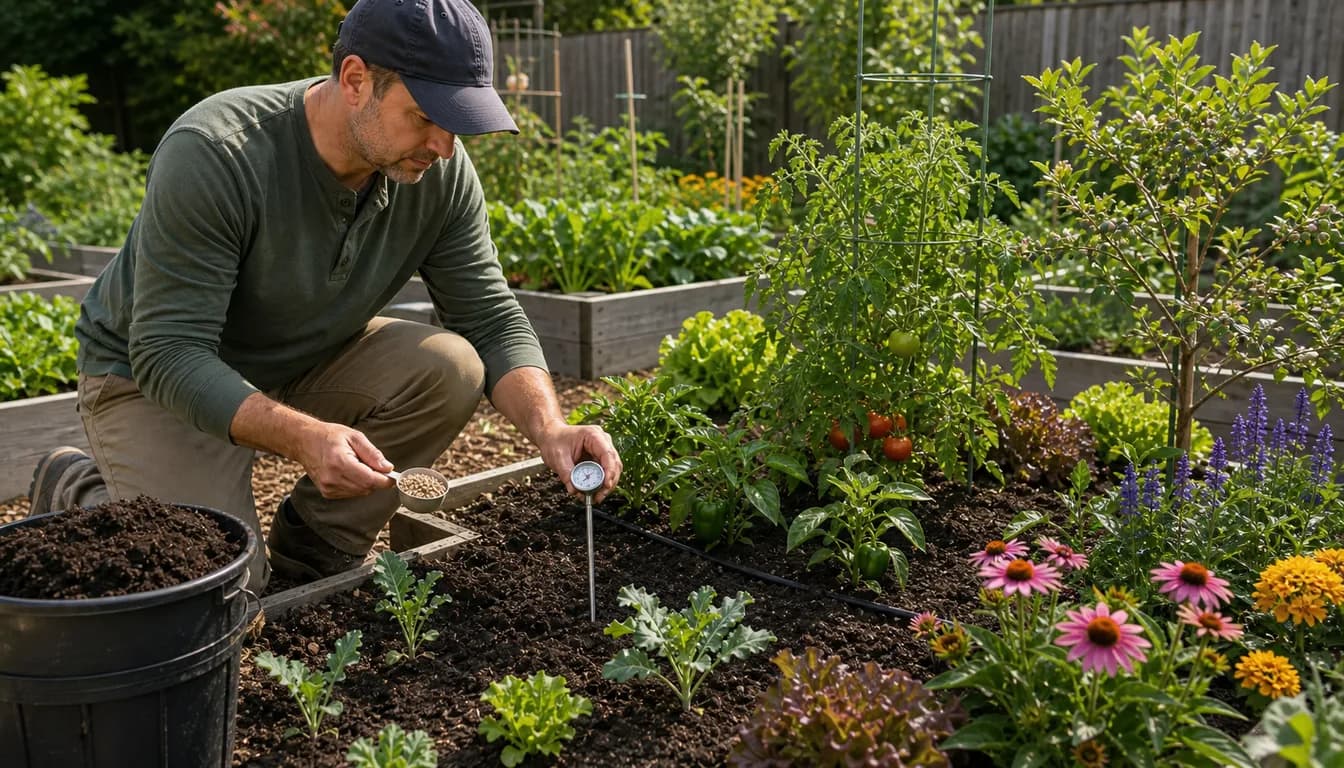
In-ground beds work best with a three step plan. First, mix a slow organic fertilizer into the top 4–6 inches of soil a week or two before planting. This base feeding supports seedlings of spinach, kale, and early pea vines without shocking them.
Second, side-dress heavy feeders about 4–6 weeks after planting. Mound a small band of fertilizer a few inches away from the stems of indeterminate tomato vines, sweet corn, broccoli heads, and pepper plants. Water it in so nutrients move into the root zone.
Third, give fruiting crops a light booster when they first set fruit. A modest dose around cucumber vines, pole beans, or zucchini plants right as you see tiny fruits can extend production.
Raised beds warm faster, so you can usually fertilize a week earlier than an in-ground plot in the same neighborhood. In colder areas, let soil warmth guide you more than the calendar.
Do not fertilize stressed plants in a heat wave or drought. Fix water and shade issues first, or fertilizer can scorch roots.
Use that rule as your stop sign, because stressed roots almost never turn into better yields after a fertilizer hit.
- fiber_manual_recordBefore planting: Work in balanced organic fertilizer 1–2 weeks ahead.
- fiber_manual_recordEarly growth: Side-dress at 4–6 weeks for heavy feeders only.
- fiber_manual_recordFruit set: Give a light booster when you see small fruits, then stop late in season.
- fiber_manual_recordMore detail: For deeper crop-by-crop rates, follow the timing in vegetable feeding plans.
That staggered approach keeps you from front-loading nutrients into cold soil, then chasing problems later with extra doses.
Guide — See AlsoWhen to Apply Fertilizer to Your Vegetable GardenLearn exactly when to apply fertilizer to your vegetable garden by soil type, crop, and growth stage so you get steady h
chevron_rightlocal_floristTiming for Flowers, Shrubs, and Perennials
Flower beds and ornamental shrubs have their own clock. Many are perennials that hate being pushed too hard with late fertilizer, especially in cold climates.
Spring blooming shrubs like lilacs, forsythia, and azaleas should be fertilized right after they finish flowering. This timing feeds the new growth that sets next year’s buds without encouraging tender shoots right before frost.
Summer bloomers including garden roses, coneflower clumps, and shasta daisies appreciate feeding in early spring as new foliage emerges. A second, lighter dose in early summer can keep them blooming in zones 6–9, but you should stop nitrogen by mid to late July in colder zones.
Shade perennials like hostas and coral bells only need a single spring feeding. They are low demand compared to annual bedding plants.
Container flowers burn through nutrients faster. Feed pots of salvia, verbena, and lantana spillers with a diluted liquid fertilizer every 2–3 weeks from late spring through mid summer.
Stop fertilizing hardy shrubs and perennials 6–8 weeks before your average first fall frost so new growth has time to harden.
That cutoff matters more than squeezing in one last “just in case” feeding.
- fiber_manual_recordSpring bloomers: Fertilize once right after flowering ends.
- fiber_manual_recordSummer bloomers: Feed in early spring, with a light repeat if needed.
- fiber_manual_recordShade perennials: One modest spring feeding is usually enough.
- fiber_manual_recordContainers: Use dilute liquid feeds every few weeks during peak growth.
Email Updates
Join the KnowTheYard update list
Zone-specific advice, seasonal reminders, and new plant guides — no filler.
parkFruit Trees, Berries, and Vines
Fruit crops live with you for years, so fertilizer timing is about long term health, not just this year’s harvest. Overfeeding pushes soft growth and can reduce fruit quality.
Young fruit trees such as apple trees, peach whips, and pear saplings benefit from light feeding in early spring just as buds swell. Use a balanced slow release product and keep it away from the trunk flare.
Established trees need less frequent fertilizer. If annual growth is 8–12 inches and leaves look deep green, you can often skip a year. If growth slows or leaves pale, feed in early spring only, following rates from your fertilizer label.
Berries including blueberry bushes, raspberry canes, and strawberry beds like an early spring feeding, then a lighter one right after harvest. Avoid fertilizing late in the season so canes and crowns harden off before winter.
Grapes and vining fruits such as grape vines and kiwi vines (if you grow them) do best with one early spring application. They are easily overfed, which turns them into leaf factories instead of fruit producers.
Never fertilize fruit trees or berries in late summer. Late nitrogen encourages tender shoots that winter cold can kill back.
Use the age of the plant to decide how much feeding it actually earns.
- fiber_manual_recordYoung trees: Light spring feeding as buds swell, yearly for the first few years.
- fiber_manual_recordMature trees: Fertilize only when growth or leaf color shows decline.
- fiber_manual_recordBerries: Feed in early spring and lightly after harvest, then stop.
- fiber_manual_recordMore timing help: For structure pruning that pairs with feeding, see fruit tree pruning schedules.
Guide — See AlsoBest Fertilizer for Vegetables by Garden TypeLearn how to pick the best fertilizer for vegetables by crop group, soil condition, and garden setup so you feed beds, r
chevron_rightecoReading Your Plants After You Fertilize
New growth tells you more about timing than the calendar does. Watch the tips and newest leaves on crops like young tomato shoots and pepper foliage for color and size changes.
Healthy, well-fed plants push out leaves that match the rest of the plant in color. They also keep the same general spacing between leaves on each stem.
Underfed plants often have pale, yellow-green new growth first, especially on demanding feeders like sweet corn stands or heading broccoli. That color shift usually shows up before plants stall completely.
Overfed plants can look deep green but soft; you may see floppy stems on tender spinach rows or burned leaf edges on potted herbs.
- fiber_manual_recordColor check: New leaves should match older ones, not be much lighter or neon green.
- fiber_manual_recordGrowth pace: Aim for steady, moderate growth, not sudden, weak, stretchy stems.
- fiber_manual_recordLeaf edges: Crispy brown edges or twisted tips can signal too much fertilizer.
- fiber_manual_recordFlower count: Lots of foliage but few blooms on garden rose shrubs points to overfeeding nitrogen.
- fiber_manual_recordRoot health: When you dig near plants, roots should be white and firm, never brown and mushy.
Those symptoms tell you whether to pause, water, or feed again.
If you see damage right after feeding, water deeply to dilute salts before adding anything else.
Use that flush first, then wait for the next round of new leaves before feeding again.
Adjust fertilizer timing based on what the new growth shows, not just what the bag schedule says.
That visual check is usually more reliable than counting weeks since the last feeding.
calendar_monthSeasonal Fertilizer Calendar by Climate
Soil temperature and your frost dates matter more than the exact month. A spring feeding in colder gardens may happen three to four weeks later than in warmer yards.
Use your average last and first frost dates as bookends. Almost all in-ground fertilizing happens between those two points for outdoor beds.
In cold climates, hold off heavy feeding until soil stays above 50°F at four inches deep. Warm zones that rarely freeze can use lighter, more frequent doses.
Container plants and evergreens break the rules a bit. They may need off-season support, but only if they are actively growing.
- fiber_manual_recordEarly spring: Side-dress overwintered crops like hardneck garlic rows and fall-planted spinach patches once growth resumes.
- fiber_manual_recordLate spring: Feed new plantings of indeterminate tomatoes, fruiting peppers, and annual flowers after they root in.
- fiber_manual_recordMid-summer: Lightly boost heavy feeders such as block-planted corn or productive zucchini hills if leaves fade.
- fiber_manual_recordLate summer: Focus on perennials and shrubs that bloom next year, like herbaceous peonies and fragrant lilacs. Stop nitrogen by six weeks before frost.
- fiber_manual_recordFall: Add slow-release organics or compost to empty beds so nutrients are waiting in spring.
The late-summer cutoff protects woody growth more than it feeds roots.
Skip high-nitrogen fertilizers on woody plants within six weeks of your first expected frost to avoid tender growth that winter can kill.
That single cutoff line keeps the late-season schedule simple, especially when weather starts swinging week to week.
Once you anchor the schedule to frost dates and soil warmth, the rest of the calendar becomes much easier to adjust for a weird spring or summer.
Guide — See AlsoCan You Fertilize Wet Grass Without Damaging Your Lawn?Learn when it is safe to fertilize wet grass, when to wait, and how moisture, product type, and weather affect burn risk
chevron_rightyardFertilizing Containers, Raised Beds, and In‑Ground Rows
Different setups burn through nutrients at very different speeds. Timing that works in deep native soil is too slow for a row of patio pots or a brand new raised bed.
Containers, especially with soilless mix, rely almost entirely on what you add. Frequent watering flushes out nutrients fast.
Raised beds have better drainage than most in-ground rows. They lose nitrogen quicker but are easier to topdress and amend.
In-ground gardens on heavier soil hold onto nutrients longer, especially if you mulch and mix in compost every year.
- fiber_manual_recordContainers: Feed small pots every 2–3 weeks with diluted liquid fertilizer once potted basil and other herbs start growing fast.
- fiber_manual_recordLarge patio tubs: Use slow-release granules at planting, then boost every 4–6 weeks for flowers and dwarf tomato vines.
Raised beds and in-ground rows can run on slower timing than pots.
- fiber_manual_recordNew raised beds: Mix in fertilizer or rich compost before planting, then side-dress heavy feeders midseason.
- fiber_manual_recordOlder raised beds: Top off with compost each spring and give a light granular dose when direct-sown carrots hit three inches.
- fiber_manual_recordIn-ground rows: Focus on pre-plant fertilizer and one midseason side-dress for crops that stay in the ground longer than sixty days.
Container rates still need the most caution.
Overfeeding containers is the fastest way to cause salt burn, always start at half the label rate for pots.
That lighter start is cheaper too, because you can always feed again after the plants show you they are actively using it.
If your containers dry out daily, expect to feed more often at a lower strength. If rain keeps beds wet, stretch the interval so you do not feed into saturated soil.
warningCommon Fertilizing Mistakes That Ruin Timing
Most timing problems come from trying to fix issues with more fertilizer instead of better watering or soil. Getting the calendar right will not help if the basics are off.
Mistakes often show up a few weeks after feeding. That delay makes it easy to blame weather instead of the last fertilizer pass.
Some plants forgive bad timing, like tough brassica greens or hardy hosta clumps. Others, such as acid-loving blueberries, react quickly to the wrong product at the wrong moment.
Knowing the big pitfalls keeps you from chasing your tail all season.
- fiber_manual_recordFeeding dry soil: Applying granules to bone-dry beds, then not watering deeply, causes root burn.
- fiber_manual_recordTreating every yellow leaf as hunger: Indoor yellowing foliage or outdoor overwatering rarely need more food.
- fiber_manual_recordIgnoring product type: Slow-release organics behave differently from quick synthetic feeds, which changes how soon plants respond.
- fiber_manual_recordFeeding stressed plants: Newly transplanted bare-root apple trees or heat-wilted spring azaleas need water and shade before fertilizer.
- fiber_manual_recordStacking products: Layering starter fertilizer, compost, and a strong liquid feed in the same week overloads roots.
Moisture stress is the stop sign that comes before every feeding schedule.
Never fertilize a plant that is drooping from drought or waterlogging, fix the moisture problem first.
If a plant suddenly looks worse right after feeding, pause all fertilizer until you understand what went wrong.
Guide — See AlsoWhen to Fertilize New Grass Without Burning ItLearn exactly when to fertilize new grass from seed or sod so it roots deeply, fills in fast, and avoids fertilizer burn
chevron_rightscienceAdvanced Timing: Matching Nutrients To Plant Stages
Plants do not need the same nutrients in the same amounts all season. Front-loading nitrogen, then shifting toward phosphorus and potassium, keeps growth controlled and productive.
Leafy crops like cut-and-come lettuce, herbs such as flat-leaf parsley, and lawns appreciate early nitrogen. Fruiting and flowering plants want more support later around bud and fruit set.
Trees, shrubs, and perennials have their own rhythm. Spring is about leaf and root push. Late summer and fall focus on hardening wood and setting buds for the following year.
You can use one balanced product all season, but adjusting timing around growth stages usually gives better results.
- fiber_manual_recordSeedling stage: Use very dilute fertilizer once true leaves appear on starts you raise indoors.
- fiber_manual_recordVegetative push: Feed nitrogen-hungry crops every few weeks until they reach about half their final size.
- fiber_manual_recordPre-bloom: Give a targeted dose two weeks before expected bloom on things like showy hydrangeas or daylily clumps.
- fiber_manual_recordFruit set: Support long producers, such as table grape vines and summer raspberries, right as flowers fade and fruit begins swelling.
- fiber_manual_recordPost-harvest: Lightly feed plants that return next year so they can rebuild roots and buds before dormancy.
Growth stage should outrank the date on the calendar.
Think in stages instead of dates so unusual weather does not wreck your feeding plan.
If you want to fine-tune even further, pair your timing with a soil test every few years and adjust specific nutrients instead of guessing from symptoms.
tips_and_updates
Pro Tips
- check_circleBase your fertilizer timing on soil temperature staying above 50°F, not just a date on the calendar.
- check_circleFeed vegetables about 4–6 weeks after planting, then again only when plants are actively setting fruit.
- check_circleFertilize spring blooming shrubs right after they flower so you support next year’s buds instead of soft fall growth.
- check_circleSkip feeding during heat waves or drought until plants are well watered and actively recovering.
- check_circleStop nitrogen on hardy shrubs, trees, and perennials 6–8 weeks before your first average fall frost date.
- check_circleUse lighter, more frequent liquid feeds for containers, but only during the months they are growing.
- check_circleWatch new growth length and leaf color on fruit trees to decide if they truly need fertilizer this year.
- check_circleFor indoor foliage, coordinate fertilizer timing with brighter months and see indoor plant feeding options.
quiz
Frequently Asked Questions
Should I fertilize right after planting my garden?expand_more
Go light right at planting. Mix compost or a small amount of balanced fertilizer into the planting area, then wait 2–3 weeks for roots to establish before giving a stronger dose, especially on vegetables and annual flowers.
Is it better to fertilize in the morning or evening?expand_more
Early morning is best. Temperatures are cooler, leaves are drier, and plants are just starting active growth. Avoid fertilizing midday in full sun or right before a heavy storm that can wash nutrients away.
How often should I fertilize raised beds?expand_more
For most raised beds, feed at planting with compost or slow-release fertilizer, then add a light side-dress every 4–6 weeks for heavy feeders. Beds rich in organic matter and compost usually need less frequent fertilizer than brand-new mixes.
Can I fertilize right before it rains?expand_more
A light rain is helpful, but a downpour is not. If a storm is forecast to drop more than an inch of rain, wait until after it passes. Heavy rain can leach nutrients deep beyond roots or wash them out of shallow beds.
Do indoor plants follow the same fertilizing schedule as outdoor gardens?expand_more
Houseplants grow slower and under steadier light, so they usually need weaker fertilizer more often. Feed most indoor plants monthly in spring and summer and reduce or pause in winter, then match product type using an indoor-focused fertilizer guide.
menu_book
Sources & References
Related Guides
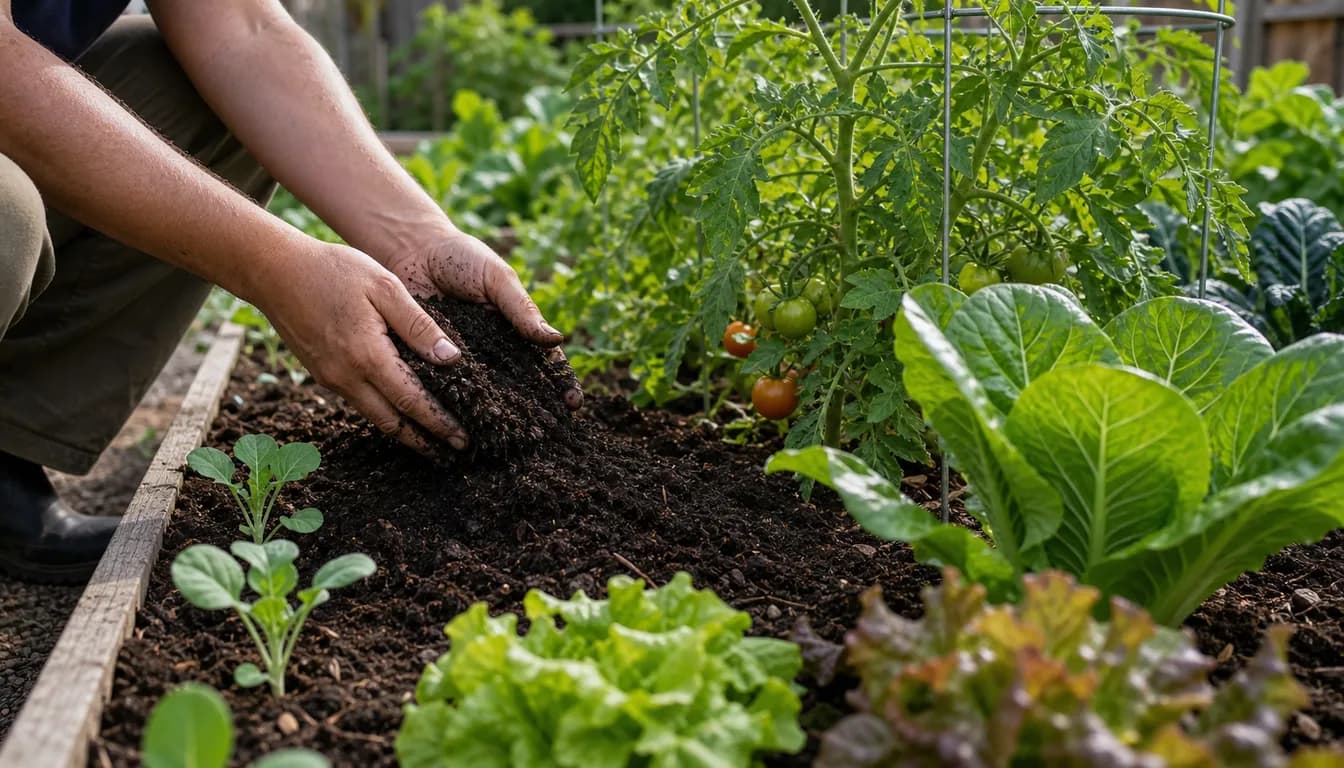
Benefits of Composting for Healthier Soil and Plants
Learn how composting turns kitchen scraps and yard waste into free fertilizer, improves soil, and boosts plant health in any size garden.
12 min read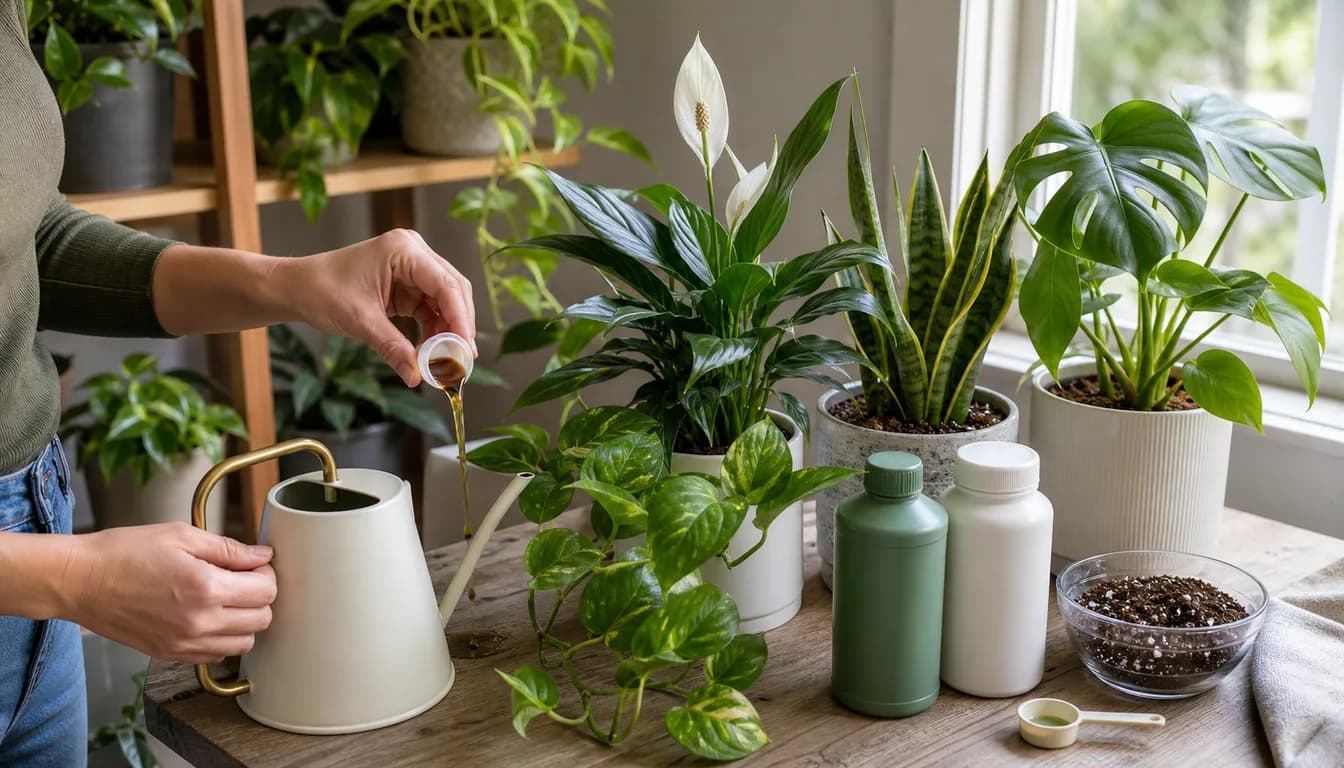
Best Fertilizer for Indoor Plants
Learn how to choose the best fertilizer for indoor plants by growth style, season, and pot size without burning roots or overfeeding slow growers.
14 min read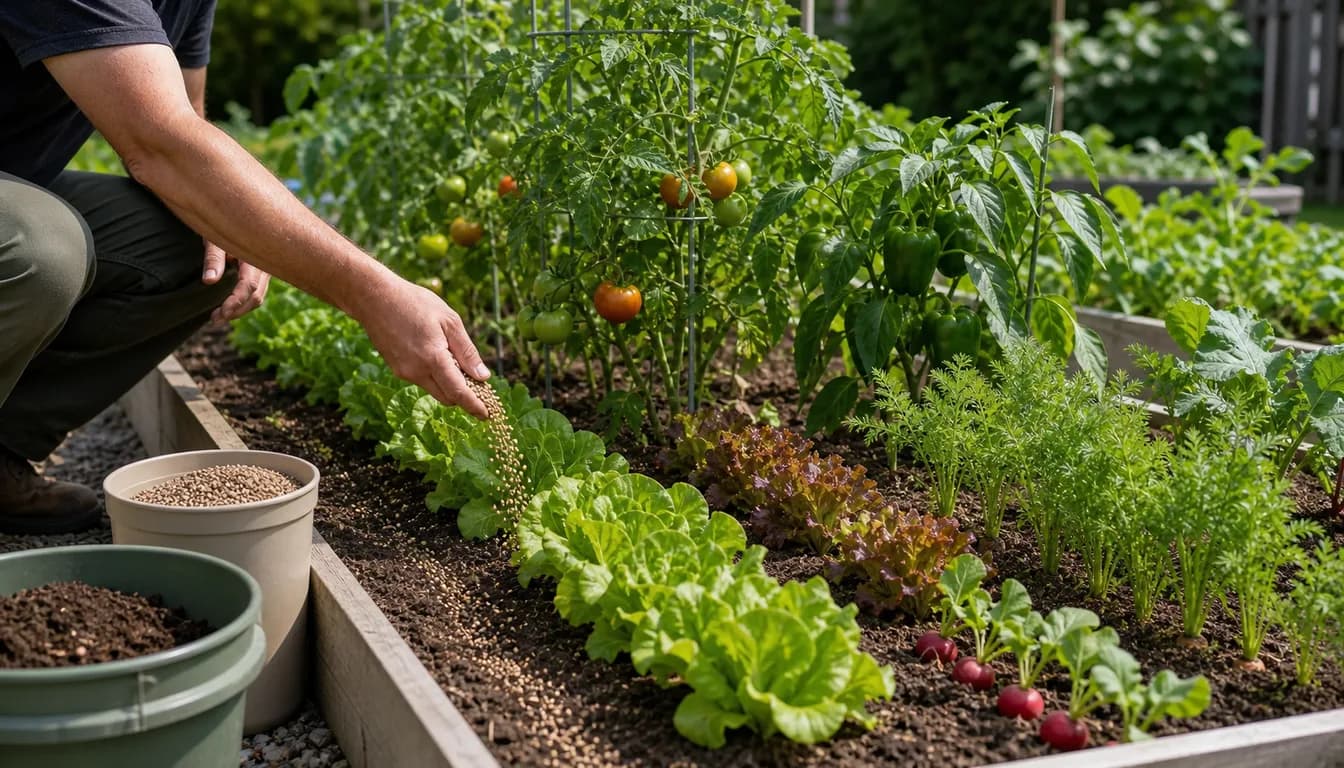
Best Fertilizer for Vegetables by Garden Type
Learn how to pick the best fertilizer for vegetables by crop group, soil condition, and garden setup so you feed beds, rows, and containers without wasting nutrients.
11 min read