Fertilizingschedule11 min read
When to Apply Fertilizer to Your Vegetable Garden
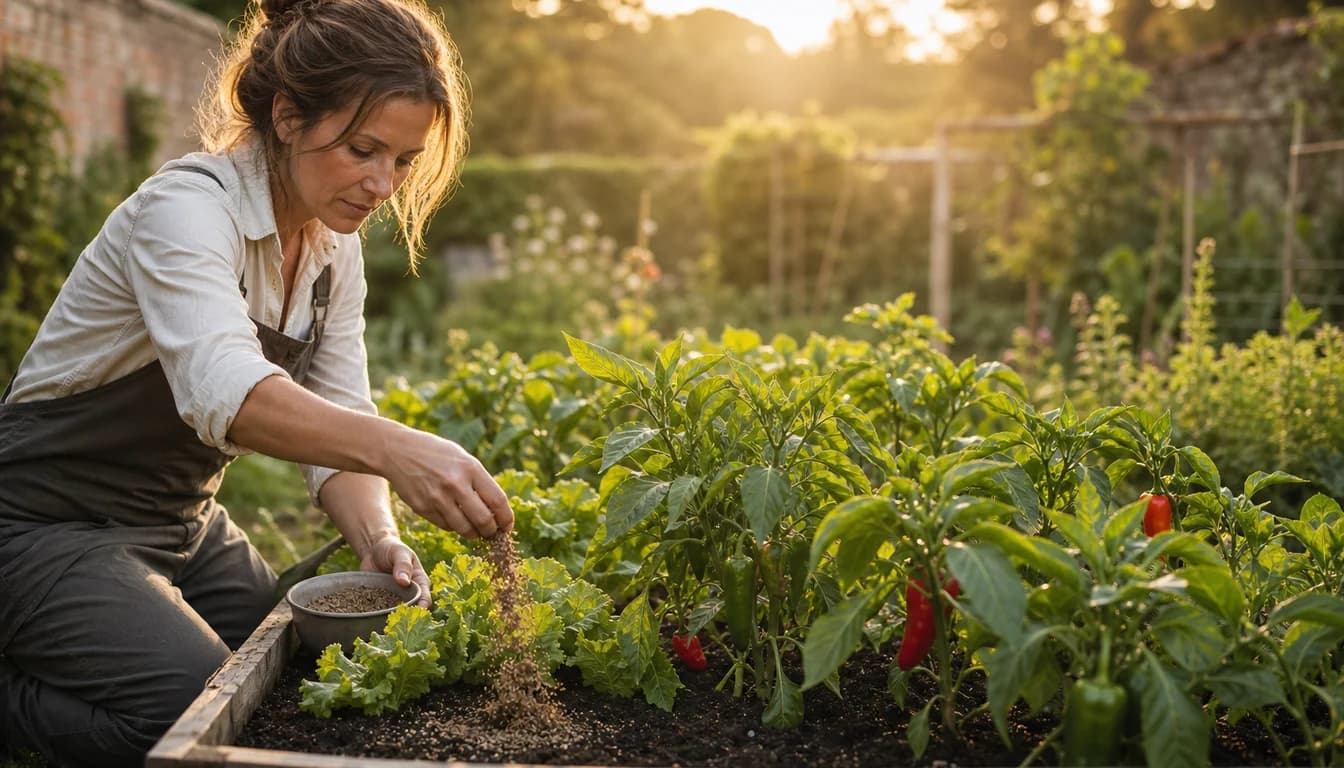
Learn exactly when to apply fertilizer to your vegetable garden by soil type, crop, and growth stage so you get steady harvests instead of burnt plants and wasted product.
Fertilizer timing decides whether your garden gives you steady baskets of produce or a lot of leaves and not much else. The label tells you how much to apply, but rarely explains when it helps.
Here we break down feeding by soil test, crop type, and growth stage so you know exactly when to apply fertilizer to a vegetable garden for real results.
We will lean on common crops like indeterminate tomatoes and pole beans as examples; the timing rules still apply across most backyard beds and raised boxes.
scienceStart With Soil Tests, Not the Calendar
The smartest fertilizer schedule starts with a soil test, not a guess. A basic lab test shows pH plus levels of nitrogen, phosphorus, and potassium so you know if your garden even needs extra nutrients.
Without that baseline, we are just adding cost and salt to the soil and hoping for the best.
Most vegetable beds only need a full lab test every 3 years. In between, use at‑home kits as a rough check, especially if growth suddenly slows or leaves look pale even when watering is right.
If your test shows high phosphorus or potassium, skip heavy pre‑plant fertilizers. Focus on light nitrogen feeding in season and more compost based organic matter instead of more bags of balanced product.
Gardeners on brand‑new beds or converted lawns usually have hungry soil. Those first seasons, a test plus a pre‑plant fertilizer worked into the top 4 to 6 inches gives vegetables a head start while the soil biology builds up.
Overapplying phosphorus is hard to undo, and it can leach into waterways. Only add what the soil report recommends.
A soil test changes the schedule more than any fertilizer brand ever will.
- fiber_manual_recordTesting frequency: Every 3 years with a lab, quick checks in between
- fiber_manual_recordBest timing: Late fall after cleanup or early spring before planting
- fiber_manual_recordTarget pH: 6.0–7.0 for most vegetables
- fiber_manual_recordAdjustments: Lime for low pH, sulfur or elemental products for high pH
Once you understand your soil, timing fertilizer becomes about matching what is missing, not following a one‑size schedule you found for some other region.
compostPre-Plant Fertilizer: Before Seeds and Transplants Go In
Feeding before you plant sets the table for the season. We are not trying to “supercharge” growth here, just building a steady pantry of nutrients in the root zone.
In existing in‑ground beds, spread a balanced granular fertilizer such as 5‑5‑5 or 10‑10‑10 at the rate on the bag, then scratch it into the top 4 inches a week before planting.
Raised beds built with a lot of compost often need less fertilizer up front. Mix in a lighter dose, about half label rate, then watch early growth and adjust with side‑dressing if sweet corn seedlings look pale or slow.
Heavy feeders, especially vining crops, like extra pre‑plant nutrition. Crops such as tomato starts, pepper plants, cucumber vines, zucchini hills, and corn blocks benefit from a band of fertilizer placed 2 inches beside and 2 inches below the seed row or transplant hole.
Never place strong fertilizer right against seeds or tender roots. Salt burn at planting is a common reason seeds fail to sprout.
That placement rule protects seedlings better than any premium fertilizer blend.
- fiber_manual_recordLight feeders: peas, bush beans, most herbs, many greens
- fiber_manual_recordMedium feeders: carrots, beets, spinach, broccoli
- fiber_manual_recordHeavy feeders: tomatoes, peppers, corn, pumpkins, cabbage
- fiber_manual_recordPre‑plant window: 7–10 days before sowing or transplanting
Getting this first application right means your early season is driven by roots establishing, not repeated emergency feedings from above.
Guide — See AlsoBest Fertilizer for Indoor PlantsLearn how to choose the best fertilizer for indoor plants by growth style, season, and pot size without burning roots or
chevron_rightcalendar_monthFertilizer Timing by Growth Stage
Vegetables do not need the same nutrients every week. Early on, they want support for roots and leaves. Once flowers appear, they shift to building fruit and storage roots.
Most gardens do better with a few well‑timed feeds than with small random doses all season.
Transplants like garden tomatoes and eggplant starts appreciate a gentle starter feeding. Use a diluted liquid fertilizer at quarter strength at transplant, then wait 2–3 weeks before the next application so roots chase soil nutrients instead of sitting on the surface.
When vining and fruiting really ramp up, timing changes again. After first flowers appear on crops like bell peppers, cucumbers, and summer squash, switch to a product with slightly lower nitrogen and steady phosphorus and potassium.
Root crops handle scheduling differently. For carrots, radishes, beets, and potatoes, stop nitrogen feeding once tops reach 6 inches. Extra nitrogen at that stage gives large leaves and skinny or forked roots.
- fiber_manual_recordAt transplanting: Quarter‑strength liquid feed around root ball
- fiber_manual_recordEarly vegetative stage: One granular or liquid feeding every 3–4 weeks
- fiber_manual_recordFlower to fruit set: Emphasize phosphorus and potassium, keep nitrogen moderate
- fiber_manual_recordFinal month before harvest: Usually no more fertilizer for roots and most greens
Matching fertilizer timing to growth stage gives you sturdy plants that keep producing instead of burning out.
Email Updates
Join the KnowTheYard update list
Zone-specific advice, seasonal reminders, and new plant guides — no filler.
thermostatSeasonal Timing: Cool vs Warm Weather Crops
Cool‑season vegetables grow in short, mild windows. They need fertilizer ready in the soil before they go in, then only a couple of small boosts before heat arrives.
Crops like spinach, kale leaves, spring peas, broccoli heads, and spring cabbage benefit from a pre‑plant feeding plus one light side‑dressing when plants reach about half their mature size.
Warm‑season vegetables run a longer marathon. Tomato vines, summer peppers, sweet corn, pumpkins sprawling, and watermelons respond to a steady but spaced schedule from transplant or sprouting until late summer.
In most zones, that means one pre‑plant application, one feeding 3–4 weeks after planting, then another just as plants begin heavy flowering. In shorter seasons like zone 4 and zone 5, you may only squeeze in two full feedings before days shorten.
Watch overnight lows and soil temperature before feeding early spring beds. Fertilizer sitting in cold, soggy soil is more likely to leach than to feed roots.
Use temperature and moisture together before you trust the calendar.
- fiber_manual_recordCool‑season window: Fertilize from soil workable in spring until temperatures stay above 75°F
- fiber_manual_recordWarm‑season window: Begin after soil reaches 60°F and frost risk passes
- fiber_manual_recordLate‑season cut‑off: Stop nitrogen feeding about 4 weeks before expected frost
- fiber_manual_recordRainy periods: Delay granular fertilizer until soil is damp but not waterlogged
Aligning fertilizer timing with your actual season length matters more than copying a schedule from warmer climates.
Guide — See AlsoCan You Fertilize Wet Grass Without Damaging Your Lawn?Learn when it is safe to fertilize wet grass, when to wait, and how moisture, product type, and weather affect burn risk
chevron_rightcompostSide-Dressing During the Season
Side-dressing keeps nutrients coming once plants are growing fast and roots have spread. Think of it as a mid-season snack for hungry crops rather than a full meal.
Heavy feeders like indeterminate tomatoes, sweet corn rows, and vining cucumbers on trellis respond best to side-dressing right as flowering and fruit set ramp up.
Always apply granular fertilizer in a shallow band 4–6 inches away from stems, not right on top of them. Then scratch it in lightly and water well so nutrients move into the root zone.
More vegetable gardens get burned from fertilizer touching stems than from using the wrong product. That small gap between fertilizer and plant base matters more than brand choice.
Use that spacing as your default every time you side-dress.
- fiber_manual_recordTiming for corn: First side-dress at 8–12 inches tall, again when tassels appear.
- fiber_manual_recordTiming for tomatoes: First fruits marble-sized, repeat 4–6 weeks later if plants look pale.
- fiber_manual_recordTiming for squash: When vines start running or plants have 6–8 true leaves.
- fiber_manual_recordOrganic option: Use composted manure or a balanced organic mix instead of straight synthetic nitrogen.
yardFertilizing Containers and Raised Beds
Pots and small raised beds burn through nutrients faster than in-ground rows. Watering leaches fertilizer out of that limited soil volume, so timing is tighter.
Mix a slow-release organic or coated synthetic into potting mix before planting container pepper plants, basil herbs, or patio cherry tomatoes. That starter charge feeds for the first 4–6 weeks.
After that, switch to a diluted liquid fertilizer on a schedule. For most containers, feeding every 10–14 days in warm weather keeps plants growing without salt buildup.
Never fertilize a bone-dry container. Water well first, then feed with your fertilizer solution during the second watering.
In raised beds, pre-mix compost and a balanced granular fertilizer before planting, then plan on one mid-season top-up. Beds packed with quick growers like radishes and beets can usually skip extra feeding.
That lighter approach keeps raised beds from building salts too quickly.
Crowded beds loaded with broccoli heads, leafy kale plantings, and repeat-picking pole beans benefit from a light broadcast of fertilizer around mid-season, followed by deep watering.
Guide — See AlsoHow Long Does Compost Take To Be Ready To UseLearn how long compost really takes to be ready, what speeds it up or slows it down, and how to tell when your pile is f
chevron_rightthermostatWeather, Watering, and Fertilizer Timing
Weather can make good fertilizer timing suddenly bad. Hot spells, cold snaps, and heavy rain all change how nutrients behave in the soil.
Hold off on feeding if a heat wave over 90°F is in the forecast. Fresh fertilizer plus heat stress makes tomatoes and peppers in full sun drop flowers instead of setting fruit.
Cold, soggy soil in early spring slows nutrient uptake. Feeding too early just lets nitrogen leach away with spring rains instead of reaching roots, especially in cooler zones with heavy soils.
Skip fertilizing right before major storms. Heavy rain can wash fertilizer into waterways and leave your garden underfed.
Pair fertilizer timing with smart watering. Deep, infrequent irrigation, like in our deep watering approach, helps nutrients move down rather than sideways. Light daily sprinkles keep fertilizer salts near the surface where roots are thinnest.
If beds flood or sit waterlogged, pause all fertilizing until soil dries to crumbly. Then use a half-strength feeding to restart growth without shocking weakened roots.
warningFixing Overfertilizing and Weak Growth
Yellowed leaves and slow growth tempt us to reach for more fertilizer, but timing a fix starts with knowing whether you have too much or too little.
Leaf tips that brown and crisp, especially on cucumber vines and zucchini plants, often mean fertilizer burn or salt buildup, not a shortage. Dark green foliage with no flowers also points to excess nitrogen.
When you suspect overfertilizing, act fast. Flush the bed with a long, gentle soak to leach salts beyond the root zone, similar to how we rescue stressed indoor peace lilies from heavy feeding.
Stop all fertilizing for at least 3–4 weeks after a flush, even if plants still look rough.
Weak, pale growth without signs of burn usually signals underfeeding or cool soil. Time your corrective feeding for late afternoon on a mild day using a diluted liquid fertilizer so plants can recover overnight.
- fiber_manual_recordFor burned plants: Flush, trim dead tissue, pause feeding.
- fiber_manual_recordFor pale plants: Apply half-rate liquid feed, repeat in 10–14 days.
- fiber_manual_recordFor blossom drop: Reduce nitrogen, focus on steady moisture.
- fiber_manual_recordFor stunted seedlings: Check roots and temperature before adding more food.
Guide — See AlsoMake Homemade Vegetable Fertilizer That Actually WorksLearn how to mix safe, effective homemade vegetable fertilizer from common ingredients, when to use each type, and how t
chevron_rightlightbulbCommon Timing Mistakes To Avoid
Most fertilizer problems in vegetable beds come from timing errors, not bad products. A short list of mistakes to avoid saves a lot of yield.
Feeding stressed plants sits at the top of the list. Recently transplanted celery starts, hail-damaged spinach rows, or drought-wilted young corn need water and recovery first, nutrients second.
A second big mistake is treating annual vegetables like shrubs in a yard. Nutrient needs change fast, unlike slower growers such as boxwood hedges covered in our tree and shrub timing guidance.
Fertilizer on the wrong day can cost more yield than skipping a week entirely. Waiting for the right growth stage usually beats sticking to the calendar.
- fiber_manual_recordToo early in spring: Nutrients leach before roots are active.
- fiber_manual_recordToo late in fall: Cool soil keeps plants from using the last feeding.
- fiber_manual_recordToo close to harvest: Leafy crops can taste harsh if overfed.
- fiber_manual_recordToo often with high nitrogen: Lush leaves, few fruits on crops like pumpkin vines and watermelon hills.
Use a simple notebook or phone app to record what you fed, when, and how plants responded. Next season, those dates will guide better timing than any generic schedule online.
That short list is worth reviewing before every midseason feeding round.
tips_and_updates
Pro Tips
- check_circleUse soil tests to set your fertilizer timing every few years instead of guessing by plant color alone.
- check_circleFeed heavy feeders like tomatoes and corn on a consistent schedule and go lighter on beans and peas.
- check_circleStop adding nitrogen to root crops once tops are about six inches tall so roots size up instead of foliage.
- check_circleWater beds the day before applying granular fertilizer so nutrients move in without crusting on dry soil.
- check_circleSwitch to lower‑nitrogen fertilizers once warm‑season crops start flowering to support fruit instead of more leaves.
- check_circleSide‑dress in a shallow trench a few inches from stems rather than piling fertilizer at the base of plants.
- check_circleSkip fertilizer for at least a month after incorporating rich compost to avoid doubling up on nutrients.
quiz
Frequently Asked Questions
Should I fertilize my vegetable garden before or after it rains?expand_more
Aim to fertilize 24–48 hours before a light to moderate rain, or water in the product yourself. Skip fertilizing right before heavy storms, because nutrients can wash away and never reach your vegetables.
How often should I fertilize tomatoes during the season?expand_more
Feed tomatoes lightly at planting, again when first fruits are marble-sized, then every 4–6 weeks if leaves pale. Container tomatoes usually need a diluted liquid feed every 10–14 days once they start setting fruit heavily.
Is it okay to fertilize stressed or wilted vegetable plants?expand_more
No. Fix moisture and temperature issues first, then wait a few days. Fertilizing heat-stressed, wilted, or recently transplanted vegetables can burn roots and slow recovery instead of helping them bounce back.
Can I fertilize vegetables right before harvest?expand_more
Go easy near harvest. Heavy nitrogen close to picking can make leafy crops taste strong and watery. For fruiting crops, stop high-nitrogen feeding 2–3 weeks before your main harvest window and focus on steady watering instead.
Do organic fertilizers change the timing for vegetable gardens?expand_more
Yes, slightly. Organic fertilizers release nutrients more slowly, so they work best applied a week or two before plants need them. You will still side-dress heavy feeders during the season, but burns are less likely at normal rates.
menu_book
Sources & References
- 1.Cornell University: Vegetable Garden Fertilizing Basicsopen_in_new
- 2.University of Minnesota Extension: Fertilizing the Home Vegetable Gardenopen_in_new
- 3.University of Missouri Extension: Garden Fertilization and Timingopen_in_new
- 4.Oregon State University Extension: Growing Your Own Vegetablesopen_in_new
Related Guides
Benefits of Composting for Healthier Soil and Plants
Learn how composting turns kitchen scraps and yard waste into free fertilizer, improves soil, and boosts plant health in any size garden.
12 min read
Best Fertilizer for Indoor Plants
Learn how to choose the best fertilizer for indoor plants by growth style, season, and pot size without burning roots or overfeeding slow growers.
14 min read
Best Fertilizer for Vegetables by Garden Type
Learn how to pick the best fertilizer for vegetables by crop group, soil condition, and garden setup so you feed beds, rows, and containers without wasting nutrients.
11 min read