Peace Lily vs Spathiphyllum
This page is about a naming problem, not two unrelated plants. Choose a labeled Peace Lily when you want more predictable size and care expectations; think in broader Spathiphyllum terms when you are shopping cultivars and want more flexibility in leaf size, habit, and bloom scale.
Spathiphyllum wallisii
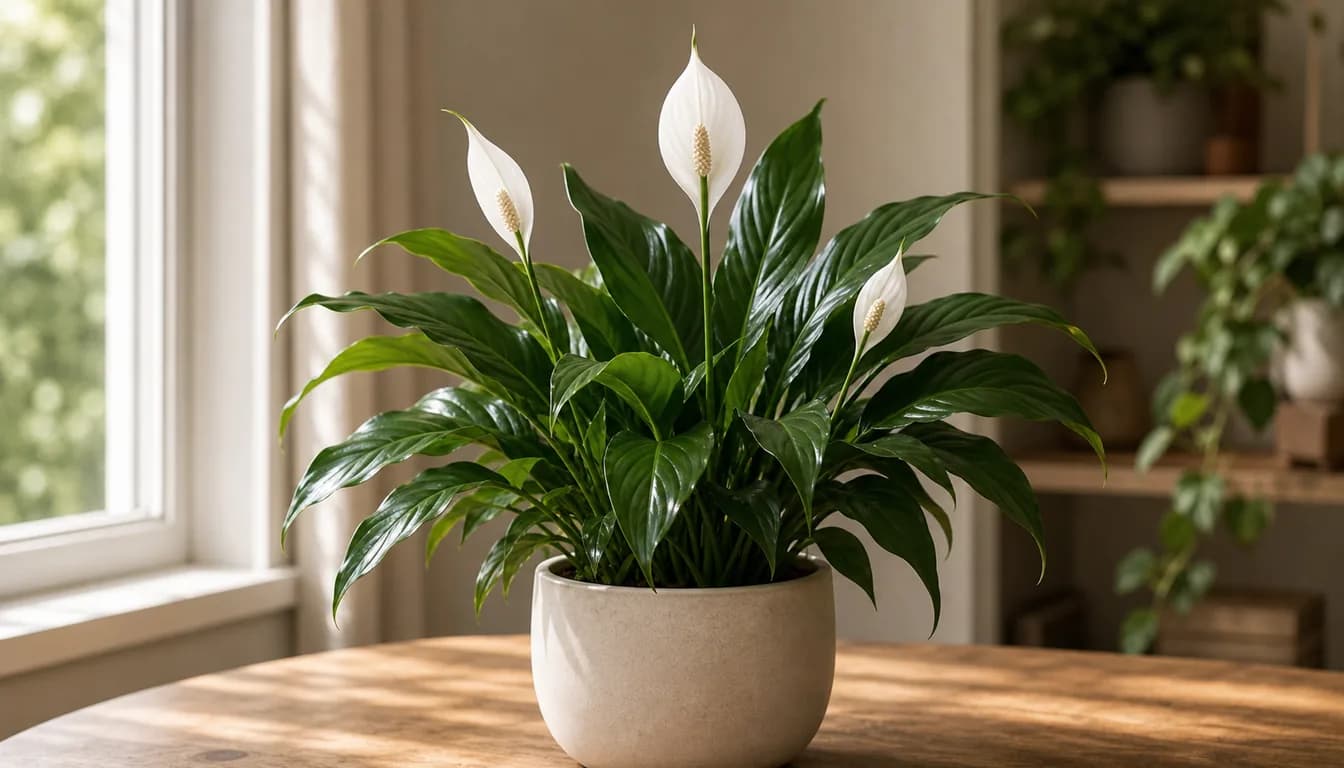
Spathiphyllum spp.
Spathiphyllum
ruleDecision Summary
People often use Peace Lily and Spathiphyllum as if they were separate plants. They are not. Peace Lily is the common retail label most buyers see, while Spathiphyllum is the broader genus that includes the familiar indoor forms plus larger or more specialized cultivars.
The real decision is simpler: buy a familiar, predictable houseplant form, or shop across the broader Spathiphyllum range. For most homes, a standard Peace Lily is easier to size and place because growers sell it with more consistent expectations.
So this compare exists for shopping clarity. Use Peace Lily as the safe common-name purchase; use the broader Spathiphyllum frame when you care about cultivar differences, mature size, and how much plant you actually want indoors.
How to Use This Guide
Match your primary use case first, then review the side-by-side specs table. The use-case cards explain where one option has a practical advantage; if your situation is different, let the specs and tradeoffs guide the choice.
This is a naming-clarity compare; most buyers do better when they understand that Peace Lily is the familiar retail version of the broader Spathiphyllum group.
KnowTheYard Editorial Team
Source-backed editorial note
compare_arrowsSpecific Use Cases
The following use cases focus on scenarios where the tradeoff actually matters. Each card names the stronger fit for that situation and explains the catch.
A winner only applies when that scenario matches your conditions. If neither scenario fits, check the side-by-side specs for the more relevant constraints.
Low-light room
Shaded living spacesWinner: Peace Lily
Consistent performance in low to medium light makes Peace Lily a safe pick for dim bedrooms or offices. Growth slows in darker corners, but leaf size and color stay predictable, so it fills space without surprising height jumps.
Species sold simply as Spathiphyllum may include types needing a bit more brightness. Some larger cultivars stretch and thin in poor light. That can leave you with tall, floppy stems instead of the dense, compact foliage people expect indoors.
Size control
Tight or flexible spacesWinner: Spathiphyllum
Typical Peace Lily forms reach a moderate indoor height, which works well as a mid-sized floor plant. You get one reliable size range, but less choice if you want either very small table plants or truly oversized statement foliage.
The broader Spathiphyllum group includes dwarf, medium, and large selections, so you can match size to shelves, tabletops, or floor spaces. That flexibility beats a single species when you are planning groupings with taller tropical companions.
Watering feedback
Avoiding overwateringWinner: Peace Lily
The dramatic wilt when Peace Lily gets dry acts like a built-in reminder, then perks up after watering. That clear signal helps avoid chronic overwatering, which is a bigger killer of indoor plants than missing a single drink.
Some Spathiphyllum varieties also droop, but response can be slower or less obvious, especially on stiffer-leaved types. Subtle cues make it harder for newer growers to judge moisture, so pairing them with a moisture meter or careful finger checks matters more.
Humidity and comfort
Dry homes and ventsWinner: Neither, both are similar humidity lovers
Peace Lily tolerates average indoor humidity but responds with brown tips if air turns very dry or sits near a vent. Performance is close to fussy foliage like calathea types, just with a little more forgiveness under stable conditions.
Most Spathiphyllum species share the same tropical background and want similar humidity. Some broader-leaved forms show crispy edges even faster in dry air. Both groups benefit from trays of pebbles and water or grouping with other houseplants for a small humidity boost.
Bloom display
White flowers indoorsWinner: Spathiphyllum
Classic Peace Lily blooms reliably under stable care, but bract size and number stay within a narrow band. You get the familiar white flag look, just not the largest or longest-lasting displays the genus can offer in bright indoor spots.
Some Spathiphyllum selections were bred for larger bracts or heavier blooming cycles, especially under strong indoor light. That makes them better if your priority is repeated, showy white flowers rather than consistent, medium-scale foliage presence all year.
paymentsCost & Upkeep
Long-term cost extends beyond the purchase price. Factor in ongoing inputs, replacement risk, equipment, and time so the cheaper option at checkout does not become the more expensive one to keep.
For Peace Lily and Spathiphyllum, the real cost difference usually shows up after purchase: water, soil, fertilizer, pruning, replacements, and how easily the plant or system recovers from mistakes.
ecoPeace Lily
- check_circleTypical starter plants cost around 12–20 dollars for a healthy 6 inch pot at most garden centers.
- check_circleMature plants can often be divided every 2–3 years, giving you free new pots or gifts for friends.
- check_circleLong-lived when watered correctly, so one purchase can stay with you for 5–10 years indoors.
- cancelNeeds more frequent watering than drought-tolerant options, so you spend extra time checking soil moisture weekly.
- cancelLarge pots require more potting mix and heavier decorative containers, raising repotting costs every few years.
ecoSpathiphyllum
- check_circleMass-produced Spathiphyllum often sells for 8–15 dollars, slightly cheaper than named Peace Lily cultivars of similar size.
- check_circleCompact forms fit smaller pots, so you save on both potting mix and decorative containers over the plant’s life.
- check_circleBetter resilience to occasional neglect can reduce replacement costs in offices where plants sometimes get forgotten.
- cancelUnlabeled hybrids make future size and flowering less predictable, which can waste money on pots that end up undersized.
- cancelSome bargain plants ship in peat-heavy soil that compacts within 1–2 years, prompting earlier repotting work and expense.
ecoResource Fit
A standard Peace Lily often has the lower shopping risk because the mature size and care pattern are easier to predict; fewer surprise giant plants means fewer emergency relocations and replacements. That same clarity matters when you compare it with other humidity-loving tropicals.
Thinking in genus terms still helps when you want a specific cultivar. The broader Spathiphyllum group lets you choose leaf size, bloom habit, and growth scale more intentionally, which can prevent buying the wrong plant twice.
The sustainable move here is buying with better naming clarity. Plant identity mistakes create unnecessary churn.
Well-cared Peace Lily plants and Spathiphyllum can live 5–10 years indoors. Long lifespans matter because they cut down on plastic pot use, potting mix consumption, and transport emissions from repeated nursery trips.
Most households water these plants every 10–14 days, depending on light and pot size. Moderate intervals mean less daily attention and no need for constant tap water use, which is helpful in areas with water restrictions.
Both plants grow well in 40–60 percent indoor humidity, which matches many heated or air-conditioned homes. You avoid running extra humidifiers for them, keeping energy use and equipment clutter around your windows lower.
Healthy clumps can often be split into 1–3 new plants every couple of years. Propagating by division lets you expand your collection or share with friends without buying additional nursery stock or shipping more pots across the country.
table_chartSide-by-side Specs
The useful rows are mature size, light tolerance, and shopping predictability. Those are the rows that explain why a generic store-tagged Peace Lily can behave differently from a larger named Spathiphyllum cultivar you order on purpose; if you are comparing overall tropical scale, contrast it with taller foliage plants.
Toxicity and watering feedback remain similar because the plants sit in the same group. The practical split is not biology so much as how precisely you are buying.
Source Notes
Metrics summarize published care ranges and common cultivar behavior. Individual performance varies by cultivar selection, microclimate, and management intensity. Consult our methodology for source standards and update practices.
| Metric | Peace Lily | Spathiphyllum |
|---|---|---|
| biotech Family | Araceae | Araceae |
| public USDA Zones (outdoors) | Warm zones only | Warm zones only |
| light_mode Light (indoors) | Low to medium | Low to bright indirect |
| water_drop Watering frequency | When top inch dries | When top inch dries |
| opacity Drought tolerance | Wilts but recovers | Low to moderate |
| eco Growth rate | Moderate | Slow to fast by type |
| yard Trailing/spread | Clumping, compact | Clumping, size varies |
| pets Pet toxicity | Toxic to pets | Toxic to pets |
| account_tree Propagation ease | Easy by division | Easy by division |
| air Humidity preference | Moderate to high | Moderate to high |
| potted_plant Soil preference | Rich, well-drained mix | Rich, well-drained mix |