English Lavender vs French Lavender
Choose English lavender for better cold tolerance and classic perfume-heavy flowers. Choose French lavender when you garden in milder winters and want longer ornamental interest from showier bracts.
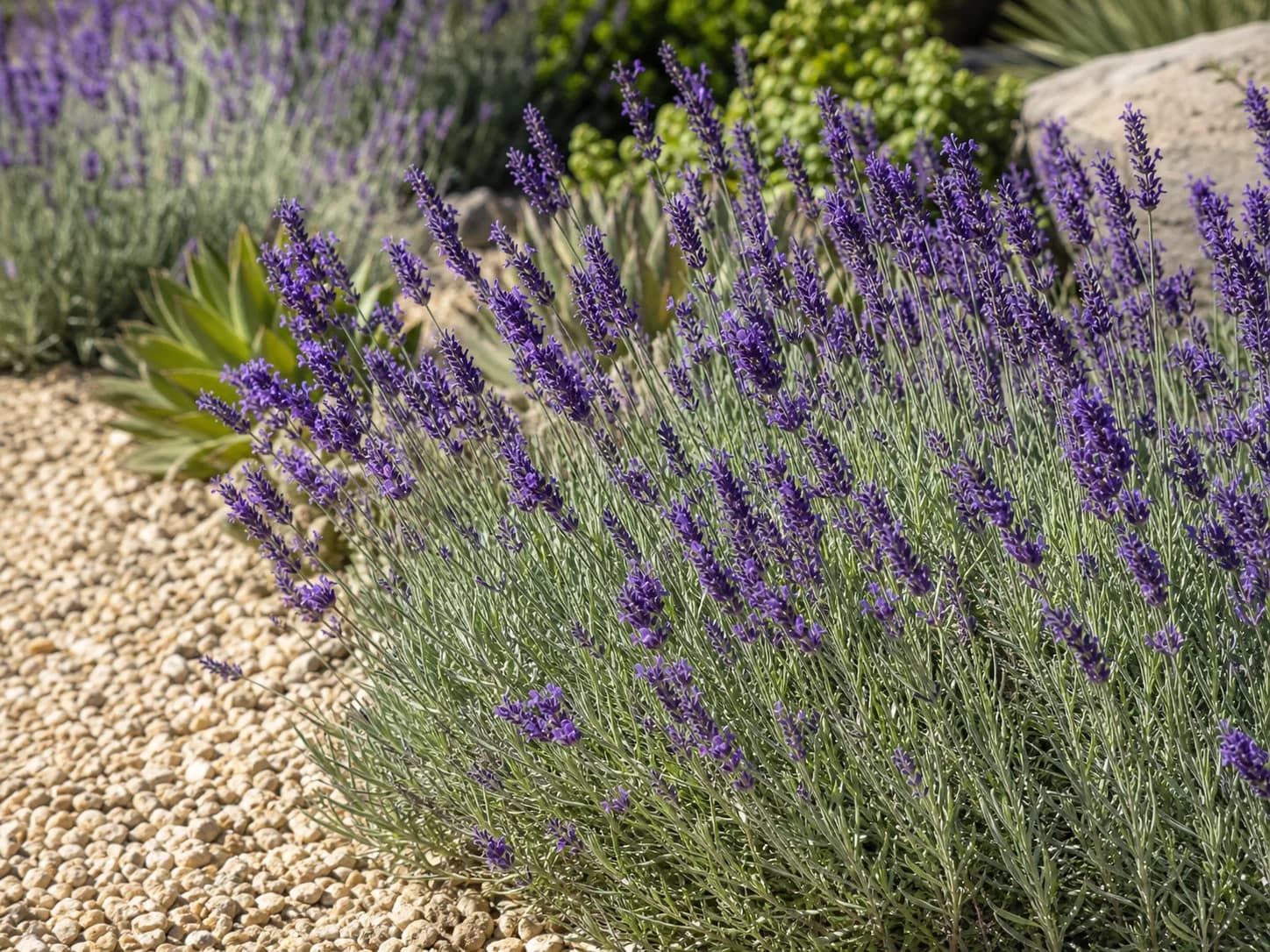
Lavandula angustifolia
English Lavender
Lavandula dentata
French Lavender
ruleDecision Summary
English lavender and French lavender look close enough in nursery pots that people treat them like interchangeable choices. They are not. The real split is winter tolerance and flower style, and that split determines whether the plant thrives or turns into a short-lived disappointment.
English types usually make more sense where winter cold is part of the deal and where dried fragrance matters. French types lean ornamental, with showier flower heads and better fit in regions that stay milder through winter, closer to the conditions that also suit other woody sun herbs.
So this compare is about climate first and ornamental goal second. Pick English lavender when you need a tougher perennial with classic scent. Pick French lavender when winter survival pressure is lower and the garden wants a longer decorative show in sunny herb beds.
How to Use This Guide
Match your primary use case first, then review the side-by-side specs table. The use-case cards explain where one option has a practical advantage; if your situation is different, let the specs and tradeoffs guide the choice.
Choose English lavender for colder gardens and traditional scent; choose French lavender for milder winters and stronger ornamental bract display.
KnowTheYard Editorial Team
Source-backed editorial note
compare_arrowsSpecific Use Cases
The following use cases focus on scenarios where the tradeoff actually matters. Each card names the stronger fit for that situation and explains the catch.
A winner only applies when that scenario matches your conditions. If neither scenario fits, check the side-by-side specs for the more relevant constraints.
Cold winter gardens
Surviving hard freezesWinner: English Lavender
Cold tolerance gives English lavender the edge in frosty beds. It handles typical winters in many temperate yards if soil drains fast and crowns stay above soggy spots, so plants return reliably without heavy protection.
Lower cold tolerance makes French Lavender risky where winters bite. It dislikes repeated hard freezes and wet, freezing soil, so it fits sheltered patios or containers that can move in colder regions rather than exposed borders.
Long blooming color
Season-long flowersWinner: French Lavender
Bloom windows on English Lavender are generous but more defined. You get a heavy main flush, then lighter rebloom if you shear spent spikes. That pattern works well beside perennial workhorses like catmint clumps that also bloom in waves.
Extended flowering is where French Lavender stands out. It often produces color over a longer season in mild climates, with repeated flushes that keep beds interesting. That longer show makes it better when continuous front-yard color matters most.
Drying and crafts
Sachets and bundlesWinner: English Lavender
Oil content and scent concentration give English lavender the advantage for drying projects. Spikes hold fragrance well in bundles and sachets, and flower shape makes tying neat bunches easier for crafts and small homemade gifts.
Fragrance from French Lavender is pleasant but lighter and a bit more herbal. Dried stems do not carry the same punch in drawers or closets, so it plays more as a fresh ornamental than a workhorse for heavy crafting and scented projects.
Low-maintenance hedging
Informal rows and edgesWinner: English Lavender
Tidy mounds make English lavender easier to clip into consistent low hedges. With yearly shaping, plants form fairly uniform lines along paths or beds that hold structure similar to compact boxwood edges without constant touch-up trimming.
Looser growth on French Lavender gives a softer, more casual outline. That looks nice in mixed Mediterranean plantings but makes straight, formal edging trickier. Plants read more like scattered accent shrubs than a sharp, repeating hedge rhythm.
Hot, mild-winter beds
Heat and shoulder seasonsWinner: French Lavender
Heat tolerance on English Lavender is solid if soil drains sharply, but high humidity or warm, wet nights can stress plants. That means more dieback in steamy climates unless you give excellent airflow and very lean, gravelly soil.
Warm, dry conditions match French Lavender’s comfort zone. It thrives in mild-winter climates where frosts are brief and soil stays dry between watering, giving long-lasting shrubs that pair well with drought-tolerant choices like rosemary and sage.
Pollinators and wildlife
Bees and beneficialsWinner: Neither, both attract pollinators well
Flower spikes on English lavender pull in bees and other beneficial insects all season. Dense clusters give pollinators efficient feeding stops, and plants sit well in mixed borders with other nectar sources without overwhelming nearby perennials.
French Lavender flowers also provide nectar-rich stops for bees and butterflies. Fluffy bracts may catch more eyes, but pollinators work both types eagerly. In mixed wildlife plantings, nectar value stays similar, so neither plant clearly outruns the other here.
paymentsCost & Upkeep
Long-term cost extends beyond the purchase price. Factor in ongoing inputs, replacement risk, equipment, and time so the cheaper option at checkout does not become the more expensive one to keep.
For English Lavender and French Lavender, the real cost difference usually shows up after purchase: water, soil, fertilizer, pruning, replacements, and how easily the plant or system recovers from mistakes.
ecoEnglish Lavender
- check_circleStarter plants usually cost $6–$12 each, and established clumps can be divided to expand beds cheaply over time.
- check_circleCold hardiness reduces replacement spending for Zone 5–7 gardeners, since plants often live five years or more with decent pruning.
- check_circleDried buds for sachets and projects offset plant cost, since one mature row can supply dozens of small gifts yearly.
- cancelRequires a sharp annual trim that might take an hour or two for a long hedge to prevent woody, splitting centers.
- cancelPoor drainage often kills plants, so you may invest in raised beds or gravel amendments for heavy clay soils.
ecoFrench Lavender
- check_circlePlants are similarly priced at $6–$12, but longer bloom in warm climates increases visual payoff per dollar over the season.
- check_circleFast growth in frost-free gardens lets you fill a bed within one to two seasons instead of waiting several years.
- cancelIn zones with real frost, frequent winter losses mean buying replacements every year or two, which raises long-term costs.
- cancelLimited use for dried crafts or oil means you get mostly visual value, not extra savings from homemade lavender products.
- cancelProtection or greenhouse space in cooler regions adds to costs if you want to overwinter favorite plants instead of replanting.
ecoResource Fit
English lavender often has the lower replacement rate in colder gardens because it is the form more likely to survive the winters that kill softer lavender types.
French lavender can still be efficient in mild regions, but in colder sites it often becomes a repeated replant rather than a settled perennial.
Lavender sustainability is mostly about matching hardiness to site. The wrong lavender is a disposable lavender.
Mature English Lavender often lasts 5 to 10 years in well-drained soil, while French Lavender tends to be shorter-lived. Planning for replacement every 3 to 5 years keeps beds looking intentional, not patchy.
Deep watering about once a week, or even every 10 days in heavier soils, keeps both types happy after establishment. Compared with thirstier flowers needing water every 2–3 days, that saves many gallons each month.
English Lavender handles roughly Zones 5 to 9, while French Lavender prefers Zones 8 to 10. Matching plant choice to your zone reduces losses and avoids trucking in replacements from distant growers every spring.
Most gardeners can skip fertilizer entirely or give just one very light feeding per year. Compared with heavy feeders needing monthly applications, that means fewer inputs, less runoff risk, and lower long-term maintenance.
table_chartSide-by-side Specs
The decisive rows are hardiness, bloom form, and fragrance use. Those are what justify a separate English-versus-French route instead of a generic lavender article.
Do not overfocus on color alone. The better plant is the one whose winter tolerance and flower habit actually suit your yard and your intended use.
Source Notes
Metrics summarize published care ranges and common cultivar behavior. Individual performance varies by cultivar selection, microclimate, and management intensity. Consult our methodology for source standards and update practices.
| Metric | English Lavender | French Lavender |
|---|---|---|
| biotech Family | Lamiaceae | Lamiaceae |
| thermostat USDA Zones | Typically 5–9 | Typically 8–11 |
| wb_sunny Light (outdoors) | Full sun | Full sun |
| light_mode Light (indoors) | Bright south window | Bright south window |
| water_drop Watering frequency | Deep, infrequent | Deep, infrequent |
| opacity Drought tolerance | High once established | High in dry heat |
| eco Growth rate | Moderate | Moderate to fast |
| yard Trailing/spread | Compact mounds | Looser, wider form |
| pets Pet toxicity | Generally low risk | Generally low risk |
| account_tree Propagation ease | Easy from cuttings | Easy from cuttings |
| air Humidity preference | Prefers dry air | Prefers dry air |
| potted_plant Soil preference | Lean, well-drained | Sandy, very free-draining |