
ruleDecision Summary
Lavender wants sun and drainage for fragrance and bloom. Rosemary wants the same conditions for savory evergreen structure. They earn their keep differently. Lavender is the fragrance-and-bloom shrub. Rosemary is the savory evergreen workhorse.
That difference matters because gardeners often plant them for the wrong reason. Someone who mainly cooks with herbs may get more value from Rosemary in one season than from years of Lavender bloom. Someone designing a pollinator bed may get more pleasure from Lavender even if it barely reaches the kitchen.
So the decision frame is use priority, not just climate. Buy Lavender when fragrance and flower texture are the point. Buy Rosemary when you want an herb shrub that contributes to meals as often as it contributes to structure, similar to other Mediterranean herb tradeoffs.
How to Use This Guide
Match your primary use case first, then review the side-by-side specs table. The use-case cards explain where one option has a practical advantage; if your situation is different, let the specs and tradeoffs guide the choice.
Pick Lavender for fragrance and bloom value; pick Rosemary when your garden needs a sunnier, more edible evergreen shrub.
KnowTheYard Editorial Team
Source-backed editorial note
compare_arrowsSpecific Use Cases
The following use cases focus on scenarios where the tradeoff actually matters. Each card names the stronger fit for that situation and explains the catch.
A winner only applies when that scenario matches your conditions. If neither scenario fits, check the side-by-side specs for the more relevant constraints.
Cold climate beds
Short-season, frosty wintersWinner: Lavender
Winter hardiness gives Lavender the edge in cold-climate beds. Many hardy types pull through in Zone 5 as long as drainage is sharp, so you still enjoy flowers and fragrance where harsh winters wipe out less tolerant Mediterranean herbs.
Tender wood makes Rosemary riskier where winters dip well below freezing. Even hardy forms usually stay comfortable only around Zones 7 to 9, so it often dies back or needs heavy protection in truly cold regions.
Fragrance and pollinators
Borders and pathsWinner: Lavender
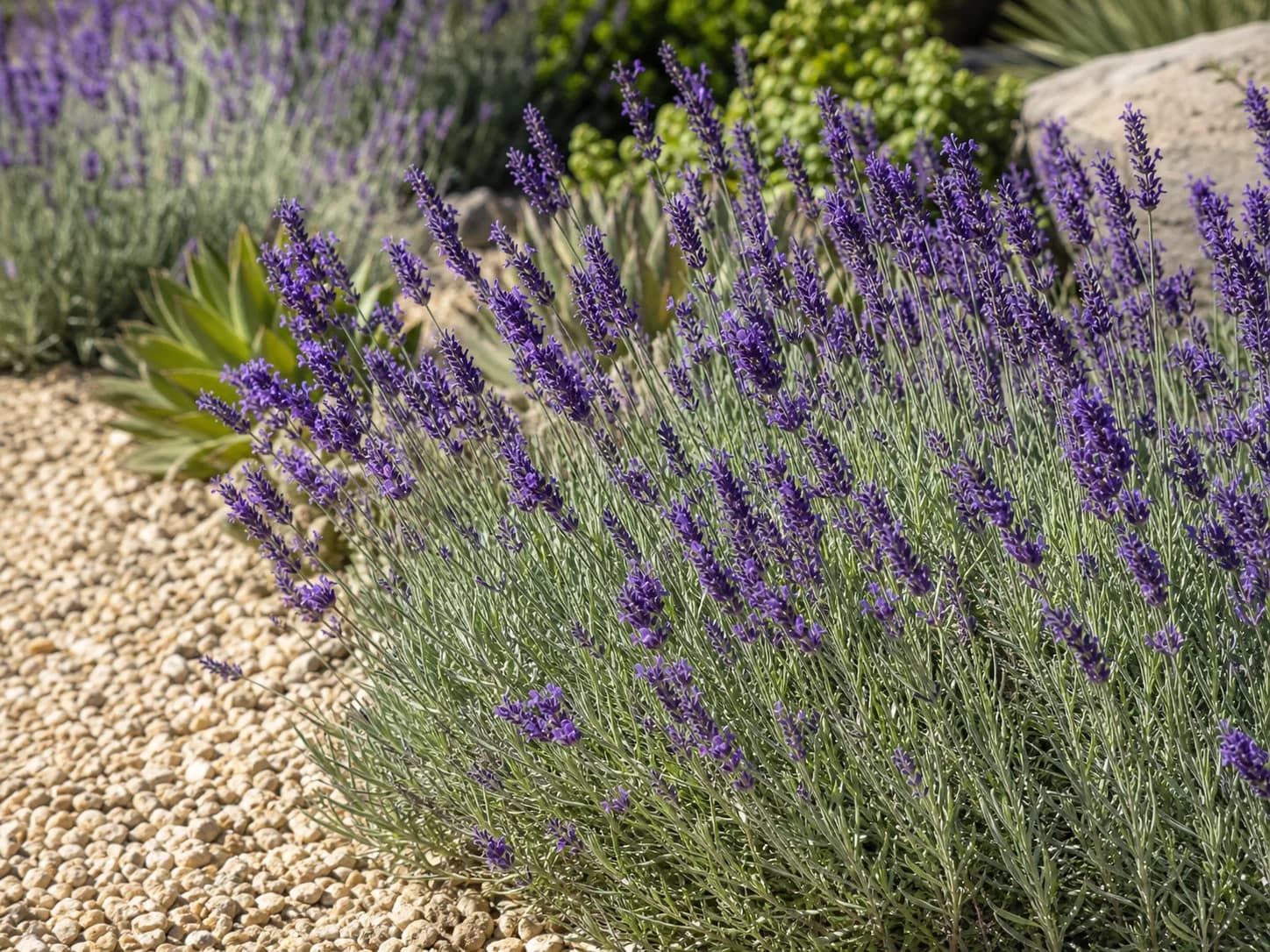
Flower spikes and silvery foliage give Lavender bold visual presence and powerful fragrance in bloom. At peak season, bees and butterflies swarm the plants, making it a standout choice for backyard pollinator plantings.
Woody stems and smaller flowers mean Rosemary smells best only when brushed or clipped. It still feeds pollinators, but the show is less dense and less colorful, so borders feel more structural than floral during peak bloom.
Cut stems and crafts
Drying and sachetsWinner: Lavender
Long, straight flower stalks make Lavender the natural choice for drying into bundles, weaving into wreaths, and tucking into scented sachets. The color stays vivid after drying, and the fragrance lingers in small spaces far longer than most other dried herbs.
Short, bushy sprigs give Rosemary less presence in dried arrangements. Use it in small bundles and holiday decorations, but expect the needles to darken faster and the aroma to fade sooner, so let it support showier stems rather than star on its own.
Everyday cooking
Fresh kitchen useWinner: Rosemary
Light, floral flavor keeps Lavender in a niche corner of the kitchen. You tend to reach for it in teas, simple syrups, or baking, and a heavy hand can quickly overpower a recipe, so most gardeners end up clipping it far less often.
Savory, piney needles put Rosemary at the forefront of roasting pans and grills. Stems season potatoes, chicken, and bread week after week in many kitchens, so you harvest it often and see clear payoff from even a single mature plant.
Low-water plantings
Hot, dry spotsWinner: Neither, both are very drought tolerant
Deep roots and narrow leaves help Lavender ride out long dry spells once it’s established. Give it infrequent, deep watering, and avoid heavy soils that hold moisture, especially in raised beds or large containers where poor drainage can cause it to sulk or rot.
Tough, resinous foliage lets Rosemary thrive in hot, lean soils. It shrugs off missed waterings and holds its foliage year-round in mild climates, so for low-maintenance dry gardens both herbs perform at a very similar level.
paymentsCost & Upkeep
Long-term cost extends beyond the purchase price. Factor in ongoing inputs, replacement risk, equipment, and time so the cheaper option at checkout does not become the more expensive one to keep.
For Lavender and Rosemary, the real cost difference usually shows up after purchase: water, soil, fertilizer, pruning, replacements, and how easily the plant or system recovers from mistakes.
ecoLavender
- check_circleStarter plants often cost $5–$12 each, and a single clump expands into a noticeable mound within two to three seasons.
- check_circleLow ongoing costs once established because Lavender usually needs little fertilizer and thrives in poorer soils you already have.
- check_circleDried stems and flowers can be bundled for sachets or crafts, turning pruning waste into useful home products at zero extra cost.
- cancelReplacement costs add up in humid or wet climates where plants may decline after 4–6 years of repeated winter moisture stress.
- cancelInitial bed preparation may require adding grit or crushed stone for drainage, which raises material costs compared with typical garden soil.
ecoRosemary
- check_circleOne healthy Rosemary plant in a $5–$15 range can supply most households with fresh sprigs for many meals each week.
- check_circleEvergreen foliage in mild climates means no need to replant annually, spreading your original purchase over many winters.
- check_circleContainer culture lets you overwinter plants indoors, saving replacement costs in zones colder than Zone 7 where in-ground shrubs often die.
- cancelIndoor overwintering may require a bright grow light that adds both equipment expense and a few extra dollars of yearly electricity use.
- cancelSlow growth in cool climates delays harvestable size, so you might buy a larger, pricier plant to get immediate kitchen use.
ecoResource Fit
Both herbs can be low-input once established in sharp drainage, but Rosemary usually gives more edible volume from the same footprint in mild climates.
Lavender often wins the ecological case in pollinator-focused beds because bloom is a bigger part of the job than leaf harvest.
The better long-term plant is the one whose main output you actually use. Unused blooms and unused sprigs are both decorative waste.
Established shrubs can stay productive for 5–10 seasons if pruned correctly. This longer lifespan spreads the environmental cost of nursery production and transport over many years compared with short-lived annual herbs.
Together, Lavender and Rosemary cover roughly Zone 5 through 10 with careful siting. Matching each herb to its comfort zone means fewer winter losses and less replanting, which cuts long-distance shipping and plastic use.
Typical home varieties settle around 16–24 inches tall in beds. That compact size fits small gardens while still shading soil enough to reduce evaporation and suppress some weeds between larger shrubs.
Both herbs tolerate lean soil and usually need only light feeding each year. Lower nutrient demand means fewer manufactured fertilizers, which can help reduce nutrient runoff and synthetic input use in home gardens.
table_chartSide-by-side Specs
Look first at cold tolerance, pruning style, and edible use. Those are the rows that keep this from being a generic Mediterranean-herb compare.
Drainage matters to both, but the reason differs slightly. Lavender resents humidity and winter wet more, while Rosemary often wins on kitchen utility when the climate supports it and when you still want room for smaller edging herbs.
Source Notes
Metrics summarize published care ranges and common cultivar behavior. Individual performance varies by cultivar selection, microclimate, and management intensity. Consult our methodology for source standards and update practices.
| Metric | Lavender | Rosemary |
|---|---|---|
| biotech Family | Lamiaceae (mint family) | Lamiaceae (mint family) |
| thermostat USDA Zones | Roughly Zones 5–9 | Roughly Zones 7–10 |
| wb_sunny Light (outdoors) | Full sun, 6+ hours | Full sun, 6+ hours |
| light_mode Light (indoors) | Bright south window | Bright south or west |
| water_drop Watering frequency | Deep soak every 1–2 weeks | Deep soak every 1–2 weeks |
| opacity Drought tolerance | High after establishment | Very high once woody |
| eco Growth rate | Moderate mounding growth | Moderate to fast shrub |
| height Trailing or spread | Compact mounds, limited spread | Upright, wider woody base |
| pets Pet toxicity | Generally low concern | Mildly concerning if eaten |
| account_tree Propagation ease | Easy from cuttings | Easy from cuttings |
| air Humidity preference | Dry air preferred | Dry to average air |
| grass Soil preference | Gravelly, very well drained | Sandy, well-drained soils |