Morning Sun vs Afternoon Sun
Choose Morning Sun for gentler light, cooler containers, and safer exposure for tender foliage. Choose Afternoon Sun when heat-loving plants and heavier bloom demand stronger light even if the site dries faster.
N/A (Light Exposure Condition)
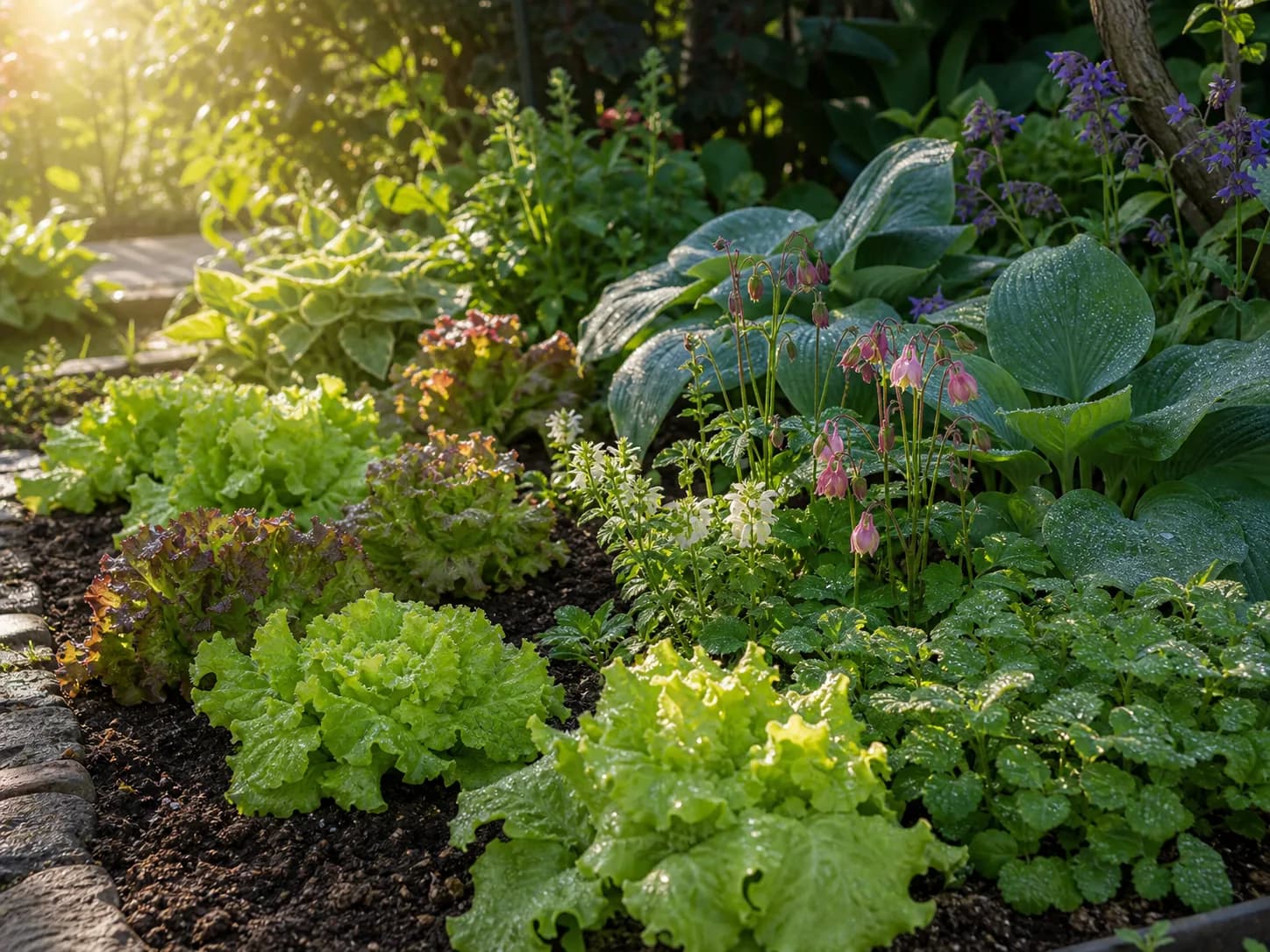
Morning Sun
N/A (Light Exposure Condition)
Afternoon Sun
ruleDecision Summary
Morning Sun and Afternoon Sun are not interchangeable just because the clock adds up to the same number of hours. Light later in the day usually arrives with more heat stress, hotter surfaces, and faster moisture loss. That changes which plants stay compact, which scorch, and which actually bloom well.
So this compare is really about intensity, not just duration. Tender foliage, containers, and shade-tolerant plants often prefer Morning Sun because it gives direct light without the harshest heat. Heat-loving bloomers and many fruiting crops often need Afternoon Sun when maximum energy matters more than comfort, especially in sun-driven flower beds.
The decision frame is plant stress tolerance versus light demand. Use Morning Sun when foliage protection and easier watering are the priority. Use Afternoon Sun when strong flowering or fruiting is the main goal and you can support the extra heat load.
How to Use This Guide
Match your primary use case first, then review the side-by-side specs table. The use-case cards explain where one option has a practical advantage; if your situation is different, let the specs and tradeoffs guide the choice.
Choose Morning Sun for gentler exposure and easier water management; choose Afternoon Sun when high-light performance matters enough to justify the extra heat.
KnowTheYard Editorial Team
Source-backed editorial note
compare_arrowsSpecific Use Cases
The following use cases focus on scenarios where the tradeoff actually matters. Each card names the stronger fit for that situation and explains the catch.
A winner only applies when that scenario matches your conditions. If neither scenario fits, check the side-by-side specs for the more relevant constraints.
Vegetable beds
Tomatoes, peppers, squashWinner: Afternoon Sun
Cooler morning sun helps soil stay moist longer, which is handy if you forget an evening watering. Vines grow well but fruit can be slower to ripen in cooler regions, especially outside Zone 7 and warmer.
Stronger afternoon sun gives heat‑loving crops the long warm window they need for heavy fruiting. Tomatoes and peppers often color up faster and taste sweeter, much like sun‑drenched garden tomato rows in a south‑facing plot.
Shade lovers
Hostas and fernsWinner: Morning Sun
Gentle morning sun paired with bright shade the rest of the day keeps foliage like hostas, astilbe, and ferns thick without crisped edges. In our beds, blue hostas hold color better with only a few cool morning hours of light.
Hotter afternoon sun scorches tender leaves, especially during summer heat waves. Even tough hostas can show bleaching and brown margins, so we reserve these spots for shrubs, ornamental grasses, or sun‑tolerant perennials instead of delicate woodland types.
Flower power
Blooms and colorWinner: Afternoon Sun
Cooler morning sun keeps petals on roses and daylilies from frying early on hot days, so blooms often last a bit longer. Color can look richer too, similar to how peonies shine in spots with only morning exposure.
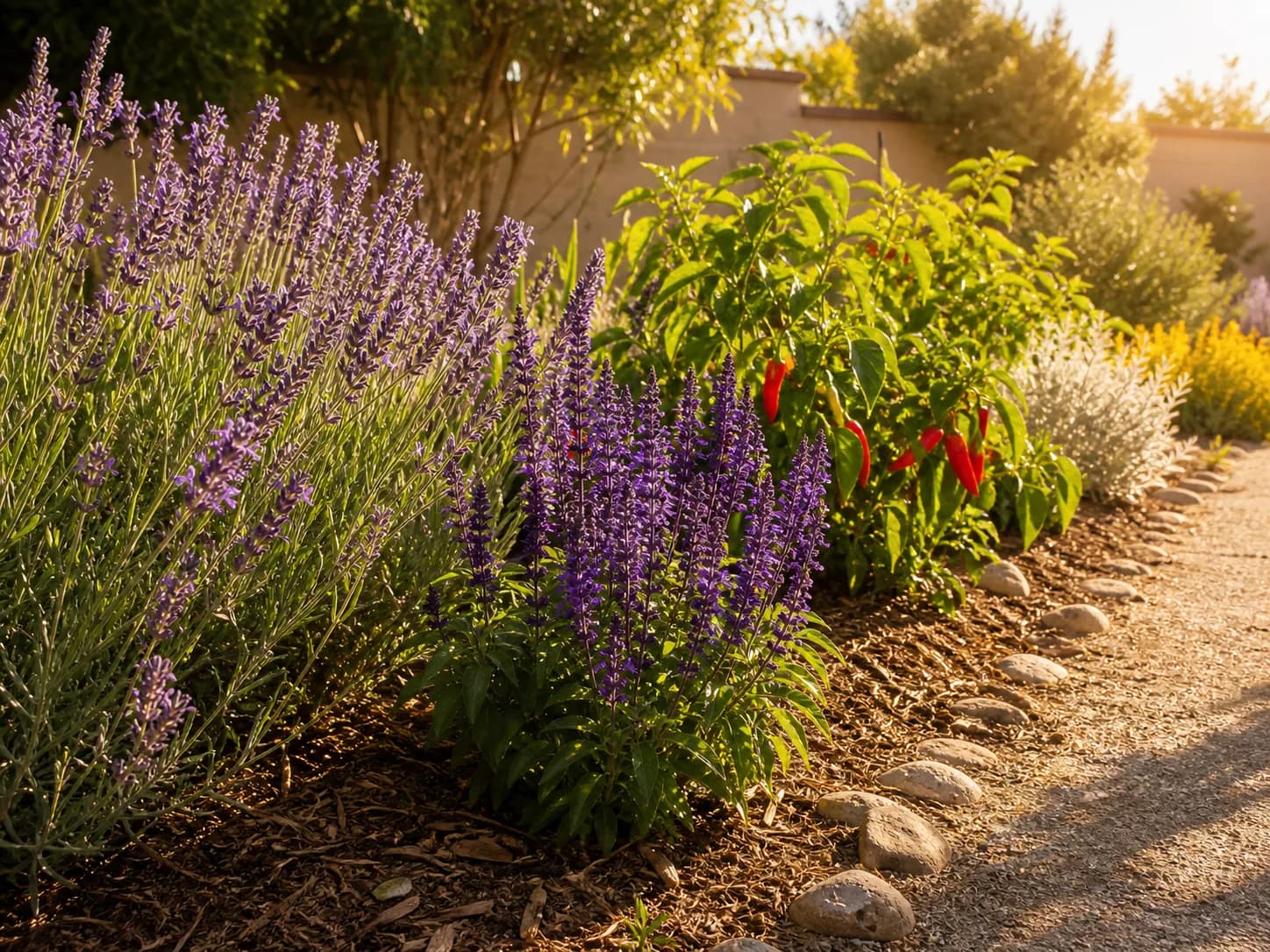
Extra energy from afternoon sun usually means more total flowers on true sun lovers like coneflower and black‑eyed Susan. Those plants behave more like full‑sun border anchors when they get at least four intense afternoon hours in cooler zones.
Drought and heat
Water and stressWinner: Morning Sun
Beds in morning sun shed dew early, then sit shaded in the hottest hours, so soil moisture lasts longer. We notice fewer wilted leaves and less afternoon droop on shrubs, especially in smaller yards where hoses do not always reach easily.
Exposed afternoon sun dries beds fast and bakes dark mulch, driving up water needs. It favors deep‑rooted or drought‑tough plants like Russian sage or sedum, which shrug off heat that would exhaust shallower systems in gentler exposures.
Houseplant windows
Indoor sillsWinner: Neither, both are situational
East‑facing windows with morning sun give bright but softer light most tropical houseplants enjoy. Foliage types like philodendron and pothos hold color without bleaching, even when you skip sheer curtains for a few weeks.
West‑facing windows with afternoon sun suit succulents and cacti that thrive on intense rays. We treat these spots like indoor desert shelves, better for jade or aloe clumps than for thin‑leaf tropicals that scorch easily.
paymentsCost & Upkeep
Long-term cost extends beyond the purchase price. Factor in ongoing inputs, replacement risk, equipment, and time so the cheaper option at checkout does not become the more expensive one to keep.
For Morning Sun and Afternoon Sun, the real cost difference usually shows up after purchase: water, soil, fertilizer, pruning, replacements, and how easily the plant or system recovers from mistakes.
ecoMorning Sun
- check_circleLower irrigation needs can trim outdoor watering by 10–30 percent in summer compared with similar beds in harsh afternoon light.
- check_circleFewer scorched plants means less money spent replacing fried hydrangeas, hostas, and other shade-leaning favorites every couple of seasons.
- check_circleMulch depth of 2–3 inches is usually enough to hold moisture, so you buy fewer bags each season for established beds.
- cancelSome sun annuals may bloom less heavily, so you might spend extra on higher-performing cultivars or supplemental containers in brighter spots.
- cancelLarge flowering shrubs like roses sometimes need pruning or shaping toward the light, which adds a little more labor each spring.
ecoAfternoon Sun
- check_circleHigh light can boost bloom counts, so you get more flowers per plant and buy fewer fillers to create color impact.
- check_circleHeat-loving perennials and shrubs establish quickly, often filling beds in one to two seasons instead of waiting several years.
- cancelWater use can climb noticeably, with irrigation schedules running longer and more often during heat waves to prevent stress.
- cancelYou may need deeper mulch or even drip lines, adding $50–$200 in materials if you retrofit existing beds for better moisture retention.
- cancelReplacing scorched or underperforming plants that truly wanted gentler light becomes an ongoing, and sometimes pricey, trial and error process.
ecoResource Fit
Morning Sun often reduces watering pressure because soil and container walls stay cooler for longer, which lowers afternoon stress in small root zones.
Afternoon Sun can still be the better placement when a plant genuinely needs higher light to bloom or fruit properly, but it rewards mulch, irrigation, and heat-aware variety choices much more.
The better exposure is the one that matches the plant, not the brightest patch in the yard. More intense sun is not automatically better sun.
Beds in morning sun often need 10–30 percent less irrigation than similar plantings baking in afternoon exposure. That reduction adds up fast for large gardens and helps meet local conservation goals without sacrificing growth.
Afternoon Sun commonly delivers one to two extra hours of high-intensity light compared with a morning-only aspect. That bump supports heavier blooming, but also raises heat stress and evaporation rates that gardeners must manage carefully.
Placing scorch-prone plants in cooler morning light instead of afternoon blast can stretch their useful lifespan from one or two disappointing seasons to three to five years or more before replacement is needed.
Surfaces facing Afternoon Sun often run five to ten degrees hotter than those catching only morning rays. That extra heat influences which species survive long term and how much supplemental watering you must provide.
table_chartSide-by-side Specs
The rows that matter most are heat stress, moisture demand, and bloom response. Those explain why equal hours of sun can produce very different outcomes.
Read exposure together with plant type. Morning light often protects foliage; afternoon light often pushes flowering and ripening harder.
Source Notes
Metrics summarize published care ranges and common cultivar behavior. Individual performance varies by cultivar selection, microclimate, and management intensity. Consult our methodology for source standards and update practices.
| Metric | Morning Sun | Afternoon Sun |
|---|---|---|
| biotech Family | Not a plant species | Not a plant species |
| public USDA Zones Best Suited | Zones 3–11 with shade | Zones 5–11 with heat |
| light_mode Light (indoors) | Bright east windows | Strong west windows |
| water_drop Watering frequency | Less frequent, slower drying | More frequent, fast drying |
| opacity Drought tolerance support | Helps moderate plants cope | Favors true xeric types |
| tips_and_updates Growth rate boost | Moderate for shade plants | High for sun lovers |
| yard Trailing/spread control | Less aggressive sprawl | Encourages faster spread |
| pets Pet toxicity risk | Lower heat‑driven chewing | Higher boredom chewing risk |
| account_tree Propagation ease impact | Safer for tender cuttings | Speeds rooting on tough cuts |
| air Humidity preference fit | Better for high‑humidity beds | Handles dry air better |
| compost Soil preference match | Moist, rich soils | Well‑drained, lean soils |