
What's a Cantaloupe? How to Grow Sweet Melons That Slip
Cucumis melo var. cantalupensis Cucurbitaceae
Cantaloupe is won by timing warmth, not by babying plants forever.
The vine needs hot soil, enough leaf area to sweeten the fruit it keeps, and a late-season watering shift once netting and aroma start to build. If the melons taste bland, the answer is usually somewhere in that chain.
Care snapshot
What Is a Cantaloupe, and Which Type Should You Grow?
Cantaloupe is Cucumis melo, a warm-season vine in the same family as cucumber and squash, and the name on the seed packet is not quite accurate. True cantaloupe, the botanical variety cantalupensis, is a rough-skinned European melon rarely grown in North American gardens.
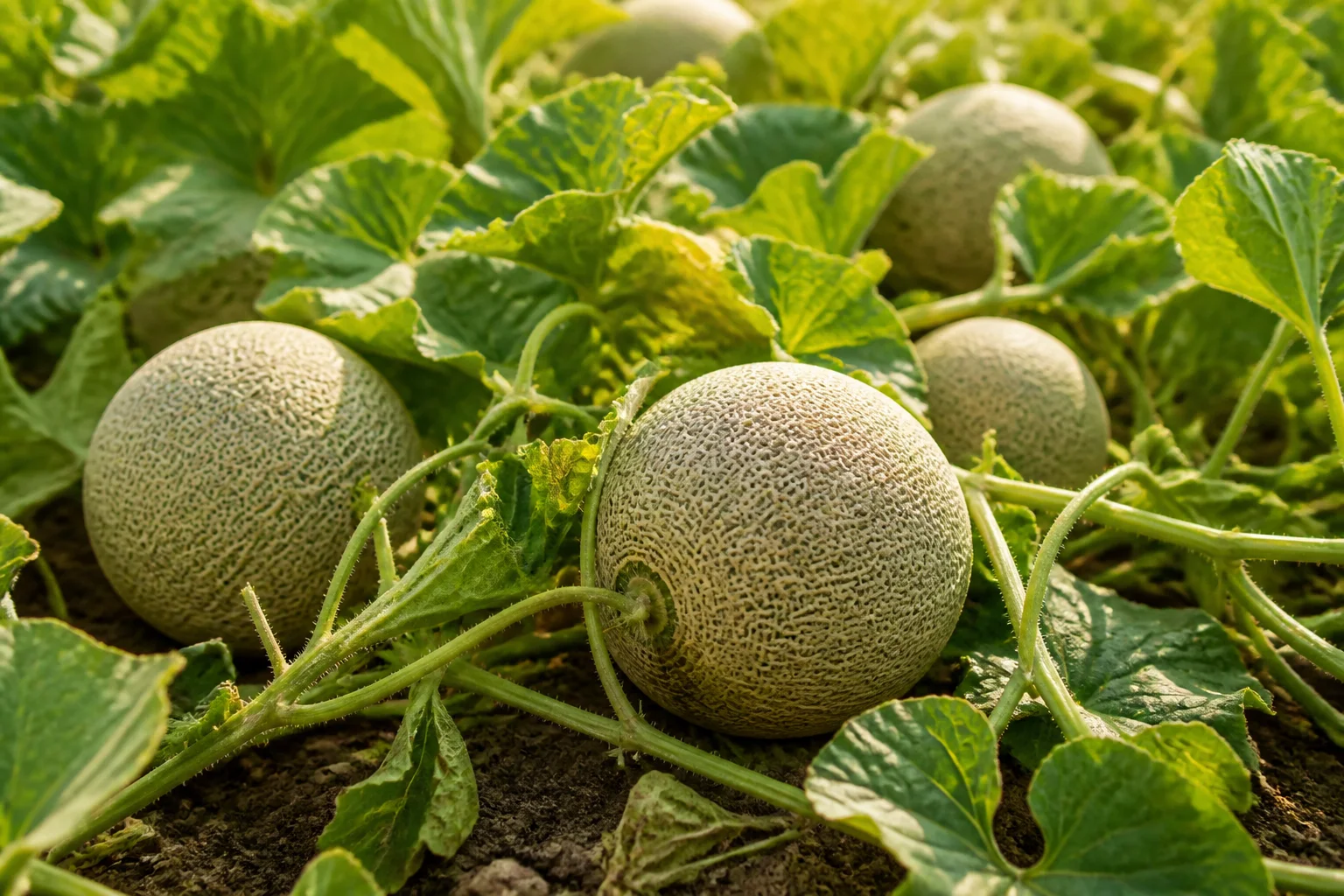
What most American gardeners grow and call cantaloupe is a muskmelon, the variety reticulatus, named for the netted, musky-scented rind that gives the fruit its look and aroma.
Not every home garden needs a giant melon. In a shorter season, a smaller earlier Cantaloupe that fully ripens beats a large late melon that looks impressive but never gets truly sweet.
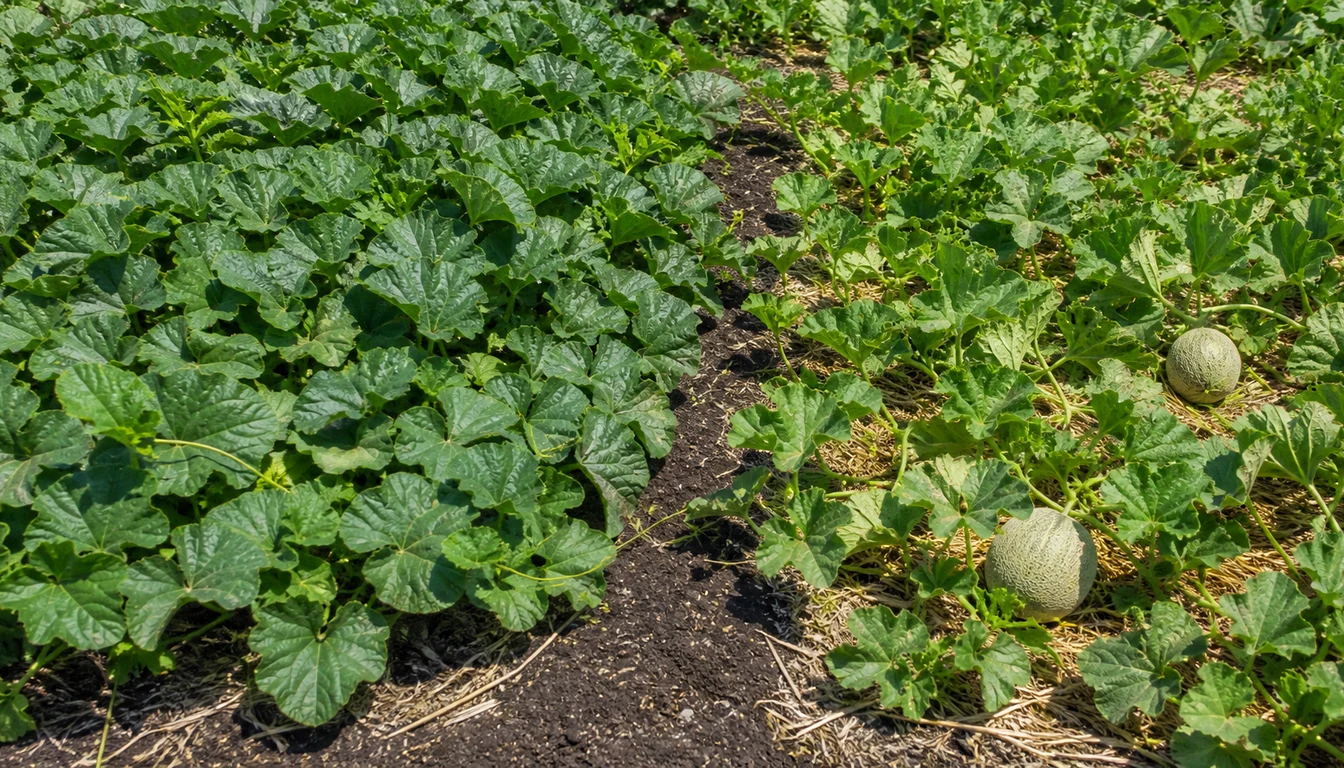
This is also a space decision, and long-running ground vines ask for bed width.
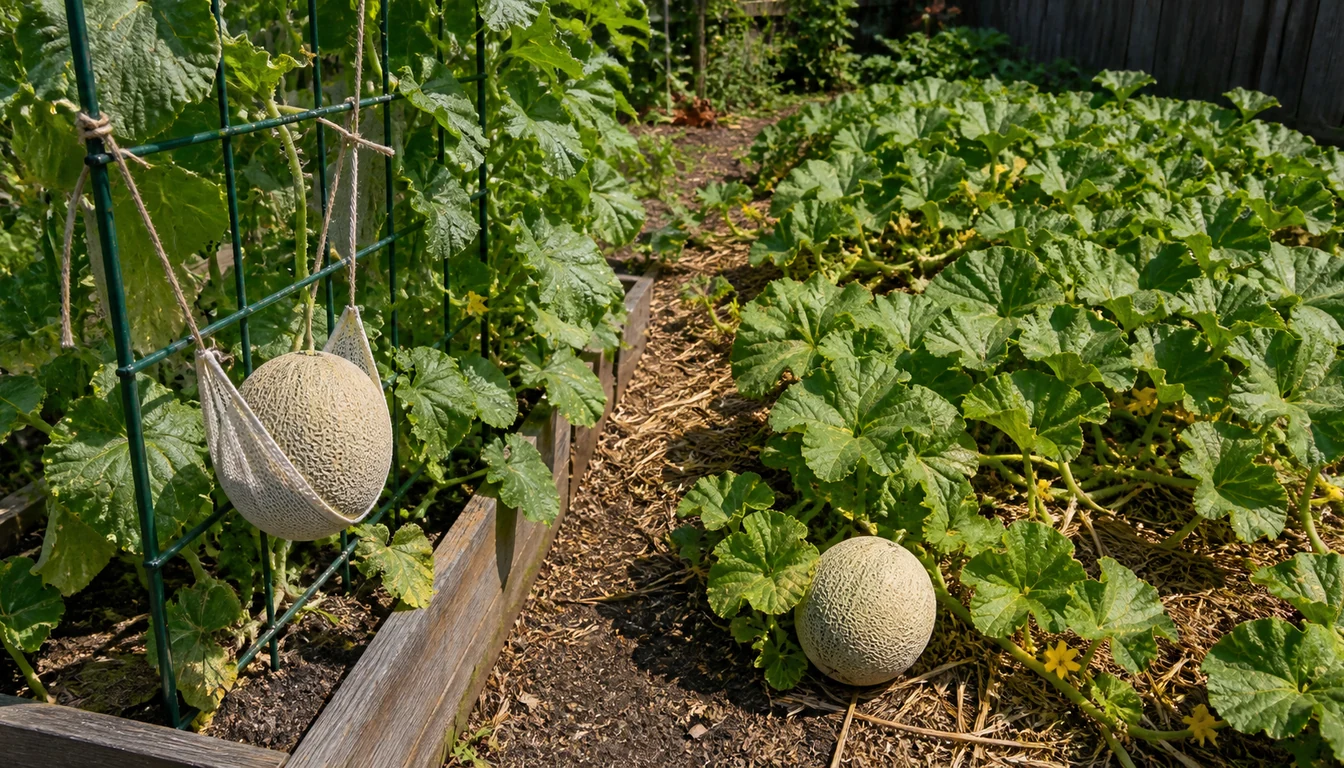
Trellised vines ask for support and fruit slings instead. A cramped patch can still grow good Cantaloupe, but only if the variety and the support plan match that reality.
That makes Cantaloupe a different space tradeoff than cucumber. Cucumbers give you faster fruit and tolerate tighter repeated picking.
Melons ask for more sun-driven leaf area behind every finished fruit.
- Short-season or smaller-fruit types
- Better where summer is limited or bed space is tight
- Standard patch melons
- Best when you have long heat, wide ground, and time for full sugar development
- Trellised vines
- Work in small spaces if you can tie growth and support the fruit with slings
How Warm Does Soil Need to Be to Plant Cantaloupe?
The first rule for Cantaloupe is blunt. Do not plant by the calendar if the soil still feels cool at breakfast time.
This crop wants a hot start in warm soil. Chilled roots sit still, and the vine rarely makes up that lost time later.
People overfocus on transplant age and underfocus on soil warmth. A younger plant dropped into truly warm ground usually outruns an older one that spent two weeks shivering after transplant.
That is why Cantaloupe behaves more like tomatoes and other full-summer crops than like a spring vegetable. If your weather is still flirting with cold nights, the vine is still one bad start away from a bland harvest months later.
Germination makes the rule concrete. Seed sown into soil near 70 F can sprout in under a week, while the same seed sitting in soil in the 50s takes two or three times longer, or rots before it germinates at all.
A cheap soil thermometer pushed a couple of inches into the bed removes the guesswork. Read it over a few consecutive mornings rather than trusting one warm afternoon.
How Do You Get Cantaloupe to Taste Sweet?
A melon gets sweet because the vine has enough healthy leaf area to pump sugar into it over time. Weak vines, poor fertility, or stressed roots leave you with fruit that looks finished but eats flat.
Start with soil that warms quickly and drains well. Whether you use open ground or a raised bed versus in-ground bed, the root zone has to breathe and warm up instead of staying cold and soggy.
Feed early so the vine can build leaves and roots, then stop trying to chase endless greenery after fruit set. A sensible program based on fertilizer for vegetables helps more than late high-nitrogen pushing.
Phosphorus and potassium matter more than nitrogen once flowering starts. A program heavy on nitrogen and light on those two produces exactly the lush leafy vine with disappointing fruit that gardeners blame on the weather.
If the patch looks dark green but still struggles to sweeten fruit, the vine may be overgrown rather than underfed. Cantaloupe needs working leaf area, not endless soft growth.
On a trellis that leaf area has to share space with real fruit weight. A single Cantaloupe can weigh several pounds, so a sling made from mesh bags or netting has to cradle the whole fruit against the frame rather than hold the stem, or it tears free before full slip.
- Give the vine enough fertility to build broad healthy leaves first.
- Keep weeds down so young vines do not lose their early momentum.
- Mulch only after the soil is already warm.
- Do not celebrate dark lush growth if flowers and fruit are still weak.
Why Is My Cantaloupe Flowering but Not Setting Fruit?
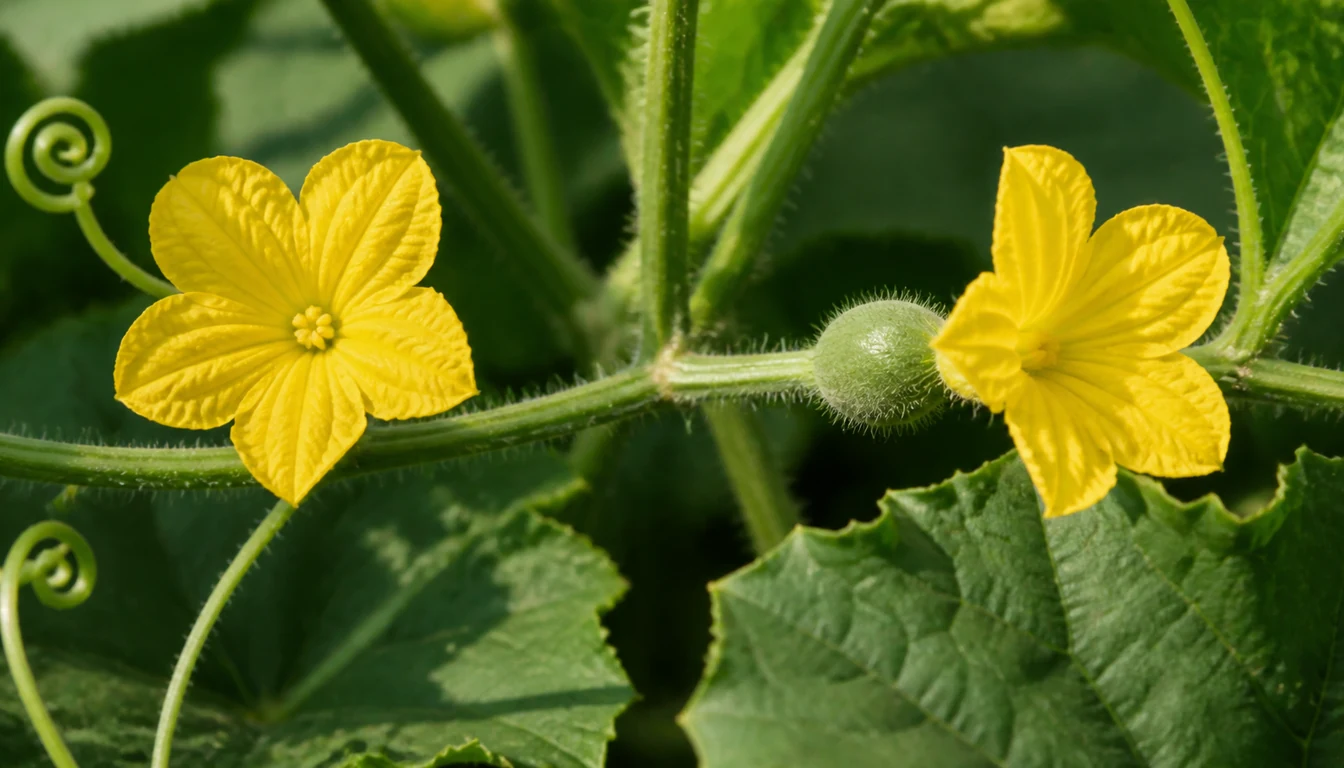
Good vines still need flowers to connect at the right moment. Male flowers open first.
Female flowers follow with a tiny fruit behind the bloom. If that handoff happens during stress, the vine may drop the chance before a melon ever starts.
Poor fruit set often comes from cold nights, extreme heat, weak leaf support, or low pollinator activity. When flowers open and fall without swelling fruit behind them, start by asking whether the vine had enough energy and enough bee traffic.
A single Cantaloupe flower usually needs several separate bee visits, not just one quick pass, to move enough pollen for the resulting fruit to size up evenly all around.
A lopsided or oddly shaped young melon is often the direct result of a flower that only got partial pollination, not a disease or a nutrient problem.
Cool cloudy mornings cut bee activity even when the afternoon warms up, because bees fly less in low light and damp air. A run of gray mornings during peak flowering can quietly cost several melons of fruit set with no plant damage to point at afterwards.
Once real fruit starts, the next decision is load.
In a short or crowded season, a vine that tries to carry too many melons often finishes none of them well. One or two strong melons can be a better result than several watery disappointments.
Keep insecticide use away from open flowers whenever possible and favor calmer methods such as companion planting for pest control. On Cantaloupe, a pollinator-friendly bloom window does more for yield than a perfect-looking mulch line.
How Should You Water Cantaloupe as It Ripens?
Young vines need steady moisture. Ripening melons need a steadier hand.
Once the rind starts netting and the fruit is clearly sizing, your job shifts from building the plant to finishing the fruit cleanly.
Keep using full-root-zone watering with the same discipline found in deep watering, but begin easing back slightly as the fruit moves toward ripeness.
You are not trying to drought the vine. You are trying to stop force-feeding water into a melon that is supposed to concentrate flavor now, and this is also the wrong moment for fresh nitrogen pushes.
A sudden heavy watering right as a melon nears full slip can split the rind outright. The fruit takes up water faster than the hardening rind can stretch, so steady moderate moisture through ripening prevents cracking far more reliably than dry stretches broken by one big soak.
- Early vine growth
- Steady moisture and balanced feeding to build roots and leaves
- Fruit sizing
- Deep watering still matters because heavy vines need a stable root zone
- Netting to ripening
- Back off a little on water and stop chasing fresh leafy growth
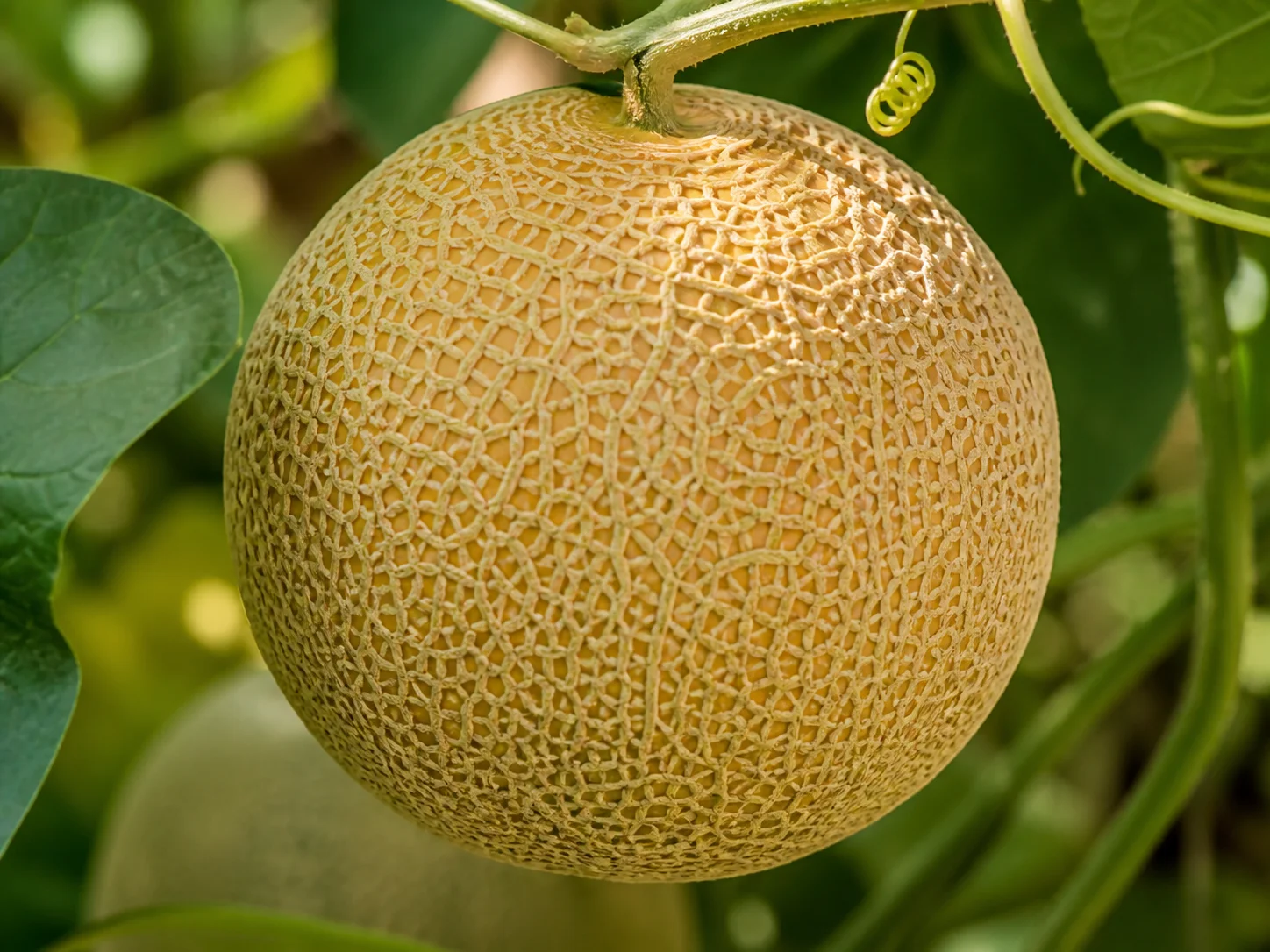
How Do You Know When a Cantaloupe Is Ripe?
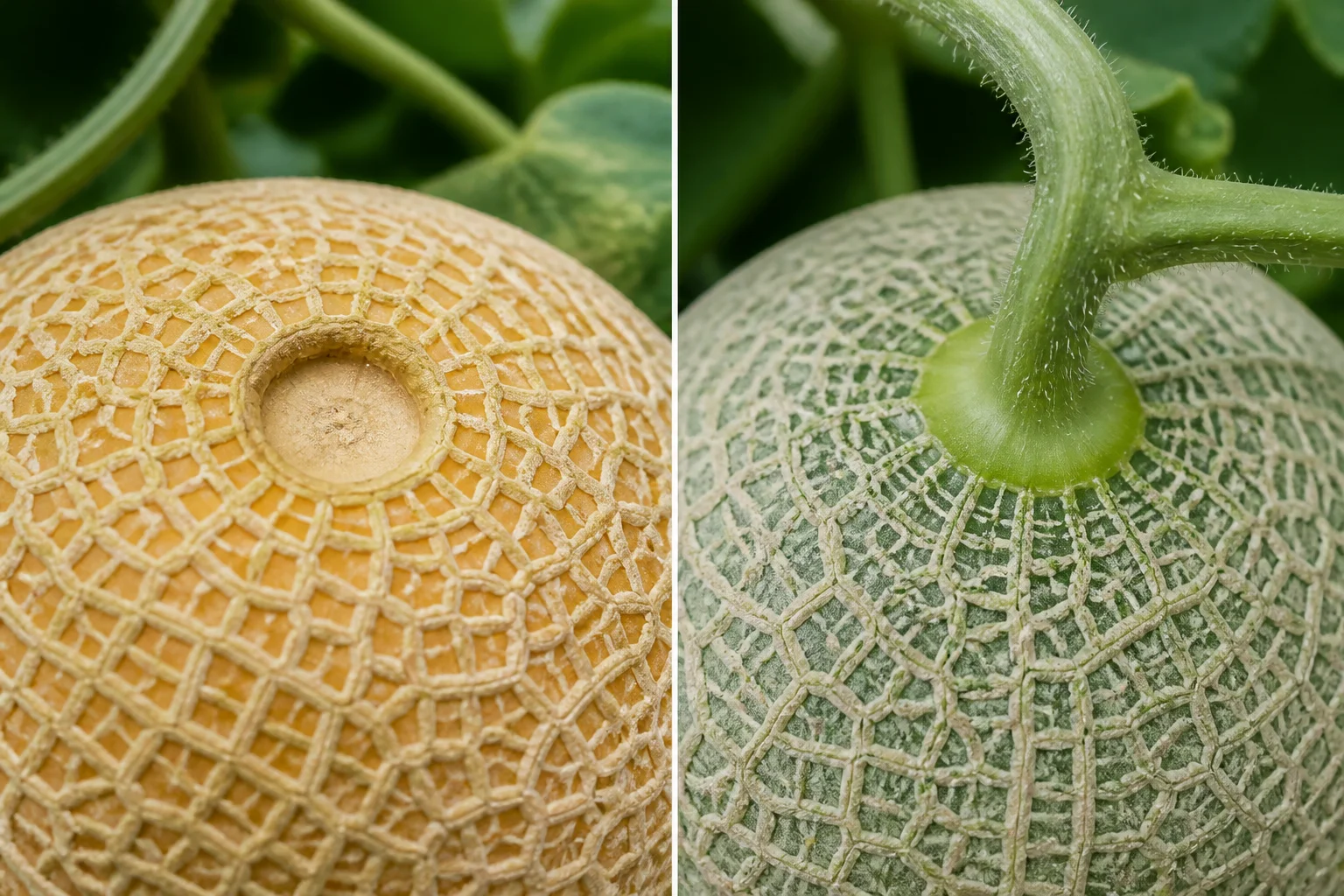
Cantaloupe is one of the few fruits that gives a pretty honest ripeness signal. A ripe melon develops clear aroma, warmer background color under the netting, and a stem that wants to separate.
Full slip means the melon releases cleanly from the vine with light pressure at the stem end.
Pick before that and you often get a fruit that looks finished but never reaches real eating quality. Sugar does not keep climbing off the plant the way many people hope.
This is one of the biggest differences between Cantaloupe and watermelon. Watermelon ripeness asks you to read indirect clues.
Cantaloupe often tells you directly, and you should trust that signal.
If the melon smells sweet but still resists slipping, give it a little more time unless weather is turning bad. Ripeness on Cantaloupe is a cluster of signs, not a single lucky guess.
That flavor ceiling has a biological reason. Cantaloupe is a climacteric fruit, so it keeps producing ethylene and softening after harvest, but sugar content is set by the vine and does not climb once the fruit is picked.
That same ethylene is why a ripening melon should not sit beside other ethylene-sensitive produce, since it speeds spoilage in whatever shares the bowl or the crisper drawer.
What Pests and Diseases Attack Cantaloupe Vines?
Late sweetness depends on having healthy leaves late in the season. That is why pest and disease control on Cantaloupe is less about saving pretty foliage and more about protecting the last weeks of sugar production.
Cucumber beetles matter early because they damage seedlings and can move disease. Powdery mildew matters later because it strips the vine of working leaf area just when the melons need those leaves most.
Bacterial wilt is the disease worth naming here. Cucumber beetles carry the bacteria in their gut and introduce it through feeding wounds, and once a vine wilts there is no cure, so beetle control early is really disease prevention wearing a pest-control disguise.
Basic airflow, open spacing, and plain natural pest control habits buy you much more than a late emergency response after the patch is already collapsing.
A row cover over young seedlings blocks the earliest beetle feeding almost entirely. Pull it once flowers open, since a barrier that stops beetles stops the pollinator visits the vine needs just as effectively.
Think of the canopy as your sugar factory. Every leaf you keep healthy through ripening makes the harvest better.
Powdery mildew resistance varies quite a lot by variety, so checking a seed catalog for resistance codes before planting is a real head start in humid regions where the disease shows up every year.
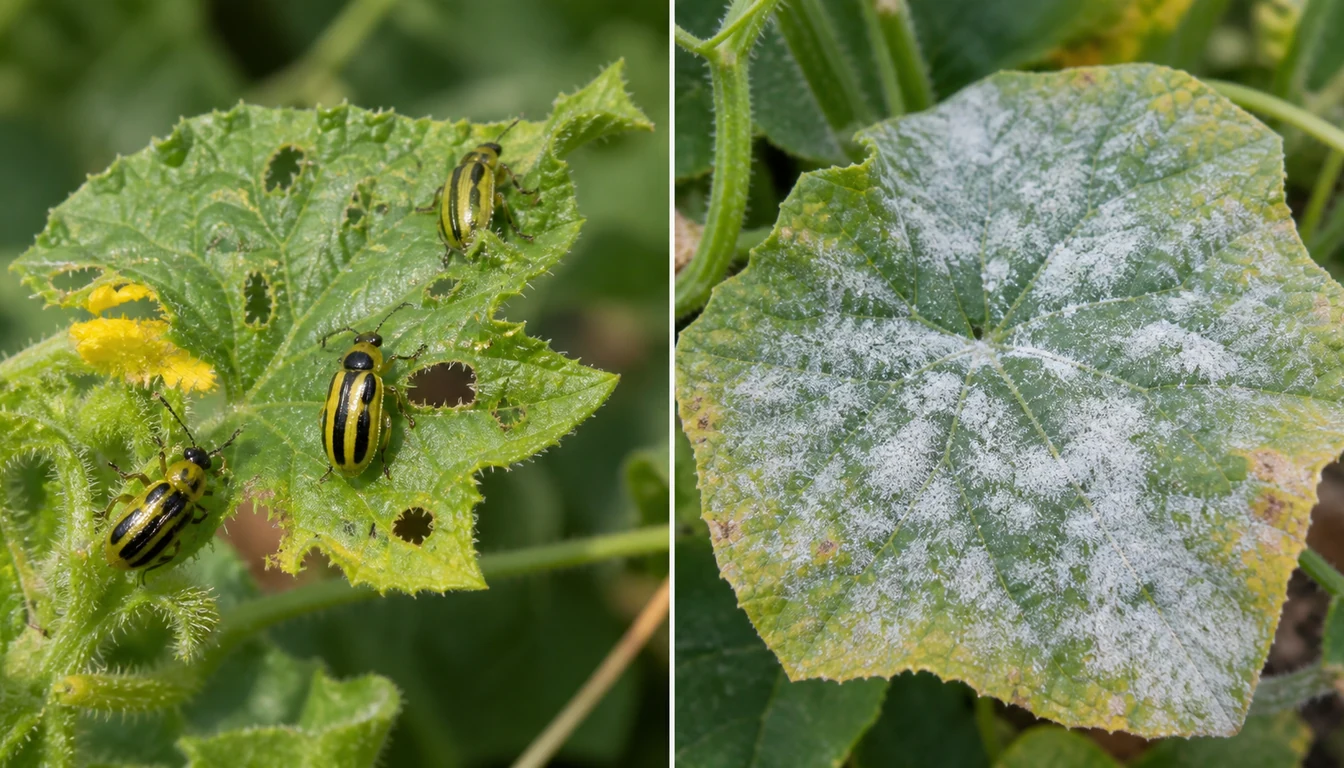
They chew seedlings, scar leaves, and can spread bacterial wilt in cucurbit beds.
It coats leaves late and shortens the window for finishing sweet fruit.
Dense vines stay damp longer and give both pests and mildew more cover.
Frequently Asked Questions
Why are my cantaloupes not sweet?
Bland melons usually come from a cold start, weak leaf area, too much fruit load, too much late water, or picking before full slip. The problem is often in the whole season, not only in the last week.
Can I grow cantaloupe on a trellis?
Yes, if the variety is manageable and you support the fruit with slings. Trellising saves ground space, but the vine still needs strong sun and enough leaf area to sweeten the fruit.
How many cantaloupes should one plant carry?
That depends on variety strength and season length, but fewer well-finished melons usually taste better than too many weak ones on a stressed vine.
How do I know when a cantaloupe is ripe?
Look for strong aroma, warmer rind color under the netting, and full slip at the stem end. Those signals together are more reliable than size alone.
Do cantaloupes come back every year?
No. Cantaloupe is grown as a warm-season annual, so you plant fresh seed or transplants each year.
Sources & References
- University of Minnesota Extension: Growing melons in home gardens
- Clemson Cooperative Extension: Cantaloupe and honeydew
- Utah State University Extension: Cantaloupe in the garden
- University of Illinois Extension: Muskmelon
- Missouri Botanical Garden Plant Finder: Cucumis melo
- Toxic and Non-toxic Plants: True Cantaloupe | ASPCA
- Cucumis melo (Armenian Cucumber, Cantaloupe, Casaba Melon, Honeydew, Honeydew Melon, Melon, Muskmelon, Musk Melon, Rockmelon, Spanspek, Sweet Melon) | North Carolina Extension Gardener Plant Toolbox
Related Plants
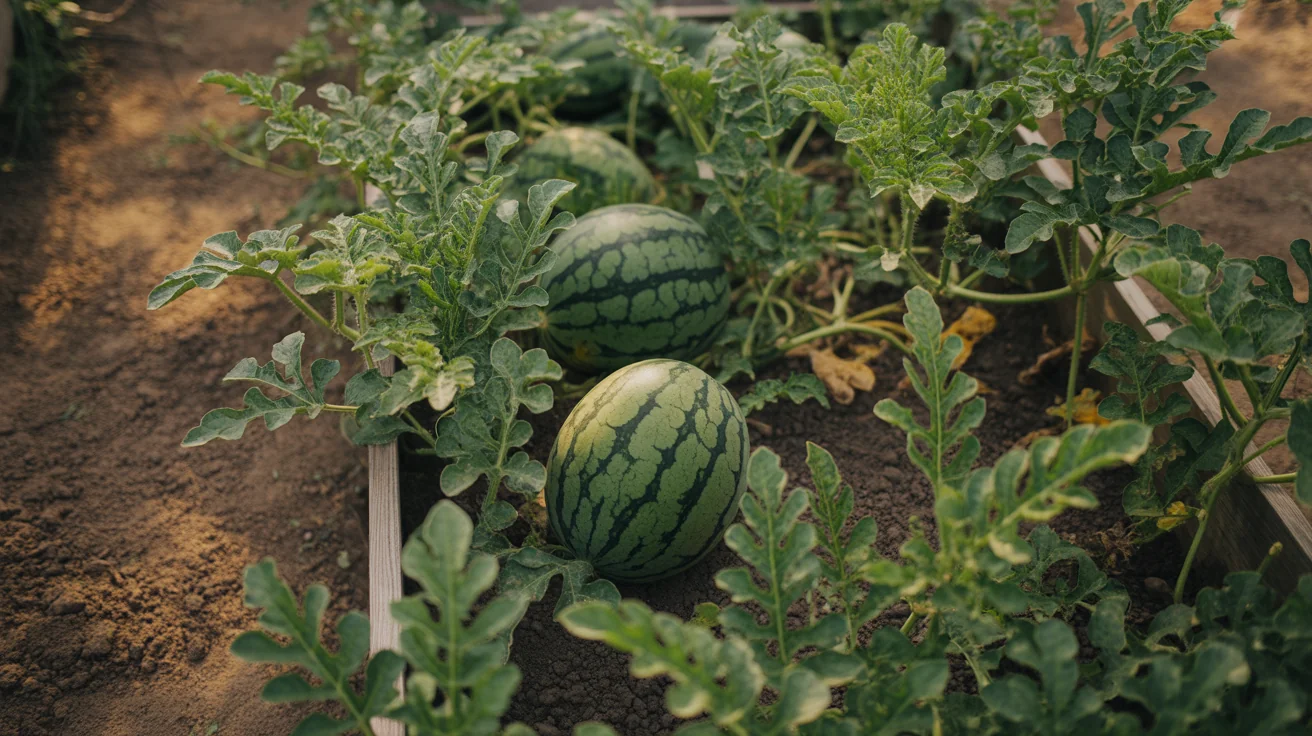
Watermelon
Another heat-loving melon, but usually larger, slower, and less forgiving of cramped space than cantaloupe.
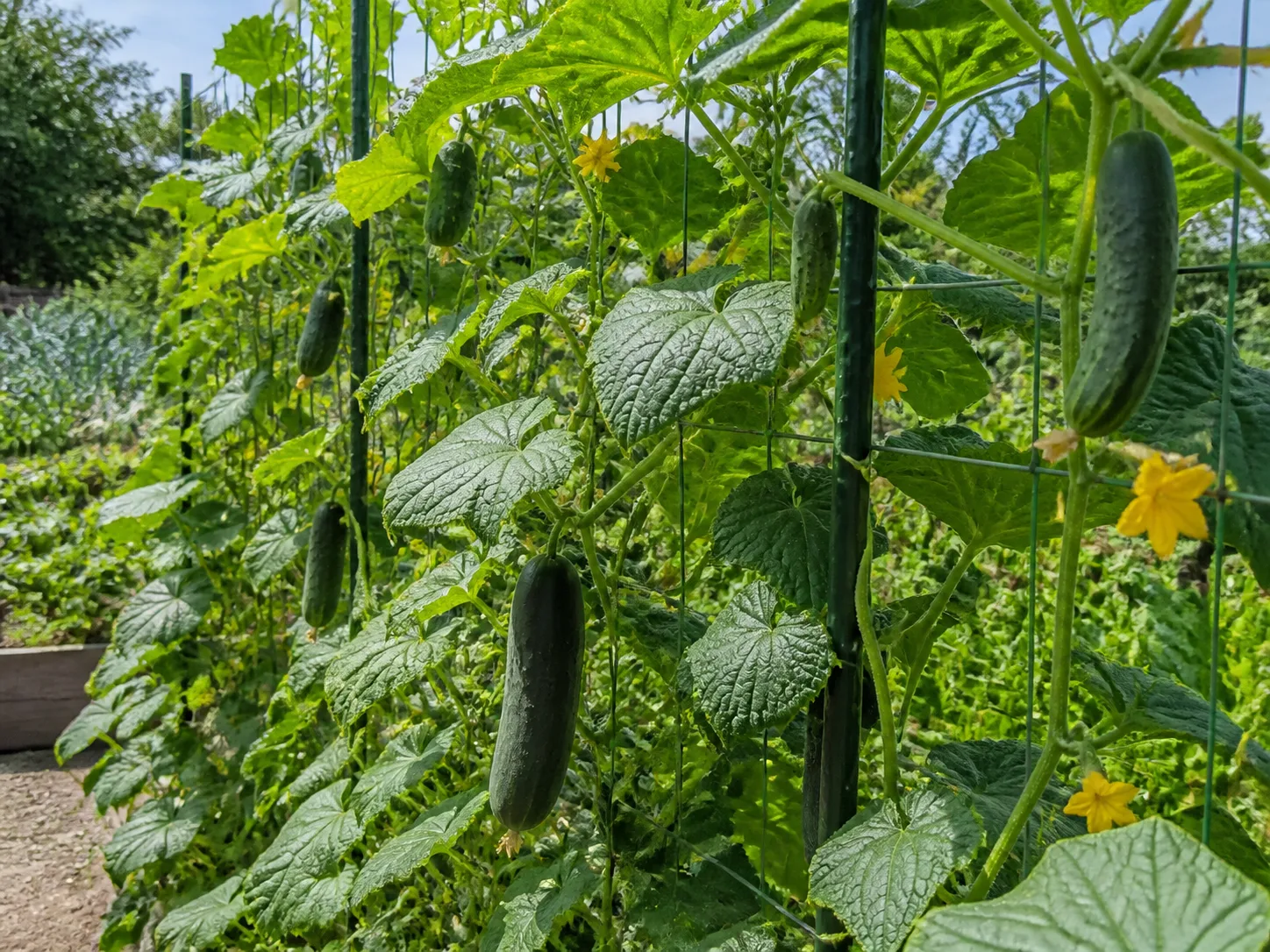
Cucumber
Shares the vine family and pollination pattern, but fruits sooner and does not need the same sugar-building finish.
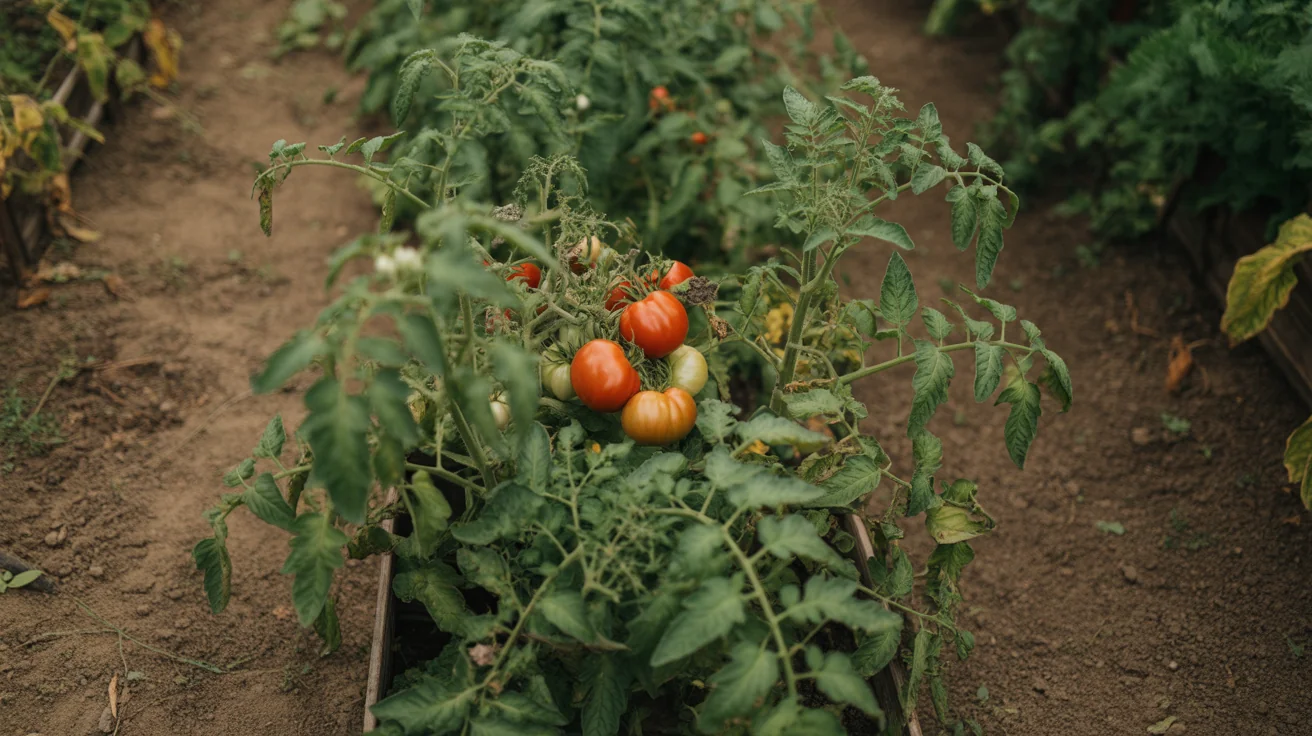
Tomato
Needs the same full-sun real estate, yet uses trellis height instead of long running vines to earn its space.
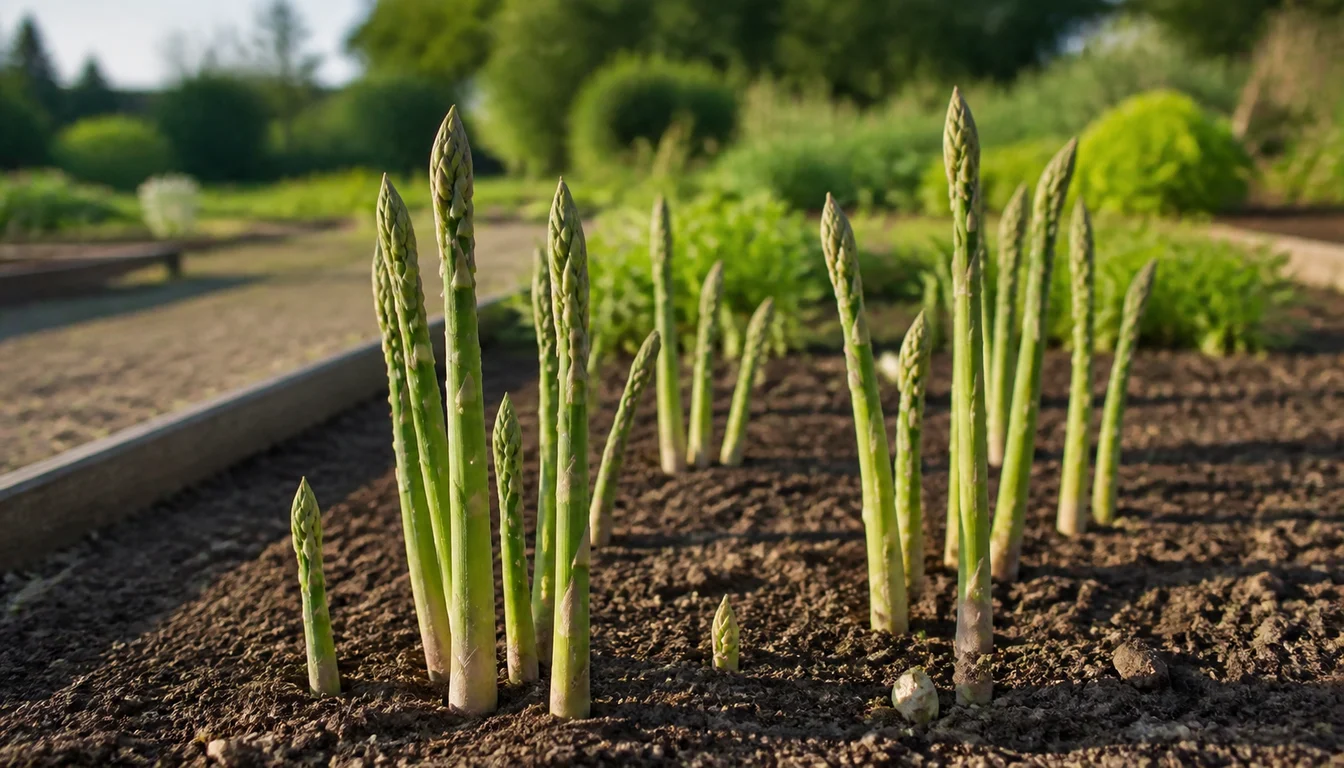
Asparagus
Asparagus rewards careful establishment with spring harvests for many years.
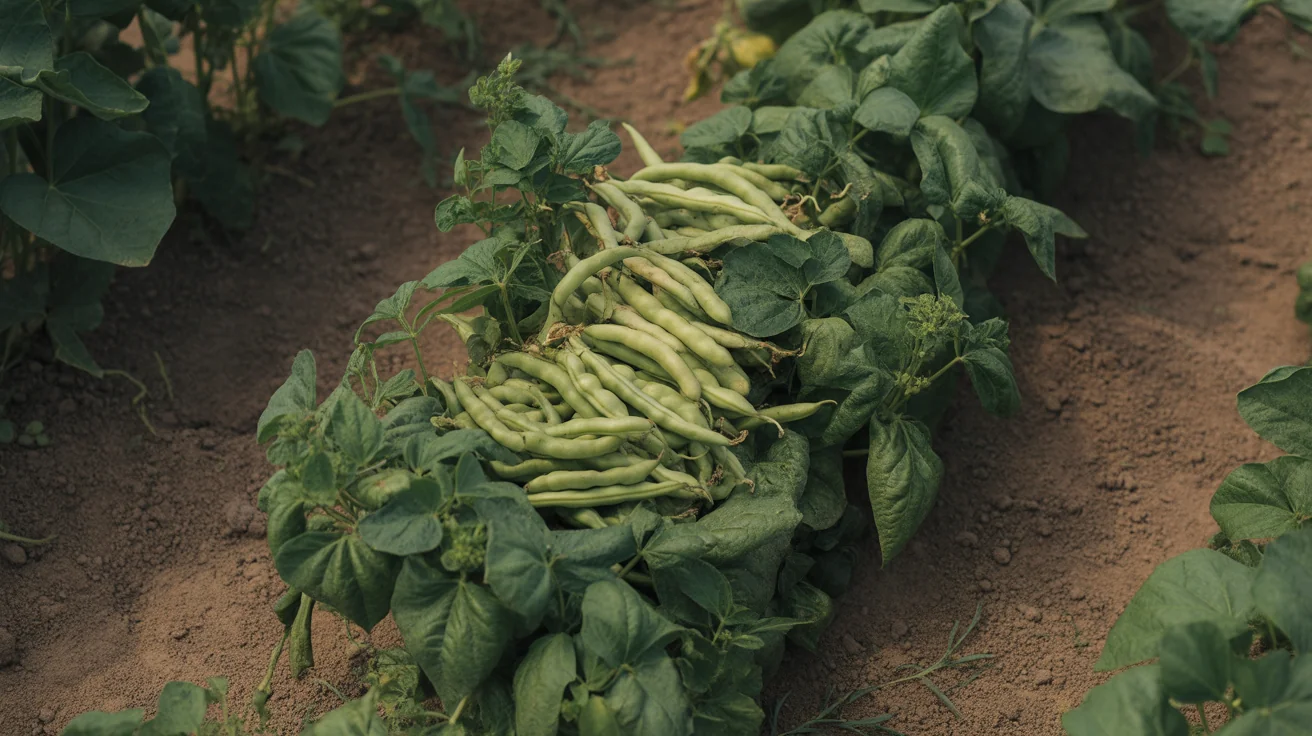
Beans
Two different plants share the name bean, one that stays knee-high and gives most of its crop inside two or three…
Beet
Beet care starts with one unusual fact. Each seed ball can make several seedlings, so the crop needs early thinning…