
Best Shade Perennials for Low Light Garden Beds
These shade perennials brighten low-light beds with foliage and bloom. Here's what to plant under trees and on north sides, with care notes.
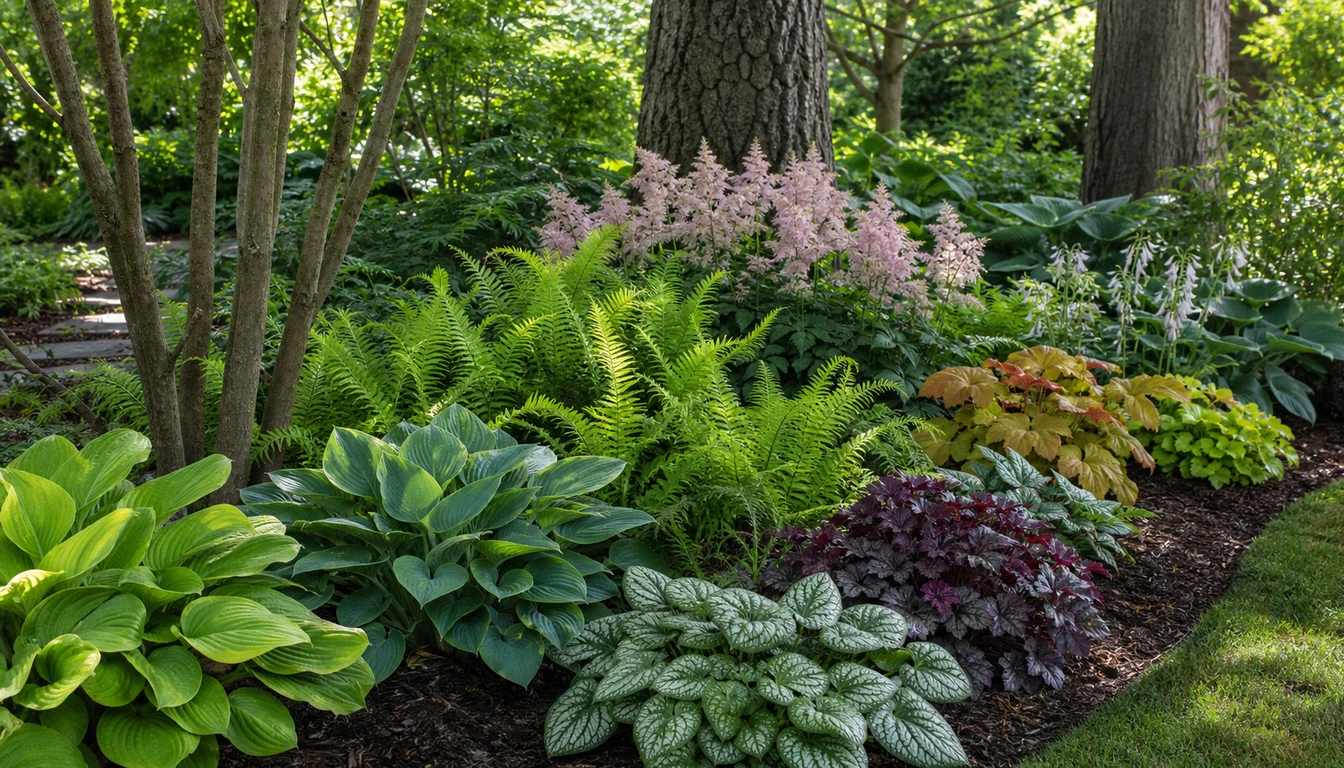
Best Shade Perennials for Low Light Garden Beds work better when you match the list to the real condition first; that usually beats shopping by looks alone. The right plants for spaces that need cooler seating, better coverage, and plants that perform without perfect full sun need to fit the site, perform the purpose, and stay manageable once the planting settles into ordinary care.
This page treats shade perennials as a practical planning category. That means the best choices are judged by healthy structure, right mature size, deep watering during establishment, and placement that respects the site. Use it with perennials when you want the broader plant library.
Keep the matching guide library nearby as a contrast, because shade beds need a different plant filter. Compare Hosta as a foliage baseline before you weigh Coneflower or Daylily for brighter edges.
The short version: Shade plantings work best when the chosen plant is matched to the real light, not the hoped-for light. Avoid forcing sun plants into shade, planting too close, and expecting heavy performance from stressed roots. If you keep those two ideas in mind, your planting will be easier to maintain and much more likely to do the thing the page promises.
Best Shade Perennials to Start With
Start with plants that solve the main problem before they ask for special treatment. The strongest choices for spaces that need cooler seating, better coverage, and plants that perform without perfect full sun are not always the flashiest names. They are the plants that still earn their space when the weather shifts, watering is uneven, or maintenance gets delayed.
Use Hosta as a foliage comparison anchor while you plan. Compare Coneflower with Daylily and Aster only for brighter edges where they can actually perform. If one of them is not right for your climate or room, replace the role with another plant that solves the same problem.
A practical starter list should cover three jobs:
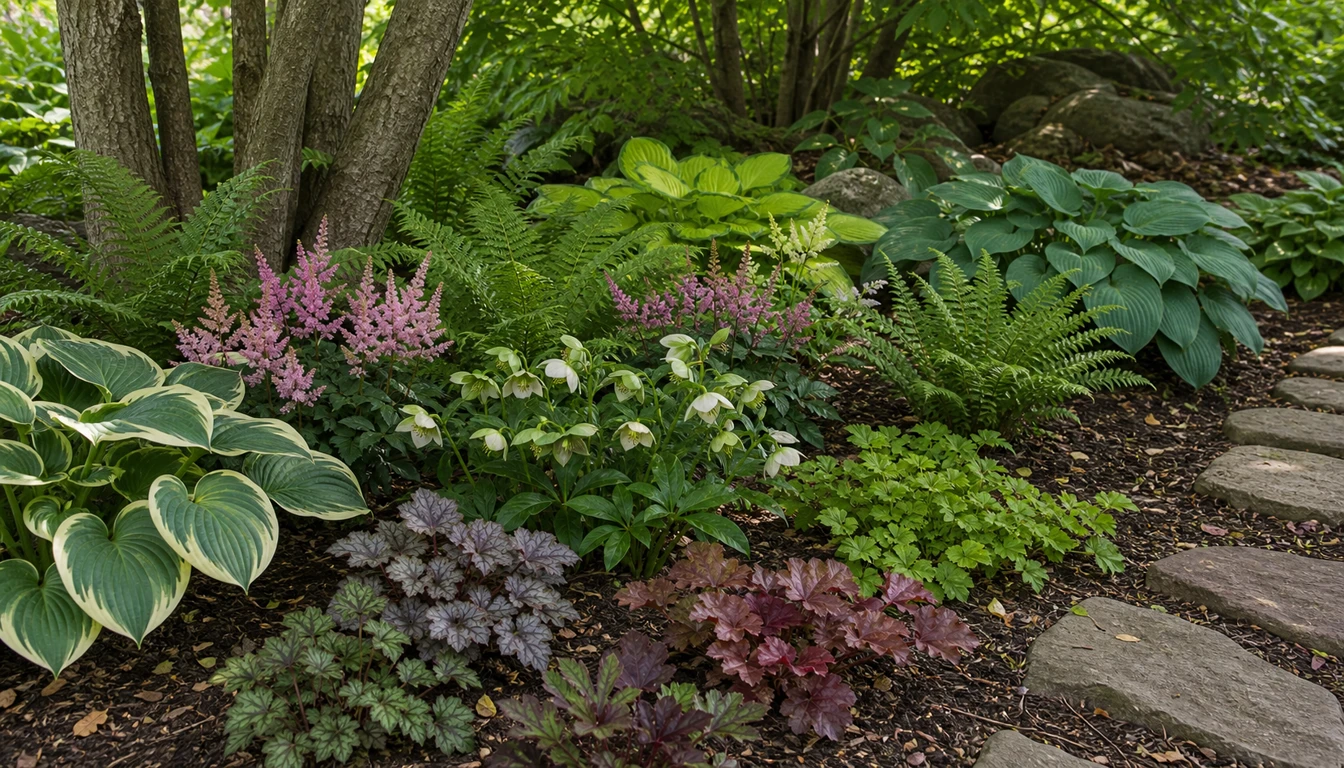
- Reliable backbone plants that carry the display or harvest most of the season.
- Accent plants that add color, scent, texture, height, or a short but valuable peak.
- Support plants that fill gaps, soften edges, attract wildlife, or make the planting easier to manage.
Build the backbone first; then add the plants that do the showier work. Shade plantings work best when the chosen plant is matched to the real light, not the hoped-for light. That single rule prevents most disappointing purchases.
Match Shade Perennials to the Real Site
The right site decision saves more work than any product you can buy later. Before choosing shade perennials, watch the space for light, heat, wind, water movement, traffic, pets, and access. A plant that fits those limits will look intentional. A plant that fights them will turn into a weekly repair job.
For outdoor plantings, measure sun as hours of direct light, not as a feeling. Morning sun, afternoon sun, reflected heat, and tree-root competition all behave differently. For indoor plantings, stand where the plant will live and look toward the nearest window. If the sky is not visible, growth will usually slow.
Use the related planting guide when you need a broader setup routine, then adjust for the specific purpose of this page. Many plants can survive outside their ideal range, but purpose pages are about performance. Survival is not the same as dense screening, steady harvest, repeat bloom, strong stems, or healthy indoor foliage.
Good site matching means you put high value plants where you can see and maintain them, keep thirsty plants near reliable water, leave enough mature width, and match the plant to the actual climate, room, or soil.
How to Judge Quality Before You Plant
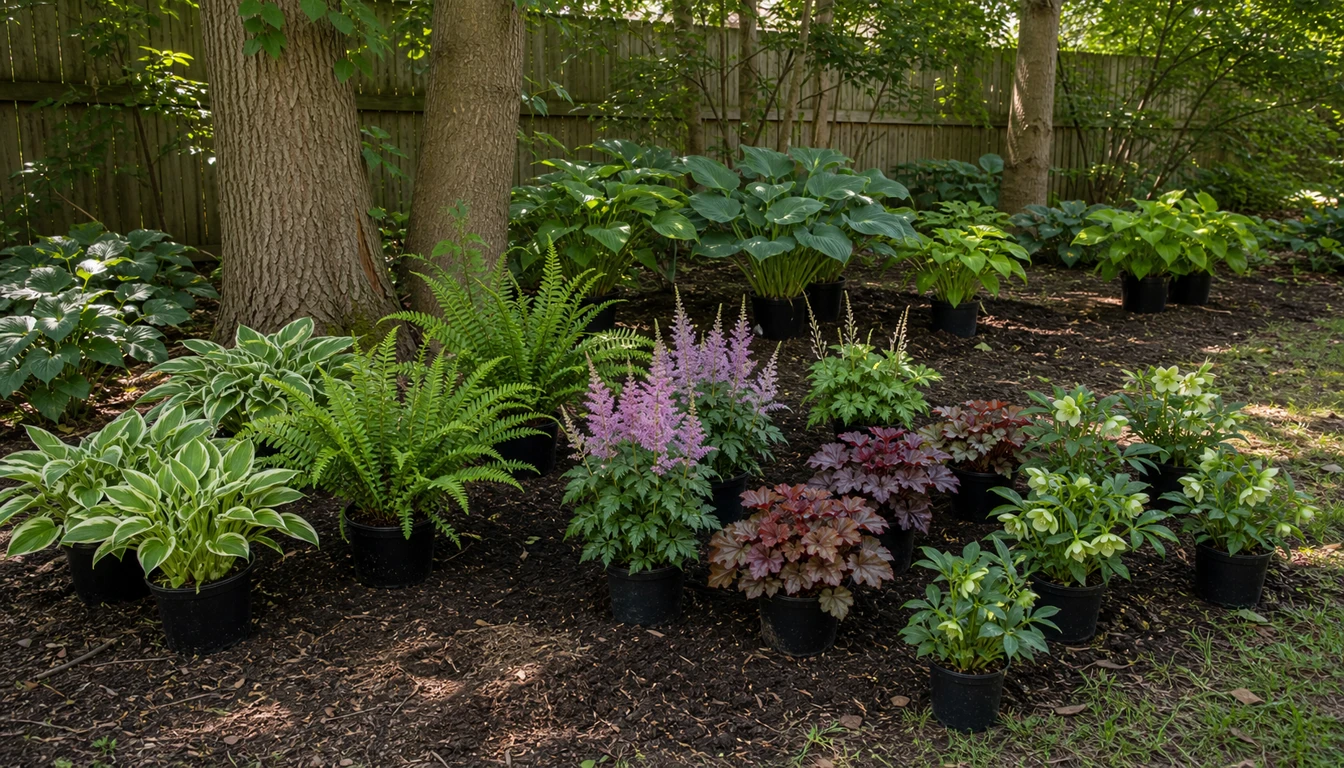
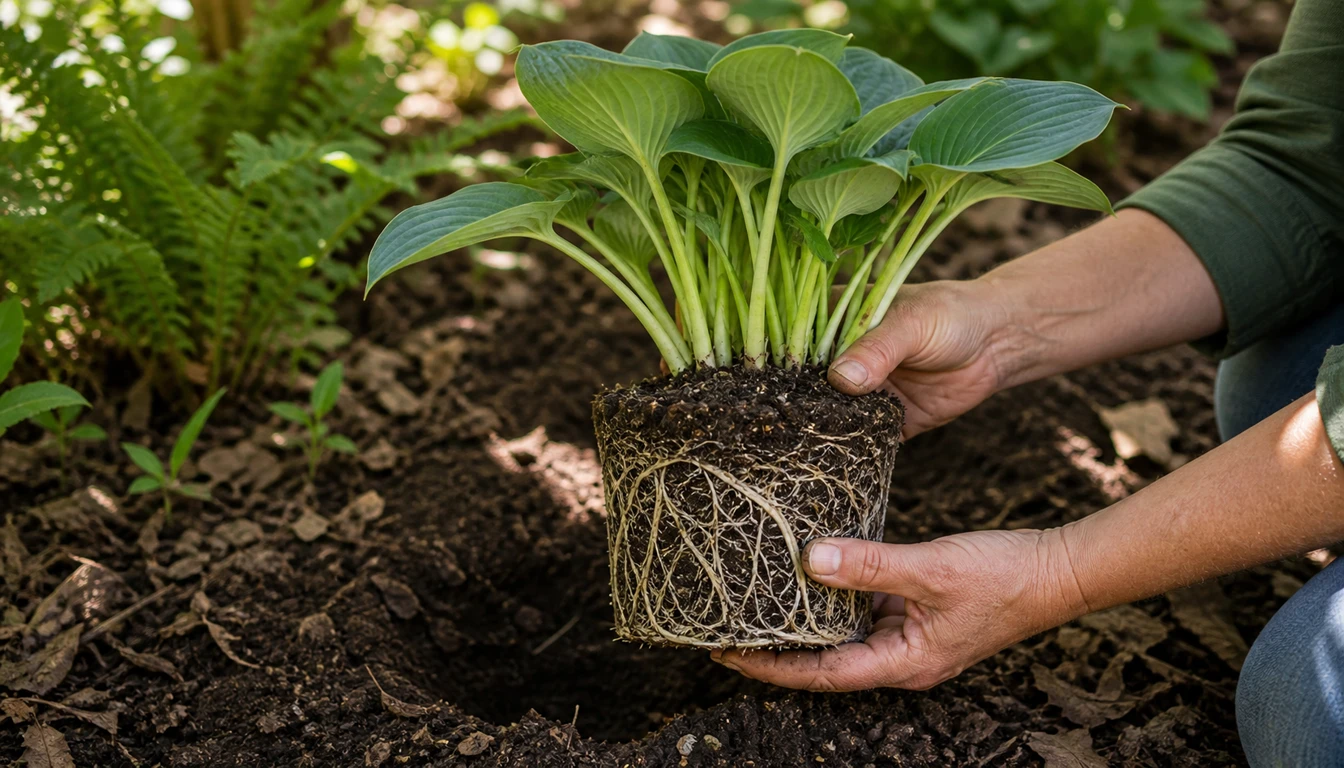
A good shade perennials choice earns its place in more than one way. Look for healthy roots, clean foliage, a growth habit that fits the space, and a clear reason for being there. If the plant does not support healthy structure, right mature size, deep watering during establishment, and placement that respects the site, it may belong somewhere else.
At the nursery, avoid plants with circling roots, wilted tips, sticky leaves, disease spots, or weak stretched growth. In seed packets or bare-root orders, look for days to maturity, mature size, hardiness, and spacing. For houseplants, check leaf undersides and the soil surface before bringing anything home.
Use a simple scorecard:
- Fit: Does it match light, water, soil, pot size, and winter conditions?
- Function: Does it actually serve the purpose of this page?
- Maintenance: Can you provide the pruning, watering, harvesting, or cleanup it needs?
- Timing: Does it contribute when the rest of the planting is quiet?
This is where seasonal timing advice helps. Timing can turn a good plant into the wrong plant.
Design a Layout That Makes the Purpose Obvious
Layout is where shade perennials becomes useful instead of theoretical. Arrange plants so the reason for the planting is visible at a glance. If the goal is screening, overlap sightlines. If the goal is harvest, make paths easy. If the goal is fragrance, place scent near noses. If the goal is low care, reduce awkward corners and hard-to-reach pockets.
Repeat important plants in groups. One plant can look like a sample. Three or five can look like a decision. Repetition also makes care easier because the same water, pruning, or harvest rhythm applies to a cluster rather than scattered single plants.
Keep tall plants where they will not shade or smother shorter companions unless that is the point. Put tough plants on edges. Leave room for buckets, pruners, hoses, mowing, or repotting. Mature size wins over current size every time.
When a page like this fails in the real world, the plants are often fine. The layout simply asks them to do too many jobs at once.
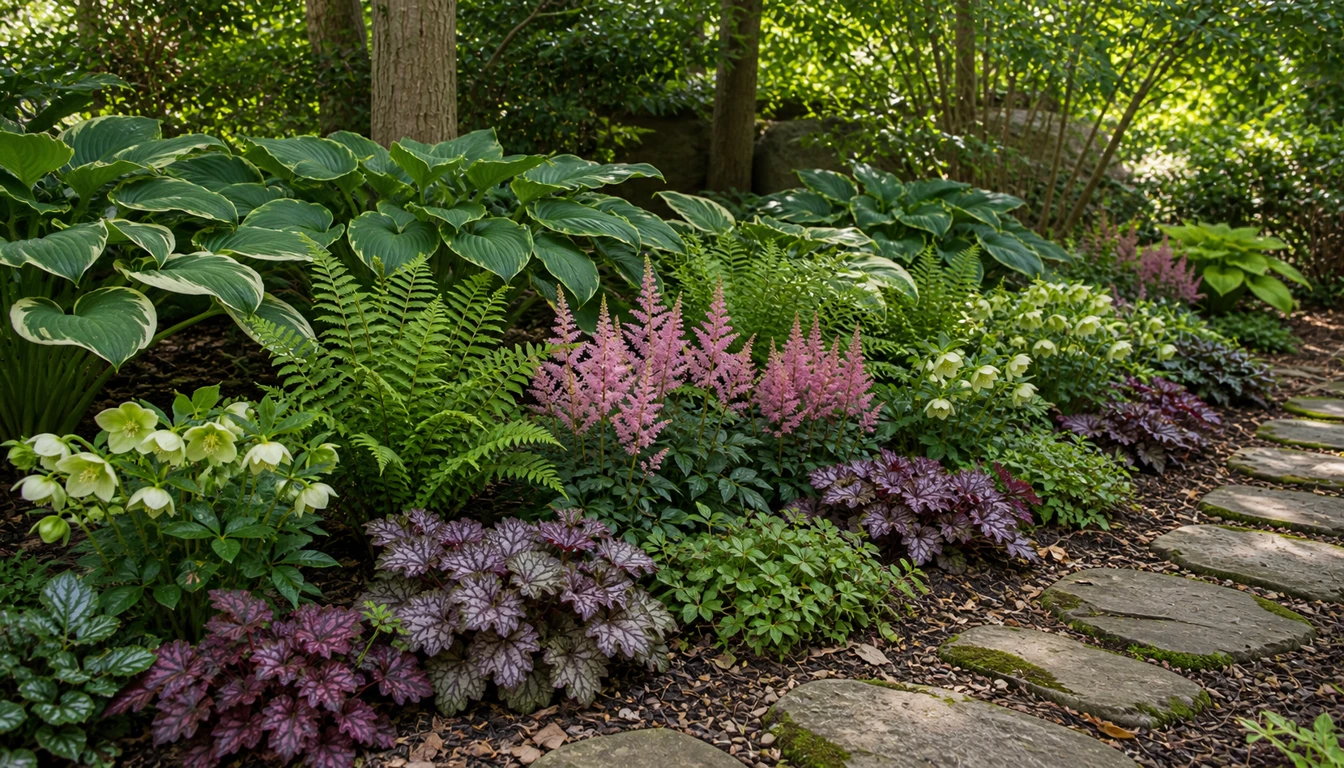
Soil, Water, and Feeding Without Overdoing It
Most shade perennials problems come from uneven basics. Water is too frequent or too rare. Soil is too dense or too lean. Fertilizer is added before anyone knows what the plant actually needs. A steadier routine is usually better than a stronger one.
Start with drainage. Outdoor beds should not stay puddled after rain. Containers need working drainage holes unless the plant is being grown in a specialized system. Indoor pots should be sized to the root ball, not to the final decorative dream. Wet soil around a small root system is one of the fastest ways to weaken a plant.
Use care and feeding guidance as one companion check. Then use deadheading guidance only where flowering shade plants need cleanup after bloom. Heavy feeding can produce soft growth, fewer flowers, weak stems, extra mowing, or poor storage quality. Too little nutrition can stall growth and make the planting look thin.
Water deeply enough to reach active roots, then let the soil move toward the preferred moisture level before watering again. Feed lightly when the plant is actively growing, not when it is already stressed.
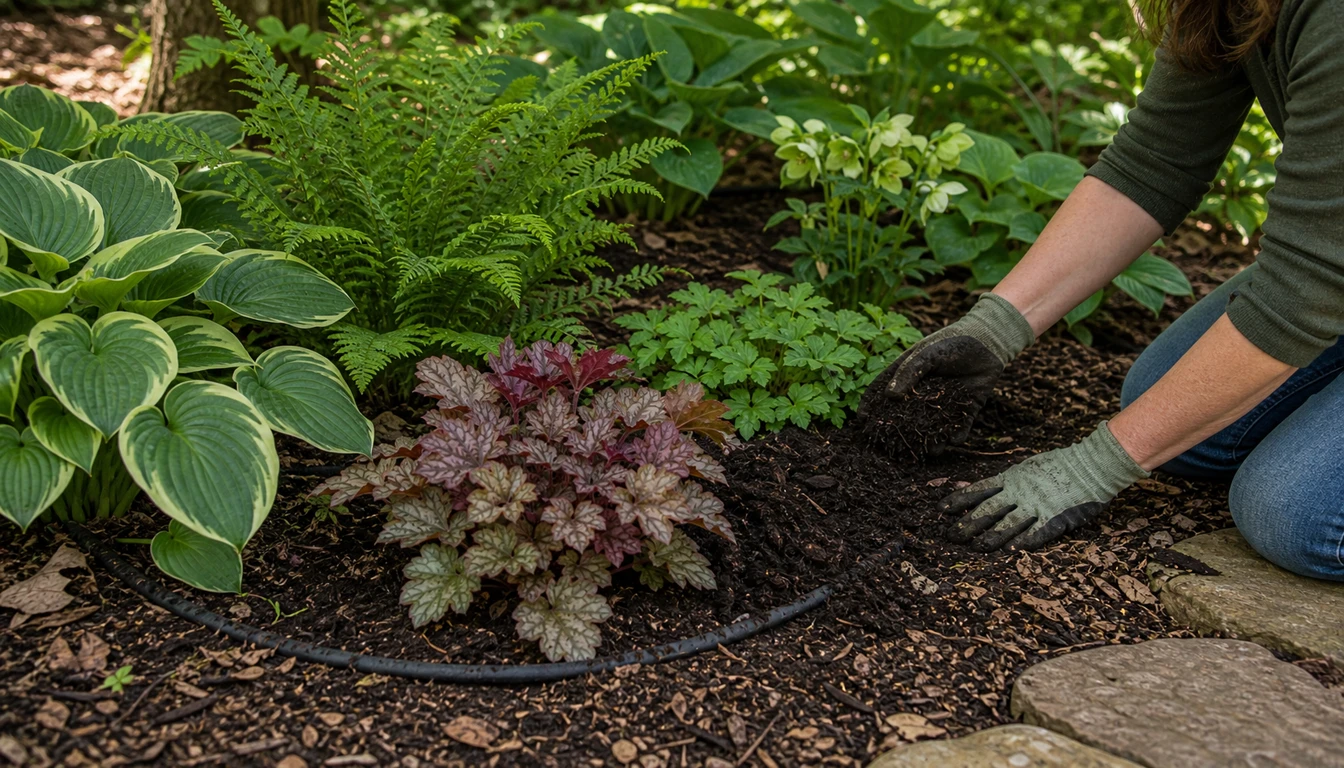
Seasonal Care for Better Long-Term Results
A strong shade perennials planting has a rhythm. Spring is usually for setup, planting, dividing, repotting, or waking plants gradually. Summer is for water, harvest, training, pest checks, and keeping stress from compounding. Fall is for cleanup, evaluation, planting hardy material, and preparing roots for winter. Winter is for protection, planning, and restraint.
That rhythm changes by category, but the idea stays the same. Do the work when the plant can respond. Prune at the wrong time and you may lose flowers. Fertilize at the wrong time and you may push weak growth. Harvest late and quality drops. Water shallowly in heat and roots stay near the surface.
Use spring to check spacing and remove damage. Use early summer to support tall growth and watch pests. Use late summer to remove failing material and note what worked. Use fall for cleanup and cool-season planting where appropriate. Use winter to plan replacements without disturbing dormant roots.
The goal is not constant work. The goal is timely work, which is much lighter.
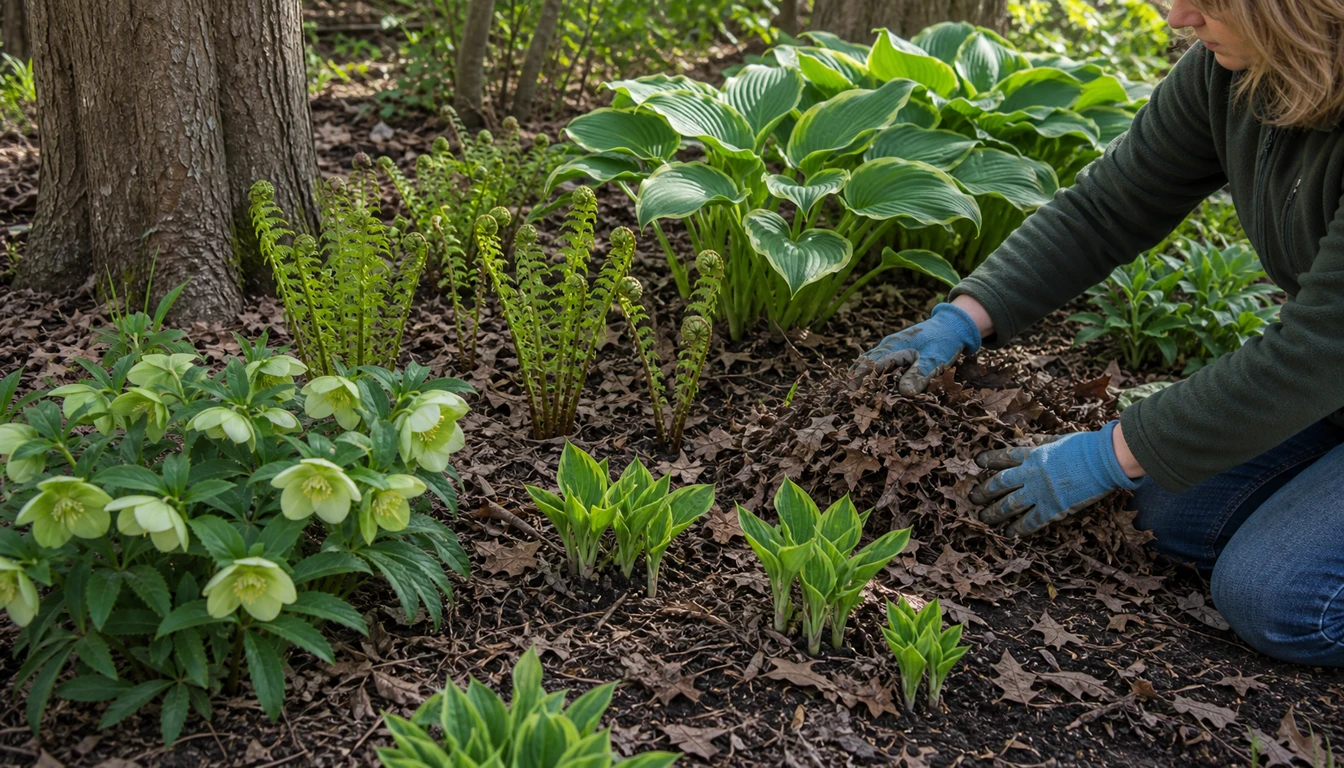
Common Mistakes With Shade Perennials
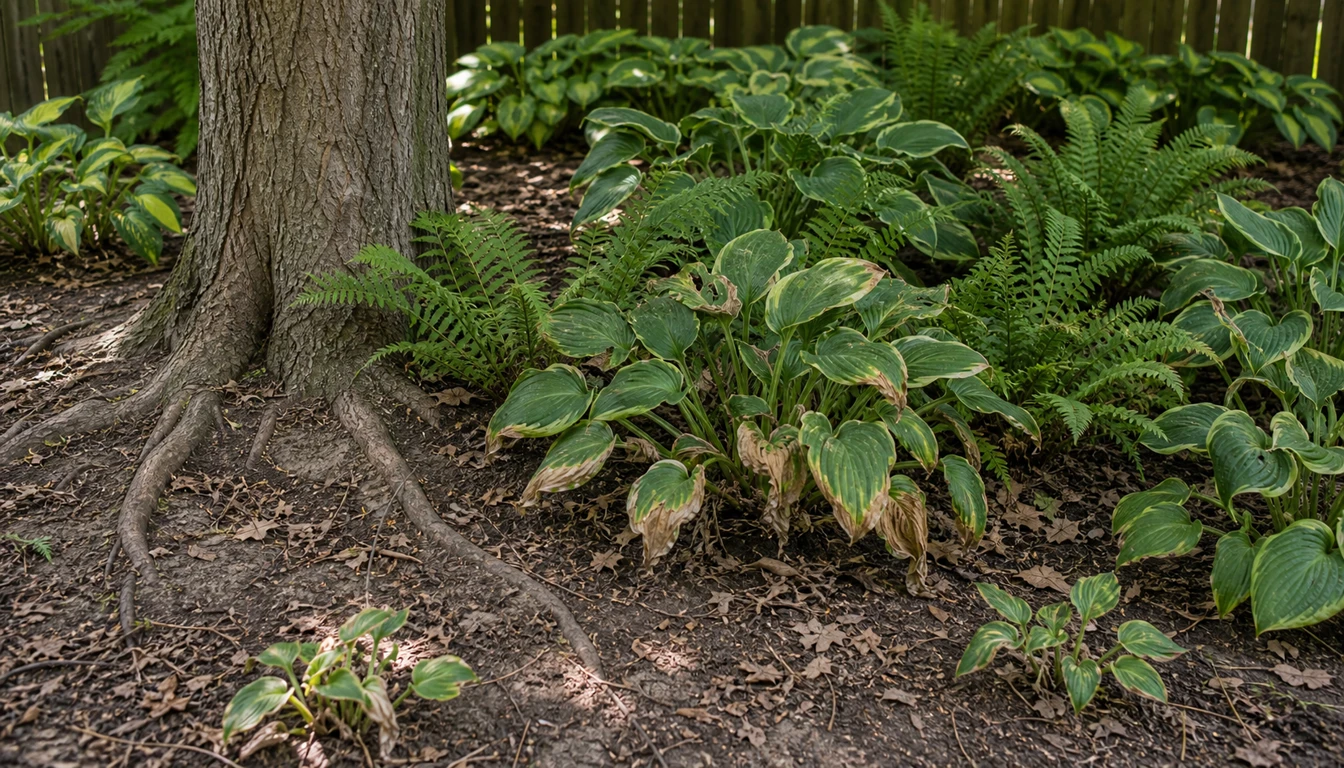
The biggest mistake is treating shade perennials as a label instead of a set of conditions. Labels simplify shopping, but plants still respond to light, soil, water, temperature, pests, and handling. A plant can be marketed for this purpose and still fail if the setup is wrong.
Watch especially for forcing sun plants into shade, planting too close, and expecting heavy performance from stressed roots. Those mistakes weaken the planting before it has a chance to prove itself. Another common error is buying for today only. A small shrub grows into a screen. A tiny tree becomes a canopy. A cute pot can become root-bound. A fast crop can become tough if harvest is delayed.
Problems to catch early include pale new growth, scorch, yellowing, curled leaves, poor flowers, thin density, weak stems, or emergency watering every week. When you see those patterns, change the cause rather than repeating the rescue. Move the plant, thin the planting, adjust water, improve drainage, or choose a better matched replacement.
A Simple Starter Plan for Shade Perennials
Start smaller than your enthusiasm. A focused first planting teaches more than a scattered collection. Choose two dependable backbone plants, one accent plant, and one experimental plant. That gives you enough variety to learn without turning the whole space into a trial bed.
For perennials, a practical first plan might use Hosta as the dependable foliage reference. Use Coneflower for contrast only where the shade breaks into enough sun for strong bloom.
Add Daylily for a different shape or season only on brighter edges. Keep Aster for late-season color instead of forcing every plant into deep shade.
Use this sequence:
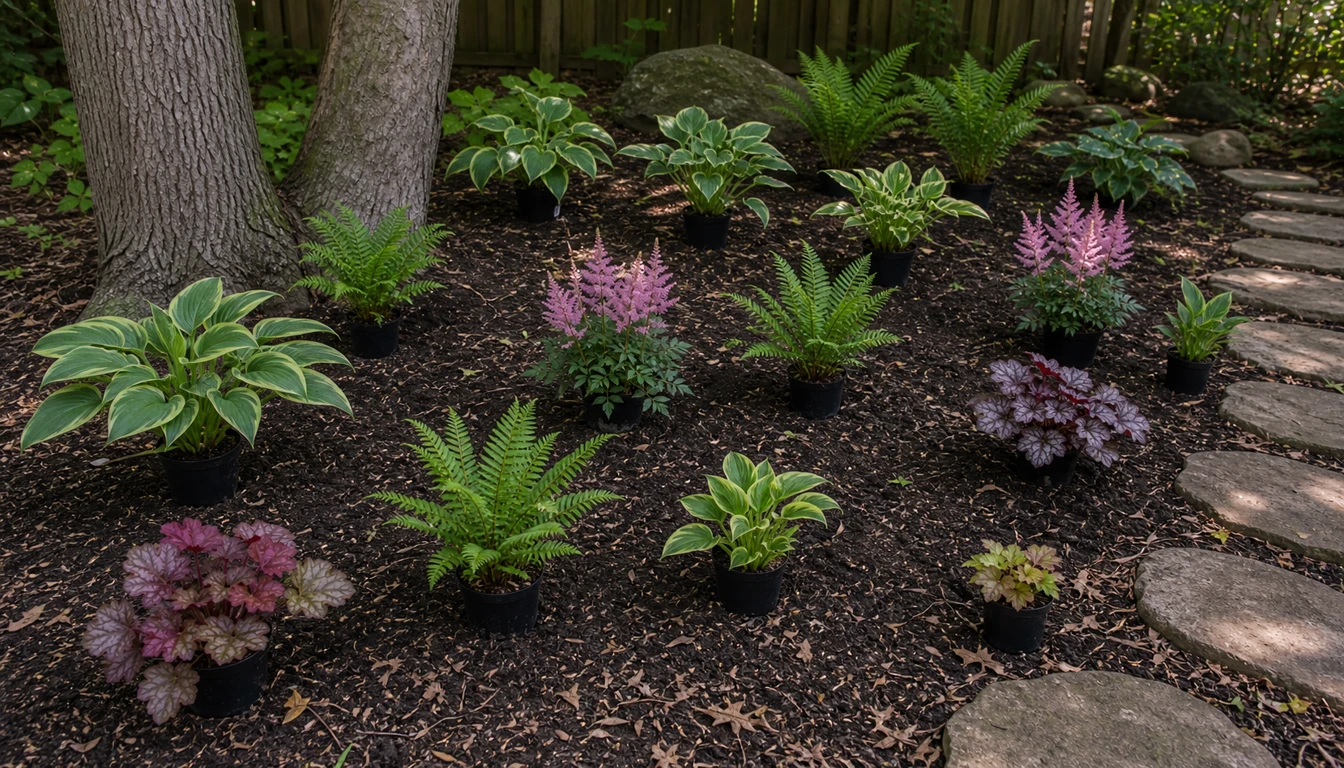
- Define the purpose in one sentence.
- Measure light, water access, mature space, and maintenance access.
- Pick plants that match those limits.
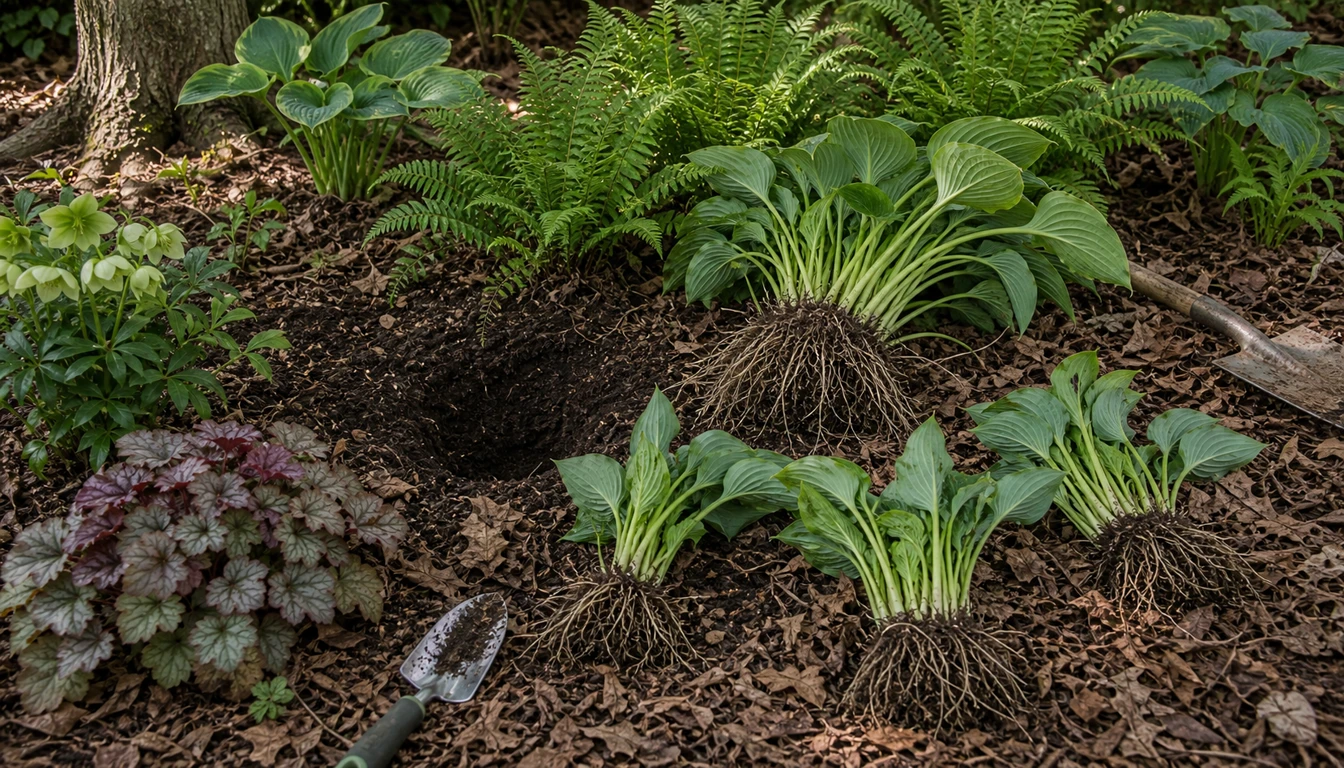
- Plant in repeatable groups, not random singles.
- Track what performs for one full season before expanding.
Use the first season to confirm what really performs in that spot.
When to Expand, Replace, or Edit the Planting
A successful planting is not frozen. After a season, expand the plants that performed, remove the ones that demanded too much, and adjust spacing before crowding becomes permanent. This is especially important for shade perennials, where the purpose can disappear as plants mature or habits change.
Keep simple notes. Record bloom time, harvest quality, watering frequency, pest pressure, winter damage, pet interest, mowing needs, or any other detail that decides whether a plant earned its place. Photos help because memory tends to favor peak moments and forget the thin weeks.
Replace a plant when it fails for the same reason twice. Expand a plant when it performs through stress and still supports the goal. Edit a plant when it works but has outgrown its original space. Good upgrades are usually boring: more of the best performer, fewer novelty plants, better spacing, cleaner access, a stronger water routine, and one companion plant that solves a real gap. That is how a purpose page becomes a real garden system.
Quick Tips
- Shade plantings work best when the chosen plant is matched to the real light, not the hoped-for light.
- Choose shade perennials by site fit before color, trend, or nursery display size.
- Buy fewer plants and repeat the dependable ones before adding unusual accents.
- Avoid forcing sun plants into shade, planting too close, and expecting heavy performance from stressed roots.
- Water for root depth, not for the look of the soil surface.
- Keep notes for one season so next year's edits are based on evidence.
- Leave enough access for pruning, watering, harvesting, mowing, repotting, or cleanup.
Best Shade Perennials for Low Light Garden Beds
8 published profiles selected for this collection.
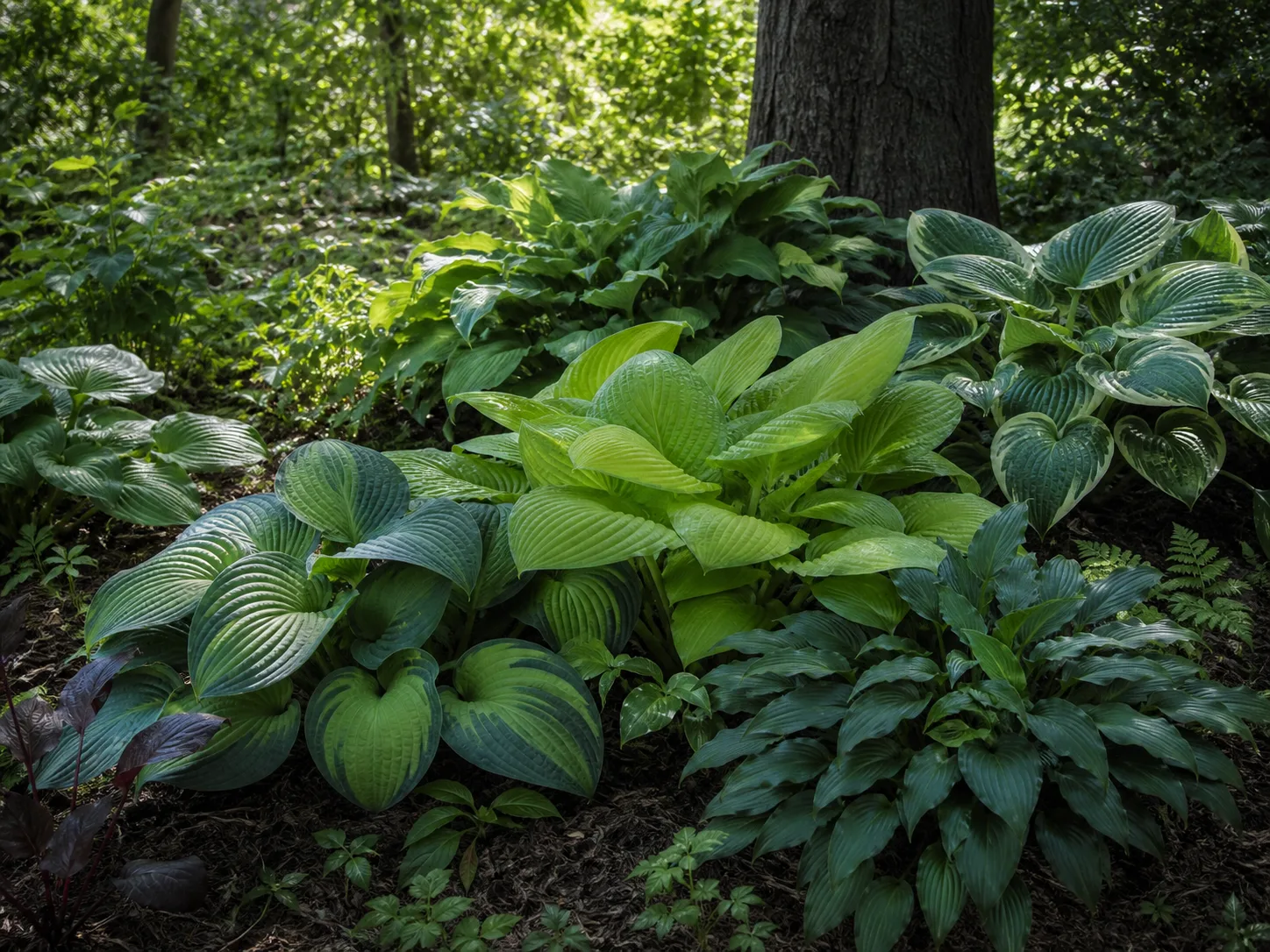
Hosta: Reliable Shade Perennial Workhorse
Hosta spp.
Gardeners crave color in shade beds, and Hosta delivers with bold foliage instead of fussy flowers. This clumping perennial…
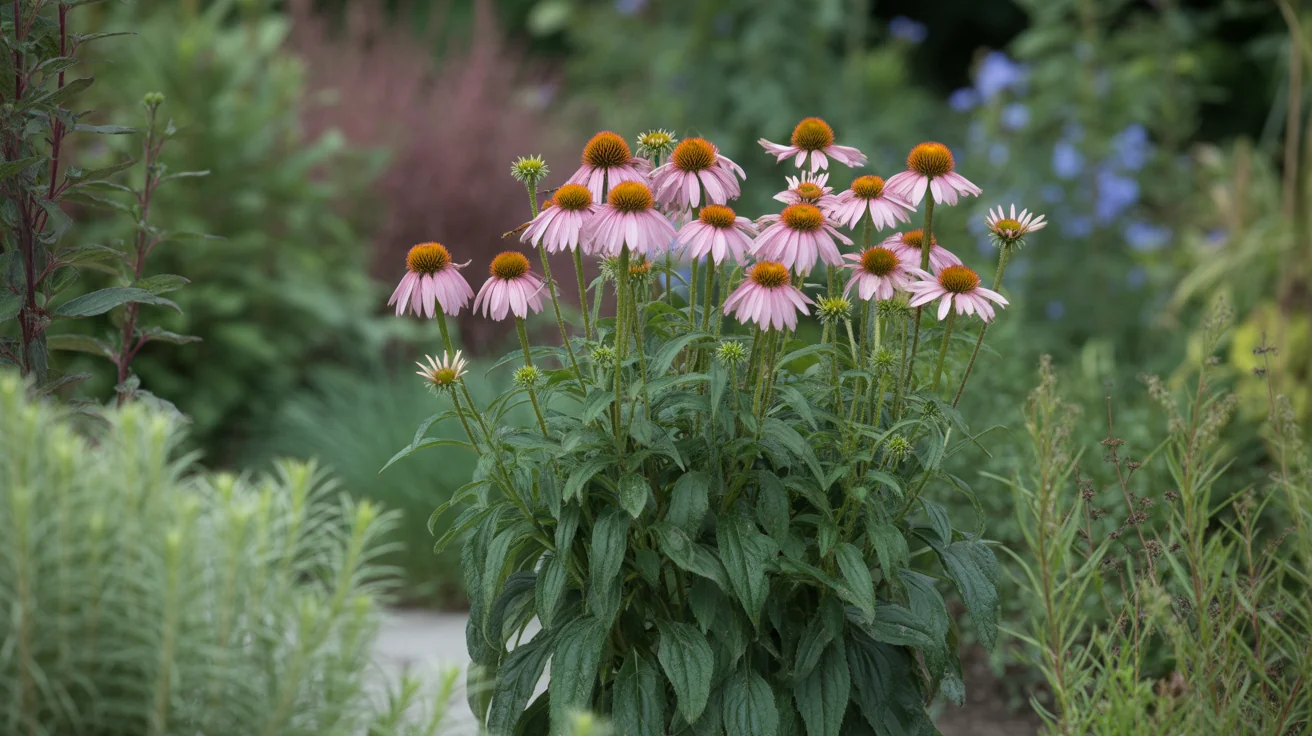
Coneflower (Echinacea purpurea) Garden Guide
Echinacea purpurea
Many gardeners overwater and overpamper Coneflower (Echinacea purpurea), then wonder why it flops or rots. This tough…
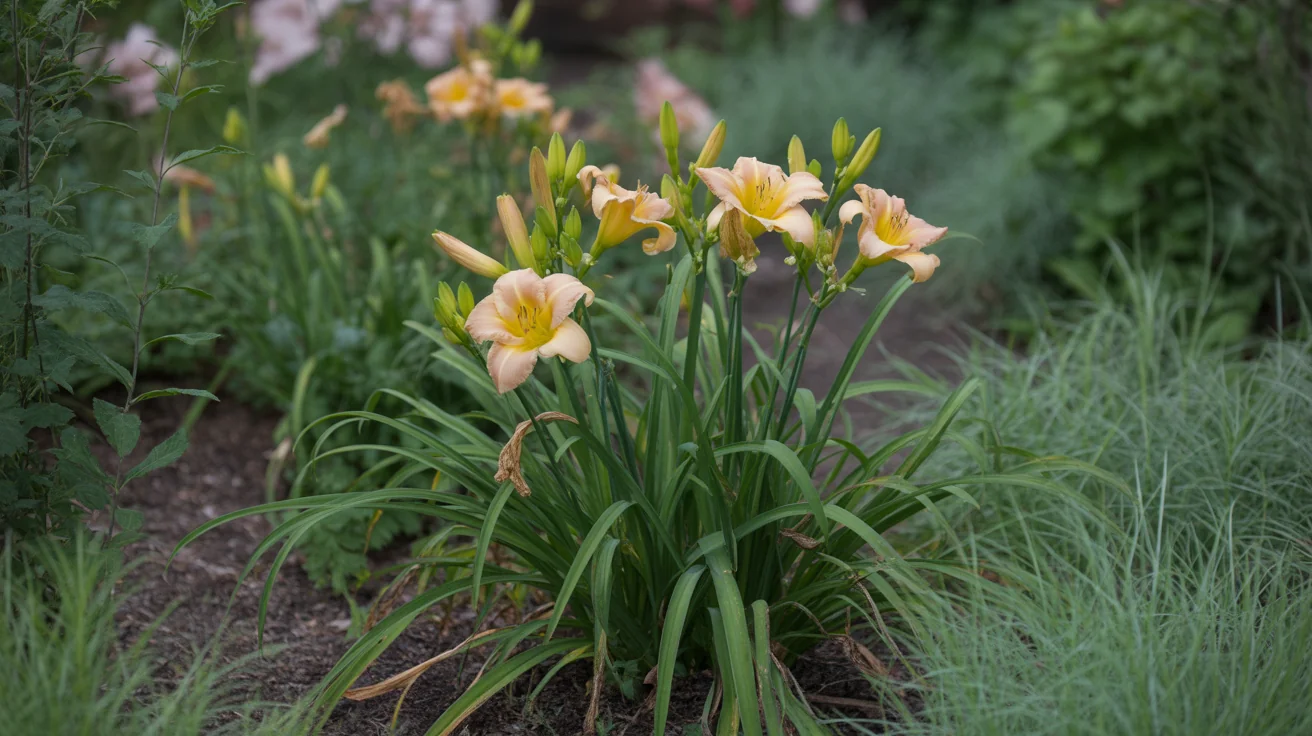
Daylily: Tough Perennial With All-Summer Color
Hemerocallis spp.
Brown, tired flower beds that burn out by July usually come from fussy plants that quit in heat or poor soil. Daylilies…
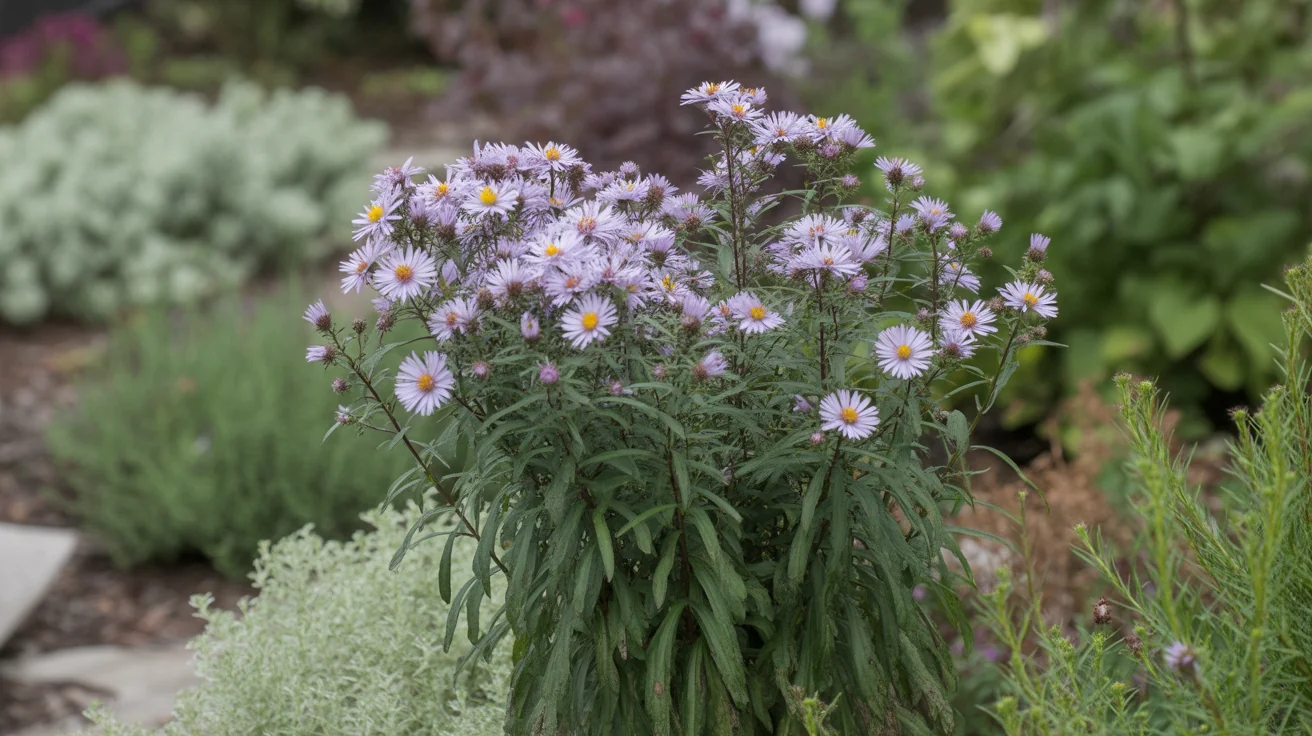
Aster: Late-Season Color Workhorse
Symphyotrichum spp.
Gardeners often let asters flop, dry out, or bloom only once, then blame the plant. In reality, these tough North American…
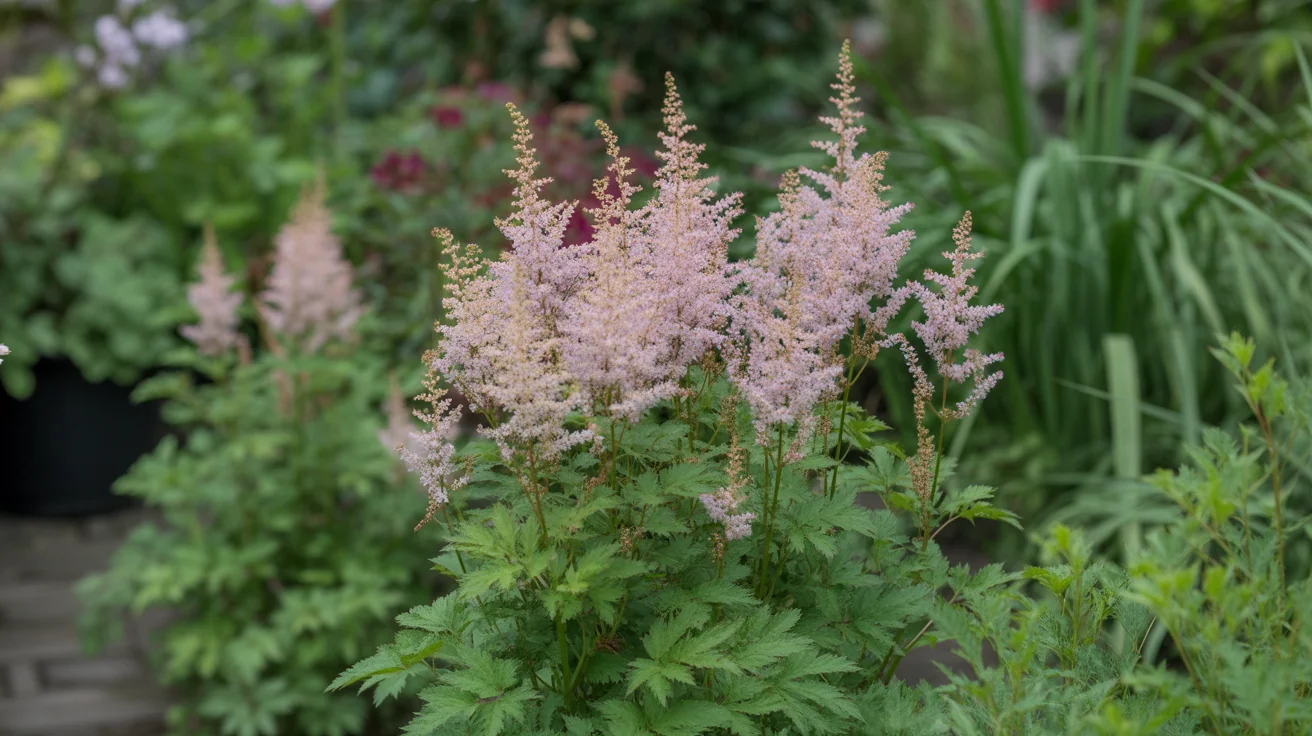
Astilbe: Feathery Color for Shade Beds
Astilbe spp.
Feathery plumes, ferny foliage, and reliable color in shade make Astilbe a workhorse perennial for damp beds and borders. It…
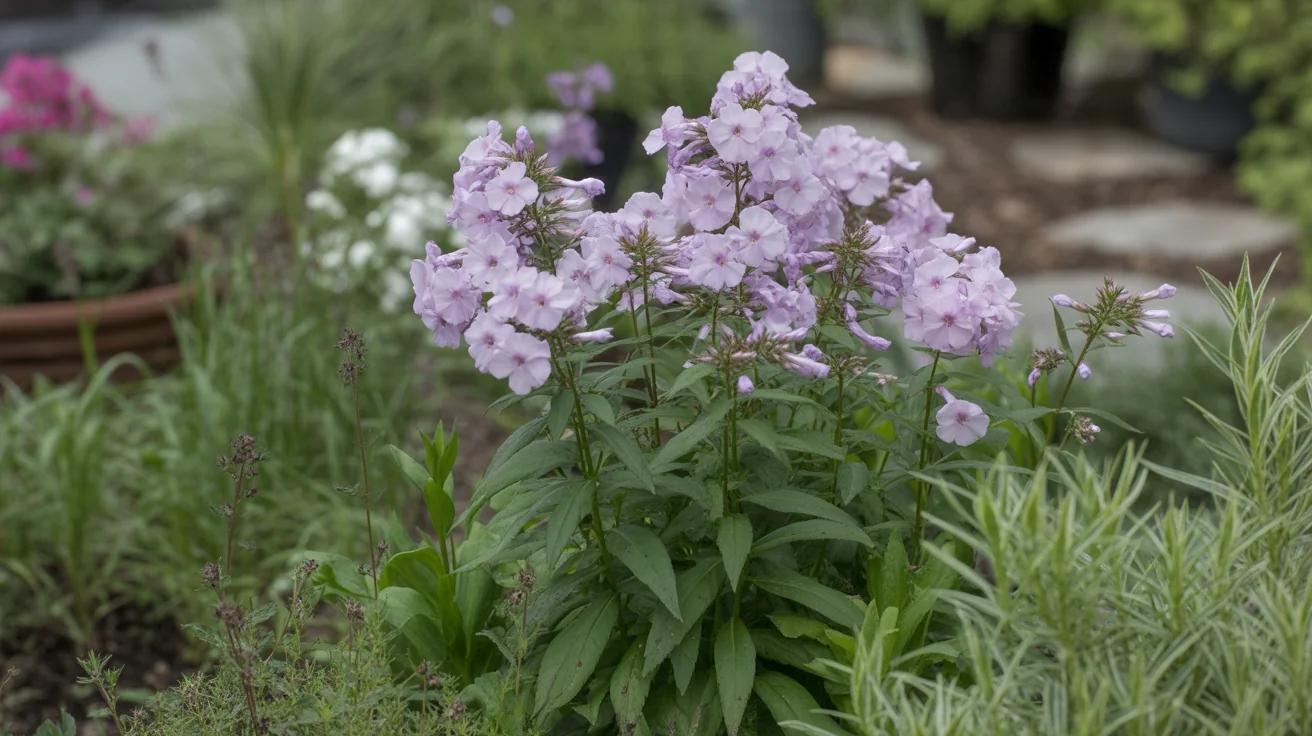
Garden Phlox for Long Summer Color
Phlox paniculata
Garden phlox is a tall, fragrant perennial that brings mid to late summer color when many spring perennials are fading; it…
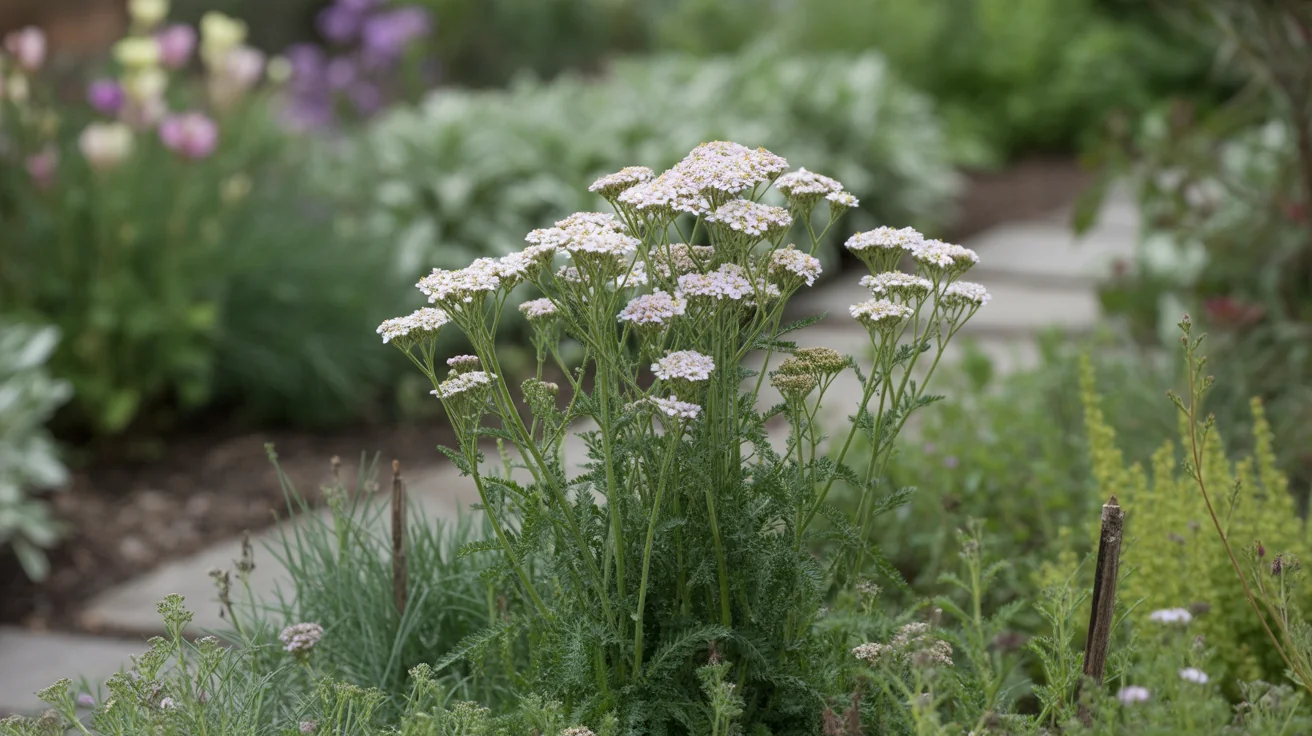
Yarrow: Tough Perennial for Dry, Sunny Spots
Achillea millefolium
Gardeners often baby perennials, but Yarrow (Achillea millefolium) thrives on a little neglect; this hardy, ferny-leaved plant…
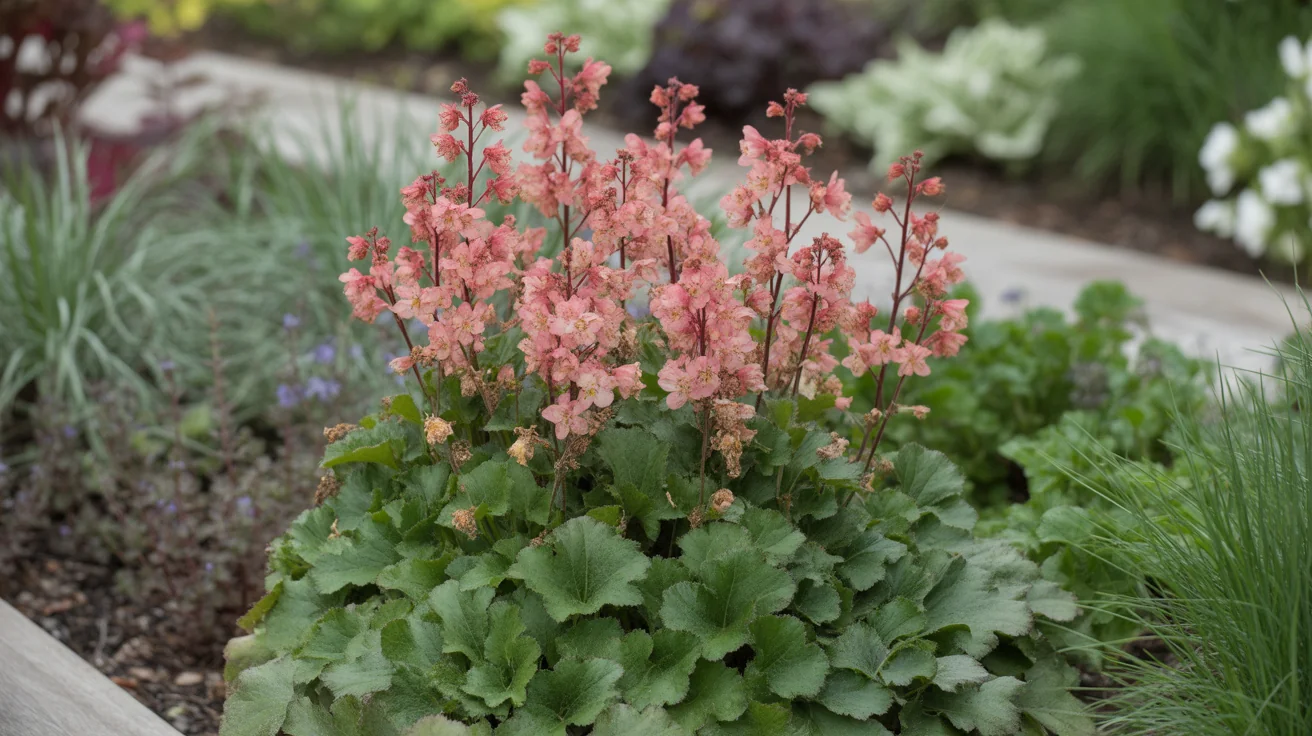
Coral Bells: Colorful Foliage Workhorse Perennial
Heuchera spp.
Most gardeners plant coral bells for flowers, then wonder why the show feels short. Heuchera is really a foliage plant first…
Frequently Asked Questions
What makes shade perennials a good choice?
A good choice fits the actual site and supports healthy structure, right mature size, deep watering during establishment, and placement that respects the site. It should not need constant rescue watering, pruning, moving, or pest treatment just to look acceptable.
Where should I start with shade perennials?
Start with a small group of dependable plants for spaces that need cooler seating, better coverage, and plants that perform without perfect full sun. Add one or two accents only after the backbone plants match the light, water, space, and maintenance you can provide.
What should I avoid when choosing shade perennials?
Avoid forcing sun plants into shade, planting too close, and expecting heavy performance from stressed roots. Those mistakes usually create weak growth, poor performance, or extra maintenance before the planting has time to settle in.
How many shade perennials should I plant at first?
Plant enough to repeat the idea, but not so many that you cannot adjust. Two dependable choices, one accent, and one trial plant is safer than a large mixed collection.
How long before best shade perennials perennials look established?
Most plantings need one active growing season before you can judge them fairly. Trees, shrubs, perennials, fruit plants, and lawn grasses often need longer because roots establish before visible top growth reaches full strength.