
How to Grow Tradescantia Zebrina and Renew Bare Trailing Stems
Tradescantia zebrina Commelinaceae
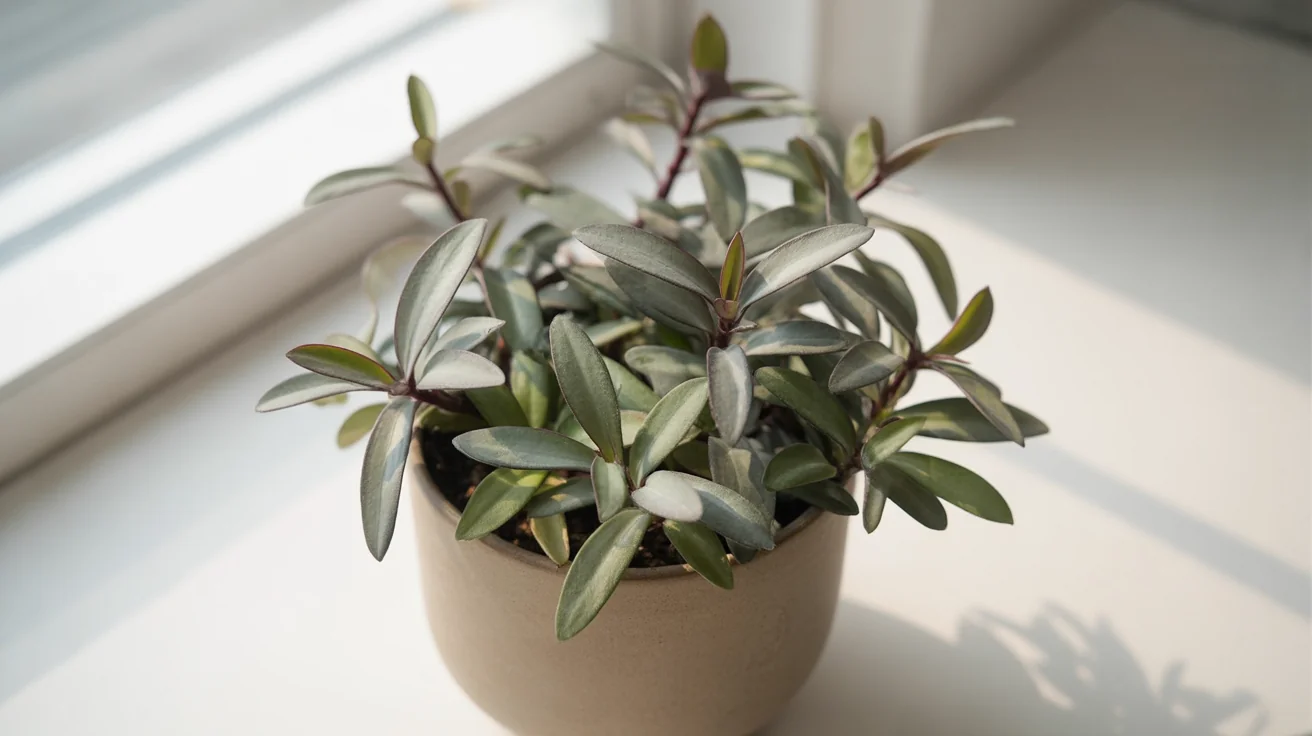
Tradescantia zebrina, also sold as inch plant or wandering dude, makes trailing stems with silver-striped leaves and purple undersides. Bright light and pruning help maintain fuller growth, while healthy node cuttings can renew an aging basket.
A bare stem alone does not identify low light or rot. New growth, moisture below the surface and the condition of the stem base help decide whether the plant needs a better position, renewal or a root-zone check.
Care snapshot
Striped Leaves on Stems That Root at Nodes
Tradescantia zebrina is a creeping perennial in the spiderwort family. The leaf blades clasp succulent stems, and two broad silver bands contrast with green-to-purple upper surfaces and purple undersides. Small three-petaled flowers may appear, but indoor plants are usually grown for foliage.
The stems can branch or root at their nodes, the joints where leaves attach. That growth habit explains why a basket can be renewed from cuttings or by placing a healthy stem against moist mix. A long trail is normal for this species and is not, by itself, a symptom.
Lower leaves may be lost as stems age or grow in weak light. New spacing and the location of the bare parts add context. A vine with compact new growth beyond an old leafless section presents a different problem from new shoots that keep stretching after a darker move.
The common names inch plant and wandering dude are used by the cited extension sources. Older listings may use wandering Jew. The scientific name helps separate this striped species from other Tradescantia plants sold under overlapping names.
Color and Condition Both Matter When Choosing a Plant
Leaf color varies with the cultivar, age and growing conditions. Wisconsin Extension notes that even named selections can be difficult to distinguish without growing them side by side. A single purple leaf or retail trade name is therefore weak evidence for a precise cultivar identification.
- Burgundy
- A named zebrina selection described with dark burgundy-purple foliage and grayish striping
- Quadricolor
- A selection with cream, pink, purple and green striping
- Basket condition
- Inspect the pot surface and stem bases as well as the trailing ends; healthy tips can conceal a sparse or declining center
A fuller plant usually has several growing stems distributed around the container. Long trails offer a different display, but their length says little about root condition. Soft damaged bases, pests or saturated mix deserve attention before the plant joins a collection.
Tradescantia Nanouk has its own selection and care context. Its pastel appearance does not establish a rooting-speed comparison with zebrina, and a photo alone cannot resolve every trade-name or taxonomic difference.
Light Needs to Reach the Top of the Basket
Bright indoor light supports compact, strongly colored growth. A basket hung above a window can put the trailing tips in better light than the pot surface. Lowering or repositioning it so the top receives useful light may help new growth without changing the entire care routine.
Both NC State and Wisconsin distinguish light intensity from climate. Strong sun can deepen color in some conditions, while intense sun in warmer locations can wash it out or injure foliage. Bright filtered light is a practical indoor starting point, with gradual adjustment to stronger exposure.
Color is a clue rather than a light meter. New growth becoming stretched and less colorful after increased shade supports a light-related explanation. Directional pale patches after a sunnier move suggest a different exposure problem, while fine stippling calls for a pest inspection.
A sheer curtain can soften direct rays, but its effect depends on the fabric and window. A grow light can supplement a dim position if its output and coverage suit the plant. Neither a fixed distance from glass nor an automatic weekly rotation guarantees adequate light.
Old gaps do not shorten after a move. Comparing growth formed in the new position gives more useful feedback than repeatedly moving the basket because old bare stems still look unchanged.
Moisture Checks Come Before a Stem Diagnosis
The species benefits from regular water and a mix that drains, with drying between waterings. The need changes with light, temperature, container size and roots. A hanging pot near warm moving air may dry differently from a similar pot on a shaded shelf.
Check below the surface and consider how long the pot has held moisture. When the upper mix has begun to dry and the root ball is losing moisture, a thorough watering followed by drainage replenishes it more evenly than repeated small drinks. Water collected in a saucer or outer pot needs to be emptied.
Firmness alone cannot distinguish thirst, light stress and disease. Dark soft tissue near the base, persistent wetness and ongoing decline justify closer examination, but a firm stem does not certify healthy roots. Repeatedly tugging stems can also damage a plant that has little root support.
If contracted dry mix lets water bypass its center, slow rewetting can help restore contact. Conversely, adding more water to a wet declining pot can worsen the conditions around its roots. The first decision comes from the root zone, not simply from the loss of leaf color.
Winter often brings slower drying indoors. Reducing watering in response to that change is different from withholding it for a fixed season. Neither leaving tap water overnight nor adding more fertilizer is a general solution to stem decline.
Match the Pot to the Roots and the Display
A draining indoor potting mix needs to retain usable moisture while allowing air around roots. Adding perlite may help some mixes, but a universal amendment percentage is unnecessary when a suitable commercial mix already performs that job.
The container needs enough space for the actual roots and stable support for trailing growth. A very large volume of unused wet mix can complicate watering, but this does not make every deep container unsuitable. Pot shape alone does not determine root health.
Healthy stems may be pinned into open areas of a well-drained parent pot for renewal. If the original mix is failing or stems are decaying at its surface, rooting clean material separately avoids returning it to the same conditions.
Repotting is useful when roots fill the available space or the mix no longer wets and drains properly. Pruning and taking cuttings address a sparse display, while repotting addresses the root environment. One cannot automatically replace the other.
An unglazed terracotta pot usually loses water faster than a comparable plastic container, which changes checking frequency. Whichever material is used, drainage and the plant’s observed drying pattern remain more informative than a prescribed shallow pot.
Use Healthy Nodes for Cuttings or Layering
Wisconsin Extension describes rooting zebrina cuttings in either water or moist potting soil. It also supports layering, where a node roots while the stem remains attached to the parent. Rooting hormone is generally unnecessary for this readily rooting species.
Clean material matters more than maximizing the number of pieces. A tip with viable nodes and healthy leaves is a useful starting point, while soft, pest-infested or deteriorating pieces can carry the original problem into the new pot.
- Select a healthy stem with nodes and cut it with a clean tool. Leave viable nodes on any parent stem intended to branch again.
- Remove leaves that would sit beneath water or the mix without stripping away the node itself.
- Place a bare node in water or moist draining mix. For layering, secure an attached node against the mix rather than burying the foliage.
- Keep the cutting in suitable bright light and maintain moisture while roots establish. Remove deteriorating material and refresh cloudy water.
- When a water-rooted cutting has developed roots, pot it gently and watch moisture while it adjusts. Avoid repeatedly pulling a soil-rooted cutting out to check it.
The close view shows roots emerging at nodes held against the soil. It explains where contact matters, but does not document a rooting deadline or success rate. New leaves alone are also not proof that a cutting has a well-established root system.
Several established cuttings can fill open parts of a basket while older healthy vines remain. Replacing every stem at once is optional, and may be unnecessary where simple pruning restores branching. Routine cinnamon treatment is not required by the cited propagation guidance.
Separate Sparse Growth From Pest or Root Damage
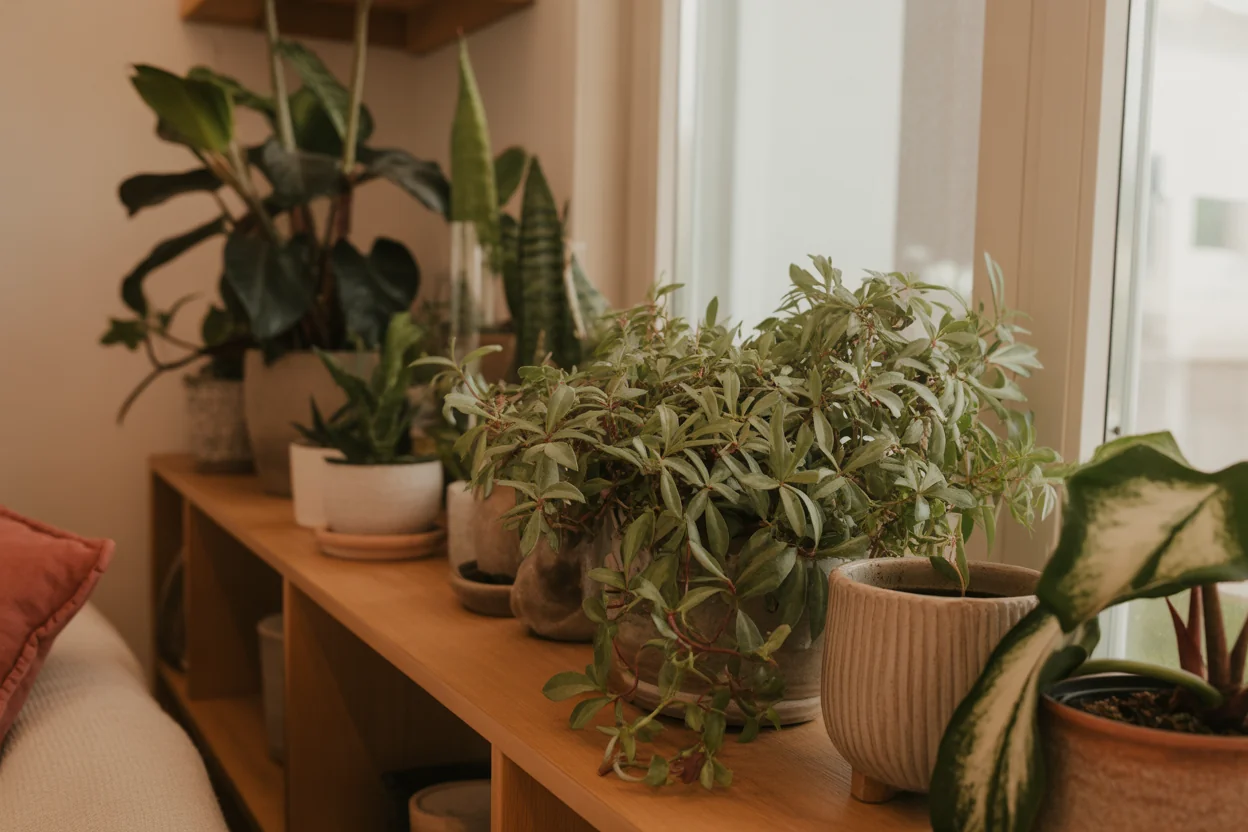
Leggy growth and faded leaves overlap with several care problems. Comparing new versus old growth, exposure, moisture and actual pest signs is more useful than deciding that every bare crown needs a hard cutback.
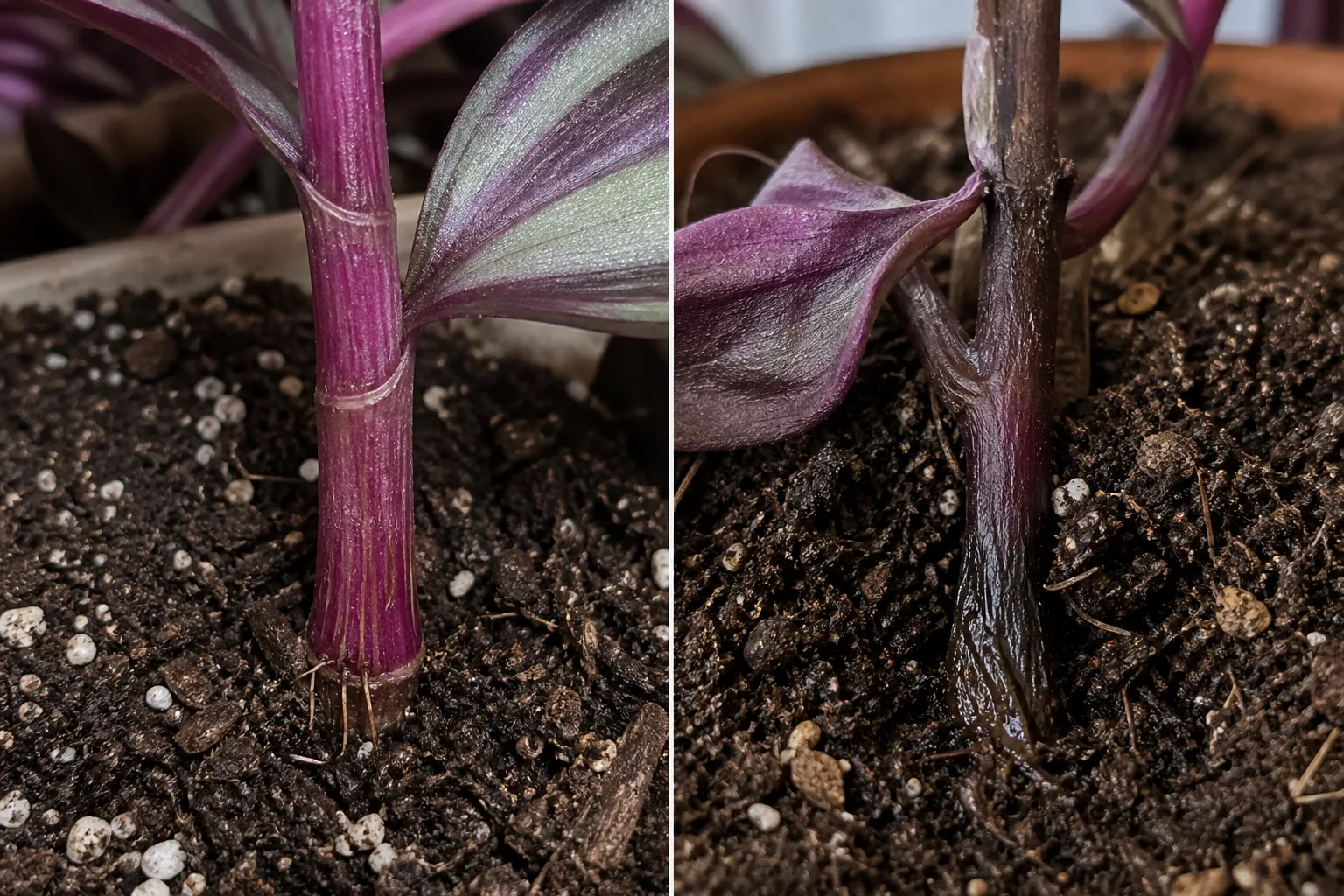
NC State lists aphids, mealybugs, scale, whiteflies and spider mites among possible pests. Leaf undersides, joints and tender growth are useful places to inspect. Cottony clusters, attached bumps or stippling with mite evidence require different identification checks.
Root or stem rot can occur in soggy conditions, and leaf diseases may accompany crowding and prolonged leaf wetness. Improving those conditions reduces avoidable stress, but it does not identify every cause of a brown spot or a collapsing stem.
Washing or careful removal may help with some confirmed pests. Any pesticide needs to be labeled for the plant, pest and indoor setting, with attention to plant sensitivity. Household alcohol or a spray chosen only from leaf color is not a universal remedy.
Renew During Active Growth, Adjust When Growth Slows
NC State notes that zebrina tolerates a strong spring cutback, and Wisconsin recommends pruning or renewal as needed. Those options serve a plant that has become straggly. A healthy compact basket does not need to be stripped simply because spring arrived.
NC State lists 65–75°F and ordinary room humidity for indoor zebrina. Active growth and adequate light give replacement stems an opportunity to establish. In a dimmer season, retaining healthy foliage while improving conditions may make more sense than removing most of the plant.
Fertilizer can support growth when nutrients are needed, using a suitable houseplant product at its labeled rate. It cannot restore adequate light or reverse decayed tissue. Feeding more heavily because the crown is sparse can miss the reason for the decline.
An outdoor summer position needs gradual acclimation and protection from frost. Wisconsin’s advice to wait until frost danger has passed belongs to the local weather, not a universal month. Before bringing the plant back indoors, an inspection for pests helps protect neighboring plants.
Sap Exposure and Loose Stem Pieces
NC State’s species record flags dogs and cats, and describes mouth or stomach irritation after ingestion and skin irritation from contact with leaves or sap. It does not provide an animal dose threshold or establish a horse classification. Its low-severity label cannot predict the outcome of a particular exposure.
Keep the plant and cut material away from animals or children likely to chew them. Gloves are useful during pruning if sap irritates your skin, and washing exposed skin prevents carrying sap to the eyes or mouth. Suspected pet ingestion or symptoms call for veterinary advice.
Spider Plant has a separately documented ASPCA non-toxic listing for dogs and cats. That makes it a relevant alternative for this specific toxicity concern, while chewing, physical hazards and products applied to any plant still need consideration.
Loose zebrina stems can root where nodes contact moist soil. Outdoor containers therefore need attention to fallen trimmings as well as the parent plant. A local invasive-plant assessment is the appropriate source for regional status; ease of rooting alone does not establish a universal weed rating.
Sources & References
- Tradescantia zebrina — NC State Extension Plant Toolbox
- Tradescantia zebrina, Zebra Plant — Wisconsin Horticulture
- Indoor Plant Care — Purdue Extension HO-39-W
- Diagnose Indoor Plant Problems — University of Maryland Extension
- Insects on Indoor Plants — University of Minnesota Extension
- Toxic and Non-toxic Plants: Spider Plant | ASPCA
Related Plants
Golden Pothos
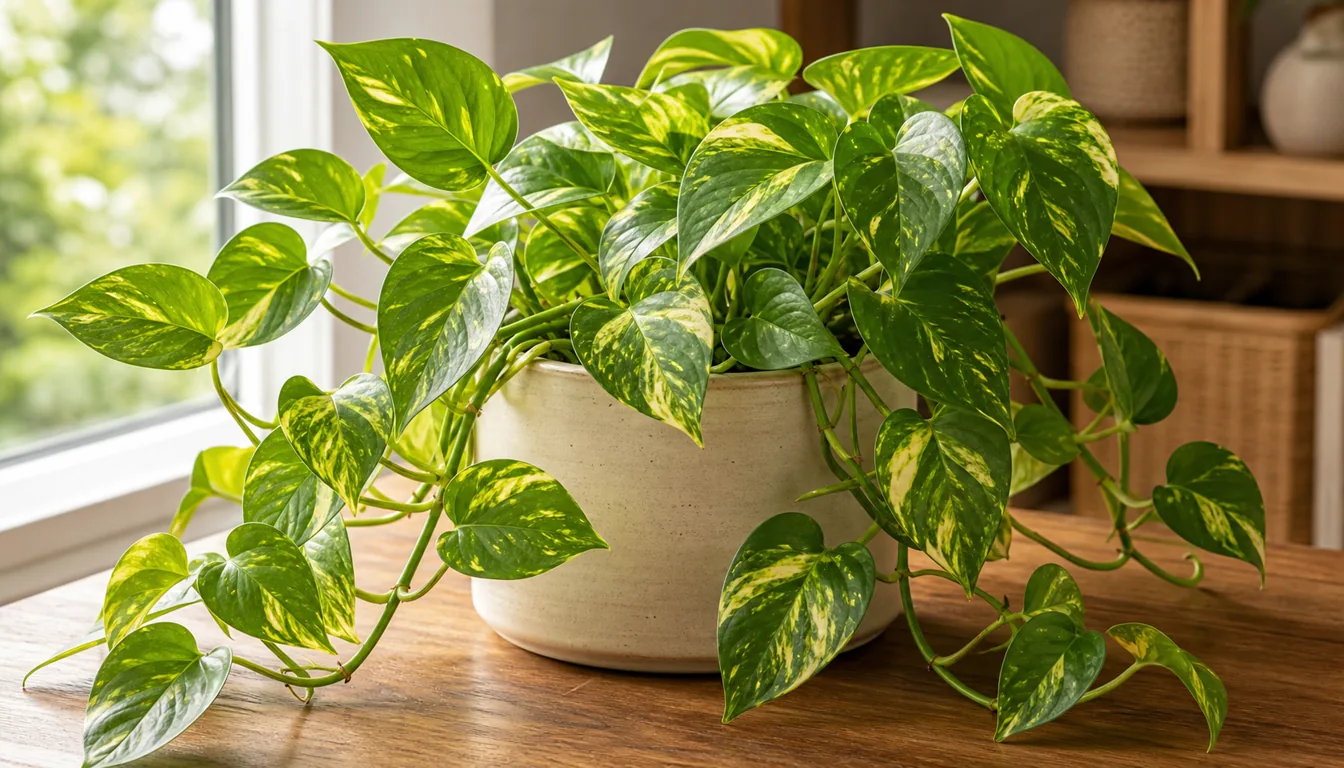
Tough trailing vine with green or variegated leaves for lower light spots.
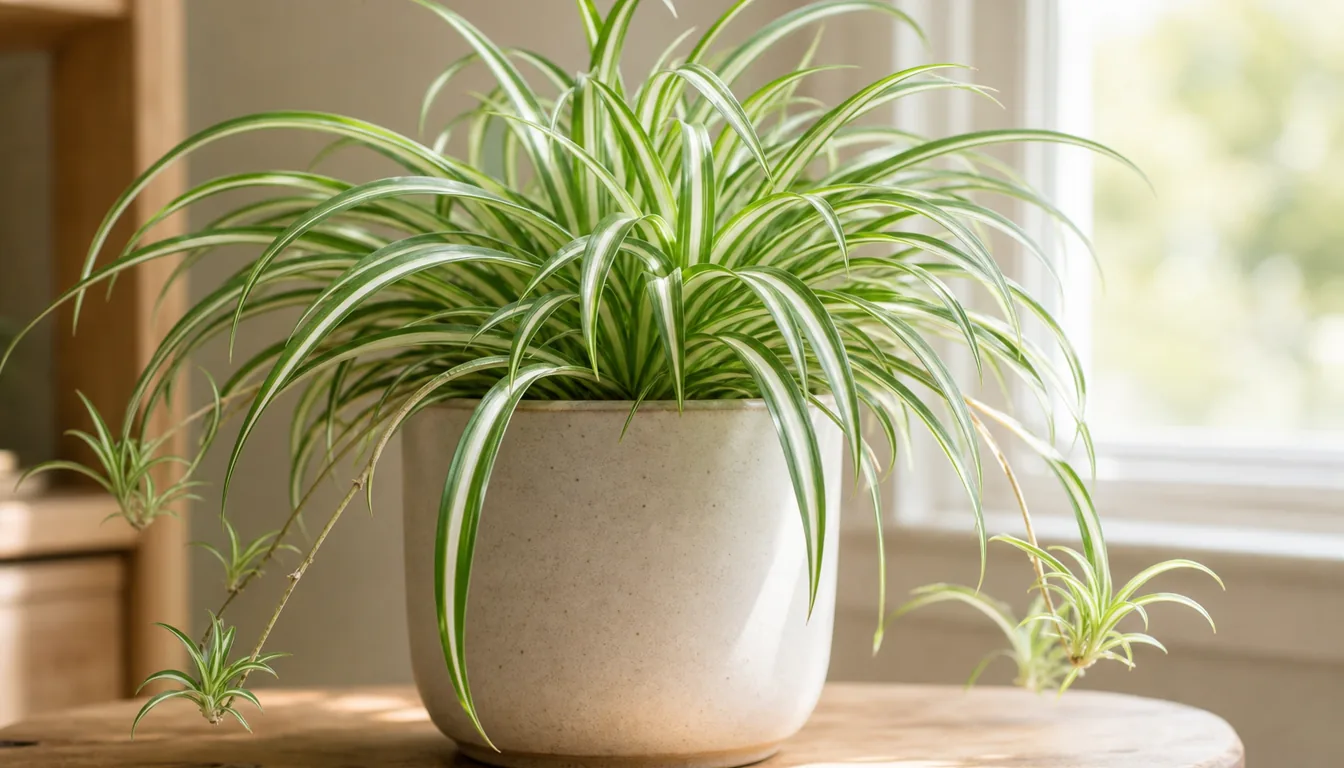
Spider Plant
ASPCA lists Spider Plant as non-toxic to dogs and cats; that does not make it a food or remove every chewing hazard.
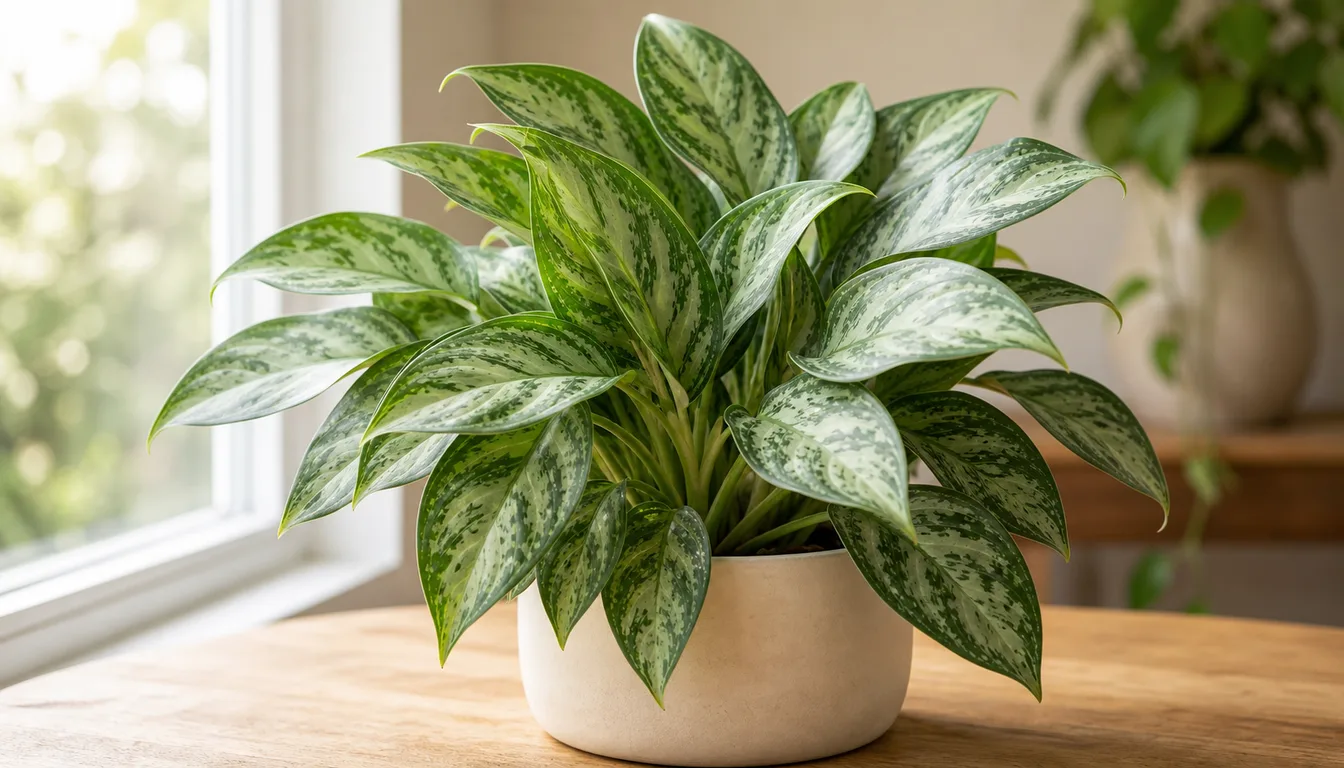
Chinese Evergreen
Colorful foliage option that tolerates less light than Tradescantia.
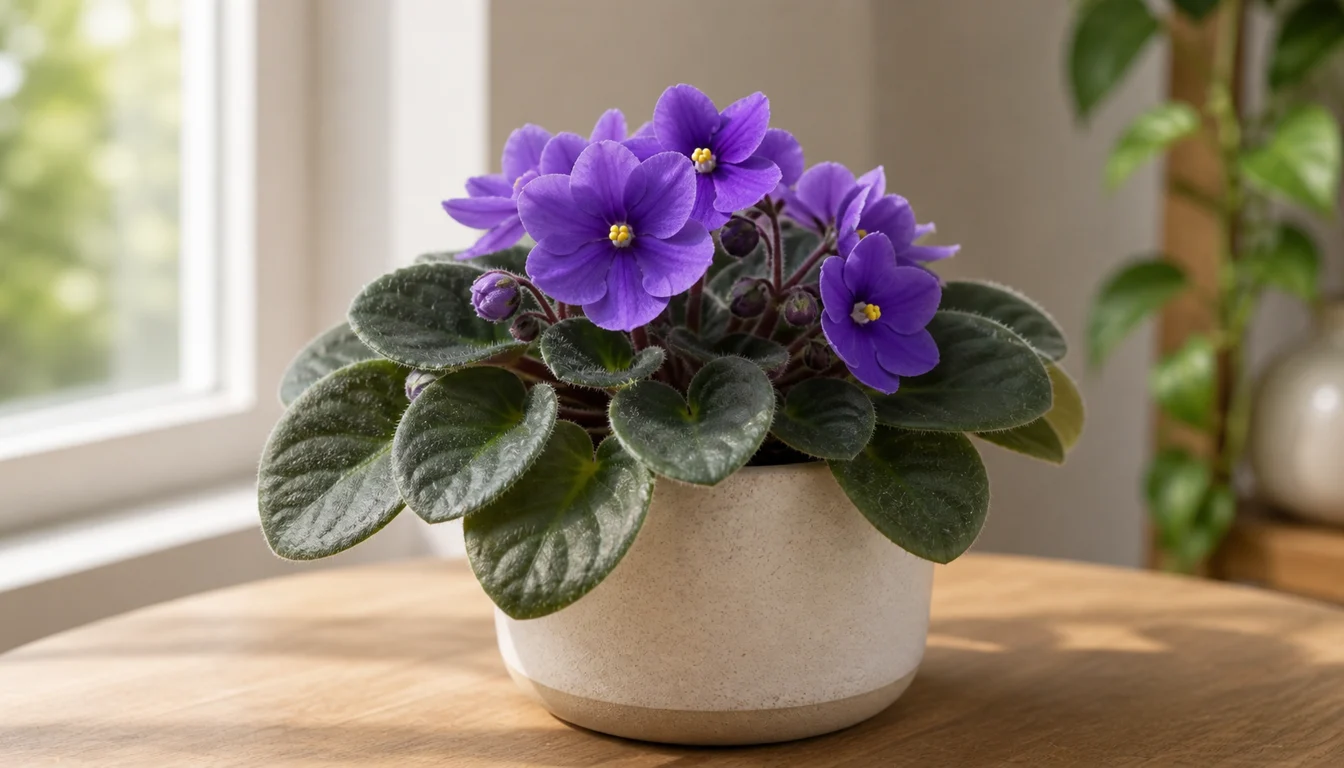
African Violet
African Violet is a windowsill bloomer that rewards steady, small-pot care.
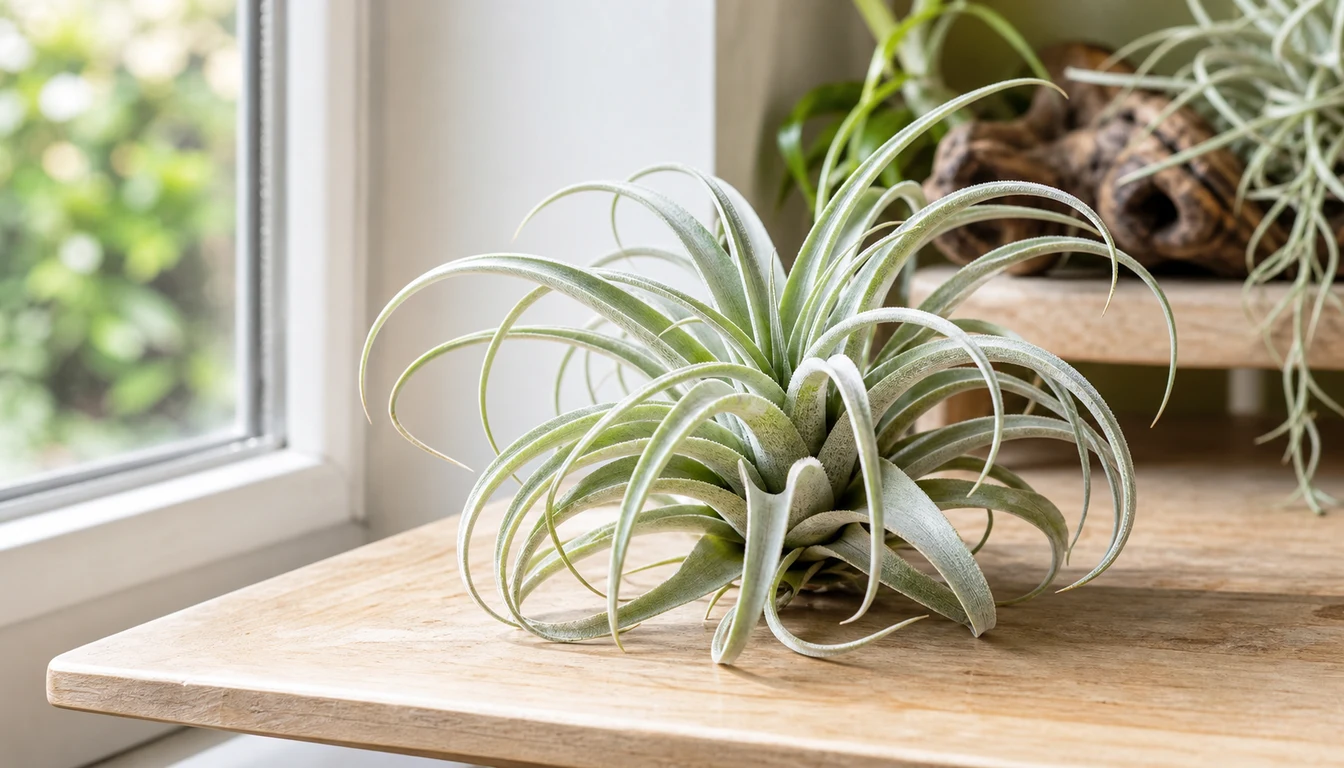
Air Plant
Air plants are living sculptures that thrive without soil, anchoring to driftwood, rocks, or shells while drawing…
Alocasia
Alocasias include compact, textured houseplants and large elephant ears that need substantial floor space.