verifiedSource Reviewed
Ti Plant
Cordyline fruticosa
Family: Asparagaceae
wb_sunnyLight
Bright indirect to medium light; tolerates some direct morning sun
water_dropWater
Moderate; keep soil evenly moist
heightHeight
3-6 ft indoors depending on pruning
publicZone
Outdoors in Zone 10-12; indoors anywhere
airAir Quality
Air Quality Note
Native Region
Southeast Asia, Papua New Guinea, and eastern Australia
paletteGrow It for Color, Not Just Height
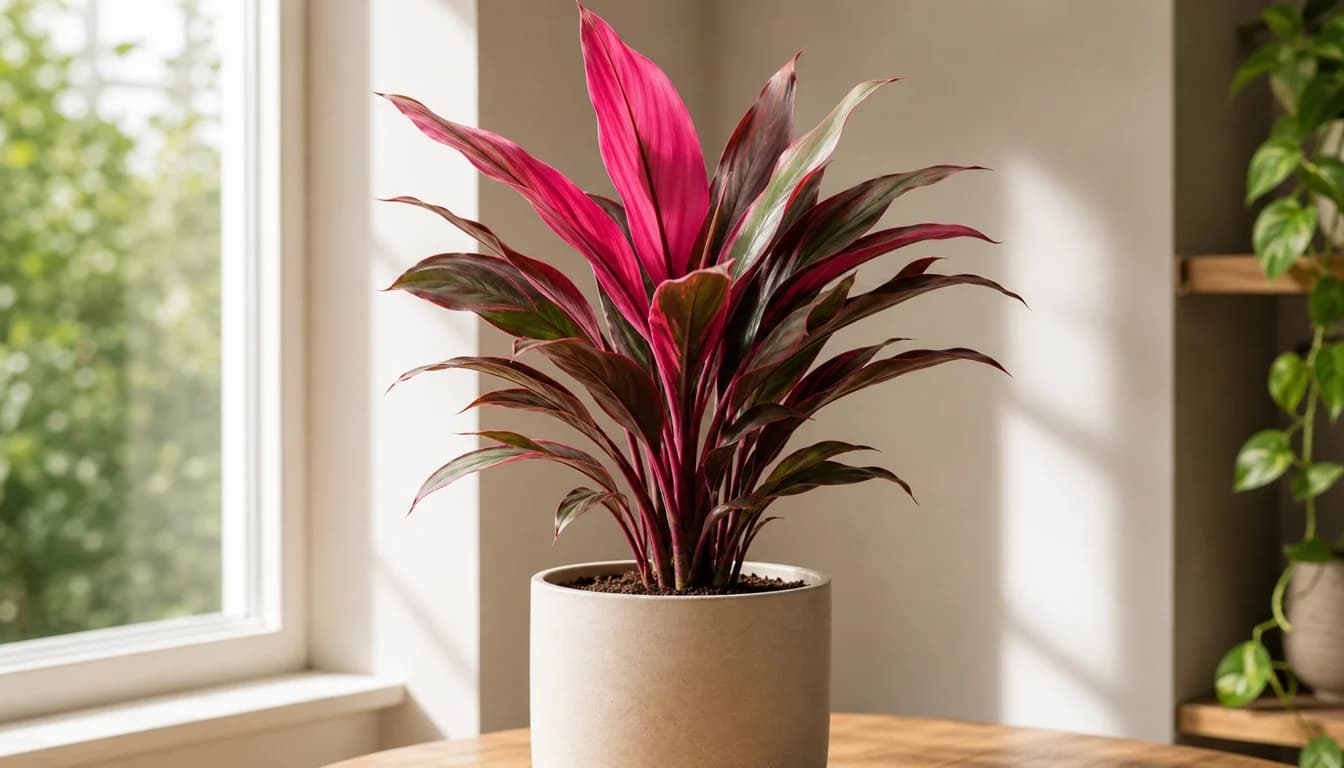
The job of Ti Plant is color. If the newest leaves come in dull green, the plant is telling you the room does not support the red, pink, or burgundy look you bought it for.
It grows from upright canes with leaf clusters near the top. That cane structure means old lower leaves drop over time, but weak color on new leaves is a care problem.
- check_circleStrong new color: light is close.
- check_circleGreen new leaves: move brighter before feeding.
- check_circleBare tall cane: prune for a lower break if the top is healthy.
This page is different from Dragon Tree. Ti Plant wants warmer, brighter, more humid care to keep color.
A tall green cane is not the same win as a shorter plant with strong new color. Prune for a lower break before the plant becomes a bare pole.
local_floristChoose the Color You Can Actually Keep
The brightest cultivar is not always the best buy. Strong pink and red leaves need better light than dark burgundy or green-edged forms.
Red SisterBright pink-red color; needs strong indirect light
Black MystiqueDark burgundy look; easier to place than pink forms
KiwiGreen, yellow, and pink striping; shows fading quickly in low light
If you want loud leaf color in a hotter window, Croton may fit better, but it is less forgiving about moves.
Guide — See AlsoAir Purifying Plants for Cleaner Indoor AirLearn how to pick, place, and care for air purifying plants so they help your indoor air instead of just looking pretty.
chevron_rightwb_sunnyGive Color a Bright Window Without Cold Glass
Ti Plant needs bright indirect light to keep color. Morning sun can help. Deep shade turns the plant into a plain green cane.
Do not press leaves against cold glass. Warmth matters here because cold stress can mark leaves even when the light is right.
If color fades after a move, fix placement first. Fertilizer will not restore pigment if the plant is sitting in a dim corner.
If the only bright spot is cold at night, move the plant back from the glass. Color is not worth chilled leaves.
Email Updates
Join the KnowTheYard update list
Zone-specific advice, seasonal reminders, and new plant guides — no filler.
water_dropKeep Moisture Even, Then Fix the Water Source
Water when the top inch starts to dry, then drain the pot well. Ti Plant dislikes the hard swing from bone dry to soaked.
Brown tips often come from fluoride, chlorine, dry air, or uneven watering. Cleaner water can matter more than watering more often.
lightbulbTip-Burn Check
If only the tips brown while new leaves stay firm, test water quality and humidity before changing the whole routine.
For a plant that tolerates dry-down better, ZZ Plant is a safer low-care choice.
If you need a colorful plant that dries down harder, Hoya may fit the room better, though it will not give the same cane shape.
Guide — See AlsoBest Herbs to Grow Indoors for Real Harvests, Not Spindly PotsChoose indoor herbs that can actually produce in your light, temperature, and container setup, then match each one to th
chevron_right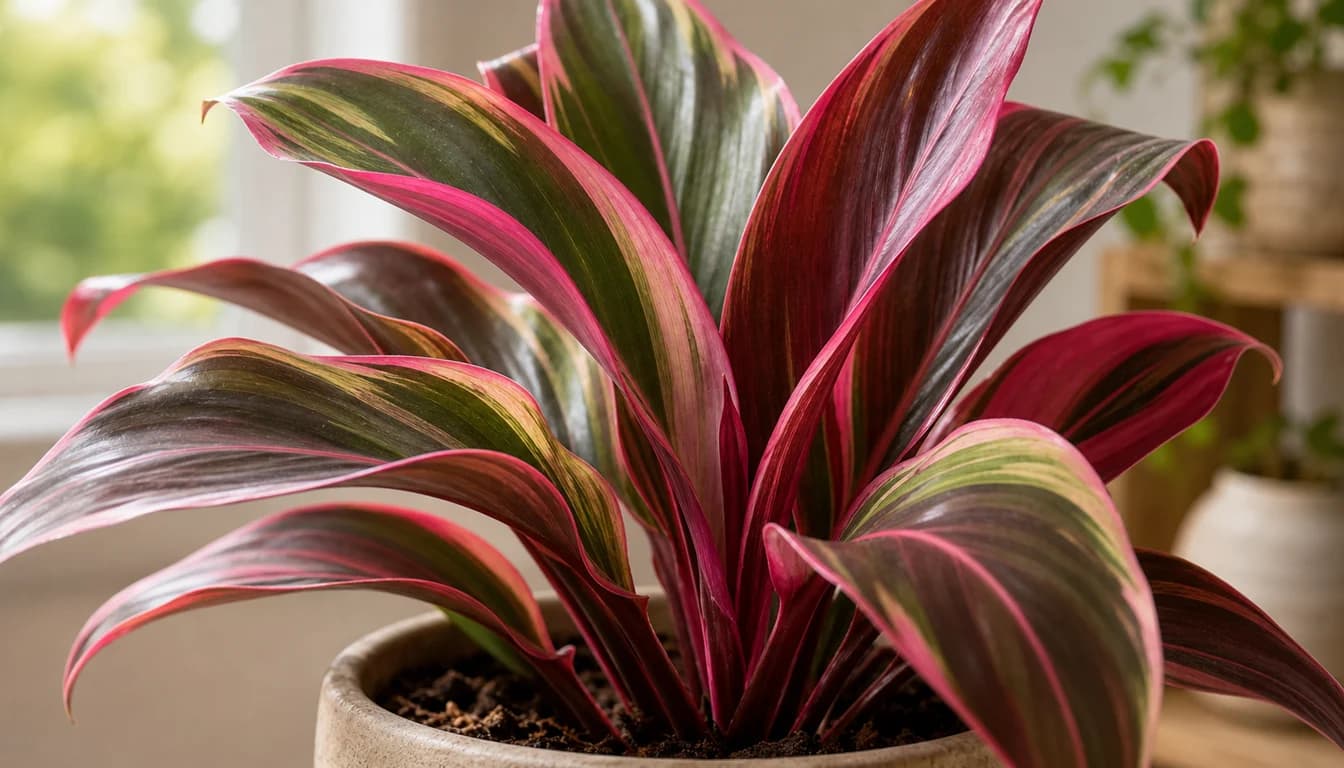
compostAnchor the Cane Without Drowning It
Use a peat or coir based indoor mix with extra perlite. The cane needs steady moisture, but the lower roots still need air.
A tall plant may need a heavier pot for balance. Heavy should mean stable, not sealed. Keep drainage open.
- fiber_manual_recordRepot when roots crowd the pot or the cane tips easily.
- fiber_manual_recordKeep the cane planted at the same depth.
- fiber_manual_recordDo not bury a bare lower cane to hide legginess.
content_cutCut Canes to Reset Shape
A tall bare Ti Plant can branch after a cane cut. Cut above a node in active growth, then keep the plant warm and bright while new shoots break.
Cane pieces can root, but they need warmth and patience. A cold room turns a cutting project into rot.
Best timingSpring or warm early summer
Best cuttingFirm cane with healthy nodes
AvoidCold, wet propagation trays
This cane-reset decision is closer to Rubber Plant pruning than to soft vine cuttings.
Guide — See AlsoBest Indoor Plants for Every Room and Light LevelA practical guide to choosing the best indoor plants for your home, covering beginner-friendly picks, low light champion
chevron_rightpest_controlCheck Color Loss Before Pest Panic
Faded leaves usually point to light, not insects. Sticky leaves, webbing, or cottony joints are different and need pest checks.
Spider mites like warm dry rooms, especially on stressed colorful leaves. Raise humidity and clean leaves before damage spreads.
If the plant sits near other tropical foliage, check neighbors like Bird of Paradise too.
For another bold foliage plant with different color rules, Croton is the closer sibling to compare.
lightbulbColor First, Pest Second
Faded clean leaves usually mean placement. Sticky or speckled leaves mean pests.
device_thermostatProtect Warmth More Than Growth Speed
Winter is mostly about holding color and avoiding cold drafts. Growth may slow even in a bright room.
Keep Ti Plant away from doors, vents, and cold windows at night. A single cold spell can mark leaves that otherwise looked healthy.
Resume pruning and feeding only when new growth starts. Pushing a cold plant creates weak leaves.
petsKeep Color Away From Chewers
Ti Plant is not pet-safe. The long leaves can look like chew toys, so placement matters as much as toxicity.
For pet-safe color and pattern in a smaller pot, Watermelon Peperomia is a better choice. It solves a tabletop job, not a tropical cane job.
If you keep Ti Plant, place it where dropped leaves are easy to remove before pets find them.
eco
Keep Exploring
Related Plants
 Houseplants
Dieffenbachia
Broad, patterned leaves and upright canes make Dieffenbachia a bold indoor plant for warm homes. It handles typical indoor light, needs steady but not soggy
 Houseplants
Aloe Vera
Aloe vera stores water in its thick, gel-filled leaves and can survive weeks without attention — which makes overwatering the fastest way to kill it. Give it a
 Houseplants
Majesty Palm
Majesty Palm gives a room soft resort-style fronds, but it is not a low-care palm. It needs bright indirect light, even root moisture, and humid air; dry ro
quiz
Frequently Asked Questions
How do I keep Ti Plant colorful?expand_more
Give it bright indirect light, warmth, and steady moisture. If new leaves turn green, move it brighter before fertilizing.
Why are Ti Plant leaf tips brown?expand_more
Brown tips often come from mineral-heavy water, dry air, cold stress, or uneven watering. Cleaner water and warmer placement help.
Can I cut back a tall Ti Plant?expand_more
Yes. Cut a firm cane above a node in warm active growth, then keep the plant bright while new shoots form.
Is Ti Plant safe for pets?expand_more
No. Keep leaves and dropped foliage away from pets that chew.
Can Ti Plant grow in low light?expand_more
It can survive, but the color fades. Choose a brighter spot if the leaf color is the reason you bought it.