
Swiss Cheese Vine: Keep It Compact and Still Get the Holes
Monstera adansonii Araceae
Swiss Cheese Plant is the common-name houseplant people buy for smaller holey Monstera leaves, usually Monstera adansonii. The care job is to keep the vine compact enough for shelves while giving enough light, support, and pruning to produce clean fenestrated leaves.
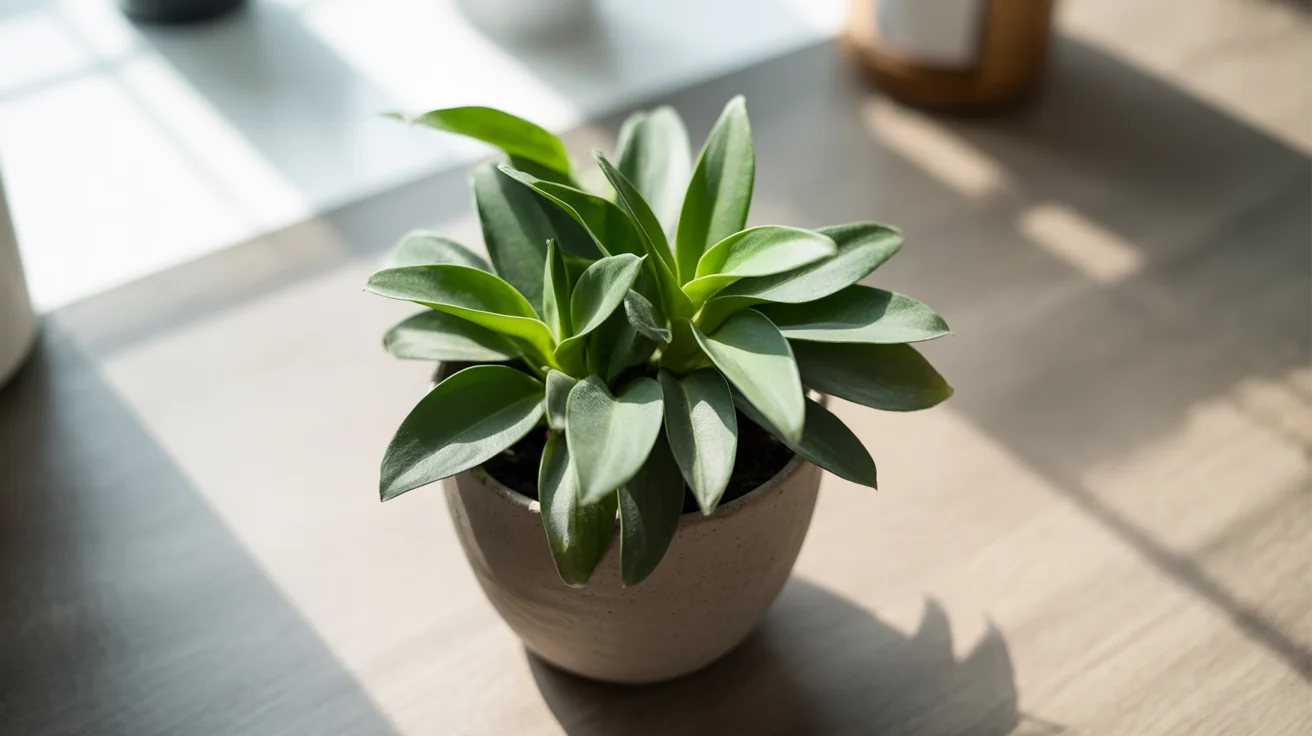
Care snapshot
Know Which “Swiss Cheese” You Bought
The name causes confusion. In most houseplant shops, Swiss Cheese Plant means a smaller vining Monstera with oval holes, not the giant split-leaf Monstera deliciosa.
That difference changes the care goal. You are managing a vine that trails, climbs, and roots at nodes, not a heavy floor plant built around one huge trunk.
A smaller holey vine also changes how you judge success. You want clean repeating leaves along a flexible stem, not the huge split leaves people expect from a floor monstera.
If the plant is sold in a hanging basket, inspect the crown before the trails. A full crown means the nursery kept light on the pot, while a bald crown means you are buying a repair project.
If your plant has huge leaves and thick stems, compare it with Monstera Deliciosa before following a shelf-vine routine.
A juvenile Swiss Cheese Plant often starts life with entirely solid, unholed leaves, since fenestration is a trait that only appears once the vine matures past its first several leaves.
The species name adansonii honors French naturalist Michel Adanson, who cataloged plants across West Africa in the eighteenth century, though the plant itself is native to the American tropics.
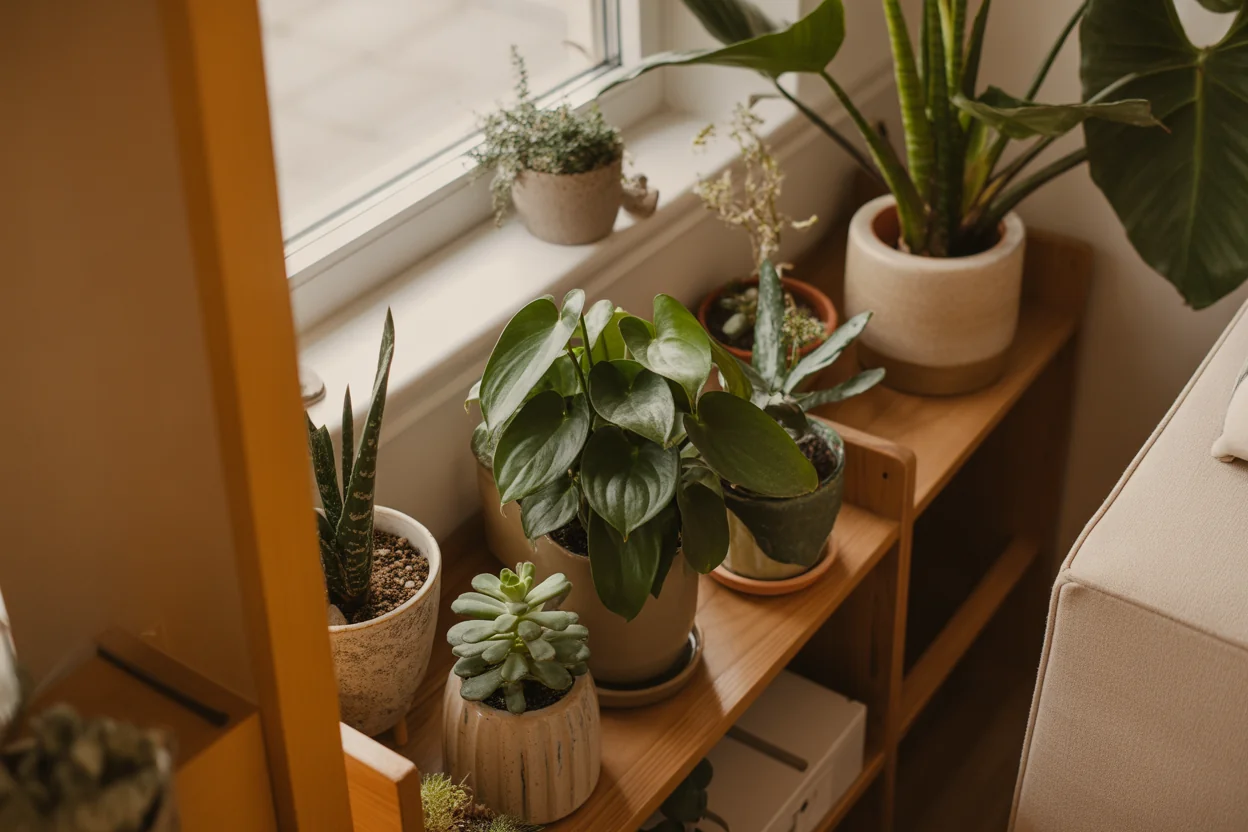
Choose a Vine by Leaf Hole Pattern
Buy the plant for clean new leaves, not for the longest trailing strand. The newest leaves show whether the vine has enough light and root strength to keep making holes.
- Good shelf plant
- Short internodes, clean holes, full crown
- Good climber
- Firm nodes, aerial roots, stem ready for moss pole or plank
- Risky buy
- Long bare stems, torn holes, yellow lower leaves, wet soil
The best leaf holes have smooth edges. Ragged holes on many new leaves usually mean handling damage, low humidity during unfurling, or pest scarring rather than a special form.
Avoid paying extra for a name if the plant itself has long bare runners. A healthy ordinary vine with good node spacing will become a better display than a labeled plant that already lost the crown.
This is also the point where you decide shelf plant or climber. That choice changes pruning, support, and how large the leaves can become.
A few plain juvenile leaves are normal on small plants. A mature vine that keeps producing plain leaves usually needs better light or support.
A narrow-leaf form sometimes sold as Monstera adansonii 'narrow form' produces leaves closer to a lance shape than the broader classic oval, with holes running in a tighter, more elongated pattern.
Variegated Monstera adansonii exists but commands a much higher price and grows more slowly than the standard green form, since the white or cream sections carry no chlorophyll to fuel growth.
Comparing a few candidate plants side by side at the nursery, rather than buying the first pot with a striking name tag, usually reveals real differences in crown fullness and leaf quality.
Light Makes Holes, But Heat Tears Leaves
Fenestrations need energy. Give bright indirect light near a bright window, with direct sun filtered before it hits tender leaves.
Weak light makes long gaps between leaves and fewer holes. Hot glass can scorch thin leaves and turn the holes into torn brown edges.
Put light on the crown, not only on the trailing ends. A bright hanging pot with a shaded top becomes bare near the soil.
Fenestration is a delayed report. A leaf that opens today was built from the light and root conditions of the previous weeks, so give a new spot time before judging it.
If a grow light is used, place it over the crown and support, not at the side of the trailing ends. The next leaves form near the active tips and nodes that receive usable light.
The crown-light rule overlaps with Pothos, but Swiss Cheese Plant gives you a clearer signal because new leaves either form holes or they do not.
A sheer curtain between the plant and a bright window softens direct rays enough to prevent leaf scorch while still delivering the strong light fenestration depends on.
Rotating the pot occasionally keeps growth reaching evenly toward the light source instead of leaning hard to one side and leaving the back of the crown thin.
A north-facing room without any grow light rarely provides enough energy for new fenestrations, even though the vine itself may survive there for years without dying outright.
Keep the Vine Moist, Not Swampy
Water when the top 1-2 inches dry, then soak the whole pot. Thin leaves wilt faster than thick succulents, but the roots still need air.
- Curling leaves plus a light pot: water deeply.
- Yellow lower leaves plus heavy soil: wait and check drainage.
- New leaves stuck or torn: review humidity, light, and root stress.
A vine on a pole may dry faster than the same plant in a hanging basket because more leaf surface sits in moving air. Check the actual pot instead of copying a schedule from another Monstera.
Unfurling problems often come from combined stress. A slightly dry pot, a hot window, and low humidity can make one new leaf tear even though none of those issues looks severe alone.
Small sips make the top look cared for while lower roots stay dry or sour. Use a full soak and a real drain instead.
For timing, indoor watering timing matters less than the pot's dry-down speed.
Water quality rarely matters much for this species, since it tolerates typical tap water far better than more sensitive tropical foliage plants do.
A pot that feels noticeably lighter than usual when lifted is often a faster, more reliable dryness check than poking a finger into the topsoil alone.
A saucer that stays full an hour after watering is a clear sign the mix is draining too slowly for this species, which prefers water to pass through rather than pool underneath.
Give Nodes Air and a Place to Grip
A chunky aroid mix helps roots and nodes breathe. Use potting mix with bark and perlite so the vine can stay lightly moist without sitting in mud.
Support changes leaf size. A pole, plank, or trellis lets nodes attach and can help the vine produce larger, cleaner leaves.
Add support while the vine is still flexible. Waiting until stems harden makes the plant look forced instead of trained.
A moss pole is useful only if it stays slightly humid and the nodes touch it. A dry decorative pole may hold the vine upright, but it will not encourage much attachment.
For a wall or plank, tie stems loosely at nodes instead of tying the leaf stalks. Petioles bend and bruise, while nodes are where the vine is built to anchor.
- Trailing setup
- Best for shelves, smaller leaves, easier pruning
- Climbing setup
- Best for larger leaves, cleaner node spacing, stronger display
- Bad setup
- Dense wet soil in a deep decorative pot
If you prefer a color vine over a holey vine, Philodendron Brasil is the better choice.
A terracotta or unglazed clay pot dries faster than plastic, which can help balance a chunky aroid mix that otherwise holds moisture longer than expected.
Coco coir chunks are a reasonable substitute for bark in an aroid mix where bark is hard to source locally, since both create similar air pockets around the roots.
Repotting every one to two years into a slightly larger container gives the expanding root system room to grow without jumping straight to an oversized pot that stays wet too long.
Cut Nodes, Then Rebuild the Crown
Propagation works from node cuttings. A leaf without a node may stay green for a while, but it will not become a new vine.
Cut below a node with an aerial root bump, root it in water or airy mix, then plant several rooted cuttings back into the pot if the crown is thin.
Top cuttings keep the newest growth point, so they restart faster. Mid-stem node cuttings can work, but they need patience because a new bud has to wake before the cutting looks like a plant.
If you root in water, move the cutting to mix while roots are still short and branching. Long water roots tangle and break when planted around other cuttings.
Use the numbered steps after you choose whether the cuttings are for a new pot or for rebuilding the parent crown.
- Choose a firm node.
- Cut with a clean blade.
- Root in water or airy mix.
- Pot several cuttings together.
- Pin new stems toward the light.
A cutting with two or three nodes roots more reliably than a single-node piece, since the extra nodes give the cutting more than one chance to initiate new roots.
Sealing a fresh cutting's wound with cinnamon or letting it callus for an hour before potting can reduce rot risk in a humid propagation setup.
A cutting inserted into mix with the growth tip pointing down almost never sends up new leaves, so double-check orientation against where the leaf attached before you bury the node end.
Read Damaged Holes Carefully
A natural hole has a clean edge. Pest damage, low humidity, and mechanical tearing make ragged brown patches around the openings.
Check damage before you wipe leaves. A torn hole from handling and a pest scar can look similar after the leaf dries.
Thrips damage can look like dirty gray scraping on new leaves. If you see black specks along with silver patches, isolate the plant before placing it near other aroids.
Mites leave a finer stipple and usually prefer drier rooms. The treatment path changes, so identify the mark pattern before spraying everything.
Thrips and mites can mark thin leaves before you see insects. Inspect the newest unfurled leaves because they show damage first.
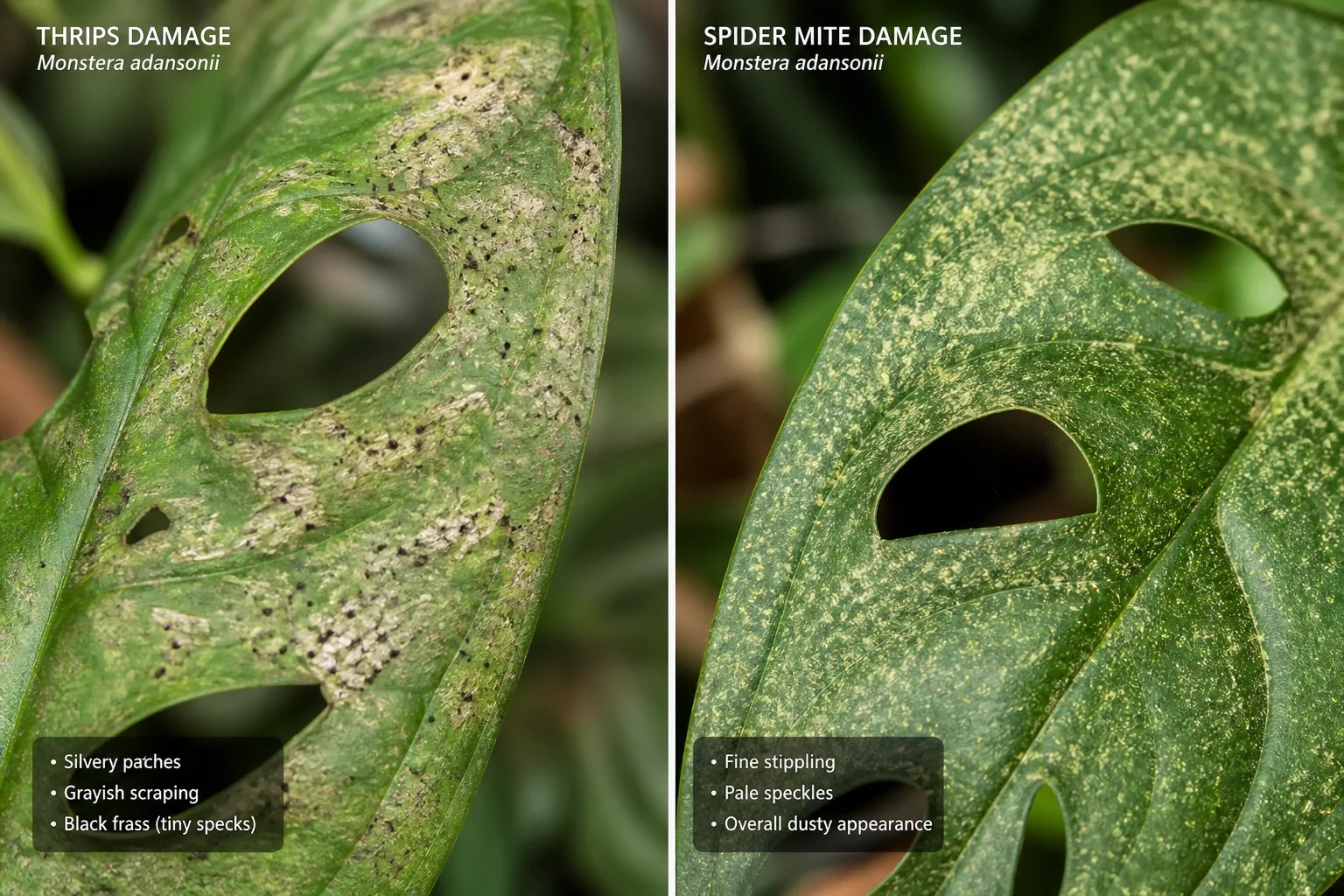
- Clean holes: normal fenestration.
- Brown torn holes: humidity, handling, or root stress.
- Silvery marks and black specks: inspect for pests.
If yellowing starts low and the pot stays wet, compare the pattern with Pothos yellow leaves before treating the leaf surface.
A yellow sticky trap hung near the crown catches winged thrips and fungus gnats alike, giving an early warning before either pest builds a large population.
Scale insects sometimes settle along the stem rather than the leaves, appearing as small, immobile brown bumps that are easy to mistake for natural stem texture at a glance.
Prune When the Vine Can Replace Itself
Spring and summer are the best times to prune, root cuttings, and add support. New growth can fill gaps before the plant looks stripped.
Winter is slower. Keep light high, water less often, and avoid turning a leggy plant into a pot of bare nodes unless you have a grow light.
If the plant is already leggy in winter, start by improving light and pinning vines back over the pot. Save the bigger cut-and-root rebuild for spring when every cutting has a better chance.
A summer prune can be more aggressive because the plant replaces leaves faster. Leave enough active leaves on the parent vine so it can keep feeding the roots.
The indoor plant care calendar helps time those changes, but the vine's new leaf size is your best local signal.
A vine that stalls completely in winter despite adequate light and water is usually just resting, not failing, since growth naturally slows once day length drops below a certain threshold.
Cleaning dust off the leaves every few weeks during the growing season helps the plant use available light more efficiently, since a dusty leaf surface blocks some of the light that would otherwise reach the chlorophyll.
A light monthly feeding during spring and summer supports the extra growth a prune and propagation cycle demands, though feeding a resting winter plant mostly just wastes fertilizer.
Keep the Climber Away From Pets
Like other Monsteras, Swiss Cheese Plant is not a chew-safe plant for cats or dogs.
The support can become the hazard. A top-heavy pole in a small plastic pot falls easily, so pair climbing growth with a pot that has real weight.
Trim long trails before they reach the floor. Once a pet learns the vine is fun to pull, both the plant and the support become harder to keep stable.
For a pet-friendlier trailing look, Spider Plant is usually easier to live with.
Calcium oxalate crystals, the compound responsible for Monstera's irritant effect, are present throughout the plant's tissue, not concentrated in just the leaves or just the stems.
A curious cat that only sniffs or briefly mouths a leaf without prolonged chewing usually shows no symptoms at all, since the irritation depends on how much plant tissue actually gets crushed and ingested.
Frequently Asked Questions
Why does my Swiss Cheese Plant have no holes?
Young leaves can be plain, but mature vines need brighter indirect light and good root health to make clean holes.
Is Swiss Cheese Plant the same as Monstera?
Usually yes. The common name often refers to Monstera adansonii, a smaller vining Monstera.
Should I let it climb or trail?
Trail it for shelves and smaller leaves. Give it a pole or plank if you want larger leaves and cleaner node spacing.
Can I propagate a leaf without a node?
No. Use a cutting with a node, since the node is where new roots and vines grow.
Is Swiss Cheese Plant pet safe?
No. Keep it away from chewing pets because Monstera foliage can irritate the mouth and stomach.
Sources & References
- Monstera adansonii, University of Vermont Extension Houseplants
- ASPCA: Toxic and Non-Toxic Plants List, Monstera species
- Monstera Care Indoors, University of Florida IFAS Extension
- Aroids as Houseplants, Missouri Botanical Garden
- Royal Horticultural Society: Advice on Monstera houseplants
- Monstera adansonii, NC State Extension Gardener Plant Toolbox
Related Plants
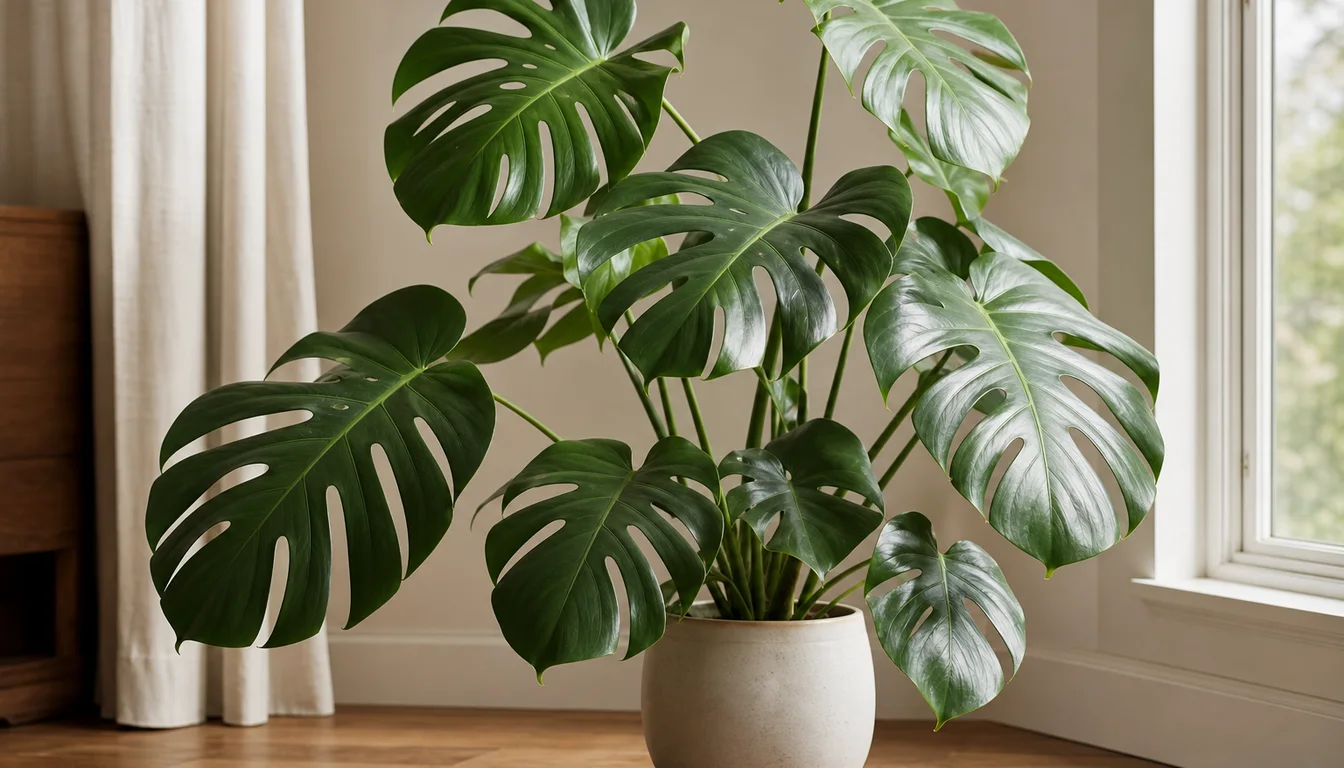
Monstera
Larger split-leaf cousin with huge leaves and a more upright habit.
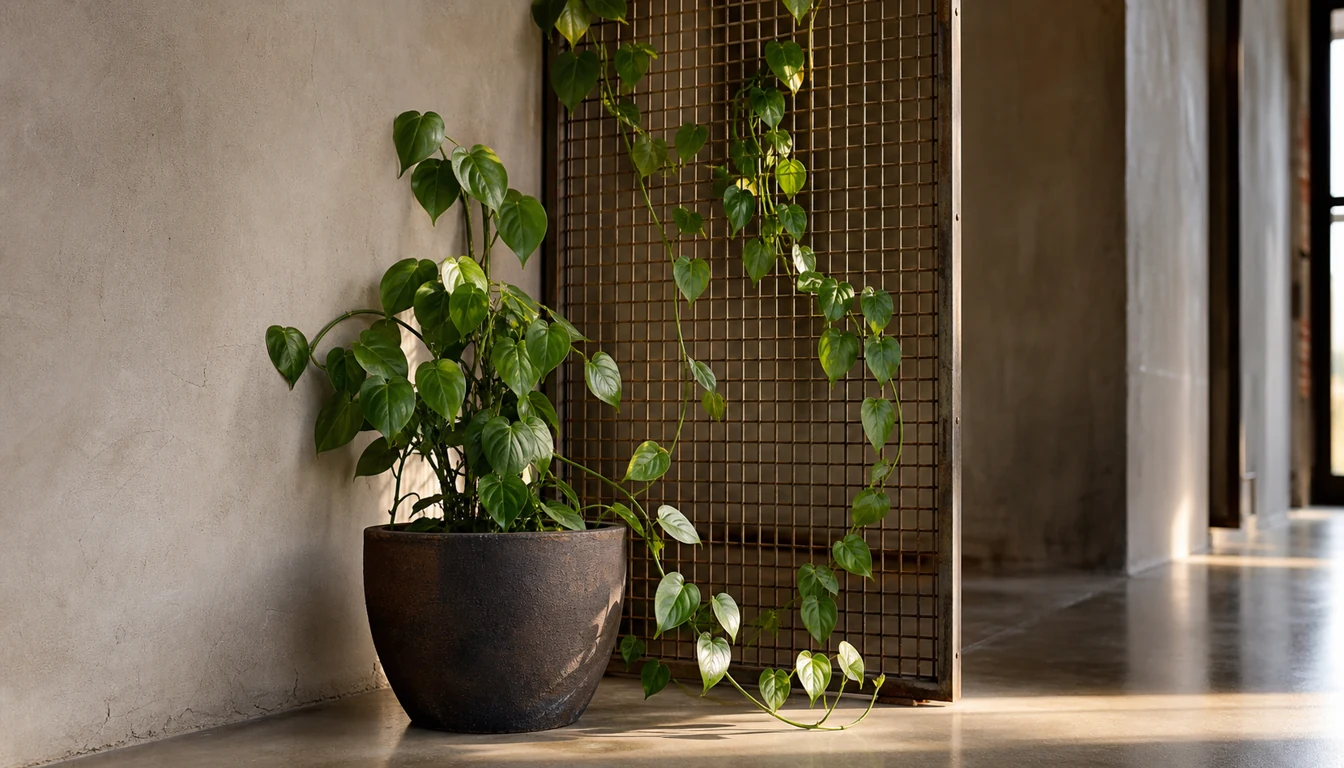
Heartleaf Philodendron
Similar trailing vine with solid leaves and very forgiving care.
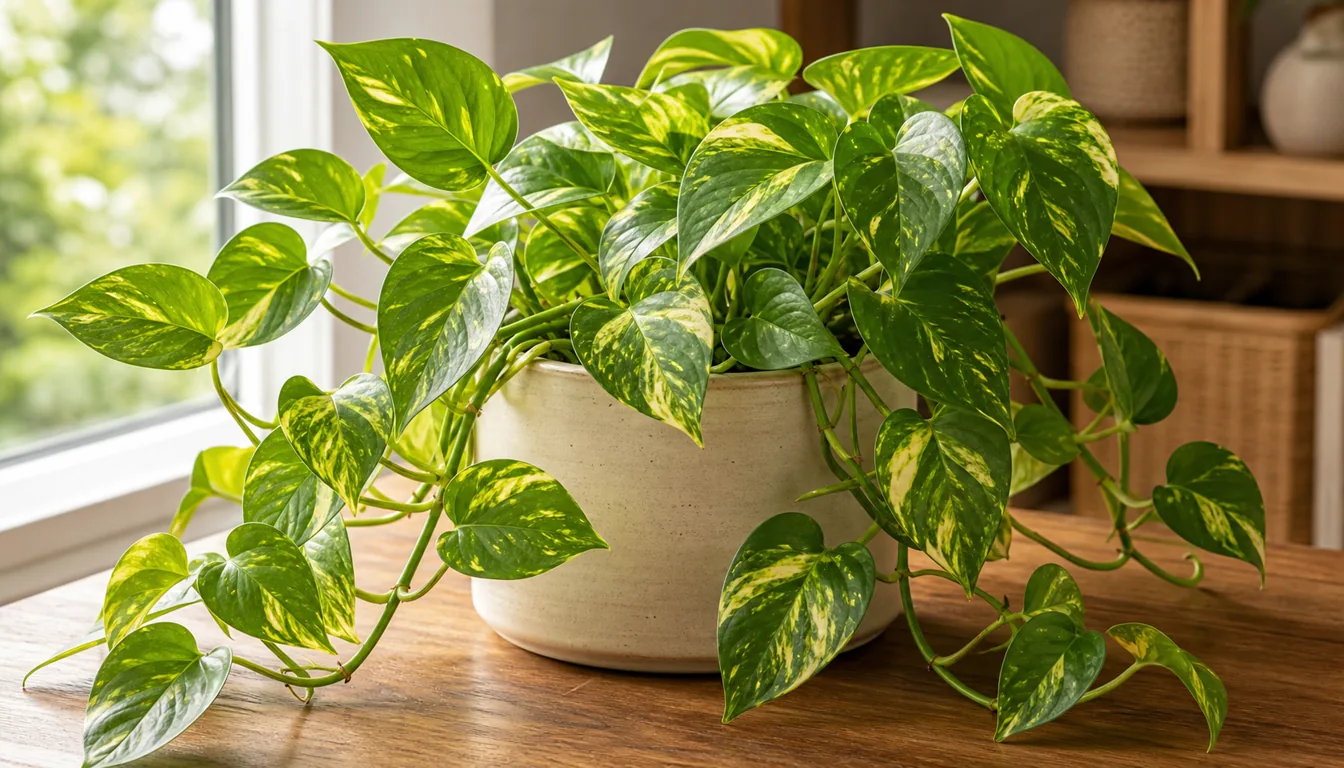
Golden Pothos
Another tough trailing houseplant if you want fewer quirks than Monstera.
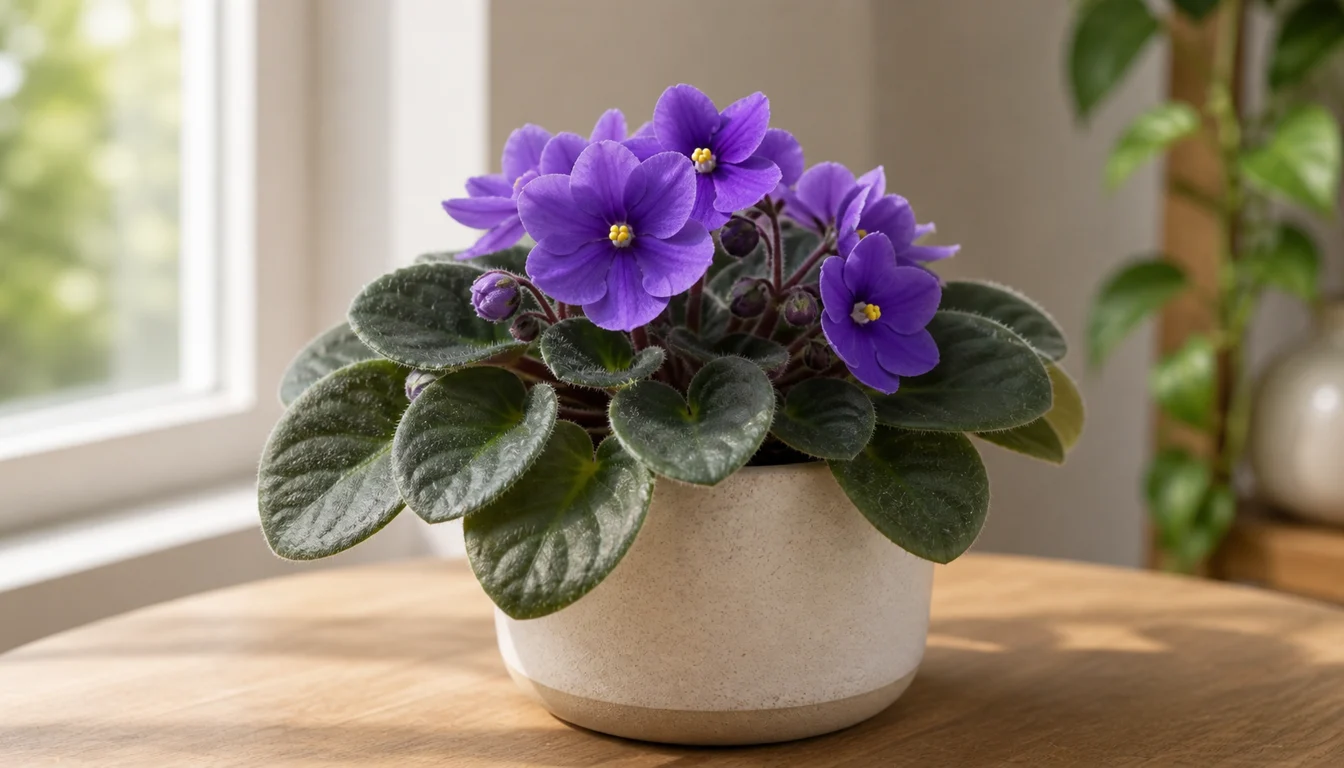
African Violet
African Violet is a windowsill bloomer that rewards steady, small-pot care.
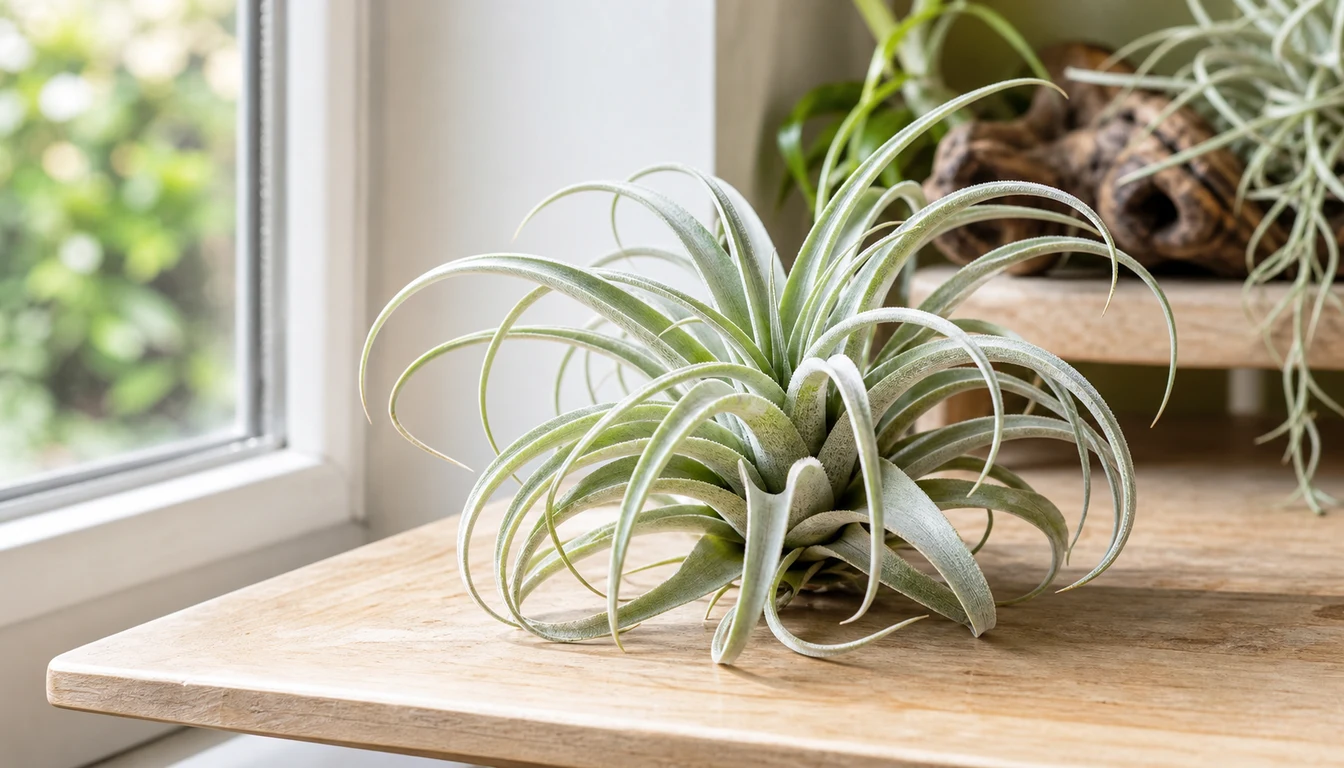
Air Plant
Air plants are living sculptures that thrive without soil, anchoring to driftwood, rocks, or shells while drawing…
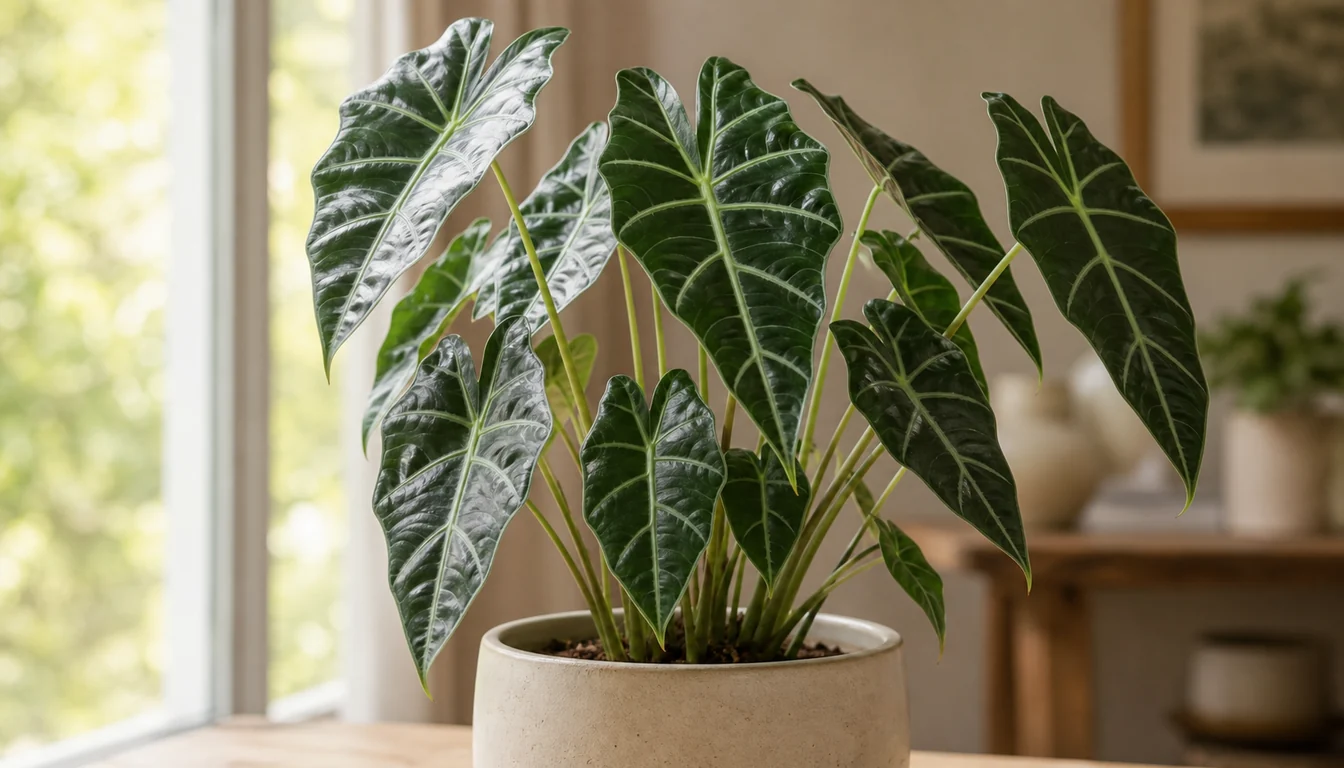
Alocasia
Alocasias include compact, textured houseplants and large elephant ears that need substantial floor space.