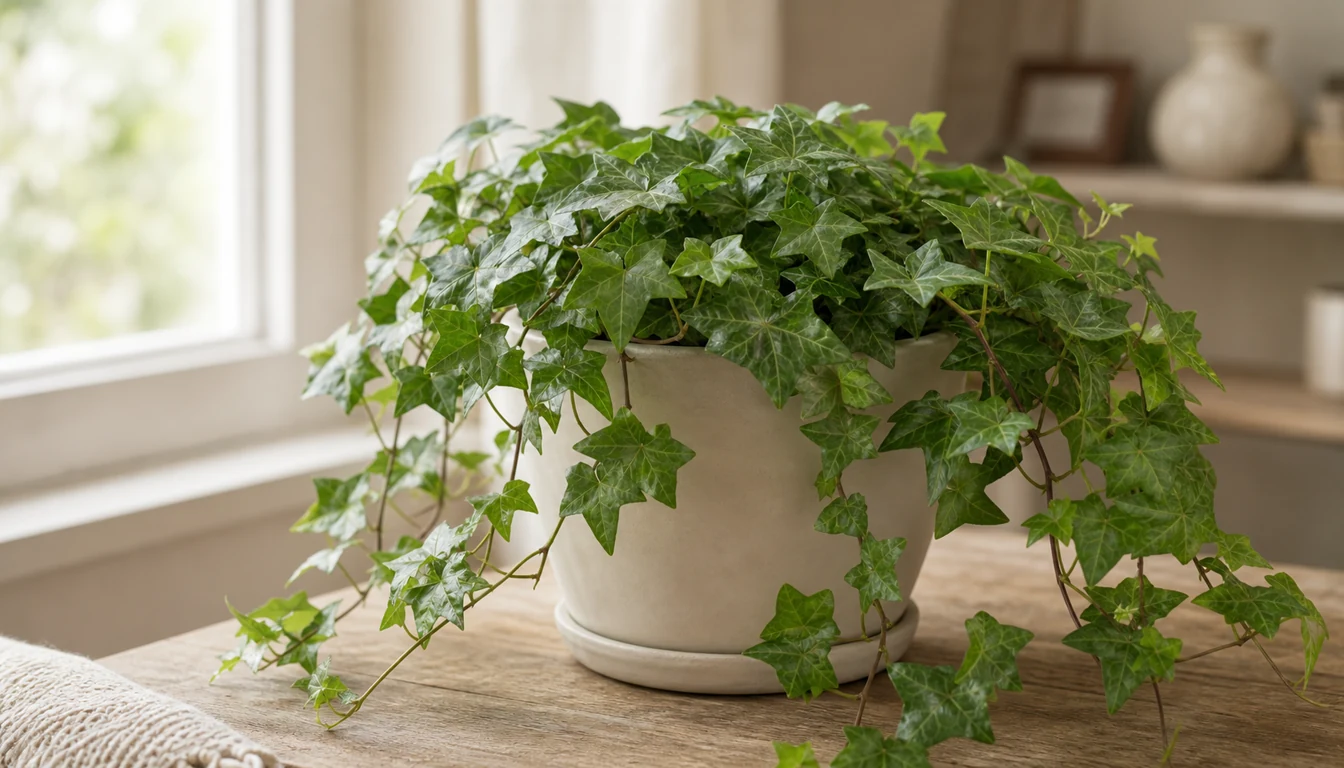
Monstera Deliciosa vs Monstera Adansonii
Monstera deliciosa usually becomes the broader, heavier houseplant. Monstera adansonii offers smaller perforated leaves on a vine that can trail or climb. They are separate species, and overlapping care needs do not mean identical watering or a fixed final size.
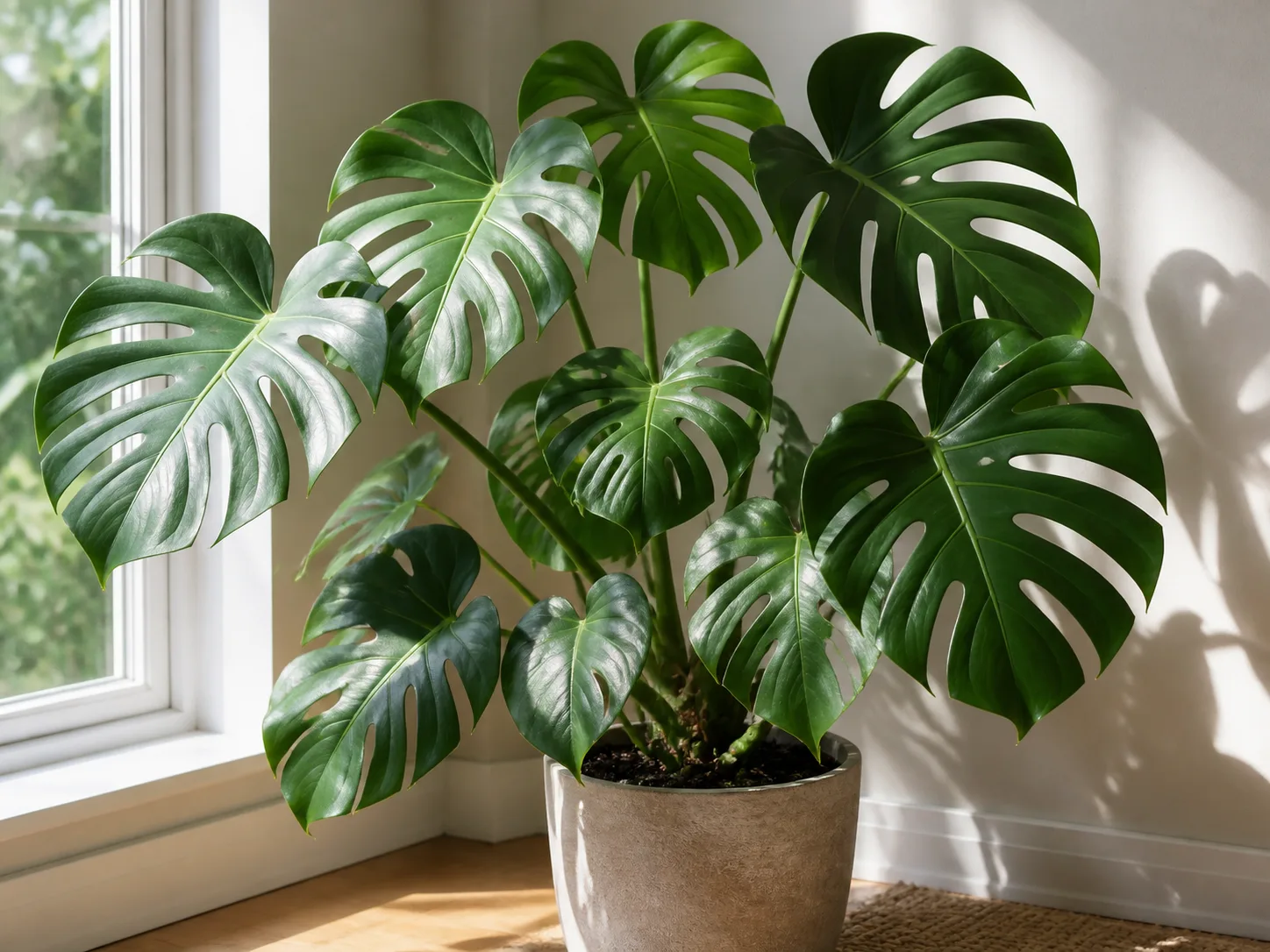
Monstera Deliciosa
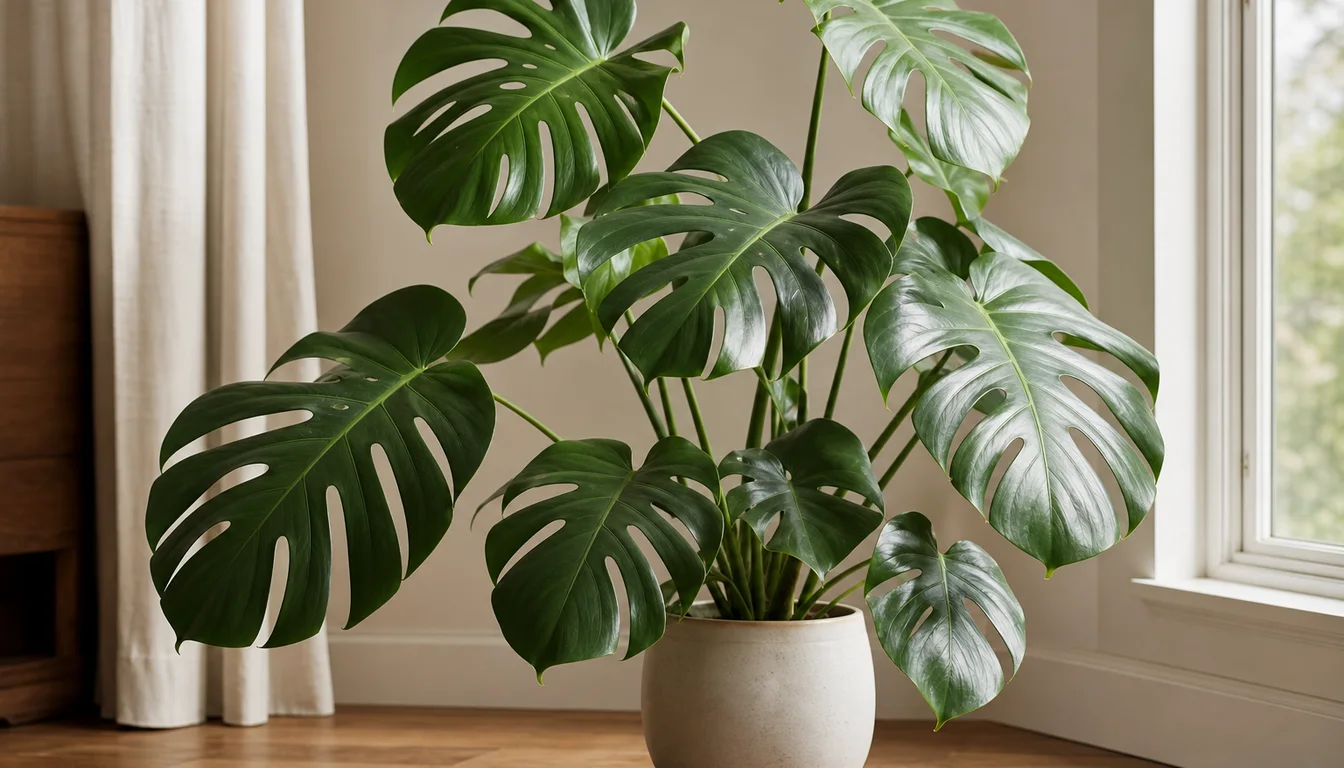
Monstera deliciosa
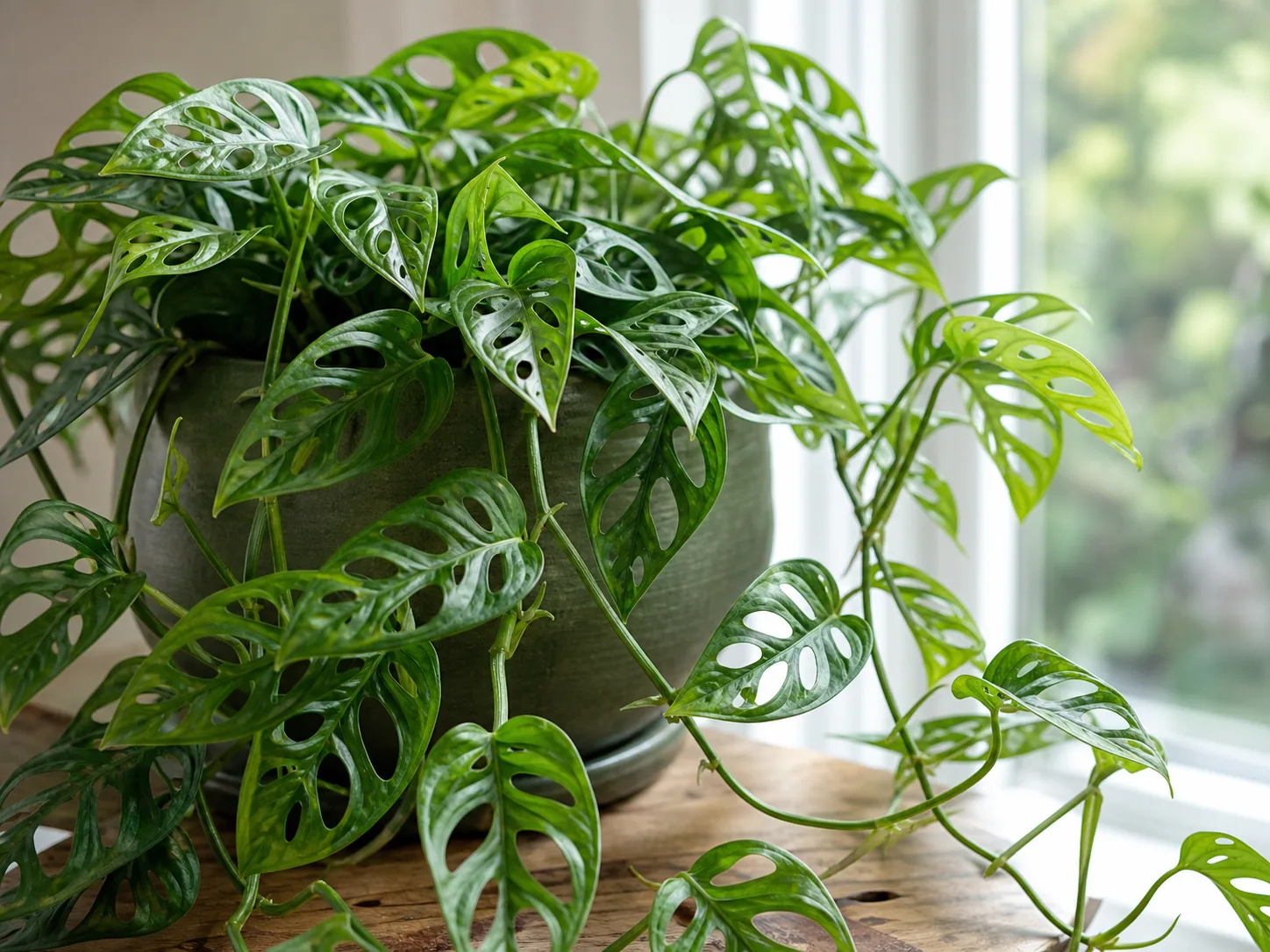
Monstera Adansonii
Monstera adansonii
Both plants are sold as Swiss-cheese plants. A small Monstera adansonii does not grow into Monstera deliciosa, although the leaves of each plant can change as it develops.
Size and growth form matter more than counting holes. Deliciosa has broad leaves that can develop both internal perforations and deep edge divisions. Adansonii is familiar for elongated, perforated leaves on a more slender vine.
A young deliciosa may have whole leaves, so an unperforated leaf does not settle the identification. Age, the rest of the plant, and a reliable botanical label help distinguish normal juvenile growth from buying the wrong species.
Specifications
Compare the traits that change the growing decision.
| Feature | Monstera Deliciosa | Monstera Adansonii |
|---|---|---|
| Typical leaf character | Broad mature leaves with internal holes and deep divisions | Usually smaller, more elongated leaves with oval perforations |
| Juvenile growth | Young leaves may lack holes or lobes | Leaf appearance and size vary as the vine grows |
| Indoor scale | NC State describes many home plants at 6–8 feet | NC State gives 3–8 feet on support, with a narrower frame |
| Display options | Broad supported climber | Trailing basket or supported climber |
| Support options | A sturdy stake, pole, or similar structure | Stake, trellis, or pole for a climbing display |
| Moisture | Water thoroughly, then allow partial drying | Moist, well-drained medium without prolonged saturation |
| Pet access | Unsafe to chew or ingest | Unsafe to chew or ingest |
The height ranges overlap. They are descriptions of possible indoor growth, not deadlines or a promise that adansonii will stay below a shelf. The useful contrast is the space taken by broad leaves and heavier stems versus a more slender vine.
Adansonii also develops larger leaves when its growing conditions support them. An indoor hanging plant and a mature outdoor climber are not equivalent size examples. A comparison based only on the nursery pot can understate the future room either plant needs.
NC State identifies ingestion and sap-irritation risks for both species. These are foliage plants to keep away from chewing pets and young children, not edible leaves. Gloves help limit sap contact during pruning, and suspected pet ingestion calls for veterinary advice.
Best Use Cases
Choose by the job the planting needs to do.
A broad floor display
Clearance matters more than pot diameter
Deliciosa leaves project outward from substantial petioles. A position with room beside and above the pot lets those leaves expand without blocking a walkway. Sturdy support helps hold the climbing stem and prevent breakage as the plant becomes heavier.
Adansonii can also climb into a tall display. Its slimmer vine and generally smaller indoor leaves create a different effect, but they do not make it a permanently miniature plant. A vertical trellis needs space of its own.
A hanging basket or narrow display
Decide whether the vine will trail or climb
A small deliciosa can begin on a shelf, but that placement may become awkward as its leaf span and stem weight increase. It is more useful to plan for the supported adult than to assign a fixed year when it must move to the floor.
Adansonii can trail over a container edge or climb a support. That gives more options for a narrow position. The pot still needs enough light, safe support, and access for watering, rather than being hung so high that its leaves sit above the window light.
A room where one Monstera already grows
Shared preferences, separate root zones
Deliciosa benefits from adequate light and partial drying after a thorough watering. Wisconsin describes reduced leaf perforation where light is inadequate. A pole cannot replace a suitable growing position.
Adansonii prefers bright indirect light, warmth, and humidity. Its pot may dry at a different rate because the root system, pot size, and mix differ. Sharing a window does not prove both plants need water on the same day. The watering guide explains those differences.
A vine that needs cutting back or retraining
Work with living stems and existing attachments
A large deliciosa stem and its attached roots can be cumbersome. Support work is easier before the plant becomes heavy, and forcing an established stem into a tight bend risks damage. Healthy stem material can be used for propagation rather than discarded automatically.
A slender adansonii vine is often easier to arrange, but existing attachments and brittle sections still deserve care. Neither species has a guaranteed rooting-speed advantage in every room. A stem cutting needs a viable node, whereas a detached leaf alone is not the same propagation material.