Native Region
Bolivia (tropical forests)
Goeppertia orbifolia
Family: Marantaceae
Native Region
Bolivia (tropical forests)
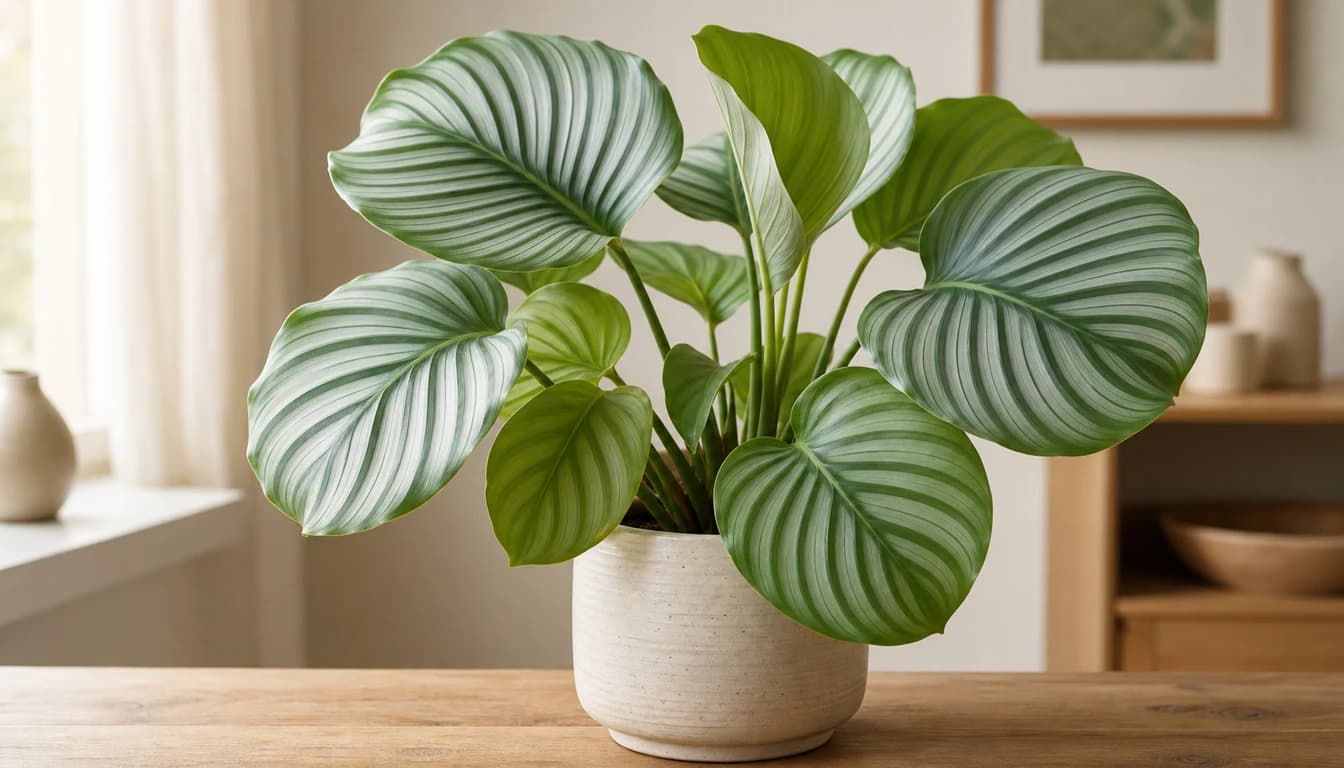
Most calatheas look like they belong on a pattern book cover — small, fussy, intricate. Calathea Orbifolia is the one that looks like it belongs in a greenhouse. With leaves stretching 12 to 14 inches across, each marked with silver-green stripes that radiate from the central vein like spokes, it has a presence that smaller prayer plants simply can't match. The leaves fan outward from a central clump, filling a corner with dense, tropical foliage.
Here's where it gets interesting: at night, the leaves fold upward like hands in prayer, then unfurl flat by morning. This isn't a party trick — it's nyctinastic movement, driven by a pulvinus (a tiny joint) that shifts turgor pressure on a biological clock. Watch it for a week and you'll understand why plant people get obsessed.
Native to Bolivia's humid understory forests, Calathea orbifolia thrives in conditions that feel like a warm cloud: filtered light, consistent moisture, and air that never drops below 50% humidity. It's not the easiest houseplant to keep happy, but the payoff is enormous — some of the most dramatic, architectural foliage you can grow indoors.
Unlike its smaller calathea cousins, Calathea Orbifolia actually tolerates medium to bright indirect light without sulking. Place it 3-5 feet from an east-facing window for that sweet spot where the leaves stay vibrant and the prayer movement stays dramatic.
Direct afternoon sun is the enemy here — those broad leaves are thin and burn easily. Brown, crispy patches show up within days and they don't heal. Even morning sun from a south window can scorch if the plant sits too close. A sheer curtain or a step back from the glass solves it.
In a north-facing room, the plant slows down. Growth becomes tentative, the silver-green stripes may fade toward uniform green, and the nightly prayer fold loses its drama. If your orbifolia is in a dim spot, a grow light on a timer for 10-12 hours brings back the pattern and keeps the movement lively.
Stick your finger into the soil — when the top half inch feels dry, it's time to water. In spring and summer, that's usually every 5 to 7 days, but those large leaves transpire heavily, so the pot dries out faster than you'd expect. Don't wait for the soil to crack or pull away from the pot edges; that's too far.
Here's the thing most people miss: water quality is everything for this plant. Tap water loaded with chlorine, fluoride, or hard minerals will give Calathea Orbifolia brown, crispy edges faster than almost anything else. Switch to filtered, distilled, or rainwater and watch the difference — it's the single biggest upgrade you can make.
Then there's humidity. This plant doesn't just prefer moist air — it demands it. Below 50% relative humidity, the leaf margins crisp within days. A humidifier nearby is non-negotiable; pebble trays help but can't do the job alone. Cluster it with prayer plant and nerve plant for a shared microclimate.
Think of the ideal potting mix for Calathea Orbifolia as a balancing act: light enough that water drains, but moisture-retentive enough that the roots never fully dry out. A store-bought calathea mix works fine, or blend your own with two parts potting soil, one part perlite, and one part peat moss.
Repotting happens every 12 to 18 months, and spring is the time. Here's the catch: this plant is picky about pot size. Too small and the rhizomes crowd — leaves drop, growth stalls. Too large and the soil stays wet, inviting root rot. Go up just one size, about 2 inches wider.
Terra cotta is the smart choice for calatheas. The porous clay wicks excess moisture from the soil, creating that even, never-soggy-never-dry sweet spot the roots crave. It's a small detail that makes a real difference over time.
No leaf cuttings or water propagation here — Calathea Orbifolia reproduces through rhizome division, and honestly, that's the only method that works reliably. The good news? If your plant is healthy, it's already producing offsets you can separate.
When you're repotting in spring, look for baby plants emerging from the main rhizome. Each one needs at least two leaves and its own root section — don't split off anything smaller. Use a clean, sharp knife to cut the offset free, let the wound callous for about an hour, then pot it in fresh calathea mix.
Timing matters. Spring is when the plant is actively growing, so divisions recover quickly. Dividing in fall or winter — when growth has slowed — puts unnecessary stress on both parent and offset. Wait for the warm-up.
Spider mites are Calathea Orbifolia's most persistent pest problem. Fine webbing on the leaf undersides is the giveaway — and in dry winter air, they can appear almost overnight. Wipe the leaves with a damp cloth weekly and keep humidity high; mites hate moist air. If an infestation takes hold, neem oil spray works without damaging the foliage.
Fungus gnats — those tiny, annoying flies hovering around the soil — show up when the potting mix stays too wet. Let the top layer dry out more between waterings and set out yellow sticky traps to catch the adults. They're a nuisance, not a threat, but they signal it's time to dial back the moisture.
Brown, crispy edges are the most common complaint, and they're not caused by bugs — they're environmental. If humidity sits above 50% and you're using filtered water, the culprit is usually overwatering. Ease off the watering schedule. If humidity is below 50%, that's the root cause, and a humidifier is the fix.
Winter is when Calathea Orbifolia gets dramatic — and not in a good way. The prayer movement slows, new leaves may emerge smaller, and if your home has central heating, humidity plummets to desert levels. The large leaf margins crisp within days without intervention. A humidifier running nearby from November through March is the difference between a healthy plant and a crispy one.
Spring is when this plant comes alive. From March through June, it puts on its most vigorous growth — new leaves unfurl with the brightest silver-green striping you'll see all year. This is the window to repot, divide offsets, and start feeding monthly with a diluted liquid fertilizer.
Summer keeps things steady as long as humidity stays above 50%. The prayer movement is most dramatic during long days — watch the leaves fold and unfold nightly. By fall, the plant visibly slows. Ease back on watering and stop fertilizing by October so the roots don't sit in soggy soil during dormancy.
Calathea Orbifolia is non-toxic to cats and dogs — one of the safest large-foliage houseplants. The ASPCA lists all Calathea/Goeppertia species as non-toxic, and even if a curious pet chews a leaf, it won't cause more than mild stomach upset.
For humans, the plant is completely harmless — no gloves needed when handling or repotting. This is one of the rare large tropical houseplants that both pets and kids can interact with freely.
If you want other pet-safe plants with dramatic foliage, prayer plant and nerve plant are also non-toxic. Our houseplant collection flags pet safety on every profile.
Calathea orbifolia is non-toxic to cats and dogs according to the ASPCA. It's one of the safest large-foliage houseplants for homes with curious pets.
The standard Goeppertia orbifolia is the most common form, but several related calathea species offer different leaf sizes and patterns.
Keep Exploring
 Houseplants
New growth in spring can flop or scorch if light and water are off, which is why Arrowhead Plant care is all about balance. Give this vining houseplant bright,
 Houseplants
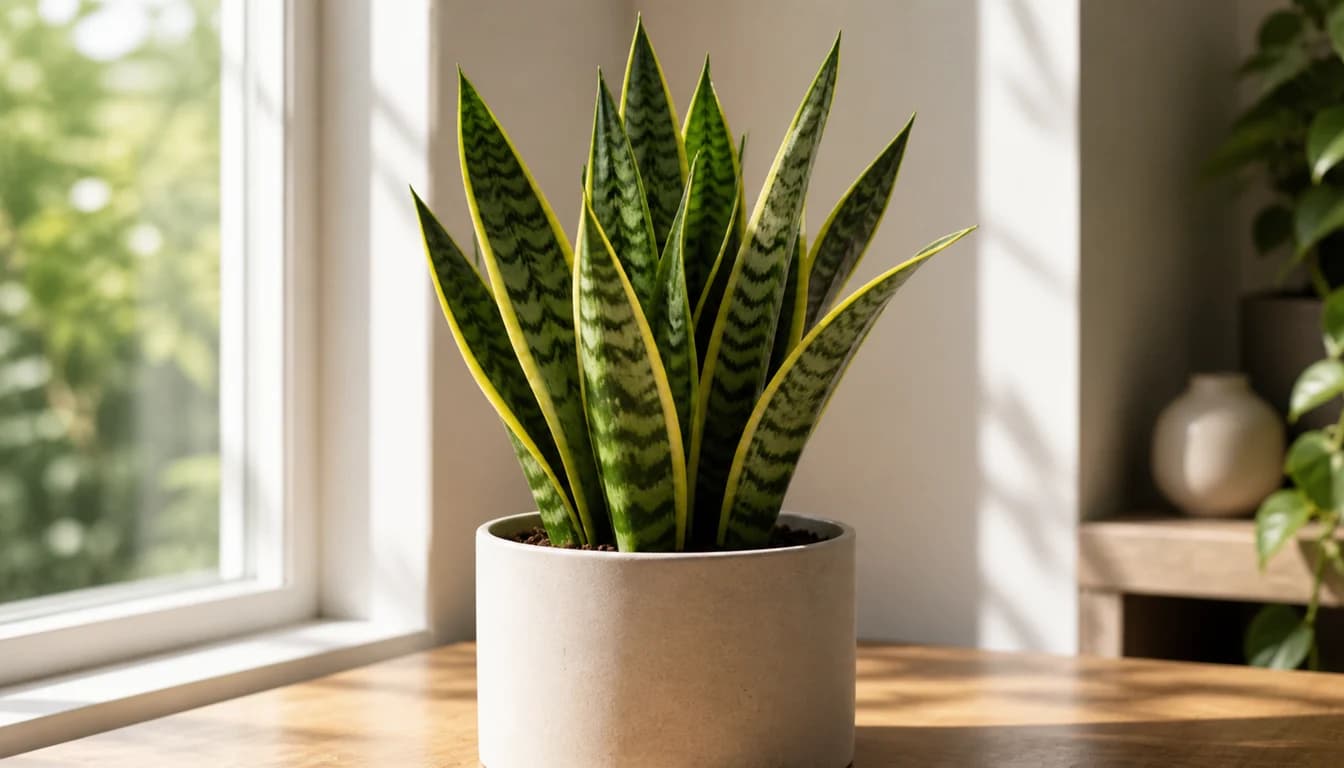
If you have killed other houseplants, start here: Snake Plant (Dracaena trifasciata) is one of the toughest houseplants you can grow; its upright, sword-sha
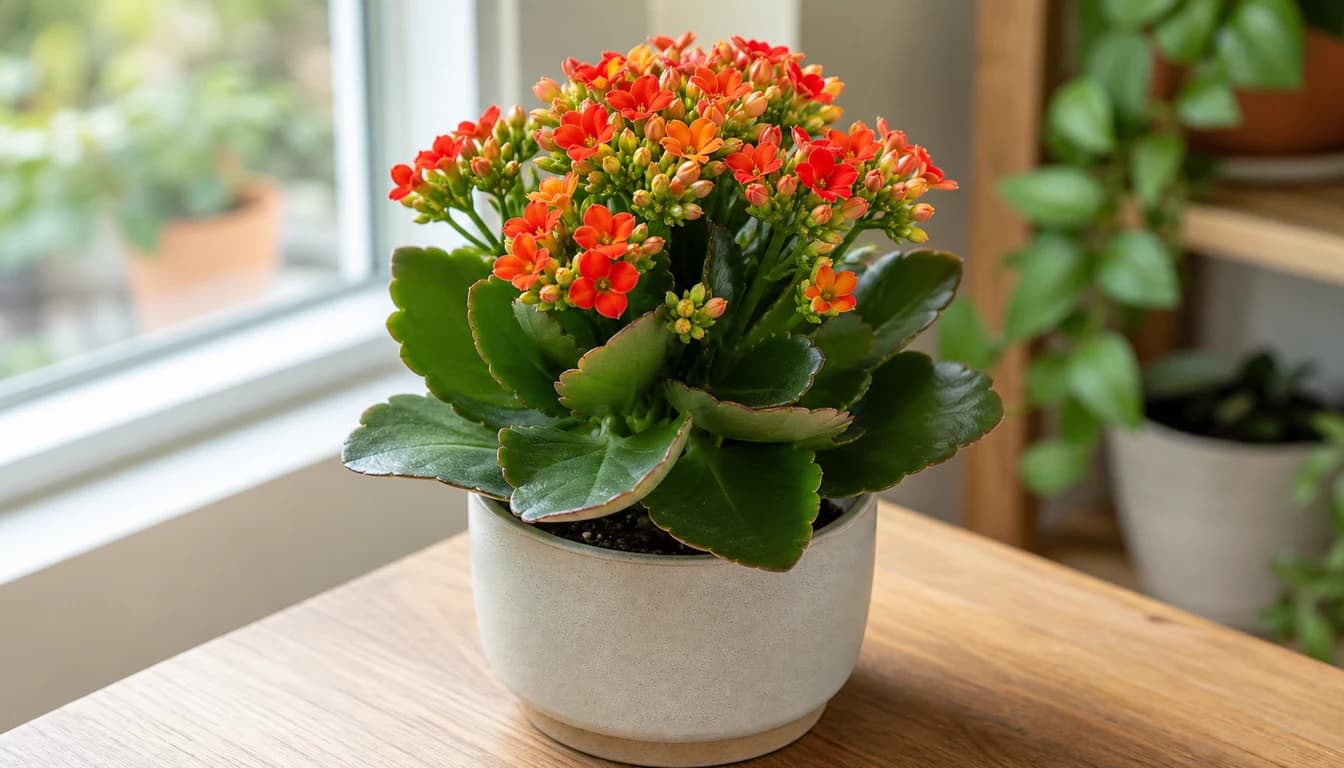
If your calathea orbifolia has brown edges despite proper humidity, the cause is almost always water quality — not humidity. Switch to distilled or filtered water and the problem typically resolves within a few weeks.
Free Weekly Digest
Plant care tips, straight to your inbox
Zone-specific advice, seasonal reminders, and new plant guides — no filler.
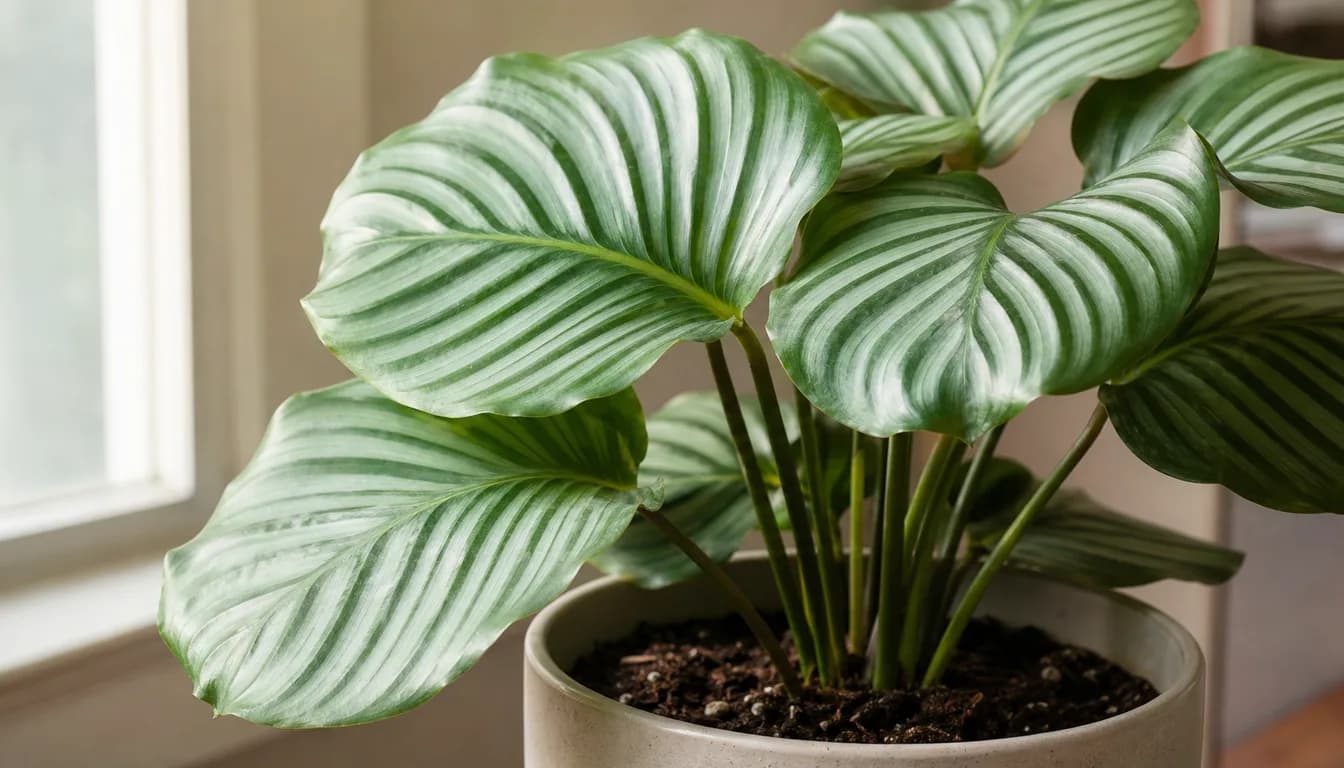
Kalanchoe (Kalanchoe blossfeldiana) is a flowering succulent from Madagascar that produces dense clusters of tiny blooms in red, orange, yellow, pink, and white
Free Weekly Digest
Plant tips in your inbox
Zone-specific advice and seasonal reminders — no filler.