
Plantingschedule11 min read
Yellow Flowers for Bright, Reliable Garden Color
Learn how to pick, place, and care for yellow flowers that bloom in your yard, from cool-zone spring bulbs to heat-loving summer perennials.
If your beds feel flat, a few yellow flowers can fix that fast. Yellow reads bright even on cloudy days, pairs with almost any color, and helps small yards feel bigger. The trick is choosing plants that bloom in your zone and light, instead of chasing catalog photos.
We will walk through picking reliable yellow bloomers, matching them to sun and soil, and staggering bloom times from early spring bulbs to fall powerhouses like black eyed susan and yarrow. You will see how to blend perennials, shrubs, and annuals so something yellow is always doing its job. We will also point to broader pollinator-friendly mixes when you want color plus bees and butterflies.
thermostatPick Yellow Flowers That Fit Your Zone
Start with your USDA zone, then choose yellow flowers that can handle both your winter lows and summer heat swings.
In cooler gardens, Daffodil bulbs, Daylily, and hardy bulbs carry a lot of the early color. Warmer yards get a longer run from Lantana, Yarrow, Coneflower, and black eyed susan.
Shrubs can cover a lot of ground with little effort too; Forsythia works in colder zones, while gold-toned azaleas or camellias make more sense in milder climates.
Mix bulbs, perennials, and shrubs if you want yellow from spring into fall.
wb_sunnyMatch Yellow Blooms to Sun and Soil
Most yellow flowers need at least 6 hours of direct sun for strong stems and clean color, especially black eyed susan and Coneflower.
If your yard is part shade, lean on Daylily, hosta, and a few softer woodland choices instead of forcing prairie plants to perform there.
Soil matters just as much. Yarrow, coreopsis, and sedum want lean, well-drained ground, while heavier soils suit moisture-tolerant plants better.
If water stands around the crown for a day, the site is wrong for most sunny yellow perennials.
Guide — See AlsoGround Cover Plants for Low‑Work, High‑Impact BedsLearn how to pick, plant, and maintain ground cover plants that fill in, control weeds, and match your light and zone wi
chevron_rightcalendar_monthPlan Bloom Time for Season Long Yellow
Bloom timing is what keeps yellow useful beyond a short spring burst.
Early color usually comes from Daffodil, pale tulip, and forsythia. Summer belongs to Daylily, Yarrow, Coneflower, and black eyed susan. Fall yellow comes from goldenrod, mums, and a few late asters.
A couple of annuals in pots can plug the gaps between perennial waves without forcing a full redesign.
- fiber_manual_recordEarly: Daffodil, tulip, forsythia
- fiber_manual_recordSummer: Daylily, Coneflower, black eyed susan, Yarrow
- fiber_manual_recordFall: Goldenrod, mums, late asters
Email Updates
Join the KnowTheYard update list
Zone-specific advice, seasonal reminders, and new plant guides — no filler.
paletteDesign Yellow Without Overdoing It
Yellow reads bright fast, so use it in repeated groups instead of scattered singles.
A few yellow Daylily clumps can lift pink Rose shrubs, while gold Yarrow or coreopsis warms up borders built around salvia and catmint.
Keep tall plants such as Sunflower or goldenrod at the back, mid-height black eyed susan in the center, and shorter edging flowers along the front.
Pairing yellow with pollinator plants adds motion as well as color.
Guide — See AlsoBest Shade Plants for Gardens That Get Little SunA practical guide to choosing the best shade plants for outdoor gardens, covering perennials, shrubs, ground covers, and
chevron_rightyardPlanting And Aftercare For Strong Yellow Blooms
Healthy roots give you better color than any fertilizer.
Work the top 8 to 10 inches of soil loose before planting, then mix in compost so clumps break apart in your hand. This is especially helpful for fibrous rooted plants like Coneflower clumps.
Set crowns at the same depth they grew in the pot. Burying the crown of Daylily fans or shasta daisy clumps too deep leads to rot and fewer flowers in the first year.
Water each plant slowly right after planting until the root ball and surrounding soil are equally moist. Add a 2 to 3 inch mulch layer, but keep mulch pulled back 2 inches from stems.
The number one reason new yellow flowers fail is uneven watering in the first month.
Stick to deep, occasional water instead of daily sprinkles. Most established perennials like black eyed susan drifts and Yarrow patches prefer a good soak once a week in average weather.
- fiber_manual_recordPlanting depth: Match original soil line on the stem
- fiber_manual_recordSoil prep depth: 8 to 10 inches loosened and amended
- fiber_manual_recordMulch thickness: 2 to 3 inches over bare soil
- fiber_manual_recordWatering target: Moist, cool soil 4 to 6 inches deep
- fiber_manual_recordFirst season focus: Roots and foliage before heavy bloom
compostFeeding Yellow Flowers Without Overdoing Fertilizer
Too much nitrogen gives you huge green plants with almost no blooms.
Most yellow perennials and shrubs are happier with a light hand, plus good soil. Shrubs like Forsythia hedges and lilac screens often bloom better when you skip heavy feeding and focus on compost and mulch.
Use a slow release, balanced fertilizer once in spring for beds that are more foliage than flowers. Check the bag for something near 5-5-5 or 4-6-3, then follow label rates for perennials rather than turf.
Annuals in containers need more help. Potted marigold mixes and yellow petunia trails burn through nutrients faster and benefit from weekly liquid feeds at half strength.
Never fertilize a drought stressed plant; water first and wait a day.
If you grow indoor yellows like peace lily blooms or bright anthurium varieties, use products made for houseplants. Our guide to indoor plant fertilizer choices walks through NPK numbers and timing.
- fiber_manual_recordGarden beds: Light slow release once in early spring
- fiber_manual_recordPots and baskets: Half strength liquid feed every 1 to 2 weeks
- fiber_manual_recordWoody shrubs: Skip if growth already seems vigorous
- fiber_manual_recordNew plantings: Hold fertilizer for 4 to 6 weeks
- fiber_manual_recordSandy soils: Add compost yearly instead of extra fertilizer
Guide — See AlsoRed Flowers: Plan, Plant, and Combine ColorsPractical guide to choosing and planting red flowers in beds and containers, including sun, soil, spacing, and color-pai
chevron_rightcontent_cutPruning And Deadheading For More Yellow Blooms
Dead blooms left in place tell many plants that seed season has started.
Snipping spent flowers from plants like shasta daisy clumps, golden Coneflower cultivars, and reblooming Daylily clumps often triggers another wave of buds. This is the easiest way to stretch yellow color past midsummer.
Use clean bypass pruners instead of pinching thick stems. Cut just above the first strong leaf or side bud on the stem, rather than leaving long bare stalks that look messy.
Some perennials respond better to a full shear than individual cuts. Midsummer, you can cut yellow Yarrow mats and threadleaf coreopsis drifts back by one third to push thick, fresh growth.
Avoid pruning spring blooming shrubs like forsythia after midsummer or you cut off next year’s flower buds.
Late winter or very early spring is the right time to shape yellow shrubs such as arching forsythia, yellow potentilla bushes, and yellow Rose canes. Our timing guide on when to prune flowering shrubs spells out which bloom on new or old wood.
- fiber_manual_recordDeadhead timing: Once a week during peak bloom
- fiber_manual_recordShearing cutback: Remove top third of soft growth
- fiber_manual_recordTool choice: Sharp bypass pruners, cleaned with alcohol
- fiber_manual_recordSpring shrubs: Prune right after flowering finishes
- fiber_manual_recordSeed interest: Leave some Coneflower heads for winter birds
warningTroubleshooting Faded, Floppy, Or Sick Yellow Flowers
Yellow blooms that suddenly fade, flop, or spot usually point to stress you can fix.
Petals bleaching to almost white by July often mean too much intense sun, especially on paler pastel Daylily forms and bicolor oriental lilies. Adding afternoon shade or light fabric can deepen color again on new buds.
Stems that flop or lean away from the center suggest plants are reaching for more light. Tall growers like tall Coneflower clumps and black eyed susans stay upright in full sun with a bit of support from discreet hoops.
Spotted or browning foliage often traces back to overhead watering and crowded spacing. Water at soil level instead, and thin crowded clumps of fall asters or garden mums so air can move between plants.
Checking soil moisture before you water again saves more plants than any spray bottle.
If foliage yellows between the veins while veins stay dark green, suspect nutrient issues or pH mismatch, especially in containers. Feeding schedules in our vegetable bed fertilizer guide apply to flowering annuals too.
- fiber_manual_recordBleached petals: Add afternoon shade or move containers
- fiber_manual_recordFlopping stems: Increase sun, add stakes before storms
- fiber_manual_recordLeaf spots: Water at soil level, improve air flow
- fiber_manual_recordPale foliage: Test soil, feed lightly if needed
- fiber_manual_recordSudden wilt: Check for dry roots or soggy potting mix
Guide — See AlsoSpring Blooming Flowers for Early Color in Any YardPractical guide to choosing, planting, and caring for spring blooming flowers in zones 3–11, including timing, bulbs vs
chevron_rightcalendar_monthSeasonal Routines For Yellow Beds All Year
Good color from spring through frost comes from a simple yearly rhythm.
In late winter, cut back last year’s stems on perennials like rudbeckia relatives and gold Yarrow types before new growth hits 2 inches tall. This is also a good time to top dress beds with compost.
Spring is planting and dividing season for most zones. Divide overgrown clumps of yellow Daylily plants, hostas with gold margins, and chartreuse coral bells every 3 to 5 years to keep blooms strong.
Summer is all about water checks and deadheading. Walk the garden early in the day when plants show stress clearly. Beds built around drought tolerant choices like russian sage drifts and stonecrop sedums will need far fewer hose sessions.
Do not add high nitrogen fertilizer in late summer or plants can push tender growth that winter damages.
Fall is cleanup and planting time for bulbs. Drop in yellow tulips and Daffodil bulbs at 3 times their height deep. In colder zones, check your local timing so bulbs root before the ground locks up.
- fiber_manual_recordLate winter: Cut back dead stems, spread compost
- fiber_manual_recordSpring: Plant, divide, and mulch open ground
- fiber_manual_recordSummer: Deep watering, deadheading, light trimming
- fiber_manual_recordFall: Bulb planting and leaf cleanup
- fiber_manual_recordEvery year: Refresh 2 inches of mulch in bare spots
tips_and_updates
Pro Tips
- check_circlePlant at least one yellow bloomer for each season so your beds never feel flat.
- check_circleRepeat the same yellow variety in small groups instead of scattering singles everywhere.
- check_circleCheck your soil drainage before planting prairie types like Yarrow or Coneflower.
- check_circleUse lighter lemon yellows near patios and seating, and save bold golds for back borders.
- check_circleDeadhead spent blooms on long flowering perennials to keep new yellow buds coming.
- check_circleMix shrubs, perennials, and bulbs so you are not replanting big yellow areas every year.
- check_circlePair yellow flowers with deep green foliage plants to keep the color from feeling harsh.
quiz
Frequently Asked Questions
Which yellow flowers are easiest for beginners?expand_more
For low effort color, we like black eyed susan, yellow Daylily clumps, and gold Yarrow varieties. They handle a wide range of soils, bounce back from missed waterings, and do not need fussing with staking or frequent pruning.
Can I grow yellow flowers in shade?expand_more
Yes, but pick plants that tolerate lower light. Try gold edged hosta varieties, yellow blooming astilbe plumes, or shade friendly tuberous begonias. They will not be as bright as full sun annuals, but they still read clearly in dim spots.
What yellow flowers are best for pollinators?expand_more
Single petal blooms usually beat doubles for nectar access. Plant sweeps of black eyed susan, golden Coneflower hybrids, and flat Yarrow heads. Nearby herbs like lavender borders extend the buffet.
How often should I water yellow flower beds?expand_more
Water based on soil, not the calendar. Most established perennials are happy when soil is dry 1 to 2 inches down. Deep soak, then let it dry again. Our piece on deep versus frequent watering explains why this builds better roots.
Do yellow flowers mix well with vegetable gardens?expand_more
Yes, and they help. Border your beds with marigold edges, gold cosmos clouds, or dwarf sunflower rows. These draw pollinators that boost crops like tomatoes, cucumbers, and peppers. Just leave room for harvesting.
menu_book
Sources & References
Related Guides

Air Purifying Plants for Cleaner Indoor Air
Learn how to pick, place, and care for air purifying plants so they help your indoor air instead of just looking pretty.
11 min read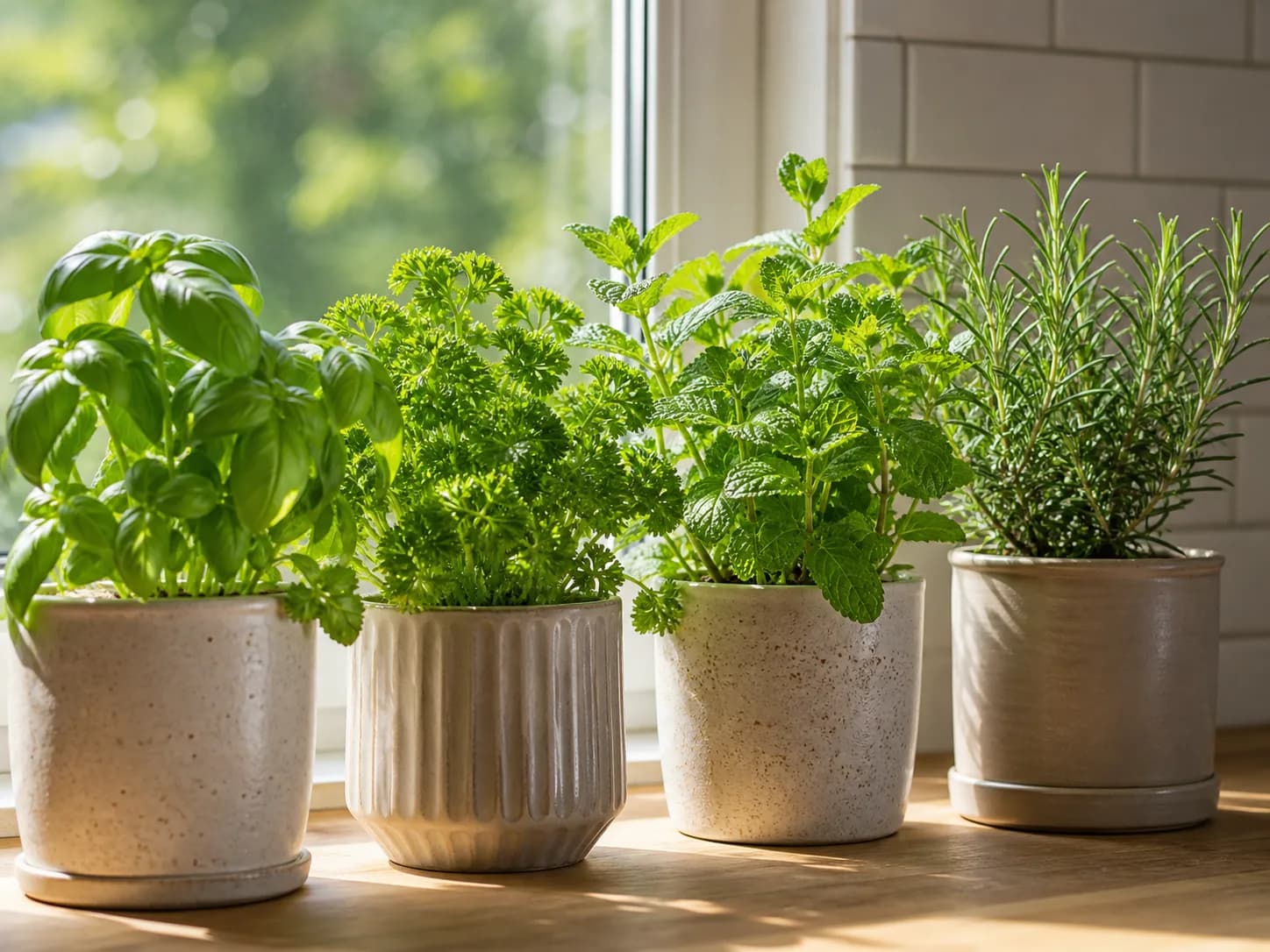
Best Herbs to Grow Indoors for Real Harvests, Not Spindly Pots
Choose indoor herbs that can actually produce in your light, temperature, and container setup, then match each one to the right harvest rhythm and watering style.
10 min read
Best Indoor Plants for Every Room and Light Level
A practical guide to choosing the best indoor plants for your home, covering beginner-friendly picks, low light champions, bright light lovers, watering basics, and how to avoid the most common mistakes.
13 min read