
Lawn Careschedule11 min read
When to Fertilize New Grass Without Burning It
Learn exactly when to fertilize new grass from seed or sod so it roots deeply, fills in fast, and avoids fertilizer burn.
New grass is hungry, but you cannot treat it like an established lawn. Feed too early and you burn tender roots, wait too long and seedlings stall or thin out.
What works, and why: exact timing for fertilizing new grass from seed, sod, or overseeding jobs. We will use soil temperature, grass type, and what the blades look like to set your schedule instead of guessing by the calendar, and you can pair it with a broader lawn care calendar later.
grassKnow Your Grass Type And Timing Window
Cool season and warm season grasses wake up at very different soil temperatures. That timing shift is the first clue for when new turf can use fertilizer.
Cool season lawns like kentucky bluegrass blades and common fescue mixes grow hardest when soil sits around 55–75°F. Warm season types such as bermuda in hot sun or zoysia carpets need 65–80°F soil for real growth.
New seed or sod should not see a full nitrogen feeding until it has active top growth and white roots reaching at least 2–3 inches deep. That usually lands 4–6 weeks after germination for seed and 3–4 weeks after install for sod if watering is steady.
Soil temperature is a better fertilizer clock than your local holiday schedule. A cheap probe thermometer in the top 2 inches of soil tells you far more than the date on the bag.
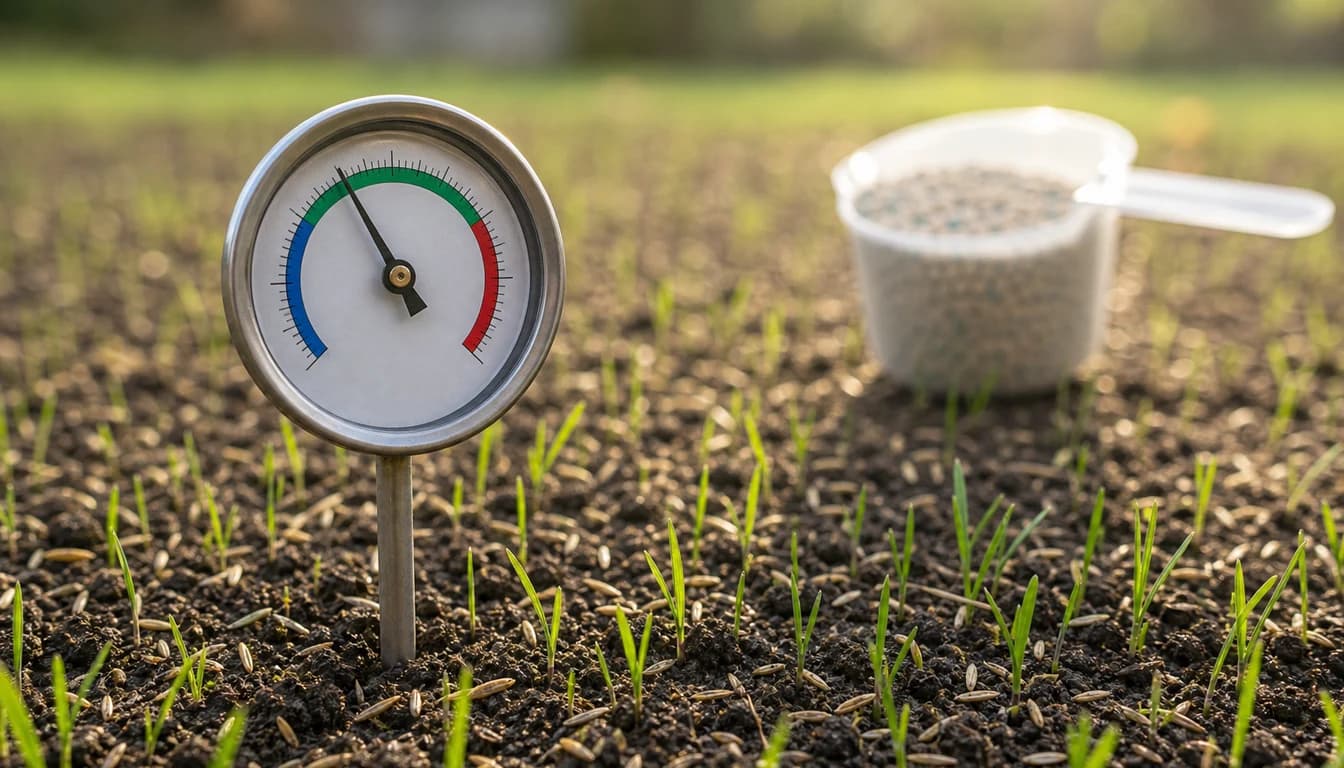
Soil temperature tells you more about fertilizer timing than the calendar.
- fiber_manual_recordCool-season seed: First fertilizer when seedlings reach mowing height and soil is above 55°F.
- fiber_manual_recordWarm-season seed or plugs: First feeding at 65–70°F soil once runners start spreading.
- fiber_manual_recordNew sod: Light starter feeding 3–4 weeks after install, once tug tests show firm rooting.
compostFertilizing New Seeded Lawns Step By Step
Freshly spread seed does not want a big nitrogen blast. Roots come first, then top growth. That is why most pros put down a starter fertilizer at seeding instead of a regular high nitrogen blend.
Look for something in the 10-18-10 or 18-24-12 range, with phosphorus to help rooting. Apply it at seeding time or just before raking seed in, following the bag rate for new lawns, then water in with a gentle spray.
Never exceed the labeled rate on starter fertilizer for new lawns, even if the soil test shows low nutrients.
Once seed has sprouted and reached 3–4 inches tall, you can plan the first true nitrogen feed. For cool season lawns that might be 4–6 weeks after germination. For warm season it might be closer to 6–8 weeks in cooler springs.
- fiber_manual_recordAt seeding: Apply starter fertilizer, then keep the top 1 inch of soil consistently moist.
- fiber_manual_recordFirst mowing: Wait until you have mowed the new lawn at least once before any heavier nitrogen.
- fiber_manual_recordFirst real feeding: Use a slow release fertilizer at 0.5–0.75 lb N per 1,000 sq ft.
- fiber_manual_recordFollow-up feeding: Another light feeding 6–8 weeks later if color fades or growth slows.
Guide — See AlsoBest Time to Aerate and Overseed for a Thicker LawnLearn when to aerate and overseed your lawn by season and grass type so every pass of the machine leads to thicker, gree
chevron_rightyardBest Timing For Fertilizing New Sod
Sod arrives pre-grown, so it is tempting to fertilize as soon as it is unrolled. The problem is those roots are still shallow and stressed from harvest and transport.
Most sod farms apply fertilizer before cutting, so there is usually enough nutrition for the first couple of weeks. Your job early on is water and rooting, not pushing more leaf growth.
You can start checking rooting with a gentle tug on corners after 10–14 days. Once the sod resists a light pull and you see white roots poking into the native soil, you are getting close to the first fertilizer window.
If sod still lifts easily at three weeks, hold fertilizer and focus on deep, even watering instead.
Wait for the lawn to anchor first, then feed for steady recovery instead of flashy top growth.
For cool season sod, aim for a light slow release feeding 3–4 weeks after install, timed with your first or second mowing. For warm season sod like st. augustine patches or centipede strips, that first feeding often happens once consistent warm nights arrive.
- fiber_manual_recordWeek 0: Install sod, roll it, and water to 6 inches deep.
- fiber_manual_recordWeek 2: Begin tug tests and start backing off from daily watering.
- fiber_manual_recordWeek 3–4: After the first mowing, apply 0.5 lb N per 1,000 sq ft.
- fiber_manual_recordWeek 6+: Evaluate color; add another light feeding only if growth is weak.
Email Updates
Join the KnowTheYard update list
Zone-specific advice, seasonal reminders, and new plant guides — no filler.
parkOverseeding An Existing Lawn: Different Rules
Overseeding mixes new seedlings into an established lawn, so timing fertilizer means balancing two needs at once. Old grass can handle more nitrogen, but young sprouts cannot.
Most of us overseed cool season lawns like tall fescue blends or perennial ryegrass patches in early fall. That lines up nicely with the best fertilizing window for cool season grass anyway. Use the overseeding guide to map the seeding window, then apply the same timing logic to the broader lawn fertilizing walkthrough.
The safest plan is a starter fertilizer at seeding that is strong enough to help roots but not so hot it burns bare areas. Skip any heavy nitrogen dose you might normally give a mature fall lawn.
New seed plus a full-strength high nitrogen fall feeding is the fastest route to striped burn marks in thin areas.
Once the overseeded lawn has been mowed 2–3 times, you can go back to your normal schedule. For many cool season yards that is another light feeding 6–8 weeks after overseeding.
- fiber_manual_recordAt overseeding: Use starter fertilizer at the new lawn rate on the whole area.
- fiber_manual_recordFirst two mowings: Focus on water and mowing height, not more food.
- fiber_manual_recordLater fall: Add a final late fall feeding only if growth is steady and color is pale.
- fiber_manual_recordSpring: Resume your usual program guided by the month-by-month calendar.
Guide — See AlsoIs Overseeding Worth It For Your Lawn Or Not?Honest look at whether overseeding is worth it for your lawn, including cost, effort, timing, and how it compares to opt
chevron_rightcalendar_monthFeeding Schedule After That First Application
New grass does not run on the same fertilizing schedule as an established lawn. Roots and blades are still developing, so your timing and dose need a lighter touch for the first full growing season.
Cool season lawns like bluegrass blends and mixed fescue respond best to light, split feedings. Warm season lawns such as backyard bermuda and zoysia stands prefer a single heavier feeding once growth is steady.
A simple rule is this, keep the first year at half the label rate, applied more often. That supports steady growth without pushing long, weak blades that flop over or invite fungus.
Established lawns in your neighborhood might only need feeding two or three times a year. New turf benefits from a gentler schedule that fits your soil, your grass type, and your growing season length.
- fiber_manual_recordWeeks 0–4: Starter fertilizer at seeding or sod install, nothing else
- fiber_manual_recordWeeks 4–8: Light follow up, about 0.25–0.5 lb N per 1,000 sq ft
- fiber_manual_recordMid-season: Optional light feeding if color fades and growth slows
- fiber_manual_recordLate season: Final application at full or three-quarter rate, grass type dependent
Treat those intervals as a ceiling, not a dare; new roots need consistency more than a dark green color rush.
Never exceed 1 pound of nitrogen per 1,000 square feet in any 4 week period on a new lawn.
If you live in cooler zones 3–5, that late season feeding matters most. It builds roots for winter instead of chasing weak blade growth.
Warmer zones 8–11 have longer growing seasons, so you might skip the mid-summer feeding and favor spring and early fall. That schedule avoids stressing turf during the hottest, driest stretch.
warningAvoiding Burn And Other New Lawn Damage
Most brand new lawns that struggle were overfed, not starved. Too much nitrogen dries tissues, burns tips, and can kill baby roots that never had a chance.
Granules that sit in clumps are a common culprit. They pull moisture from the closest blades, leaving polka dot burn rings across your yard that look like a fertilizer leopard print.
Liquid products are easier to distribute evenly but can still scorch if you spray during heat or at too strong a concentration. Always follow label dilution rates and spray in the coolest part of the day.
If you see tip burn within 24 hours of feeding, water the lawn deeply for at least 30–45 minutes to flush excess nutrients through the root zone.
Watch for pale green patches that do not match your spreader pattern. Those areas may be underfed or compacted, not burned. Compaction responds better to core aeration and good watering habits than extra fertilizer.
If you recently applied weed-and-feed near new turf, check the label again. Many combination products specifically exclude use on seedlings or brand new sod for 60–90 days.
Some homeowners also fertilize near planting beds, then see off-target growth flushes in shrubs like foundation boxwoods. Flowering perennials such as shade hostas can react the same way. That is a sign you are overlapping zones, not that the lawn is hungry.
If you are not sure whether damage comes from disease or fertilizer, stop feeding until you identify the issue. Extra nutrients make many lawn diseases worse.
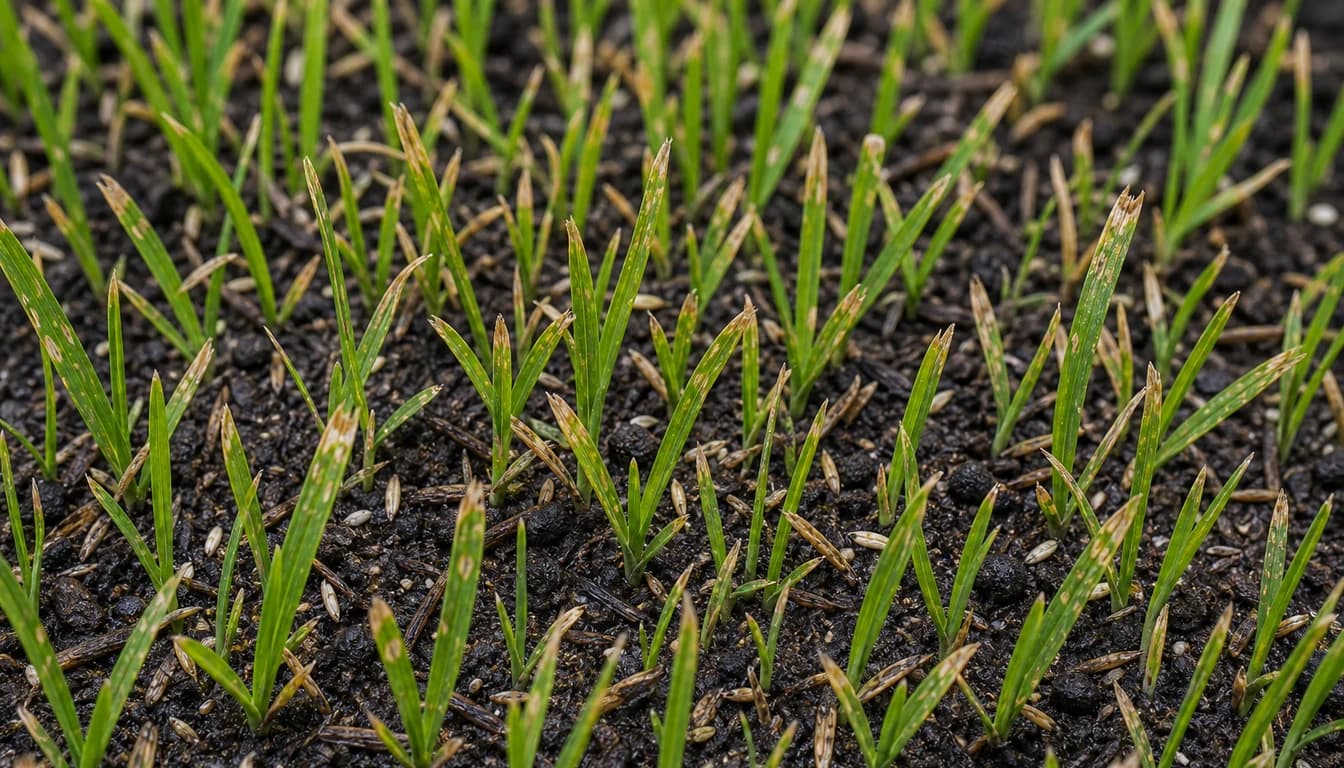
Uneven granules cause patchy fertilizer burn on tender new grass.
Guide — See AlsoHow to Level a Sloping Yard for Safer, Flatter SpaceStep‑by‑step guide for homeowners on how to level a sloping yard without ruining drainage, hurting trees, or wasting mon
chevron_rightthermostatSeasonal Timing: Spring, Summer, And Fall For New Turf
The right answer to when to fertilize new grass always runs through the calendar. Air temperature, soil temperature, and day length all affect how efficiently your lawn can use nutrients.
Cool season lawns started in late summer or early fall often get their first feeding at seeding, then a key follow up about 6–8 weeks later. That second feeding might land in October or November in zone 5.
Spring seeded cool season lawns are trickier. Soil is still cold, so fertilizer response is slower. Focus on a small starter dose at planting, then wait until mowing 2–3 times before another light feeding.
Warm season lawns like St. Augustine turf and buffalo prairie lawns should not be fed heavily until they have fully greened up. Feeding too early in spring only pushes top growth while roots sit in cold soil.
Summer is the stress season almost everywhere. If your new lawn faces drought or high heat, skip big fertilizer applications. Deep watering habits from proper watering schedules will do more for survival than extra nitrogen.
Fall tends to be the safest window for a stronger feeding on first-year lawns. The sun is lower, nights are cooler, and grass prefers to build roots, not blades.
- ecoSpring: Small starter plus one light feeding after the lawn is established
- ecoSummer: Only feed if grass is actively growing and not heat stressed
- ecoFall: Strongest application for root building and winter prep
- ecoWinter: No fertilizer on frozen or dormant turf, it will not be used
water_dropWeather, Watering, And Fertilizer Working Together
Fertilizer works only if it reaches the root zone in a form your new grass can use. Weather and watering do most of the heavy lifting there.
A light watering right after spreading granules dissolves nutrients and pulls them into the top few inches of soil. For a new lawn, aim for 0.25–0.5 inch of water after feeding.
Rain can be your ally or your enemy. A gentle shower after application is perfect. A thunderstorm that drops 2 inches in an hour can wash pricey nutrients down your driveway and into the storm drain.
Check the forecast. If heavy rain is expected within 24 hours, hold off on fertilizing until the pattern settles.
Deep, infrequent watering, the approach used for mature lawns and gardens with thirsty hydrangeas, is not yet right for brand new turf. Roots are still near the surface and need more frequent moisture.
That means your schedule changes the days around fertilizing. You might water lightly daily for seed, then add one slightly deeper session the day after feeding to move nutrients down.
Soil type drives how long that moisture and fertilizer hang around. Sandy soils leach quickly and often need smaller, more frequent doses. Heavy clay holds both water and nutrients but suffocates roots if you overwater.
- fiber_manual_recordSandy soil: Lower rates more often so nitrogen does not leach away
- fiber_manual_recordLoam soil: Standard label rates, standard schedules
- fiber_manual_recordClay soil: Lighter rates with strong focus on drainage and avoiding puddles
- fiber_manual_recordSloped yards: Apply in two passes at half rate to reduce runoff risk
Guide — See AlsoHow to Overseed a Lawn Without Aerating or Heavy EquipmentStep-by-step guide to overseed your lawn without renting an aerator. Learn how to prep the turf, choose seed, and get go
chevron_rightcompostMatching Fertilizer Type To Your New Lawn
Not all bags with big green lawns on the front behave the same on fresh turf. Nutrient source and release speed both change how safe a product feels on a baby lawn.
Slow release fertilizers rely on coatings or organic materials that break down gradually. They give more forgiveness on timing and watering mistakes, though they do cost more upfront.
Quick release fertilizers are inexpensive and provide fast color change. On new lawns, that speed also brings more risk, because tender roots and shoots cannot buffer sudden salt spikes.
Organic fertilizers made from plant or animal byproducts feed soil life while they feed grass. They often work a bit slower but are safer if you worry about overdoing it on your first attempts.
For most homeowners, a slow release or mostly organic product is the lowest risk choice for a first year lawn.
If you use synthetic quick release options, treat them like a strong spice. A little transformed meal tastes great, but a heavy hand ruins the whole dish.
Controlled release products work well on potted peace lilies too. The same slower-release logic shows up in indoor fertilizing advice before you scale that approach up for turf.
- fiber_manual_recordSlow release bags: Safer on new lawns, longer lasting response
- fiber_manual_recordQuick release sources: Only at reduced rates and with perfect watering
- fiber_manual_recordOrganic inputs: Great for building soil health over the first few seasons
- fiber_manual_recordWeed-and-feed mixes: Avoid entirely on brand new seedings and young sod
tips_and_updates
Pro Tips
- check_circleUse a soil thermometer and wait for 55–65°F before feeding cool season seedlings.
- check_circleCut new grass at least once before giving it a heavier nitrogen fertilizer dose.
- check_circleRun starter fertilizer at label rates only, since double rates easily scorch thin areas.
- check_circleWater right after fertilizing so granules dissolve off tender leaf blades and into soil.
- check_circlePick slow release fertilizer for new lawns to avoid growth bursts and extra mowing.
- check_circleSkip herbicide plus fertilizer combos on any lawn that was seeded in the last 6–8 weeks.
- check_circleKeep mower blades sharp so you are not shredding soft new grass after a nitrogen boost.
quiz
Frequently Asked Questions
How soon can I fertilize new grass after the first mowing?expand_more
Wait until you have mowed the new lawn two or three times. At that point roots are stronger, and a light feeding at half the label rate is usually safe if the grass is actively growing.
Should I fertilize new grass before or after heavy rain?expand_more
Skip fertilizer right before a big storm. Heavy rain can wash nutrients off the lawn and burn low spots. Apply when the forecast is mild, then water with about half an inch to move nutrients into the soil.
Can I use regular weed-and-feed on a brand new lawn?expand_more
No, most weed-and-feed products are too strong for young grass. Many labels specifically ban use on new seedings or sod for 60 to 90 days. Use a starter fertilizer instead and spot-treat weeds later.
Do I need fertilizer if my new lawn looks dark green already?expand_more
Not right away. New turf that is already deep green and growing steadily does not need extra nitrogen yet. Overfeeding can cause fast, weak growth and disease. Wait until color fades or growth slows before feeding again.
Is organic fertilizer better for new grass than synthetic?expand_more
Organic products are usually gentler and improve soil over time, which helps a new lawn. Synthetic fertilizers work faster but are easier to overapply. Either can work if you follow the label and keep rates low during the first year.
menu_book
Sources & References
Related Guides
Best Time to Aerate and Overseed for a Thicker Lawn
Learn when to aerate and overseed your lawn by season and grass type so every pass of the machine leads to thicker, greener turf instead of wasted seed.
11 min read
Best Time to Overseed a Midwest Lawn for Thick Turf
Learn the best time to overseed a Midwest lawn based on soil temperature, grass type, and hardiness zone so your new seed fills in thin spots.
11 min read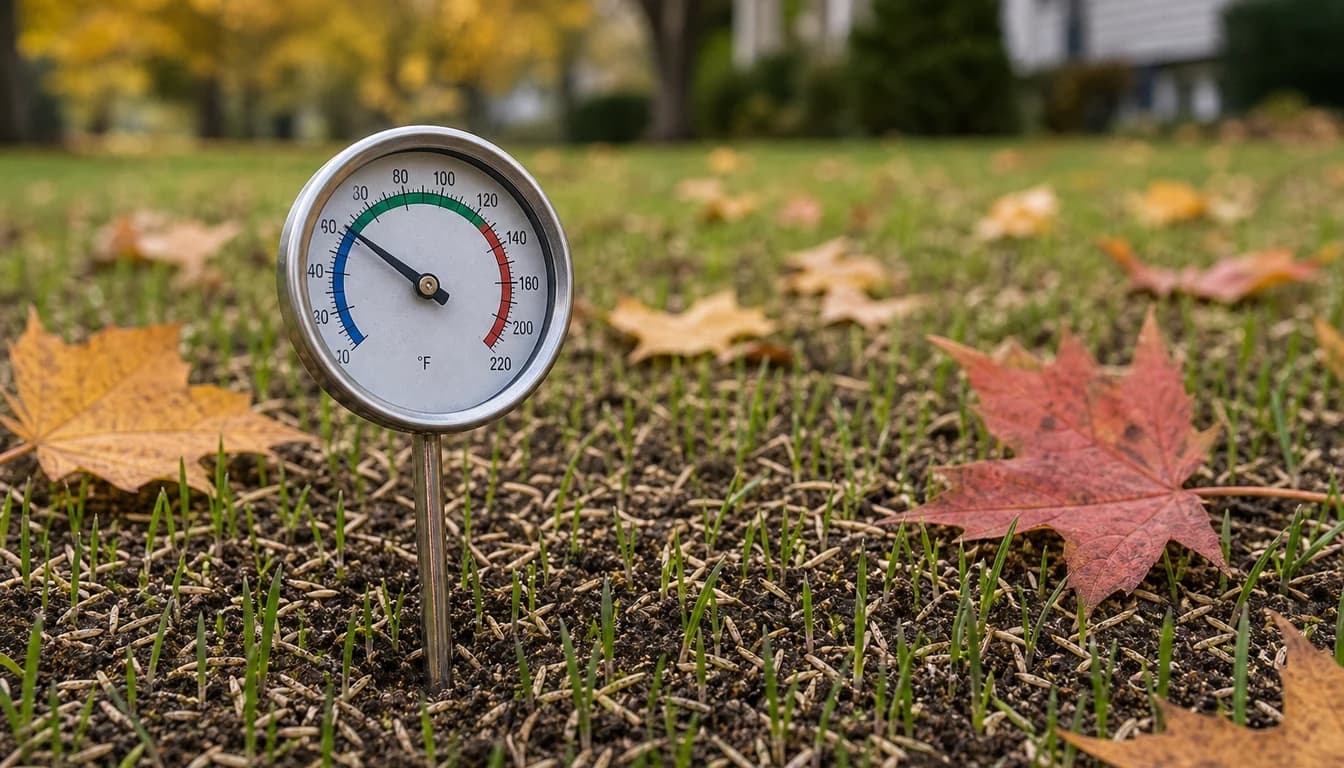
Best Time to Overseed a Northeast Lawn for Thick Turf
Learn exactly when to overseed cool-season lawns in the Northeast, how soil temperature and frost dates affect timing, and what to do before and after seeding for a thicker, greener yard.
11 min read