
Lawn Careschedule11 min read
Best Time to Overseed a Midwest Lawn for Thick Turf
Learn the best time to overseed a Midwest lawn based on soil temperature, grass type, and hardiness zone so your new seed fills in thin spots.
In the Midwest, overseeding on the wrong week wastes seed and water. The sweet spot is built around soil temperature, your grass type, and how cold your winters get. Cool-season lawns like Kentucky bluegrass sod want very different timing than warm-season patches of bermuda in hot pockets.
The method, start to finish: the best overseeding window by region, how to use soil temps instead of calendar guesses, and simple prep so seed touches soil. You should come away knowing exactly which weekend to circle and what to do before and after you spread seed.
thermostatKnow Your Midwest Zone and Grass Type
The best overseeding date in Fargo is not the same as in St. Louis. Start by figuring out whether you garden in zone 3-4, 5-6, or 7 using a map like the zone 5 reference, then match that to your grass.
Most Midwest lawns north of Interstate 70 are cool-season blends, usually some mix of Kentucky bluegrass, perennial ryegrass, and Tall Fescue. These thrive in cool spring and fall but hate summer heat.
Far southern Midwest pockets, especially near zone 7, sometimes mix warm-season grasses like zoysia or bermuda into park strips or full lawns. Those behave more like crepe myrtle shrubs, which really wake up in heat.
Matching your exact grass type to the right season window matters more than your city name. If you are not sure what you have, look at the texture and color compared with photos of Tall Fescue clumps and zoysia patches to narrow it down.
Once you know whether your lawn is mostly cool-season or warm-season, circle the main overseeding season for that group. Cool-season lawns in the Midwest get their best results from fall seeding, while the smaller number of warm-season lawns respond better to late spring or very early summer work.
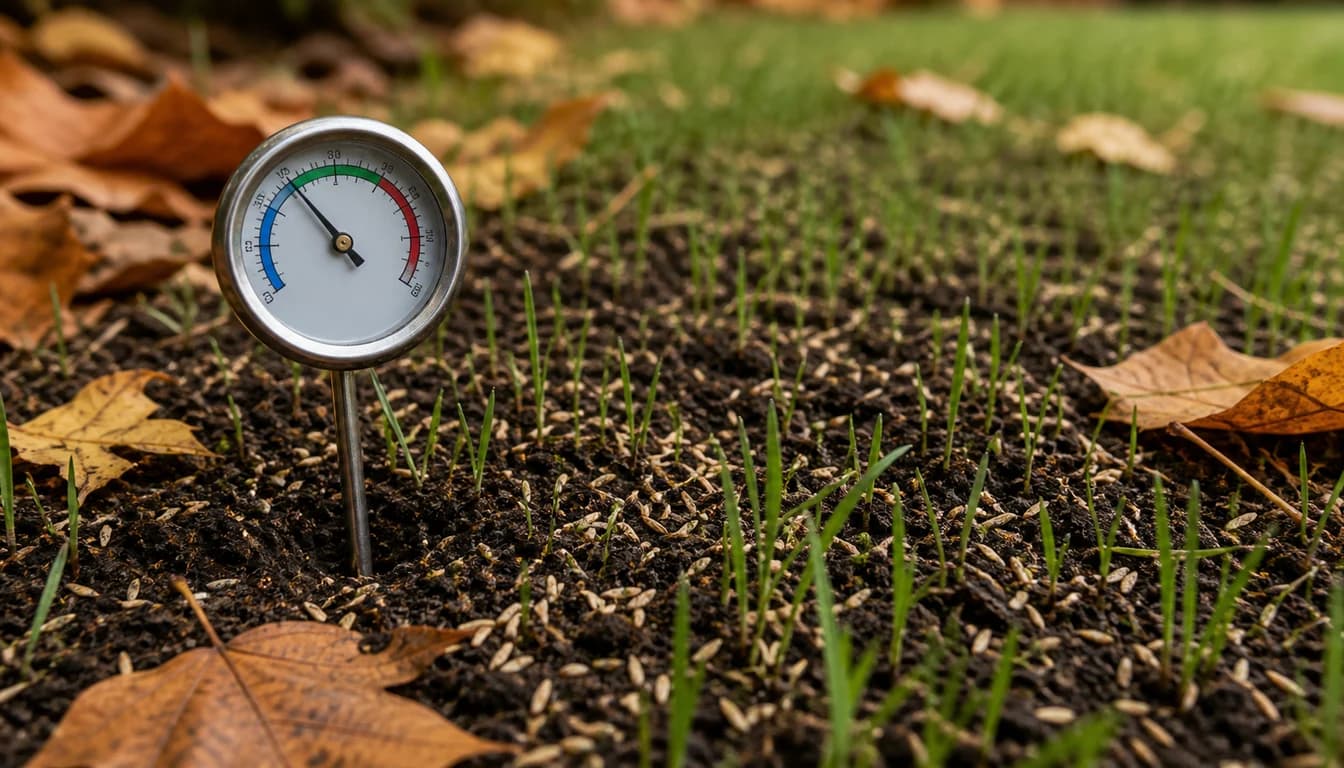
Soil temperature tells you far more about overseeding timing than the calendar does.
- fiber_manual_recordCool-season focus: Kentucky bluegrass, perennial ryegrass, tall fescue
- fiber_manual_recordWarm-season pockets: Zoysia, bermuda around hot driveways
- fiber_manual_recordColdest Midwest zones: Treat like zone 3 conditions with short fall windows
- fiber_manual_recordTransition areas: Mix of cool- and warm-season, pick the grass you want long term
calendar_monthWhy Fall Is Prime Time for Cool-Season Lawns
For cool-season lawns across most of the Midwest, fall is the main overseeding season. You are aiming for soil temps between 55-70°F, when days cool down but the ground is still warm.
In zones 5-6, that sweet spot usually lands from late August through mid-September. In colder zone 4 areas, shift that up by about two weeks. Warmer zone 7 lawns can often slide into late September or early October if nights are still mild.
Fall beats spring because weed pressure drops and existing grass slows its top growth. That means more light hits the soil surface, helping young seedlings. Cooler air also lowers water stress, so baby roots do not fight baking heat like they would in July.
Overseeding cool-season lawns later than early October in most of the Midwest risks seedlings not rooting deeply before the ground freezes.
If your lawn is mainly Kentucky bluegrass, fall overseeding also lines up with its natural rhizome spread. Fresh seed fills bare spots while older plants thicken around them.
Use fall as your "big push" overseed. Spring can still work as a backup if you missed the window, but your seed will compete with crabgrass and broadleaf weeds. Fall gives your new turf almost an entire cool season head start before next summer arrives.
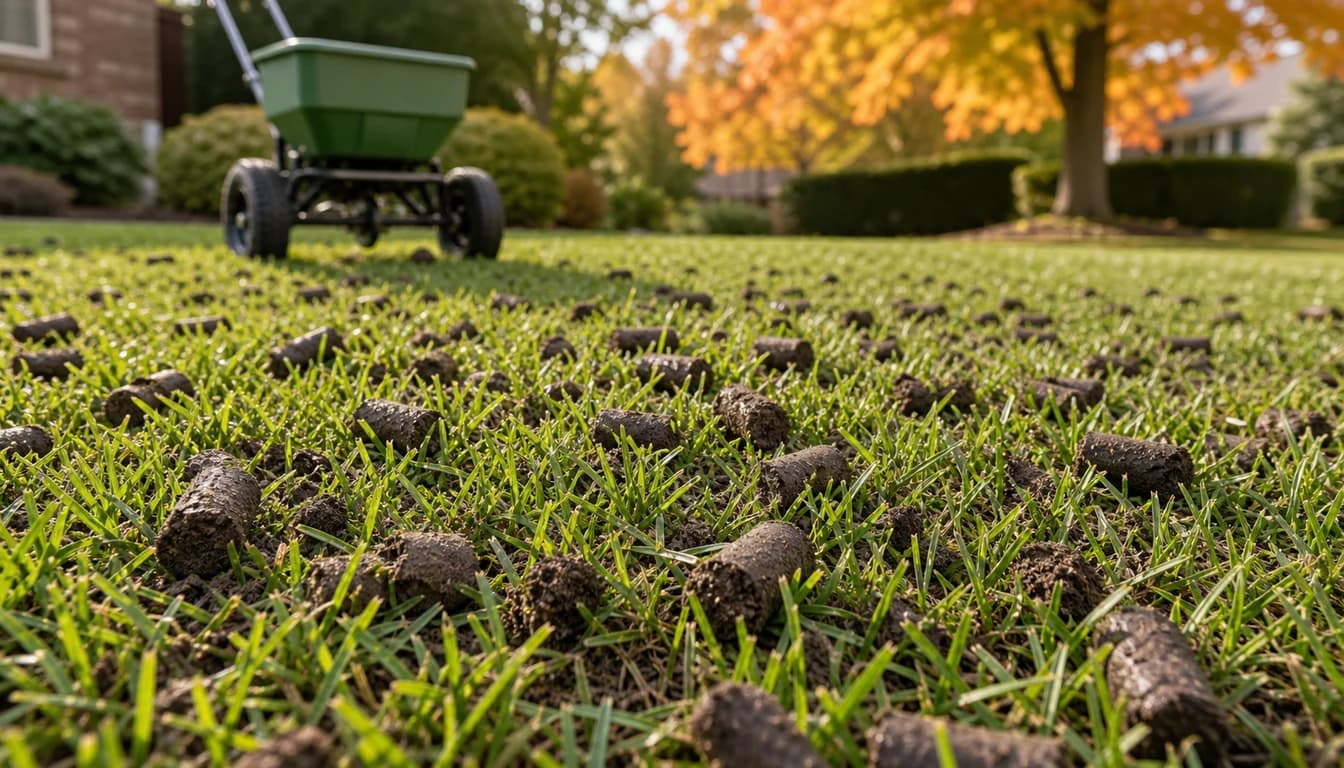
Core aeration right before overseeding gives seed easy contact with loosened soil.
Guide — See AlsoWhen to Aerate Your Lawn for Real ResultsLearn exactly when to aerate your lawn based on grass type, soil conditions, and season so you get thicker turf instead
chevron_rightwb_sunnySpring and Early Summer Windows That Still Work
Spring overseeding has a reputation for disappointing results, but it can work when conditions and expectations are right. Aim for soil temps around 50-65°F and avoid seeding right before a hot spell.
In zones 5-6, that often lines up with late April through mid-May, once the soil has warmed but before consistent 80°F days. In zone 4, spring comes later, so early to mid-May is usually safer. Warmer zone 7 lawns need even earlier work, often March, to give seedlings time before real heat.
If you heavily overseed in spring, hold off on pre-emergent crabgrass controls unless you choose a product labeled as safe for new seeding. Otherwise you will block your good seed along with weeds.
For warm-season lawns in the southern Midwest, late spring to early summer is the better overseeding window. Reach for soil temps around 65-80°F and stable night temps above 60°F. That is when zoysia and bermuda finally wake up.
If your lawn is half dead from winterkill, accept that one spring overseeding pass may not fix everything, especially north of zone 6 lines.
Use spring overseeding mainly for patch repair and light thickening. Save aggressive whole-yard seeding for fall on cool-season lawns. That balance keeps your weed control, watering, and mowing schedule easier to manage through summer.
Email Updates
Join the KnowTheYard update list
Zone-specific advice, seasonal reminders, and new plant guides — no filler.
scienceUse Soil Temperature, Not the Calendar
Calendar dates swing wildly across the Midwest, but seed always follows soil temperature. A simple soil thermometer or an inexpensive digital probe is your best overseeding tool, right beside your spreader.
Cool-season seed like Kentucky bluegrass and perennial ryegrass germinate best when soil temps at 2–3 inches deep hold between 55–75°F. That is similar to the range where spinach seed jumps to life in vegetable beds.
Warm-season grasses such as zoysia and bermuda want soil closer to 65–80°F to start well. Seeding them when soil is still in the 50s is like planting tomato starts outside in cold mud, they simply sulk.
Check soil in several lawn spots, including shaded north sides and sunny south-facing strips. Average the readings over a few days. Hold off overseeding until you see stable temps in the right band for your grass type.
Do not chase one warm weekend in April or September. Wait until soil temps stay in range for at least three to five days.
Soil tracking also helps tie your overseeding timing into other tasks. Many of us line up fall overseeding right after core aeration and right before a balanced feeding, leaning on timing tips from the broader lawn calendar. That rhythm is easier to repeat year after year than guessing new dates.
- fiber_manual_recordCool-season target: 55–75°F at 2–3 inch depth
- fiber_manual_recordWarm-season target: 65–80°F at 2–3 inch depth
- fiber_manual_recordCheck frequency: Once daily in morning shade
- fiber_manual_recordTools: Basic analog thermometer or digital soil probe
Guide — See AlsoWhen to Aerate a Lawn in Ohio for Thick, Green GrassPractical timing tips for when to aerate a lawn in Ohio, plus how to match aeration to your grass type, soil, and overse
chevron_rightwater_dropWatering Schedule After Overseeding
The first two weeks after overseeding matter more than the exact day you put seed down. Midwest weather flips fast, so a tight watering plan keeps seedlings alive between cold snaps and warm spells.
Aim to keep the top 0.5 inch of soil evenly damp, not soaked. That usually means 2–4 light waterings per day in early fall, depending on wind and sun.
As soon as you see a green haze of seedlings, start stretching time between waterings. Switch to once daily, but increase run time so moisture reaches 1–2 inches deep.
By week three or four, move toward deep, infrequent watering that matches good turf habits and the advice in deep watering schedules.
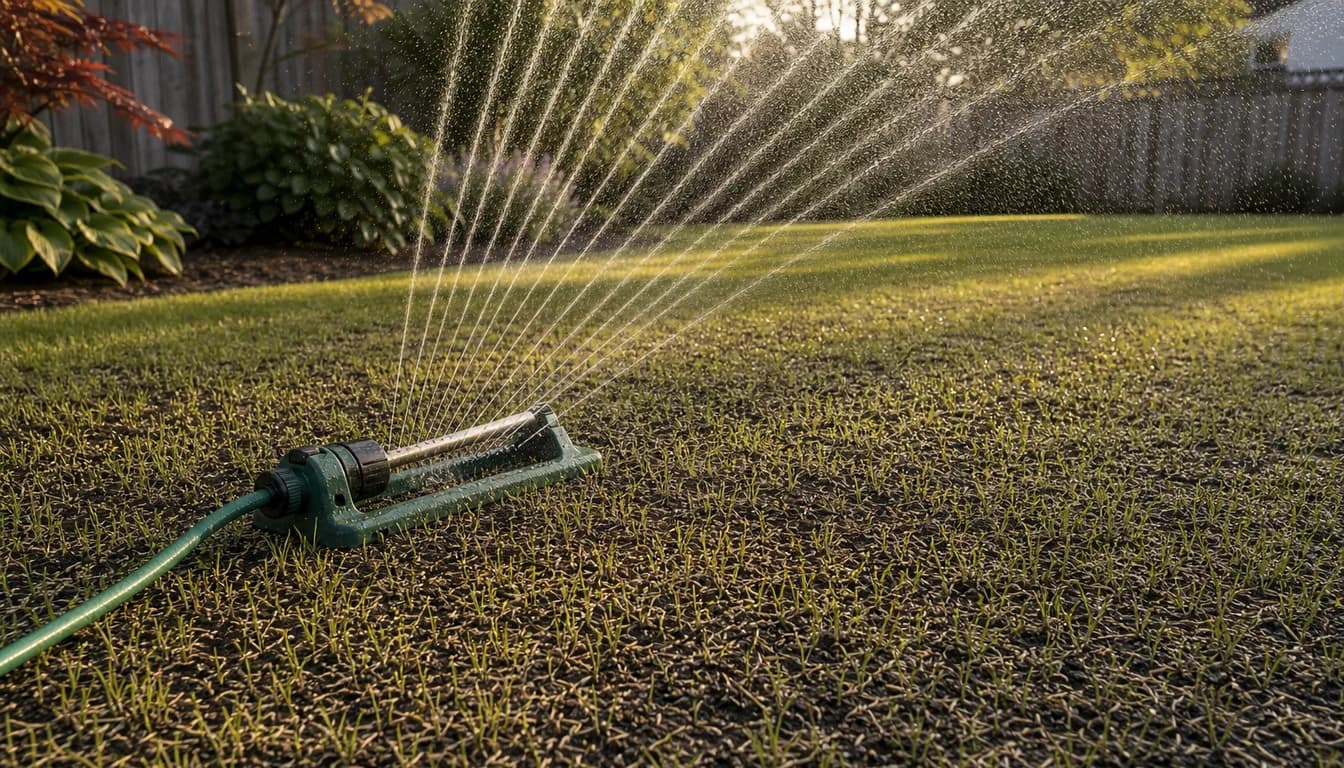
Consistent, light watering keeps the seedbed moist without washing seed away.
- fiber_manual_recordDays 0–7: 2–4 misty cycles daily, just enough to glisten the surface
- fiber_manual_recordDays 8–14: 1–2 slightly longer cycles, soil damp to 1 inch
- fiber_manual_recordDays 15–30: 2–3 deep waterings per week, reaching 4–6 inches
- fiber_manual_recordAfter 30 days: Follow your normal program for established grass
Check soil response every morning before adding more water.
More new lawns are lost to overwatering and soggy seedbeds than to minor dryness.
If you see puddles, algae, or a sour smell, cut watering time immediately. Focus on shorter cycles, and check whether your soil acts more like heavy clay or the lighter soil you would use for shade perennials in a bed.
grassMowing, Foot Traffic, and First Fertilizer
The weeks after seeding are not business as usual for mowing and play. Tiny roots tear easily, especially in compacted Midwestern clay.
Hold off on mowing until seedlings reach 3 inches tall and can stand up to a light pass. Make sure the soil is dry to the touch so the mower wheels do not rut.
Set your mower high, around 3–3.5 inches for cool-season grass in the Midwest. Short cuts stress new plants and open the canopy for weeds.
Keep kids, pets, and wheelbarrows off freshly seeded areas for at least 3 weeks. Treat it like you would a new planting bed of perennial flowers you want to fill in.
- fiber_manual_recordFirst mow: When most seedlings hit 3 inches, remove only the tip
- fiber_manual_recordBlade sharpness: Use a freshly sharpened blade to avoid ripping
- fiber_manual_recordTraffic limits: No sports or heavy activity for 4–6 weeks
- fiber_manual_recordFertilizer timing: Starter fertilizer at seeding, then wait 4–6 weeks
Do not stack heavy nitrogen fertilizer on new seedlings before they have been mowed two or three times. It pushes weak, stretchy growth instead of roots.
If you did not use a starter product, follow gentle fertilizer rates once seedlings are established, and choose a slow-release blend so you do not burn tender blades.
Guide — See AlsoGrow Strong St Augustine Grass in Shady YardsPractical steps to keep St Augustine grass thick and healthy in partial shade, including light limits, pruning, watering
chevron_rightthermostatWeather Curveballs and Troubleshooting Bare Patches
Midwest overseeding never follows the script perfectly. A hot spell, hard rain, or early frost can shift how well seed takes, even if you hit the target dates.
A week of 80s and sun after fall seeding will dry the seedbed fast. Add one extra short watering cycle on those days, and consider a light straw cover on south-facing slopes.
Heavy storms can float seed into lines or collect it in low spots. After things dry, lightly rake matted seed back across bare areas, just like smoothing a row of direct sown vegetables in the garden.
If a surprise frost hits right after germination, do not panic. Cool-season seedlings like Kentucky bluegrass and tall fescue handle light freezes far better than older warm-season turf such as bermuda lawns.
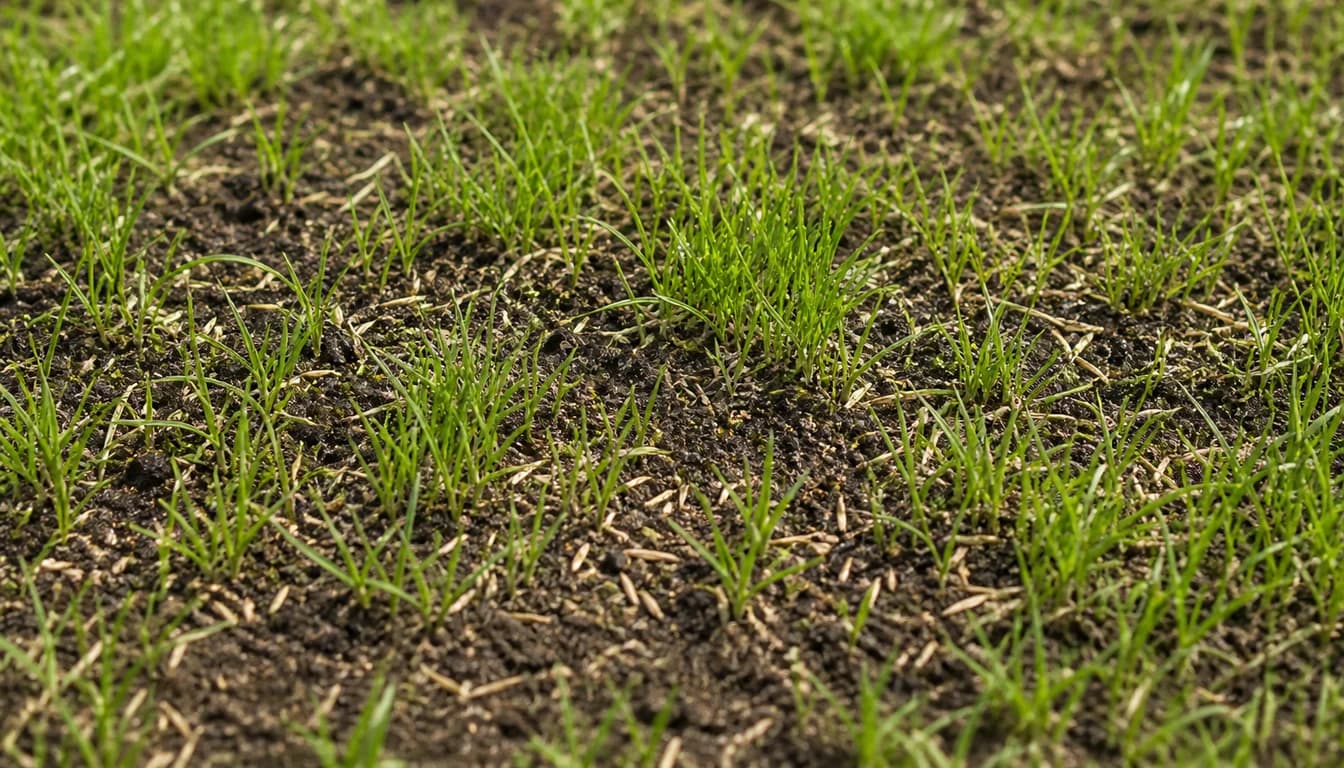
Thin spots after overseeding usually trace back to moisture or seed-to-soil contact issues.
- fiber_manual_recordBare streaks: Usually poor seed-to-soil contact, rake and spot-seed again
- fiber_manual_recordMatted seed piles: Spread them thin, then topdress with a quarter-inch of compost
- fiber_manual_recordDry crusted soil: Gently rake the surface to break the crust before watering
- fiber_manual_recordShaded misses: Add a bit of shade-tolerant fescue in tree shade zones
Act fast while the soil is still warm enough for recovery.
If a section is still mostly soil after three weeks, do not wait until spring. Overseed that area again as long as soil stays above 50°F.
Late fall spot-seeding might only give partial fill, but it sets up thicker growth when spring soil warms again.
calendar_monthAdjusting Timing for Different Midwest Microclimates
Southern Illinois and northern Minnesota technically share the Midwest label, but their overseeding windows do not line up. Microclimates inside your own yard can shift timing too.
South-facing slopes heat up several days earlier than low, shaded corners. These spots can often be seeded a bit sooner in fall, as long as you match seed type to your main lawn.
Low areas that stay wet in spring dry out slower and cool down slower in fall. Seed those last so you are not tossing good seed into cold, soggy soil.
City lots with sidewalks and driveways hold heat, acting more like zone 6 pockets even if the larger area is zone 5 on paper. Rural open yards cool quicker under wind.
- fiber_manual_recordUrban cores: Start fall overseeding on the early side of the suggested window
- fiber_manual_recordLake-effect regions: Watch for early frosts, and shift a week earlier
- fiber_manual_recordWindy plains: Prioritize erosion control and straw mulch on exposed slopes
- fiber_manual_recordShaded suburbs: Extend the window a bit, since soil cools slower under trees
If your yard includes sunny front turf and a shaded back section under large maples in the neighbor’s yard, treat them like two different lawns. The best time to overseed each area might differ by a week or more.
A cheap soil thermometer in several spots tells you more than any regional calendar chart.
Guide — See AlsoHow to Overseed a Lawn Without Aerating or Heavy EquipmentStep-by-step guide to overseed your lawn without renting an aerator. Learn how to prep the turf, choose seed, and get go
chevron_rightwarningCommon Overseeding Mistakes in Midwest Lawns
Most failed overseeding jobs trace back to simple misses, not bad seed. Avoid these common habits and your timing work pays off.
Skipping prep is the first problem. Throwing seed on matted thatch is like sowing garden seed on a tarp. Seed must touch loosened soil to sprout and root.
Using the wrong species or blend comes next. Cool-season staples like perennial ryegrass and fine fescue carry Midwest winters, but warm-season specialists such as zoysia or centipede stay dormant when you need green.
Overseeding into heavy weed pressure wastes money. Annual grassy weeds can carpet open soil faster than your desirable turf fills in.
- fiber_manual_recordNo core aeration: Compacted clay blocks roots; consider aeration before seeding
- fiber_manual_recordToo much seed: Overcrowded seedlings stay spindly and disease-prone
- fiber_manual_recordWrong timing: Seeding into hot midsummer or frozen ground reduces germination badly
- fiber_manual_recordSkipping follow-up: No starter fertilizer or watering plan means thin results
If you only fix one thing, make sure seed-to-soil contact is excellent before you worry about spreader settings. Good prep makes timing much more forgiving.
If your lawn already struggled with fungal issues, check your practices against seasonal lawn tasks so you do not stack overseeding on top of high-risk disease windows.
tips_and_updates
Pro Tips
- check_circleUse soil temperature as your green light for overseeding, not the first cool or warm weekend.
- check_circleTime fall overseeding so seedlings have at least four to six weeks before hard frost in your area.
- check_circleCore aerate compacted Midwest clay right before seeding so seed falls into the holes and soil cracks.
- check_circleMow slightly shorter before overseeding to help seed fall past the existing blades onto bare soil.
- check_circleSkip or adjust pre-emergent herbicides when overseeding, unless the label clearly allows seeding.
- check_circleKeep the top half inch of soil consistently moist after seeding with short, light waterings several times a day.
- check_circleUse a starter fertilizer with low nitrogen and higher phosphorus when you overseed if your soil test allows it.
quiz
Frequently Asked Questions
What month is best to overseed a lawn in the Midwest?expand_more
For most Midwest homeowners, the best month is September, with late August or early October possible depending on local weather. Aim for soil temperatures between 55–70°F, and prioritize fall over spring for cool-season grasses.
Can I overseed my Midwest lawn in the spring instead of fall?expand_more
You can overseed in spring, but results are usually weaker. Spring seedlings compete with weeds and face summer heat before roots deepen. If you must seed in spring, do it as soon as soil thaws and drains, then water consistently.
How soon after overseeding can I mow my lawn?expand_more
Wait until the new grass reaches about 3 inches tall and the soil surface is dry. Use a sharp blade and high setting, removing only the top third of the blades. Avoid tight turns or heavy equipment on the area for several weeks.
Should I fertilize right after overseeding?expand_more
A starter fertilizer at seeding is helpful, especially in lean soils. After that, wait 4–6 weeks before feeding again so you do not burn young grass. Use a slow-release product and follow the label rates for overseeded lawns.
What if a cold snap hits after I overseed?expand_more
Light frosts rarely harm cool-season seedlings. The bigger risk is seeding into soil that is already too cold to germinate. If you seeded during a good soil temperature window, a short cold snap usually just slows growth temporarily.
menu_book
Sources & References
- 1.University of Illinois Extension, Lawn Renovation and Overseedingopen_in_new
- 2.Michigan State University Extension, Overseeding Home Lawnsopen_in_new
- 3.University of Minnesota Extension, Seeding and Overseeding Lawnsopen_in_new
- 4.Purdue University Extension, Cool-Season Lawn Establishment and Renovationopen_in_new
Related Guides
Best Time to Aerate and Overseed for a Thicker Lawn
Learn when to aerate and overseed your lawn by season and grass type so every pass of the machine leads to thicker, greener turf instead of wasted seed.
11 min read
Best Time to Overseed a Northeast Lawn for Thick Turf
Learn exactly when to overseed cool-season lawns in the Northeast, how soil temperature and frost dates affect timing, and what to do before and after seeding for a thicker, greener yard.
11 min read
Dethatching vs Aerating: Which Your Lawn Needs First
Learn whether your lawn needs dethatching, aeration, or both, how they work, and the right timing and tools so you do not waste money or stress the grass.
12 min read