
Lawn Careschedule11 min read
When to Aerate a Lawn in Michigan for Thick Turf
Learn exactly when to aerate a lawn in Michigan, how soil temperature and grass type change the timing, and how to pair aeration with overseeding and fertilizing for thick, healthy turf.
Aeration in Michigan is all about timing around cool-season grass growth and cold winters. Get it wrong and you open the soil just in time for weeds or winter damage; get it right and your yard thickens like a well-kept tall fescue lawn.
Use this to choose the best aeration window for your part of the state, check whether your soil is ready without guessing, and pair aeration with overseeding and fertilizer. The target is an exact week, not just "spring or fall."
grassKnow Your Michigan Grass and Climate First
Most Michigan lawns are cool-season grasses. That usually means blends of Kentucky bluegrass, perennial ryegrass, and various fescues that stay green in spring and fall, then slow down in summer heat.
These grasses do their heavy root growth when soil is cool, which is why aeration timing is different here than in states with warm-season Bermuda lawns. You want to punch holes when grass recovers quickly, not when it is stressed.
Southern Michigan, from Detroit through Kalamazoo, runs roughly like zone 5–6. The U.P. and northern lower peninsula lean colder, closer to zone 4 conditions. That 2–3 week difference in spring and fall matters for scheduling.
Think about your yard like a hosta bed in Grand Rapids. You would not divide hosta clumps during summer scorch if you could do it in cool September. Aeration follows the same logic, just for turf instead of perennials.
Aeration only helps if grass is actively growing. Punching dormant turf invites weeds and stress.
Use the quick climate read below before you rent equipment or schedule a contractor.
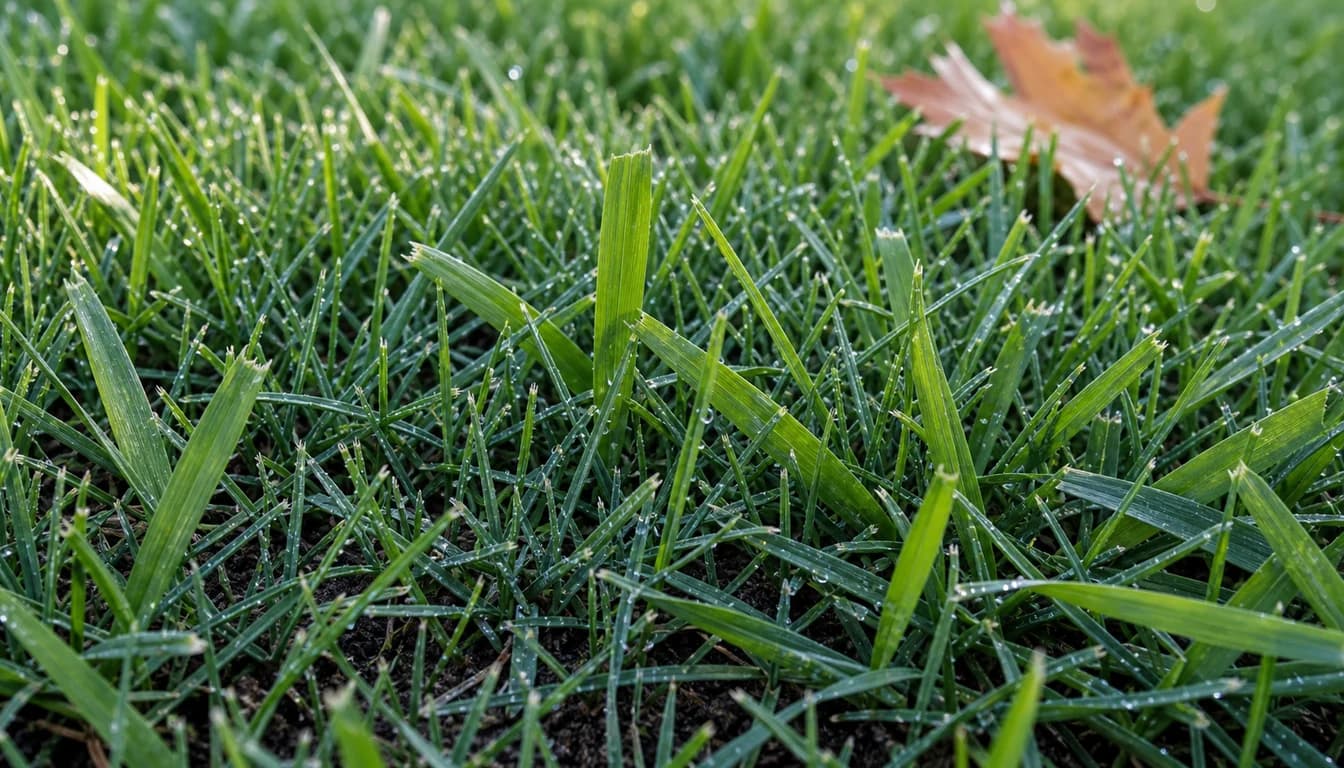
Most Michigan lawns are mixes of bluegrass, ryegrass, and fescues.
- fiber_manual_recordTypical grass mix: Bluegrass, ryegrass, and fescue blends
- fiber_manual_recordGrowth peaks: Mid spring and early fall in Michigan
- fiber_manual_recordHeat stress period: Late June through August in most of the state
- fiber_manual_recordPrime recovery window: Soil 50–65 °F, with consistent moisture
calendar_monthBest Time of Year to Aerate in Michigan
For Michigan, early fall is the gold standard. Aim for mid September through early October in most of the lower peninsula, a week or two earlier in the north and U.P.
Soil is still warm from summer, air temps are cooler, and weeds are starting to slow down. Grass roots use those weeks to thicken up around the aeration holes before winter hits.
Spring aeration is your backup plan. In southern Michigan, that usually means late April into mid May, once soil dries out and has warmed. Further north, bump the window closer to late May. Avoid aerating very early when lawns are still soggy from snowmelt.
If you only aerate once a year in Michigan, do it in early fall. That is when you get the most root growth per hole you punch.
Skip summer aeration in Michigan. Hot, dry weather slows cool-season grass recovery and makes any stress worse.
Use the regional windows below as a starting point, then adjust for soil temperature and moisture.
- fiber_manual_recordLower peninsula fall window: Roughly Sept 10 to Oct 10
- fiber_manual_recordNorthern lower & U.P.: Late Aug through late Sept
- fiber_manual_recordSpring backup: Late April through May, depending on snowmelt
- fiber_manual_recordFrequency: Every 1–3 years for most home lawns
Guide — See AlsoBest Time to Aerate and Overseed for a Thicker LawnLearn when to aerate and overseed your lawn by season and grass type so every pass of the machine leads to thicker, gree
chevron_rightthermostatUse Soil Temperature Instead of Calendar Dates
Air temperature can fool you in Michigan. A warm week in March does not mean the ground is ready. Grass roots care about soil temperature, not the calendar.
For cool-season turf, you want soil in the 50–65 °F range for prime recovery after aeration. That is the same band you would look for in spring to plant cool-weather peas in the vegetable garden.
You can buy a cheap soil thermometer and push it 2–3 inches into the lawn. Check in the afternoon, when soil is warmest. Once several days in a row read above 50 °F in spring, or drop back through the 70s down toward the 60s in late summer, you are approaching your target window.
If you do not want to use a thermometer, watch plant cues. When forsythia shrubs finish blooming, most southern Michigan lawns are entering the right temperature band for spring aeration. Daffodil clumps fully leafed out point to the same seasonal shift.
Never aerate when soil is still saturated from snowmelt. You will smear the holes and compact the sides instead of loosening the soil.
Confirm the target with the checks below before you open compacted soil.
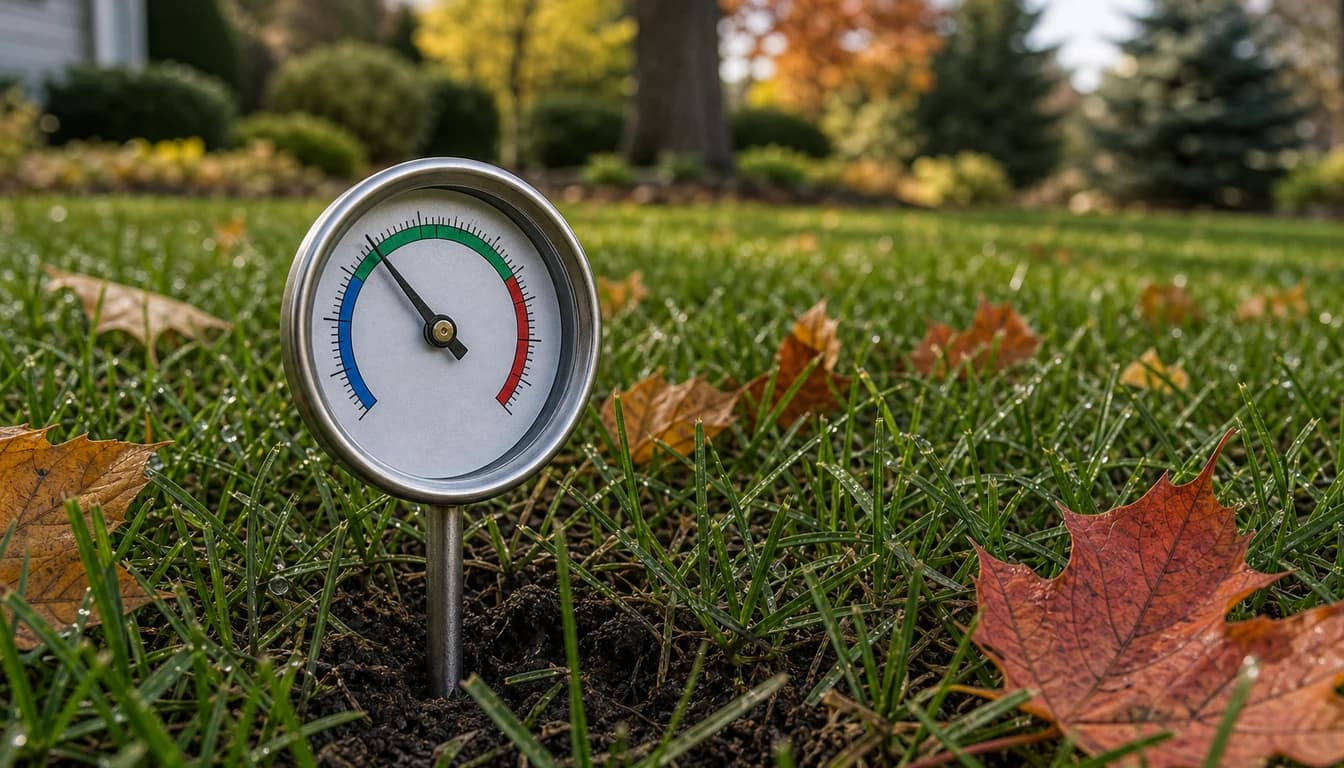
A basic soil thermometer makes aeration timing much more accurate.
- fiber_manual_recordTarget soil temp: 50–65 °F at 2–3 inch depth
- fiber_manual_recordAvoid: Below 45 °F or during soggy thaw periods
- fiber_manual_recordSimple check: Thermometer reading or consistent spring growth on shrubs
- fiber_manual_recordBonus: Align soil temp checks with your lawn fertilizer timing plans
Email Updates
Join the KnowTheYard update list
Zone-specific advice, seasonal reminders, and new plant guides — no filler.
quizSpring vs Fall Aeration in Michigan Lawns
Both spring and fall aeration work in Michigan, but they are not equal. Fall usually wins for overall lawn health and weed control.
Fall aeration pairs well with overseeding and slow-release fertilizer, especially if you want to thicken up Kentucky bluegrass or add perennial ryegrass for faster green-up. Weed pressure is lower and roots have months to settle in before heat returns.
Spring aeration shines when your lawn is beat up from plows, snow mold, or heavy use. It is also useful if you skipped fall or had a very dry autumn. Just know that punching holes in spring can wake up weed seeds alongside your turf.
If you plan to overseed after aeration, fall is usually better in Michigan. Seed stays moist more easily and competes less with summer annual weeds than it would in May or June.
If you use crabgrass pre-emergent, apply it after spring aeration, not before, or you will punch through the barrier.
Use spring as a repair window; use fall as the main renovation window.
- fiber_manual_recordFall pros: Best root growth, fewer weeds, great for overseeding
- fiber_manual_recordFall cons: Shorter recovery time before winter if you aerate too late
- fiber_manual_recordSpring pros: Fixes winter damage, helps compacted areas rebound
- fiber_manual_recordSpring cons: More weeds and overlap to manage with pre-emergents
Guide — See AlsoHow to Level a Sloping Yard for Safer, Flatter SpaceStep‑by‑step guide for homeowners on how to level a sloping yard without ruining drainage, hurting trees, or wasting mon
chevron_rightyardHow To Prep the Lawn Before Aerating
Good prep work in Michigan can make the difference between shallow, useless holes and deep cores that relieve compaction.
Aim to mow your grass a notch shorter than normal one or two days before aerating, but never scalp it.
Soil moisture matters more than mowing height. Water your lawn the day before so the top 3–4 inches are moist but not squishy.
If a shovel pushes in with firm pressure, you are at the right moisture level for most cool-season lawns across zone 5 neighborhoods.
Thick thatch keeps tines from reaching real soil. If thatch is thicker than 1/2 inch, plan to dethatch lightly, then schedule aeration a week or two later.
Combine dethatching and aeration only if the lawn is strong and you are working in peak growth season.
Flag sprinkler heads, shallow utility lines, invisible dog fences, and newly planted trees or shrubs so you do not damage anything with the aerator.
We use small irrigation flags and a quick sketch of the yard, similar to planning where new vegetable beds will sit.
Tight corners and narrow strips along driveways compact fastest. Mark those areas so you make extra passes and pull more cores there.
Heavier traffic spots from kids, pets, or parking may need double or triple coverage compared with the rest of the lawn.
Never aerate a bone-dry or waterlogged yard. Both extremes lead to shallow plugs and possible machine damage.
If the soil is too wet, wait 24–48 hours. If it is dusty dry, water deeply and give it a day to soak in before you start aerating.
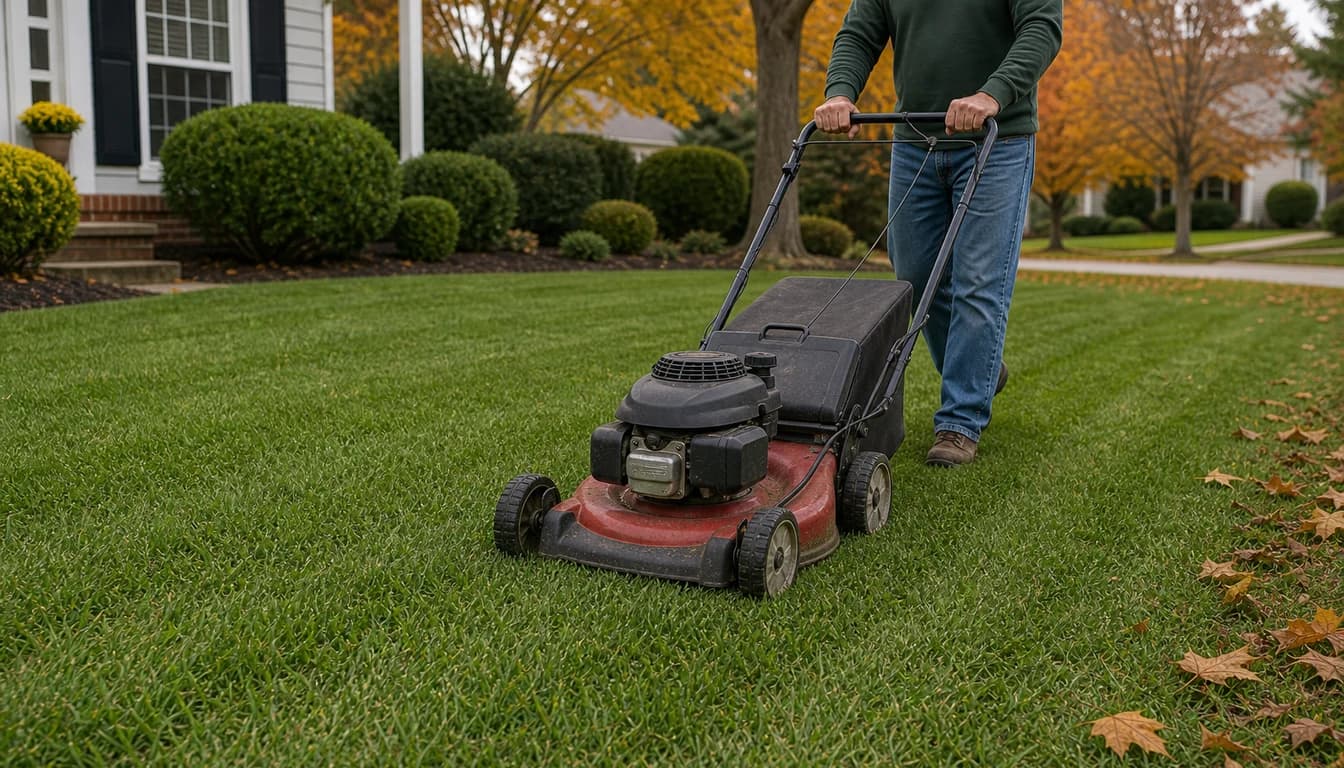
Shorter grass and cleared debris help aerator tines pull deeper cores.
water_dropWhat To Do Right After Aerating
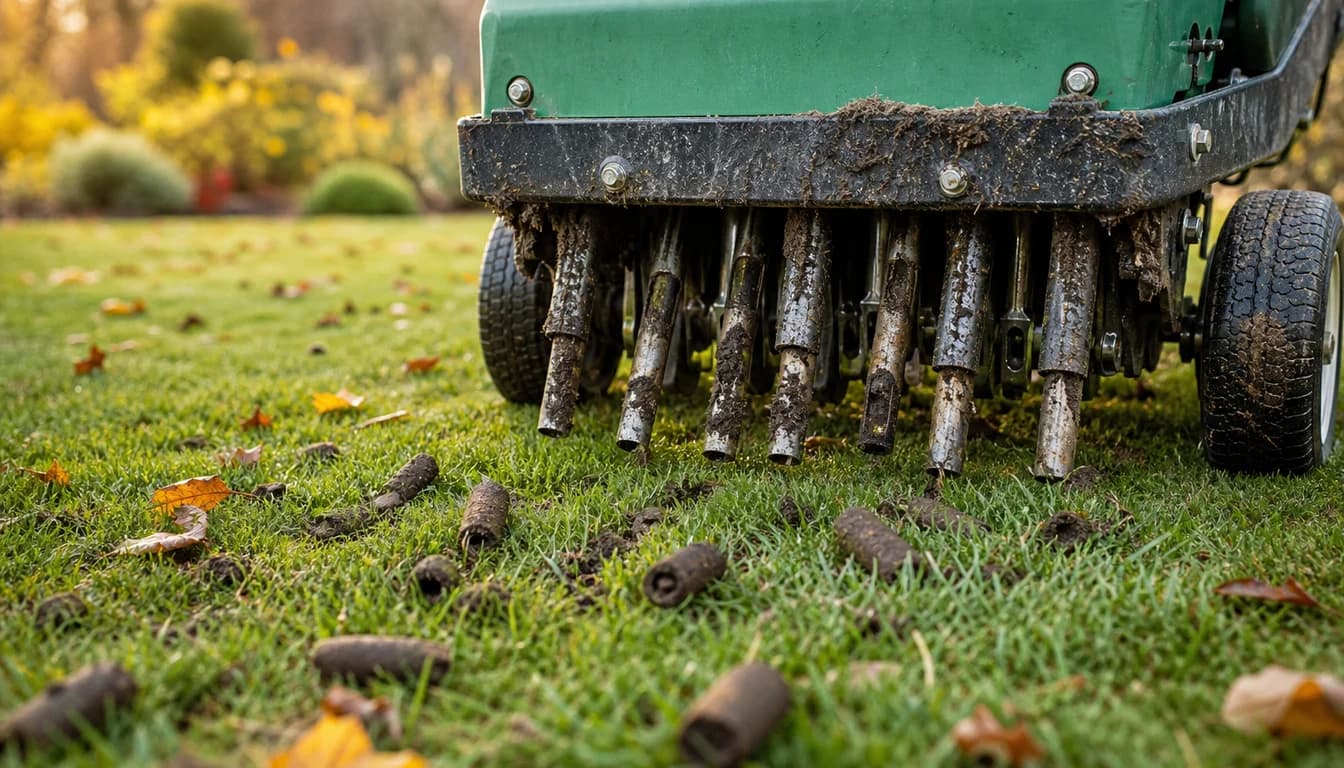
Those ugly little soil sausages on the lawn are doing more good than any quick-fix product from the store.
Leave the plugs where they fall so they can dry, crumble, and topdress the surface with loosened soil and microbes.
If you are planning to overseed cool-season grass like kentucky bluegrass patches, spread seed as soon as you finish aerating while the cores are still fresh.
The holes act like seed catchers and help new roots push deeper before the next Michigan winter.
Watering right after aeration locks in the benefit. Aim for 0.25–0.5 inch of water immediately, either from irrigation or steady rain, to settle soil and start recovery.
After that first soaking, switch to deep, less frequent watering similar to the guidance in deep watering practices.
Fertilizer timing depends on the season. In fall, a balanced or slightly higher nitrogen fertilizer right after aeration and overseeding gives new shoots a strong start.
In spring, go lighter on nitrogen or use a slow-release product so you do not push top growth at the expense of roots.
Many Michigan lawns do not need fertilizer at every aeration. A recent soil test and your broader plan from year-round lawn schedules should drive feeding choices.
Expect the lawn to look a little rough for 7–10 days. Once you hit the second or third mowing, the cores disappear and color often improves.
Aeration works best when you combine it with overseeding and smart watering, not as a once-and-done miracle treatment.
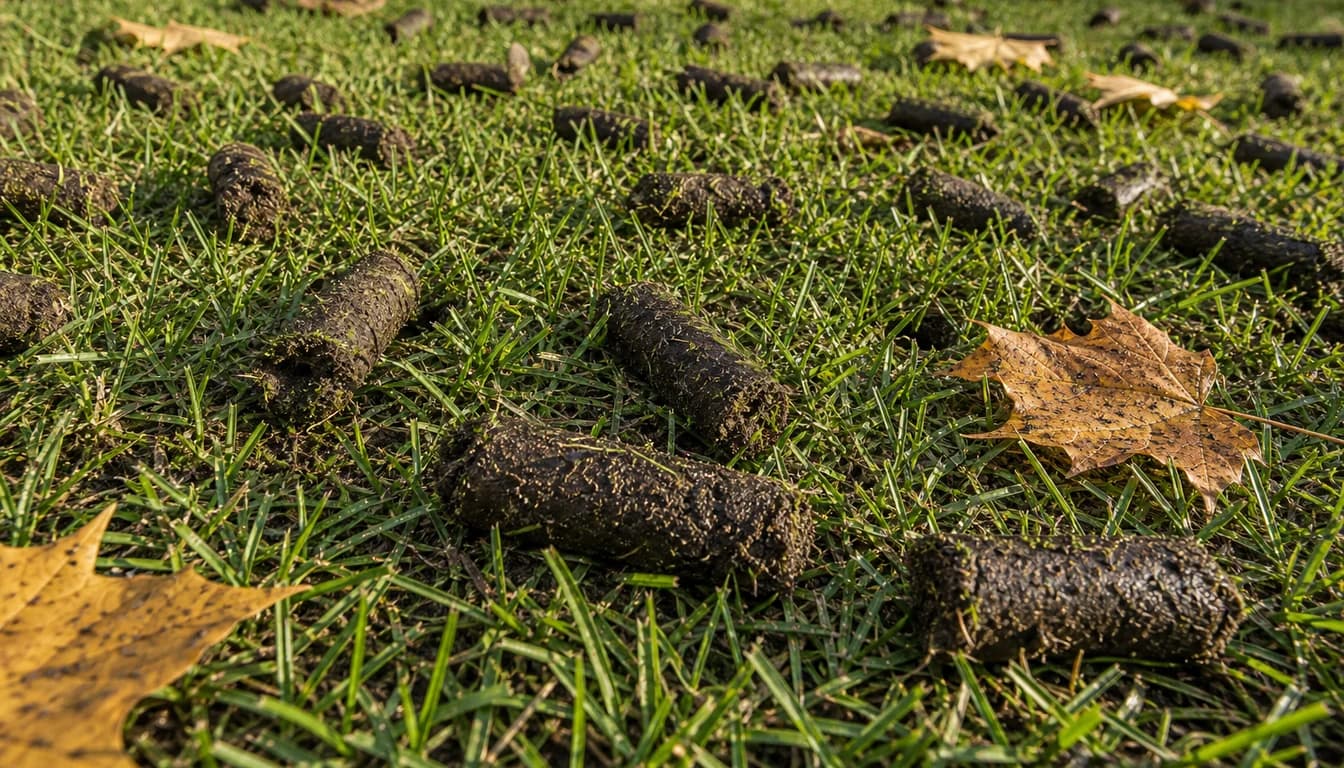
Leave the cores on top of the lawn so rain and mowing break them down.
Guide — See AlsoWhen to Aerate a Lawn in Ohio for Thick, Green GrassPractical timing tips for when to aerate a lawn in Ohio, plus how to match aeration to your grass type, soil, and overse
chevron_rightwarningCommon Aeration Mistakes Michigan Homeowners Make
Most aeration problems we see in Michigan start with the wrong timing or the wrong tool, not the homeowner's effort.
Fixing these habits means your next aeration does more than just check a box on the fall cleanup list.
Many people rent a spike aerator because it is easier to handle. Spikes push soil sideways and can increase compaction in our dense clay areas around Detroit and Grand Rapids.
Choose a core aerator that removes plugs 2–3 inches long instead of just poking holes.
Another frequent issue is making only one pass. High-traffic yards with kids, dogs, or regular backyard gatherings usually need multiple passes in different directions.
Aim for 20–40 holes per square foot in compacted zones, even if that means three or four passes.
Avoid aerating thin, stressed turf in midsummer. You can open the soil to heat stress and weeds faster than the grass can recover.
Skipping cleanup around beds is a small thing that causes headaches later. Aerator tines can fling soil into flower beds and gravel, where weed seeds take off.
A quick rake pass after aerating near flower borders keeps stray plugs from turning into surprise lawn patches.
Some homeowners combine strong herbicides and fresh aeration, which is risky. Wait a couple of weeks between aeration and most weed control treatments unless the label says otherwise.
Labels for products you might use after overseeding, such as starter fertilizers, often mention compatibility with core aeration.
The last big mistake is ignoring safety gear and slope. These machines are heavy. On steeper hills, follow the same caution you would with a loaded wheelbarrow around a young apple sapling.
Go straight up and down slopes instead of across, and never let the machine pull you downhill faster than you can safely walk.
grassCombining Aeration With Overseeding and Fertilizing
Cooler Michigan nights in early fall line up nicely with the ideal window to both aerate and thicken thin turf.
Handled the right way, that one Saturday of work can reset a tired lawn for years instead of just one season.
Overseeding into fresh cores is the standard move for thin or patchy areas. Seed falls into the holes, stays moist longer, and roots down past the compacted top layer.
Choose seed that matches your existing mix, whether that is mostly perennial rye cover or a kentucky bluegrass and fescue blend.
Spread seed at the overseeding rate listed on the bag, not the full bare-lawn rate. Then lightly drag a leaf rake upside down across the lawn to knock some plugs back into the holes.
This dusting of soil improves seed-to-soil contact without burying seed too deep.
Fertilizer adds fuel for recovery, but more is not better. A single application around 0.75–1.0 pound of nitrogen per 1,000 square feet at aeration time is enough for most Michigan cool-season lawns.
If you already fed heavily in spring, shift this application lower or skip it based on recent test results or advice from soil fertility resources.
Water is what ties seed, fertilizer, and aeration together. Keep the top 0.5 inch of soil consistently moist for 10–14 days after overseeding.
Short, light waterings one to three times a day are fine at first, then gradually shift toward deeper, less frequent watering as seedlings mature.
If you are not overseeding, you can still pair aeration with fertilizer or even light topdressing using compost.
That approach works well for established lawns in metro areas that already have good density but need better root depth and fewer bare spots.
Guide — See AlsoIs Overseeding Worth It For Your Lawn Or Not?Honest look at whether overseeding is worth it for your lawn, including cost, effort, timing, and how it compares to opt
chevron_rightthermostatReading Your Lawn the Next Season
The real test of your Michigan aeration timing shows up the following spring and summer, not just in the weeks after you pull cores.
Healthy lawns green up evenly, handle foot traffic, and bounce back between mowings without bare patches widening.
If you see strong spring color but the lawn collapses during the first hot spell, roots probably stayed shallow. That is a clue to align your next aeration with the soil temperature patterns from monthly lawn planning.
Also check whether you followed through with deep watering and correct mowing height.
Stand back and look across the yard after a rain. Areas that stay soggy while others drain may still be compacted.
Those sections of the lawn often match where trucks parked during a renovation or where kids always cut across, and they deserve extra aerator passes next time.
Shaded corners under mature backyard oak canopy behave differently from open front yards. They warm and dry more slowly, so spring aeration there can lag a week or two behind the sunnier areas.
Adjusting timing by microclimate is normal, even within the same Michigan property.
If you still see water pooling and roots sitting in the top inch after yearly core aeration, soil structure may require deeper fixes like organic matter and drainage work.
In that case, topdressing with compost after aeration and easing back on heavy machinery traffic can help more than extra passes.
Track your aeration dates, soil temperatures, and what you combined with the work in a simple notebook or spreadsheet.
That record becomes as useful as any schedule, similar to keeping notes for indoor seed starting so you know what matched your local weather.
tips_and_updates
Pro Tips
- check_circleCheck soil temperature at 2–3 inches instead of trusting a warm week in March.
- check_circlePlan fall aeration before heavy leaf drop so you do not clog cores with debris.
- check_circleWater deeply the day before aeration so tines penetrate 2–3 inches easily.
- check_circleFlag sprinkler heads and shallow utilities so the aerator does not catch them.
- check_circlePair fall aeration with overseeding to fill bare spots before winter.
- check_circleAvoid aerating right after a heavy rain to prevent smearing the soil walls.
- check_circleUse a core aerator that removes plugs, not solid spikes that can increase compaction.
quiz
Frequently Asked Questions
How often should I aerate my lawn in Michigan?expand_more
Most Michigan cool-season lawns only need core aeration once a year, usually in early fall. Very compacted or high-traffic yards may benefit from spring and fall aeration for a year or two, then drop back to an annual schedule.
Is spring aeration bad for Michigan lawns?expand_more
Spring aeration is not harmful by itself, but heavy weed pressure and upcoming summer heat make recovery harder. Use spring aeration mainly for severe compaction or renovation. For routine maintenance, fall is usually the better window in Michigan.
Should I pick up the plugs after aerating?expand_more
No, leave the soil plugs on the grass. As they dry and break apart over 1–2 weeks, they topdress the lawn and help reduce thatch. Mowing and rain will quickly grind them back into the soil surface.
Can I aerate and apply weed control at the same time?expand_more
You can, but be careful with product choice and timing. Some pre-emergent herbicides are less effective if applied right before deep soil disturbance. Check the label and consider spacing herbicide and aeration 1–2 weeks apart when possible.
Do small Michigan lawns still benefit from aeration?expand_more
Yes, even tiny front yards compact from foot traffic, snow piles, and mowing. You may not need to rent a machine, though. Many tool libraries and neighborhood co-ops share core aerators, which is perfect for smaller Michigan city lots.
menu_book
Sources & References
- 1.Michigan State University Extension – Home Lawn Care: Core Aerationopen_in_new
- 2.Michigan State University Extension – Overseeding Home Lawnsopen_in_new
- 3.University of Minnesota Extension – Aeration and Cultivation of Lawnsopen_in_new
- 4.Purdue Extension – Managing Turfgrass in Compacted Soilsopen_in_new
Related Guides
Best Time to Aerate and Overseed for a Thicker Lawn
Learn when to aerate and overseed your lawn by season and grass type so every pass of the machine leads to thicker, greener turf instead of wasted seed.
11 min read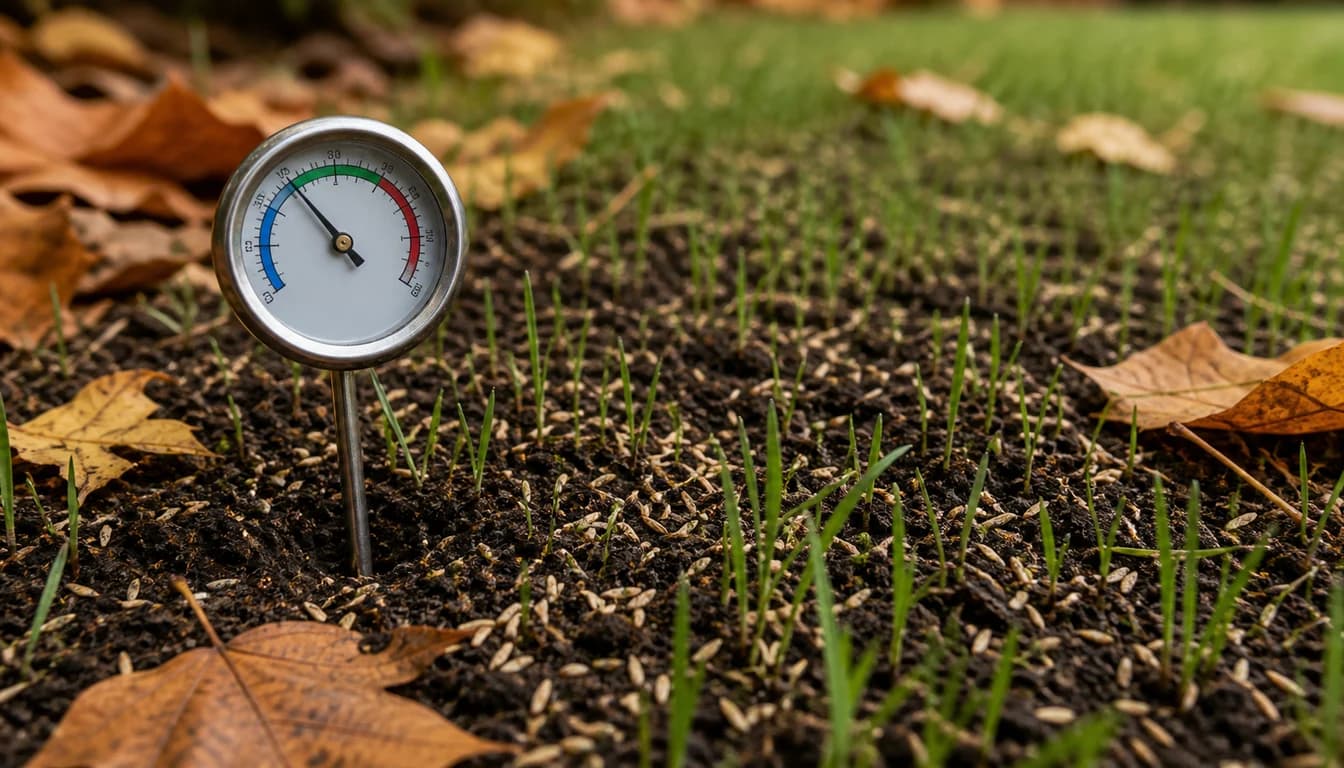
Best Time to Overseed a Midwest Lawn for Thick Turf
Learn the best time to overseed a Midwest lawn based on soil temperature, grass type, and hardiness zone so your new seed fills in thin spots.
11 min read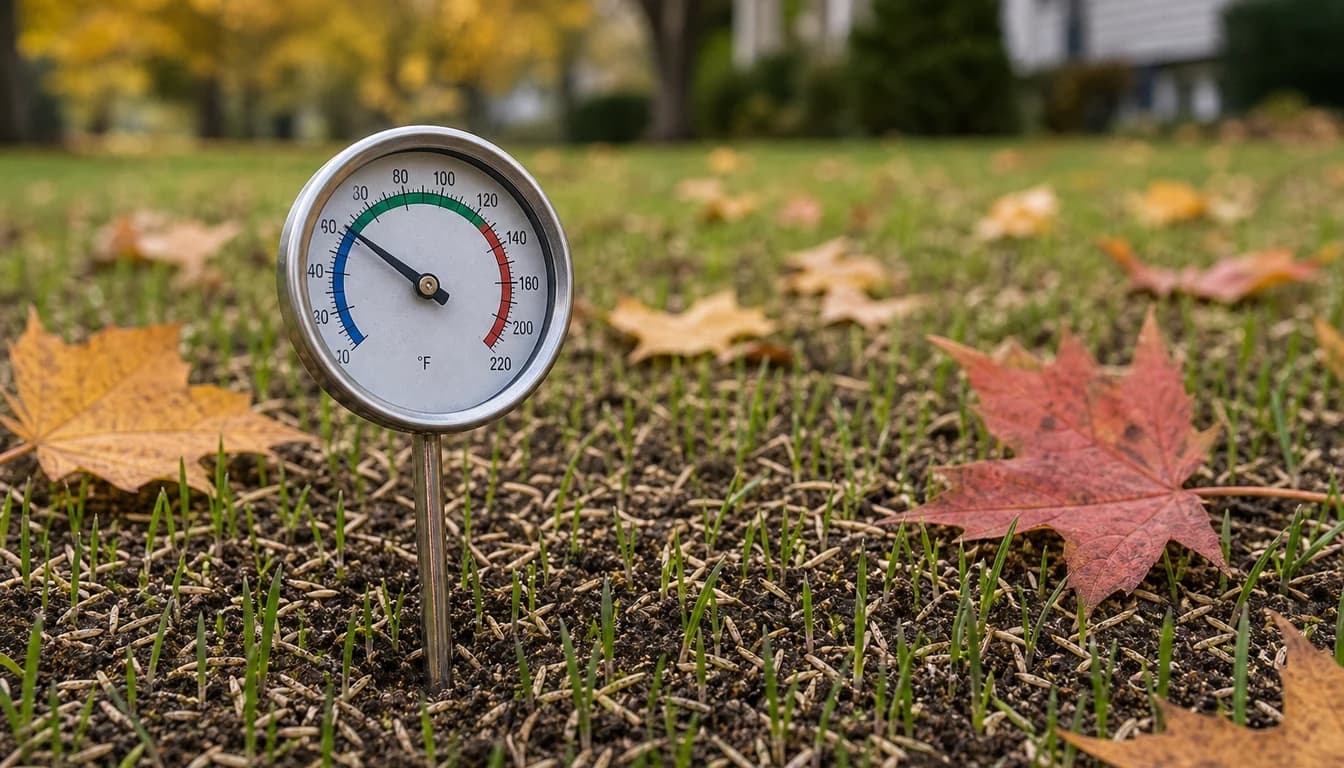
Best Time to Overseed a Northeast Lawn for Thick Turf
Learn exactly when to overseed cool-season lawns in the Northeast, how soil temperature and frost dates affect timing, and what to do before and after seeding for a thicker, greener yard.
11 min read