
Plantingschedule11 min read
How to Divide Hostas for Bigger, Healthier Clumps
Step-by-step instructions for dividing hostas, including timing by zone, tools, and replanting tips so clumps recover fast and fill your shade beds.
Crowded hosta clumps with bare centers are a clear sign they are ready for surgery. Dividing them gives you free plants, fresher leaves, and more control over spacing in your beds.
Gardeners in zones 3–8 can use this one project to refresh an entire shade border in a weekend. The same mindset you use when expanding vegetable beds from scratch works here too; you are just working with bigger roots instead of seedlings.
Use the steps below for timing, tools, digging, splitting, and replanting, with zone-specific timing notes and recovery tips so divisions settle in without sulking.
calendar_monthKnow When Your Hostas Need Dividing
Overgrown crowns tell you this job is due. Look for rings of foliage with a thinning or bare center, or clumps that have grown into paths or neighboring plants like coral bells at the border.
Most garden hostas like a split every 4–6 years. Slower varieties can go longer, while vigorous types that behave like daylilies in full sun might outgrow their space sooner and need attention.
Timing is the second big clue. Cool, moist weather helps divisions rebound. The ideal window is early spring as the "eyes" just poke through, or early fall about 4–6 weeks before hard frost.
In zones 3–5, spring is safer because fall can close in fast. In zones 6–8, fall divisions settle nicely in still-warm soil, very similar to how hydrangea shrubs enjoy fall planting for root growth.
Skip mid-summer dividing unless you must relocate a plant for construction. Heat and dry soil add stress and demand more babying with shade cloth and careful watering.
If your hostas look tired but you cannot commit to a full dig, trim back ragged leaves and top-dress with compost, then plan a proper division next cool season.
Use these cues before you reach for the spade.
- fiber_manual_recordDivide frequency: Every 4–6 years for average growth
- fiber_manual_recordBest seasons: Early spring or early fall
- fiber_manual_recordVisual cue: Donut-shaped clumps with bare or weak centers
- fiber_manual_recordEmergency move: Only with extra watering and temporary shade
yardTools and Prep Before You Dig
Sharp tools and a little planning keep this project straightforward. A dull shovel tears roots and makes the job harder on you and the plant.
Water the clump thoroughly the day before you dig. Moist soil slices more cleanly and crumbles off the roots, the same way pre-watering helps when moving shrubs like azaleas out of tight beds.
You also want the new planting holes ready before the first root comes out of the ground. Think about where you want shade anchors and companions such as hosta repeats along a path. For contrast, tuck airy astilbe foliage nearby.
Keep roots out of direct sun and wind. Lay divisions in the shade and cover with a damp towel if you are working slowly.
Set the supplies nearby so the roots stay exposed for minutes, not hours.
- fiber_manual_recordSpade or fork: A sharp, full-size spade or digging fork to lift the clump
- fiber_manual_recordHand saw or soil knife: For thick crowns, a pruning saw or hori-hori cuts cleaner than hacking
- fiber_manual_recordGloves: Thick gloves protect your knuckles while wrestling big root balls
- fiber_manual_recordCompost: One to two buckets of finished compost per clump for backfilling holes
- fiber_manual_recordMulch: 2–3 inches of shredded bark or similar to hold moisture after planting
- fiber_manual_recordLabeling: Plant tags if you are splitting different varieties and do not trust your memory
Guide — See AlsoFragrant Flowers for Every Yard and SeasonStep-by-step guide to choosing, placing, and caring for fragrant flowers so your yard smells good from spring through fa
chevron_rightpotted_plantDigging Up the Hosta Clump Safely
The goal is to lift a firm root mass with as little damage as possible. Start by cutting the foliage down to 4–6 inches if you divide in spring, which makes the clump easier to handle.
For fall divisions, leave healthy leaves mostly in place so the plant can keep feeding roots, similar to how we treat peony clumps after blooming when moving them.
Slice a circle around the plant 6–8 inches outside the visible crowns. Push the spade straight down, then rock it to loosen. Work all the way around until you can pry the entire root ball up.
In heavy clay, a digging fork on opposite sides can be gentler. Forks loosen soil without creating the straight cuts that sometimes glaze clay, which you might already know from moving boxwood hedging plants in tight beds.
Once the clump is loose, slide it onto a tarp. This keeps nearby soil tidy and lets you drag the plant to a comfortable spot for splitting.
Do not shake or hose every last speck of soil off the roots. Leaving some native soil attached helps divisions transition faster.
Measure the cut before you pry so you do not leave half the crown behind.
- fiber_manual_recordCut radius: 6–8 inches beyond the crowns
- fiber_manual_recordDepth target: At least 8–10 inches to catch most roots
- fiber_manual_recordLift method: Pry gently from several sides instead of yanking one edge
- fiber_manual_recordWork surface: Use a tarp or plywood so you are not kneeling in mud
Email Updates
Join the KnowTheYard update list
Zone-specific advice, seasonal reminders, and new plant guides — no filler.
content_cutSplitting the Crown into Healthy Divisions
Once the clump is out, you can see the structure you are working with. Hostas grow from a crown of buds, or "eyes", each with its own set of roots.
Rinse off just enough soil to see where natural cracks form between clusters of eyes. Crowns often separate by hand into wedges, much like breaking apart a head of cabbage into big sections in the kitchen.
Each division should have 3–5 eyes and a good chunk of roots for quickest recovery. You can make smaller pieces with 1–2 eyes if you need more plants, but they will take longer to size up.
Use your hands first, twisting gently in opposite directions to find weak spots in the crown. Stubborn clumps can be cut with a soil knife or pruning saw, always sawing down from the top through the crown, then finishing through the roots.
Keep cuts clean and decisive. Sawing halfway and then tearing apart by force does more damage than one firm cut.
Sort pieces by strength before you replant them.
- fiber_manual_recordEyes per piece: 3–5 for fast fill, 1–2 for maximum plant count
- fiber_manual_recordRoot quality: Look for firm, white to tan roots and discard mushy or black sections
- fiber_manual_recordDead center: Toss woody, hollow centers that no longer produce eyes
- fiber_manual_recordDivision count: A mature clump can often give 4–8 strong new plants
Guide — See AlsoIndoor Plant Care Calendar: What Changes Through the YearUse a practical indoor plant care calendar so watering, feeding, repotting, and propagation line up with the season inst
chevron_rightwater_dropReplanting Divisions and Watering Aftercare
Fresh divisions bounce back fastest when you replant them at the right depth and orientation. Keep the eyes facing up and the crown level with the surrounding soil, not buried deep like a bulb.
Space each new hosta clump so the outermost buds are at least 18–24 inches from the next plant. Tight spacing looks full now but leads to overcrowding again in just a few seasons.
Backfill with the native soil you removed, breaking up big clods with your hands. Firm the soil gently so the plant does not wobble, but do not stomp hard or you will compact the root zone.
Water each division slowly right after planting until the top 6 inches of soil are evenly moist. This settles air pockets and pushes soil into close contact with the cut roots.
Overhead blasting from a strong nozzle can flatten new shoots and wash away soil from tender crowns.
For the first 2–3 weeks, keep the root zone consistently damp, not soggy. Check moisture with your finger every couple of days instead of following a fixed calendar schedule.
Once you see new leaves unfurling, stretch watering out to match the rest of your shade bed. Deep, less frequent watering encourages thicker roots and sturdier clumps.
Mulch around each plant in a shallow doughnut shape using 2–3 inches of shredded bark or leaves. Keep mulch a couple of inches away from the crown to avoid rot.
calendar_monthBest Seasonal Timing by Zone
Cool weather and moist soil give divisions the least stress. For most climates, that means early spring as new eyes emerge or early fall while the soil is still warm.
In zones 3–5, spring is usually safer because fall freezes arrive early. Aim for a window when the soil is workable and red or green noses are just poking through.
Gardeners in zones 6–7 can pick either season. Spring divisions leaf out fast, while early fall work takes advantage of cooler air and warm soil that encourages root growth into winter.
If you garden in zones 8–9, the heat window is tighter. Spring is best, just as hostas return from dormancy but before heat builds, similar to how we treat peony clumps in warmer areas.
Avoid dividing in midsummer heat unless a plant is failing and you are rescuing it. Hot sun and shallow, disturbed roots are a bad mix.
If you must divide outside the ideal window, create shade with a temporary board or fabric for a week. Extra shade and steady moisture can make the difference between sulking and thriving.
Mark your calendar to revisit crowded clumps every 3–5 years. A simple note with your other spring garden planning keeps divisions from slipping off the radar.
Guide — See AlsoSpring Blooming Flowers for Early Color in Any YardPractical guide to choosing, planting, and caring for spring blooming flowers in zones 3–11, including timing, bulbs vs
chevron_rightquizTroubleshooting Slow or Droopy Divisions
Even a careful job can leave a few divisions looking rough. Wilting leaves, slow growth, or yellowing does not always mean you failed, but it does tell you something about the conditions.
Wilting right after planting often points to air pockets or loose soil. Gently press around the crown to firm it, then water slowly so moisture reaches 6 inches deep.
Yellowing older leaves in the first couple of weeks usually reflect transplant shock or too much sun. Snip off the worst leaves so the plant can focus on new growth instead of trying to maintain damaged foliage.
If only one side of a clump is drooping, check for a cut or broken chunk of roots under that section. Sometimes a sharp spade slice leaves one half with fewer feeder roots.
Never assume a sad-looking division is hopeless until you check new buds at the crown.
Inspect the top of the crown for firm, white or pale green eyes. As long as those buds are plump, the plant often recovers, even if current leaves look rough.
If divisions sit in waterlogged soil, add a shallow trench or channel to redirect excess water away. Poor drainage is tough on hostas and even harder on things like daylily roots nearby.
For very stressed plants, skip fertilizer the first month. Once you see strong new leaves, you can feed lightly to support recovery alongside other perennial shade companions.
compostFertilizing and Mulching Newly Divided Beds
Divided hostas do not need heavy feeding right away, but a modest nutrient boost helps them knit new roots into the surrounding soil. Focus on gentle, balanced nutrition, not strong, fast-release products.
Work in 1–2 inches of compost around the planting hole before you replant. That mimics what we do for heavy feeders like hydrangea shrubs and gives a slow, steady nutrient trickle.
If you prefer packaged fertilizer, choose a balanced, slow-release product and apply at half the label rate after new leaves appear. Strong doses on freshly cut roots can scorch tissue.
Gardeners who are already feeding nearby shrubs can coordinate timing with the schedule for fertilizing woody plants so every bed gets attention at once.
Mulch is as important as fertilizer for recovery. A 2–3 inch layer regulates soil temperature, slows evaporation, and keeps soil from crusting after rain.
Keep mulch pulled back 2 inches from the crown so it does not sit directly against the eyes. Constantly wet crowns invite rot, especially in cooler, shady corners.
If slugs are a constant headache in your beds, avoid mulches that stay soggy and matted. Shredded bark or pine fines dry out faster than thick mats of unshredded leaves.
Replenish mulch each spring as you check for overcrowding. That quick pass through your beds aligns well with assessing other low-maintenance plantings that share the space.
Guide — See AlsoHow to Propagate Rosemary From Cuttings at HomeStep-by-step guide on how to propagate rosemary from cuttings in water or soil, with timing, tools, and troubleshooting
chevron_rightyardAdvanced Layout Ideas and Companion Planting
Once you are comfortable dividing, you can use extra pieces like puzzle pieces to shape shady corners. Matching mature size and leaf texture makes your beds look intentional instead of random.
Larger divisions go in the back or center of a planting, where tall foliage can anchor the view. Smaller pieces sit near the front, mixing with edging plants like coral bells or dwarf astilbe clumps.
If deer pressure is strong, pair hostas with more resistant partners so you do not create an all-you-can-eat buffet. Mixing with options from deer resistant lists can cut browsing damage.
Repeated divisions also let you echo a favorite variety through multiple beds. A single parent clump can supply accents near a shade path, by a downspout, and under a Japanese maple canopy over a few years.
Use mature size as the first sorting rule.
- fiber_manual_recordFront edge: Short varieties and tiny divisions that mature around 8–12 inches tall
- fiber_manual_recordMid layer: Medium clumps paired with summer bloomers like coneflower in brighter spots
- fiber_manual_recordBack row: Largest types, filling space with foliage where flowers fade out
Think about bloom timing from other plants as you place divisions. Bold hosta leaves are a strong backdrop for spring bulbs like tulips. Early daffodil drifts give the same bed color before the foliage expands.
As beds mature, you can compare how hostas behave against ferns or heuchera, similar to the tradeoffs in hostas versus coral bells. That comparison helps you decide what to divide, keep, or remove in later seasons.
tips_and_updates
Pro Tips
- check_circleSchedule dividing on a cool, overcast day so leaves and roots lose less moisture.
- check_circleWater deeply the day before digging so soil and roots are easier to work with.
- check_circleAim for divisions with at least three eyes if you want clumps to rebound quickly.
- check_circleTrim back tattered foliage after replanting so the plant can focus on root regrowth.
- check_circleUse compost in the backfill, not straight fertilizer, to avoid burning fresh roots.
- check_circleMulch 2–3 inches around new divisions, but keep mulch off the crowns themselves.
- check_circleTag different varieties as you split them so colors and heights stay where you planned.
quiz
Frequently Asked Questions
How often should I divide hostas?expand_more
Most hostas benefit from division every 3–5 years. Divide sooner if the center dies out, clumps crowd neighbors, or bloom spikes get smaller and less frequent.
Can I divide hostas in the summer?expand_more
You can divide in summer in a pinch, but expect more stress. Work on a cool, cloudy day, provide extra shade afterward, and keep soil consistently moist while new roots form.
How small can a hosta division be?expand_more
Aim for divisions with at least 2–3 eyes and a good chunk of roots. Single-eye pieces can survive, but they take longer to fill out and need closer monitoring for moisture and damage.
Should I cut the leaves back after dividing hostas?expand_more
In spring, you usually keep all leaves since they are just emerging. In summer or fall, you can trim large leaves by a third to reduce transpiration and help the roots keep up with water loss.
Do I need to fertilize right after dividing hostas?expand_more
Skip strong fertilizer at planting time. Add compost to the hole, then use a light, slow-release feed after you see solid new growth, similar to how you would treat other perennial clumps.
Related Guides

Air Purifying Plants for Cleaner Indoor Air
Learn how to pick, place, and care for air purifying plants so they help your indoor air instead of just looking pretty.
11 min read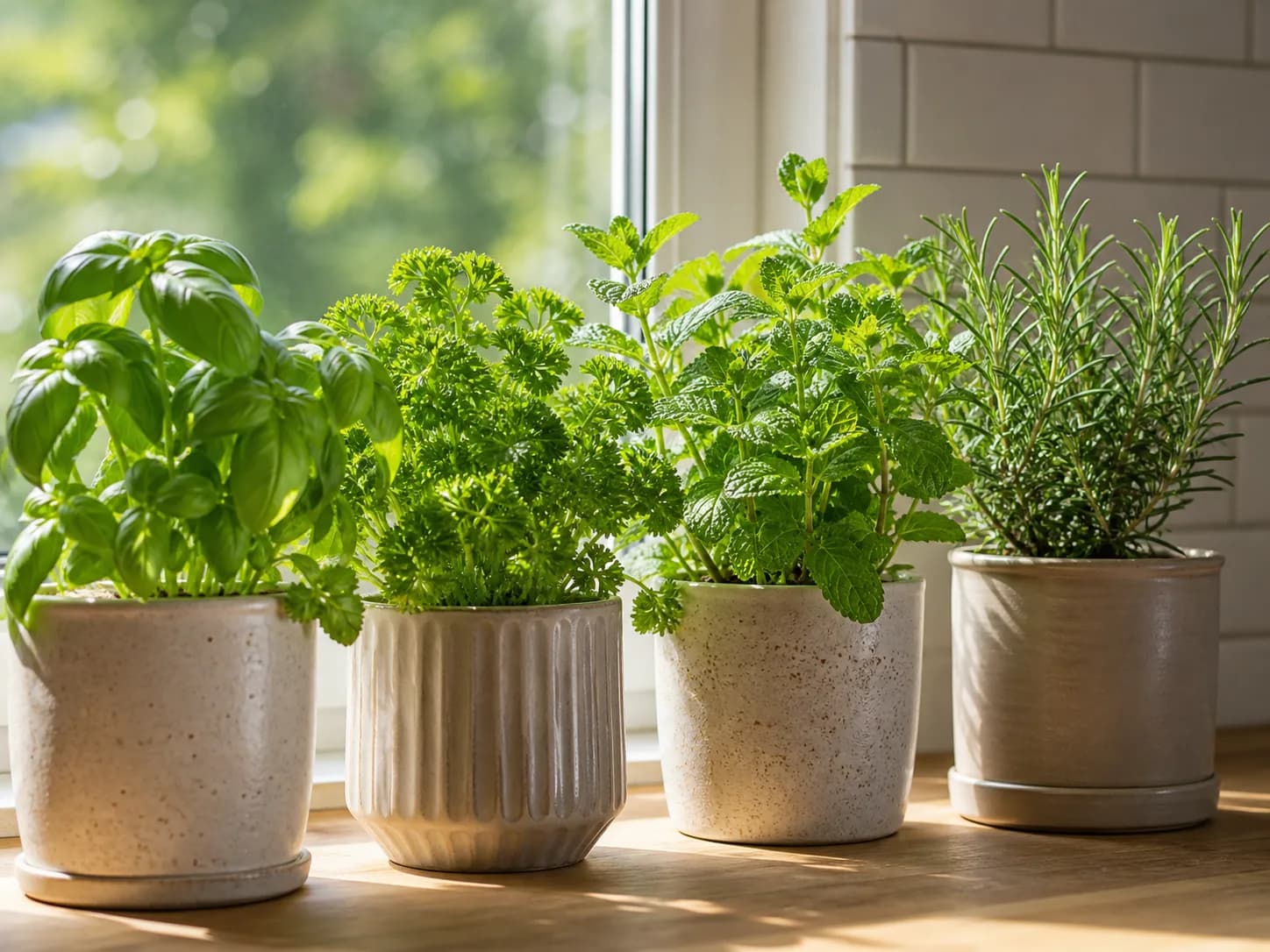
Best Herbs to Grow Indoors for Real Harvests, Not Spindly Pots
Choose indoor herbs that can actually produce in your light, temperature, and container setup, then match each one to the right harvest rhythm and watering style.
10 min read
Best Indoor Plants for Every Room and Light Level
A practical guide to choosing the best indoor plants for your home, covering beginner-friendly picks, low light champions, bright light lovers, watering basics, and how to avoid the most common mistakes.
13 min read