
Lawn Careschedule11 min read
Is Overseeding Worth It For Your Lawn Or Not?
Honest look at whether overseeding is worth it for your lawn, including cost, effort, timing, and how it compares to options like fertilizing or full renovation.
Money, time, and a Saturday afternoon, that is the real cost of overseeding. Whether it pays off depends more on your current turf and timing than any seed bag promise.
The useful question is where overseeding shines, where it disappoints, and how it stacks up against options like core aeration, fertilizing, or a full kill-and-reseed; we also point out the different expectations for cool-season lawns like thick fescue yards compared with warm-season lawns such as bermuda in hot zones, so you can decide if overseeding is worth it at your address.
grassWhat Overseeding Actually Does (And Doesn’t)
Overseeding is simply spreading new grass seed into an existing lawn without tearing everything up first. The goal is to thicken thin turf, fill small bare spots, and add better grass varieties into what you already have.
Adding new seedlings increases plant count per square foot, which helps crowd out weeds and makes the lawn feel denser underfoot. It works especially well in cool-season lawns such as Kentucky bluegrass mixes that naturally thin over time.
It does not repair compacted soil, grading issues, heavy shade, or standing water. If the soil is junk and you skip aeration and drainage fixes, the new seedlings struggle just like the old grass.
Overseeding is usually worth it when 60 to 80 percent of the lawn is still live turf and the soil problem is already being fixed. That might mean core aeration, dialing in watering, or changing how often you fertilize using a schedule similar to the one in lawn fertilizer timing guides.
Compared to a full renovation, overseeding is cheaper and less disruptive. You keep the yard usable, avoid a mud pit, and still get a noticeable improvement if at least half of the existing grass is reasonably healthy.
If more than 50-60% of the lawn is bare soil or weeds, skip overseeding and plan on a full renovation or sod instead.
Use the quick check below to decide whether this is a thickening job or a larger rebuild.
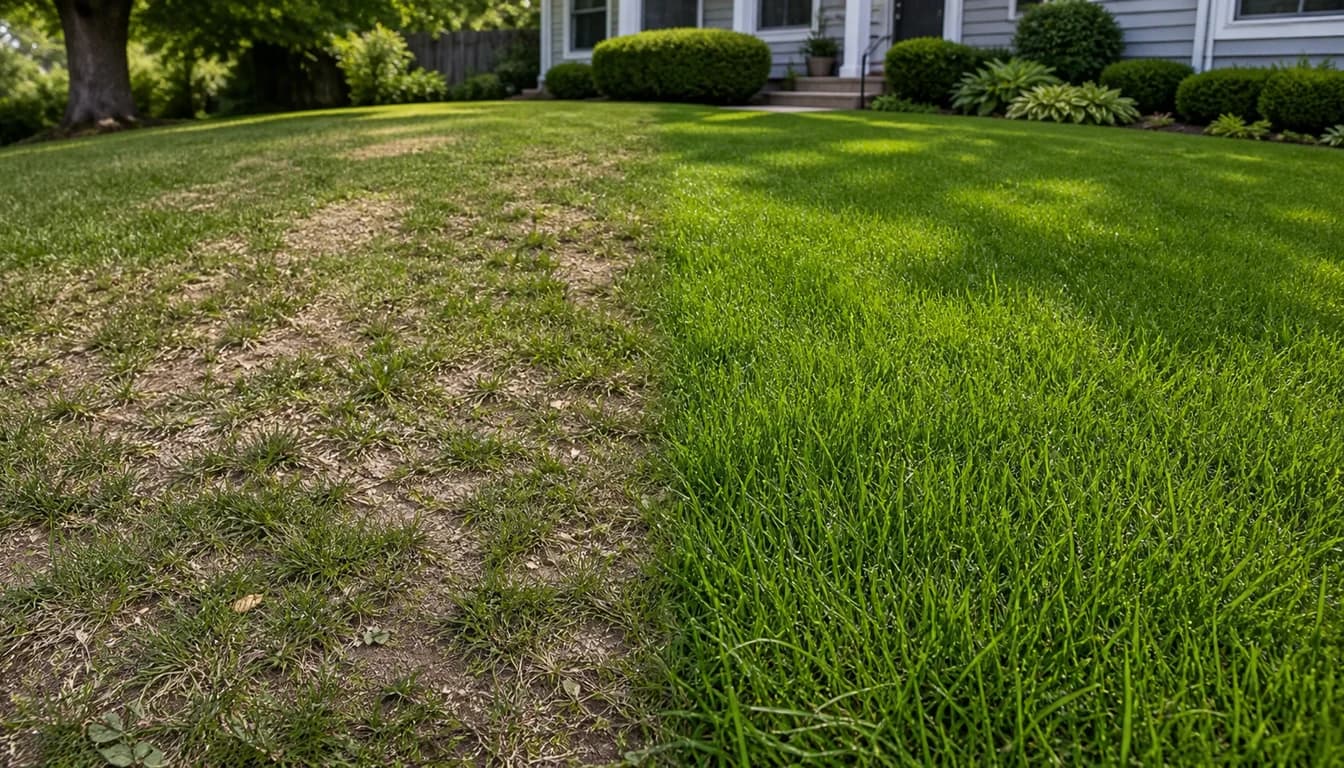
Overseeding fills bare areas and thickens existing turf but cannot fix underlying soil problems.
- fiber_manual_recordBest lawn type: Cool-season grass where at least half the turf is living
- fiber_manual_recordMain benefit: Thicker lawn that resists weeds and looks fuller
- fiber_manual_recordWon't fix: Drainage problems, deep shade, or severe soil compaction
- fiber_manual_recordTime to see change: About 4-8 weeks in the growing season
thermostatSituations Where Overseeding Is Absolutely Worth It
Lawns that are patchy but not destroyed are the sweet spot. If you still have 60-80% decent grass with some bare areas and weed pressure, overseeding can move you from an okay lawn to one you notice from the street.
Cooler climates like Zone 4-7 benefit most because grasses such as perennial ryegrass blends and tall fescue mixes respond strongly to fall seeding. In these zones, overseeding every 2-3 years keeps the lawn thick without constant herbicides.
If you already plan to aerate, overseeding on the same day almost always adds value. The cores act like little seed cups, improving seed-to-soil contact and sheltering seedlings, which is why many zone 5 homeowners schedule both jobs together.
Overseeding also shines when you want to upgrade varieties without starting over. Adding newer, disease-resistant tall fescue into an older fine fescue heavy mix can improve color, drought tolerance, and wear resistance over a few seasons.
Transition zones with mixed sun and shade benefit from overseeding different blends in different areas. You might run a suntolerant ryegrass blend in open spaces and more shadetolerant seeds near trees, instead of forcing one mix everywhere.
Match seed to sun, traffic, and climate, not just whatever is on sale. Seed choice is half the value of overseeding.
These are the lawn conditions where that seed cost is most likely to pay you back.
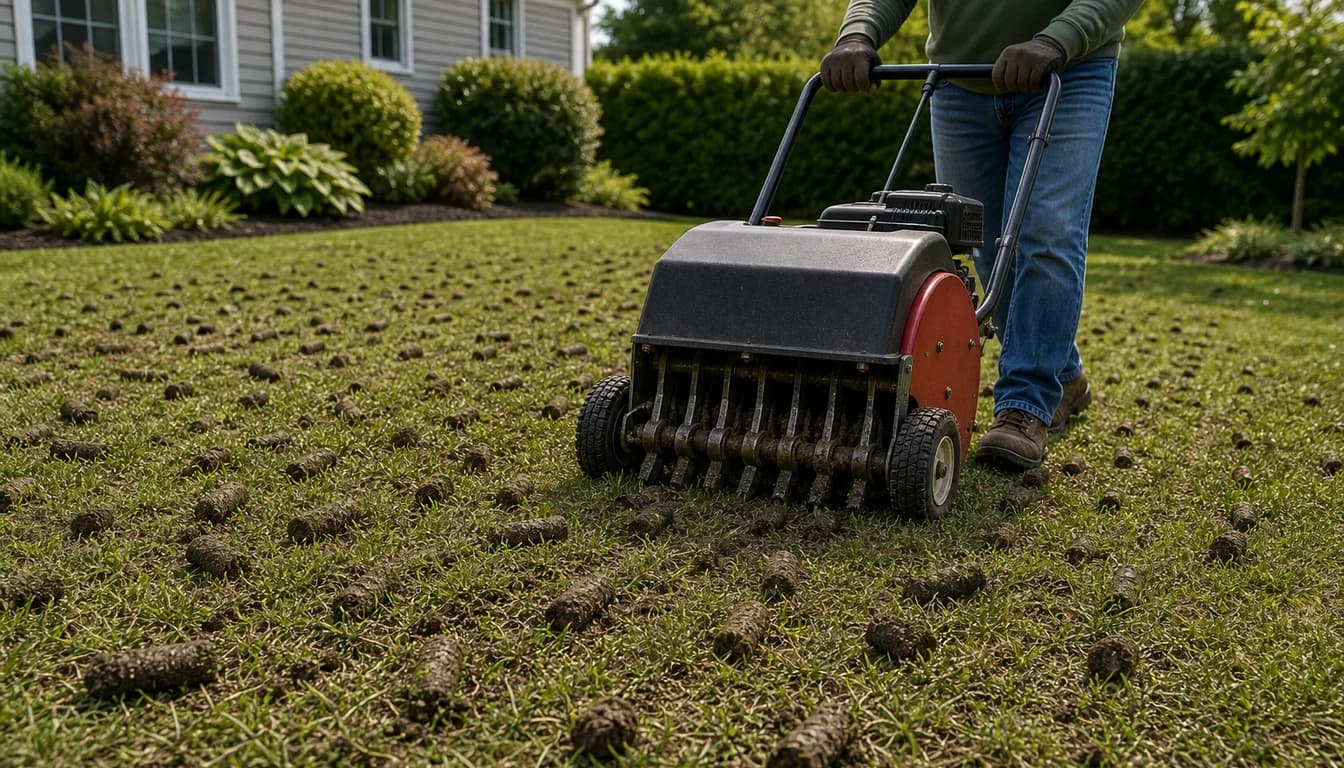
Core aeration right before overseeding improves seed-to-soil contact and makes the effort pay off.
- fiber_manual_recordGreat candidate: Thin lawn with 60-80% live turf
- fiber_manual_recordGood timing: Fall for cool-season, late spring for warm-season
- fiber_manual_recordBonus value: When paired with core aeration and proper fertilizing
- fiber_manual_recordIdeal for: Homeowners who can commit to 3-4 weeks of careful watering
Guide — See AlsoHow to Water New Grass Seed Without Washing It AwayLearn how often to water new grass seed, how long to run sprinklers, and when to shift from light misting to deeper wate
chevron_rightwarningTimes Overseeding Is A Waste Of Money
If your lawn is mostly weeds and dirt, overseeding is a bandage on a broken leg. The weeds and existing problems outcompete seedlings, and you will be staring at the same mess by next year.
Warm-season lawns in hot regions, especially full-sun bermuda turf, often spread faster from runners than from extra seed. You get better results fixing soil and watering, then letting the existing grass fill in on its own.
Deep shade is another money pit. If the existing grass burned out because a big oak canopy closed in, seed will fail again unless you thin branches or swap to groundcovers and shade-tolerant shade plants instead of typical turf.
Timing mistakes also wipe out the value. Overseeding cool-season lawns in late spring or early summer usually fails because heat stress arrives before seedlings build roots. For warm-season grasses like zoysia lawns, seeding too late into fall risks seedlings dying at the first frost.
Heavy thatch, compacted soil, and poor watering habits kill a lot of overseeding attempts. Seed that never touches soil or dries out every afternoon simply does not sprout in useful numbers.
If you cannot commit to keeping the seedbed moist for 2-3 weeks, postpone overseeding until you can.
If one of these conditions describes your yard, fix the underlying constraint before buying seed.
- fiber_manual_recordBad candidate: Lawns with more than 50% weeds or bare soil
- fiber_manual_recordSkip it when: You have dense shade or serious drainage problems
- fiber_manual_recordCommon fail: Seeding right before heat waves or freezing nights
- fiber_manual_recordBetter choice: Full renovation, sod, or rethinking grass in problem spots
Email Updates
Join the KnowTheYard update list
Zone-specific advice, seasonal reminders, and new plant guides — no filler.
ecoCost, Effort, And Payoff Compared To Other Options
Deciding if overseeding is worth it means comparing it to what else you could do with the same money and effort. Seed is cheap, but prep, watering, and follow-up care are where the real investment lives.
For a typical suburban yard, you might spend $40–120 on quality seed, plus another $20–60 on starter fertilizer. Renting a core aerator can add $60–100 for a day, unless you hire a pro that bundles aeration and overseeding together.
A full kill-and-reseed with heavy seed rates, multiple passes, and possibly slit seeding quickly jumps into several hundred dollars. Sod usually costs even more but gives an instant lawn if you follow deep watering habits and keep seams moist.
On the low end of effort, simply adjusting mowing height and following a basic lawn calendar can improve many yards without any seed. Feeding on time and watering deeply often wakes up existing grass more than homeowners expect.
Where overseeding shines is the middle ground. It is more work than just fertilizing but far less upheaval than killing everything. If your lawn is "almost good" but thin, overseeding frequently gives the best return on both money and time.
The biggest waste is scattering cheap seed without fixing mowing, watering, and soil first. Those habits decide whether new seedlings live past their first summer.
Use the ranges below as a reality check before comparing DIY overseeding with pro service or sod.
- fiber_manual_recordTypical DIY cost: About $60–200 including seed and fertilizer
- fiber_manual_recordPro service: Often $250–600 depending on yard size
- fiber_manual_recordLabor window: One long day of prep plus 2–3 weeks of light watering
- fiber_manual_recordPayoff timeline: Visible thickening in 1–2 months, full benefit in a year
Guide — See AlsoBest Time to Overseed a Northeast Lawn for Thick TurfLearn exactly when to overseed cool-season lawns in the Northeast, how soil temperature and frost dates affect timing, a
chevron_rightcalendar_monthBest Time Of Year To Overseed By Region
Soil temperature decides whether new grass thrives or stalls. Calendar dates are only rough guides because zones 3-11 warm and cool at very different rates.
Cool-season lawns, like Kentucky bluegrass yards and tall fescue mixes, respond best when soil is 50-65°F and nights are cool.
Warm-season lawns, such as bermuda in full sun or zoysia carpets, should be overseeded when soil is 65-75°F and the grass is actively growing.
In colder regions like zone 3-5, fall is prime time for cool-season overseeding. Spring works, but summer heat often hits before young roots are deep.
Further south, in zones 6-7, you can overseed cool-season lawns in early fall or very early spring if you avoid late heat spikes.
In zones 8-9, warm-season turf dominates and fall overseeding is often about adding winter color with rye, not rebuilding the base grass.
Base overseeding on soil temperatures of 50-65°F for cool-season lawns and 65-75°F for warm-season lawns.
Once soil temperature is in range, use your zone mainly to narrow the seasonal window.
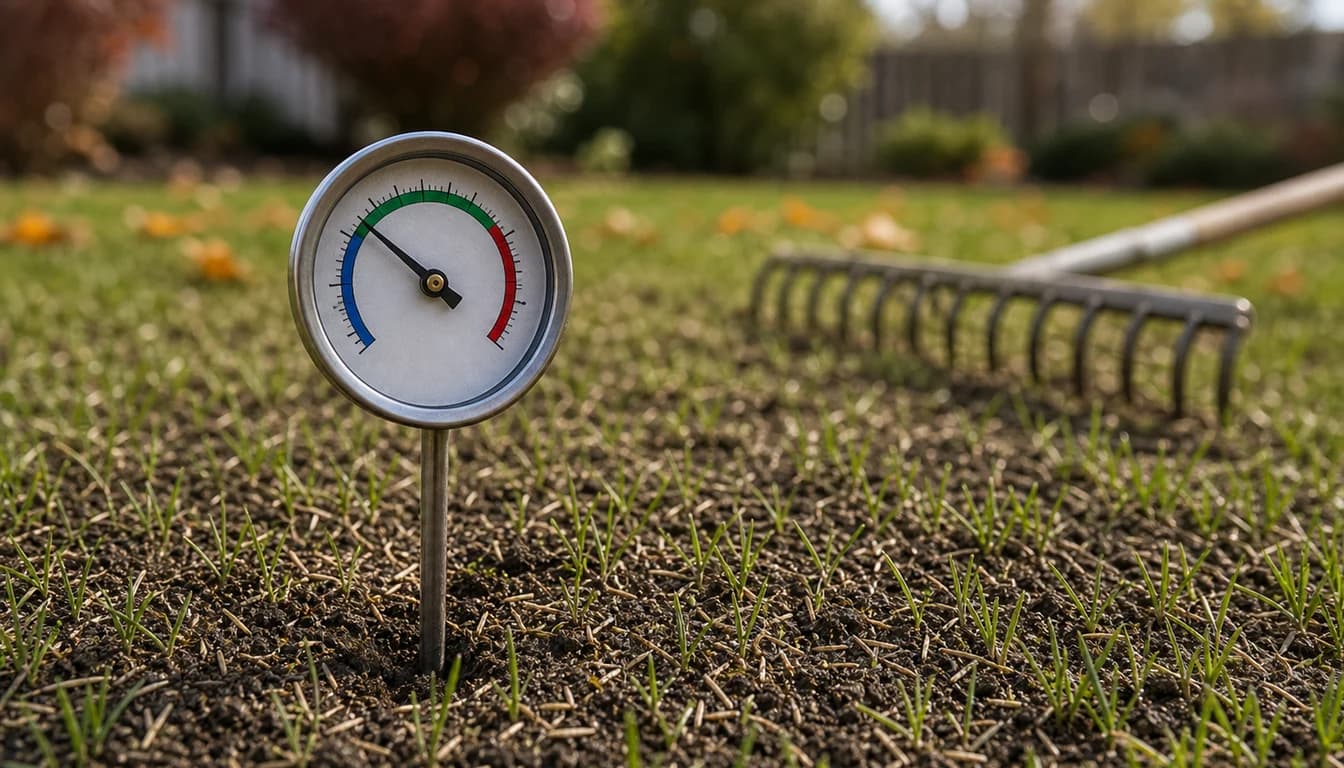
Soil temperature is a better overseeding signal than calendar dates.
- fiber_manual_recordCool-season target: Soil 50-65°F, falling
- fiber_manual_recordWarm-season target: Soil 65-75°F, rising
- fiber_manual_recordZone 3-5 focus: Early fall for strongest roots
- fiber_manual_recordZone 8-9 focus: Early fall for winter rye color
water_dropAftercare So Overseeding Actually Takes
Most failed overseeding jobs die in the weeks after seeding, not on the day you spread the seed. Aftercare decides whether the money you spent was worth it.
New seed needs constant surface moisture to sprout. That means light, frequent watering, not deep weekly soaks you might use on mature turf described in deep watering guides.
Aim for 2–4 light waterings a day for the first 7–10 days, just long enough to dampen the top half inch of soil without puddles.
Once you see a green fuzz, cut back to once per day, then every other day, but increase run time so moisture reaches 2–3 inches deep.
Foot traffic crushes seedlings. Keep dogs, kids, and wheelbarrows off new areas for 3–4 weeks, even if the grass looks ready.
Delay your first mow until the new seedlings are one-third taller than your normal mowing height. A sharp blade matters here as much as it does around rose beds where torn tissue invites disease.
Walking on wet, newly seeded areas is the fastest way to turn an overseeding job into mud and bare spots.
The timeline below is the minimum aftercare rhythm before you judge whether overseeding worked.
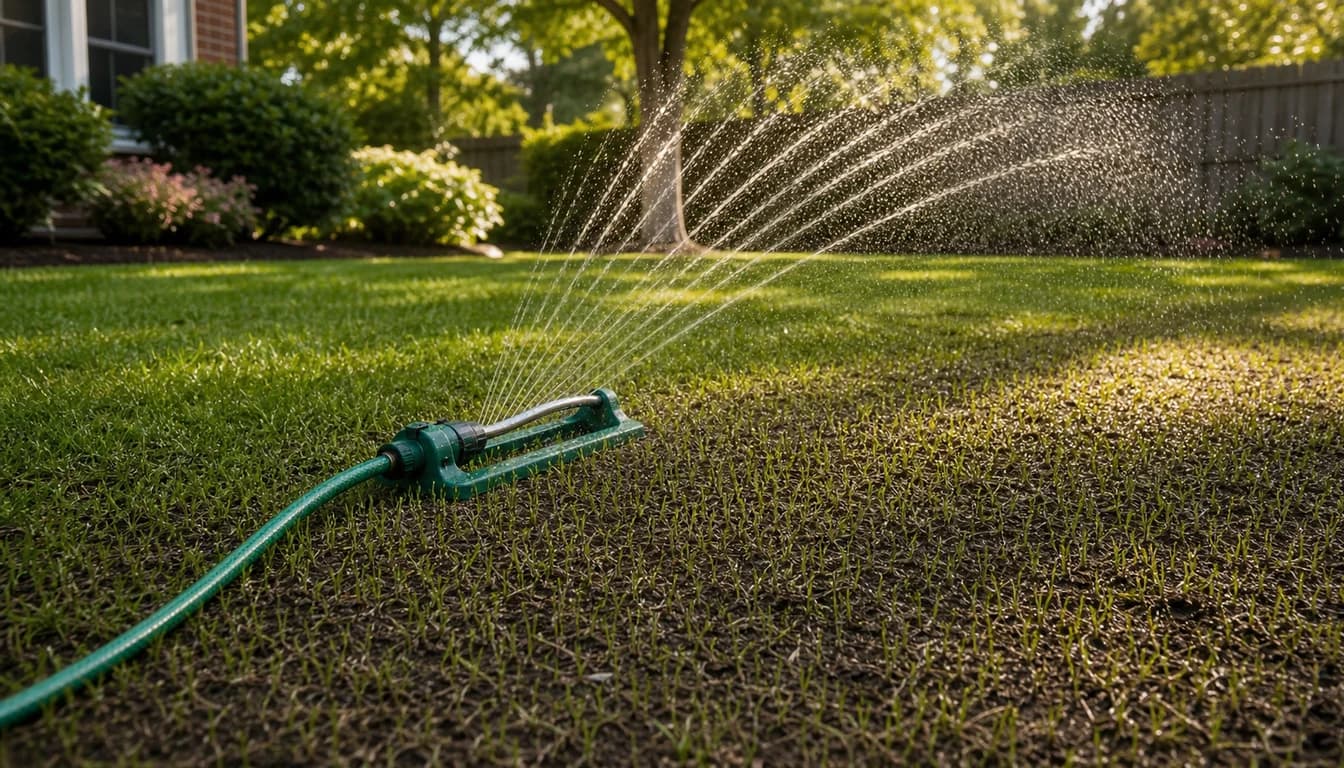
Light, frequent watering keeps seed and seedlings from drying out during establishment.
- fiber_manual_recordDays 0–7: Mist 2–4 times daily, no puddles
- fiber_manual_recordDays 8–21: Water once daily, deeper
- fiber_manual_recordTraffic rule: Treat fresh seed like wet paint
- fiber_manual_recordFirst mow: Sharp blade, remove no more than one-third
Guide — See AlsoWhen to Aerate Your Lawn for Real ResultsLearn exactly when to aerate your lawn based on grass type, soil conditions, and season so you get thicker turf instead
chevron_rightwarningAvoid These Common Overseeding Mistakes
Most of the "overseeding does nothing" complaints trace back to the same handful of mistakes. Fixing these makes overseeding pay off far more often.
Seed-to-soil contact is the first failure point. Throwing seed over thick thatch or matted clippings is like planting tomatoes on concrete instead of in a bed of healthy compost (if you grow vegetables, you know the difference).
Using the wrong seed type is another money-waster. Spreading cool-season seed into a full warm-season lawn, like a dense stand of St. Augustine grass, gives you weak, temporary patches that vanish in summer.
Overseeding right before a pre-emergent weed treatment is a quiet way to kill germination. Most crabgrass preventers block grass seed too.
Finally, many of us mow too short immediately before or after seeding. Scalping exposes soil but also stresses existing plants so badly that weeds rush in faster than the new grass.
Check your herbicide label carefully. Many pre-emergents require 6–8 weeks between application and seeding.
Run through these failure points before blaming the seed bag.
- fiber_manual_recordNo contact: Rake or dethatch until at least 30–40% soil shows
- fiber_manual_recordWrong species: Match seed to your main grass
- fiber_manual_recordChemical clash: Time pre-emergents away from seedings
- fiber_manual_recordMowing error: Stay at or above your normal cutting height
grassChoosing The Right Seed Mix For Your Lawn
Seed choice decides whether overseeding reinforces what you have or fights against it every season. Matching species to your existing lawn and climate saves a lot of frustration.
In northern zones with cool summers, blends based on Kentucky bluegrass and perennial ryegrass fill in quickly and knit together like a zone 5 hedge of spirea shrubs.
Warmer transition zones often lean on tall fescue mixes for drought and heat tolerance. Fine fescue types help in shaded spots where sun-loving warm-season types thin out.
Deep South lawns built on bermuda turf or zoysia sod rarely benefit from cool-season overseeding for summer performance. Winter rye there is mainly for temporary color.
Buy fresh, high-purity seed. Bags labeled with low weed seed and other crop percentages, ideally under 0.5% combined, reduce new weed problems.
Specialty mixes labeled for "sun and shade" or "high traffic" usually reflect real differences in species. They are not just marketing copy.
- fiber_manual_recordCool north: Kentucky bluegrass and perennial ryegrass focus
- fiber_manual_recordTransition: Tall fescue plus fine fescue for shade
- fiber_manual_recordDeep south: Warm-season focus, rye only for winter green
- fiber_manual_recordLabel check: Low weed seed numbers justify higher price
Guide — See AlsoBest Time to Overseed a Midwest Lawn for Thick TurfLearn the best time to overseed a Midwest lawn based on soil temperature, grass type, and hardiness zone so your new see
chevron_rightscheduleHow Overseeding Fits Into Your Yearly Lawn Plan
Overseeding earns its keep when it plugs into your yearly routine, not as a random fix when things already look rough. Think of it as one piece in your lawn calendar.
Most cool-season homeowners do best overseeding once a year in fall, then using spring for light touchups and weed control. That lines up with the timing in seasonal lawn calendars.
Warm-season lawns often treat overseeding as optional. A strong program of proper mowing, deep watering, and welltimed feeding like you find in lawn fertilizing guides keeps thick turf without frequent seeding.
Pair overseeding with aeration in compacted soils. Holes from a core aerator act like mini flower pots for seed, similar to how loosened soil helps new hosta divisions establish in shady beds.
You do not need to overseed right after every problem. Major grub damage, standing water issues, or heavy shade from overgrown trees might require drainage fixes or pruning first, using timing advice from tree and shrub pruning schedules.
Overseeding cannot replace basic lawn care; thick turf depends on mowing height, watering habits, and soil health more than any bag of seed.
Treat the list below as the yearly role overseeding should play, not as a standalone rescue plan.
- fiber_manual_recordAnnual plan: Fall overseed cool-season once a year
- fiber_manual_recordWarm-season: Rely on cultural care, seed only to repair
- fiber_manual_recordCombo jobs: Pair with aeration in compacted yards
- fiber_manual_recordProblem first: Fix pests, shade, or drainage before reseeding
tips_and_updates
Pro Tips
- check_circleTest a small section one season before overseeding the whole yard to see how your soil and habits perform.
- check_circleMow existing grass slightly lower than normal right before seeding to help sunlight reach new seedlings.
- check_circleUse high-quality seed that matches your climate instead of generic mixes with lots of filler varieties.
- check_circlePlan overseeding right before a stretch of mild, cloudy weather if possible to keep the seedbed moist.
- check_circleWater lightly 2–3 times per day at first, then gradually shift to deeper, less frequent watering as seedlings grow.
- check_circleAvoid heavy foot traffic for at least three weeks on freshly overseeded areas so young roots can anchor.
- check_circleTime fertilizing so you use a starter product at seeding, then follow up with balanced feeding later in the season.
quiz
Frequently Asked Questions
Is overseeding worth it if my lawn already looks good?expand_more
On a healthy lawn with only a few thin spots, overseeding has a smaller payoff but can still help. Spot-seeding bare areas and overseeding high-wear zones keeps density up and blocks weeds from gaining a foothold.
Should I aerate every time I overseed?expand_more
You do not have to, but aeration often increases seed success on compacted soil. If your yard sees heavy traffic or you have clay, combining core aeration with overseeding every year or two usually improves results.
How long until I see results from overseeding?expand_more
You usually see sprouts in 7–21 days, depending on species and soil temperature. Full thickening takes 6–8 weeks or more. Cool-season lawns that are overseeded in fall often look noticeably better by late spring.
Can I overseed and use weed and feed at the same time?expand_more
Most weed and feed products contain pre-emergent herbicides that block grass seed germination. Apply weed control either several weeks before seeding or wait until seedlings have been mowed at least three times.
Is overseeding or sod a better investment?expand_more
Sod gives an instant lawn but costs several times more than seed. Overseeding is slower but far cheaper, especially for large yards. Many homeowners use sod for small, high-visibility areas and seed for the rest.
menu_book
Sources & References
Related Guides
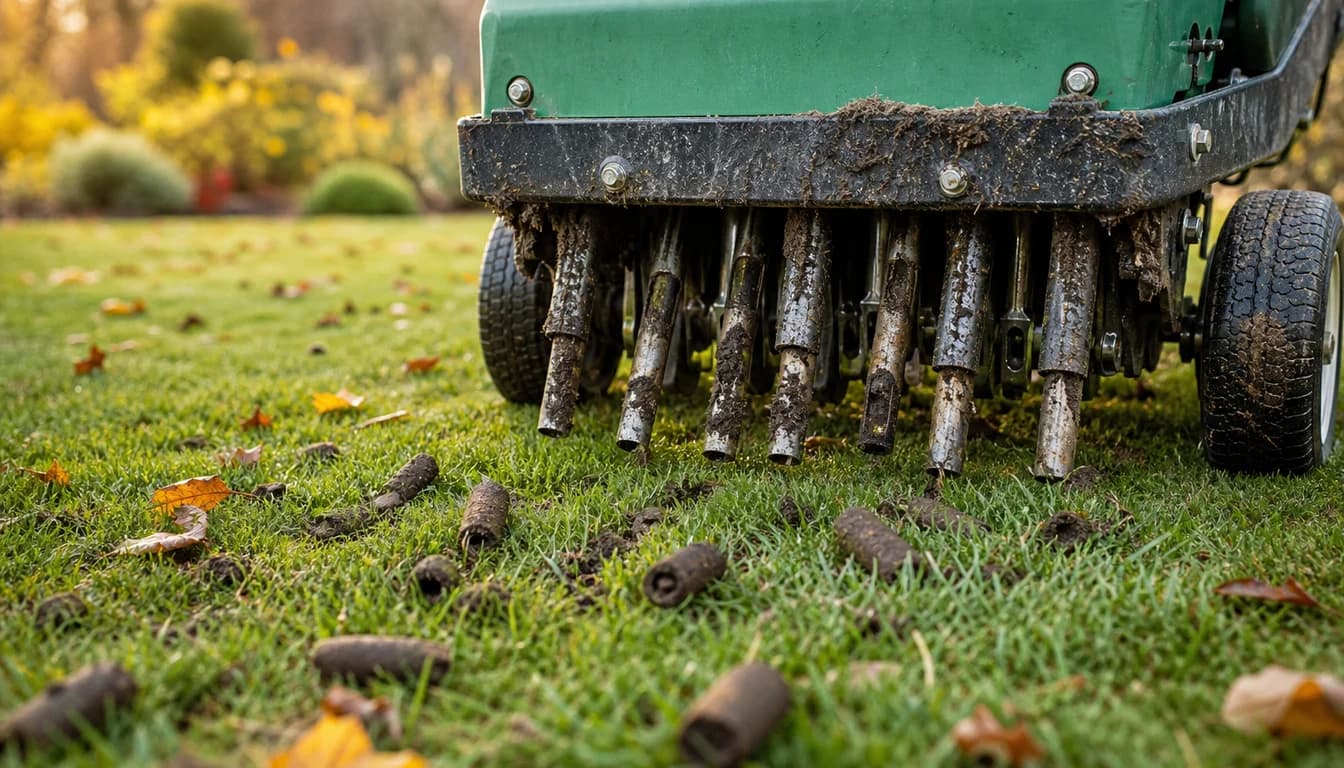
Best Time to Aerate and Overseed for a Thicker Lawn
Learn when to aerate and overseed your lawn by season and grass type so every pass of the machine leads to thicker, greener turf instead of wasted seed.
11 min read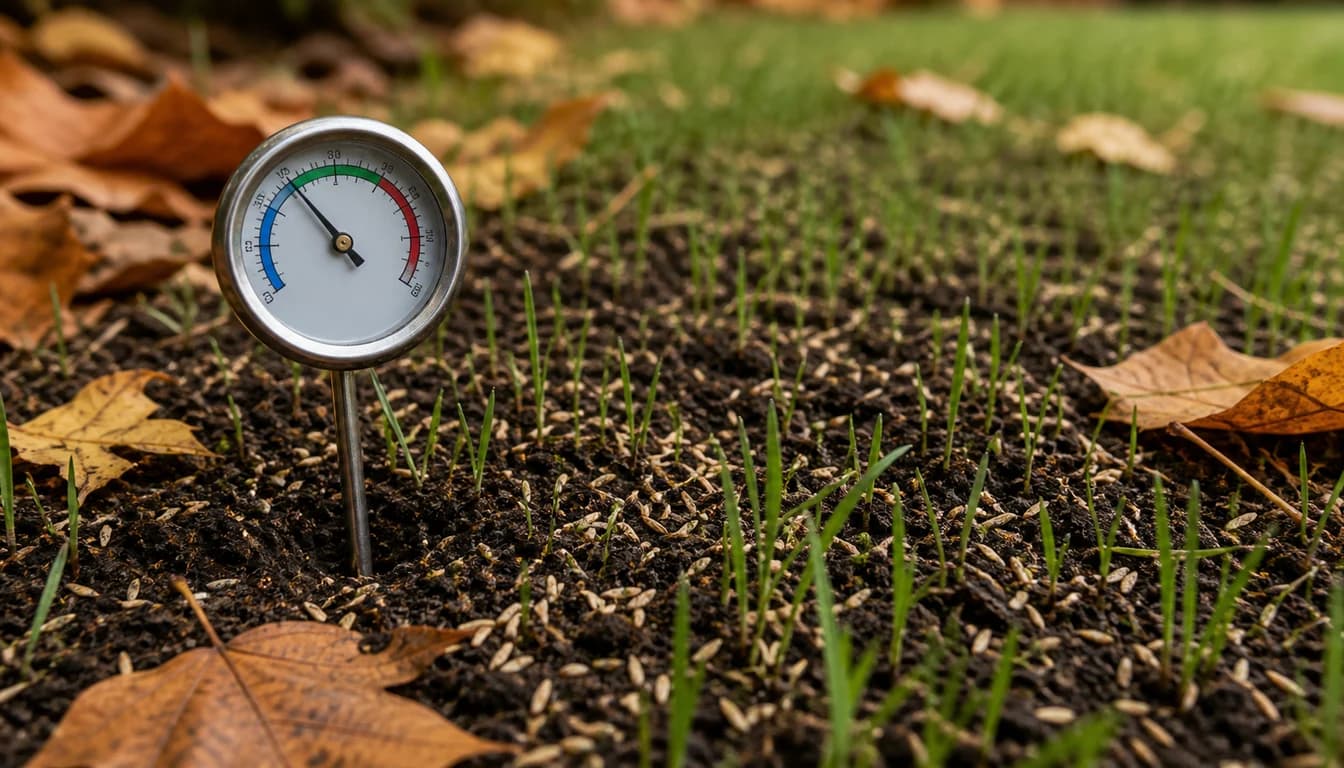
Best Time to Overseed a Midwest Lawn for Thick Turf
Learn the best time to overseed a Midwest lawn based on soil temperature, grass type, and hardiness zone so your new seed fills in thin spots.
11 min read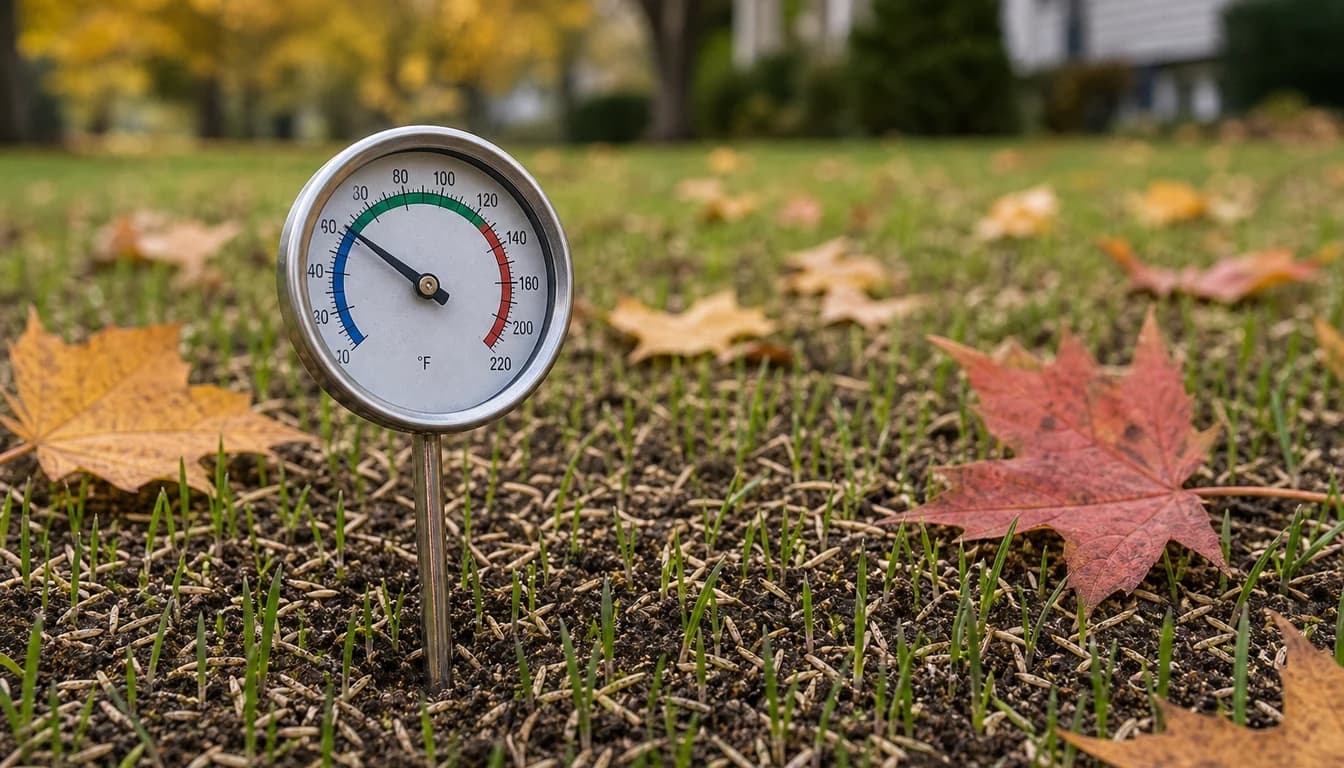
Best Time to Overseed a Northeast Lawn for Thick Turf
Learn exactly when to overseed cool-season lawns in the Northeast, how soil temperature and frost dates affect timing, and what to do before and after seeding for a thicker, greener yard.
11 min read