
How to Find Frost Dates by ZIP Code and Use Them Safely
A ZIP-code frost date is a planning estimate from a nearby weather station, not a forecast for your yard. Find the National Weather Service, NOAA climate, or Extension table closest to your location, note the temperature threshold and probability, then check the current forecast and your property's cold spots before acting.
For spring, a lower-risk date comes later because you are waiting for the chance of another cold night to fall. For autumn, an early low-probability date warns when a freeze could first occur, while a later high-probability date describes when most years have already reached that threshold.
The plant species and lawn task still determine what is safe. Tomatoes, established cool-season turf, citrus flowers, and newly germinated grass do not respond to the same temperature in the same way, so one “last frost” date cannot be a universal green light.
[ky_keyfacts] ZIP code does | Points you toward nearby climate stations or local tables Climate date does | Describes historical probability for a temperature threshold Forecast does | Describes the actual weather risk over the next several days Microclimate does | Explains why your yard can differ from the station Plant guidance does | Defines which threshold and buffer matter for the task [/ky_keyfacts]
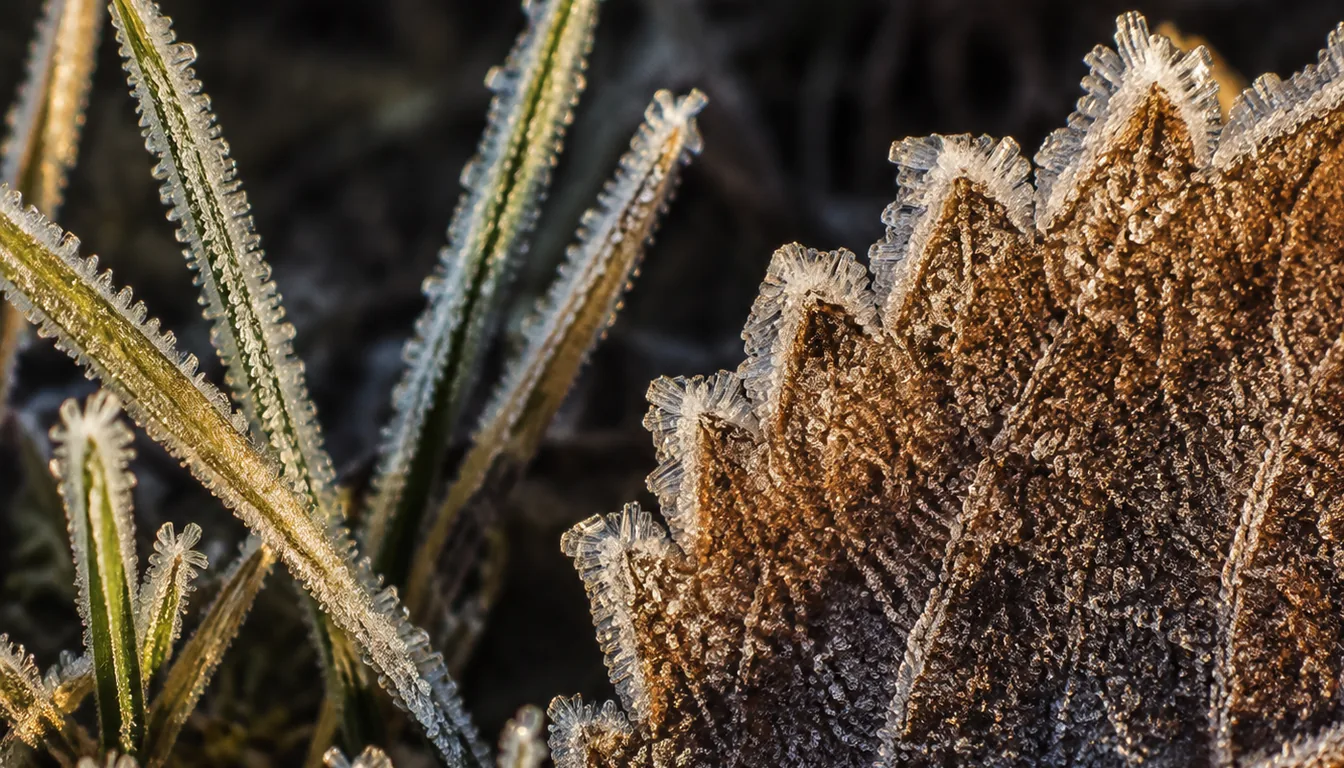
At a glance
What Does a Frost or Freeze Date Actually Mean?
Published dates usually summarize many years of observed minimum temperatures.
Current National Weather Service probability tables commonly use the 1991–2020 climate-normal period, though older pages may use a different period and should say so.
“Frost” and “freeze” are not always the same threshold.
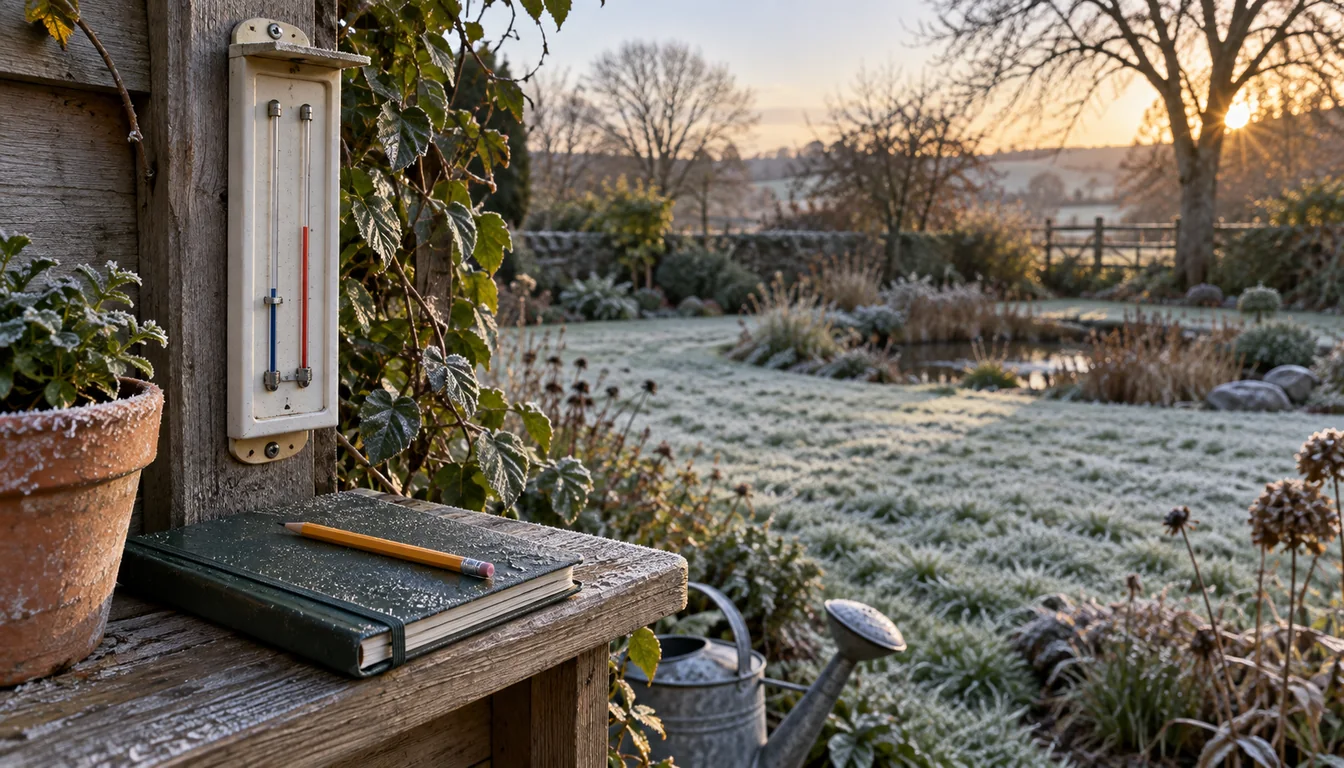
Some NWS offices use 36°F for potential frost, 32°F for a freeze, and 28°F or a nearby value for a hard freeze. Frost can form when an official air temperature remains above 32°F because surfaces near the ground can cool more than the standard thermometer height.
| Term in a table | Common interpretation | Why it matters |
|---|---|---|
| 36°F frost threshold | Conditions cold enough for frost to be possible | Exposed tender foliage can be at risk before an official freeze |
| 32°F freeze | Air temperature reaches freezing | Many tender annuals and warm-season crops can be injured or killed |
| 28°F hard freeze | Colder event with greater tissue and season-ending risk | More plants and unprotected growing tissues are affected |
| 50 percent spring date | Median date with equal historical chances on either side | Useful central estimate, but too risky for a no-loss decision |
| 10 percent spring date | Later date after which only about 1 in 10 years records another threshold event | More conservative than the median, not a guarantee |
| 10 percent fall date | Early date by which about 1 in 10 years has already reached the threshold | Useful warning for unusually early cold |
Always read the legend because agencies can phrase probabilities in opposite directions. “Chance of a later spring freeze” is not the same wording as “chance the last freeze has already passed.”
An average date is not a deadline and not a promise. threshold, probability, and direction before you put the number on a calendar.
How Do You Find a Frost Date for Your ZIP Code?
Use the ZIP code as a starting location, then identify the station or county behind the result. Two tools can return different dates because they use different stations, climate periods, temperature thresholds, or probability levels.
- Start with official local sourcesSearch your National Weather Service forecast office, state climate office, or county Extension service for frost and freeze probability tables.
- Locate the nearest representative stationCompare elevation, terrain, urban setting, and distance rather than choosing the first result attached to the ZIP code.
- Record the data periodPrefer current 30-year normals when available and note when a table uses an older period.
- Write down three thresholdsCapture potential frost, freeze, and hard-freeze dates when the source provides them.
- Record more than the medianNote a 50 percent date and a lower-risk spring or early-risk fall date for the threshold your crop needs.
- Check the short-range forecastClimate data plans the season; the current forecast decides whether protection or delay is needed this week.
A ZIP code can contain hills, valleys, city pavement, open farmland, and shorelines.
It does not contain a thermometer that represents every address.
When the nearest station is at an airport, ask whether your property commonly runs colder or warmer. Airports often sit in open terrain, while a dense urban block may retain heat and a rural valley may collect cold air.
Use a second authoritative source when a decision has a high cost, such as setting out hundreds of transplants. If the dates differ, investigate station, threshold, and probability before averaging numbers that describe different things.
Which Probability Should You Use?
Choose risk according to the plant, replacement cost, available protection, and benefit of planting early. The median date can be reasonable for a low-cost succession when spare seed and row cover are ready, but it is a poor default for irreplaceable plants.
Low tolerance for loss
Use a later, lower-risk spring date for the relevant threshold, confirm a mild forecast, and keep protection available.
Moderate tolerance
Use the median as a planning center, then move the actual date according to forecast, soil, and local experience.
High tolerance or protected trial
Plant a small portion early while holding backup seed or transplants. Protect that test rather than exposing the whole crop.
Fall planning
Treat the early low-probability date as the start of meaningful risk and the median as the middle of the historical distribution, not as an exact season end.
Perennial establishment
Use species-specific rooting guidance and the expected hard-freeze window, not only the first possible surface frost.
A “7-day buffer” is not equally safe in every climate. Some stations have tightly clustered dates, while continental or high-elevation locations can record late outliers far beyond the median.
Read the probability table directly when the crop matters.
A blanket extra week hides the actual distribution and can create false confidence.
Stage planting when practical. Moving part of a crop first preserves a backup and gives you evidence about the site without gambling the whole season.
Why Can Your Yard Freeze Before the Weather Station?
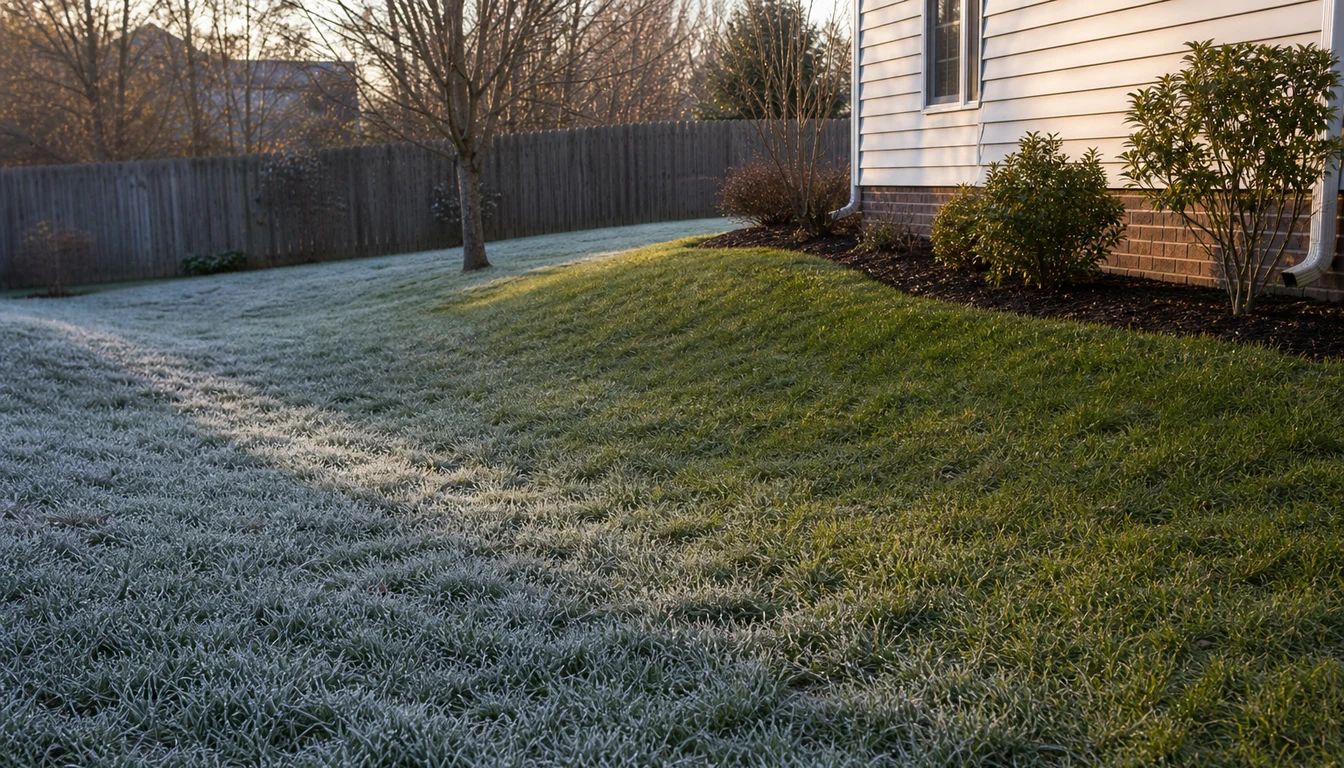
On clear, calm nights, the ground loses heat and the air touching it cools. Dense cold air moves downslope and can collect in a hollow, making a low bed colder than a nearby station or an upper part of the same yard.
Buildings, pavement, rock, water, wind, slope, canopy, and soil moisture can all change the local result. A south-facing masonry wall may retain heat, while an open rural depression can cool rapidly.
- Compare high and low parts of the property on cold clear mornings
- Note which lawn areas hold frost after sunny areas have cleared
- Record elevation and exposure differences from the reporting station
- Watch beds beside heat-storing walls separately from open plots
- Check whether trees reduce radiational cooling or create a colder shaded pocket
- Place an outdoor minimum thermometer at plant height in a representative location
- Record plant injury, not only frost on roofs or vehicle glass
Do not convert a microclimate into “half a hardiness zone colder.”
Hardiness zones describe long-term extreme winter minimums, while first and last freeze dates describe seasonal timing. They answer different questions.
A home thermometer is most useful when it is consistently sited and compared with the same official station.
One year of data shows events. Several years begin to show how your property tends to differ.
Avoid mounting the sensor against a warm wall if you are trying to represent an open vegetable bed. Measure the place where the plants actually grow.
How Should You Use the Last Spring Frost Date?
Classify the crop by cold tolerance before counting from a date.
Seed packets and local Extension calendars often say “before last frost” or “after danger of frost,” but the exact window also depends on soil condition, transplant age, and forecast.
| Planting group | Relationship to spring freeze data | Additional decision |
|---|---|---|
| Cold-tolerant direct-sown crops | May be planted before the median last freeze when soil is workable and species guidance permits | Germination temperature and saturated soil can be more limiting than air frost |
| Hardened cool-season transplants | Often tolerate light cold better than warm-season plants | Transplants still need gradual exposure to sun, wind, and outdoor temperature |
| Tender warm-season vegetables | Usually wait until freeze risk is acceptably low | Night temperature, warm soil, and transplant stress can delay growth even above 32°F |
| Tender annual flowers | Timing varies widely among species | Confirm whether the flower tolerates frost and whether it is direct-sown or transplanted |
| Woody and hardy perennial plants | Can often be planted while nights remain cold if soil is workable | Root condition, dormancy, drainage, and species hardiness determine the timing |
| Warm-season turf seed or plugs | Use active-growth soil and air conditions, not a frost date alone | Species establishment requirements and irrigation must be ready |
Hardening off reduces sun, wind, and temperature shock, but it does not make a frost-tender tomato freeze-proof. Keep cold protection available when planting near the edge of the historical range.
Soil can remain cold and wet after the official last-freeze date. Waiting for a crop's recommended soil condition can produce faster establishment than planting early into a stagnant root zone.
If an early planting offers little harvest advantage in your climate, choose the lower-risk date. The value of one extra week should be weighed against replacement work and lost plant size.
How Should You Use the First Fall Frost Date?
The first-fall table helps you estimate when cold risk begins, how long a tender crop can mature, and whether a new planting has enough establishment time.
It does not tell you that every plant dies on the first frosty morning.
Count backward from an early-risk date for vulnerable projects. Use days to maturity plus slower autumn growth for annual crops, and use species-specific rooting guidance for perennials, shrubs, or turf.
| Fall job | Date to examine | What else controls the decision |
|---|---|---|
| Harvest tender crops | Early 36°F and 32°F risk | Crop sensitivity, forecast, and whether fruit can finish indoors |
| Protect containers | Early frost risk | Container exposure, root hardiness, and indoor quarantine needs |
| Plant perennials or shrubs | Expected soil freeze or hard-freeze period | Root condition, local establishment guidance, irrigation, and drainage |
| Seed cool-season lawn | Local recommended seeding window | Grass species, germination speed, soil temperature, moisture, and winter survival |
| Apply lawn fertilizer | State nutrient program and label | Grass growth, soil test, legal restrictions, and runoff risk |
| Plant spring bulbs | Cooling soil and time before ground freeze | Bulb species, local disease risk, and planting depth |
A 36°F frost advisory and a 28°F hard freeze are different events. A light frost can mark tender leaves while roots and hardy foliage remain functional, whereas a hard freeze is more likely to end warm-season growth.
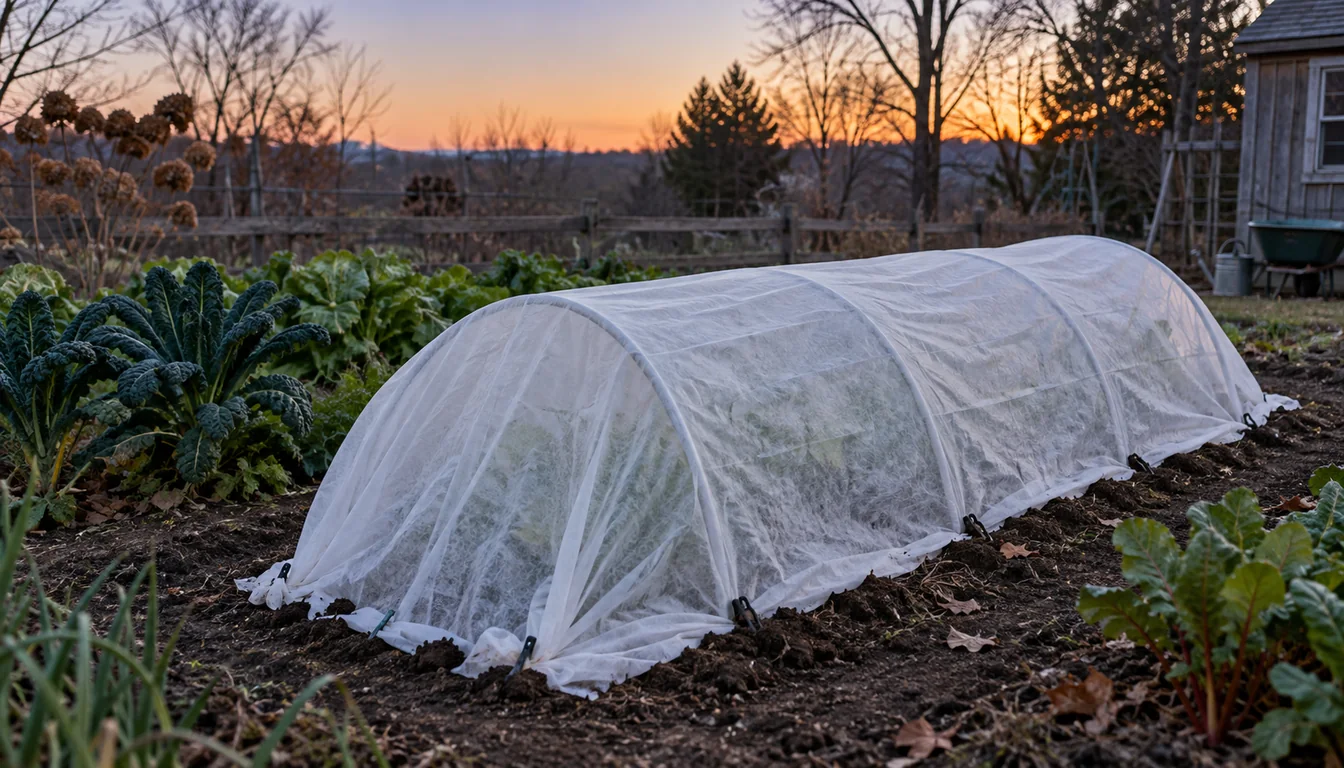
Prepare row covers, supports, container space, and harvest tools before the risk period. Covers work best when they extend to the ground and trap soil heat without pressing plastic directly onto foliage.
Remove or vent protection when daytime temperature rises. A cover left sealed in sun can overheat plants even after a cold night.
Can Frost Dates Set a Lawn-Care Calendar?
Frost dates provide a seasonal boundary, but grass species and active growth set the working window. Cool-season turf grows during cool weather, while warm-season turf needs sustained warmth and can be injured by aggressive work near dormancy.
Use local Extension seeding dates instead of calculating a universal number of weeks from first frost.
Kentucky bluegrass, tall fescue, and perennial ryegrass germinate and establish at different rates, and the same first-frost date can produce different deadlines.
Cool-season overseeding
Start with the state Extension window and the chosen species, then use first-freeze probabilities and the forecast to judge remaining establishment time.
Warm-season establishment
Wait for the species' recommended warm soil and active growth after spring cold risk, with irrigation ready.
Core aeration or dethatching
Work during strong active growth and leave enough recovery weather. A frost date alone does not diagnose compaction or thatch.
Fall fertilization
Follow local turf nutrient guidance, soil-test evidence, and product labels rather than counting a fixed interval from frost.
First frosty morning
Keep traffic off frozen blades until they thaw because walking or mowing can leave visible injury.
Dormant lawn
Avoid aggressive cultivation simply because a calendar suggests it. Identify species and growth state first.
The frost calendar is particularly weak for spring cool-season overseeding. Weed competition and approaching summer heat can matter more than the last freeze, which is why fall is often preferred where cool-season turf is adapted.
Warm-season grass does not become ready the day after the last historical freeze. Wait for full green-up and conditions recommended for that species before scalp mowing, plugging, fertilizing, or heavy cultivation.
turf growth window
What Should You Do When Frost Is Forecast?
Move from climate planning to current weather. Confirm the expected low, duration, wind, cloud cover, and whether the alert is for frost, freeze, or hard freeze.
- Prioritize vulnerable plantsProtect tender new growth, warm-season crops, flowering fruit plants, small containers, and recently planted material first.
- Water only when appropriateAdequately moist soil can store more heat than very dry soil, but do not saturate poorly drained roots or spray foliage into the cold.
- Install supportsKeep fabric above fragile stems and extend cover to the ground so stored soil heat is captured.
- Secure the perimeterUse weights or pins that resist wind without leaving gaps.
- Move portable containersPlace them in a protected unheated space or suitable indoor area according to the plant's needs.
- Remove or vent coversAct after temperatures recover so sun does not overheat the protected space.
- Assess laterWait for damaged tissue to declare itself before pruning every wilted tip.
Lightweight frost cloth, sheets, or purpose-made row cover can work for a modest event. Plastic can be part of a supported structure, but direct contact with foliage offers poor insulation and can worsen localized injury.
Do not attempt to cover an established lawn. Keep people and equipment off frost-coated grass until blades thaw, then let the species and season determine whether any cosmetic discoloration needs action.
A cold forecast may justify harvesting tender vegetables or moving containers rather than trying to hold outdoor temperature indefinitely.
Protection has limits during prolonged or severe freezes.
How Do You Build a Better Frost Calendar for Your Yard?
Keep the published station data and your observations side by side. Personal records do not replace a 30-year climate normal after five seasons, but they reveal recurring differences between the station and your property.
- Station name, elevation, climate-normal period, and distance from the property
- Published 36°F, 32°F, and 28°F probability dates used for planning
- Forecast minimum and actual home-thermometer minimum
- First visible frost and first confirmed plant injury in each yard zone
- Last spring event that damaged a tender plant
- Soil temperature and moisture for seed or lawn projects
- Planting, protection, harvest, and outcome for each important crop
Use the records to identify patterns such as a lower bed repeatedly freezing before the patio. Do not move the entire published date after one unusual year.
Update the official reference when climate normals or local tables change. A page using 1981–2010 normals and one using 1991–2020 normals can legitimately differ.
Review failures by cause.
A tomato transplanted before a cold night may suffer freeze injury, while one planted into cold saturated soil can stall without ever freezing.
The final calendar should preserve uncertainty. It is a set of risk ranges, crop requirements, forecast checks, and property observations rather than one red line across a wall calendar.
Pro Tips
- Record the station, temperature threshold, probability, and climate-normal period with every date.
- Use a later low-risk spring date for expensive tender plants and keep a backup when planting early.
- Compare low and high parts of the yard on clear cold mornings.
- Follow crop or turf guidance for the actual task instead of using frost alone.
- Prepare covers and container space before the early fall risk period begins.
- Update your source when a weather office publishes newer climate normals.
Frequently Asked Questions
How accurate is a frost date by ZIP code?
It is useful for seasonal planning when you know the station, threshold, probability, and data period. It is not an address-level forecast, so compare it with your microclimate and the current weather outlook.
Is the average last frost date safe for tomatoes?
The average or median still carries substantial historical risk. Choose a later lower-risk date, suitable soil and night temperatures, a mild forecast, and available protection when loss would be costly.
What is the difference between frost and freeze dates?
Many weather offices use about 36°F for potential frost, 32°F for freeze, and 28°F for hard freeze. Read the source legend because terms and thresholds can vary.
Is a hardiness zone the same as a frost date?
No. Hardiness zones summarize extreme winter minimum temperature, while frost and freeze dates describe the seasonal timing of threshold events.
Two places in one zone can have different growing-season dates.
Can I use first frost to schedule lawn overseeding?
Use your state Extension seeding window and grass species first. Frost probability helps evaluate the edge of that window, but germination speed, soil temperature, moisture, and establishment time control the decision.
Sources & References
- National Weather Service Boise, Freeze Probability Data Based on 1991–2020 Normals
- National Weather Service Charleston, Frost and Freeze Climatology
- National Weather Service Medford, Frost and Freeze Probabilities
- National Weather Service Wilmington, Spring and Fall Freeze Climatology
- USDA Plant Hardiness Zone Map
Related Guides
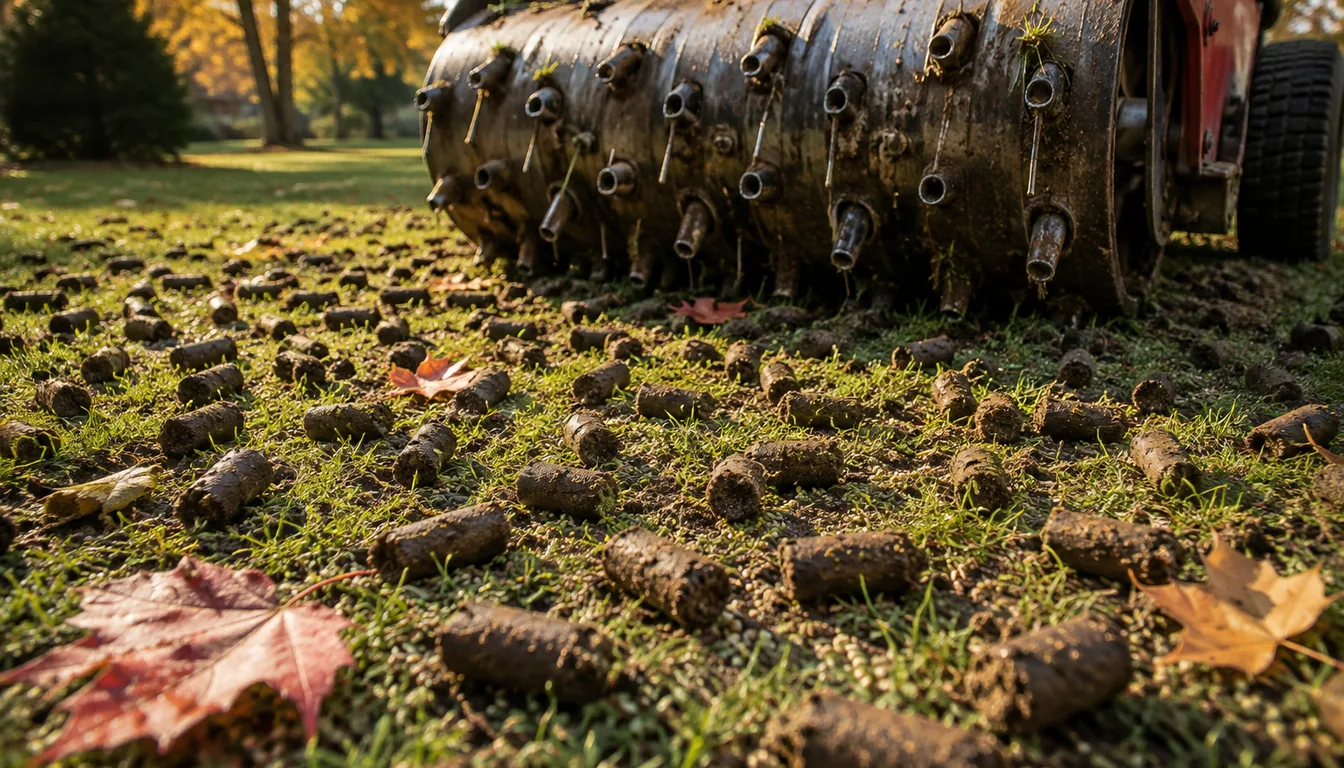
Best Time to Aerate and Overseed for a Thicker Lawn
Most lawns never reach their potential because aeration and overseeding happen at the wrong time.
11 min read
Best Time to Overseed a Northeast Lawn for Thick Turf
Overseeding in the Northeast is all about catching that short window when soil is warm, air is…
11 min read
Can You Overseed a Lawn Without Aerating It First?
Thin turf and bare patches do not always mean you need to rent an aerator.
11 min read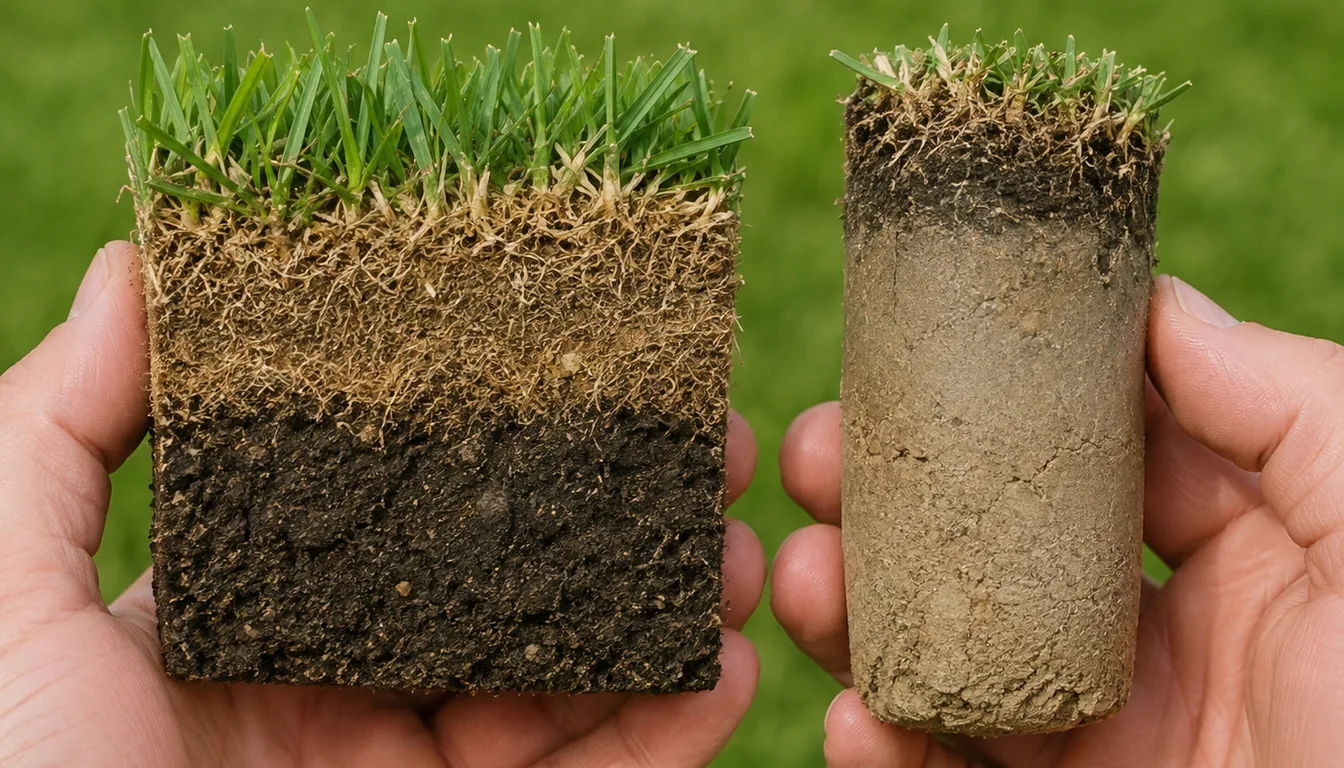
Dethatching vs Aerating: Which Does Your Lawn Need?
Choose dethatching when a measured layer of thatch has become excessive.
16 min read
How Long After Planting Grass Seed Can You Walk On It Safely
Most new lawns fail not from bad seed, but from feet, paws, and mower wheels showing up too soon…
11 min read
How to Fertilize a Lawn Without Burning It
Those yellow stripes and crispy patches after fertilizing are almost always user error, not bad…
14 min read