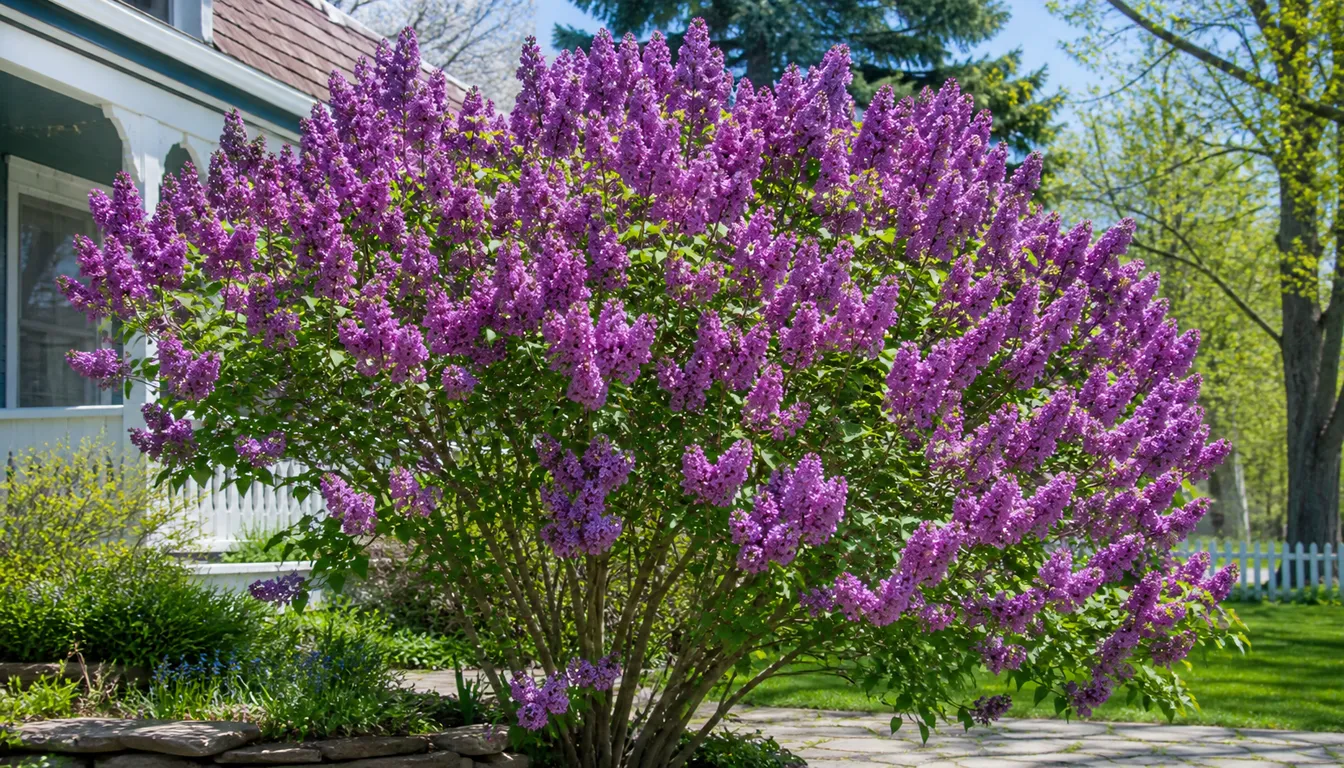
Lantana vs Verbena
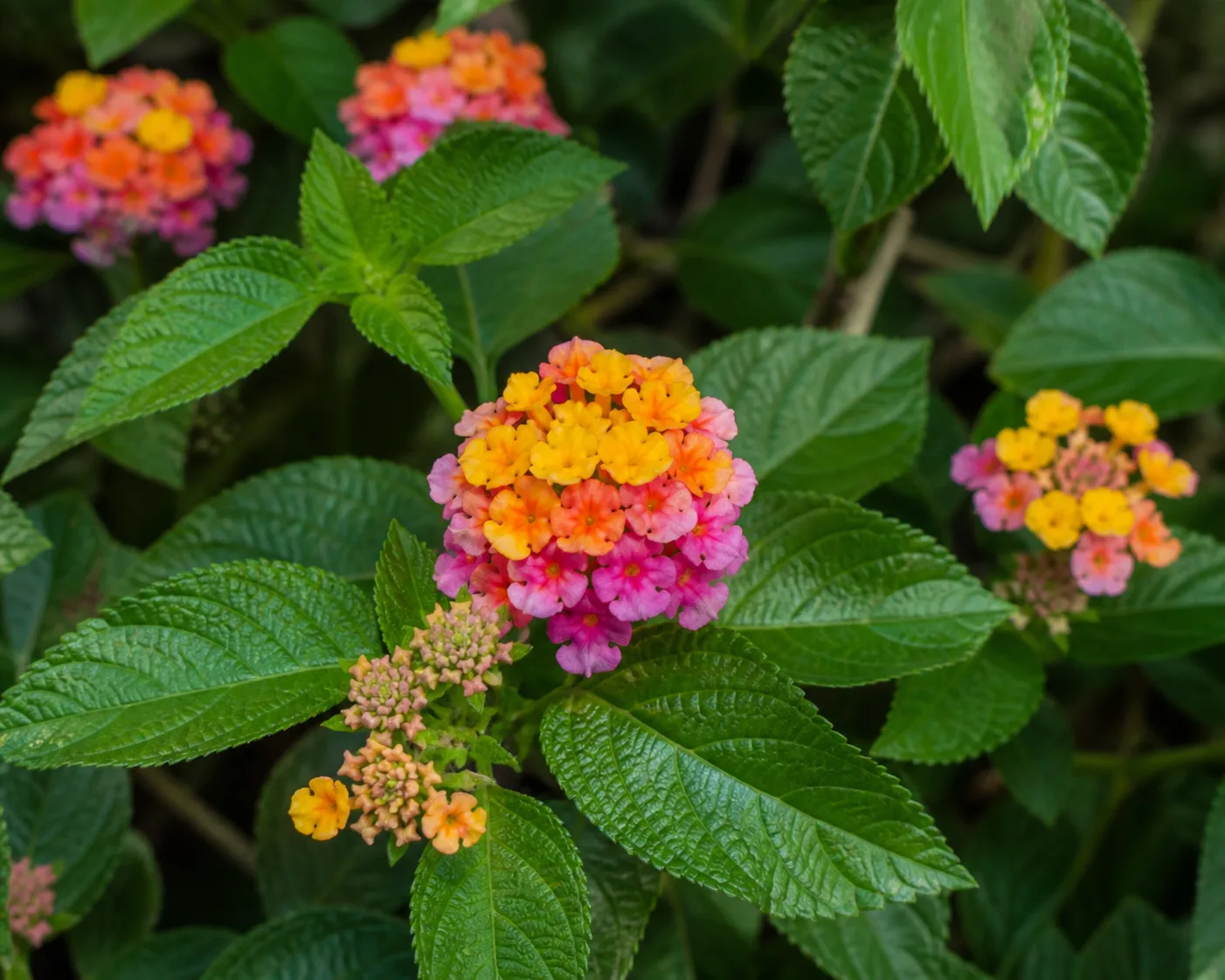
Lantana is useful for hot, sunny sites when the exact cultivar is suitable locally. Garden hybrid verbena offers mounding and trailing choices for beds and containers. Neither is defined by one size or watering schedule, and this comparison does not establish verbena as a pet-safe substitute.
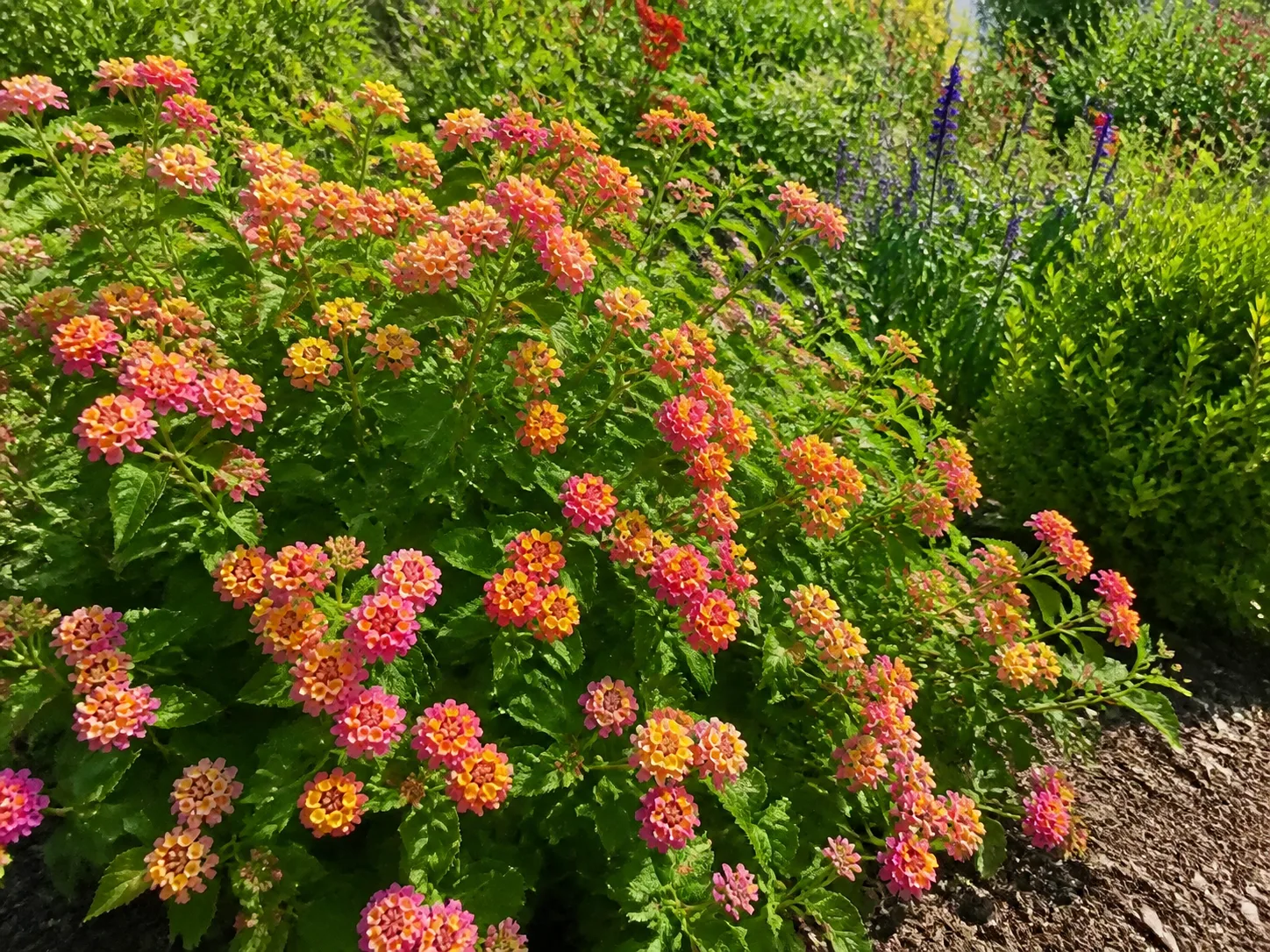
Lantana
Lantana camara
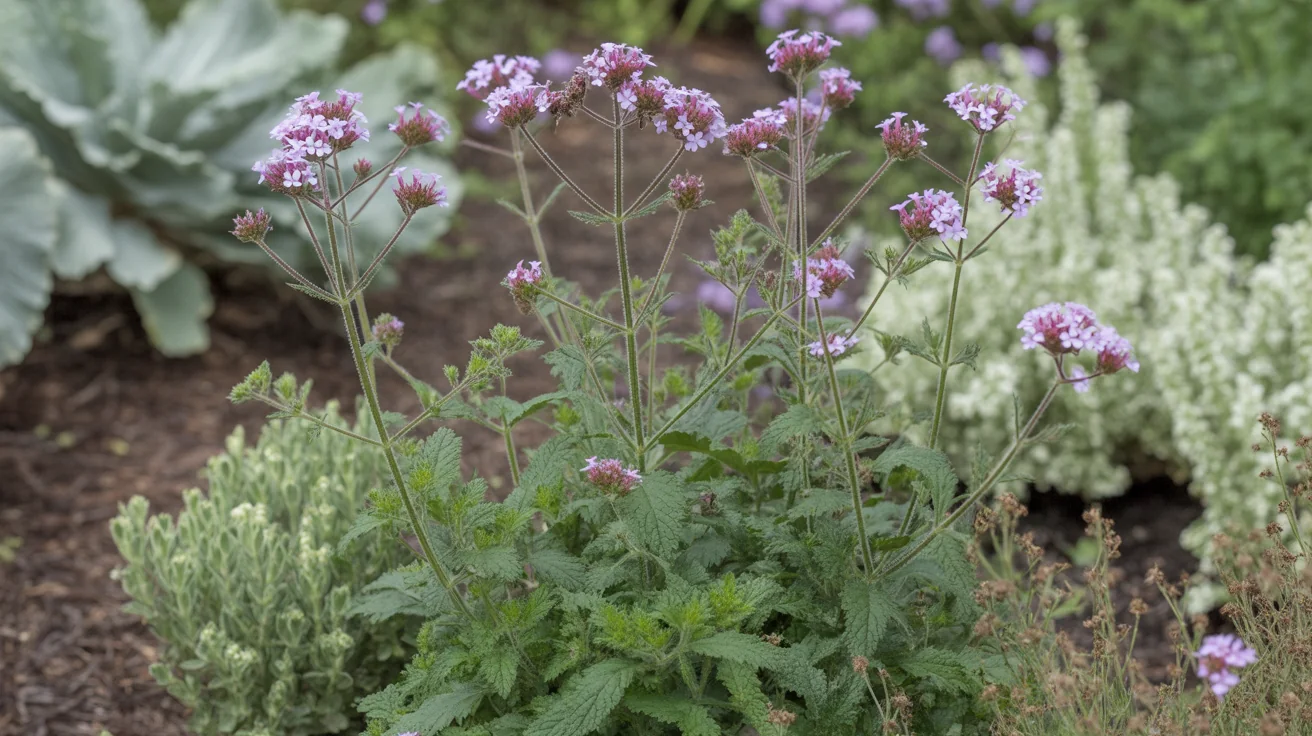
Verbena
Verbena × hybrida, garden hybrids
Lantana and garden verbena both carry clusters of small flowers, but the shared appearance hides important differences in growth and plant selection. Lantana can develop woody stems and a spreading shrub shape. Garden hybrid verbenas include compact mounds and trailing forms, with cultivar differences in heat and mildew performance.
Here, verbena means the bedding hybrids usually labeled Verbena × hybrida, rather than every plant sold as verbena. A tall species, a low bedding hybrid and a trailing basket cultivar do not fill the same space. The plant label needs to match the intended role before a comparison of care becomes useful.
Specifications
Compare the traits that change the growing decision.
| Feature | Lantana | Verbena |
|---|---|---|
| Plant group in this comparison | Common ornamental lantana and its named cultivars | Garden hybrid verbena |
| Growth habit | Woody, mounding or spreading; compact cultivars exist | Mounding, trailing or upright hybrid forms |
| Flowering site | Full sun with well-drained soil | Full sun with well-drained soil |
| Dry weather | Established plants tolerate drought; flowering benefits from water | Established plants have some drought tolerance; pots still need monitoring |
| Winter return | Depends on the lantana cultivar and climate | Often grown as an annual; exact selection matters |
| Selection concern | Local invasive assessment and animal access | Correct hybrid identity, habit and disease performance |
Best Use Cases
Choose by the job the planting needs to do.
A hot, sunny bed with room to spread
Lantana’s heat and drought tolerance can be useful after establishment. A new transplant still depends on moisture in its small root ball.
The choice also needs to clear local invasive concerns. Flower color does not identify a sterile or locally recommended cultivar.
A planter edge or hanging basket
A trailing form can carry flowers over the edge without requiring a woody shrub shape. Upright and spreading hybrids are different options, so the cultivar description matters.
Compact lantanas also exist. The fair comparison uses the expected size of both candidates and the container’s available rooting space.
A bed where animals chew plants
ASPCA lists Lantana camara as toxic to dogs, cats and horses. Keeping animals away from the planting is a material part of its suitability.
The sources used here do not establish non-toxicity for garden hybrid verbena. Missing evidence cannot make it the automatic safety winner.
The cultivar determines the shape you maintain
NC State describes compact lantana groups as well as much larger selections. Its ‘New Gold’ example is low-growing but can spread about 6 feet wide, while ‘Radiation’ can become a large shrub. Low height and limited spread are therefore separate traits.
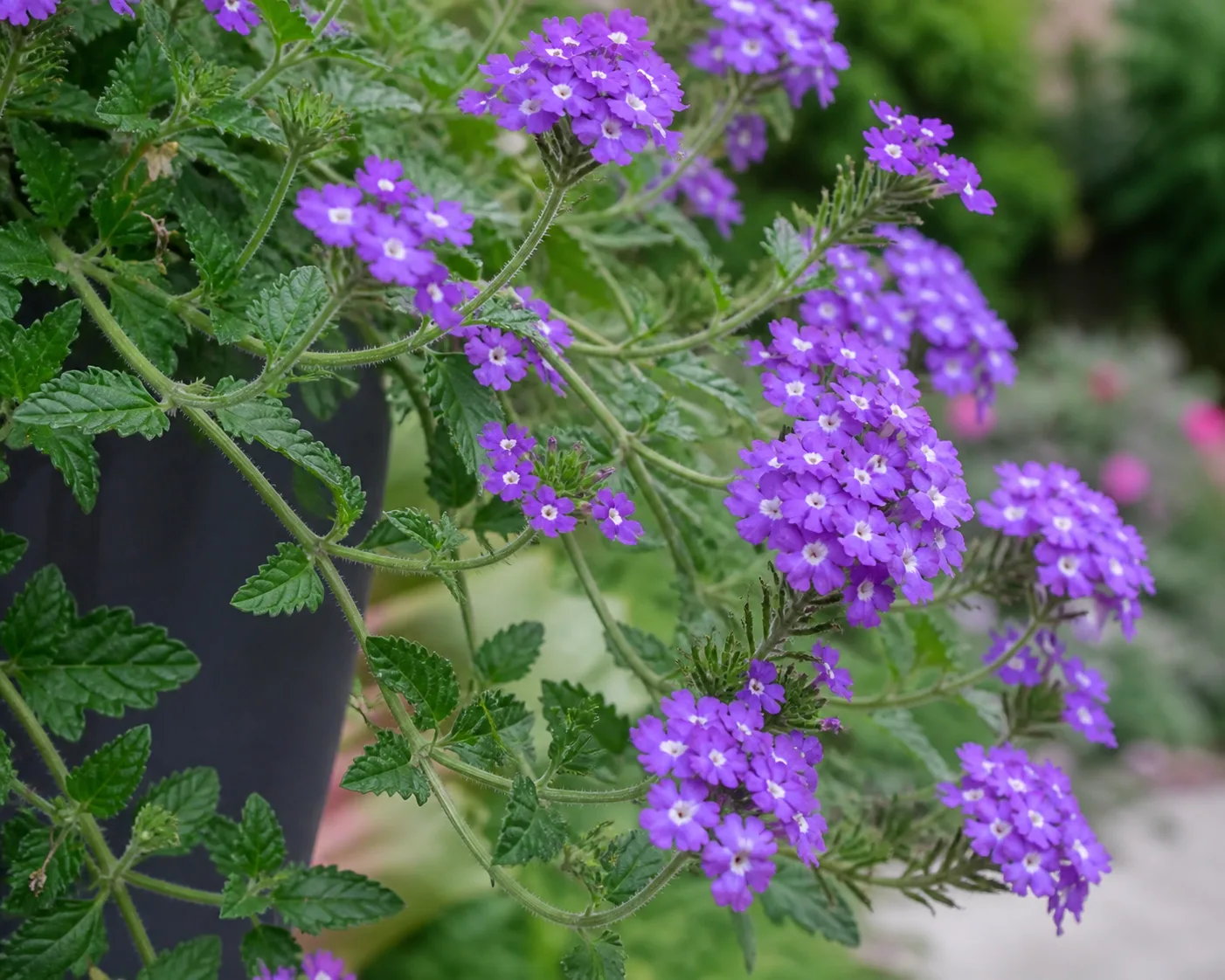
Garden verbena also varies. A plant selected to trail over a basket edge behaves differently from one intended to form an upright mound. The appearance of a young, tightly grown nursery plant may not show how far its stems will extend later in the season.
For a mixed container, the relevant choice is whether each plant has room to develop without covering its neighbors. For an in-ground bed, access and mature width matter as well as height. Repeated clipping can manage growth, but selecting an appropriate habit reduces the need for correction.
Drought tolerance does not remove the need for establishment water
Both plants flower best in full sun. Describing garden verbena as a plant for a lightly shaded afternoon bed simply because lantana tolerates heat creates a misleading choice. Heat-tolerant verbena selections exist, and cultivar performance in the local climate is more informative than a blanket ranking.
An established in-ground root system can use a larger volume of soil than a new transplant. Until roots extend beyond the original root ball, even a drought-tolerant plant can dry quickly. The same limitation persists in a pot, where the available water is bounded by the container.
UF/IFAS notes that lantana flowers more with regular water even though it tolerates drought. NC State describes established garden hybrids as fairly drought-tolerant too. Those descriptions do not establish a fixed difference in irrigation cycles or water bills between two particular plants.
Well-drained soil remains important for both. Giving a struggling plant more water without checking the rooting conditions can worsen saturation, and overwatering can cause root rot in garden verbena. Wilting alone is not a complete watering diagnosis.
Winter survival and summer appearance are separate questions
Lantana can be perennial in a suitable warm climate, but hardiness varies among selections. NC State notes that cultivars such as ‘Miss Huff’ perform differently from less hardy types in its Piedmont region. That regional example does not prove that every lantana returns after the same winter.
Garden hybrid verbenas are commonly grown as annuals. Their heat tolerance, mildew resistance and growth habit still vary by selection, so one tired plant does not establish a limitation of the whole group. Local trials or the named cultivar’s description are useful when repeat performance matters.
Deadheading and occasional trimming can help maintain a flowering display, but they are different from pruning a woody plant to control its size. A fixed promise of two cuts for one plant and five for the other has little value without a specific cultivar, climate and desired outline.
Both can attract pollinators. The available sources do not support ranking them by visitors per square foot, so the practical aim is healthy flowering plants suited to the site rather than an invented ecological score.
Sterile lantana and pet safety are different questions
Florida guidance uses Lantana strigocamara for the common non-native lantana that it does not recommend because of invasiveness. That name differs from the Lantana camara label often used in horticulture. The Florida assessment applies to the identified plant and place, rather than establishing the same rule for every member of the genus everywhere.
UF/IFAS identifies sterile alternatives, including ‘Bloomify Red’, ‘Bloomify Rose’ and ‘Luscious Royale Red Zone’. These are named selections with evidence about reproduction. A flower that looks similar is not evidence that an unlabeled plant is sterile.
Sterility does not remove toxicity. UF/IFAS still warns about animal exposure to sterile lantana. ASPCA’s Lantana camara record lists toxicity to dogs, cats and horses, with serious illness possible. If ingestion is suspected, contact a veterinarian or an animal poison service promptly.
No source used here establishes garden hybrid verbena as non-toxic to those animals. It remains an unverified option for that specific safety question, even when its size and flowering habit suit the bed. A plant chosen for an animal-accessible area needs its own correctly identified safety evidence.