
What's Celery? How to Grow Crisp Stalks Without Stringiness
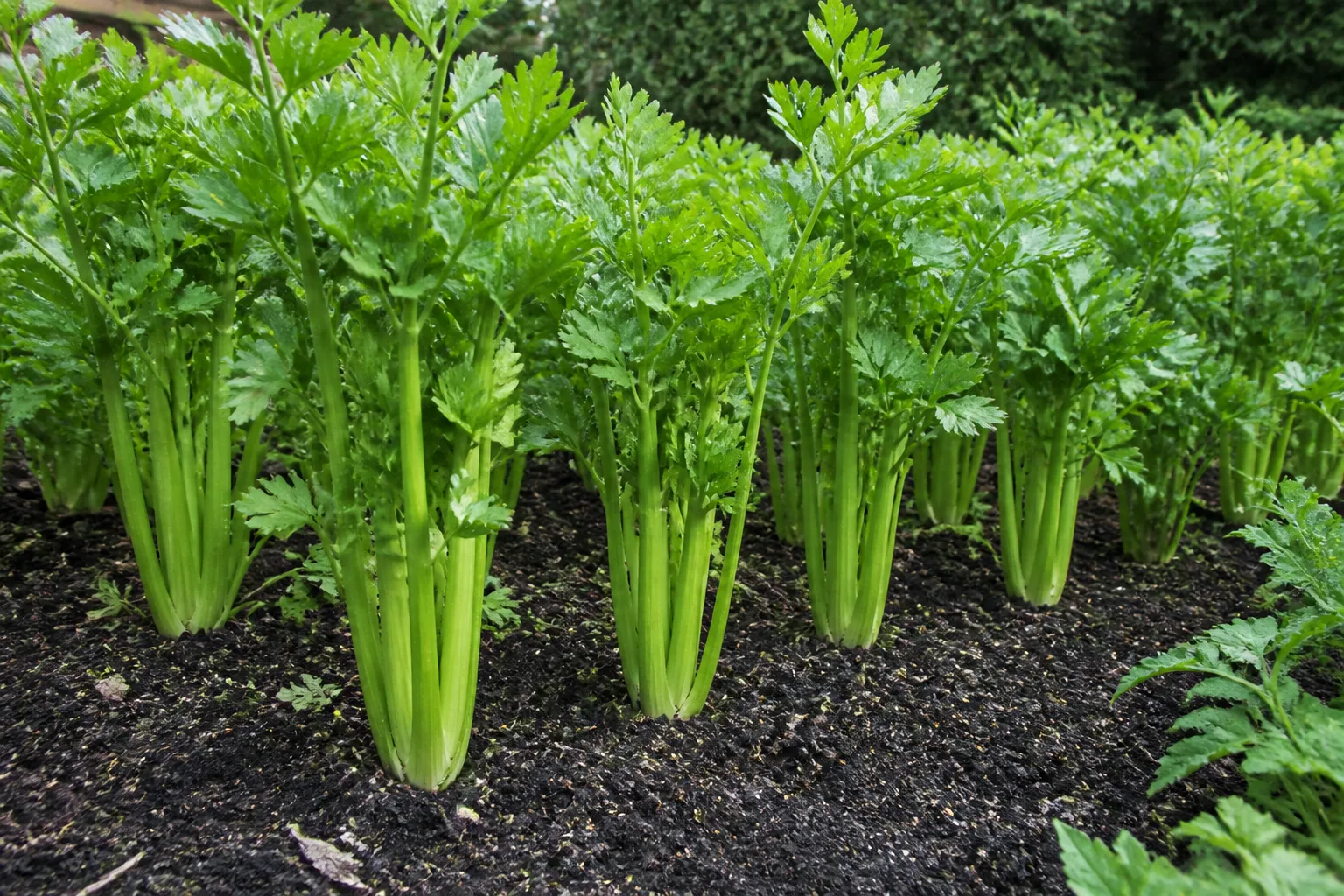
Celery is a long, cool-season crop that only tastes worth the bed space when you protect moisture from transplant to harvest. Shallow roots, steady feeding, and weather timing matter more here than they do for quick spring crops.
Why Does Celery Seed Take So Long to Germinate?
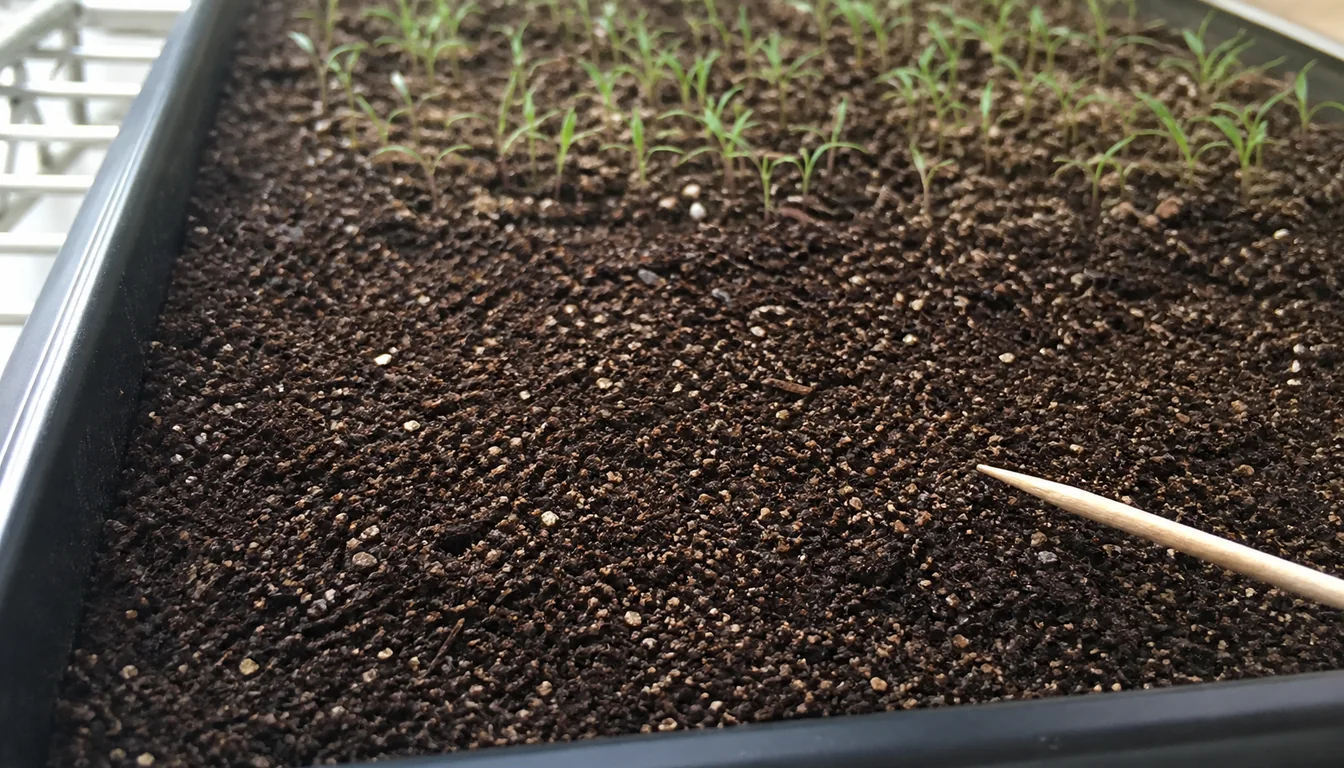
Celery seed is slow, tiny, and easy to bury too deeply. Press it onto damp seed-starting mix so light can reach it, then keep the surface humid without leaving the tray waterlogged.
Most trays take 14-21 days to germinate at about 70-75 F. A clear cover slows surface drying, but remove it as soon as seedlings emerge so stale air does not invite damping-off.
Celery recovers from an early stall more slowly than lettuce. Seedlings that lose time indoors often make thinner stalks and meet hot weather before the plant has sized up.
The first seedlings are finer than most vegetable starts and need bright light close above the tray. Thin crowded cells early, then pot up once plants have several true leaves and can be handled without crushing the stems.
- Moisten fine mix before sowing so tiny seed does not wash into cracks.
- Surface-sow, press lightly, and mist instead of covering with soil.
- Give emerging seedlings bright light and gentle airflow.
- Harden plants off gradually before they enter cool outdoor weather.
When Should You Start Celery for Cool Weather?
Celery usually disappoints when we treat it like a quick spring sowing. The plant wants months of cool, even growth, so the real job is building a calendar that protects it from heat and drought instead of simply finding an empty bed.
Celery is Apium graveolens, a biennial in the Apiaceae family that gardeners usually grow as an annual for its thick leaf stalks.
Its shallow roots and long cool-season growth explain why steady moisture matters from transplanting through harvest.
In Zone 3-5, that usually means starting seed indoors 10-12 weeks before the last frost and setting out sturdy transplants once hard freezes are done. In Zone 8-10, the better crop often runs through fall and winter, much like broccoli rather than a summer vegetable.
Full-size stalk celery typically needs 85 to 120 days from transplant to harvest, which is part of why gardeners in short-season climates lean on faster self-blanching types instead of the biggest traditional varieties.
Cold-winter zones
- Start seed indoors 10-12 weeks before last frost.
- Transplant after hard freeze danger passes.
- Treat summer heat as the finish line, not the middle of the crop.
Mild spring zones
- Use the longest cool spring window you can protect.
- Mulch early so shallow roots do not dry fast.
- Plan harvest before sustained 80 F weather.
Warm-winter zones
- Plant for fall through winter instead of late spring.
- Use summer to prep soil and irrigation.
- Treat celery more like broccoli season than tomato season.
Which Celery Type Should You Grow?
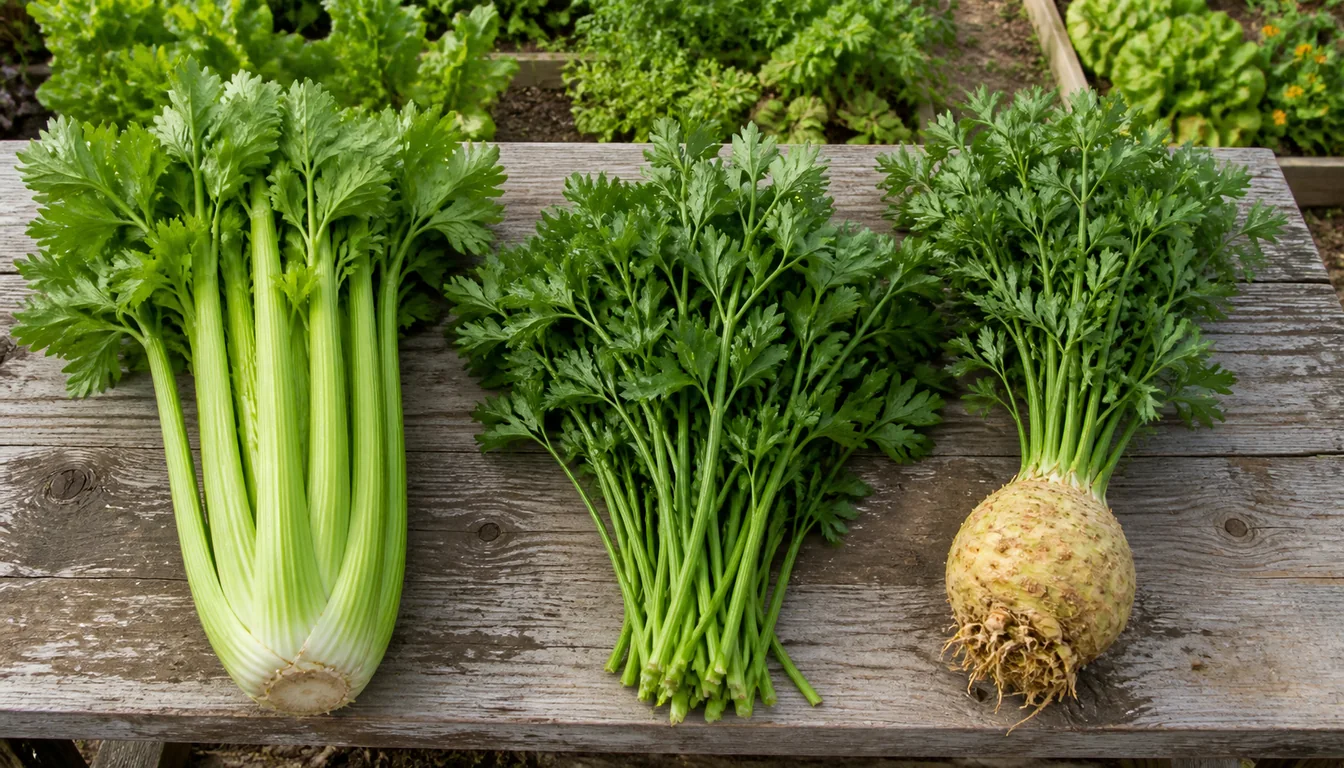
Gardeners who want thick ribs for fresh eating should buy stalk types, while gardeners who mostly want flavor for soup and stock often do better with cutting celery.
Short-season gardens get less forgiveness, so self-blanching or faster stalk strains make more sense there. Hotter regions can also lean toward leafier cutting types, especially if the alternative would be fighting summer stress on a full-size stalk crop.
If your cooking only needs a handful of chopped leaves at a time, parsley may cover that job with less effort. Grow full stalk celery when you truly want bundles, crunch, and the stronger flavor that comes from a real head.
Celeriac is the same species grown for a swollen root instead of stalks, and confusing the two at the seed rack wastes a whole season if you actually wanted crisp stems.
- Stalk celery
- Best for full ribs and fresh eating; wants the longest cool run and the steadiest moisture.
- Self-blanching types
- Helpful in shorter seasons because stalks pale more easily and finish a little faster.
- Cutting celery
- Produces many smaller stems and aromatic leaves; easier where heat makes big stalks hard to finish.
- Slow-bolt selections
- Worth the extra cost where warm spells arrive early and push spring crops too fast.
How Do You Keep Celery Roots Cool and Moist?
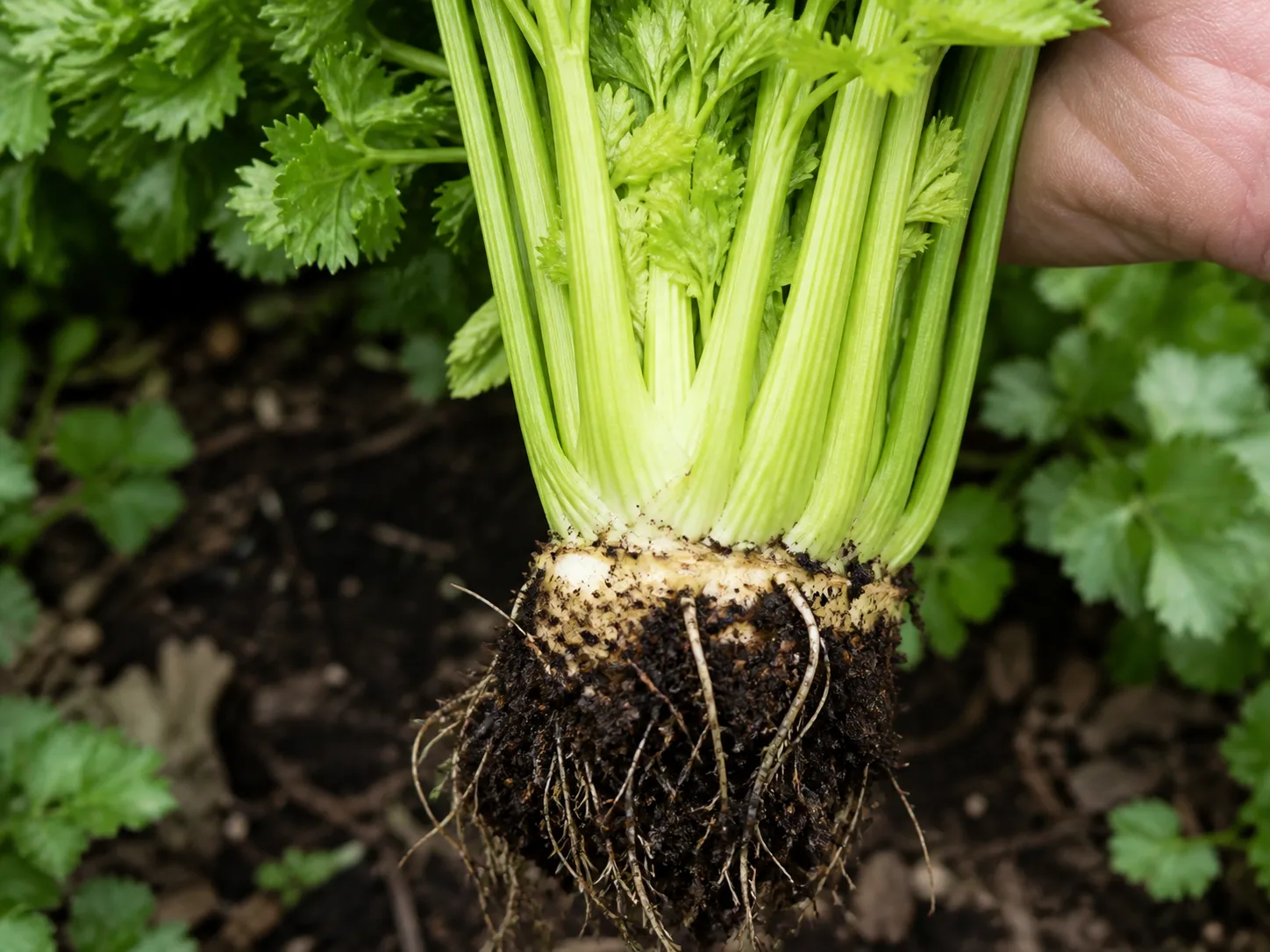
Celery roots sit close to the surface, so the top part of the bed does almost all the work. That means compost, mulch, and irrigation matter more here than they do for crops that can chase water deeper.
The loose soil texture that suits carrots also lets celery roots spread, but celery needs more moisture retention. Add enough organic matter for the bed to stay damp between waterings.
Raised beds and fabric grow bags dry out much faster than in-ground rows, so a number like 1-1.5 inches of water per week is only a starting point. Water more often in hot wind, then ease back during cool, cloudy stretches when rain covers part of the crop's demand.
Drip irrigation keeps the bed steadier than overhead bursts. If celery shares a mixed bed with cucumber vines, do not assume both crops want water on the same schedule, since celery usually needs the more careful line.
- Check moisture 2 inches down instead of judging the dusty surface.
- Mulch with 2-3 inches of straw or shredded leaves after transplants settle in.
- Water long enough to soak the root zone, not just darken the crust.
- Feed with compost or diluted fertilizer before plants look pale and stalled.
Should You Blanch Celery Stalks?
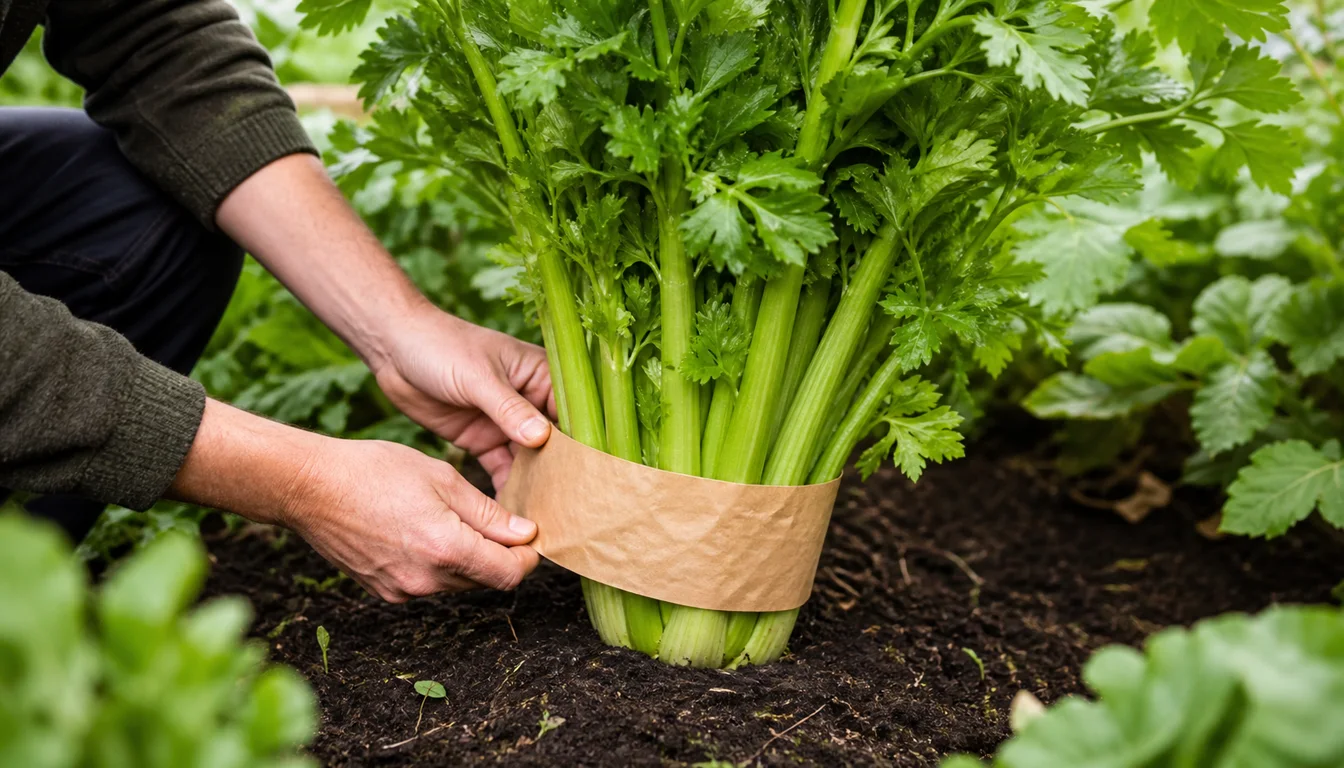
You do not need to blanch celery, but shading the stalks for the final one to two weeks can make strongly flavored varieties milder and paler. Blanch only after the plant has grown well because shading cannot repair stringiness caused by heat, crowding, or dry soil.
Space most plants about 6-10 inches apart so the heart keeps building without turning crowded and stringy. When a bed is packed tighter than that, you often get narrow ribs and more trapped moisture inside the crown.
Cool climates can use full sun all season. Hotter gardens often get better eating quality with morning sun and light afternoon shade, especially when nearby beans or trellises can soften the late-day blast without throwing deep shade.
Use blanching only as a final quality adjustment after spacing, moisture, and cool weather have already produced healthy stalks.
Older gardening advice hills soil up around the stalks to blanch them, but paper collars or cardboard sleeves do the same shading job without packing wet soil against the crown, where it can trigger rot.
- Blanch only for the last 7-14 days if you want paler, milder stalks.
- Do not tie or wrap wet plants after rain; trapped moisture invites rot.
- Harvest before stalks turn coarse and before the center starts stretching upward.
What Causes Stringy Stalks, Hollow Centers, or Blackheart?
Stringy, bitter celery almost always points back to stress. Heat, uneven watering, or a stalled plant that sat too long in the bed changes texture first and flavor right after.
Pithy or hollow stalks show the same stop-start growth pattern in a different form. A dry week followed by a hard soaking can leave the plant alive but never truly crisp again.
Blackheart can hide inside a head that still looks healthy from the outside. The inner growth dies after erratic moisture interrupts calcium movement, and no late spray can restore tissue that has already turned dark.
A thirsty tomato may rebound after a hard wilt. Badly stressed celery often carries the damage into harvest as tougher texture and harsher flavor.
A cut cross-section separates blackheart from a pithy or hollow stalk. Blackheart leaves dead, dark tissue in the center, while stop-start growth creates pale, dry air pockets where juicy stalk tissue should be.
Cracked, rough stems point more strongly to boron shortage than to blackheart, since celery needs boron to build sound stalk tissue. Confirm a deficiency with a soil test before adding boron because the safe range is narrow and excess can injure the crop.
Pests and disease still matter, but they usually ride in after stress has already opened the door. Aphids hide in the folded center, slugs chew low stalks under mulch, and leaf spot shows up faster after evening overhead watering.
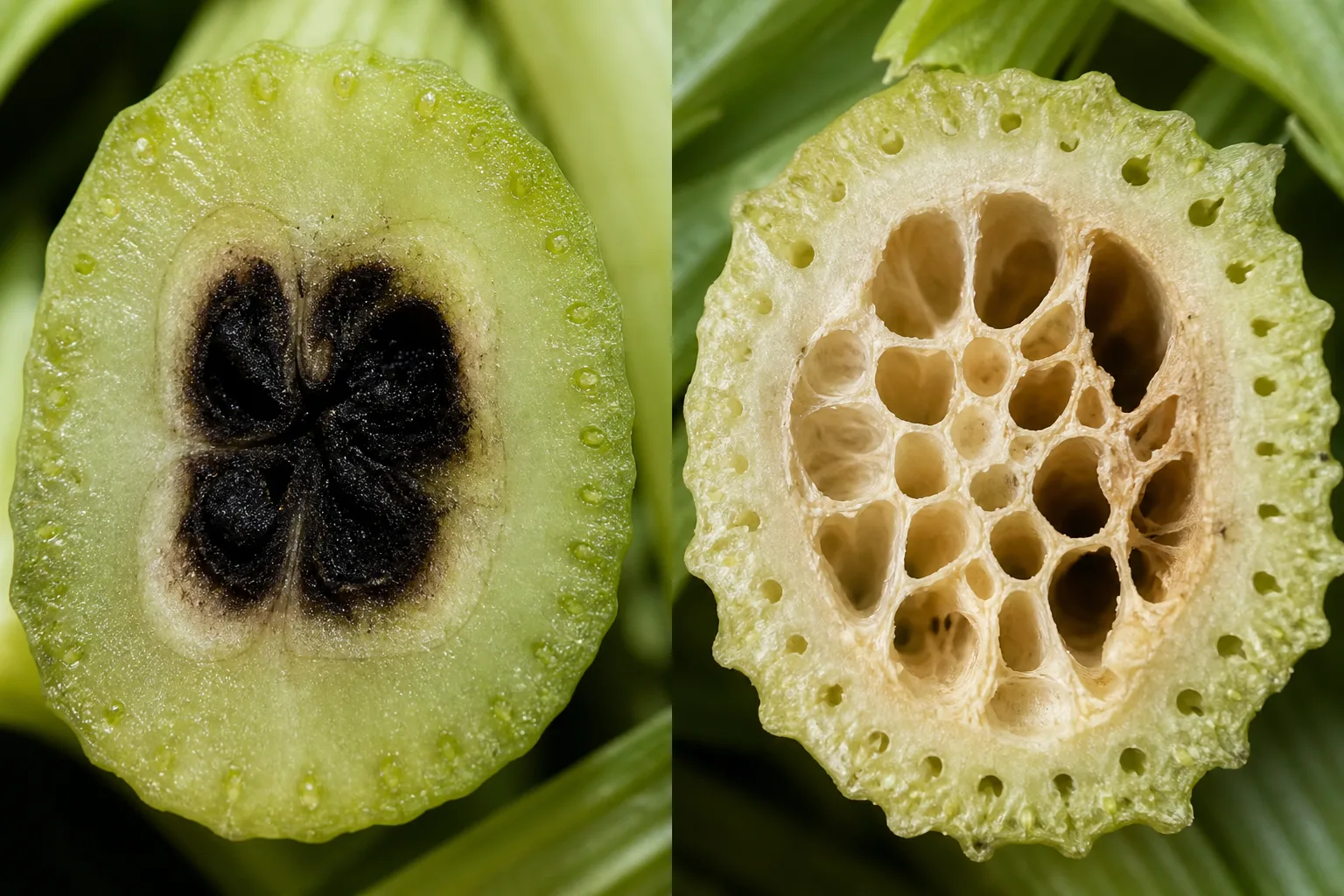
Usually heat plus uneven moisture; the plant kept growing, but not calmly enough to stay tender.
Stop-start growth from drought, crowding, or late feeding left the stalk full of air instead of juice.
The center died because erratic moisture broke calcium flow into new growth; outside leaves can still look fine at first.
When and How Should You Harvest Celery?
You do not have to pull the whole plant the first day it looks usable. Many gardeners cut the outer stalks first and let the center keep sizing for another round or two.
Whole heads make sense when the heart feels solid and the stalks are thick from base to tip. If a hot spell is coming, harvest early rather than waiting for a perfect size that will never improve.
Store stalks cold and loosely wrapped, but do not wash them days ahead and leave them wet. Extra surface moisture speeds decay, so rinse just before use or dry the stalks thoroughly before refrigeration.
Left in the ground through a mild winter, celery is naturally a biennial and will send up a flower stalk in its second year, and gardeners who let that happen can collect the seed heads for cooking or for next year's planting.
- Cut outer stalks first if the center is still sizing well.
- Take the whole plant before a heat spike if quality is already there.
- Trim only damaged leaves before storage so the head stays tighter in the fridge.
Can Celery Cause Allergy or Sap Reactions?
Celery allergies are real and sometimes severe, so this is not a crop to shrug off if someone in the house already reacts to it on the plate. Label freezer packs, soup stock, and chopped stalks clearly.
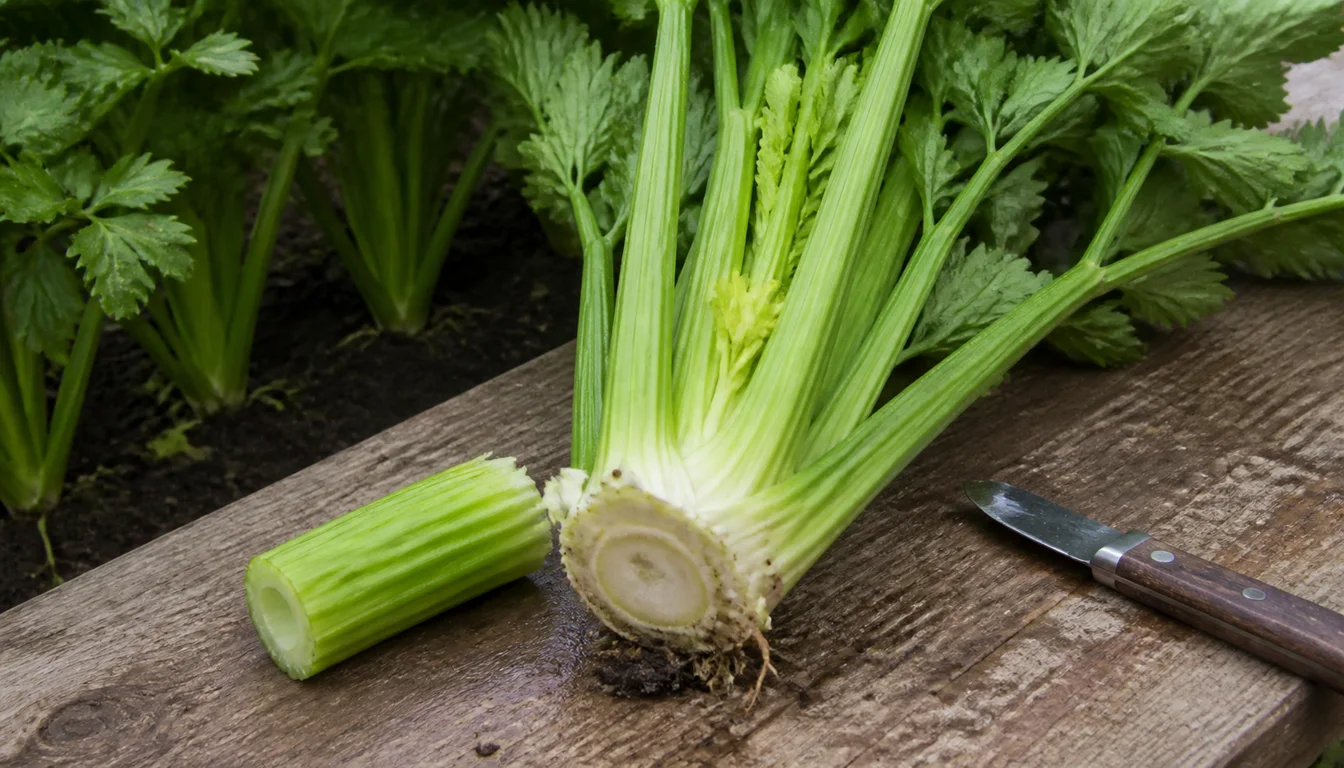
The sap can also irritate skin in bright sun. Gardeners who already react to daffodil sap or other strong plant juices should wear gloves, wash up after cutting, and avoid rubbing exposed skin before going back into sunlight.
The compounds responsible for that reaction are called psoralens, the same family of chemicals that make certain citrus peels and parsnip sap risky to handle in strong sun.
Frequently Asked Questions
Do I really need to start celery indoors?
In most climates, yes, since celery needs a long cool run and indoor starts give the plant enough time before heat arrives. Gardeners in warm winter zones can skip that and plant for a fall or winter crop instead.
Why are my celery stalks stringy instead of crisp?
Stringy stalks usually come from heat, uneven watering, or a plant that sat in the bed too long. Once stress changes the stalk texture, trimming the strings off will not fix it, since only rebuilding timing and moisture for the next round actually helps.
Is cutting celery easier than regular stalk celery?
Usually, yes. Cutting celery handles heat and imperfect conditions better because you are harvesting smaller stems and leaves instead of asking the plant to build one big crunchy heart.
Can I regrow celery from the kitchen base?
You can regrow some leaves from the cut base, but that is not the same as producing a full new head. It is a fun kitchen project, not a reliable way to replace a real garden crop.
How often should I water celery in a raised bed?
Water often enough that the top 2 inches never stay dry for long. In cool weather that may mean every few days, while in hot wind it may mean small, steady irrigation several times a week.
Sources & References
- Celery, University of Minnesota Extension
- NC State Extension Plant Toolbox: Apium graveolens (Celery)
- Celery, UC Davis Vegetable Research and Information Center
- Growing Celery in Home Gardens, University of Illinois Extension
- Celery, Missouri Botanical Garden Plant Finder
- Celery, Colorado State University Extension
Related Plants
Carrot
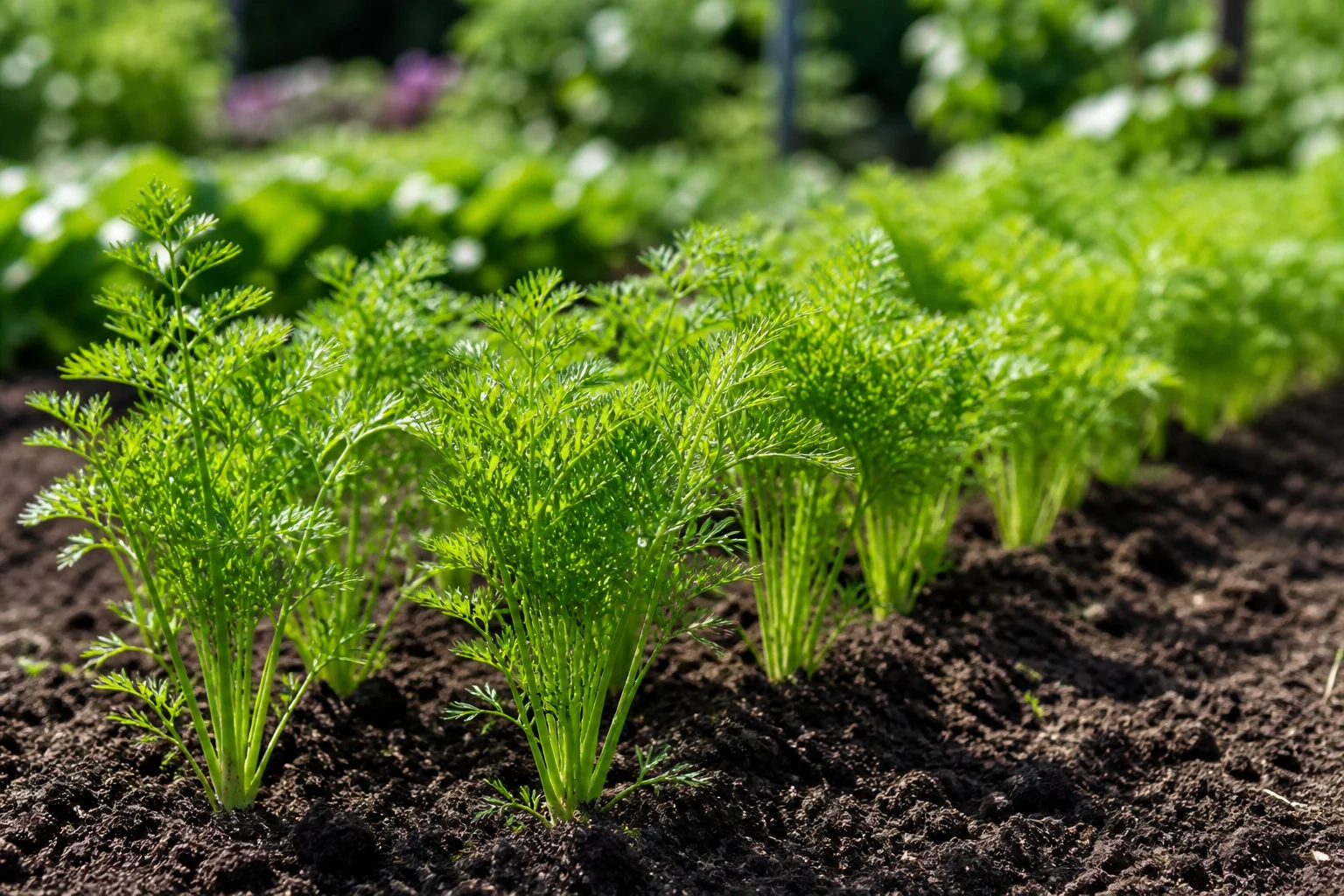
Another cool-season root crop from the Apiaceae family with similar soil preferences.
Parsley
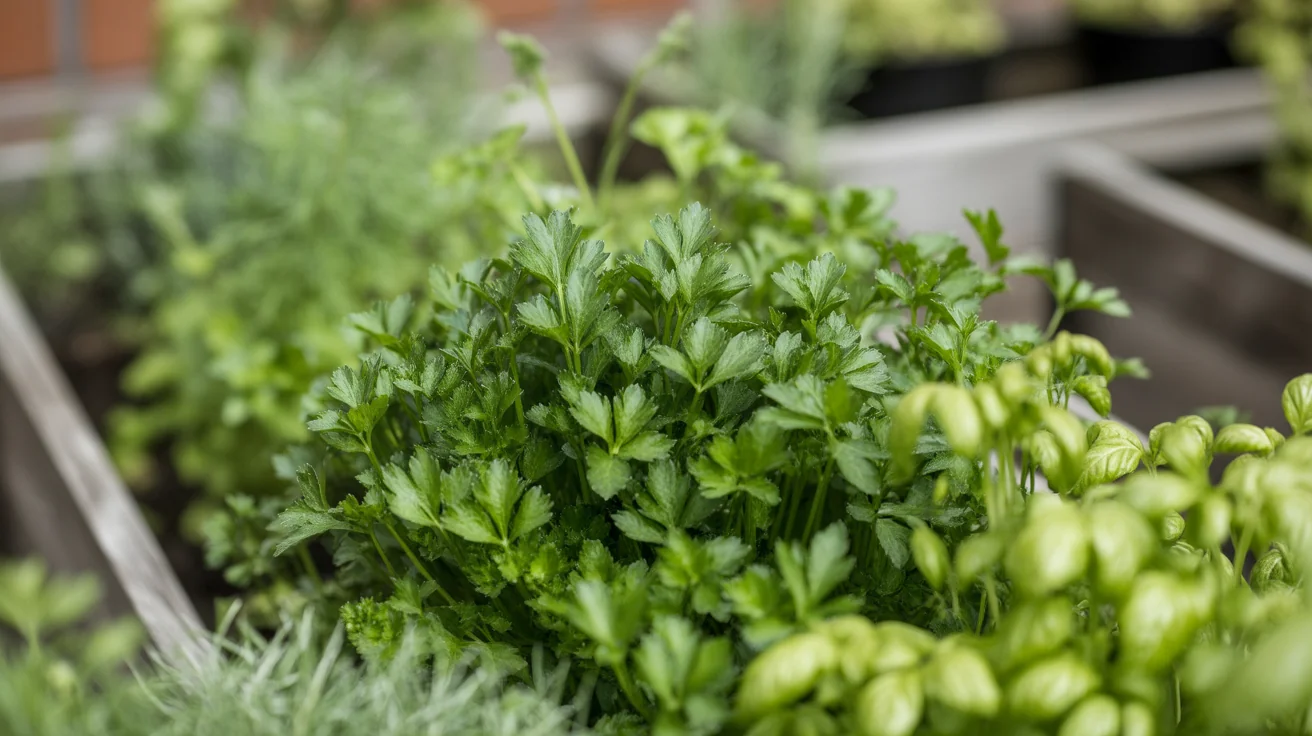
A leafy cousin grown for foliage, easier than celery but with related flavor notes.
Tomato
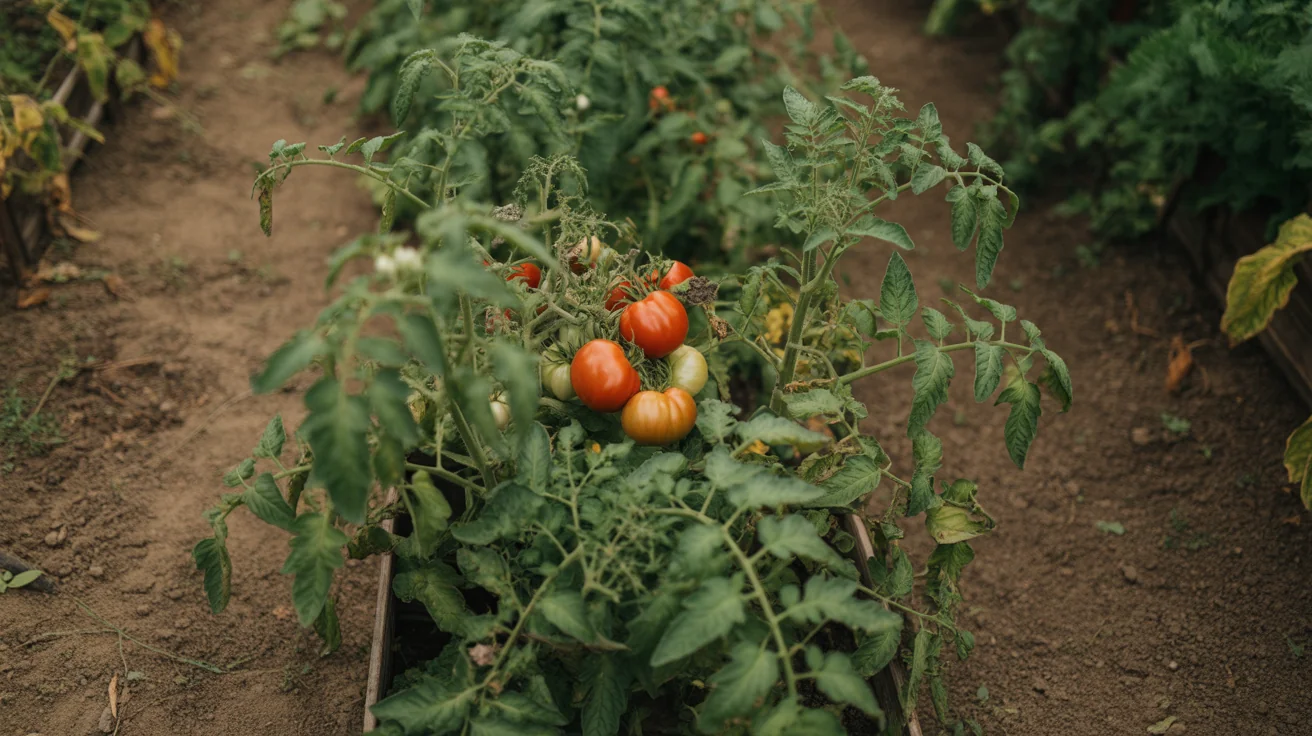
A warm-season favorite that often shares bed space with celery in mixed vegetable gardens.
Asparagus
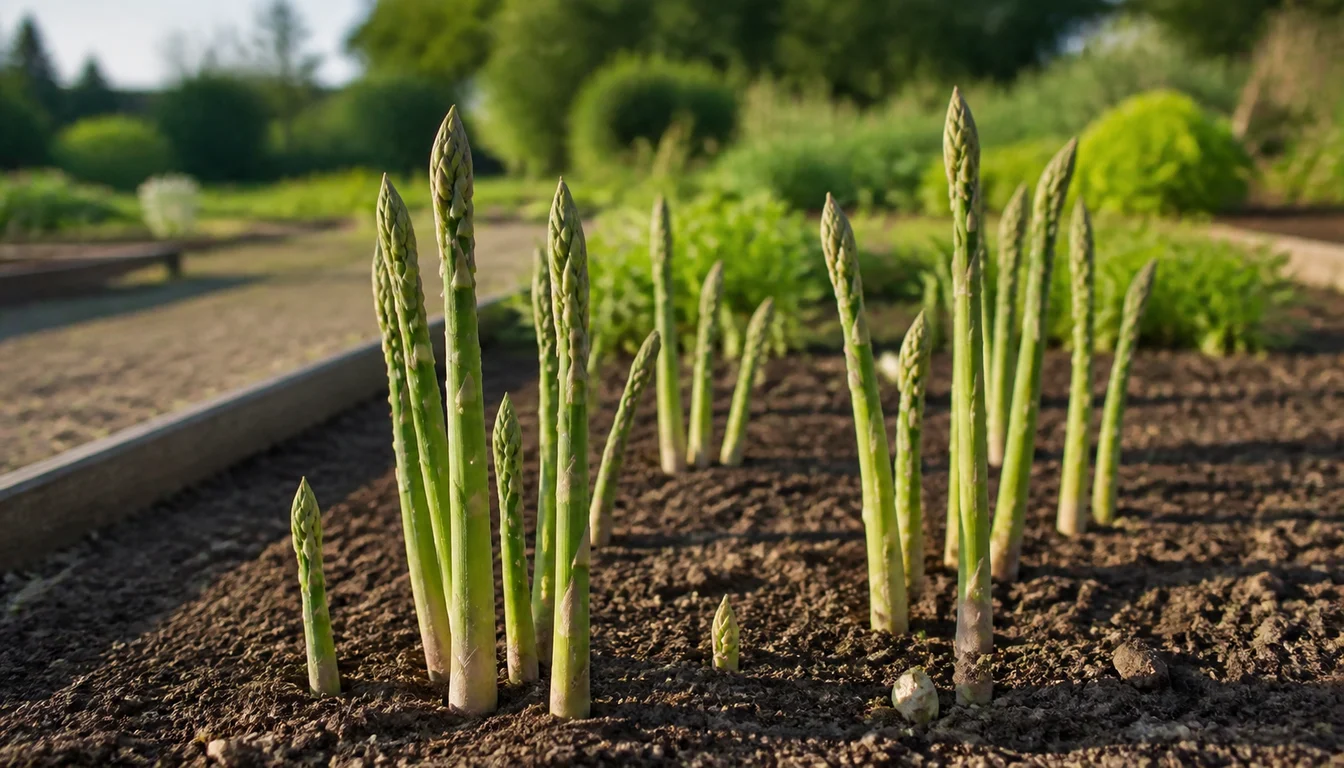
Asparagus rewards careful establishment with spring harvests for many years. Give the crowns a permanent sunny bed…
Beans
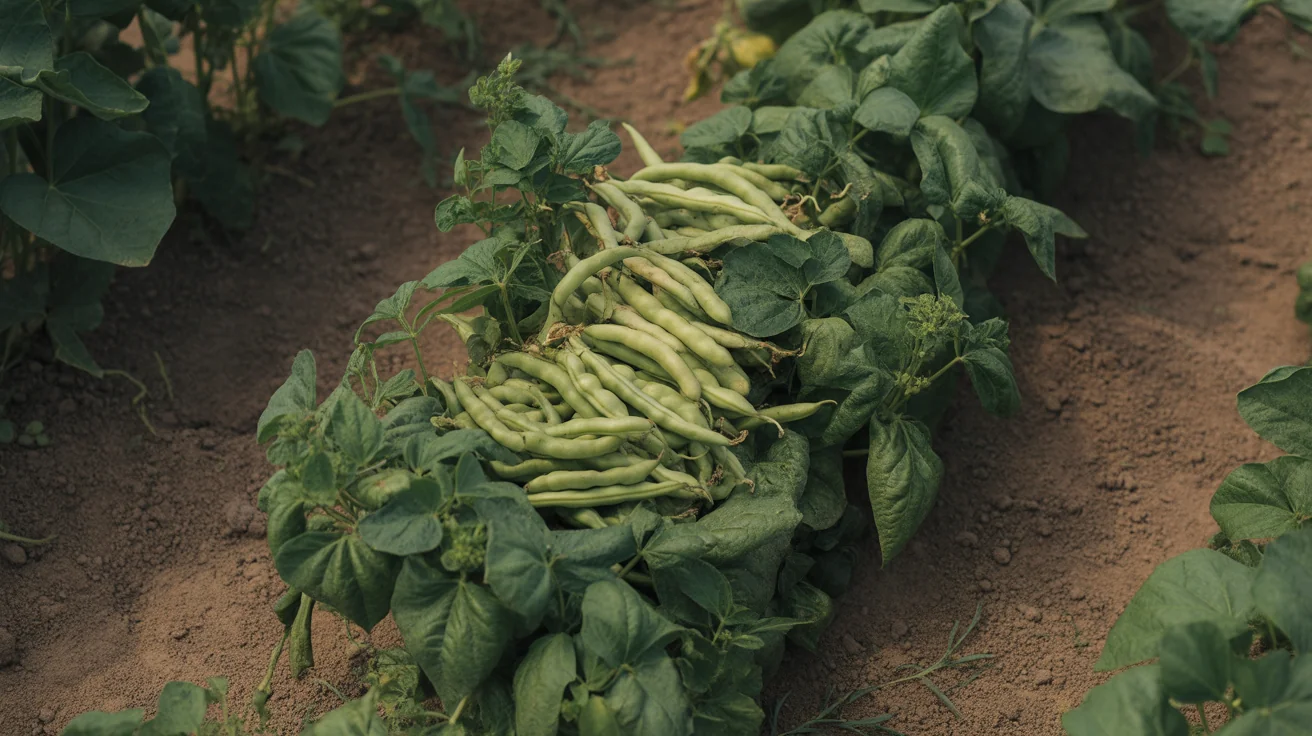
Beans come in two plants with different jobs, and choosing between a knee-high bush row and a 10-foot pole wall settles…
Beet
Beet care starts with one unusual fact. Each seed ball can make several seedlings, so the crop needs early thinning…