Care snapshot
- Light
- Varies by species, mostly shade
- Water
- Dry to wet by species
- Height
- 1 in to 3 or 4 ft
- Zone
- Zones 3 to 9 for the species below
- Spread
- 1 in to 2 ft, some spreading
- Temperature
- Can be sensitive to temperature fluctuations
How Can You Tell a Carex Sedge From a Grass?
Roll a flower stem between your fingers. A sedge stem is triangular in cross-section, so you feel three edges, while a grass stem is round (NC State), which is what the old rhyme "sedges have edges, rushes are round, grasses have joints" points at. The test is hardest on fine-textured species such as orange New Zealand sedge, where the triangular shape is difficult to spot until the flowering spike comes up in spring (University of Arkansas Extension).
Carex is a genus of about 2,100 species of grass-like perennials in the sedge family (Cyperaceae). Its name is Latin for "cutter," after the sharp, triangular stem edges found on most species.
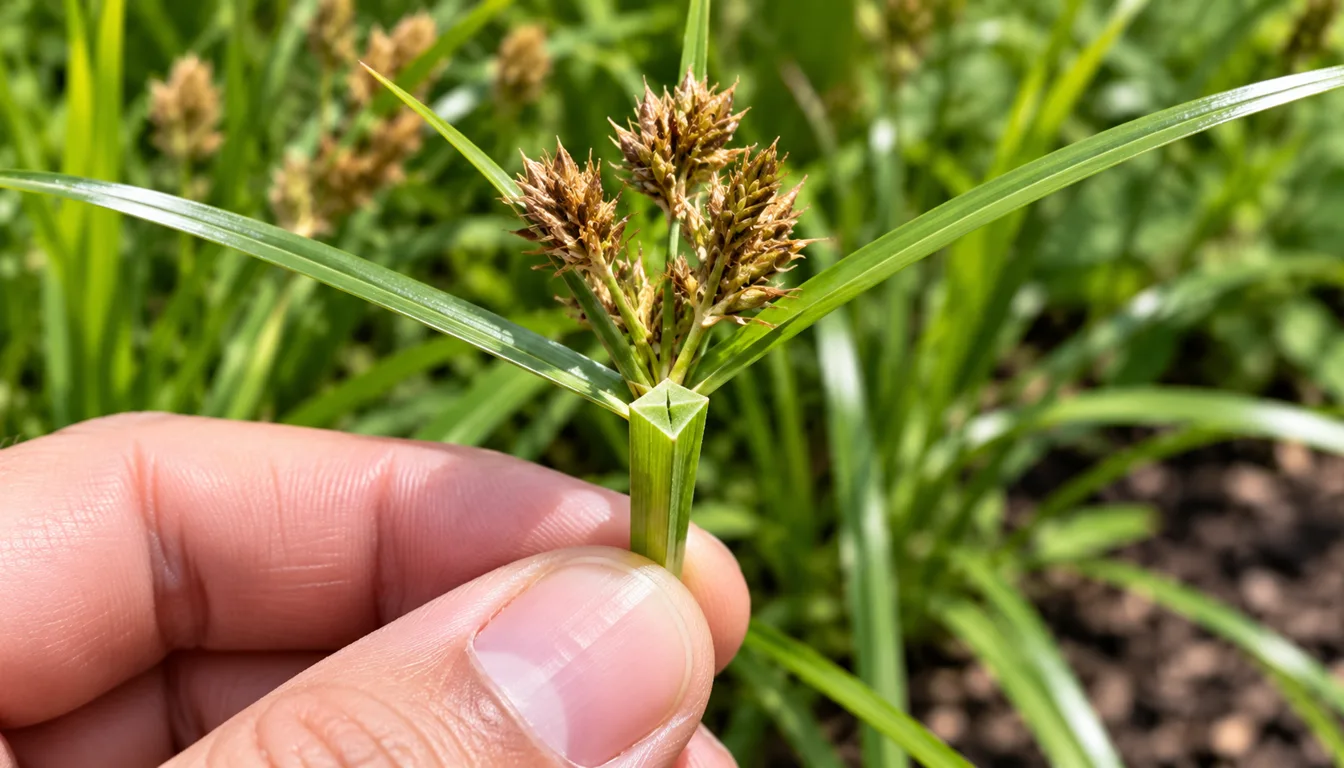
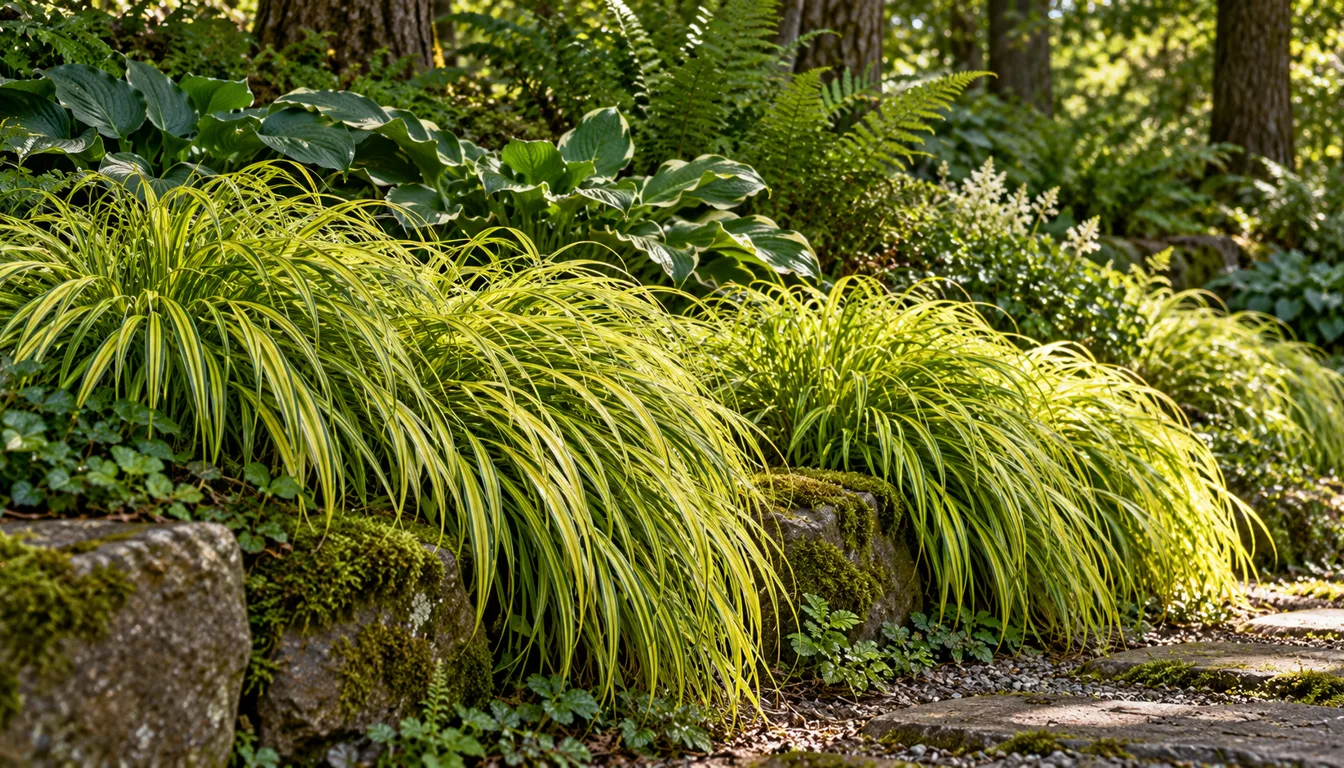
Once you know it is a sedge, the leaves and the habit narrow it down. The leaves are often folded along the midvein, and most species spread by rhizomes or stolons while some grow in tufts, so a spreading species fills in over time and a tufted one stays where you set it.
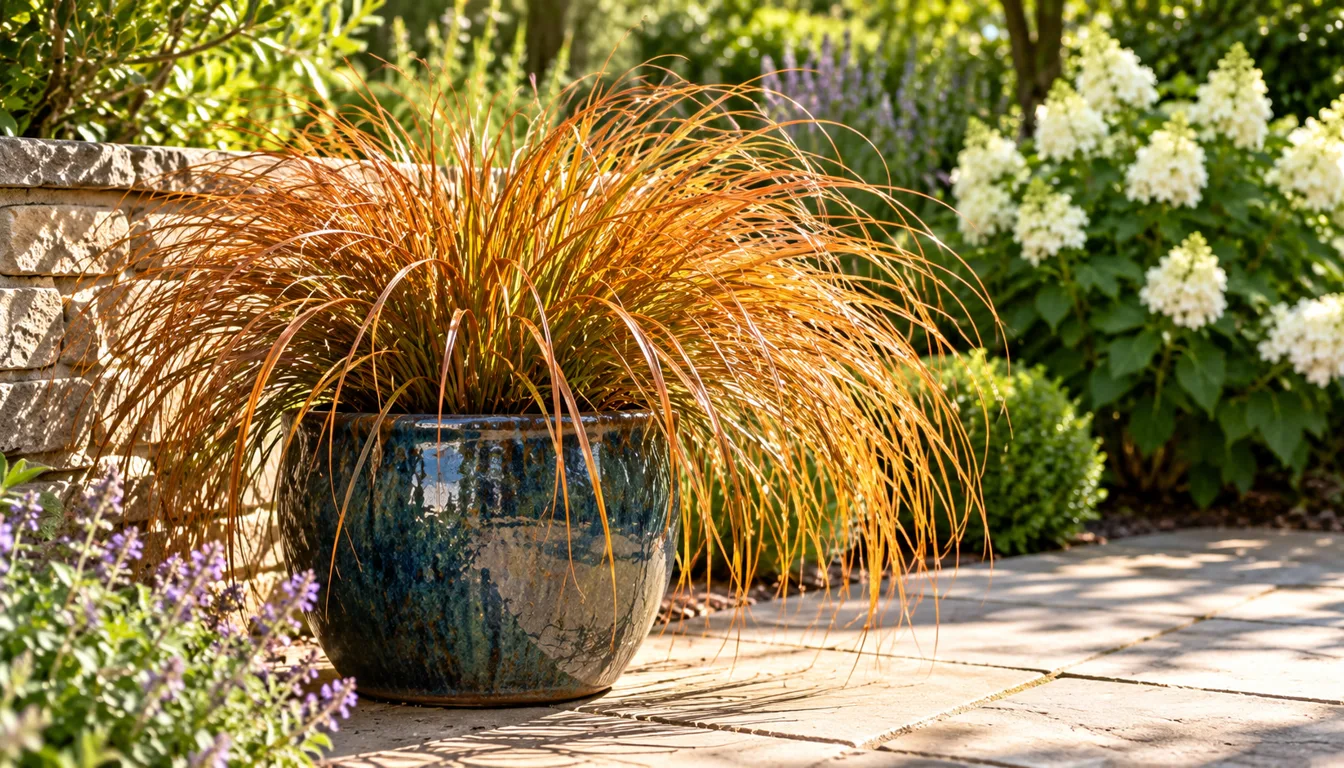
The flower spikes of orange New Zealand sedge are of little ornamental interest, and plantainleaf sedge is grown primarily for its foliage. NC State suggests planting sedges along a border front, in small groups, or in containers. Sedges are slow-growing, and plantainleaf sedge can be grown as a ground cover (NC State).
Which Sedge Fits Your Site?
Carex does not come with one set of conditions, because NC State says cultural conditions depend on the species, with some requiring full sun and others thriving in shade, and many doing well in shade gardens and rain gardens.
Plantainleaf sedge will not tolerate full sun no matter how moist the soil, while fox sedge and tussock sedge are listed for sun and wet soil, so the first step is to read your own light and moisture and then pick the species for the site.
- Pennsylvania sedge (C. pensylvanica)
- Native, 1 to 8 in, zones 3 to 8, a lawn alternative for dry to moist shade (NC State)
- Plantainleaf sedge (C. plantaginea)
- Native, 6 in to 3 ft, broad puckered leaves, moist humus-rich shade, no full sun or foot traffic, zones 3 to 8 (NC State)
- Fox sedge (C. vulpinoidea)
- Native clump former, 1 to 3 ft, full to part sun, wet to moderately wet soil (UT Extension)
- Tussock sedge (C. stricta)
- Native, 24 to 36 in, full sun, listed among the rain garden plants for soil that is always saturated (UMN Extension)
- Morrow sedge (C. morrowii)
- Japanese evergreen, 1 to 1.5 ft, zones 5 to 9, any light but full sun needs constant moisture, cream-edged forms like Ice Dance (NC State)
- Orange New Zealand sedge (C. testacea)
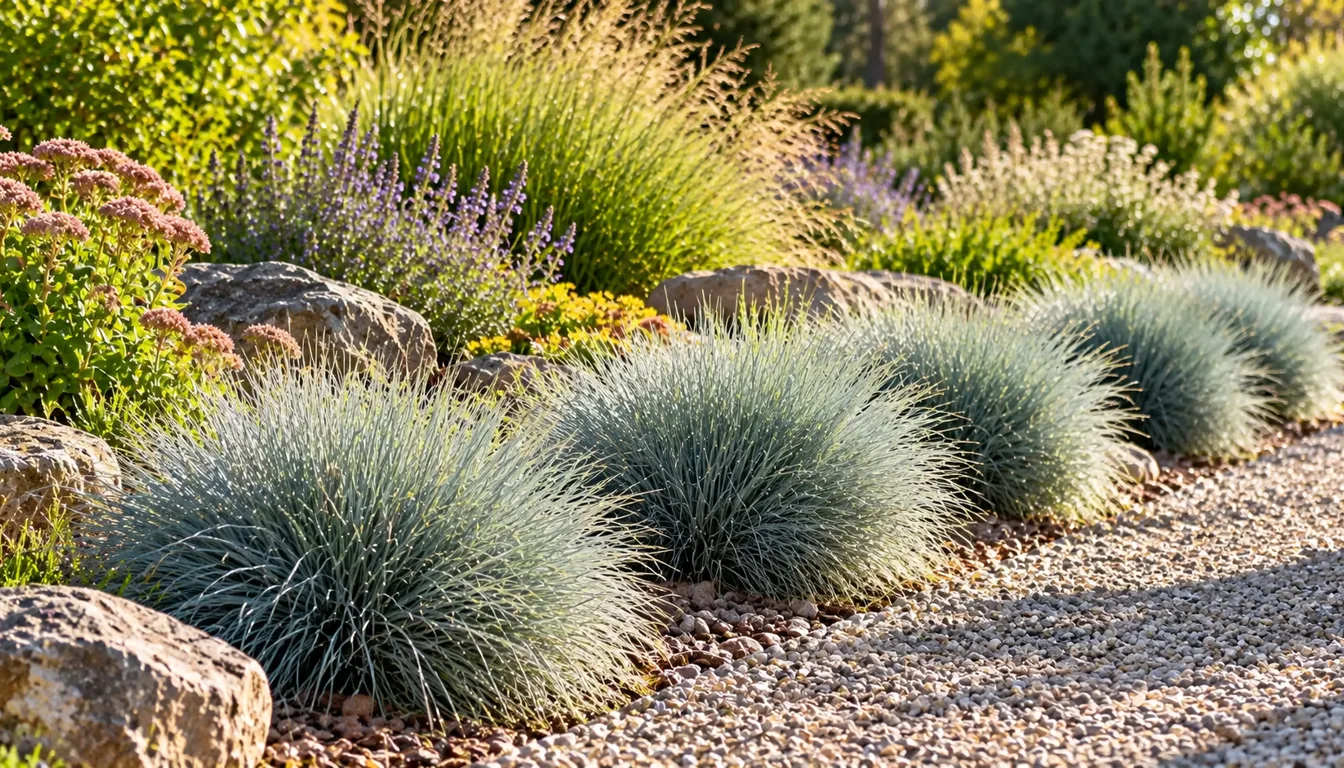
- About 18 in, orange to copper in fall and winter, hardy to at least 0 F (zone 7), sunny well-drained bed or container (University of Arkansas Extension)
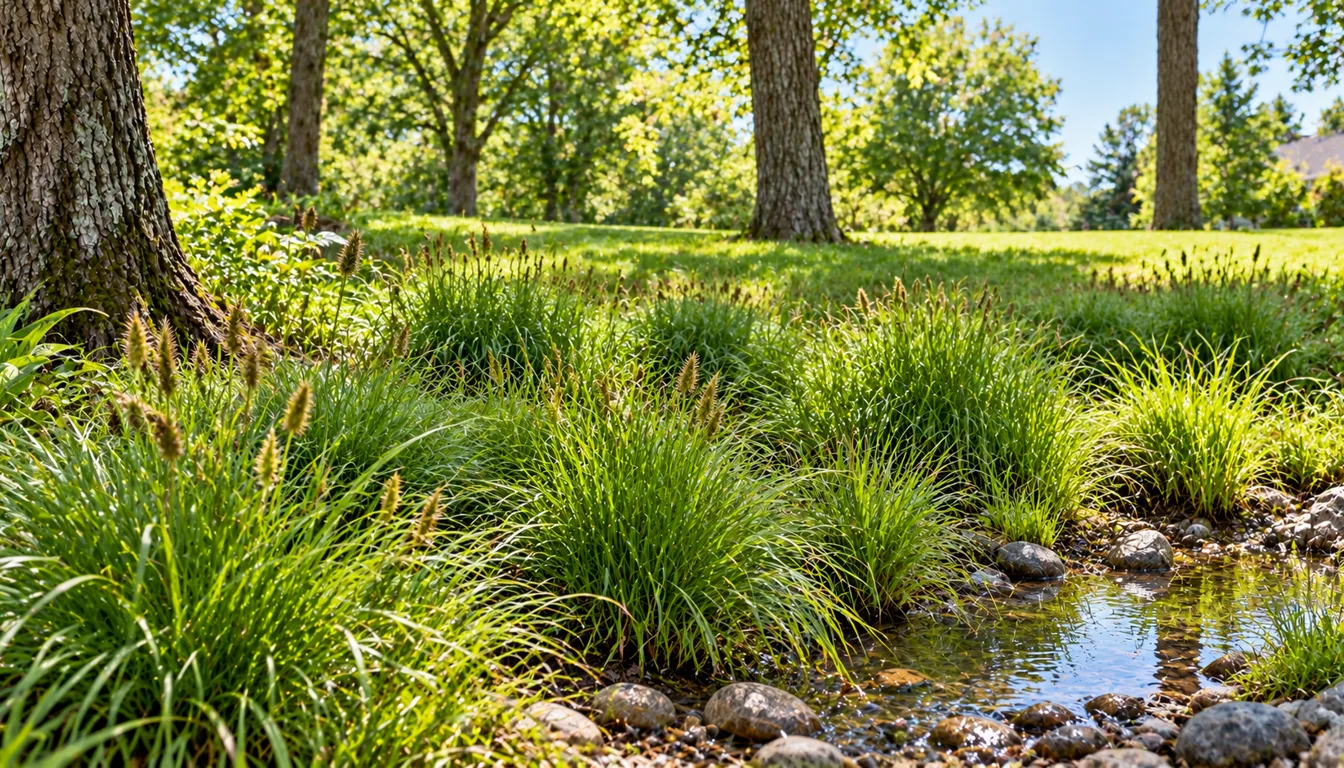
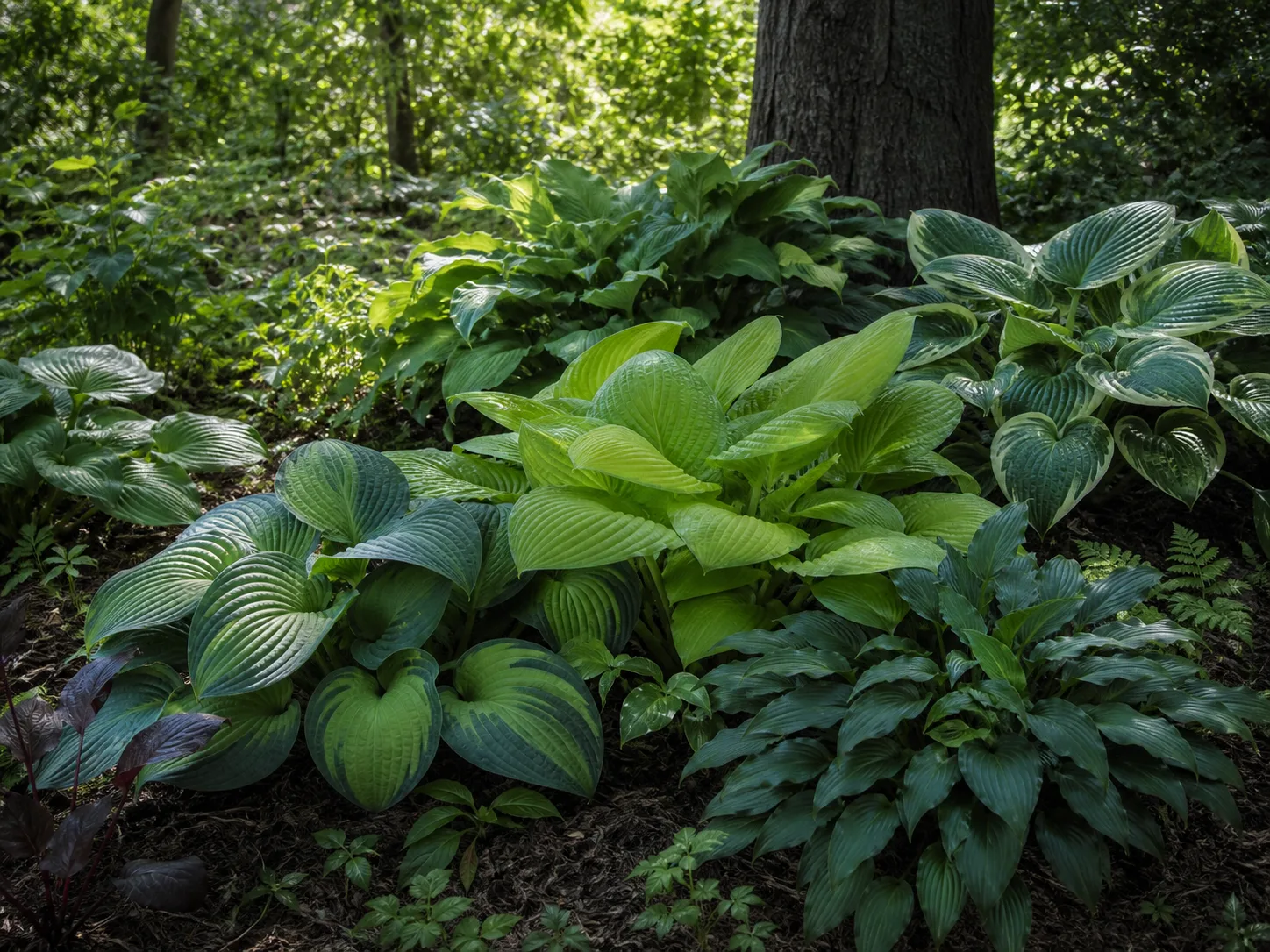
In a shaded bed where deer eat your hostas, NC State suggests plantainleaf sedge as an attractive alternative. Pennsylvania sedge also supports the larvae of certain satyrine butterflies, and birds and small mammals eat its achenes and use the plants for cover.
For more plants that suit a shaded bed, see shade perennials.
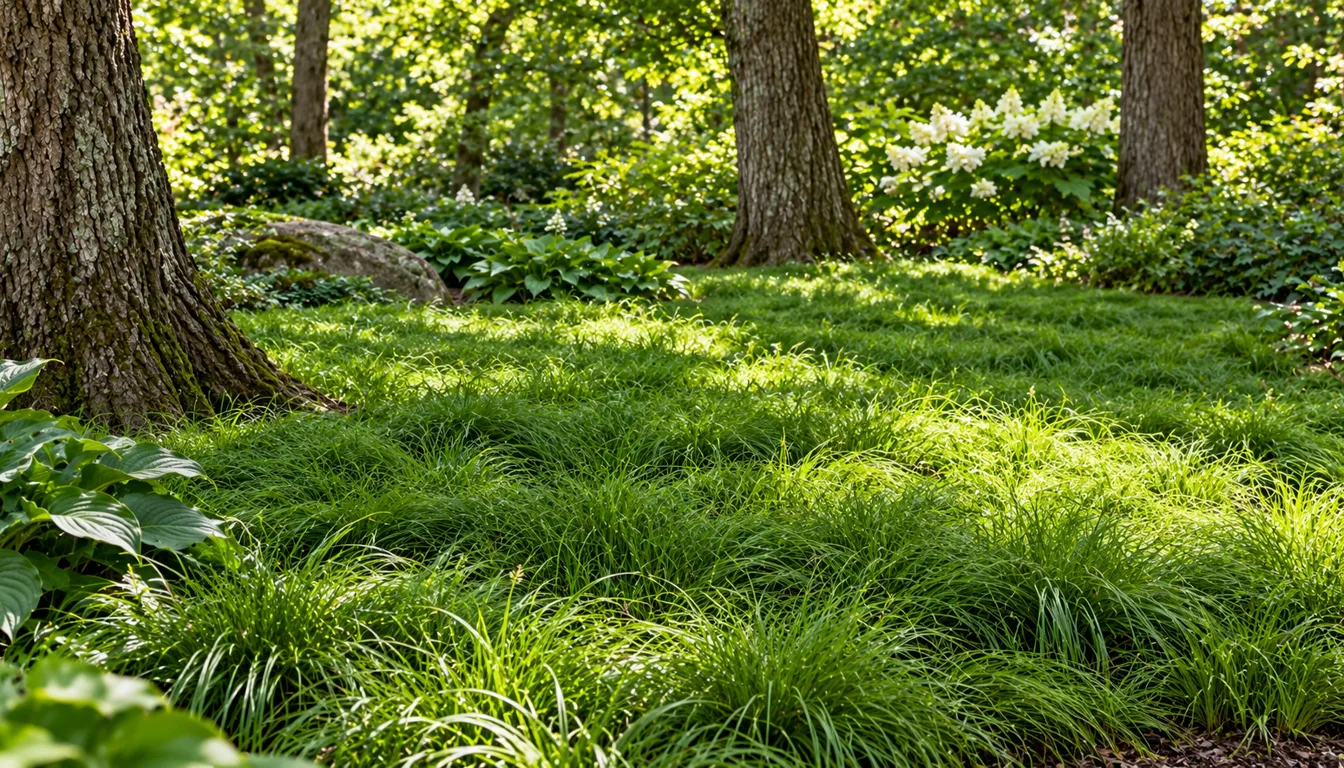
Can a Sedge Replace Lawn Under Trees?
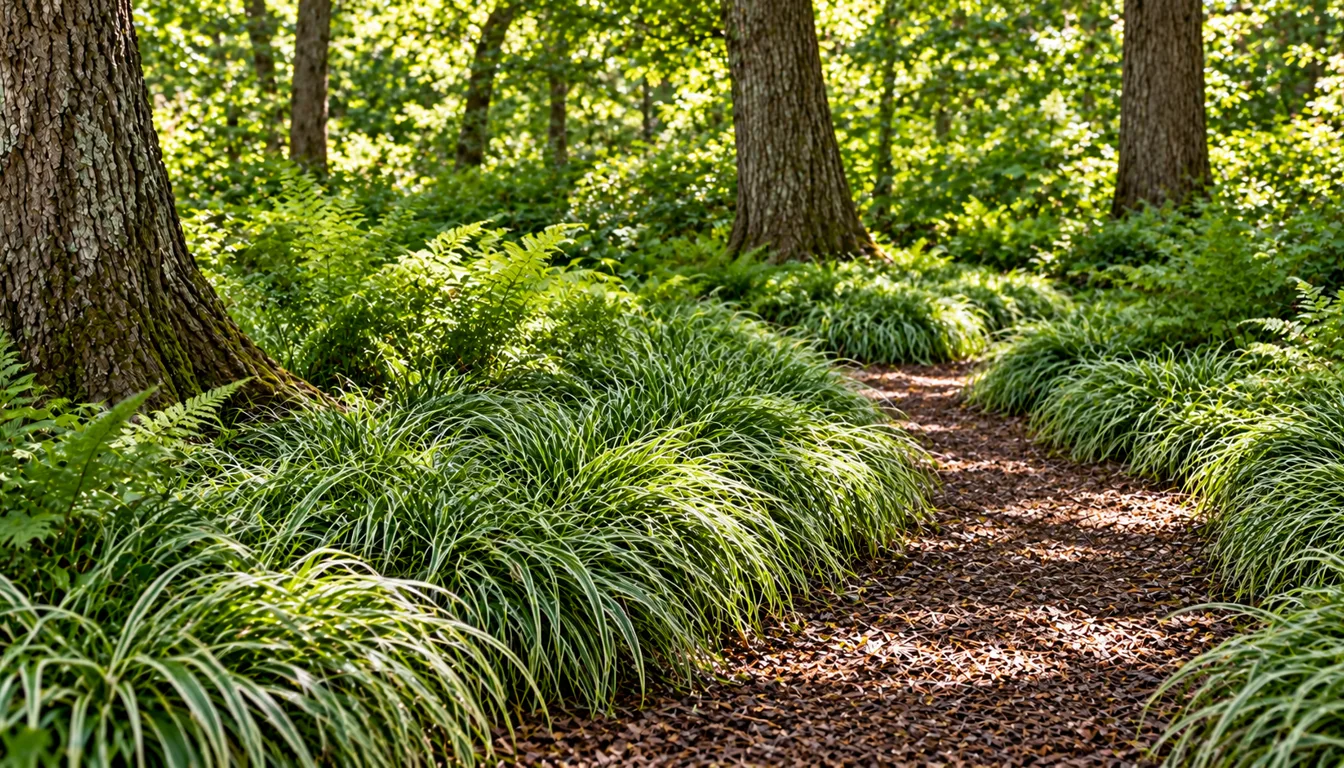
For a lawn in shade, NC State calls Pennsylvania sedge a good lawn substitute for shady areas and an ideal turf alternative in dry shade. Its best location is dry to moist shade, it tolerates heavy shade and wet soil, and NC State says it does not want full sun.
The University of Arkansas Extension reports that it will grow in full sun but needs more water there. Brooklyn Botanic Garden notes that many of the native lawn sedges it describes tolerate varying degrees of shade and competition from tree roots. Pennsylvania sedge is semi-evergreen, dying back under very cold temperatures, and tends to perform best in cooler climates even though it is native to North Carolina.
Left unmowed, Pennsylvania sedge foliage grows 6 to 8 inches tall (Brooklyn Botanic Garden), which fits the 1 to 8 inch height NC State lists. For a mowed look, one or two cuts a season hold it at 2 inches according to NC State, while Brooklyn Botanic Garden finds it looks best cut two to three times a year at 3 to 4 inches. In Arkansas, the first cut comes in March to tidy the plants before new growth begins.
Seed germination is apparently difficult, so a sedge lawn starts from small container-grown plants set on 6 to 12 inch centers (University of Arkansas Extension). The planting steps then run in this order.
- Kill out any established perennial grasses on the site first.
- Plug the small plants in during fall, late winter or early spring, which all work for this cool-season plant.
- Mow every month in the growing season if you want faster fill, since Brooklyn Botanic Garden says that speeds tillering and helps new plugs fill in.
- Expect about two growing seasons to full coverage, with the plants spreading about 3 to 6 inches a year by rhizomes.
Pennsylvania sedge will not tolerate heavy foot traffic (NC State), so keep a sedge lawn away from busy paths. If you would rather keep turf in the same shade, compare shade-tolerant lawn grasses.
How Do You Care for Sedges?
Sedges quickly show stress when they are over-fertilized or over-watered, and they are slow to recover from being cut back (NC State), so water to the species.
Pennsylvania sedge has good drought tolerance once it is established (University of Arkansas Extension). Morrow sedge tolerates occasional drought in shade but needs constant moisture in full sun (NC State). Orange New Zealand sedge tolerates moderate drought, though its leaf tips burn and the plant looks unsightly if dry conditions last too long (University of Arkansas Extension).
- Cut back lightly if at all, because sedges are slow to recover from it (NC State). On orange New Zealand sedge, run a rake through the clump in spring to comb out the old, dead leaves instead of cutting it back (University of Arkansas Extension).
- Divide orange New Zealand sedge in late winter or early spring (University of Arkansas Extension).
- Go light on fertilizer for established clumps, since over-fertilizing stresses them. For a new plug lawn, Brooklyn Botanic Garden says to fertilize as you would a lawn to speed establishment.
What Goes Wrong With Sedges, and Are They Safe for Pets?
NC State says aphids, mealy bugs, and slugs are rarely a problem on carex, and that rust and crown or root rots can occur with over-watering. Species differ in their resistance to phytophthora root and crown rot. Pennsylvania sedge has occasional smut, rust, leaf spot, aphids, anthracnose, and fungus gnat larvae. Sedges can also be more difficult to grow in a landscape than ornamental grasses and can be sensitive to temperature fluctuations and soil conditions.
- A brown, rotting clump points to over-watering, since rust and crown or root rots can occur with too much water. Over-fertilizing causes the same stress.
- Plantainleaf sedge will not tolerate full sun, and NC State says Pennsylvania sedge does not want it, although Arkansas reports Pennsylvania sedge growing in full sun with more water.
- Leaf tips that burn on a sun-grown orange New Zealand sedge mean dry conditions have lasted too long.
- Fill-in is slow, with about two growing seasons for a Pennsylvania sedge lawn from plugs.
- Pennsylvania sedge spreads 3 to 6 inches a year by rhizomes, so for a border that stays put choose a clumping species such as plantainleaf or Morrow sedge (NC State lists both as clumping).
Pet safety is unknown, since NC State gives carex no pet toxicity rating. If you want a grass for a sunny spot instead, see ornamental grasses.
Frequently Asked Questions
What is the difference between a sedge and a grass?
A sedge stem is triangular in cross-section, while a grass stem is round, according to NC State. Carex leaves are also often folded along the midvein.
Can I use carex instead of a lawn?
Pennsylvania sedge is a good lawn substitute for shady areas, according to NC State. It does not tolerate heavy foot traffic, and mowing runs from once or twice a season (NC State) to two or three times a year (Brooklyn Botanic Garden and University of Arkansas Extension).
Does carex grow in full sun?
Some species do. Fox sedge grows in full to part sun in wet soil, tussock sedge takes full sun, and orange New Zealand sedge should be planted in a sunny, well-drained bed. Morrow sedge grows in any light but needs constant moisture in full sun, while plantainleaf sedge will not tolerate full sun.
Should I cut back carex?
Only lightly. NC State says sedges are slow to recover from being cut back, so cut back lightly if at all, and on orange New Zealand sedge comb out the old, dead leaves in spring instead of cutting it back (University of Arkansas Extension).
Do sedges need fertilizer?
Established clumps need little, because NC State says sedges quickly show stress when over-fertilized or over-watered. Brooklyn Botanic Garden suggests fertilizing a new plug lawn as you would a lawn to speed establishment.
Which carex is best for wet soil?
Native fox sedge grows in wet to moderately wet soil, and tussock sedge is listed among UMN Extension's rain garden plants for soil that is always saturated.
Sources & References
- Carex, North Carolina Extension Gardener Plant Toolbox
- Carex pensylvanica, North Carolina Extension Gardener Plant Toolbox
- Carex plantaginea, North Carolina Extension Gardener Plant Toolbox
- Carex morrowii, North Carolina Extension Gardener Plant Toolbox
- Carex vulpinoidea, Tennessee Smart Yards, UT Extension
- Building a Rain Garden, University of Minnesota Extension
- Plant of the Week, Orange Sedge, University of Arkansas Cooperative Extension
- Carex pensylvanica, Plant of the Week, University of Arkansas Cooperative Extension
- Sedge Lawns, Brooklyn Botanic Garden