verifiedSource Reviewed
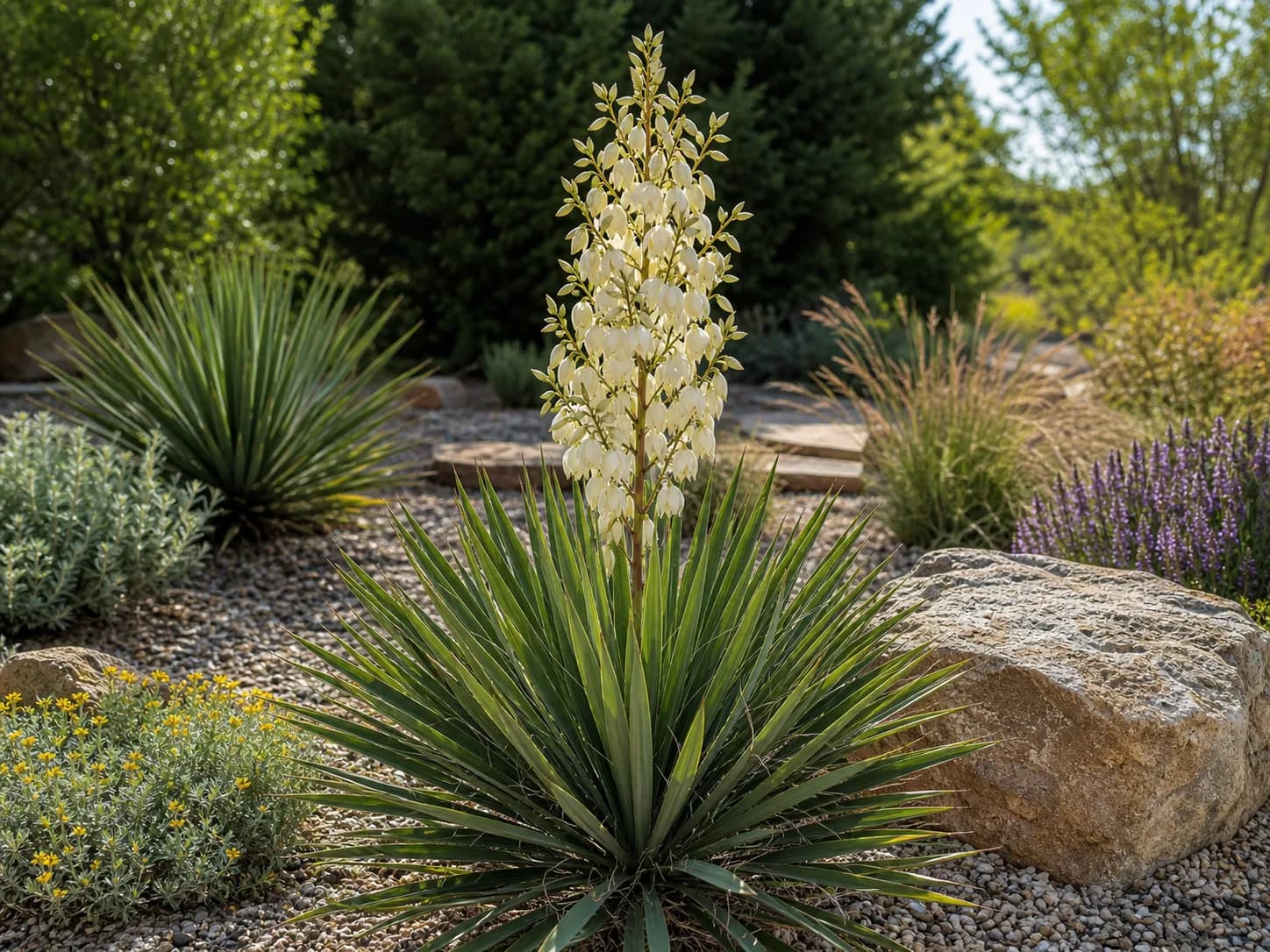
Yucca Cane (Yucca elephantipes) Indoor Care
Yucca elephantipes
Family: Asparagaceae
wb_sunnyLight
Bright indirect to several hours of direct sun
water_dropWater
Low; let top 50–75% of soil dry
heightHeight
5–8 ft indoors in large pots
publicZone
Hardy outdoors in Zone 10-12
airAir Quality
Air Quality Note
Native Region
Mexico and Central America
parkThe Cane Stores Strength, Not Unlimited Water
The thick cane makes Yucca look indestructible, but the roots still rot if the pot stays wet. The plant survives dry rooms because it is built for light and restraint.
A good indoor plant has firm canes, upright leaf heads, and a pot heavy enough to hold the shape. A soft cane is a bigger warning than a few brown leaf tips.
Lower leaves will age out over time, and that is normal for a cane plant. The warning sign is not one old lower leaf browning; it is a soft cane, a loose head, or new leaves that emerge pale and weak.
The cane also gives you less room for correction than a vine. If the head stretches in weak light, you cannot simply wind it back into shape.
lightbulbBest fit
Use Yucca Cane where you have strong light, dry air, and floor space. Do not buy it for a dim corner that needs a soft palm look.
If you want a plant with a similar dry-room mindset but a swollen base, Ponytail Palm is the closer comparison than a true palm.
straightenChoose Cane Height by the Room
The cane height you buy sets the room scale from day one. Indoor Yucca Cane plants grow slowly upward, so do not expect a tabletop plant to become a floor specimen fast.
Single caneClean architectural look, easier to place
Multi-cane potFuller look, heavier pot, more leaf heads to balance
Risky buySoft cane, loose crown, wet soil, or leaves collapsing from the center
A multi-cane pot looks fuller, but each cane may have a different strength. Check every cane for firmness instead of assuming the whole pot is healthy because one head looks good.
For apartments, a lower multi-cane plant often works better than one tall cane. It gives the architectural look without putting stiff leaves at face height.
Choose a plant with enough clearance around the leaves. The tips are stiff, and a narrow hallway turns the plant into a daily annoyance.
Guide — See AlsoAir Purifying Plants for Cleaner Indoor AirLearn how to pick, place, and care for air purifying plants so they help your indoor air instead of just looking pretty.
chevron_rightwb_sunnyGive It More Sun Than Most Houseplants
Strong light is the difference between a sturdy cane plant and a weak indoor prop. Aim for bright light with several hours of direct sun when possible.
A bright south or west window can work if heat does not scorch leaves. A dim north room usually makes the heads loosen and the soil stay wet too long.
If you are choosing between tough upright plants, ZZ Plant handles less light, but Yucca Cane gives a sharper tree shape in sun.
Acclimate to direct sun over one to two weeks if the plant came from a dim store. Existing leaves can scorch even though the species wants strong light.
If only one side gets sun, rotate slowly. A sudden 180-degree turn can expose shaded leaves to full sun before they are ready.
- check_circleUpright firm leaves: light is likely enough.
- check_circleLeaning heads: rotate and move brighter.
- check_circlePale floppy new leaves: light is too weak.
This is where Yucca Cane beats many indoor trees. Fiddle Leaf Fig may sulk after moves, while Yucca Cane simply wants stronger sun.
Email Updates
Join the KnowTheYard update list
Zone-specific advice, seasonal reminders, and new plant guides — no filler.
water_dropDry Most of the Pot Before Watering
Let the top half of the pot dry before watering. In a large container, that often means waiting much longer than you would for leafy tropical plants.
That dry wait is why a moisture meter can mislead if it only checks the top inch. The lower half of a large pot controls the risk.
A large pot can be dry at the top and wet around the lower roots. Use a wooden skewer, moisture probe pushed deeper, or pot weight to avoid watering on surface feel alone.
If water runs straight down the side and out, the root ball may be shrunken dry. Soak slowly in rounds until the center rewets, then let it drain completely.
When it is time, water thoroughly and drain the saucer. Deep watering is fine; staying wet is the problem.
warningSoft cane means stop
If a cane turns soft or dark at the base, stop watering and inspect the roots. More water will not firm it back up.
For a broader dry-room comparison, Snake Plant is even more tolerant of low water, but Yucca needs stronger light.
Guide — See AlsoBest Herbs to Grow Indoors for Real Harvests, Not Spindly PotsChoose indoor herbs that can actually produce in your light, temperature, and container setup, then match each one to th
chevron_right
potted_plantPair Fast Drainage With Real Weight
A light nursery pot can tip once the cane leans toward the window. Use a heavy container with a drainage hole, not a sealed decorative sleeve.
Mix indoor potting soil with perlite, pumice, or coarse bark. The roots need drainage more than richness.
A layer of rocks at the bottom does not fix a pot with no drainage. It only creates a hidden wet zone below the roots.
Best indoor mixPotting soil cut with perlite, pumice, or coarse bark
Best containerHeavy pot with a drainage hole and a broad base
Best top dressingLight mineral layer kept away from the cane base
Use the first table for the heavy-pot decision, then use the next one to check whether the mix and top dressing are helping the cane stay dry.
Pot priorityHeavy, stable, drainage hole, room for cane weight
Mix priorityFast drainage and air after watering
Repot triggerPlant tipping, roots crowded, or soil staying wet too long
content_cutPruning Changes the Tree Shape Slowly
Cutting a cane is a shape decision, not quick grooming. New shoots can form below the cut, but the plant takes time to look balanced again.
Tip cuttings and cane sections can root in warm bright conditions, yet large indoor canes are not ideal beginner propagation material.
Mark the top end of any cane section before you set it aside. A reversed cane cutting may fail because the growth direction is wrong.
Let large cuts dry briefly before potting, then keep the mix barely moist. A wet cane section rots before dormant buds have time to wake.
A cane cutting also needs clean tools and patience. It may sit for weeks before the first new shoot proves the cut worked.
infoCut only with a goal
Prune when height, damage, or balance demands it. Do not cut a healthy cane just to see what happens.
If you want easy cuttings, Wandering Jew is a much better practice plant.
Guide — See AlsoBest Indoor Plants for Every Room and Light LevelA practical guide to choosing the best indoor plants for your home, covering beginner-friendly picks, low light champion
chevron_rightbug_reportBrown Tips Are Not Always Thirst
Dry brown tips can come from age, low humidity, mineral buildup, or physical brushing. They do not automatically mean the plant needs more water.
Scale and mealybugs can hide where leaves meet the cane. Check the crown before the sticky residue spreads to nearby surfaces.
Physical damage is common because the leaves are stiff. A brushed tip can brown later and look like a watering issue even though the root system is fine.
Scale sits close to the cane and leaf bases. A quick wipe across the leaf blade will not catch it; inspect the tight joints where leaves emerge.
- fiber_manual_recordBrown tips with firm cane: trim and review water quality.
- fiber_manual_recordYellow leaves with wet soil: check roots.
- fiber_manual_recordSticky crown: inspect for scale or mealybugs.
If yellowing spreads after wet soil, Dracaena yellow leaves is a useful cane-plant comparison.
ac_unitWinter Is Dry and Bright, Not Wet and Warm
Winter care should get drier, not cozier. Short days slow the plant, even in a heated room.
Keep it in the brightest window, away from cold drafts, and stretch the time between waterings. Dust leaves so the limited light reaches the surface.
If you move it outside for summer, start in bright shade and increase sun slowly. Wind can also shred older indoor-grown leaves, so protect the plant the first week.
Bring it back in before cold nights. Cold plus wet soil is harder on Yucca Cane than dry indoor air.
For a larger seasonal rhythm, indoor plant care calendar helps, but this plant's pot weight is still the better watering signal.
Spring and summer are better for repotting, pruning, or moving outdoors into shade before stronger sun.
lightbulbSeasonal rule
Use warm months for change. Use winter for stability, light, and dry roots.
Guide — See AlsoRabbit Resistant Plants That Still Look GoodPractical ways to use rabbit resistant plants so your beds and veggie rows keep growing without a fence that looks like
chevron_rightpetsSharp Leaves and Pet Risk Decide Placement
The leaves are stiff and pointed, so placement matters even before toxicity. Keep Yucca Cane out of tight walkways and eye-level traffic.
Yucca Cane is also not a chew-safe plant for pets. Put it where animals cannot bite the leaves or knock the heavy pot over.
Place the pot where leaf tips do not meet faces, arms, or doorways. A plant can be healthy and still be wrong for a narrow path.
If children or pets run near the plant, choose a lower-traffic corner and a heavy pot. The safety issue is both chewing and impact.
For a softer pet-safe floor plant, Parlor Palm is easier to place, though it asks for a different light and water routine.
eco
Keep Exploring
Related Plants
 Houseplants
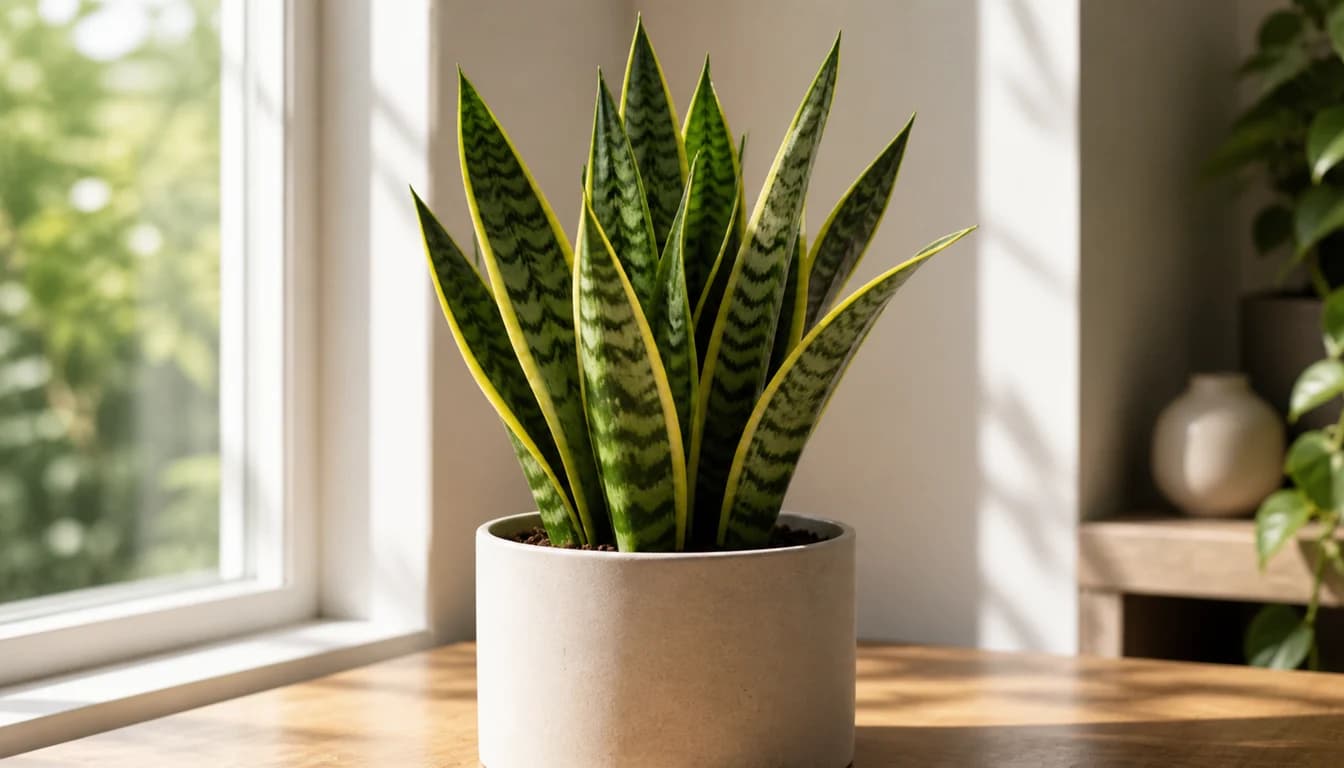
Snake Plant
Snake Plant is a dry-storage houseplant. Its upright leaves survive neglect because they store water, but that same trait makes wet soil the real danger.
 Houseplants
Neon Pothos
Neon Pothos is the color-first pothos: its bright yellow-green leaves look best in medium to bright indirect light. Grow it like a durable vine, but judge s
 Houseplants
Calathea
Calatheas are tropical houseplants prized for their patterned, moving leaves and preference for warm, humid rooms. They need steady moisture, soft filtered ligh
quiz
Frequently Asked Questions
How much light does Yucca Cane need indoors?expand_more
Give the brightest spot you have, including several hours of direct sun if the plant adapts without scorch.
How often should I water Yucca Cane?expand_more
Wait until much of the pot dries, then water deeply and drain well. Large pots may go a long time between waterings.
Why is my yucca cane soft?expand_more
A soft cane usually means rot from wet soil or cold stress. Stop watering and inspect the base and roots.
Can I cut back a tall Yucca Cane?expand_more
Yes, but cut only with a clear shape goal. New shoots can form below the cut, but recovery is slow.
Is Yucca Cane pet safe?expand_more
No. Keep it away from chewing pets, and place the stiff leaves away from traffic.
menu_book
Sources & References
- 1.Missouri Botanical Garden: Yucca gigantea (syn. elephantipes)open_in_new
- 2.Royal Horticultural Society: Yucca gigantea Profileopen_in_new
- 3.Clemson Cooperative Extension: Yuccaopen_in_new
- 4.Missouri Botanical Garden Plant Finder: Yucca elephantipesopen_in_new
- 5.Royal Horticultural Society: Growing Yucca as a Houseplantopen_in_new
- 6.University of Florida IFAS Extension: Yuccas for Floridaopen_in_new
- 7.ASPCA: Yucca Toxicity to Dogs and Catsopen_in_new