
What's a String of Hearts? How to Keep the Vines From Going Bare
Ceropegia woodii Apocynaceae
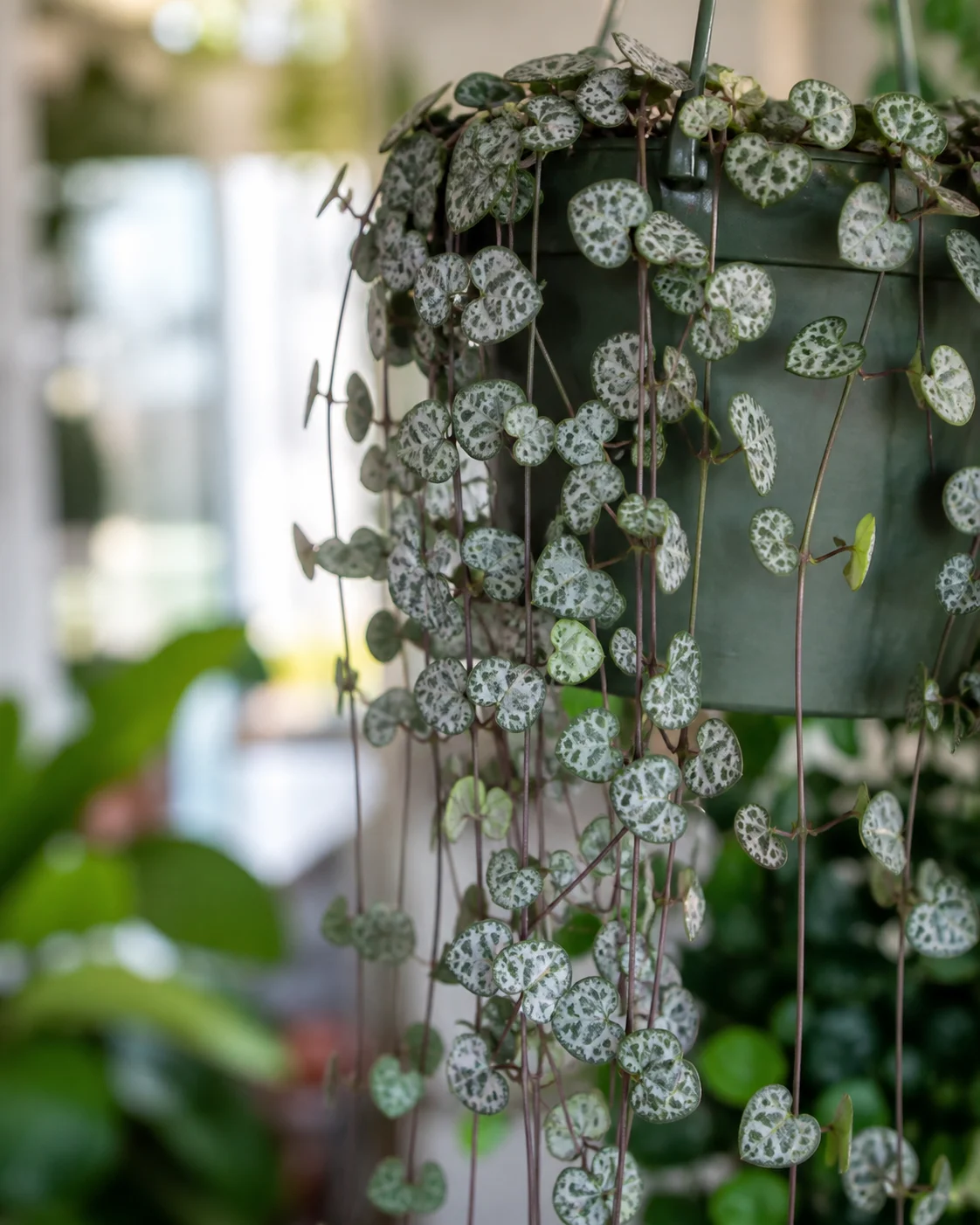
String of Hearts is a trailing succulent vine with small heart-shaped leaves, silver on top and purple underneath, and bead-like tubers along the stem. It wants bright indirect light, a mix that dries out completely, and a pot it can stay crowded in.
Care snapshot
What Is a String of Hearts, and Why Does It Grow Beads?
String of Hearts is Ceropegia woodii, a tender succulent evergreen perennial that trails rather than climbs. It comes from hillsides in southern Africa, and nearly everything about the way it grows follows from that dry, bright, rocky start.
The leaves are the quick identification. Each one is a small heart, dark green on the upper surface and etched with silver in a marbled pattern, and the back of the leaf is purple.
Leaf shape, surface pattern, underside color, and the bead-like tubers are useful identification clues together. Purple undersides alone do not confirm the species.
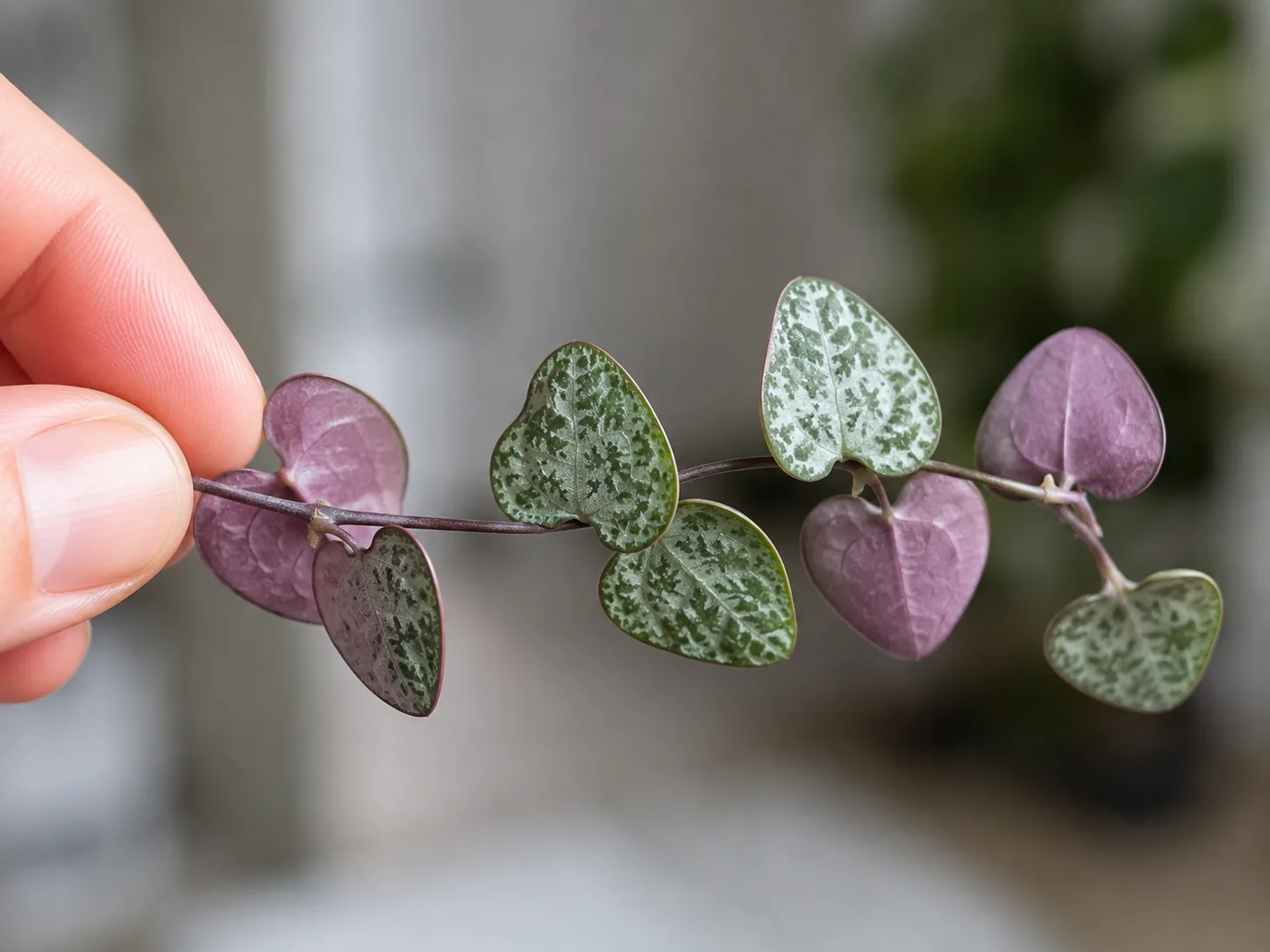
The beads are the other giveaway.
Along the stem, in the gaps between leaf pairs, the plant grows small round swellings called aerial tubers, or tubercules. They are storage organs rather than buds or pests.
Those beads are why it also sells as Rosary Vine, and sometimes as Chain of Hearts or Sweetheart Vine. Each one holds water and starch, which is much of the reason a forgotten watering does so little harm here.
Indoors the wiry stems drape about 3 ft over the side of a pot. In their native habitat they run to 12 ft, so a houseplant that stops well short of that is behaving normally rather than failing.
Older plants sometimes open small tubular flowers in summer and fall, purplish to purplish white and shaped a little like a lantern. Insects occasionally get trapped inside the tube, which has earned the plant an undeserved reputation, because it is not carnivorous.
Why Are the Leaves So Far Apart on Your String of Hearts?
Increasing gaps between new leaf pairs can suggest insufficient light. Bare stretches can also reflect leaves that were lost, so the first distinction is whether new stems are growing sparsely or older leaves have fallen.
NC State describes leaves occurring about 3 inches apart, but does not establish that distance as a pass-or-fail light test. A strand near that measurement cannot rule out a lighting problem, and a wider gap does not identify the cause on its own.
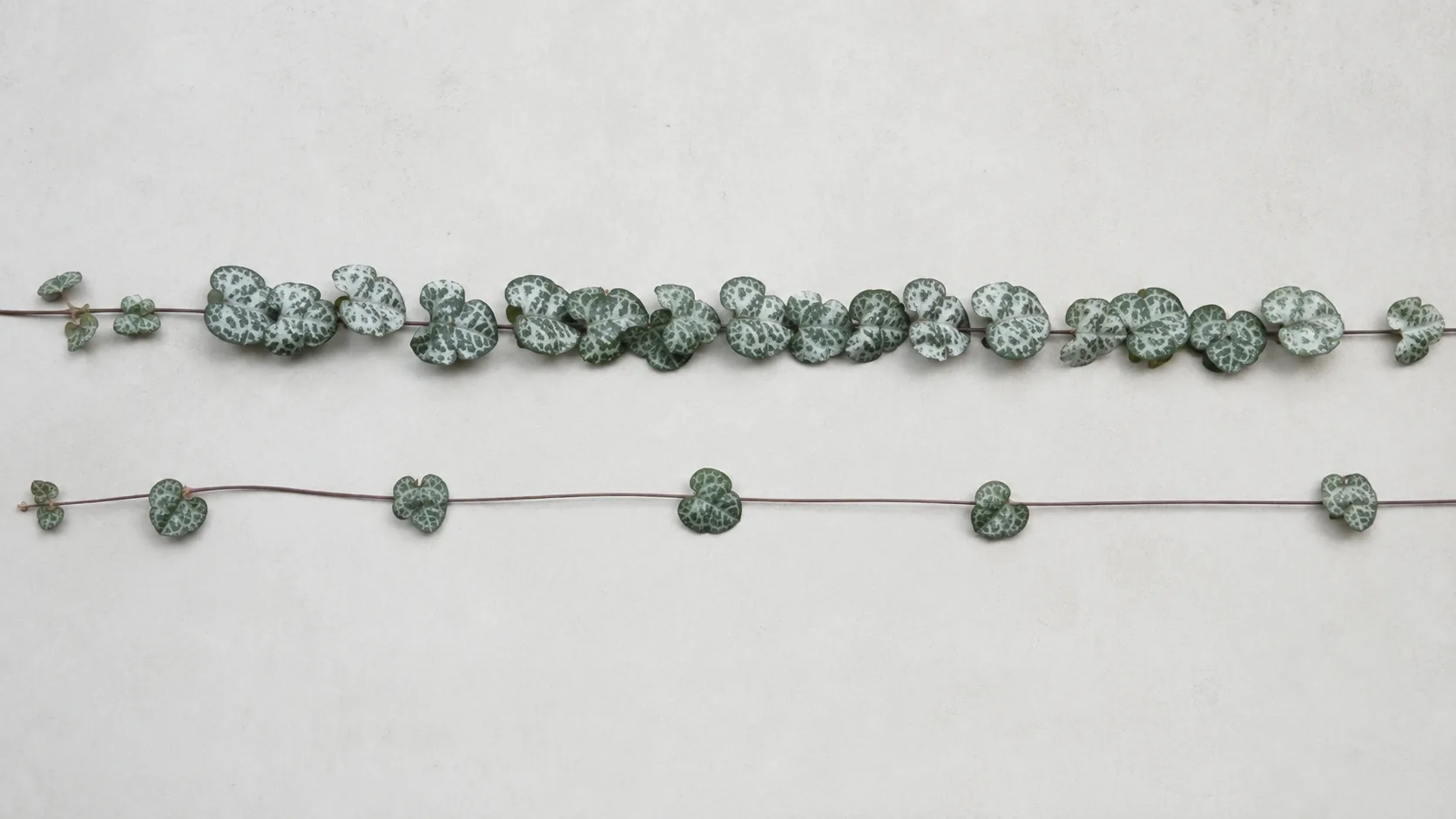
A comparison with the plant’s earlier growth is more useful than a ruler cutoff. New stem spacing, leaf condition, recent leaf loss, and the actual position near a window together give a clearer picture.
Bright indirect light suits this vine. A move toward better light is most informative when you follow the subsequent growth, while protecting leaves from sudden intense exposure that can scorch them.
The low-light houseplant guide can help when a room offers little window light. String of Hearts is not a reliable choice for a persistently dim position.
When Is a String of Hearts Dry Enough to Water?
Let the mix dry out completely, then water it.
That is the entire rule, and it is stricter than it sounds.
Completely means all the way through the pot rather than a dry crust on the surface.
The tubers and the thick little leaves are a water store, so this plant is built to sit dry for a stretch and gains nothing from being topped up.
Usefully, the two ways it goes wrong look different from each other. Yellowing leaves and soft collapsing stems point to too much water and the root rot that follows, while leaves that go limp and slightly wrinkled are genuinely asking for a drink.
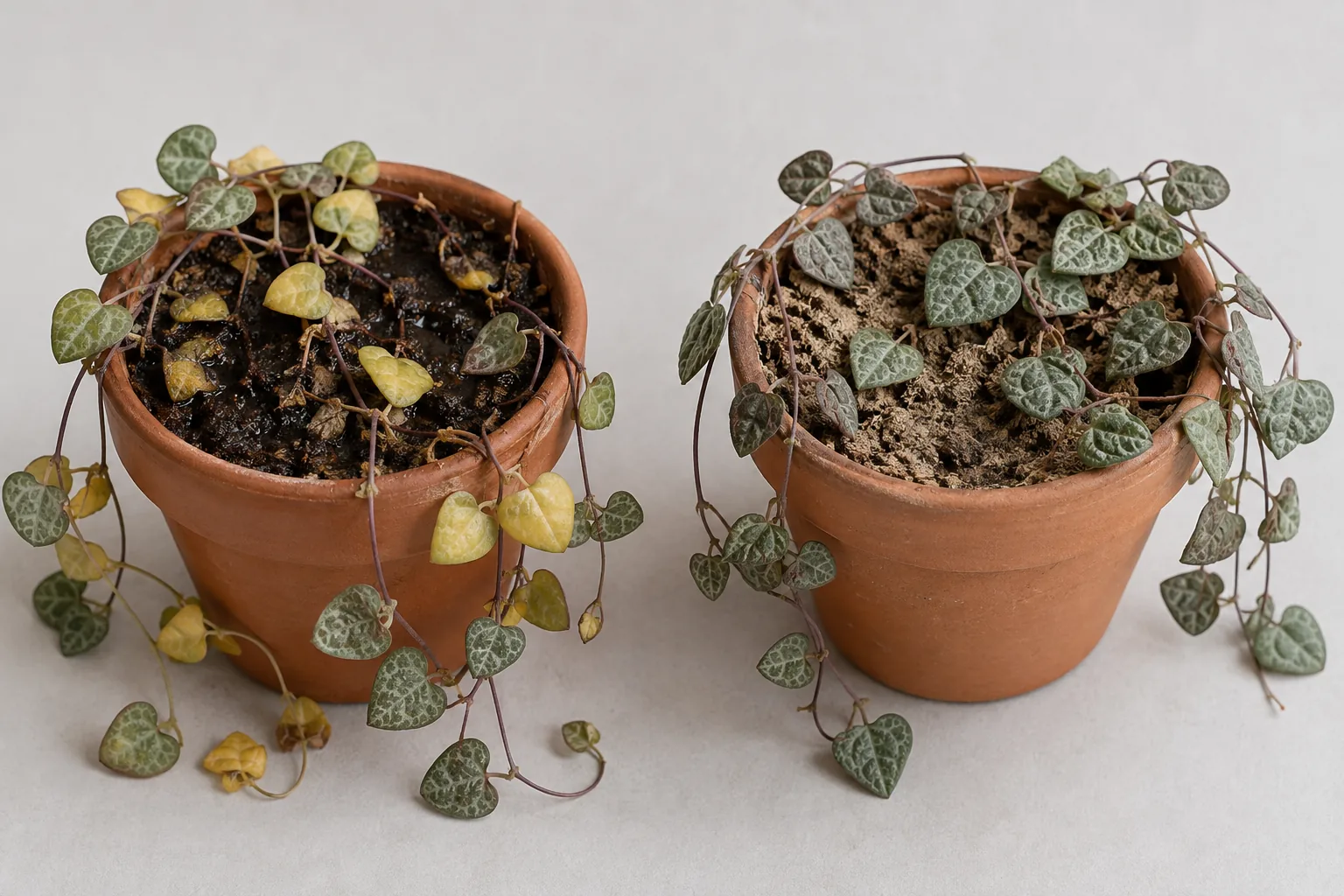
Those get confused constantly, and the result is someone watering a plant that is already rotting.
When you are unsure, lift the pot, because one that still feels heavy holds water no matter how dry the top looks.
The wider signs of overwatering carry over to most succulents, and String of Pearls fails in exactly the same way.
Winter changes the routine. Growth stops, the plant goes dormant, and the mix now stays wet far longer than it did in July, so the gap between waterings has to stretch further than feels comfortable.
If you already water succulents indoors, you have the habit. Everything here is the same discipline applied to a vine.
What Soil and Pot Size Keep the Tubers From Rotting?
A sandy, sharply drained potting mix is what it wants. The job of that mix is to let water pass straight through and leave air around the fine roots instead of holding a reservoir against them.
Pot size matters more than most people expect, and the usual instinct to move a healthy plant somewhere roomier works against you here.
String of Hearts likes to be crowded, and repotting is something to put off until it is genuinely needed.
A wide pot holds a volume of mix that a small root system cannot drink, so it stays damp for days on end with the tubers sitting in it.
That is the same root rot from the previous section arriving by a different road.
When a plant that has been watered carefully still goes soft, look at how much soil is sitting around it rather than at your watering can.
Hoya gets caught by this too, for the same reason.
A tired-looking plant needs its moisture, roots, and drainage checked before repotting. Repotting houseplants explains how to judge the root ball and mix rather than assuming every plant needs more space.
How Do You Grow New Plants From the Beads on the Vine?
The easiest method needs no cutting at all. A tuber will root wherever it makes contact with soil, so you can start a new plant while it is still attached to and fed by the parent.
Set a second small pot of the same gritty mix beside the first, then run your fingers along a strand until you find a plump tuber.
- Lay the strand across the surface of the second pot so a tuber rests flat on the mix.
- Pin it down with a bent paperclip or a small stone, firmly enough that the tuber stays in contact.
- Keep that second pot barely damp while the parent plant carries on with its normal dry-out cycle.
- Watch for new leaves at the tuber, which is the signal that roots have taken hold.
- Cut the connecting strand once the new plant is clearly growing on its own.
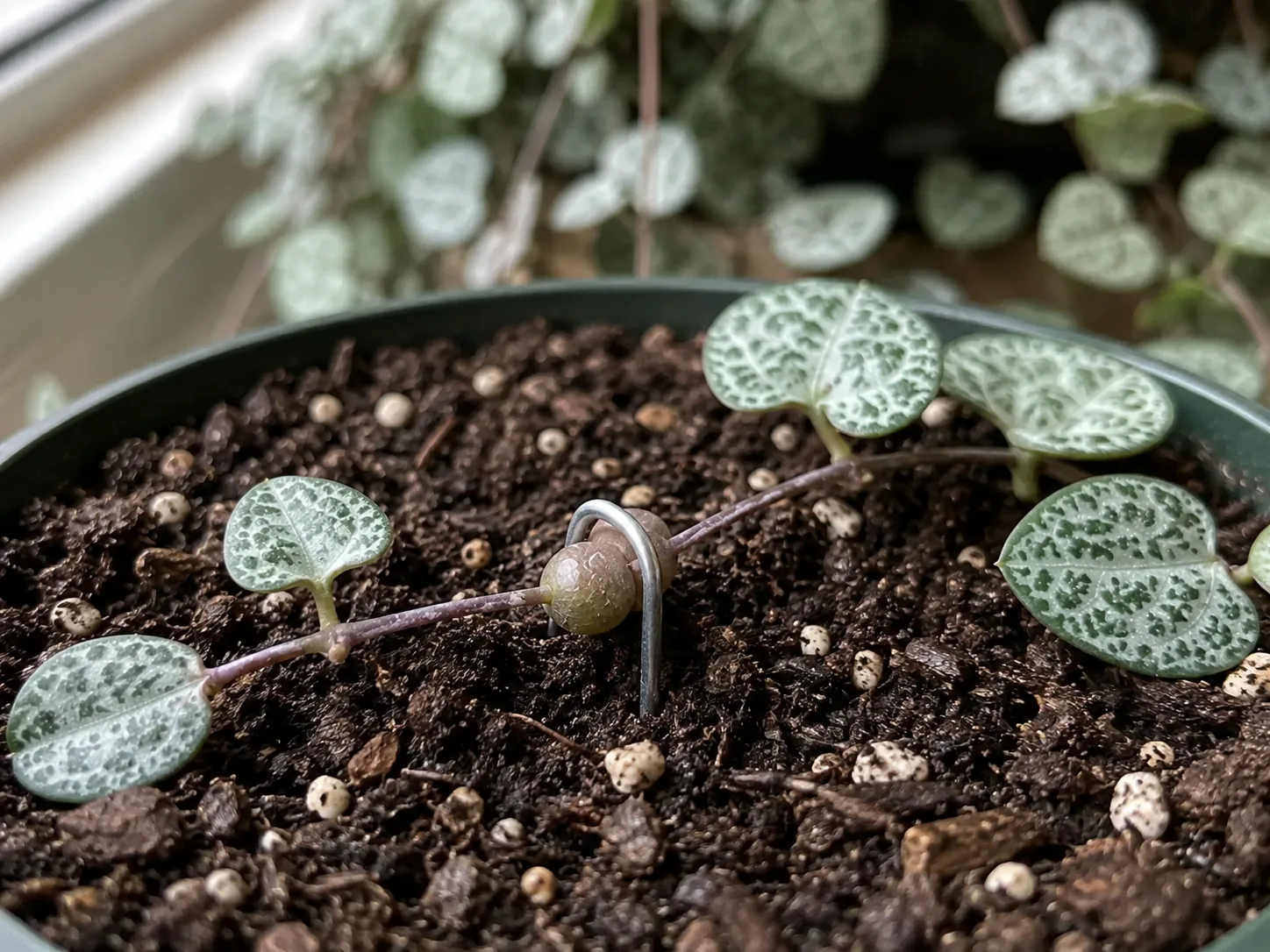
This is layering, and it works because the parent keeps feeding the new plant until it can feed itself. Nothing is at risk if it fails, since you have not removed anything from the original.
Stem cuttings are the other dependable route.
Take a section carrying several leaf pairs and at least one tuber, lay it on damp mix the same way, and treat it like the layered strand without a parent attached.
Seed is possible and rarely worth the trouble indoors, because flowering is irregular and the wait is long.
Which String of Hearts Should You Buy?
The label on the pot usually just reads string of hearts, but several distinct named plants are sold under it. They differ mostly in leaf color, and that difference quietly decides how bright a window each one needs.
- Ceropegia woodii
- The standard plant, dark green hearts etched with silver on top and purple underneath
- f. variegata
- Cream and pink variegated leaves
- 'Heartless'
- Bright green leaves carrying pink on the underside
- 'Orange River'
- Green leaves with a shade of orange through them
- 'Silver Glory'
- Silver variegated apple-shaped leaves, each marked with a dark green line
- 'String of Arrows'
- Lime green and silver pointed foliage, with a pink bloom
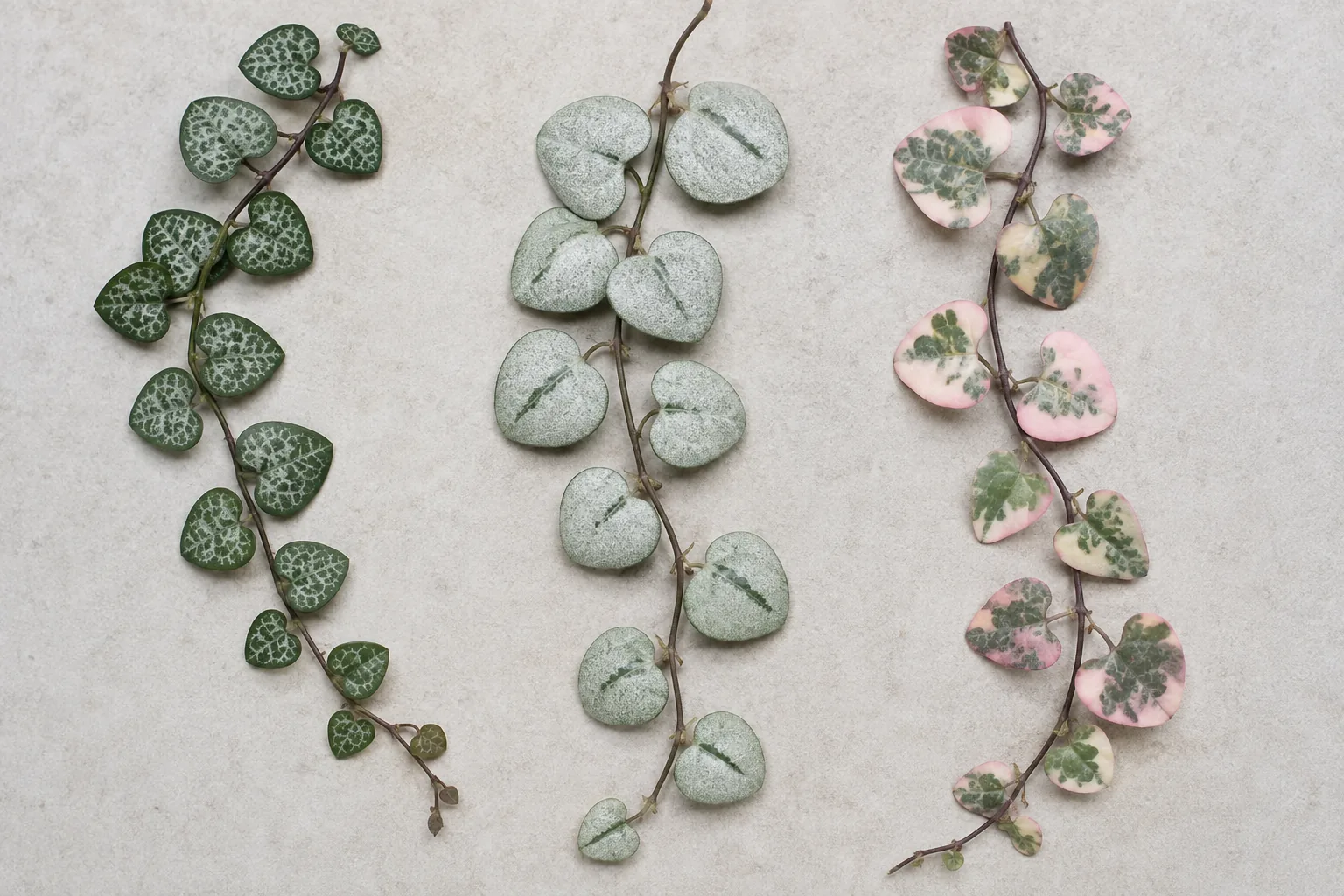
These forms differ in appearance, but a cultivar label does not provide a measured light requirement for your room.
Variegated foliage has less green tissue, but the proportion of cream does not translate into a precise loss of growth or a guaranteed response to a particular window.
Marble Queen Pothos charges the same price for its white patches.
Window orientation is only part of the exposure. Trees, nearby buildings, distance from the glass, and season can change how much light reaches the leaves.
Which Pests Show Up on a String of Hearts, and What Do They Look Like?
NC State names three to watch for on this plant, which are aphids, mealybugs, and scale. Caught early, none of them is an emergency on a houseplant.
You will identify them by what they leave behind rather than by the insect, since all of them are small and two barely move at all.
White cottony specks tucked into the joint where a leaf stalk meets the stem.
Small immobile brown bumps along the stem that scrape off under a fingernail.
Clusters of soft green or black bodies gathered on the newest growth at the tips.
Fine webbing strung between leaves and stems, over a dull speckled leaf surface. Dry heated air in winter brings them on.
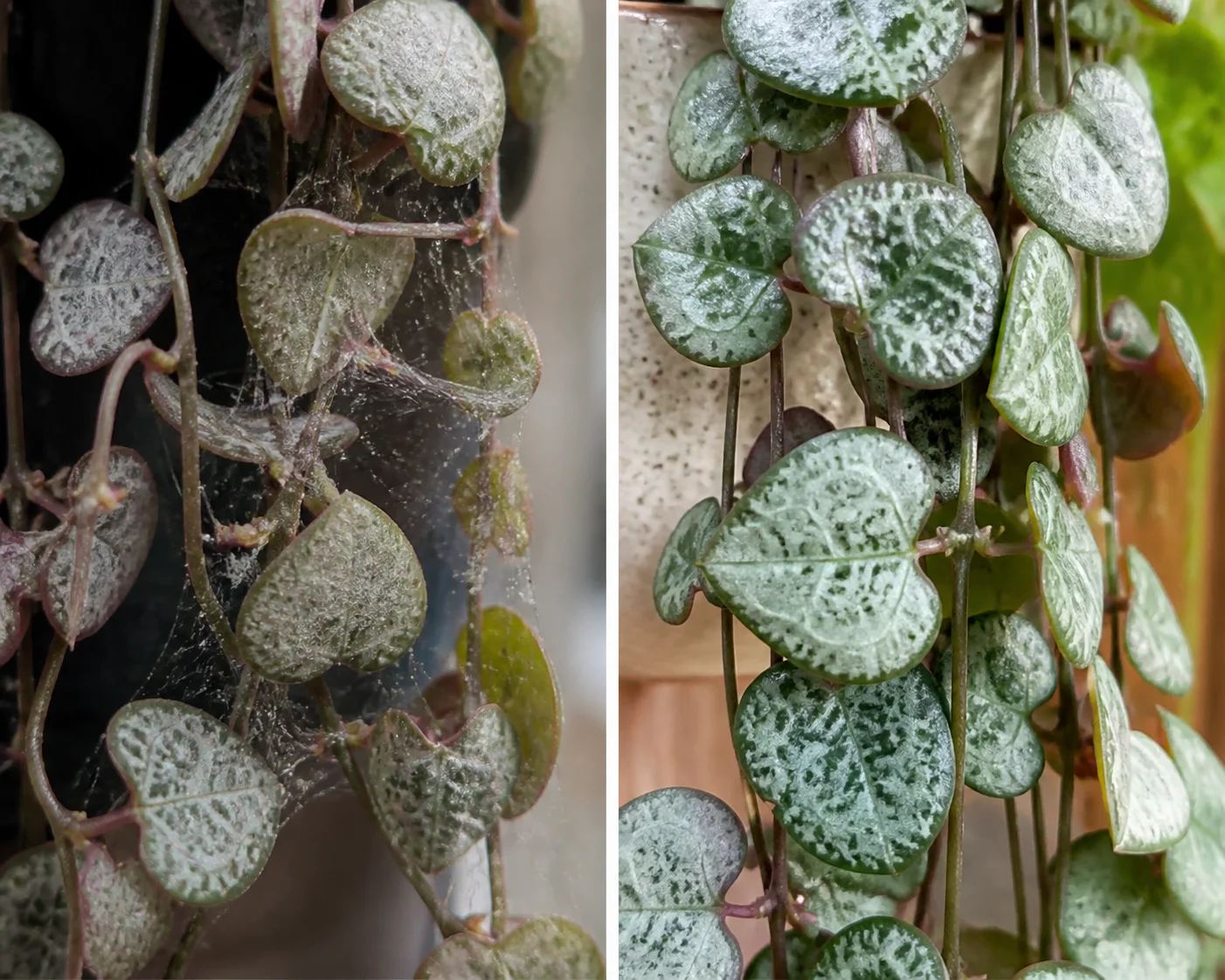
The first move is the same for all four. Take the pot to the sink and rinse both sides of the strands with lukewarm water, which physically removes most of a light infestation and buys you a week to see whether anything returns.
If it does return, treat what you can actually see instead of spraying the whole plant on principle. The spider mite guide covers the follow-up when webbing is the problem.
Is a String of Hearts Safe to Hang Where Cats Can Reach It?
The sources reviewed here do not establish an animal-specific toxicity classification for Ceropegia woodii. An absent warning is not evidence that a plant is harmless, and uncertainty is not evidence that it is poisonous.
Trailing stems can tempt a pet to chew or pull the pot down. A secure hanging position reduces access, but height alone does not make it unreachable to a climbing cat.
After a suspected ingestion, a veterinarian can assess the animal, plant identity, amount, and symptoms. A photo or plant label is more useful than a common name alone.
Frequently Asked Questions
Why are the leaves on my String of Hearts so far apart?
Low light can increase the spacing between new leaf pairs, but leaf loss also leaves bare stem. The roughly three-inch spacing in a botanical description is not a diagnostic cutoff; new growth and the growing conditions need to be considered together.
How often should I water String of Hearts?
On no fixed schedule.
Let the mix dry out completely all the way through the pot, then water it thoroughly.
In winter the plant is dormant and the gap needs to be longer still.
What are the little balls on the stems?
They are aerial tubers, sometimes called tubercules, and they store water and starch. They also root into soil on contact, which is the easiest way to make a new plant.
Is String of Hearts toxic to cats and dogs?
The sources reviewed for this article do not establish an animal-specific safety classification. That uncertainty proves neither toxicity nor safety, so a veterinarian or animal poison service is the right contact after an exposure.
Should I repot my String of Hearts into a bigger pot?
A crowded pot does not automatically need replacing. Repotting becomes useful when the roots, drainage, or condition of the mix call for it; a tired-looking plant alone does not show that either a larger pot or fresh mix will solve the problem.
Can String of Hearts grow outdoors?
Only in frost-free conditions, roughly Zone 10-12. It can be planted in the ground in zone 10, where it spreads easily, so a container is the tidier choice.
Everywhere colder it is a houseplant.
Sources & References
Related Plants
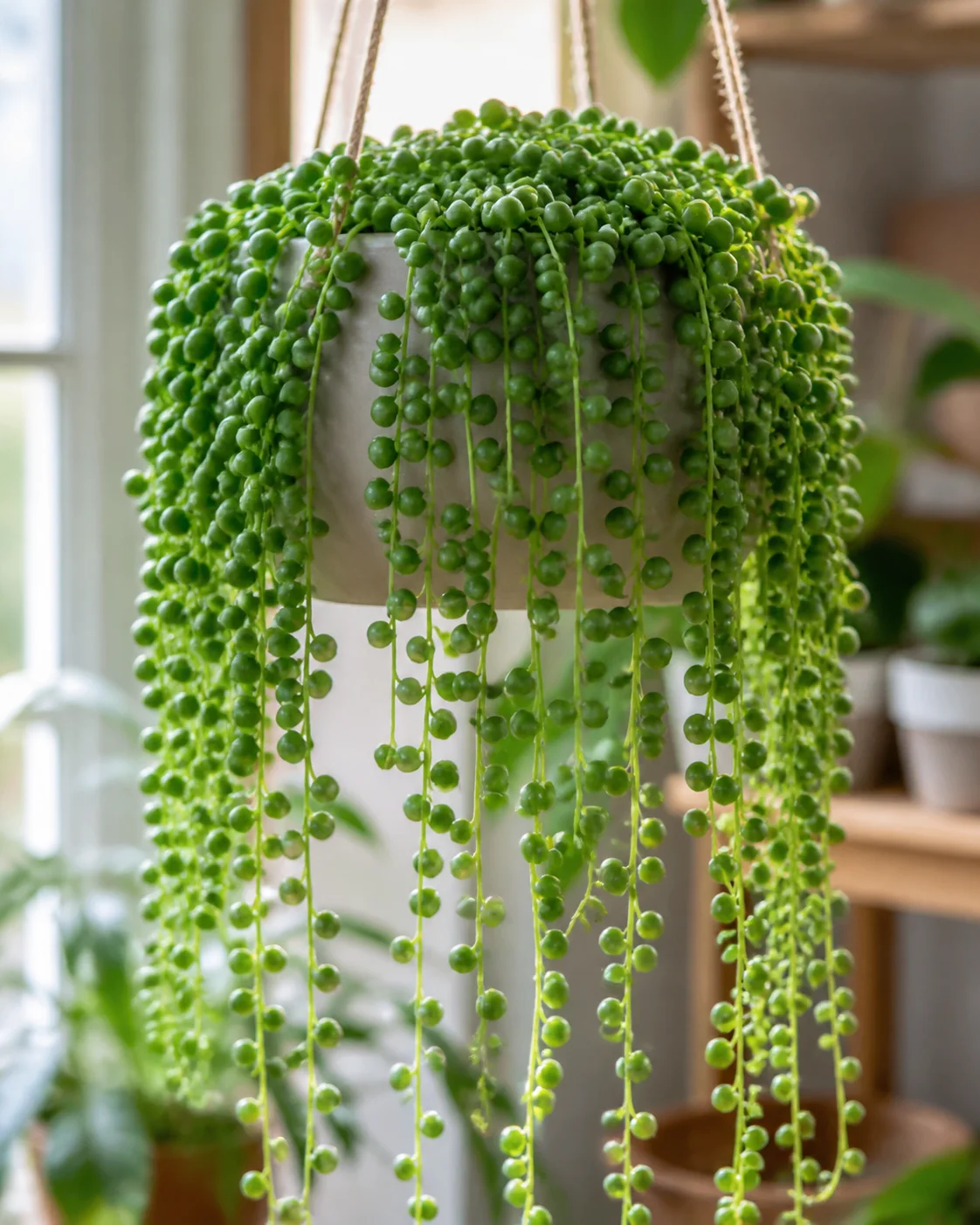
String of Pearls
The other trailing succulent that stores its water in its leaves and rots on the same watering habit.
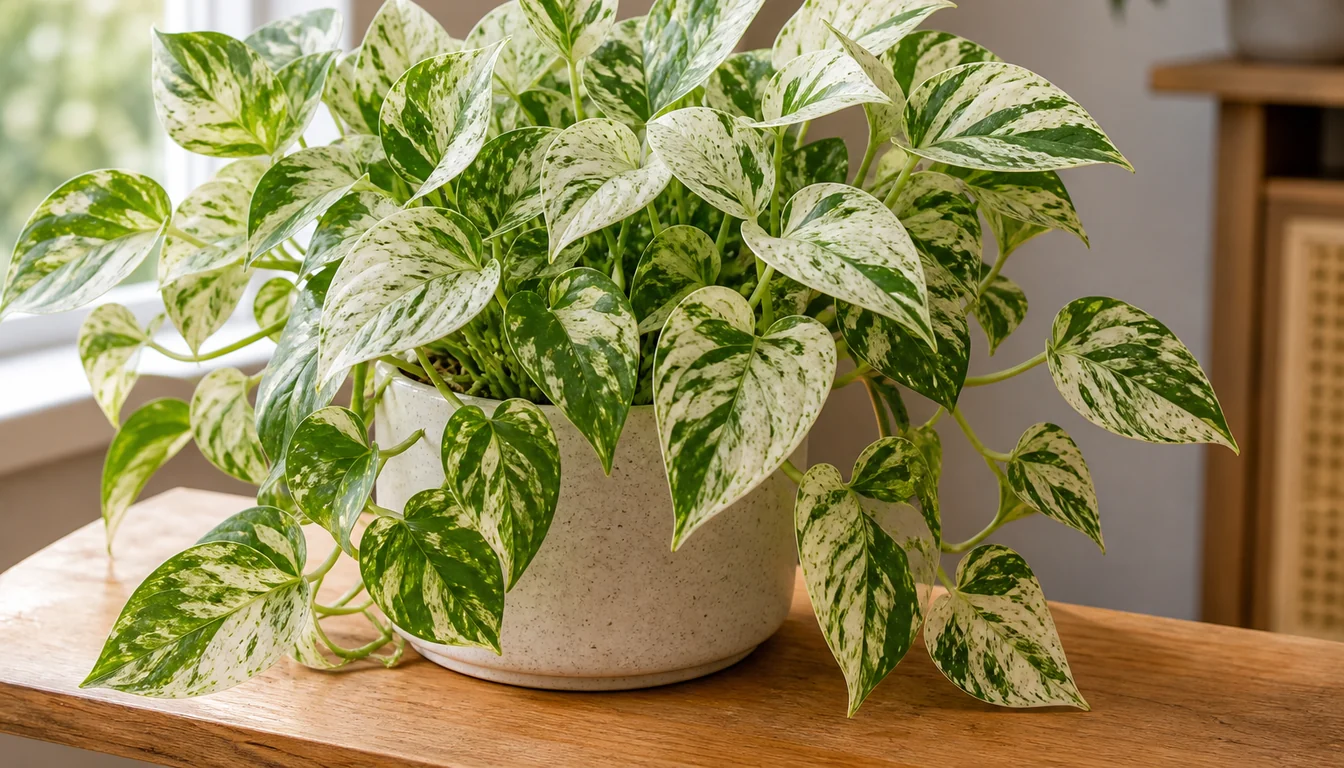
Marble Queen Pothos
A variegated vine that pays for its white leaf area with a brighter window, the same tradeoff as the variegated hearts.
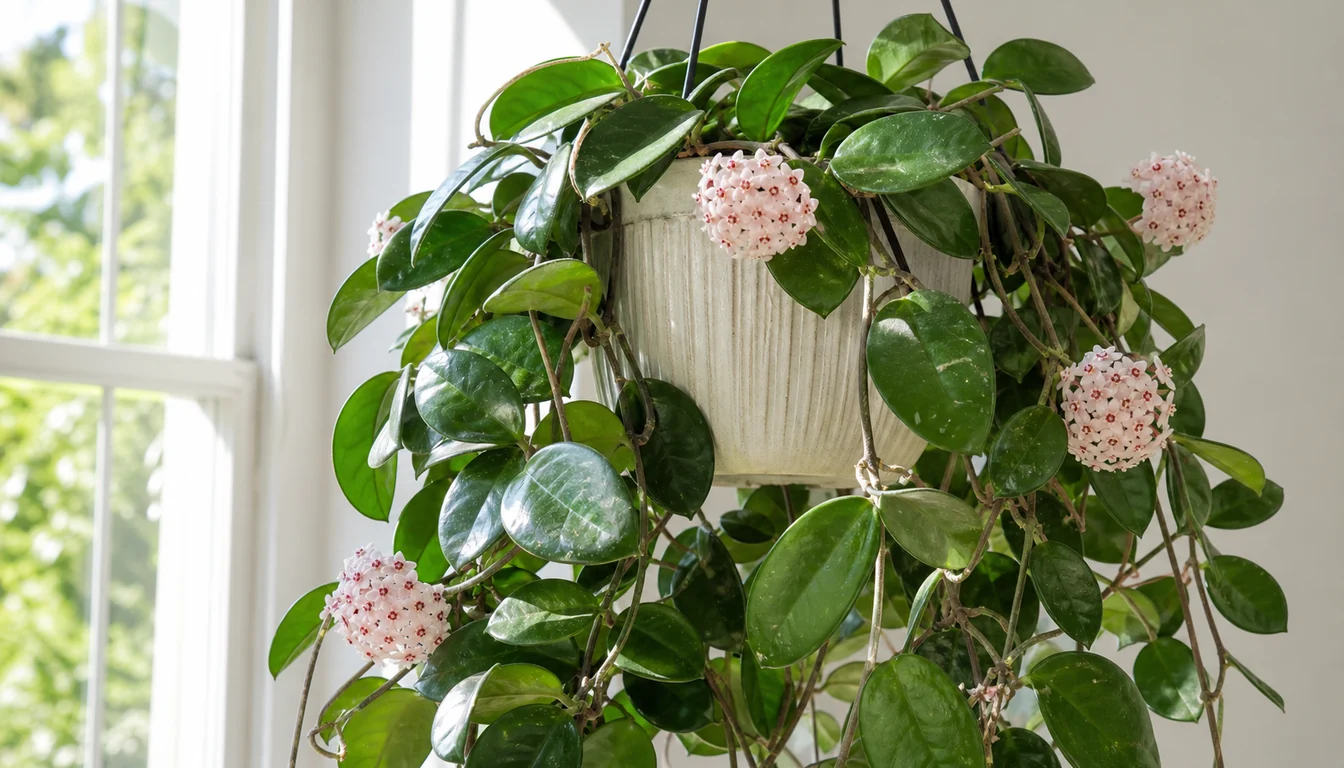
Hoya Carnosa
Thick-leaved trailing houseplant that also fails in an oversized pot rather than from a missed watering.
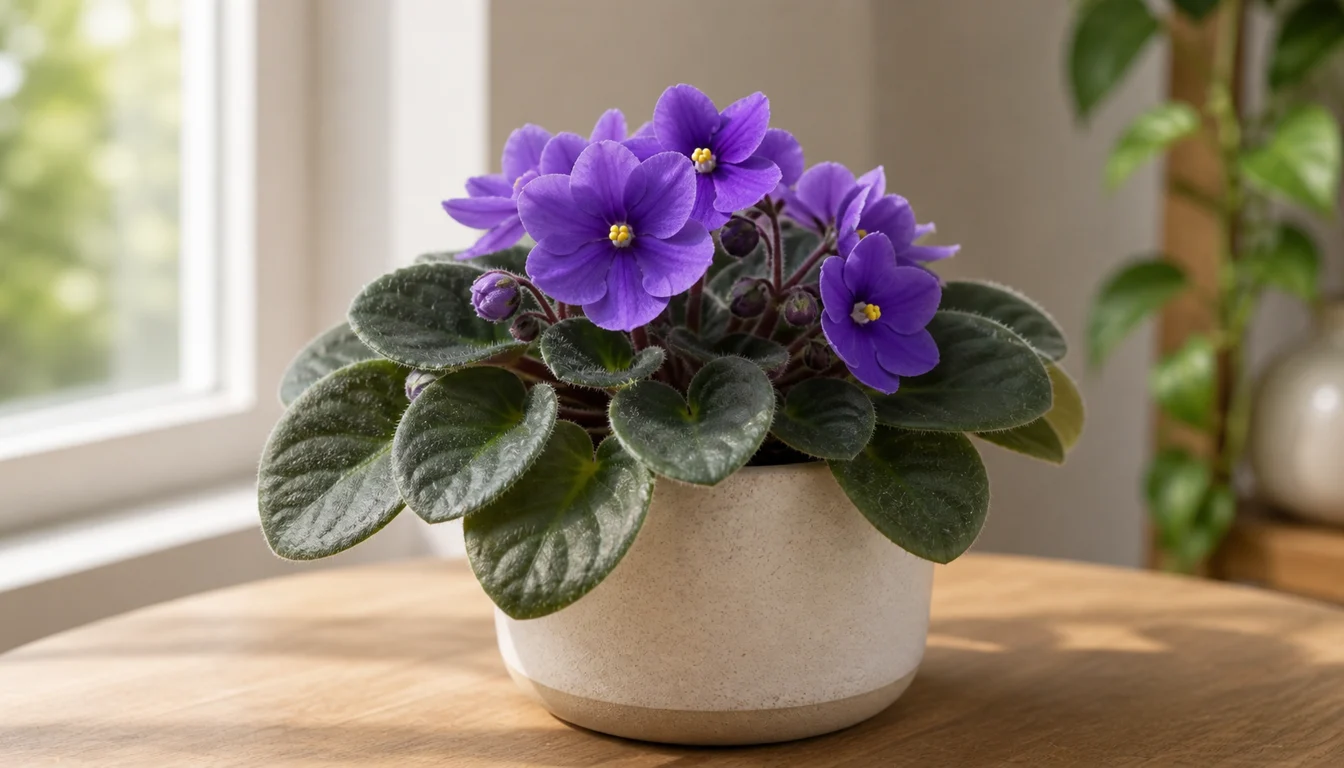
African Violet
African Violet is a windowsill bloomer that rewards steady, small-pot care.
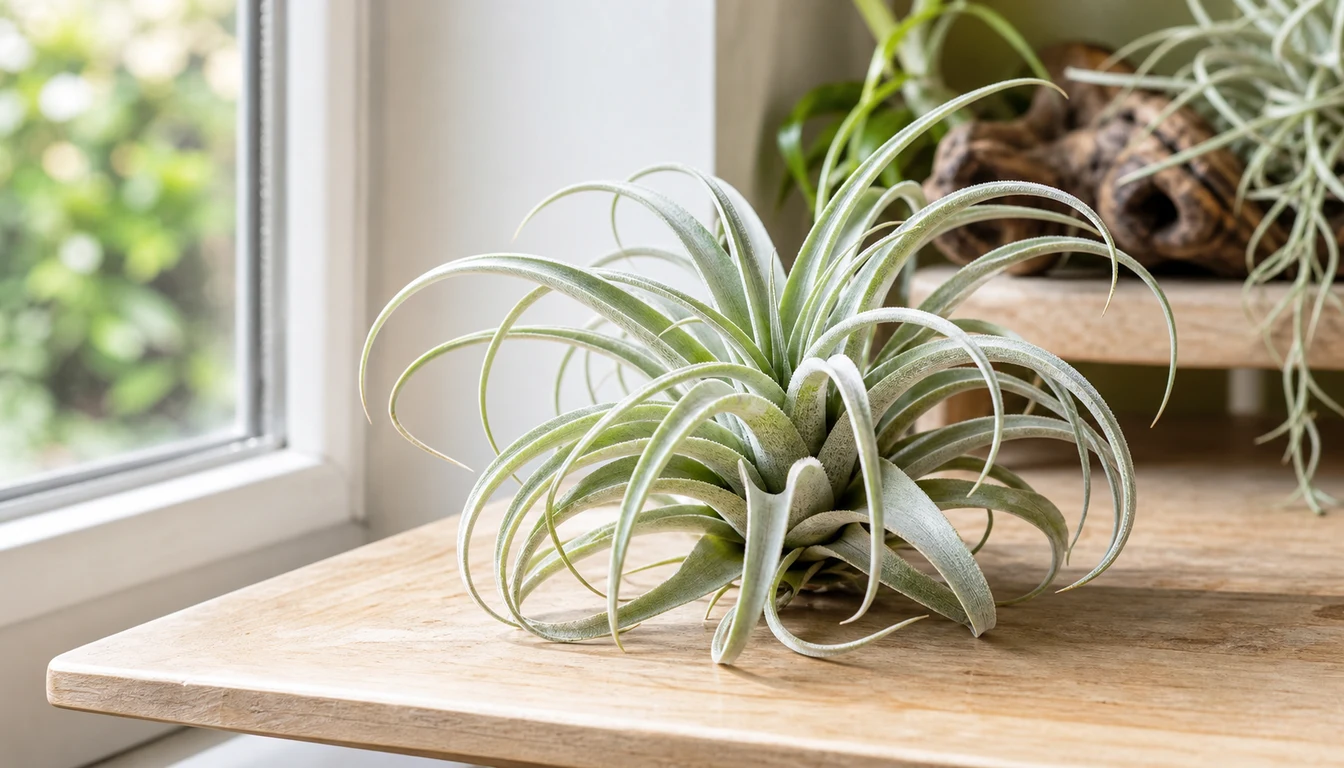
Air Plant
Air plants are living sculptures that thrive without soil, anchoring to driftwood, rocks, or shells while drawing…
Alocasia
Alocasias include compact, textured houseplants and large elephant ears that need substantial floor space.