
How to Grow Raven ZZ Plant and Why Its New Leaves Start Green
Zamioculcas zamiifolia 'Dowon' Araceae
Raven ZZ grows lime-green leaves that darken as they mature. The color change is normal. Healthy growth depends on useful indirect light, a draining pot, and time for the mix to dry between waterings.
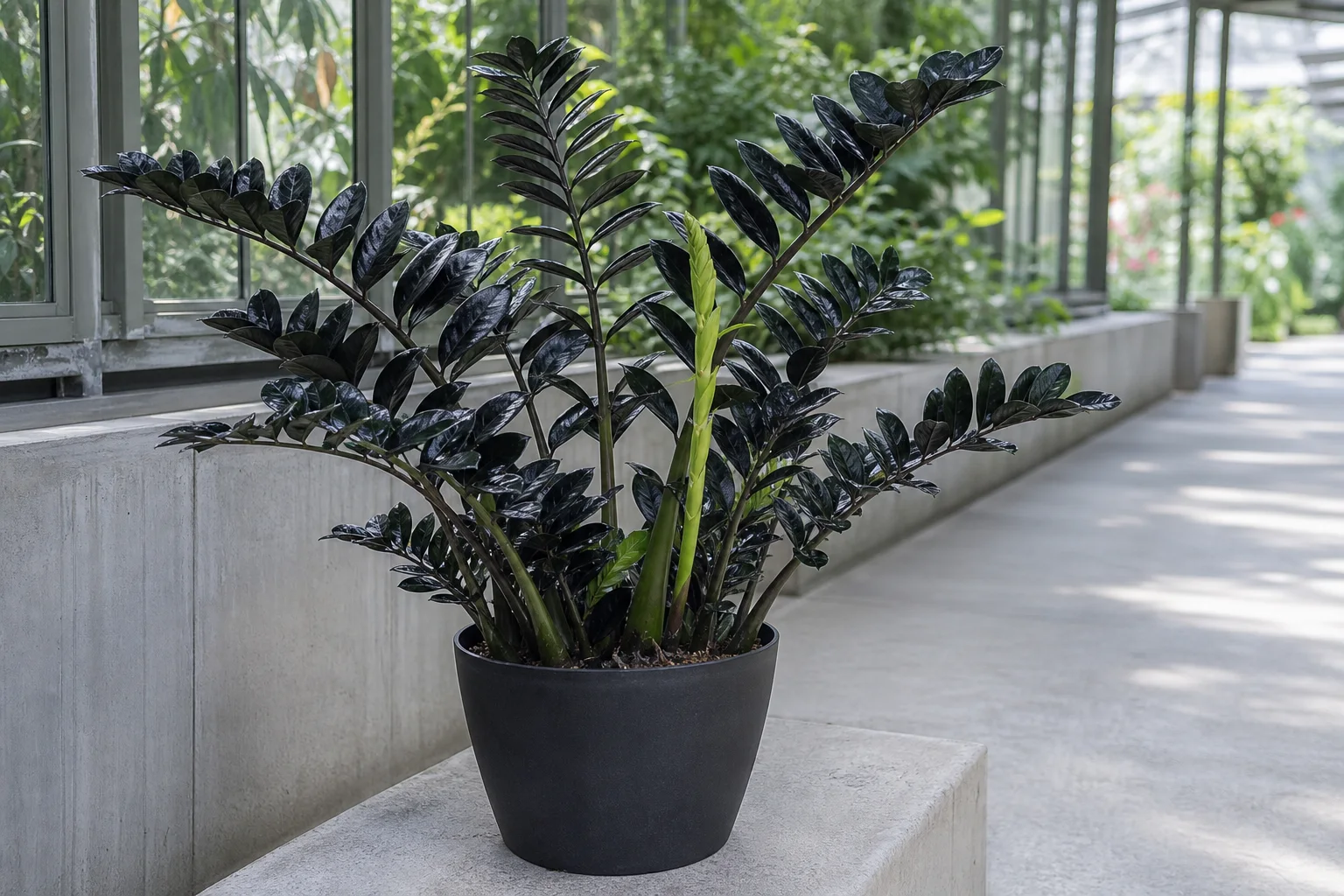
Care snapshot
What Makes Raven ZZ Plant Turn From Lime Green to Black?
Raven is the trade name for 'Dowon', a cultivar of Zamioculcas zamiifolia, the species sold as ZZ Plant. It belongs to the aroid family, Araceae. Its almost-black foliage does not make it a separate species.
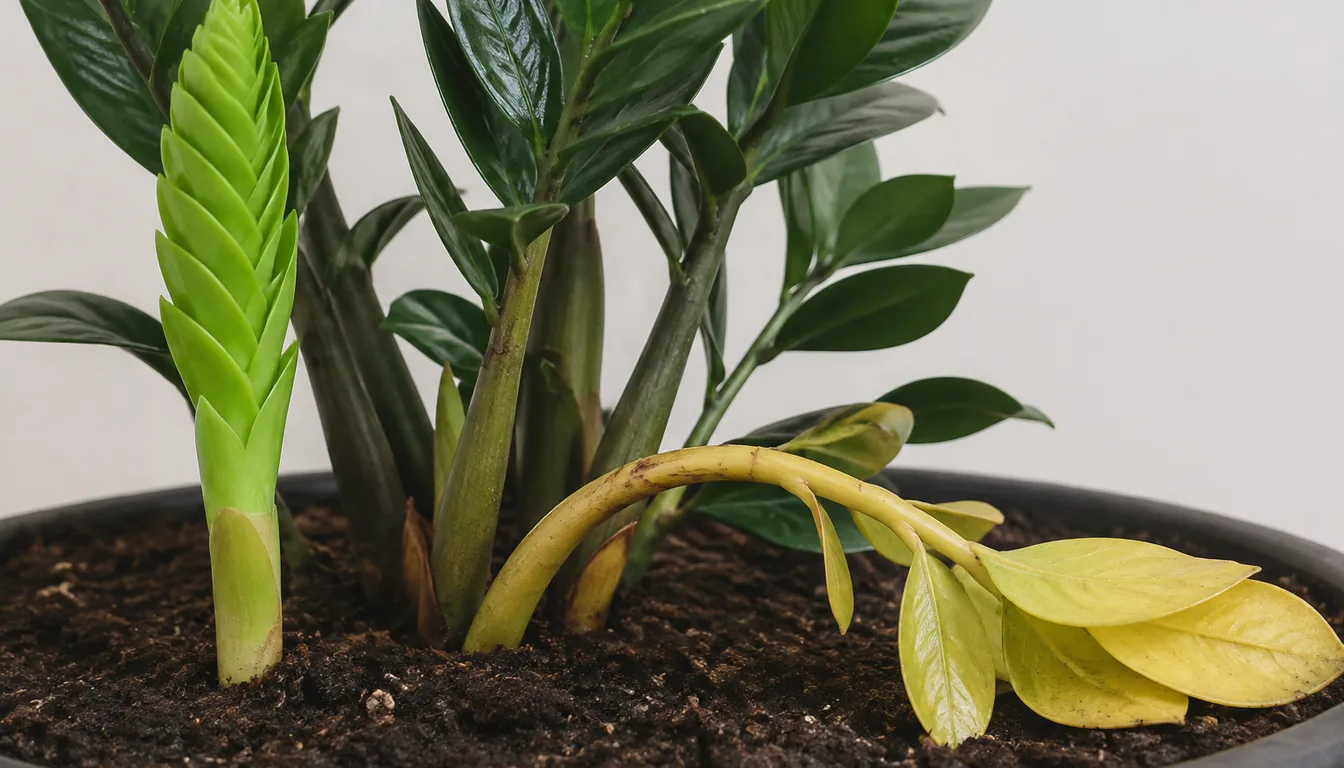
The cultivar originated as a dark-leaved mutation noticed in a South Korean nursery in 2006. Its new growth still emerges green, so a plant with both lime and black leaves can be showing different stages of the same cultivar.
What looks like a stem rising from the pot is a petiole and central rachis carrying one compound leaf. The oval pieces along it are leaflets. Below the mix, a fleshy rhizome stores water and produces new leaves, which explains why a cutting and an established clump start with very different reserves.
Raven is a slow-growing houseplant that can approach 3 feet tall. Space around an established clump matters as well as height because the compound leaves spread outward. The nursery pot's diameter does not describe its eventual reach.
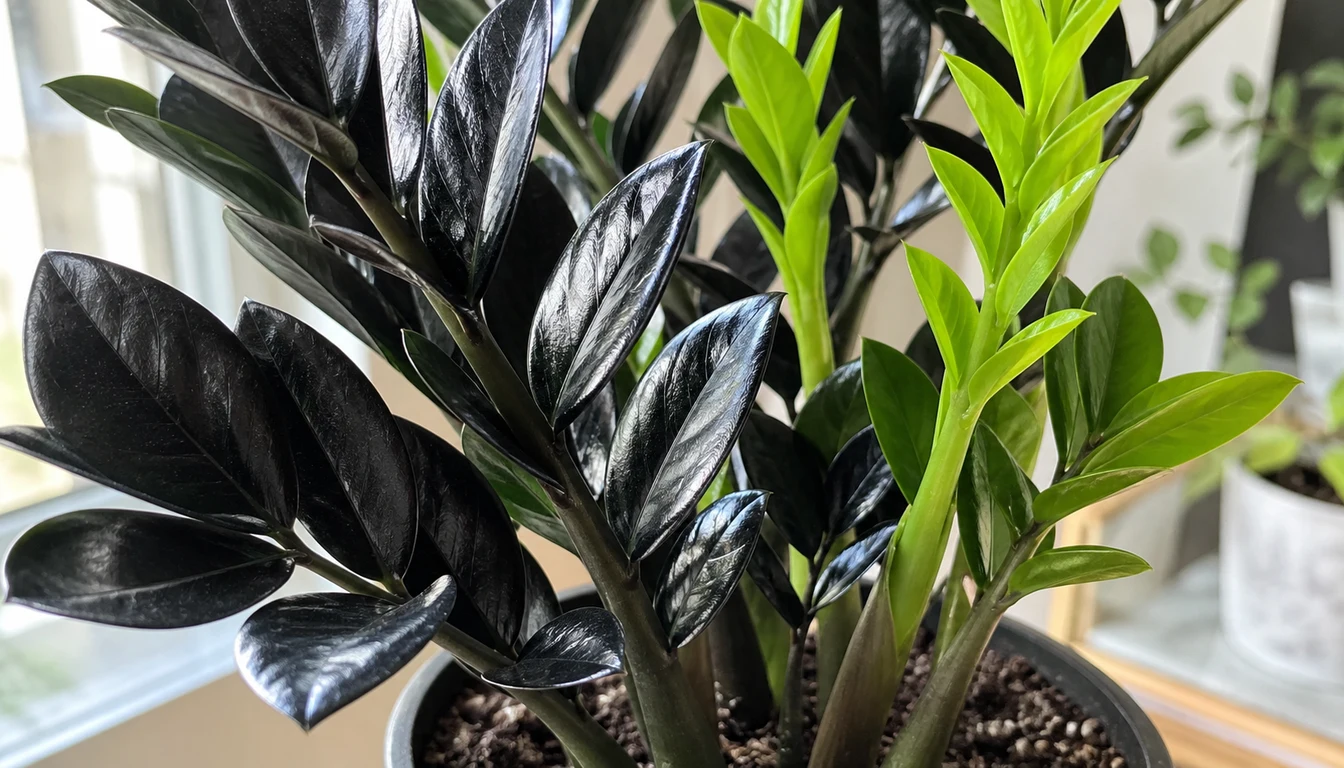
New foliage darkens through olive and deep green toward purple-black. Leaf age matters more than a color deadline when deciding whether a fresh green spear is normal.
The cultivar's patent describes darkening over one to two months in one passage, while its photograph descriptions place stages much later. Those conflicting timings cannot provide a reliable household countdown. Moving Raven into deeper shade to make it black would reduce the light available for growth without resolving that uncertainty.
- New leaf
- Emerges green and unfolds before reaching mature color
- Mature leaf
- Glossy, very dark green to purple-black
- Yellow or collapsing leaf
- Needs assessment of moisture, roots, exposure and age; it is not the normal green-to-black sequence
Light for Growth Without Scorch
Bright indirect light is a useful starting point. Raven tolerates low light, but tolerance does not mean that a dark corner will support the same growth as a brighter position.
The color of a mature black leaflet is not a light meter. More useful observations include the amount of light reaching the whole plant, changes in new growth, and whether a recent move exposed the foliage to direct sun.
An east-facing window or filtered light from a brighter window may suit the plant. Window direction alone is not enough to choose a distance because trees, overhangs and blinds change the light reaching the pot. A grow light can supply light in a windowless room; ordinary room lighting varies too much to promise adequate growth.
Direct sun can scorch leaves, especially after a move from a sheltered position. A pale patch on the exposed side makes that history worth checking, but the patch alone does not establish the cause. Sudden exposure changes are more informative than assuming every brown area is sunburn.
Raven does not tolerate freezing. NC State recommends bringing outdoor containers inside below 60°F (16°C), a precaution rather than a USDA-zone prediction. Cold glass and drafts can expose foliage to temperatures different from the center of the room. A damp cloth removes dust without adding leaf-shine products.
How Dry Should the Pot Get Before You Water Raven?
Water stored in Raven’s rhizomes and thick leaf structures helps it tolerate drying. That reserve does not protect roots from a pot that remains waterlogged, where the air spaces needed by roots stay filled with water.
The surface can dry while deeper mix remains moist. Pot weight and a gentle check of accessible mix below the surface give more useful information together than either alone. A skewer is only a local sample; forcing it through a crowded rhizome mass risks damage.
- A heavy pot with damp lower mix usually needs more drying time, not another watering.
- A much lighter pot with dry mix below the surface is ready for thorough watering.
- Yellowing or collapse while the mix stays wet warrants a closer root-zone assessment.
- Wrinkling can accompany prolonged dryness, but damaged roots can also leave foliage short of water.
When the mix has dried, wet the root ball slowly until water drains from the hole, then empty the saucer or outer pot. Water running out immediately can sometimes be bypassing a dry core along gaps at the sides, so runoff alone does not prove that all the mix has rewetted.
Repeated small splashes can leave uneven moisture. A thorough watering followed by drainage and drying is easier to assess, while misting the foliage does not replace water reaching the roots.
Low light, cool conditions and a large volume of mix can lengthen drying time. Warmth and a porous container can shorten it. Those changing conditions make a fixed weekly or seasonal watering schedule unreliable.
When Do Raven's Rhizomes Need a Bigger Pot?
A freely draining indoor potting mix holds some water after irrigation while allowing excess to escape. Perlite, pumice or bark can increase coarse spaces, but a particular ingredient or recipe does not compensate for a container that traps runoff.
Terracotta loses moisture through its sides, while plastic generally retains it longer under comparable conditions. Either can work when the watering interval follows the actual pot rather than the calendar.
The inner container needs an unobstructed drainage hole even inside a decorative cachepot. A layer of stones cannot replace that exit. Lifting the inner pot out for watering makes hidden standing water easier to avoid.
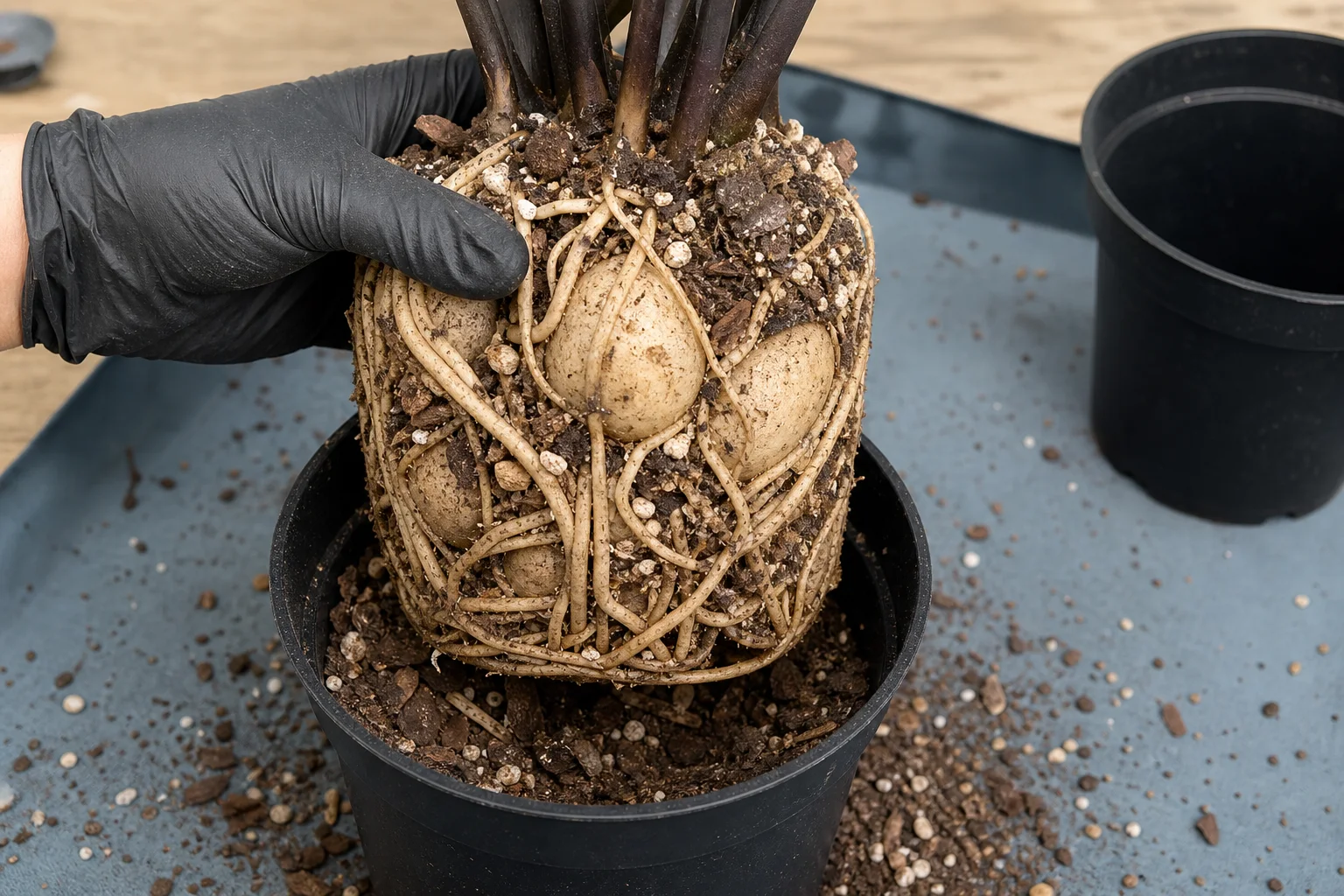
Crowded rhizomes that distort the pot or leave little room for mix can justify repotting. A modestly larger container gives the existing root ball room to expand without surrounding it with a large wet volume. The top of the root ball stays at its previous planting depth.
Slow Growth and Fertilizer
A pause between new leaves is not enough to diagnose a nutrient shortage. Raven grows slowly, and fertilizer cannot replace missing light or restore oxygen to saturated mix.
Feeding depends on growing conditions, the fertilizer label and nutrients already supplied by the mix. Active growth may increase demand, but a single unopened spear is not a switch that determines whether roots can use nutrients. A dim or cool plant generally needs less feeding than one growing well in stronger light.
Extra fertilizer is particularly unhelpful when yellowing accompanies persistently wet mix or damaged roots. The cause of poor uptake needs attention before more salts enter the pot.
A pale deposit on the rim or mix can come from dissolved minerals in irrigation water as well as fertilizer. It does not identify which product caused it. Leaching accumulated salts requires freely draining mix and an outlet for runoff. A pot already staying wet needs its drainage and root condition assessed first.
Choosing Raven or Green ZZ
The clear difference from classic green ZZ is mature foliage color. The available evidence does not establish that green ZZ will fill a room faster under otherwise comparable home conditions, so growth speed is a poor basis for choosing between them.
The plant in front of you gives a better guide to immediate appearance. Several established leaves can make a fuller display than a few young spears in a pot of the same size. Their spread also matters where the plant will stand beside a walkway or piece of furniture.
Raven’s new green foliage remains part of its appearance whenever the plant grows. A buyer who wants an entirely black display at all times would be expecting a different growth pattern. The age and size of the nursery plant affect the display you take home without guaranteeing its future pace.
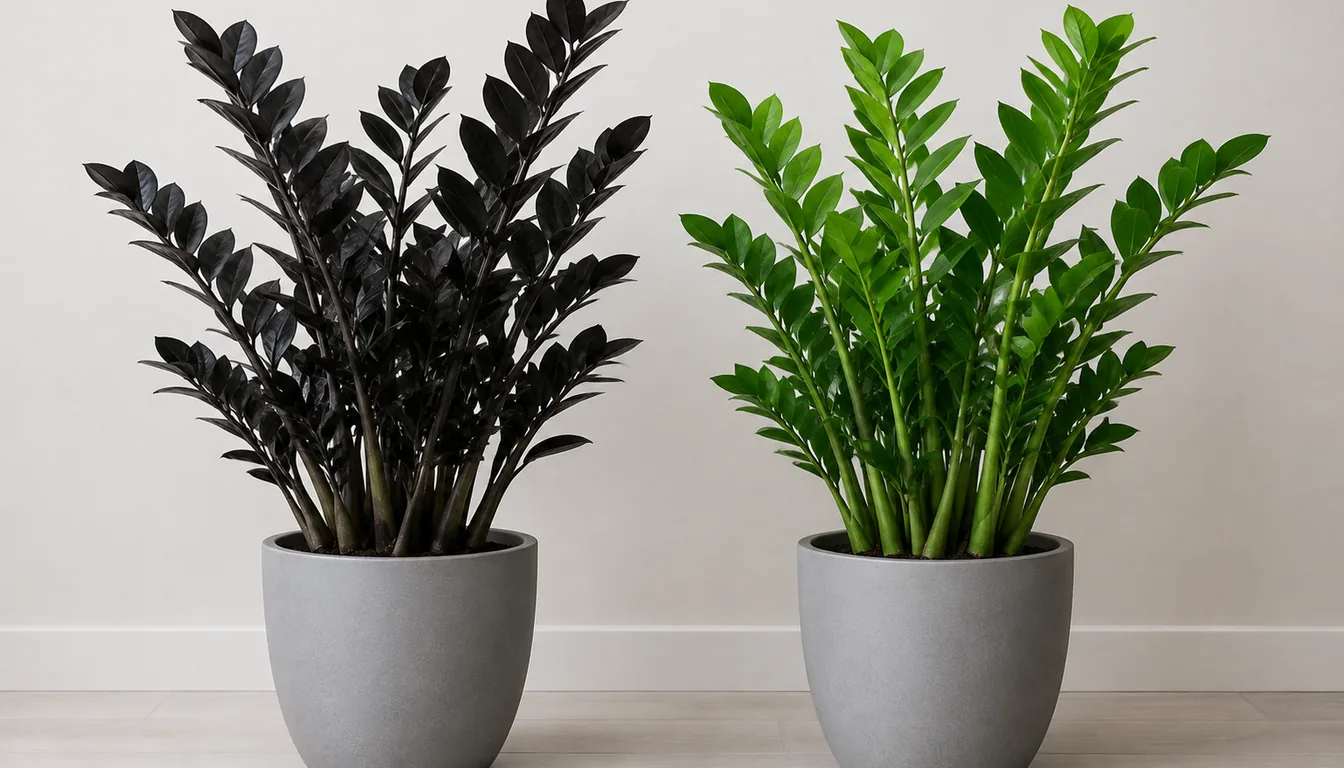
- Raven ZZ
- Green new foliage contrasts with dark mature leaves
- Green ZZ
- Mature foliage remains green rather than developing Raven’s near-black color
- Both
- Water-storing rhizomes, compound leaves and a need for light and drainage
Leaf Cuttings and Propagation Rights
The 'Dowon' patent documents plants reproduced from individual leaflet cuttings. A leaflet must develop roots and new underground growth before it becomes an established clump; the ability to root is separate from permission to reproduce a protected cultivar.
United States Plant Patent 30,035 identifies this cultivar. USPTO explains that plant patents can restrict asexual reproduction and specified uses of the reproduced plant. A database’s estimated expiration or status label is not enough to establish present permission, and rights differ between countries.
The plant label and current rights information therefore matter before taking cuttings or dividing Raven to make more plants. Routine removal of a damaged leaf does not itself create another plant. This care profile does not determine the current enforceability of the patent or authorize propagation.
Is a Green Spear Normal, or Is Raven ZZ Plant in Trouble?
New green growth and damaged yellow tissue call for different questions. Leaf age, texture, moisture history and the distribution of damage help decide what to inspect, but none of those observations alone proves root health or identifies a pathogen.
An unfolding green spear fits Raven’s normal growth pattern. A yellow stalk that loses support, especially beside persistently wet mix, warrants investigation of the roots and rhizomes. Sticky residue and raised bumps instead make a close inspection for scale insects useful.
- Firm lime-green spear
- Compatible with normal new growth; green color alone does not certify the whole plant’s health
- Soft yellow stalk with wet mix
- Inspect roots and rhizomes for moisture damage
- Sticky leaflets with raised bumps
- Inspect for scale insects before choosing a treatment
- Pale dry patch facing the window
- Check for direct-sun scorch
- Wrinkled leaflets with a very light pot
- Confirm dry mix, then water thoroughly
Scale insects may occur along petioles and leaflet surfaces. Isolation while inspecting a suspected infestation helps protect neighboring plants. A confirmed pest and a product labeled for that pest on indoor plants provide a better basis for treatment than spraying because a leaf looks dull.
Collapse or persistent wetness can justify gently inspecting the root ball after less disruptive checks. Soft, deteriorating tissue is concerning, but pale or firm-looking tissue does not rule out every root problem. Correcting drainage and moisture is necessary even when a damaged portion is removed; an image cannot decide whether infection is involved.
Pets, Ingestion and Sap Contact
NC State specifically lists Raven ZZ as toxic to cats and dogs. This is not an edible houseplant, and its calcium oxalate crystals and irritating sap create exposure concerns for people as well as pets.
The RHS cultivar record identifies ingestion and skin or eye contact as concerns. Gloves help during cutting or repotting. Fallen material and cuttings need to remain out of reach. Dark color does not indicate that a leaf is safer than green new growth.
For suspected ingestion, contact a veterinarian, poison-control service or medical professional promptly for case-specific advice. Do not wait for symptoms or try a home remedy. Plant identification and the material involved help the professional assess the exposure.
Sources & References
- Zamioculcas zamiifolia Raven 'Dowon' from NC State Extension
- RHS: Zamioculcas zamiifolia [Raven] ('Dowon')
- US Plant Patent 30,035 for Zamioculcas 'Dowon'
- USPTO: General Information About 35 U.S.C. 161 Plant Patents
- UF/IFAS EP252: Cultural Guidelines for Commercial Production of Interiorscape ZZ
- University of Minnesota Extension: Insects on Indoor Plants
- University of Georgia Extension, Growing Indoor Plants with Success, Bulletin 1318
- ASPCA: What to Do if Your Pet Is Poisoned
Related Plants
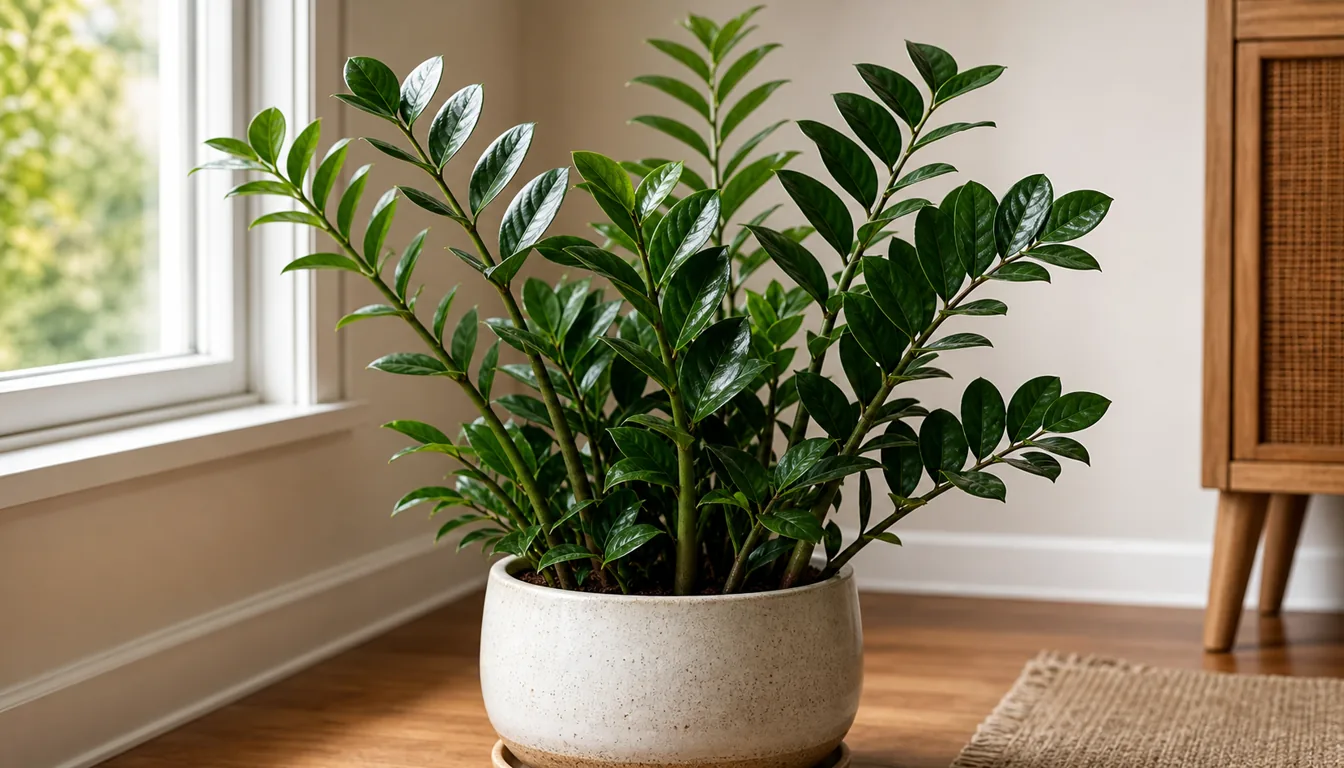
ZZ Plant
Green foliage with the same compound-leaf and water-storing rhizome structure.
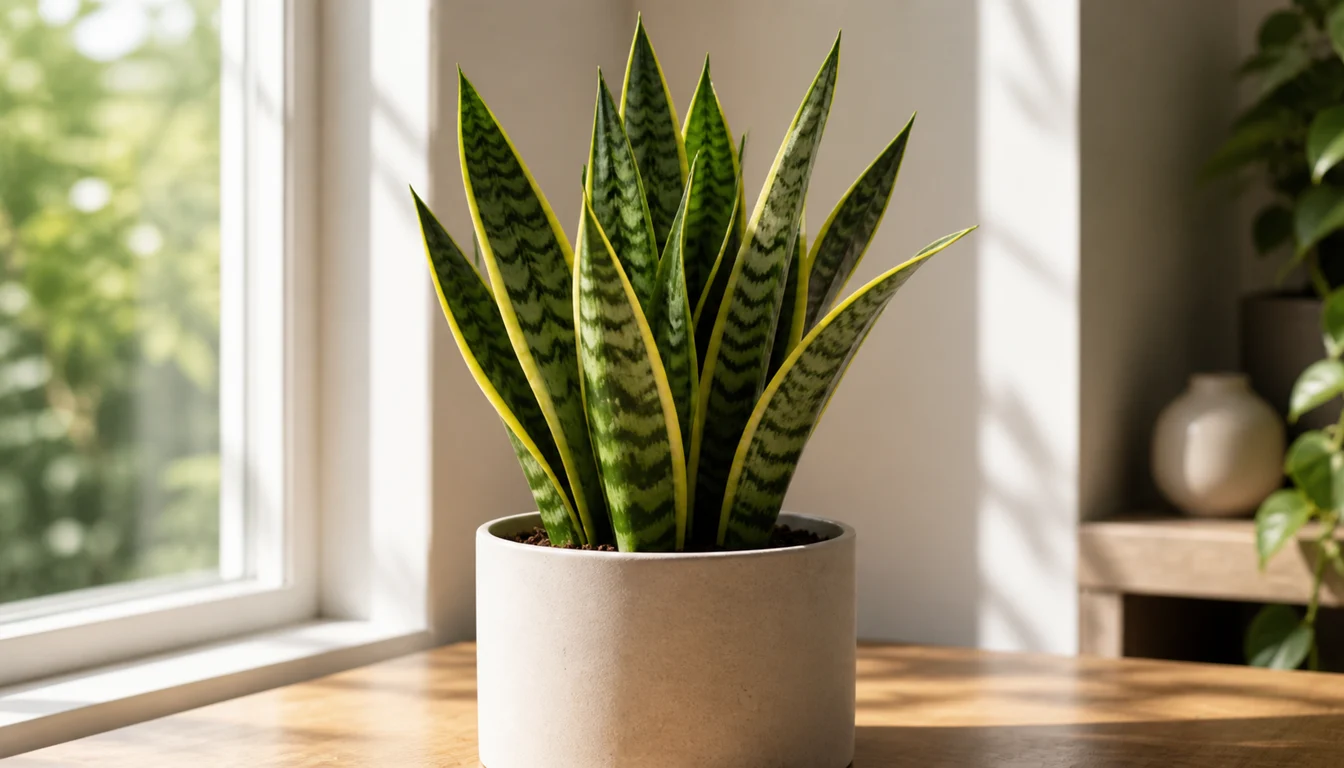
Snake Plant
An upright alternative with sword-shaped leaves rather than Raven’s rows of oval leaflets.
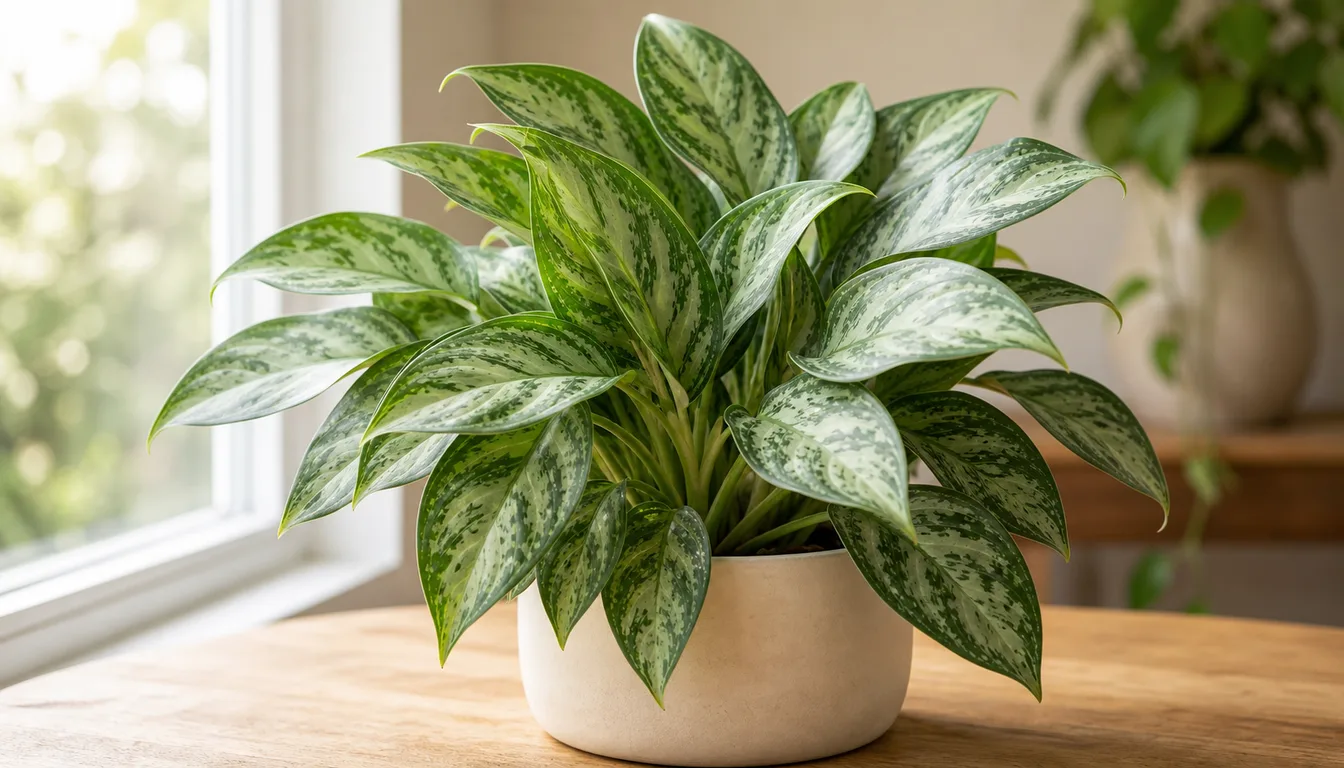
Chinese Evergreen
Patterned foliage offers a different appearance from Raven’s nearly black mature leaves.
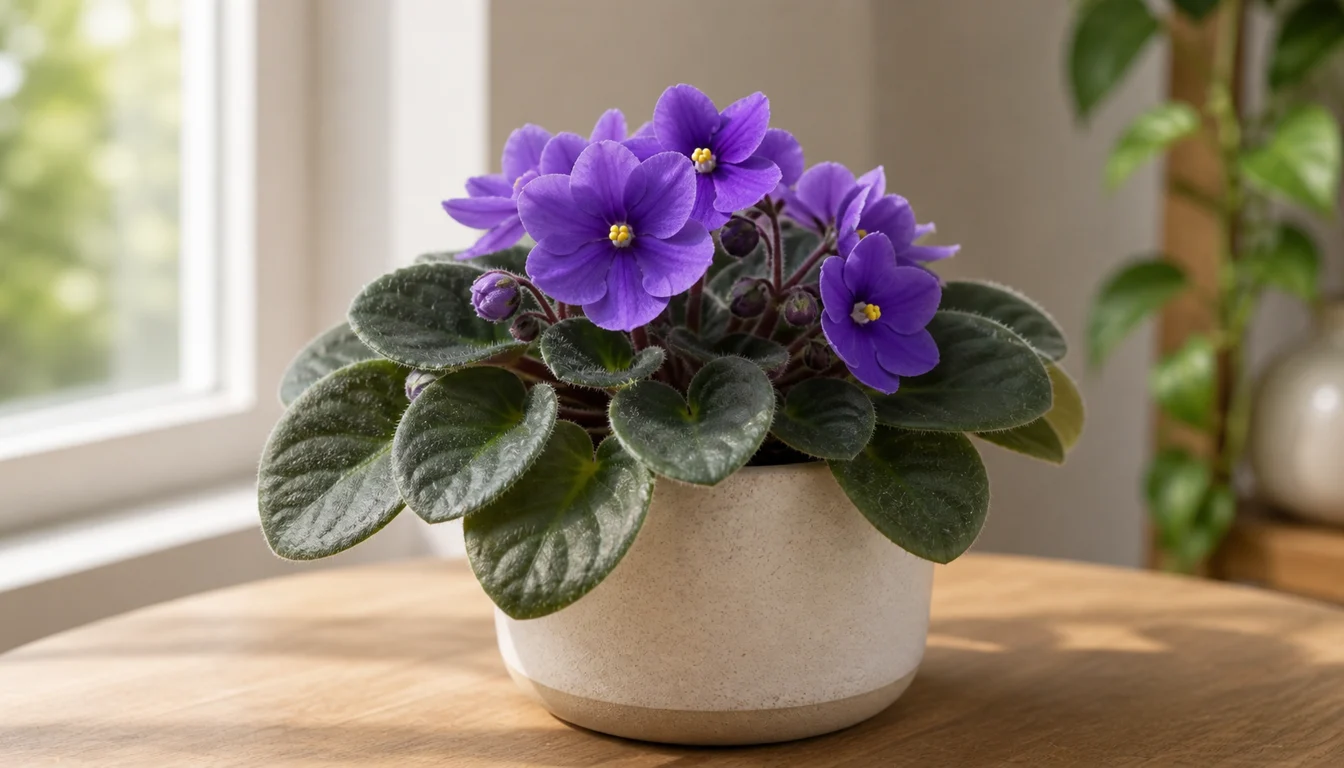
African Violet
African Violet is a windowsill bloomer that rewards steady, small-pot care.
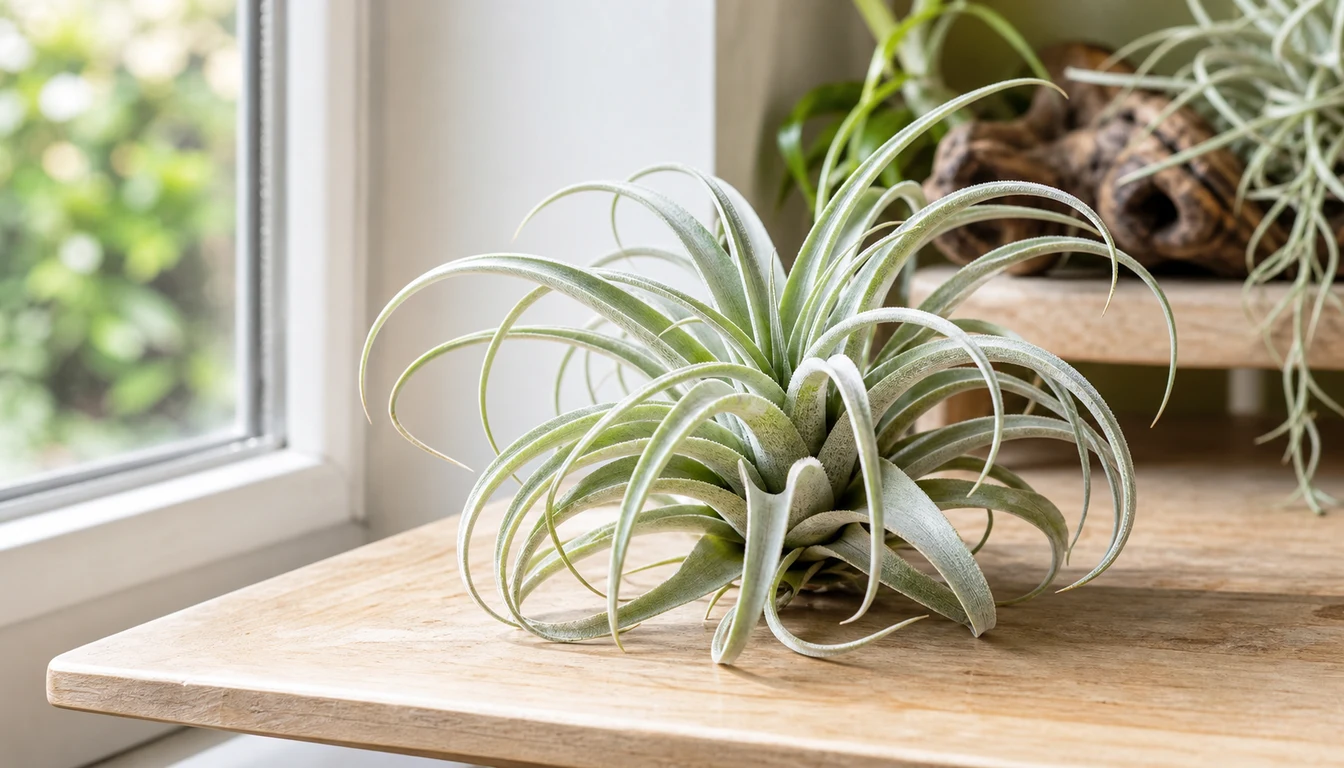
Air Plant
Air plants are living sculptures that thrive without soil, anchoring to driftwood, rocks, or shells while drawing…
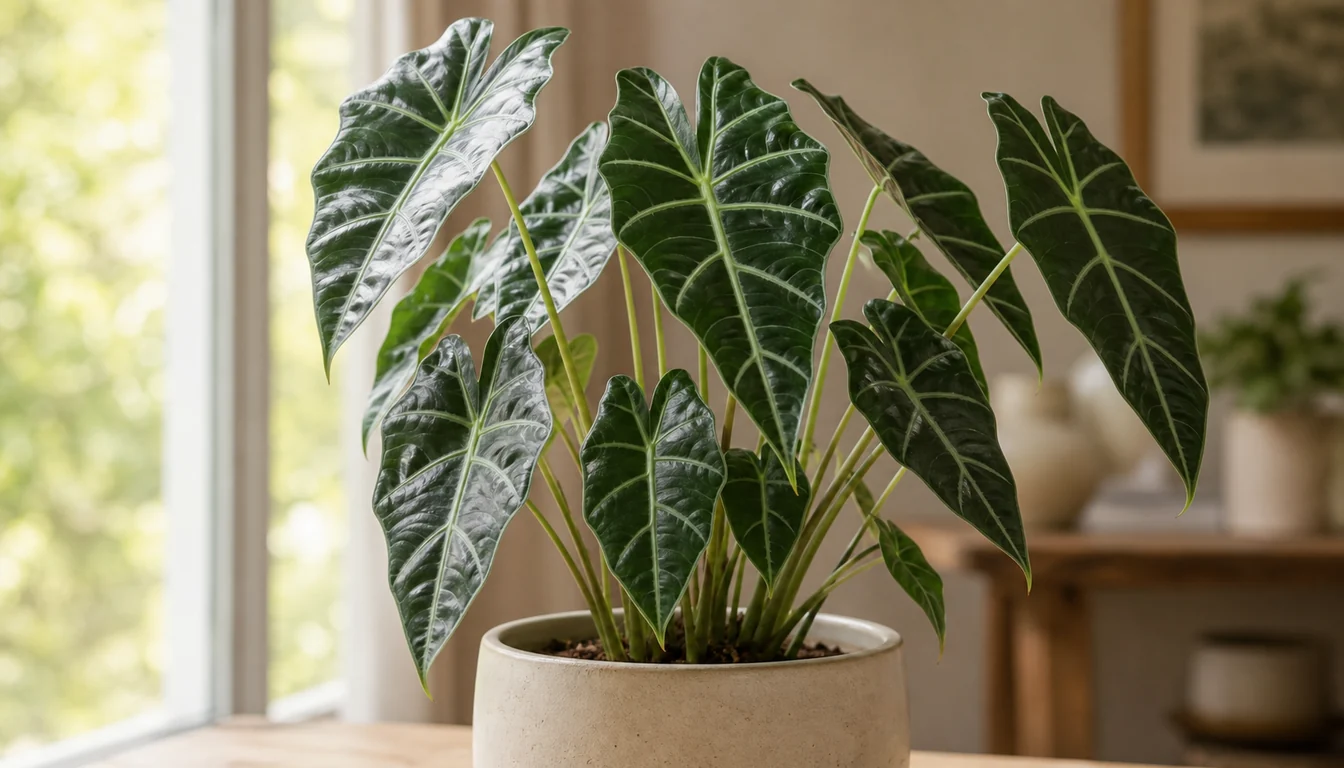
Alocasia
Alocasias include compact, textured houseplants and large elephant ears that need substantial floor space.